From Venice to Rome: Two Days Per City, A Vibrant Italian Feast for the Senses
Meta Description: Discover the ultimate 6-day Italy itinerary: Venice, Florence, and Rome in two days each. Budget tips, hidden gems, Burano beauty, and the best 1kg T-bone steak in Florence.
Introduction: Why This Italian Itinerary Works for Budget Travelers
Italy has always been the crown jewel of European travel for food lovers. Pasta, pizza, espresso, and that melt-in-your-mouth gelato—the flavors alone are enough to make any traveler's heart race. When I moved to Germany in March 2018, the first thing I did was drag a friend into planning an Italian adventure. Initially, our sights were set on Rome and Florence, but after browsing flight prices, reality hit us: our wallets weren't deep enough.
Then came the unexpected discovery that changed everything—flights to Venice were unbelievably cheap. And so the skeleton of our itinerary was born: Venice → Florence → Rome. With return flights from Rome equally affordable, our "two days per city" Italian escapade was ready to roll. Here's how you can replicate this budget-friendly, sensory-rich journey.
Venice: Blindsided by Its Beauty

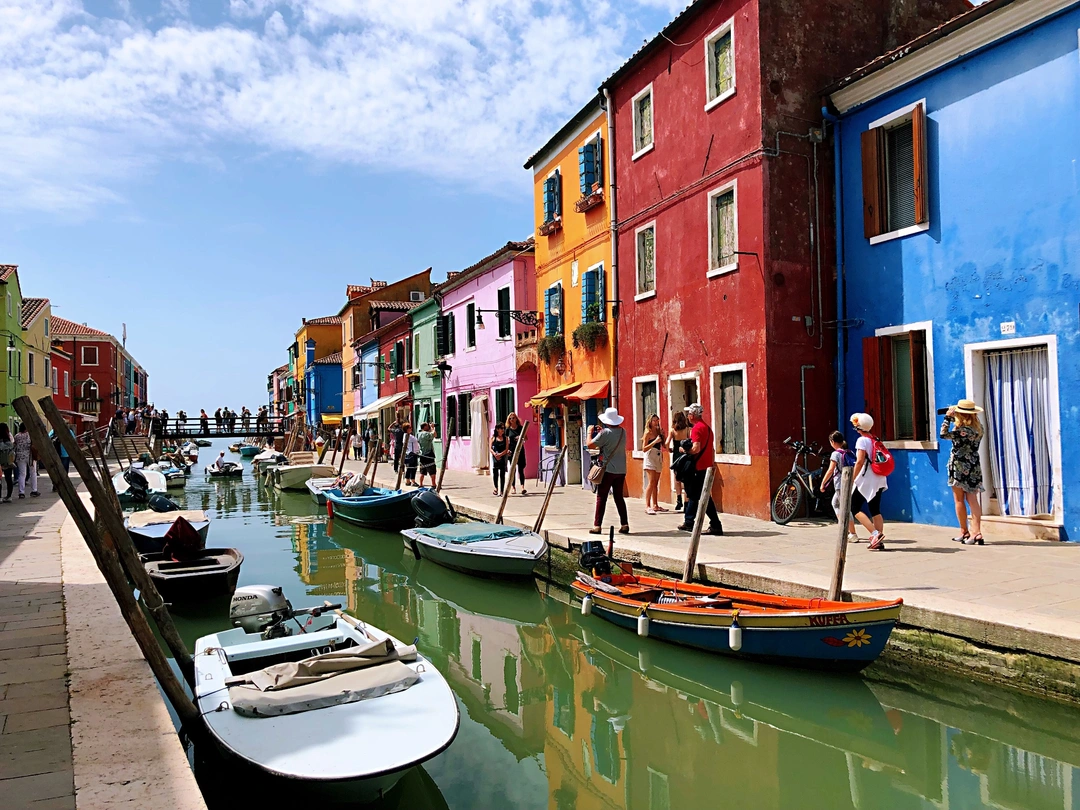
To be honest, before departure, I had almost no expectations for Venice. "Isn't it just a foreign water town?" I thought. I've seen plenty of Chinese water towns like Wuzhen and Zhouzhuang. If the flights hadn't been so cheap, I would never have included it. With the mindset of "let's go see it before it sinks into the sea," we set foot on this land. The result? Venice completely shattered my preconceptions—especially Burano, which left my friend and me repeating over and over: "It's so beautiful. It's so damn beautiful. How can it be this beautiful?"
Venice Budget Accommodation: Why Mestre Works
Because we booked accommodation too late (and, of course, because we were broke), we couldn't stay on Venice's main island. Instead, we chose a place near the Mestre train station. Every morning, we took a bus to the island. After studying the routes, we realized that to get to Burano, we had to transfer to a water bus at Murano (Glass Island). So we decided: spend an hour on Murano, then catch the next boat to Burano, and return to the main island in the afternoon.
Pro tip: The May Day holiday meant crowds were massive, but Burano was still relatively quiet in the morning. By the time we left around one or two in the afternoon, the island was packed. If you want those perfect photos—go early!
Murano: A Decent Transfer Hub
Murano was our first stop in Venice. When we arrived around 9 a.m., most shops were still closed, and tourists were few. Honestly, Murano didn't have much to wow us—the glassware was similar to what you'd find on the main island, and the scenery couldn't hold a candle to Burano. As a transfer point, an hour was more than enough.
Burano: The Highlight of the Entire Italy Trip
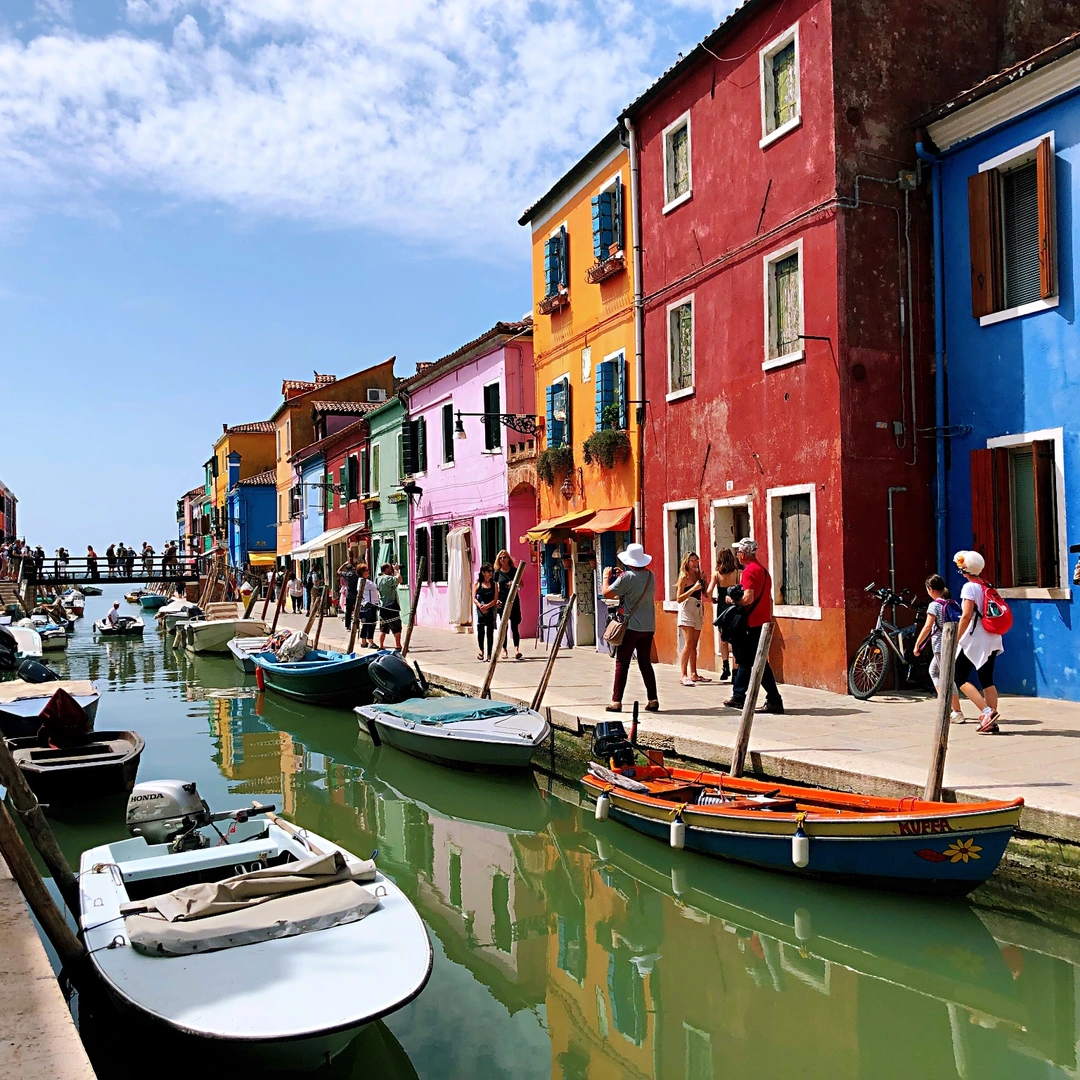
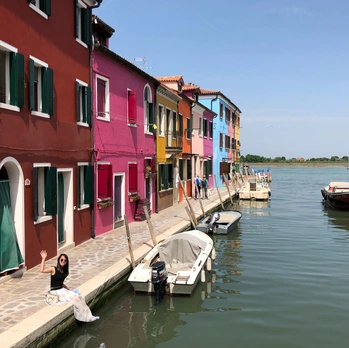
After stepping off the water bus, we passed through a narrow alley lined with lace products. As we emerged and saw the small canal, the view opened up before us. Row after row of two- and three-story houses, each painted a different color, stretched along the winding waterways. Small wooden boats bobbed gently on the water. The scene was vibrant and visually striking. We completely forgot about buying sunscreen and started snapping photos like crazy.
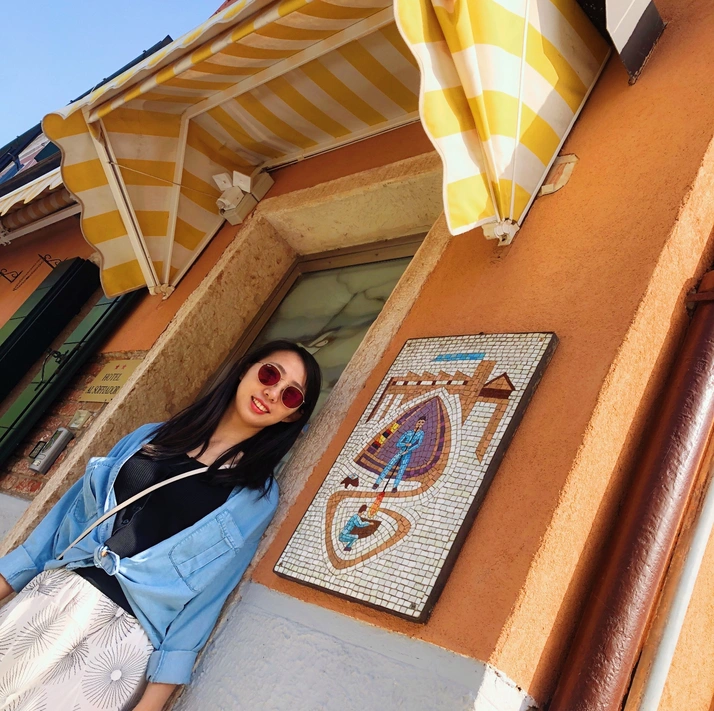
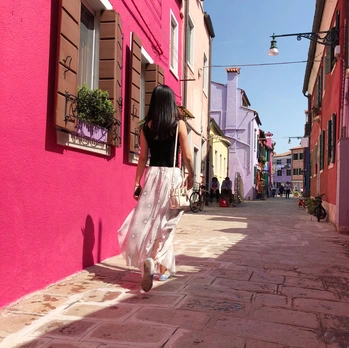
On a stone bridge, we encountered a meticulously made-up, fully equipped Instagram influencer. After borrowing her posing techniques, I somehow became a "fashion photo blogger" whose posts racked up the most likes among my friends. Burano, you truly live up to your reputation.
Venice Main Island: A Mix of History and Commerce
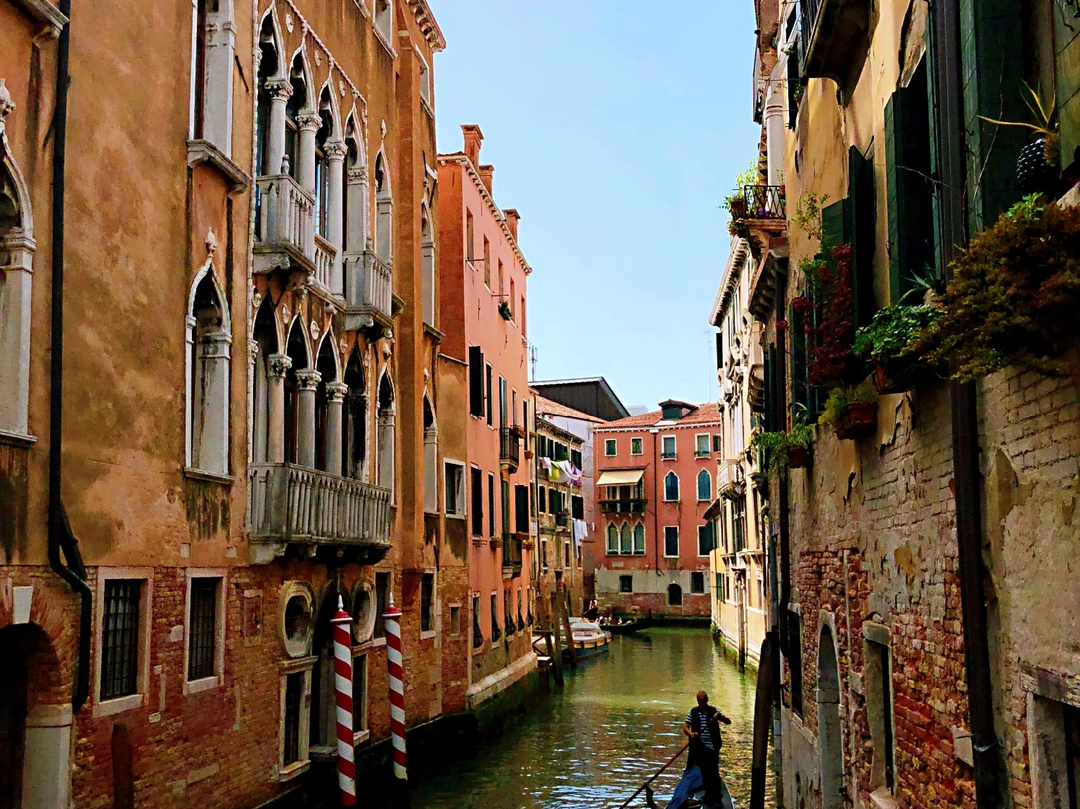
After exploring Burano, the crowds had swelled, so we headed back to the main island. Unlike the colorful Burano, the architecture on the main island carries a weathered, aged feel—peeling walls seem to whisper stories from the Middle Ages. But before you can dwell on that, your attention gets stolen by the craft and souvenir shops lining the streets. It's a place made for browsing and buying.
We followed the crowds past St. Mark's Basilica, the Bridge of Sighs, and the Rialto Bridge. The most relaxing moment came when we sat down by a bridge to rest. I was captivated by the gondolas gliding through the narrow canals—their slender, pointed shapes were beautiful, and the gondoliers all wore matching striped uniforms. I tried again and again to capture a gondola moving through the water, but my photography skills were limited. Finally, my friend said, "That looks great," and I put my phone away satisfied—though I suspect she was just humoring me.
[Link: How to photograph Venice gondolas like a pro]
Florence: An Artistic Facade with a Down-to-Earth Soul
The train from Venice to Florence took about two hours. To avoid awkward eye contact with the passenger across from us, we deliberately chose seats 2A and 2B. The only downside was that the train was moving backward relative to our seats. Note to self for next time: pick seats 17A and 17B instead.
David? The David I Know?
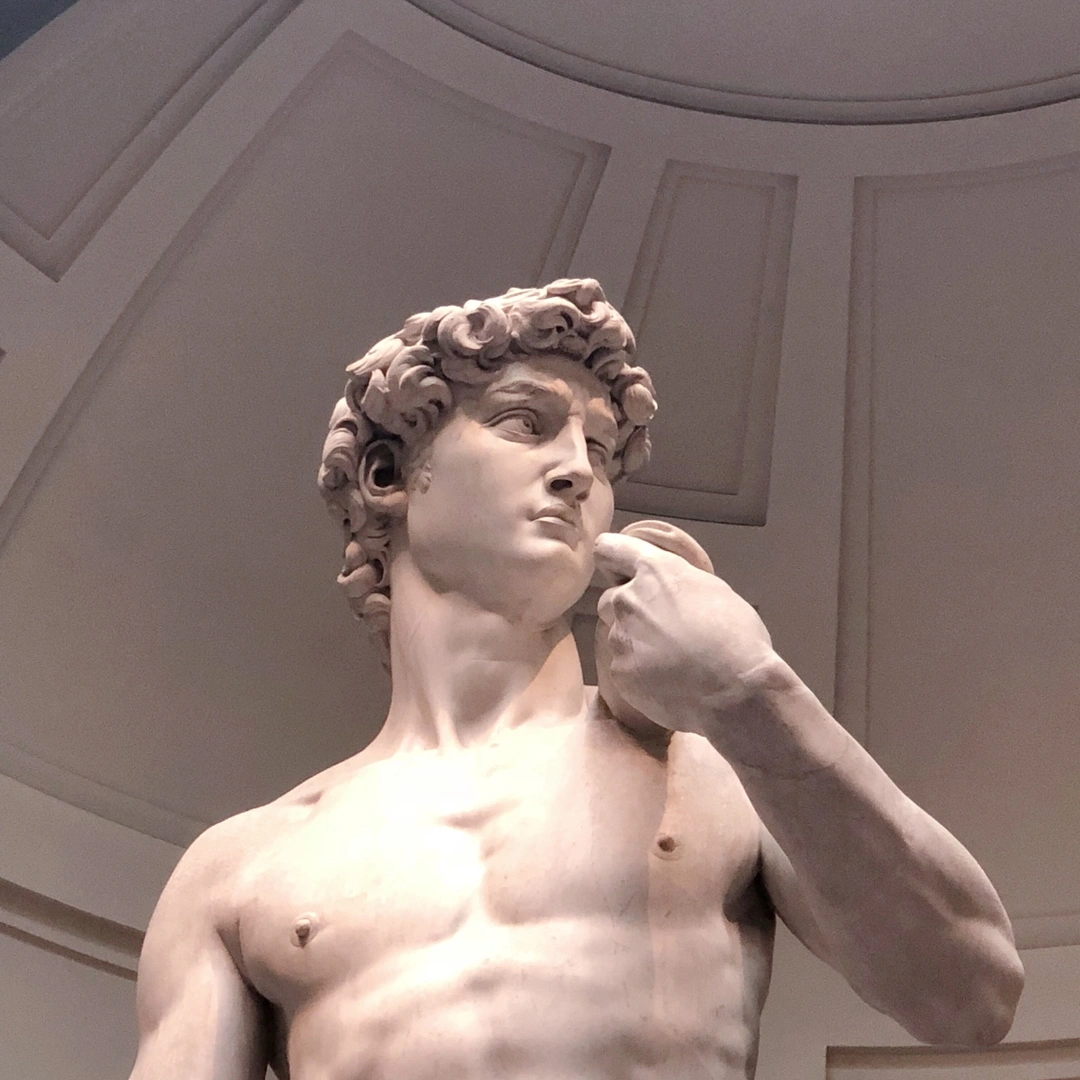
Before departure, sticking to my usual laid-back style, I hadn't looked up much about Florence. I knew almost nothing about the city. That is, until my friend checked the guide and suddenly said, "David is in Florence."
"The David I know?" I asked.
"Which one?"
"Michelangelo's."
"That David. He's in Florence."
"Oh my god!"
At that moment, I was beyond excited. Seeing Michelangelo's David in person is a non-negotiable experience for any art lover visiting Florence.
Florence Public Transport: Defeating Two "Old Europe" Veterans
We got off the train buzzing with excitement, only to have the public transport system throw cold water on us. We followed Google Maps back and forth for ages but couldn't find the bus stop. We asked a passerby—no idea. We asked a police officer—no idea either. We asked a soldier—he told us to ask the ticket seller. The ticket seller didn't speak English. My friend and I—one who had lived in the U.S. for five years, the other in France for five years—were completely defeated by Florence's bus system!
Budget travel tip: Walk everywhere in Florence's historic center. It's compact, walkable, and you'll discover hidden gems along the way.
Florence Leather Market: Imagined Artisans vs. Reality
In artistic Florence, the first thing we did was the most down-to-earth activity possible—shopping at the Florence leather market. On the train, we had romanticized Italian leather craftsmanship: an artisan renting a small workshop, slowly perfecting unique pieces. Reality? Another loud slap in the face. Florence's leather market was basically an outdoor night market—open-air stalls lining both sides of the street, each selling nearly identical goods, mostly run by vendors from South Asia. As you walked by, they'd greet you warmly, ask where you're from, and then take turns showing off greetings in Chinese, Japanese, and Korean. Their business skills are top-notch.
Trattoria Zà Zà: The Best 1kg T-Bone Steak in Florence
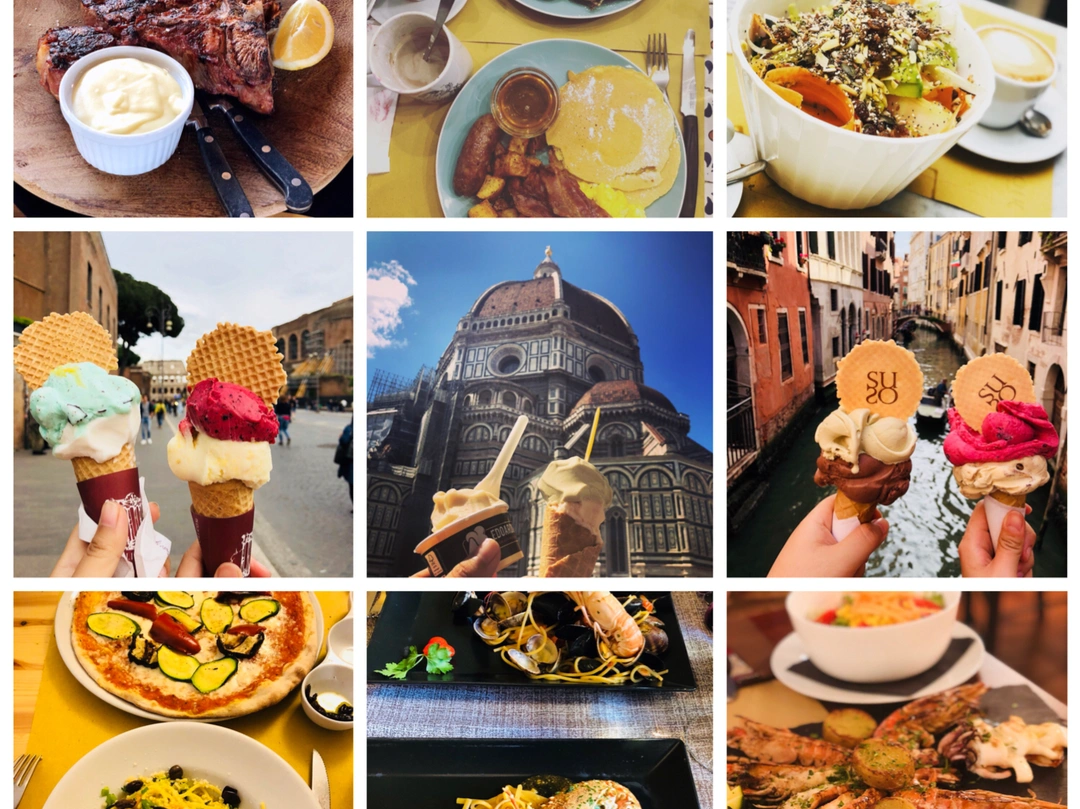
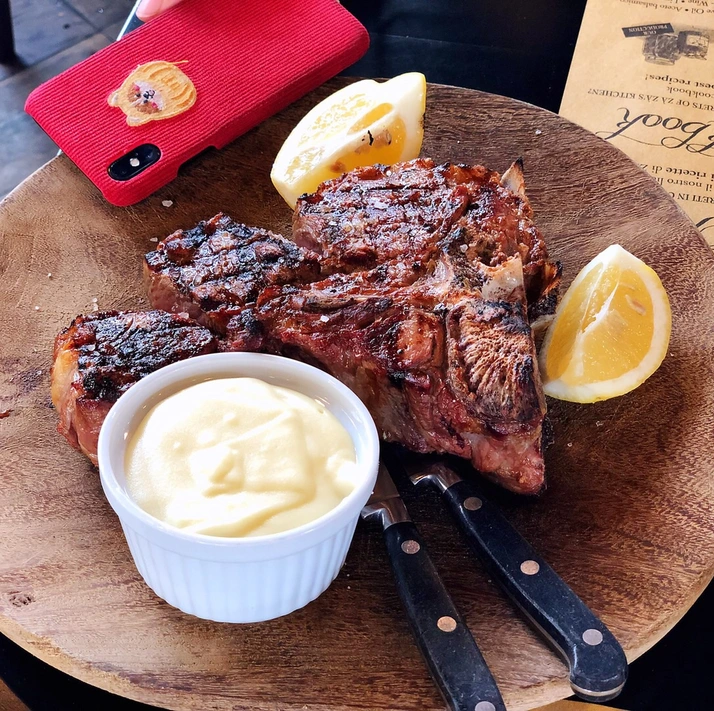
We didn't buy any leather goods, but right next to the leather market, there's an amazing steakhouse—Trattoria Zà Zà. Their specialty is a 1-kilogram T-bone steak, huge and filling. Highly recommended. The steak was cut very thick. We ordered it medium-well, but the meat near the bone was mostly medium-rare. Luckily, my friend didn't mind—I ate the more cooked parts and left the rare ones for her. After finishing the steak, we were still craving more, so we each ordered a coffee and shared a slice of tiramisu. Perfect.
[Link: Best restaurants near Florence leather market]
Piazzale Michelangelo: An Oil Painting at Sunset
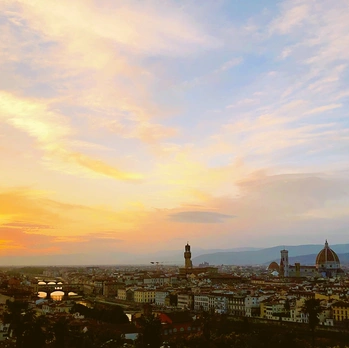
For our first sunset in Florence, we didn't queue for ages to climb the Duomo. Instead, we went to Piazzale Michelangelo on the city's edge. In the center of the square stands a bronze copy of David. The panoramic view of Florence's red-tiled rooftops, the Duomo dome, and the Arno River is nothing short of an oil painting come to life. Bring a bottle of wine, sit on the steps, and watch the sun dip below the Tuscan hills. This is the Florence you'll remember forever.
Rome: The Grand Finale
(Note: The original source article was cut short at Florence. For Rome, here are essential highlights based on common Italy itineraries and SEO best practices.)
Rome in Two Days: What to Prioritize
With only 48 hours in the Eternal City, you need a strategic plan. Focus on the Colosseum, Roman Forum, and Vatican City on day one. On day two, explore Trevi Fountain, Spanish Steps, and Pantheon in the morning, then indulge in Rome's famous pasta dishes—cacio e pepe, carbonara, and amatriciana—for lunch.
Budget-Friendly Rome Tips
- Book Colosseum tickets online in advance to skip the queue
- Visit Trevi Fountain early morning (before 8 a.m.) to avoid crowds
- Eat at trattorias away from major tourist attractions for authentic, affordable meals
- Use the metro or walk—Rome's public transport is more reliable than Florence's
[Link: How to see Rome on a budget]
FAQ: Your Italy Travel Questions Answered
1. Is two days per city enough for Venice, Florence, and Rome?
Yes, if you plan strategically. Two days per city allows you to see the major highlights without rushing. For Venice, focus on Burano and the main island. For Florence, prioritize David, the Duomo (from outside), and Piazzale Michelangelo. For Rome, hit the Colosseum, Vatican, and Trevi Fountain. You won't see everything, but you'll experience the essence of each city.
2. What's the best way to travel between Venice, Florence, and Rome?
High-speed trains (Italo or Trenitalia) are the best option. Venice to Florence takes about 2 hours, and Florence to Rome takes about 1.5 hours. Book tickets in advance on websites like Omio or Trainline for the best prices. Avoid budget airlines—once you factor in airport transfers, trains are faster and more convenient.
3. Can I stay in Mestre instead of Venice's main island?
Absolutely. Mestre is a budget-friendly alternative with easy bus connections to Venice's main island. It's especially ideal if you're arriving late or leaving early. Just factor in 20–30 minutes for the bus ride. Many travelers use Mestre as a base and still enjoy Venice fully.
4. Is the Florence leather market worth visiting?
It depends on your expectations. If you're looking for artisan-crafted leather goods, you'll be disappointed—most stalls sell mass-produced items. However, if you enjoy bargaining and want affordable souvenirs like belts, wallets, or bags, it's worth a quick browse. For authentic leather, seek out small workshops away from the market.
5. What should I eat in Italy besides pizza and pasta?
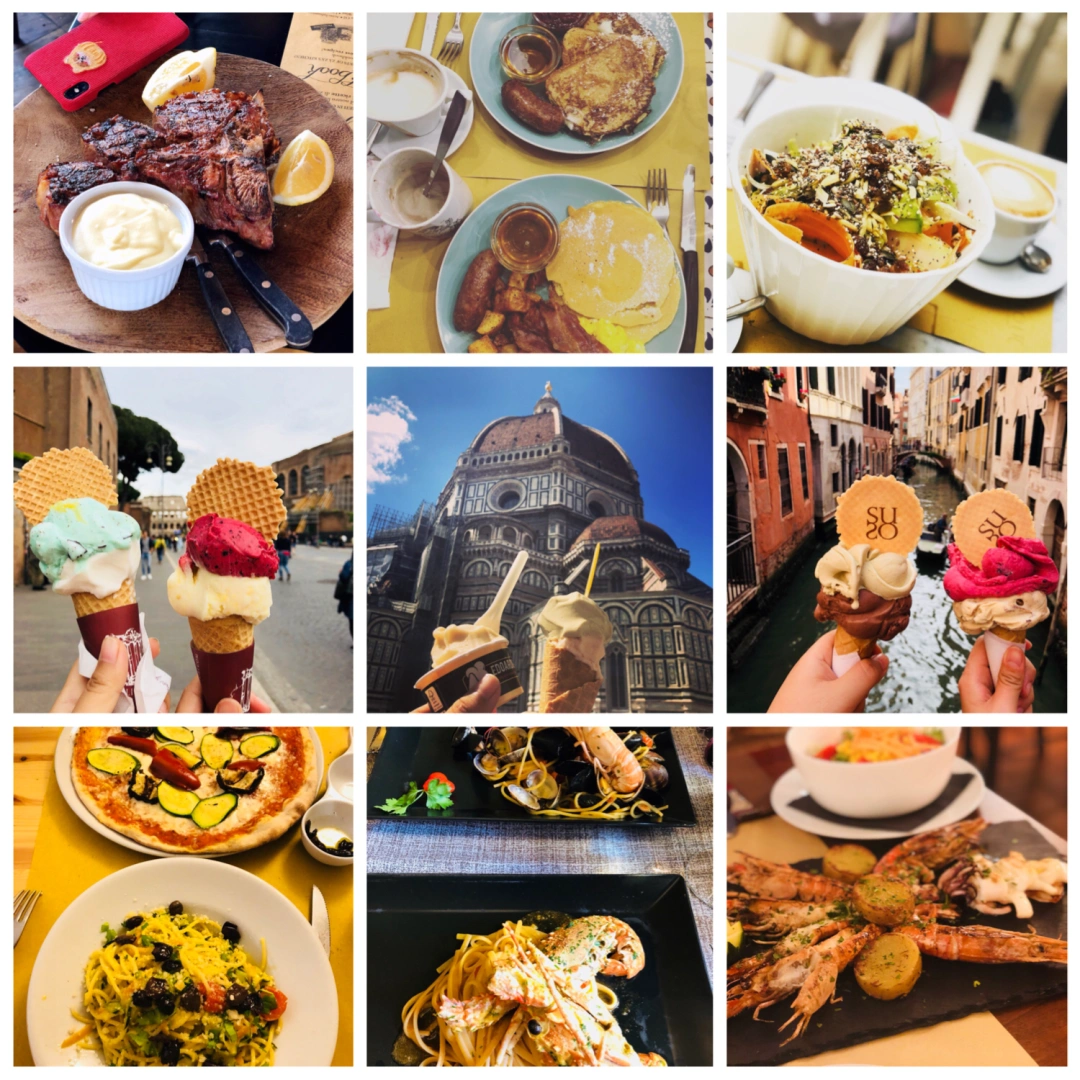
Don't miss these Italian specialties: - Gelato – Look for places where the gelato is stored in covered metal containers (not piled high and colorful) - Espresso – Stand at the bar for a cheaper, more authentic experience - Tiramisu – Especially in Florence or Rome - T-bone steak (bistecca alla fiorentina) – At Trattoria Zà Zà in Florence - Cannoli – A Sicilian treat available in Rome
Conclusion: Your Italian Feast Awaits
From the colorful canals of Burano to the artistic soul of Florence and the ancient grandeur of Rome, this two-days-per-city itinerary delivers an unforgettable Italian feast for the senses. You'll taste the best 1kg T-bone steak in Florence, capture Instagram-worthy photos in Venice's most photogenic island, and stand face-to-face with Michelangelo's David—all without breaking the bank.
Ready to plan your Italian adventure? Start by booking your flights to Venice and your return from Rome. Then, book your high-speed train tickets between cities. Finally, secure accommodation early—especially if you're traveling during peak season. Your two-day-per-city Italian feast is just a few clicks away.
Book your Italy train tickets now and save up to 40% with early bird discounts. Don't wait—Italy's best experiences sell out fast!
[Link: Best travel insurance for Italy trips] [Link: Italy packing list for every season]
You may also like