From Tea Plantations to the Ocean: A Soulful Journey Through Ceylon – The Ultimate Sri Lanka Travel Guide

Meta Description: Discover Sri Lanka's soul on a journey from misty tea plantations to the Indian Ocean. Explore Negombo, Sigiriya, Kandy, and Udawalawe in this SEO-optimized travel guide. Plan your Ceylon adventure today.
Introduction: Why Sri Lanka Deserves a Place on Your Bucket List
On September 1st, 2018, monsoon winds carried me to Sri Lanka—an island nation often called "a teardrop on the Indian Ocean." What I found was far more than a tropical paradise. This is a land where Buddhism preserved its purest flame, where colonial powers fought over cinnamon and tea, and where every corner tells a story of resilience and beauty.
From the tea plantations of Ceylon to the wild shores of the Indian Ocean, this journey through Sri Lanka offers a soulful experience that lingers long after you return home. Whether you're a history buff, a nature lover, or a foodie, this travel guide will help you plan the perfect Sri Lanka itinerary.
Negombo: A Slow-Paced Fishing Village with Colonial Charms

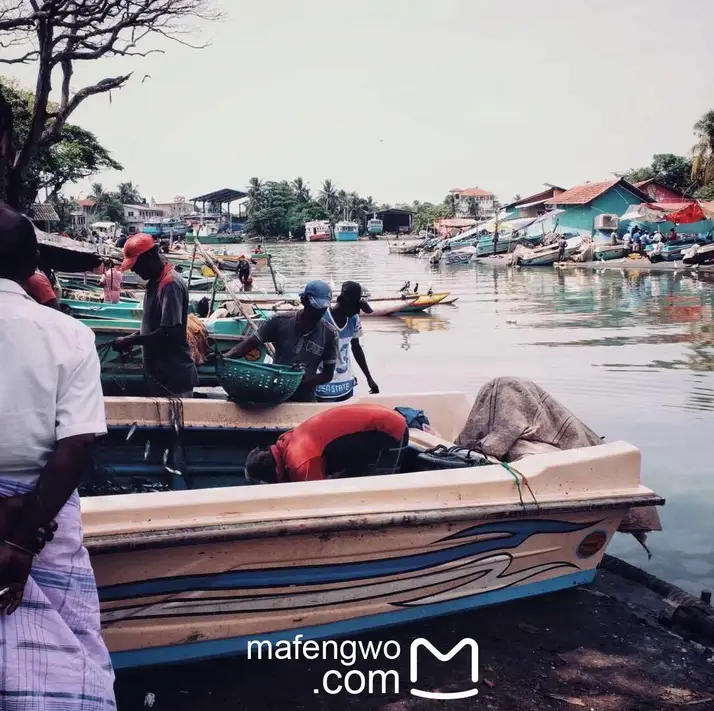
First Glimpse of a Small Fishing Village
Your Sri Lanka adventure often begins in Negombo, a charming fishing village where Portuguese, Dutch, British, and Indian influences intertwine. The pace here is refreshingly slow—perfect for unwinding after a long flight.
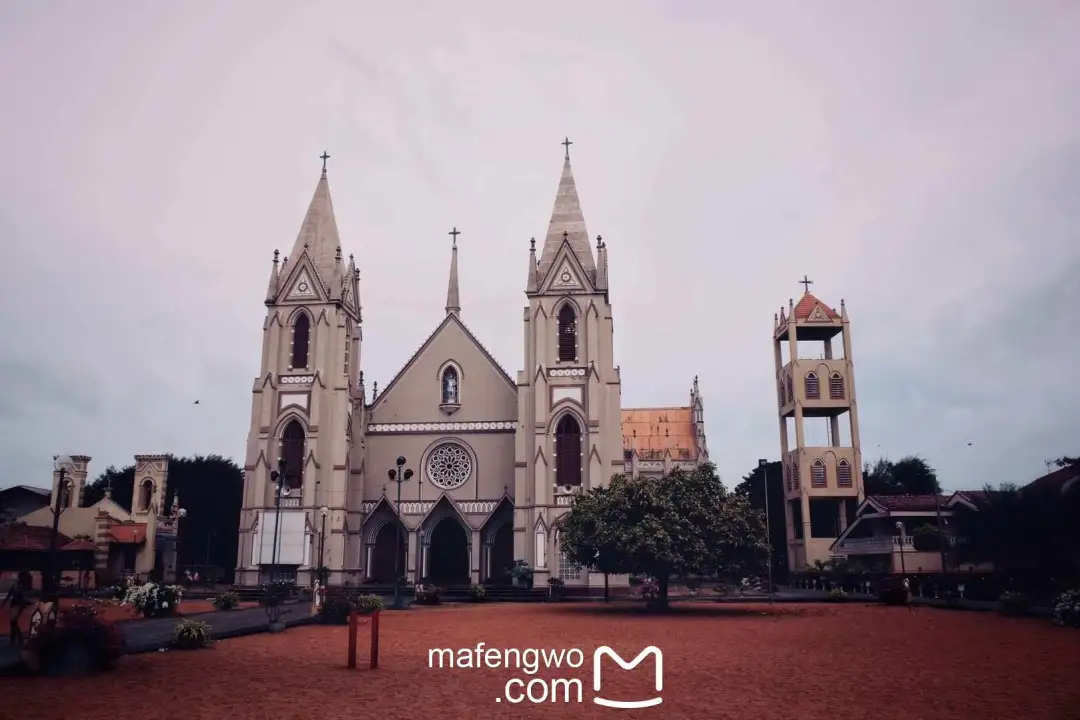
What to do in Negombo: - Walk the Dutch Canal: A three-hour stroll covers the main sights. - Taste golden coconuts: Less sweet than ordinary coconuts, with a crisp, refreshing fragrance. - Ride a Tuk Tuk: The quintessential Sri Lankan experience. - Visit local churches and temples: Remember—Catholic churches require knee-covering pants, while Hindu temples demand bare feet and long trousers.
Pro tip: Sri Lankan service is famously unhurried. Embrace the pace—order a meal, chat with friends, and let time dissolve.
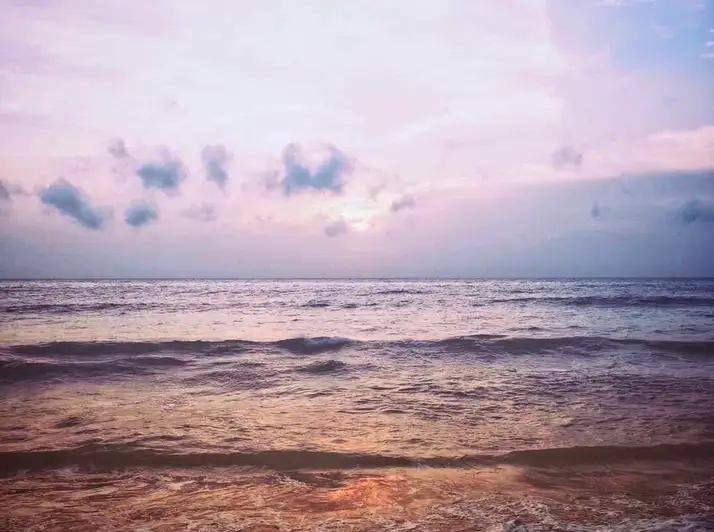
Sunset at the Indian Ocean
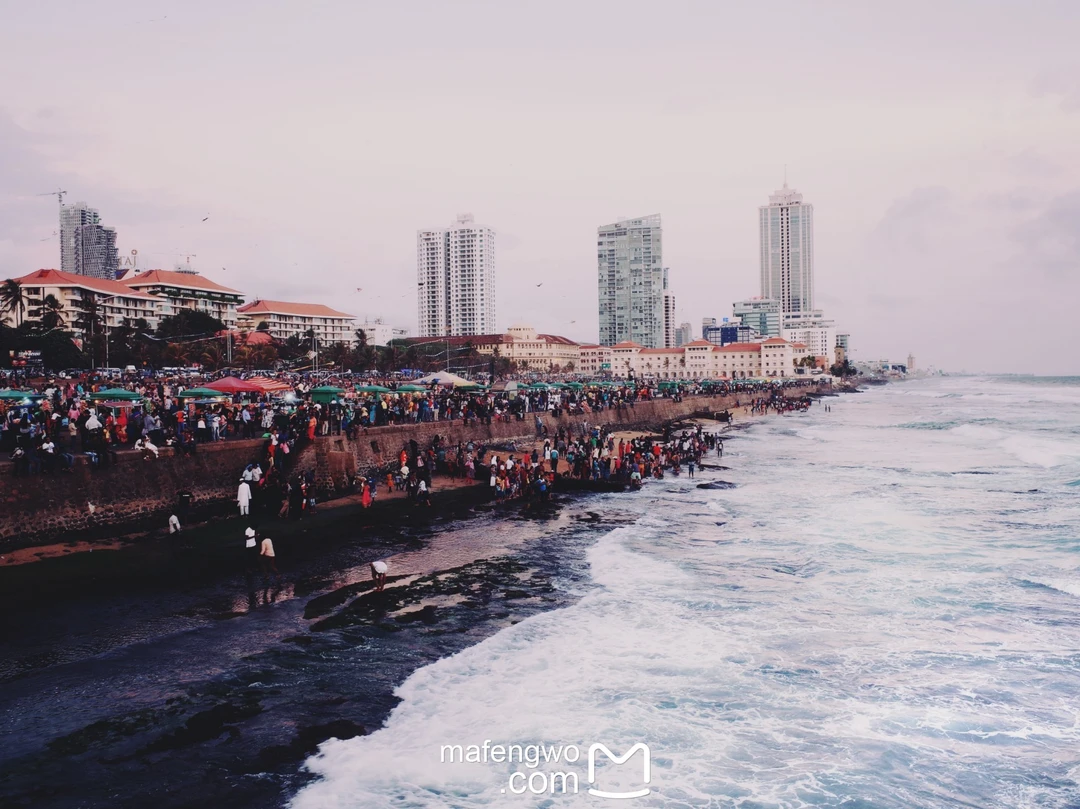
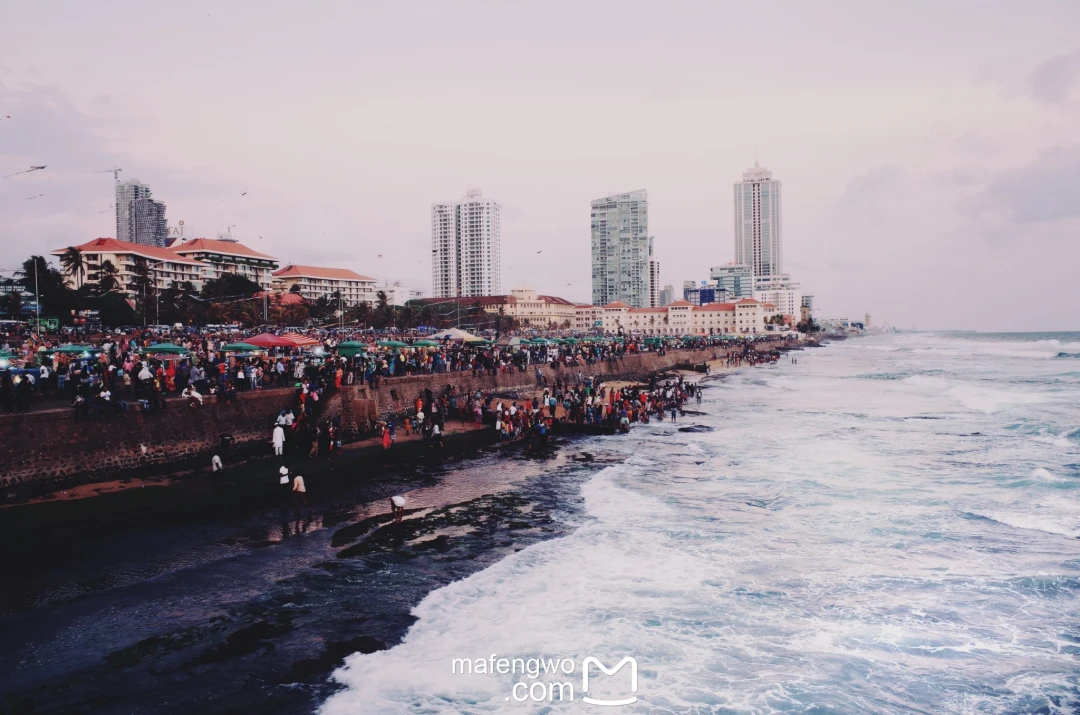
After a red-eye flight, recharge at your hotel, then head to the beach by 4:30 PM. The Indian Ocean waves here are powerful yet magnificent. Watch a family of four playing in the golden dusk light—it's a scene that quiets even the most restless soul.
Where to eat: Try a Chinese restaurant run by a Guangdong native. The steamed grouper is incredibly tender, with few bones and thick flesh—proof that no one handles seafood quite like the Chinese.
[Link: Best seafood restaurants in Negombo]
Sigiriya: The Legend of Lion Rock and the Eighth Wonder of the World
Where the Fairytale Begins
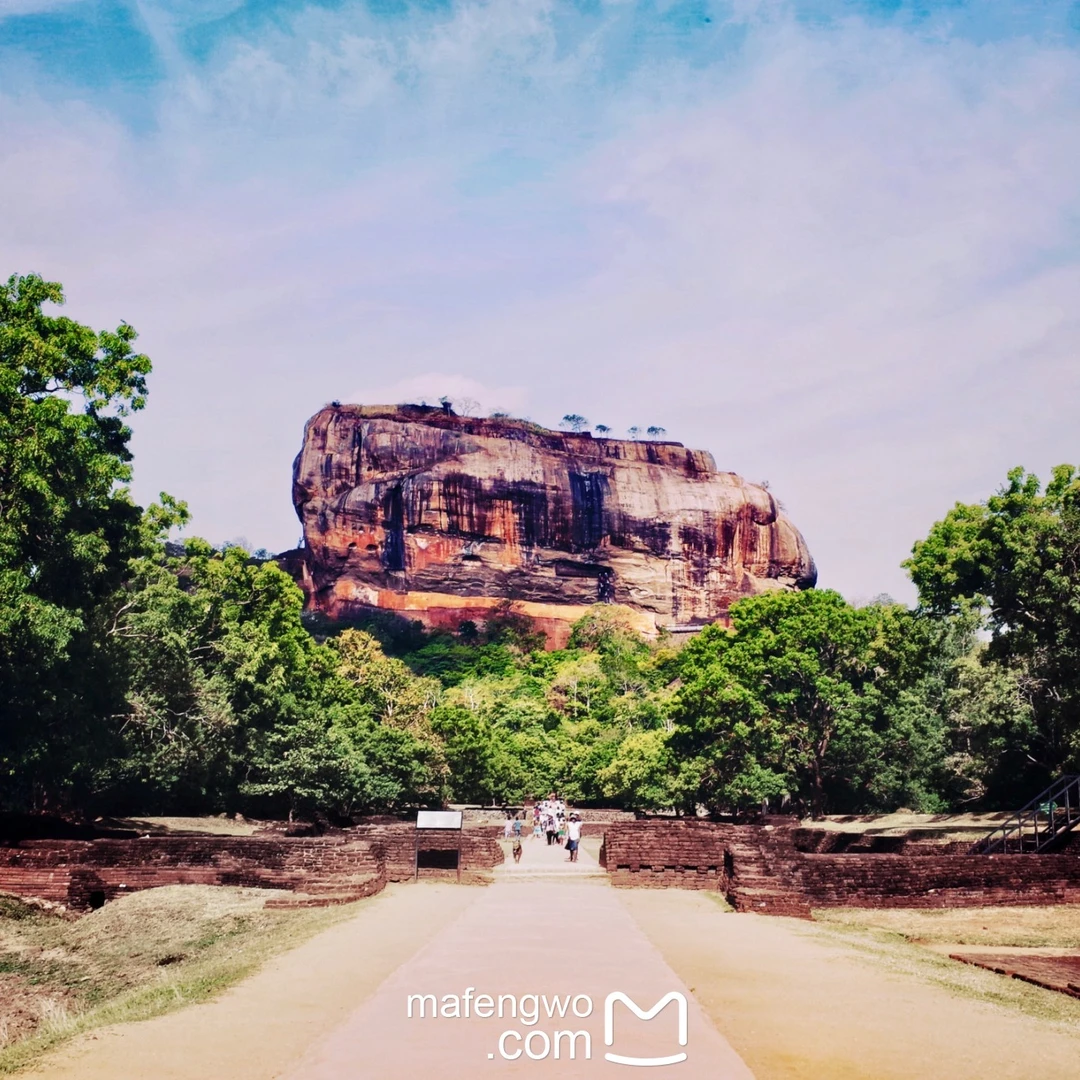
Every dreamland begins with a fairytale. Legend says a princess fell in love with a lion, giving birth to the Sinhalese people—"the lion's progeny." To secure his throne, the eldest prince built his palace atop Lion Rock, creating a monument that still captivates travelers today.
Your guide's hidden gem: Our guide stopped to treat us to local fruit tea—brown sugar paired with herbal tea and local beans. As a motorcycle convoy passed, locals waved enthusiastically. Wild monkeys hid in the trees, too timid to come down.
The Eighth Wonder of the World
Locals call Sigiriya "the Eighth Wonder of the World." Here's what not to miss:
- Exquisite frescoes depicting celestial maidens
- The Mirror Wall – polished to a reflective sheen
- Lion's Paw Terrace – the massive paws mark the entrance
- The summit – stand beneath a Bodhi tree and overlook Dambulla's panorama
Reflection: Standing at the top, watching the sunset, you can't help but ponder the vanity of power and the eternity of nature. The prince's story fades into silence—only the landscape remains.
[Link: Sigiriya travel tips and guided tours]
Kandy: Where Faith Meets Colonial Legacy
The Last Stronghold
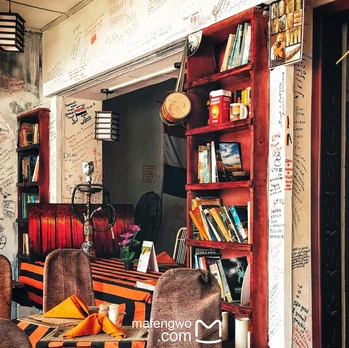
Kandy is Sri Lanka's second-largest city and a fortress that Portuguese and Dutch forces repeatedly failed to conquer. The British finally succeeded by recruiting Sinhalese-speaking soldiers from other kingdoms—a cunning strategy.
Must-visit: The Spice Market - Fresh fruits, seafood, and cinnamon in abundance - Portuguese colonization began for cinnamon's sake - The market courtyard bears distinctly British character—rustic yet elegant
A Home Visit and Saris

After the spice market, call on a local family. Little blue wildflowers sway by the roadside; across from you, a school lets out children. The elderly grandmother is a respected intellectual; her second son studied in Japan and speaks fluent Japanese.
Cultural immersion: The family prepares saris and sarongs, enthusiastically helping you dress for your afternoon visit to the Temple of the Tooth. Don't miss the family photo album—those warm images hold your gaze.
Devotion at the Temple of the Tooth
Kandy is steeped in colonial character—Portuguese walls, the British-built Queen's Hotel with its old-fashioned iron-grille elevator. Head to the Temple of the Tooth at sunset, passing the man-made lake named after Kandy.
Inside the temple: - Offer flowers and light lamps - Listen to the history and origins of the sacred relic - Feel the devotion, even if you can't understand the chants
Food note: After days of curry and seafood, your teammates may rush to KFC. But try the local chicken curry wrap—it's worth it.
[Link: Temple of the Tooth visiting hours and dress code]
English Tea Country: An Exotic Highland Charm
Pride and Prejudice, Real-Life Edition
British colonists introduced tea to Sri Lanka's central highlands. Here, you'll find:
- Vast meadows and horse racing
- Wooden cottages and estates
- A pink post office straight out of England
- Pale purple daisies with delicate fragrance
- English-style iron swings—impossibly romantic
Reading inspiration: If you've been reading Pride and Prejudice, these manicured gardens will feel strangely familiar.
The Mountain Train and Tea Factory
The mountain train chugs toward Haputale through English-style stations and countless tunnels. At the tea factory, you'll learn the difference between Ceylon tea and Chinese tea: rough processing, large leaves, and factory mass production.
Meet the manager: A Tamil tea plantation worker whose English is mostly understandable. He'll guide you through the process.

Tea garden experience: Wander through the gardens, sing and dance. Watch the sun peek through clouds. The highlands are cool and comfortable—nothing like a tropical climate.
Evening magic: At dusk, clouds open like a great hole, shooting brilliant beams that illuminate the opposite mountaintop. Your Haputale hotel has an English-style iron swing. As night falls, stars appear. Gaze at the star-filled sky and think again of the lion and the princess—perhaps not a fairytale, but endless fantasies merging into the river of stars.
[Link: Ceylon tea plantation tours and train schedules]
Udawalawe: Wild Creatures and Untamed Beauty
A Slice of Africa in Sri Lanka
Udawalawe National Park is Sri Lanka's answer to an African safari. Here, you'll encounter:
- Elephants in their natural habitat
- Water buffalo cooling in marshes
- Peacocks displaying their plumage
- Crocodiles basking on riverbanks
Best time to visit: Early morning or late afternoon when animals are most active.
Pro tip: Hire a knowledgeable guide who can spot wildlife you'd miss on your own.
[Link: Udawalawe safari packages and best seasons]
FAQ: Your Sri Lanka Travel Questions Answered

1. What is the best time to visit Sri Lanka?
The best time depends on your destination. The west and south coasts (including Negombo and Galle) are best from December to March. The east coast (Trincomalee) shines from April to September. The central highlands (tea country) are pleasant year-round but rainier from May to August.
2. How many days do I need for a Sri Lanka trip?

A minimum of 10-14 days allows you to cover Negombo, Sigiriya, Kandy, tea country, Udawalawe, and a beach destination. For a soulful journey like this one, aim for 14-18 days.
3. Is Sri Lanka safe for solo travelers?
Yes, Sri Lanka is generally safe for solo travelers, including women. Exercise standard precautions: avoid isolated areas at night, keep valuables secure, and use reputable transport. Locals are warm and helpful.
4. What should I pack for a Sri Lanka trip?
Pack light, breathable clothing for the coast, a jacket or sweater for the highlands, comfortable walking shoes, sunscreen, insect repellent, and a sarong (useful for temple visits and beach days). Don't forget a reusable water bottle.
5. What is the currency and how much does a Sri Lanka trip cost?
The currency is the Sri Lankan Rupee (LKR). A mid-range trip costs approximately $50-100 per day per person, including accommodation, meals, transport, and activities. Budget travelers can manage on $30-50 per day.
Conclusion: Your Soulful Journey Awaits
From the tea plantations of Ceylon to the wild shores of the Indian Ocean, this journey through Sri Lanka is more than a vacation—it's a soulful experience. You'll walk through history at Sigiriya, feel devotion at the Temple of the Tooth, taste the legacy of British colonialism in the highlands, and witness nature's raw beauty in Udawalawe.
Ready to plan your Sri Lanka adventure?
Start by booking your flight to Colombo. Then, map out your itinerary: Negombo (1-2 days), Sigiriya (1 day), Kandy (2 days), tea country (2-3 days), Udawalawe (1 day), and a beach destination like Mirissa or Bentota (2-3 days).
Don't wait. The monsoon winds are blowing, the tea gardens are blooming, and the Indian Ocean is calling. Your soulful journey through Ceylon begins now.
[Link: Book your Sri Lanka tour package]
[Link: Sri Lanka travel insurance options]
[Link: Sri Lanka visa application guide]
This article is based on a personal journey from September 2018. Prices, schedules, and conditions may have changed. Always check current travel advisories and book with reputable operators.
You may also like