From Island Novice to Diving Pro: A Complete Guide to Philippines' Next-Level Adventures That Will Blow Your Mind
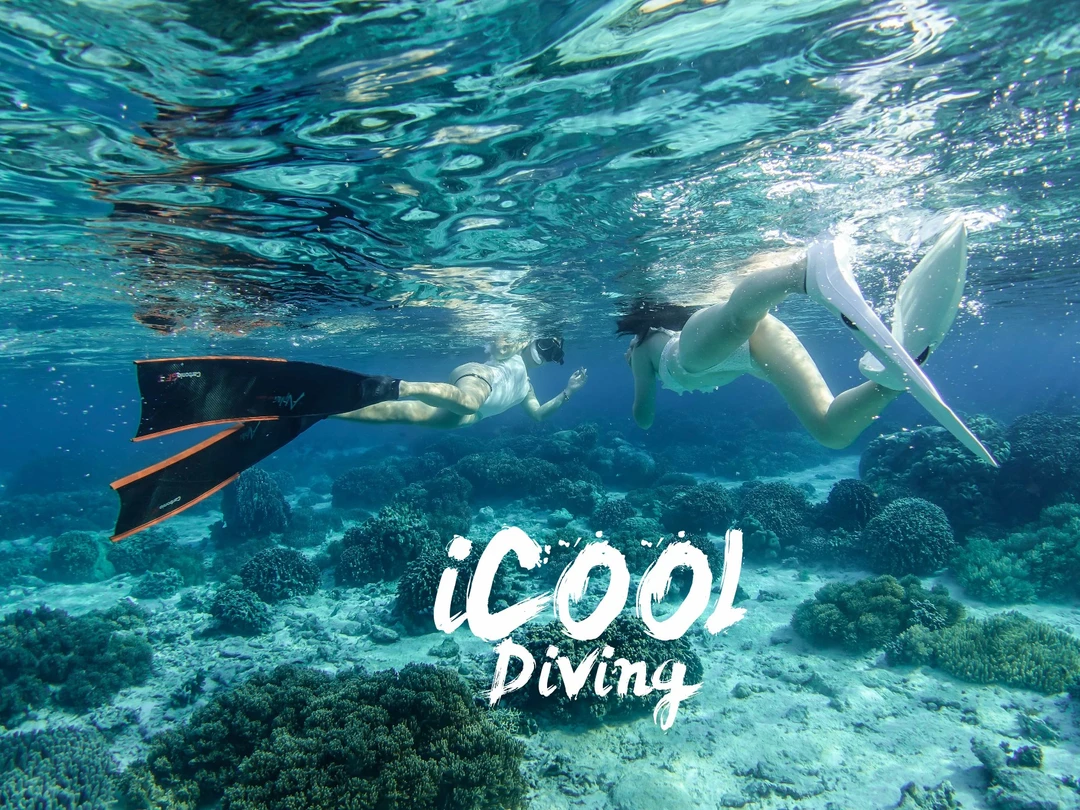
Meta Description: Discover how to earn your OW & AOW diving certifications in the Philippines in just 7 days. From Moalboal to Oslob, this complete guide covers costs, tips, and life-changing underwater experiences.
Introduction: Why Diving in the Philippines Changes Everything
After a decade of travel—from the karst mountains of Yangshuo to the neon-lit streets of Tokyo, from the sandy shores of Phuket to the Eiffel Tower in Paris—I felt like a stamp collector, filling my passport pages and flooding my social feed. But somehow, the more I traveled, the less exciting it became.
Group tours meant sleeping on the bus, snapping photos at stops, and enduring endless shopping pitches. Independent travel? Booking flights and hotels, researching routes, worrying about language barriers, fretting over safety... By the time I finally reached a destination, I'd squeeze out a smile in a sea of tourists, edit photos until dawn for a post that barely got any likes.
Then one day, a close friend threw out a suggestion: "This vacation, let's learn to dive!"
Diving? That thing where you strap on a tank and fins and dance with fish in the blue sea? It sounded high-end, sunny, and healthy. But a split second later, my mind was racing: Is it expensive? Is it hard? What if I can't swim? Can I really learn in just a week?
Armed with a thousand questions, I set off on a Philippines diving trip. Little did I know, this journey would completely redefine what "travel" meant to me.
Why Choose the Philippines for Your Diving Certification?

From "Watching the Sea" to "Entering the Sea"
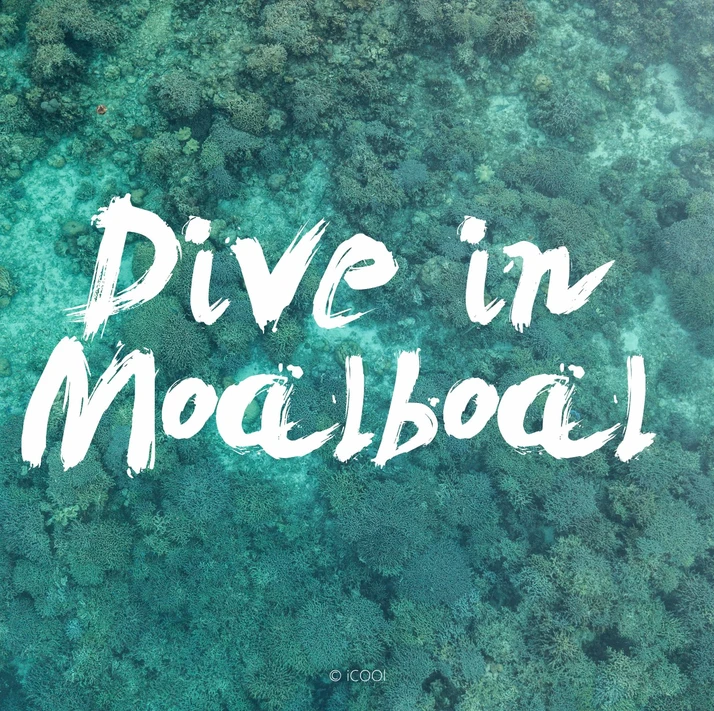
My first real encounter with diving was during a group tour in Phuket. As a snorkeler, I watched people on a nearby boat jump in with full gear, thinking, "Isn't it the same ocean? Why all the fuss?"
But after trying two "introductory dives," I did the math—the cost of those two dives was enough to get a full Open Water Diver certification! More importantly, friends who had earned their OW and Advanced Open Water Diver (AOW) certifications shared underwater photos that made me realize: simply "looking" at a place lacks the feeling of truly being part of it. The more pressure I felt from work and life, the more I wanted to push my limits. And beach vacations that only involve sunbathing get boring fast.
Why the Philippines Over Thailand or Bali?
The popular islands of Thailand, Indonesia, and Malaysia have long been "conquered" by hordes of tourists. I wanted to be a peaceful, stylish traveler, but instead found myself squeezed into a crowd.
The Philippines, an archipelago of over 7,000 islands, rivals Phuket and Bali in beauty. Here you'll find: - Charming private islands - Layers of historical ruins - Adorable marine life - Unique exotic cuisine - Mountain views, ocean winds, and underwater wonders
When you're out exploring, you might as well go all out—come on, let's have some fun!
Philippines Diving Itinerary: Earn OW + AOW in 7 Days
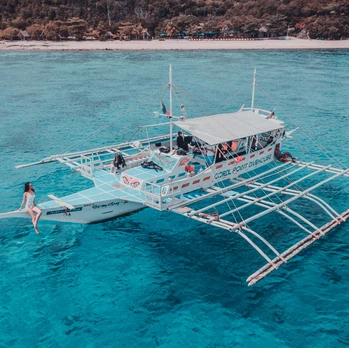
Route Overview
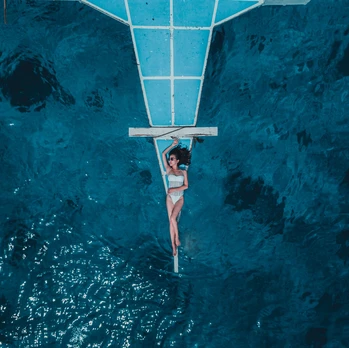
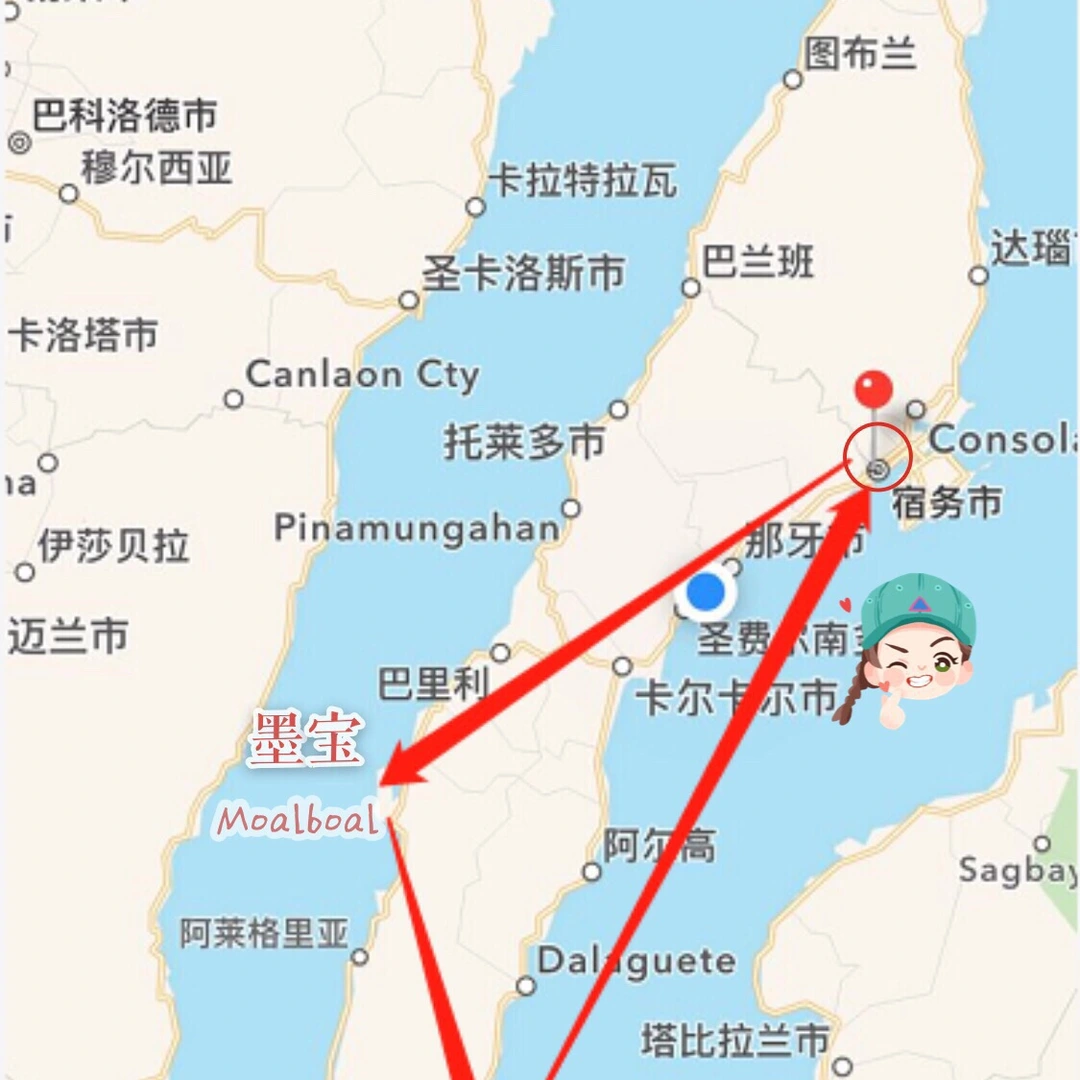
Shenzhen → Cebu City → Moalboal → Oslob → Sumilon Island → Cebu City
Flight Costs and Tips
Direct flights from Shenzhen to Cebu are surprisingly cheap—round-trip tickets cost about 900 RMB ($130). However, AirAsia is a budget airline with a 7 kg (15 lb) carry-on limit. For a woman packing dresses, bikinis, sunglasses, and wide-brimmed hats... going over the limit is inevitable. Adding checked luggage brought the total to around 1,100 RMB ($160).
Flight Schedule: - Outbound: 03:45—06:35 Z27801 Shenzhen → Cebu - Return: 23:35—02:40 Z27800 Cebu → Shenzhen
The midnight crowd at Bao'an International Airport was massive—I couldn't help but think, "Wow, there are a lot of wealthy people back home!"
Even better, we were invited by AirAsia staff to board early, and the captain and crew gathered for a group photo with us! It was my first time experiencing such treatment, and I even got to visit the cockpit. (Our instructor later revealed it was because of their connections with the Philippine tourism board—but I'm sticking with the "good looks" theory!)
Moalboal: Your Diving School Headquarters
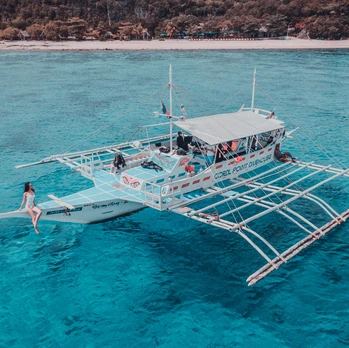
Getting There: Cebu to Moalboal
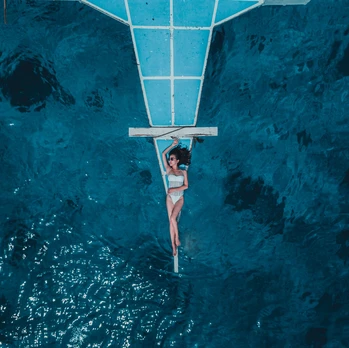
Cebu's brand-new international terminal, costing 17.5 billion Philippine pesos (about $350 million), is touted as the world's first "resort airport." But Cebu's morning rush hour traffic is notorious, so we hit the road immediately after landing.
After a 4-hour drive through mountains and past stunning cliffside ocean views, we finally reached our dive resort. No pushy guides, no forced shopping—just pure relaxation. The best part? I slept the entire way.
Pre-Dive Must-Knows for the Philippines
Tipping Culture: The Philippines is a tipping country. Give the boat crew 50 pesos ($1) after dives for better service.
Sun Protection: The Philippines is hot and humid year-round, averaging 27°C (80°F), with a rainy season from June to October. Important: Do not wear sunscreen while diving—it harms marine life. Do sun repair treatments after surfacing. For land activities, use sunscreen and recovery masks.
Voltage & Plugs: 220V, same two-prong plugs as in China.
Bring Your Own Slippers: Many dive resorts promote eco-friendliness and don't provide slippers. Pack your own.
[Link: Best eco-friendly dive resorts in the Philippines]
Confined Water Training: From Fear to Joy
The sun, sand, and pool I'd been dreaming of finally arrived!
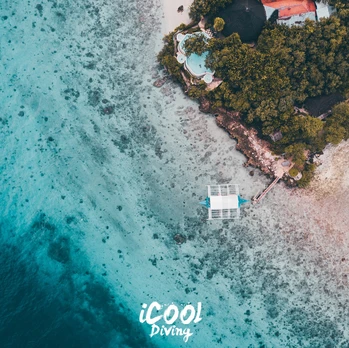
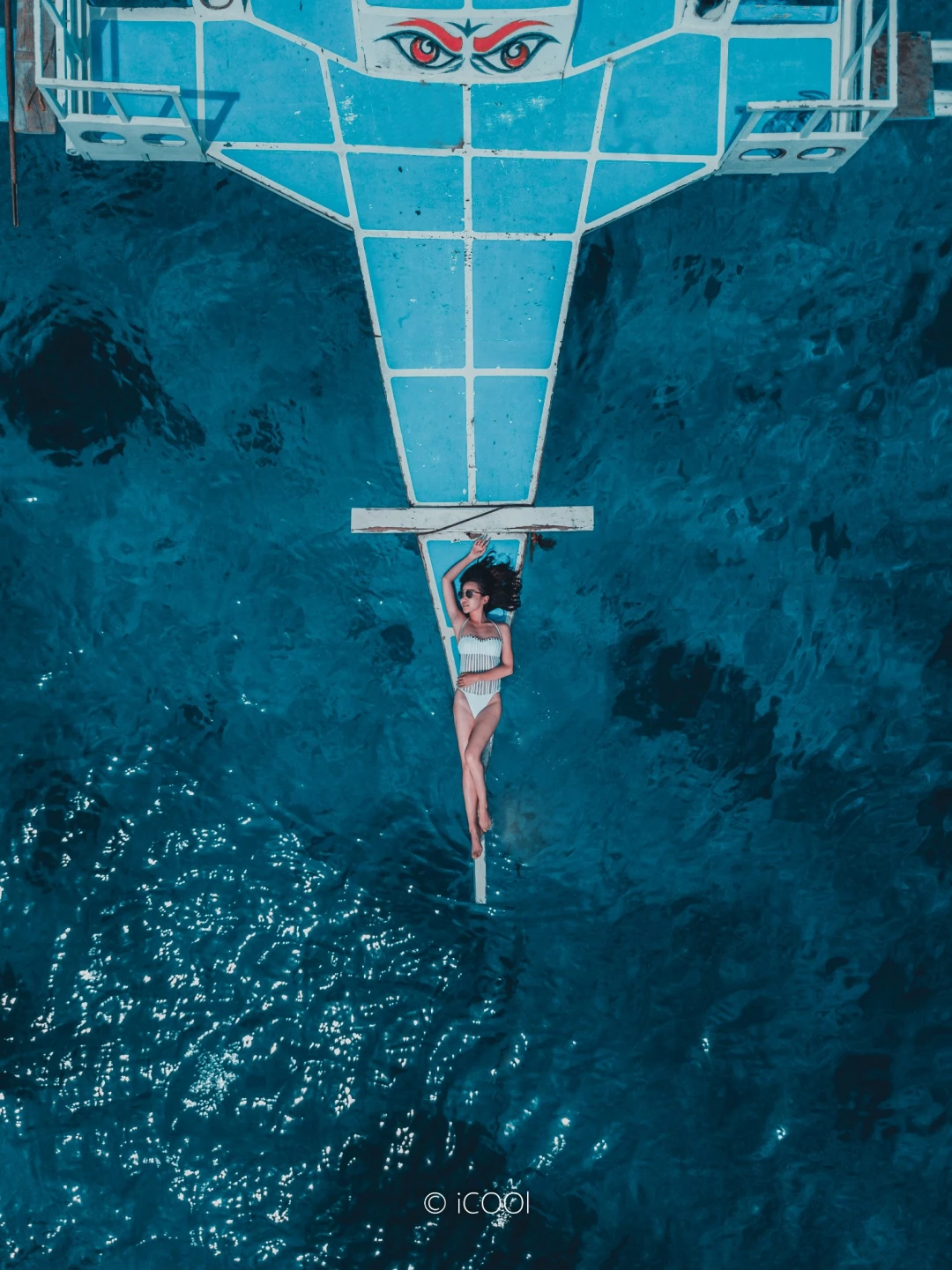
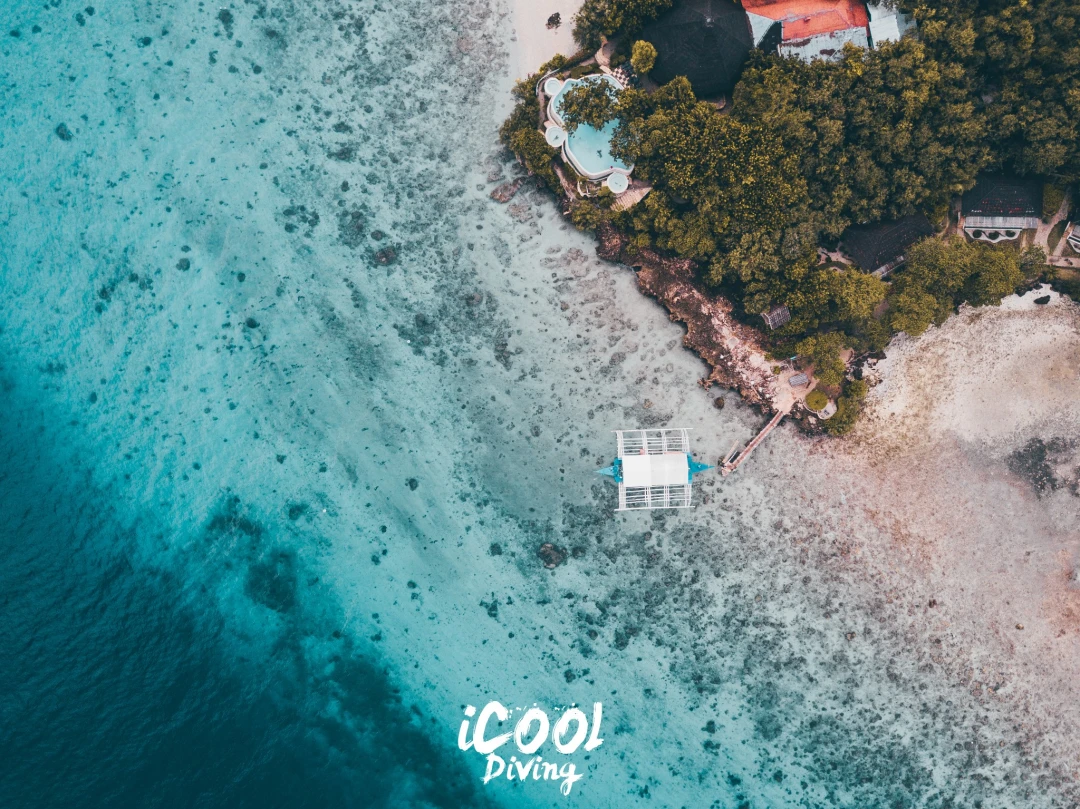
From a bird's-eye view, the dive resort's tattooed owner had a surprisingly cute, playful style. Students weren't allowed to bring cameras during class, so our group photographer captured everything—enough for 9 daily Instagram posts. Perfect!
Can You Learn to Dive If You Can't Swim?
The question "Can I learn to dive if I can't swim?" comes up every time. In practice, knowing how to swim helps overcome water fear, but it's not necessary—your BCD (Buoyancy Control Device) is the best flotation gear.
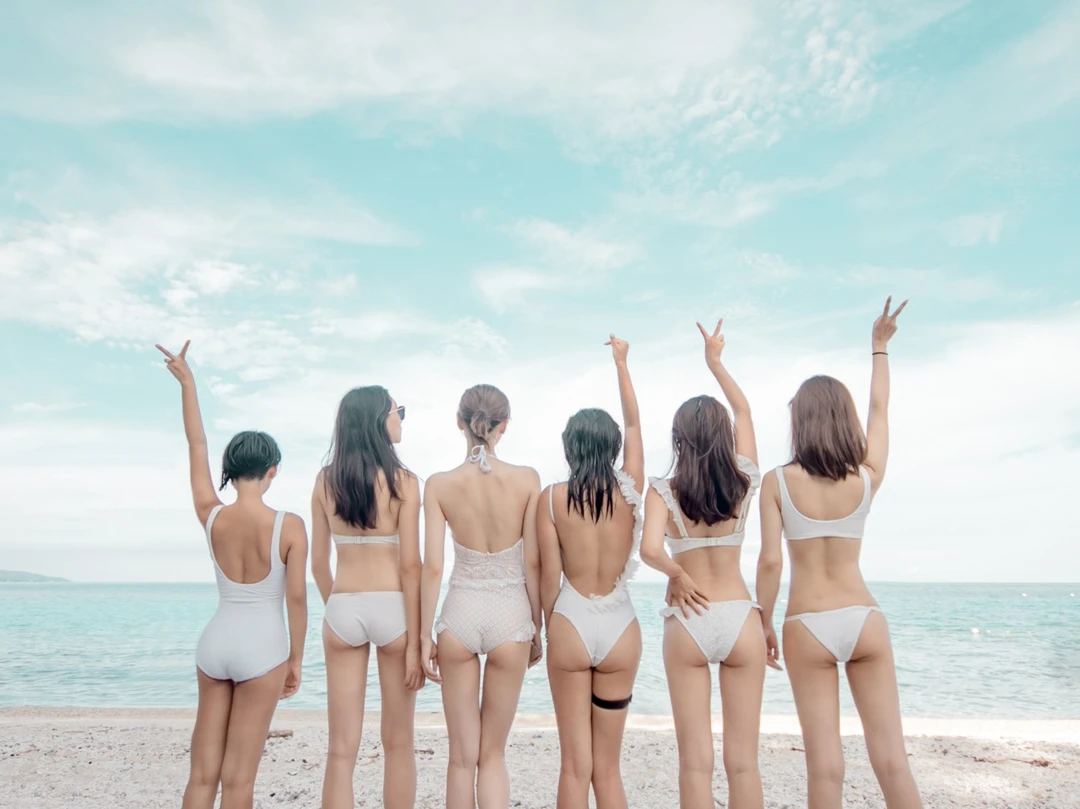
During my first mask-clearing exercise in the pool, I was so nervous I almost bolted out of the water. But the water in my mask was already gone—once I got past that initial fear, the rest of the exercises became easier. Equalizing ear pressure sometimes meant "blowing my nose," other times swallowing—I gradually got the hang of it.
And here's an unexpected bonus: a handsome Korean instructor with long legs became my daily motivation to dive—he made the sea look even bluer!
Open Water Diver (OW) Course: The Four-Dive Progression
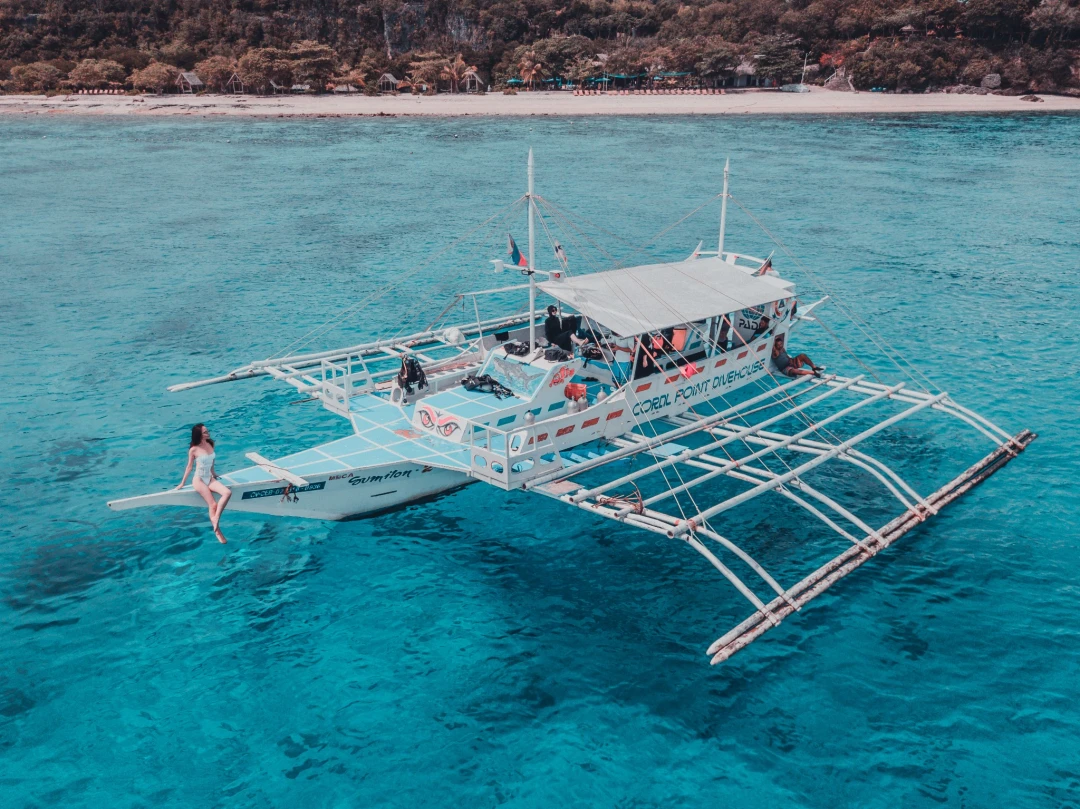
After mastering the confined water skills, the OW course's four dives were all boat dives. The first giant stride entry took some courage to overcome, but I managed it.
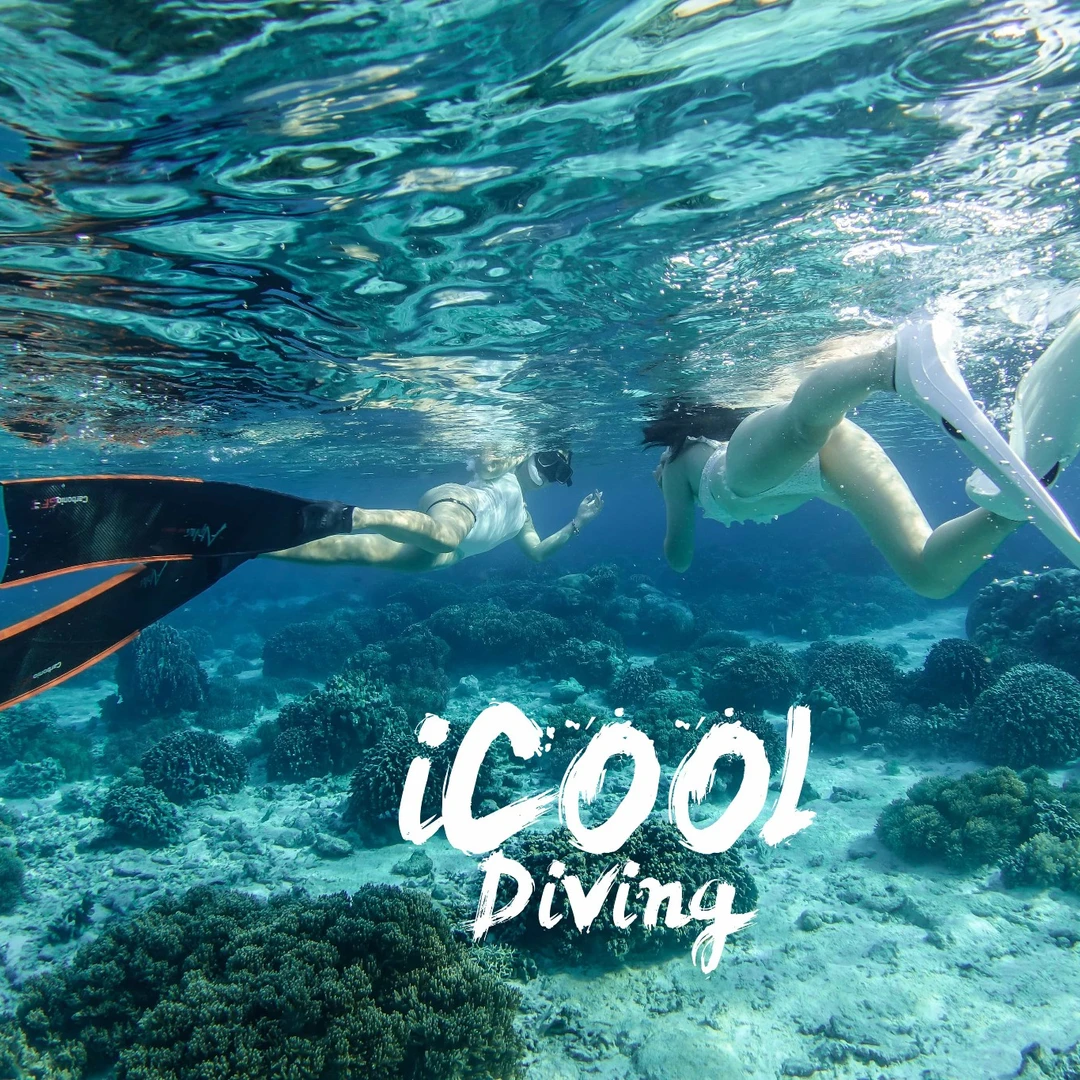
- First dive: About 6 meters (20 feet) on a sandy bottom—completed all exercises smoothly.
- Second dive: 10 meters (33 feet) —feeling more confident.
- Third dive: 16 meters (52 feet) —with each dive, I felt myself improving.
The biggest surprise? Our "tour group" had a professional photographer! Between dives, he captured some stunning "epic shots"—this trip was definitely going to blow up my social feed!
[Link: How to choose the best OW diving school in Cebu]
Advanced Open Water (AOW) Course: The Ultimate Thrill of Night Diving
The next day, we started learning new AOW content. After each dive, the instructor reviewed our performance and planned the next session. Time flew by, and every moment felt fulfilling.
Compared to the clumsy first two days, the final dive of the third day—a night dive—was incredibly thrilling! We entered the water with flashlights just before sunset, and by the time we surfaced, it was completely dark.
The ocean at night reveals creatures you never see during the day, like "underwater fireflies"... I'll leave the rest to your imagination. It was so much fun! When we surfaced, the star-filled sky above us made me want to freeze time.
Looking back at my first dive, when my buoyancy control was shaky and my heart raced, I never imagined I'd be doing night dives just days later.
Philippines Diving FAQ
1. How much does it cost to get OW and AOW certified in the Philippines?
The combined cost for OW + AOW certification typically ranges from $500 to $800 USD depending on the dive school, location, and inclusions (equipment rental, accommodation packages). Flights from major Asian hubs like Shenzhen can be as low as $130 round-trip.
2. Do I need to know how to swim before learning to dive?
No, but it helps. Your BCD acts as a flotation device, and instructors will teach you basic water skills. However, being comfortable in water will make the learning process smoother and less stressful.
3. What is the best time of year for diving in the Philippines?
The best diving conditions are during the dry season (November to May) . The rainy season runs from June to October, but diving is still possible with proper planning. Water temperatures average 27°C (80°F) year-round.
4. Is night diving safe for beginners?
Yes, with proper training and supervision. Night diving is part of the AOW certification and is conducted in controlled environments. You'll use flashlights and stay close to your instructor. It's one of the most thrilling experiences in diving.
5. What should I pack for a Philippines diving trip?
Essentials include: rash guards, swimwear, reef-safe sunscreen (for land use only), a reusable water bottle, slippers (many eco-resorts don't provide them), a waterproof phone case, and a GoPro or underwater camera. Don't forget a light jacket for air-conditioned spaces.
Conclusion: Your Next-Level Adventure Awaits
From a nervous novice taking her first giant stride into the ocean to a certified diver exploring the underwater world at night—this journey transformed not just my travel style, but my entire perspective on adventure.
The Philippines offers something that crowded tourist destinations can't: the chance to truly enter the environment rather than just observe it. Whether you're a complete beginner or an experienced diver looking to advance, the islands of Cebu, Moalboal, and Oslob provide world-class training and unforgettable experiences.
Ready to take the plunge?
Book your Philippines diving certification today. The underwater world is waiting—and trust me, once you see those "underwater fireflies" under a canopy of stars, you'll never travel the same way again.
[Link: Best dive resorts in Moalboal for beginners] [Link: Top 5 marine conservation tips for divers]
Have questions about planning your Philippines diving trip? Drop them in the comments below—I'm happy to help!
You may also like