From Bashu to Jiangnan: A 26-Day Self-Driving Epic Across China's Culinary & Natural Wonders
Meta Description: Discover the ultimate 5,000-km road trip from Sichuan to Jiangnan. Explore 8 provinces, hidden culinary gems, karst caves, ancient water towns, and scenic highways in this 26-day self-driving itinerary.
Introduction: A Pilgrimage for the Palate and Soul
When the wheels rolled through the morning dew of Chengdu and finally came to a halt in the night lights of Chongqing, this 26-day road trip across eight provinces—Sichuan, Hubei, Anhui, Jiangsu, Zhejiang, Jiangxi, Hunan, and Guizhou—became more than a geographical migration. It was a pilgrimage for both the palate and the soul. From the fiery spices of Sichuan and Chongqing, to the gentle elegance of Jiangnan, to the bold richness of Hunan and Jiangxi—this 5,000-kilometer route wove together China's most captivating culinary landscapes and natural wonders.
Whether you're a seasoned road-tripper or planning your first cross-province adventure, this Bashu to Jiangnan self-driving itinerary offers a blueprint for experiencing China's diverse cultures, cuisines, and landscapes in one epic journey.
Chapter One: Leaving Sichuan Through the Ancient Passage, Exploring the Mysteries of Jingchu (Days 1–5)
Chengdu to Suining: First Taste of Small-Town Life
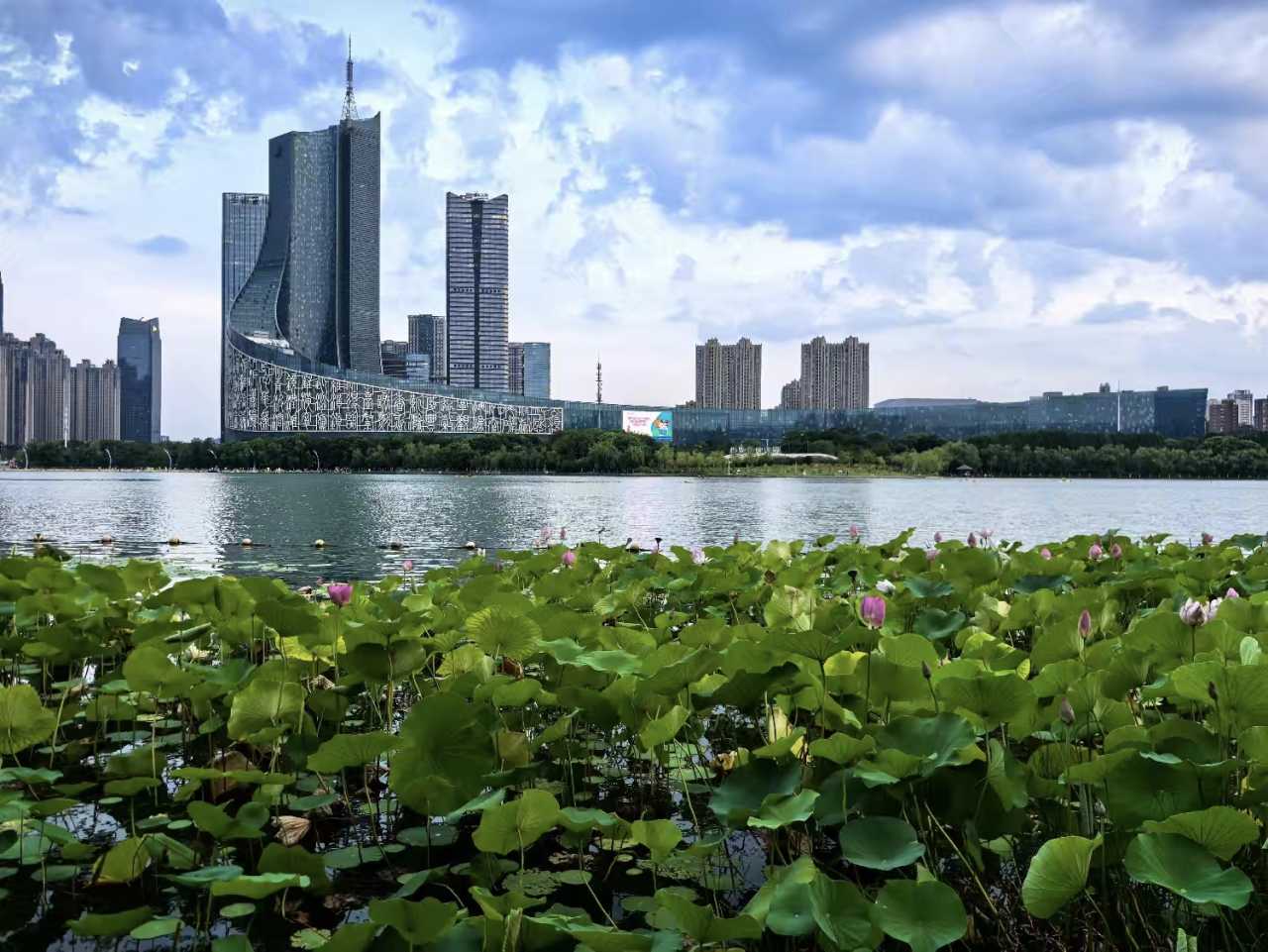
On July 10, we set out from Chengdu, our first stop being Suining. This unassuming little town hides surprisingly vibrant street food. Wang Ciba (Wang's Glutinous Rice Cake) was soft and chewy, Facai Liangfen (Fortune Cold Noodles) were silky smooth, Pu Liangfen (Pu's Spicy Cold Noodles) packed a punch, and Mingcun Shiwei (Ming Village Delicacies) offered refined flavors—each bite redefined what northern Sichuan cuisine could be.
The next day, we drove to Wusheng. In the early morning, Longfeng Ancient Town still glistened with dew, the stone-paved streets echoing with the bustle of the morning market. In Wusheng, a bowl of Mage Zhugan Mian (Brother Ma's Pork Liver Noodles) completely won me over—the liver was tender as silk, the broth rich and savory, the noodles springy. Even more surprising, we made a special trip to Zuixian Niu Rou Changqu (Drunken Immortal Beef Factory) and bought the freshest beef jerky straight from the factory outlet. The intense meaty aroma still lingers in my memory.
[Link: Best Sichuan street food experiences]
Lichuan: Karst Caves and Tujia Culture
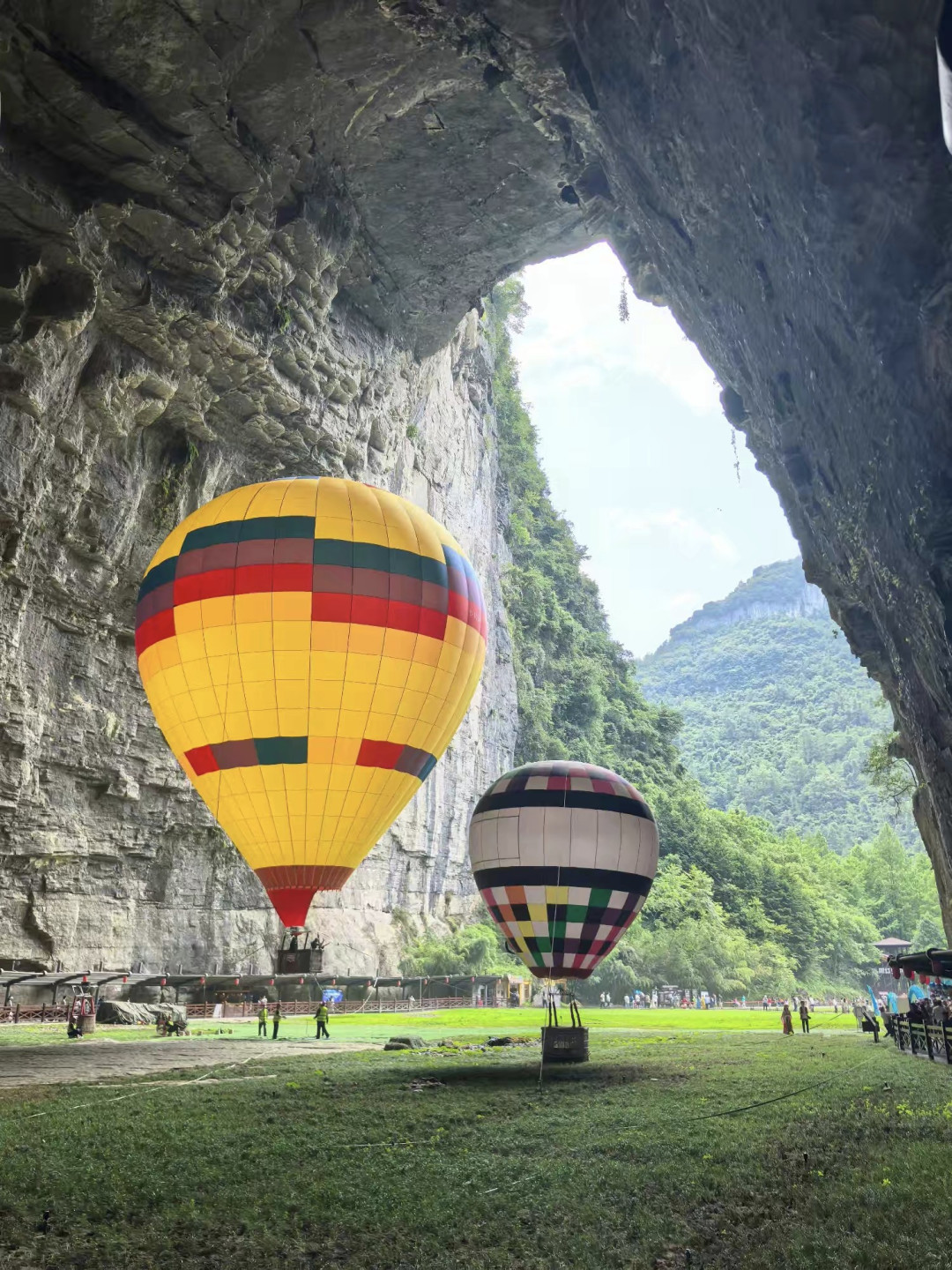
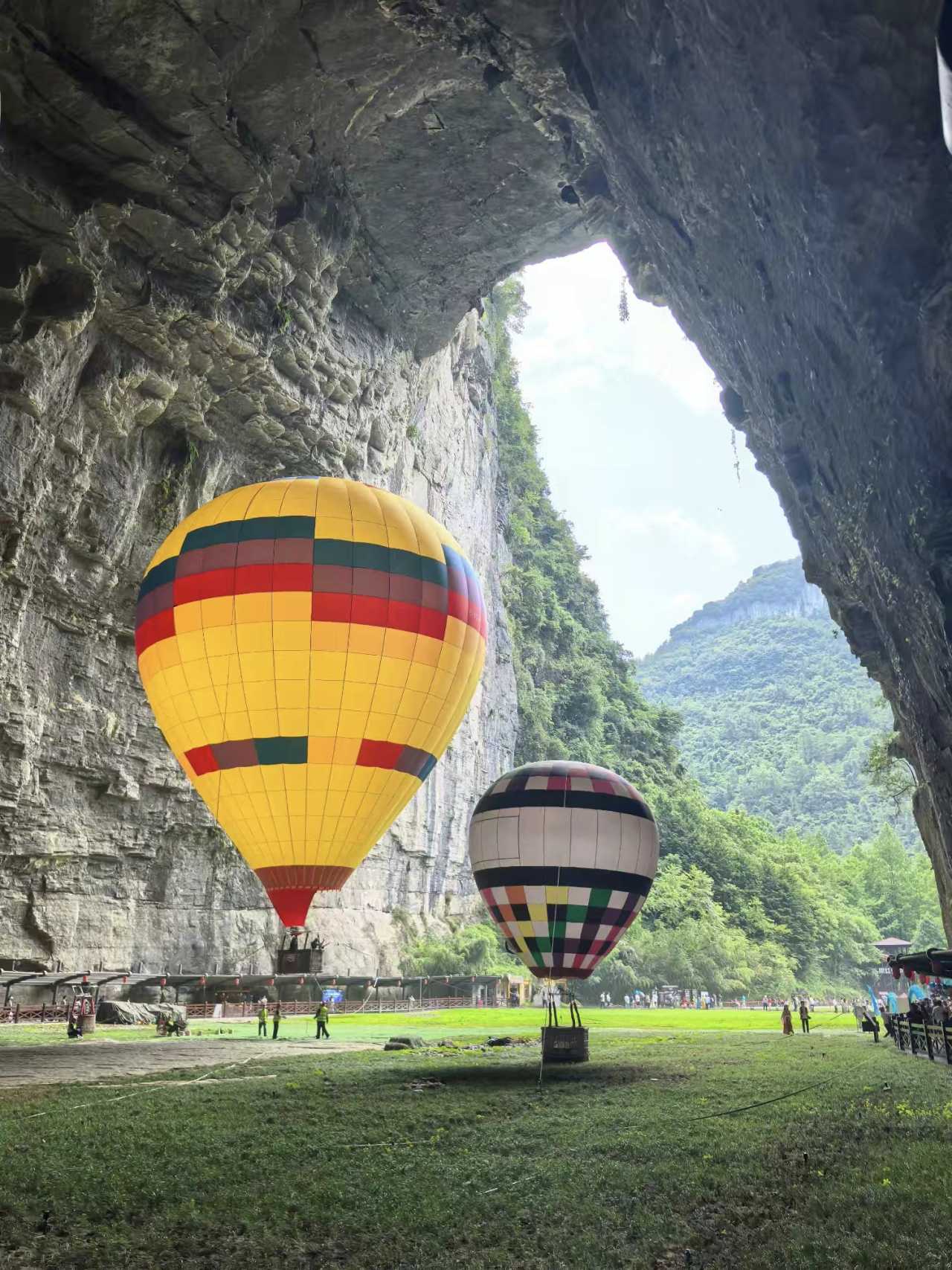
Day three's highlight was Tenglong Dong (Soaring Dragon Cave) in Lichuan. As Asia's largest karst cave, its interior is so vast it can accommodate helicopter flights. Allow at least three hours, and take the electric cart deep inside. After emerging, Laojia Daguotai (Grandma's Big Pot) served the perfect Tujia-style meal—a stewed cured pork hotpot whose aroma could cure any exhaustion.
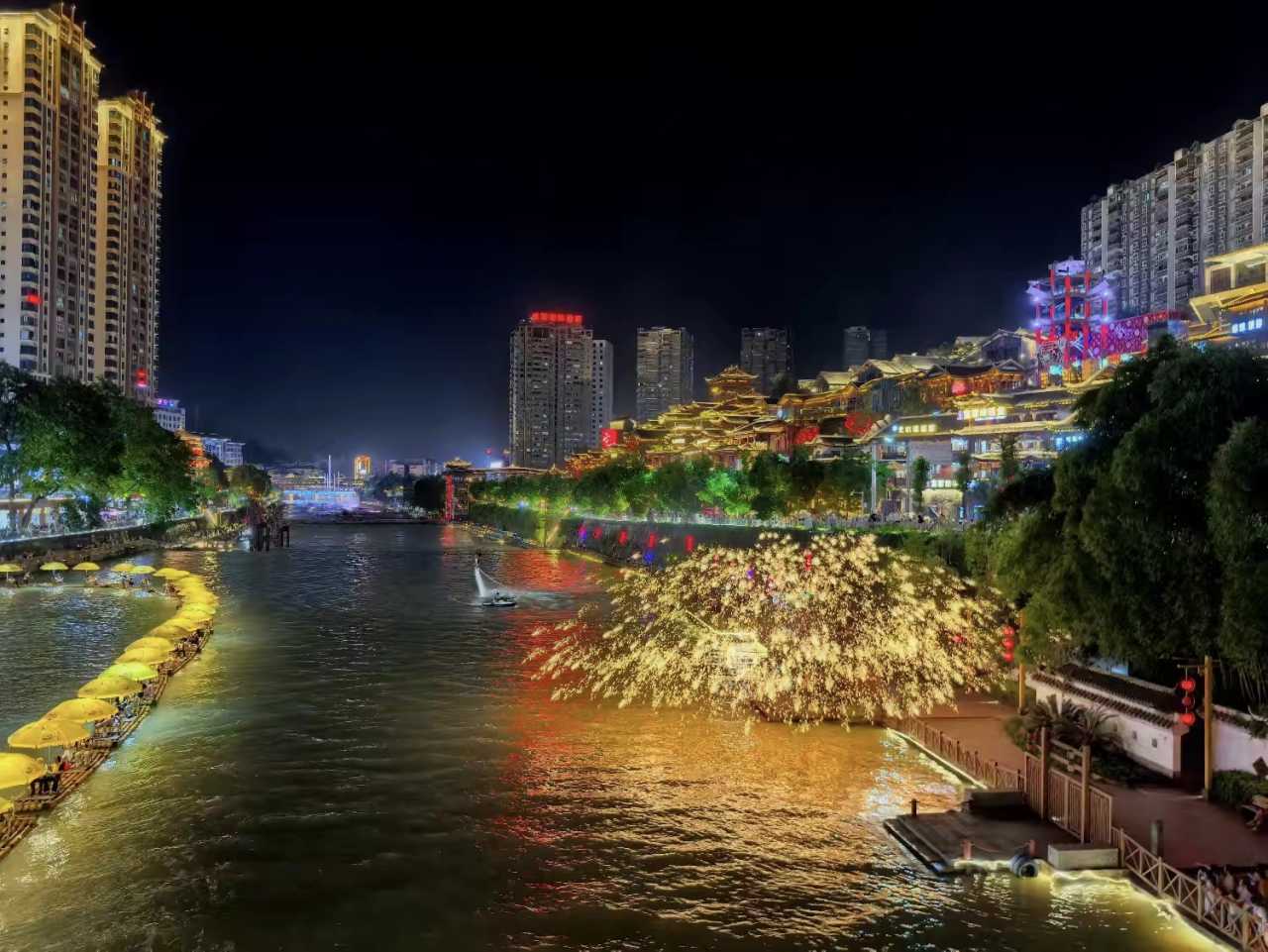
In the evening, we detoured to Xuan'en just for their famous Xuan'en Kao Huoyu (Xuan'en Grilled Live Fish) . The skin was crispy, the flesh tender, and paired with their special chili sauce, it was nothing short of exceptional. Even more unexpected was the night scenery along Gongshui River—dragon boat parades, molten iron fireworks, and musical fountains showcased Tujia culture in all its glory.
Yichang: The Majesty and Missteps of the Three Gorges
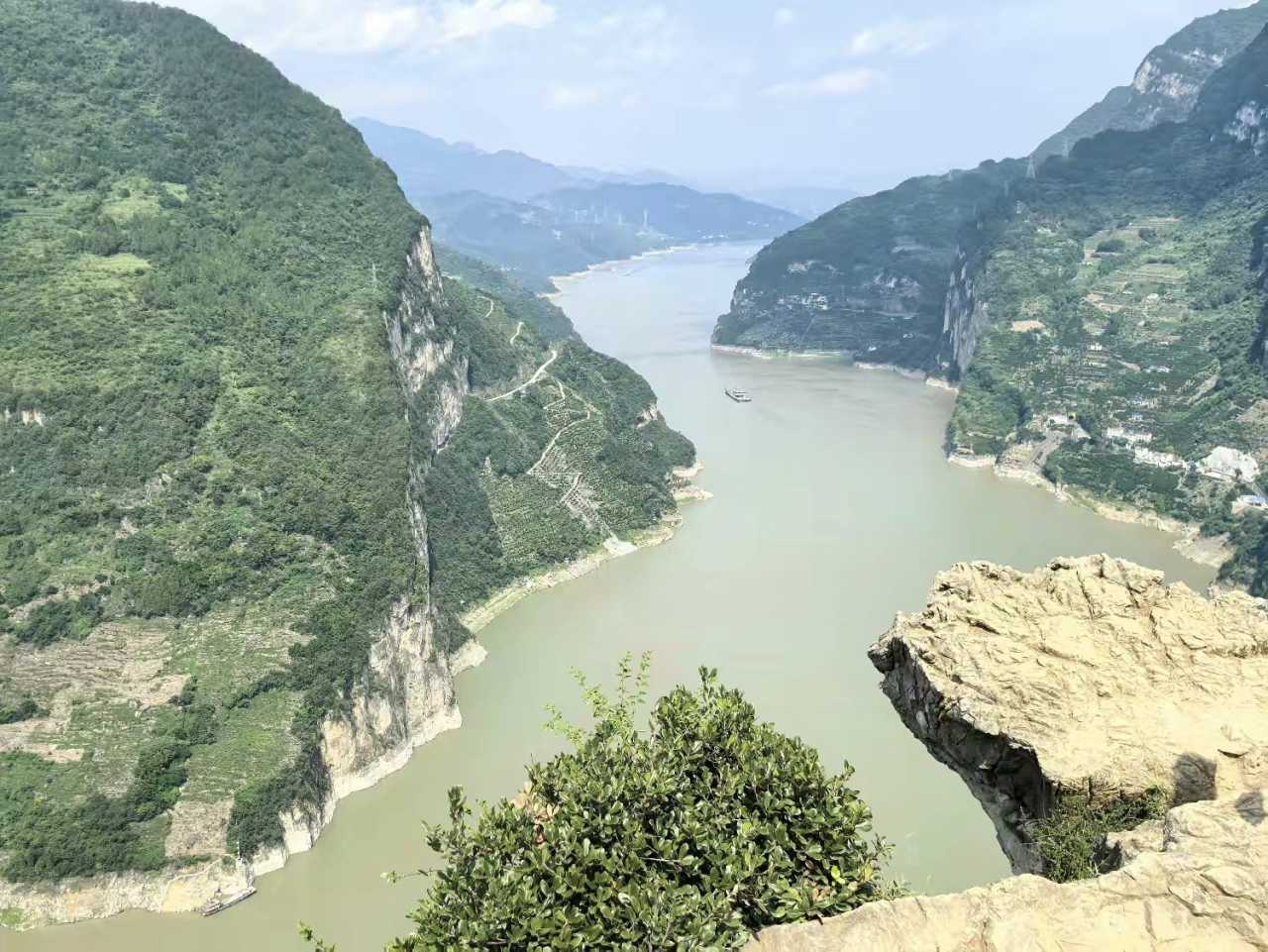
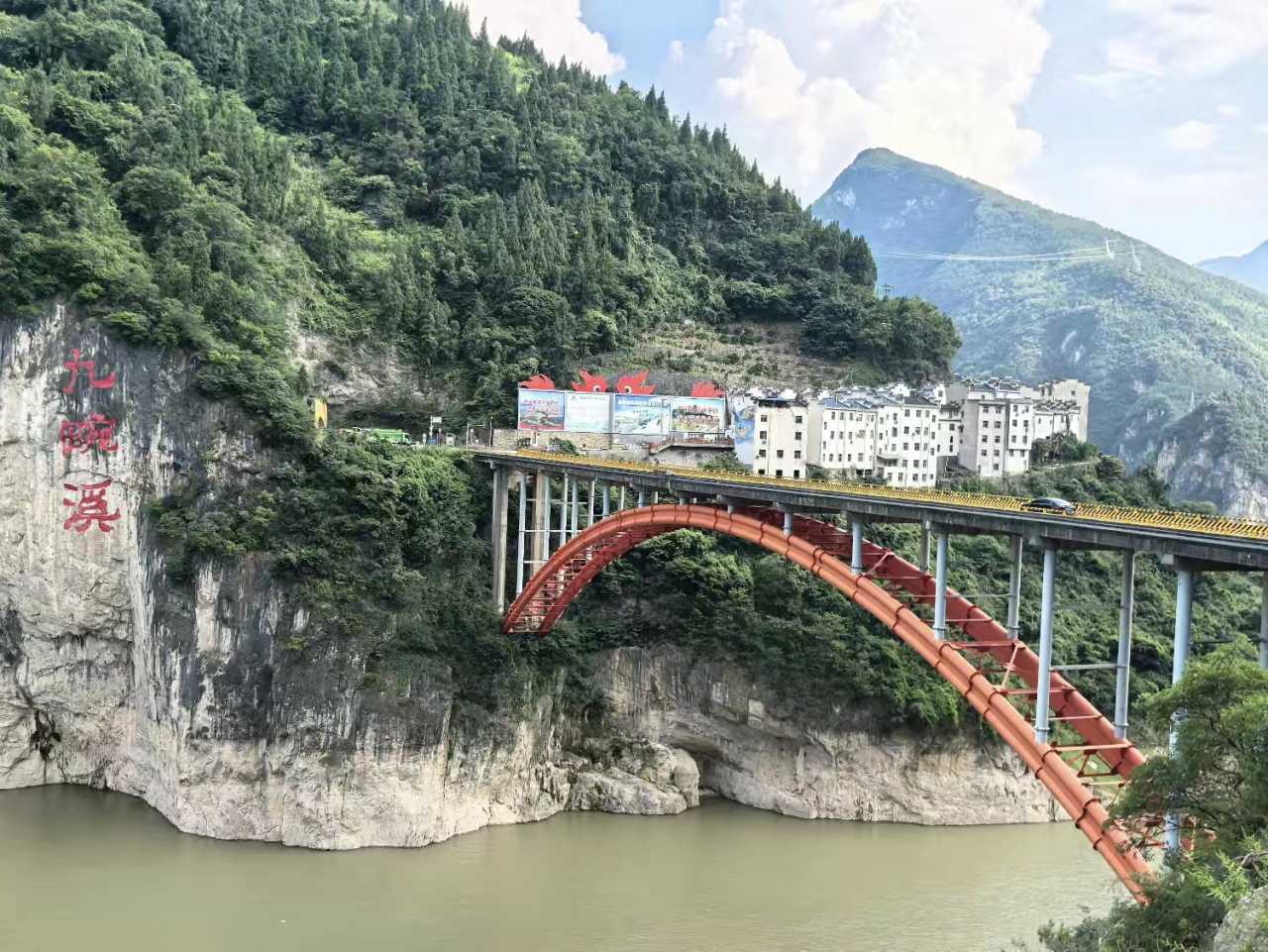
On day four, we drove along National Highway G348 toward Yichang. This route, known as the "Most Beautiful Highway of the Three Gorges," offered two stunning viewpoints: Yingzuiyan Nongzhuang (Eagle Beak Rock Farm) and Jiuwanxi Daqiao (Nine Rapids Creek Bridge) , each revealing different faces of the Niugan Mapfei Gorge—one rugged, one graceful. At Zhongbaodao Guantai (Zhongbao Island Observation Deck) in Zigui, we took in the full panorama of the Three Gorges Dam. The collision of human engineering with natural landscapes was awe-inspiring.
Important tip: After crossing the Xiling Gorge Bridge, your navigation will likely recommend the Three Gorges Expressway. Don't take it. That route is tunnel-heavy with few views. Instead, continue on G348. It takes longer, but the riverside scenery of the Yangtze is absolutely worth it.
That evening, we started at Yichang's Tianran Ta (Natural Pagoda) and cycled along the riverside road to Wujia Gang Wanda Plaza. With the river breeze on our faces and city lights coming alive, this hydroelectric capital showed its gentler side.
Wuhan: Lessons from the Ferry
On day five, we passed through Jingzhou and sampled Gucheng Weidao Xiangye Tucai (Ancient City Flavors Countryside Dishes) —authentic Jingchu cuisine, especially the steamed pork belly with rice flour, which was fatty but not greasy. Arriving in Wuhan that evening, we eagerly boarded the Jianghan Road ferry—only to suffer the "summer ferry sauna." No air conditioning inside, and the river breeze couldn't cut through the oppressive heat. The experience was miserable. Friendly advice: Avoid Wuhan ferries in summer. If you must go, choose the late evening when the breeze is stronger.
[Link: Best times to visit Wuhan]
Chapter Two: Misty Rains of Jianghuai, Dreaming of Jiangnan (Days 6–12)
Tongcheng to Hefei: The Wisdom of Six-Foot Lane
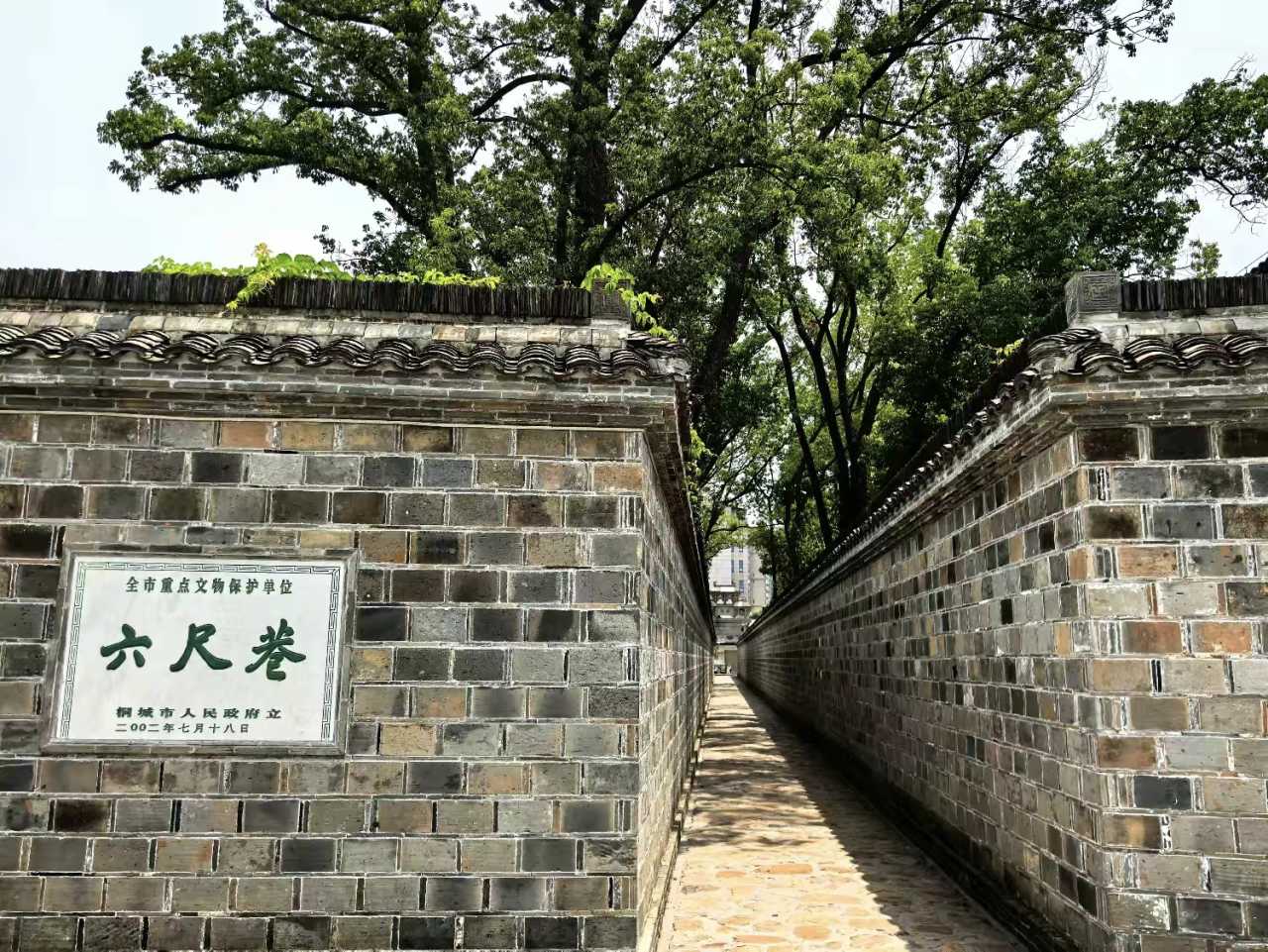
On day six, we visited Hubei Provincial Museum. The sight of the Marquis Yi of Zeng's bronze bells was overwhelming. That evening, we arrived in Shuanggang Town, Tongcheng, and enjoyed authentic Huizhou cuisine at a relative's home. The next day, the story of Liuchi Xiang (Six-Foot Lane) gave me pause—Zhang Ying's famous verse, "A thousand miles sent a letter just for a wall; letting him have three feet, what harm is there at all?" remains timeless wisdom on humility.
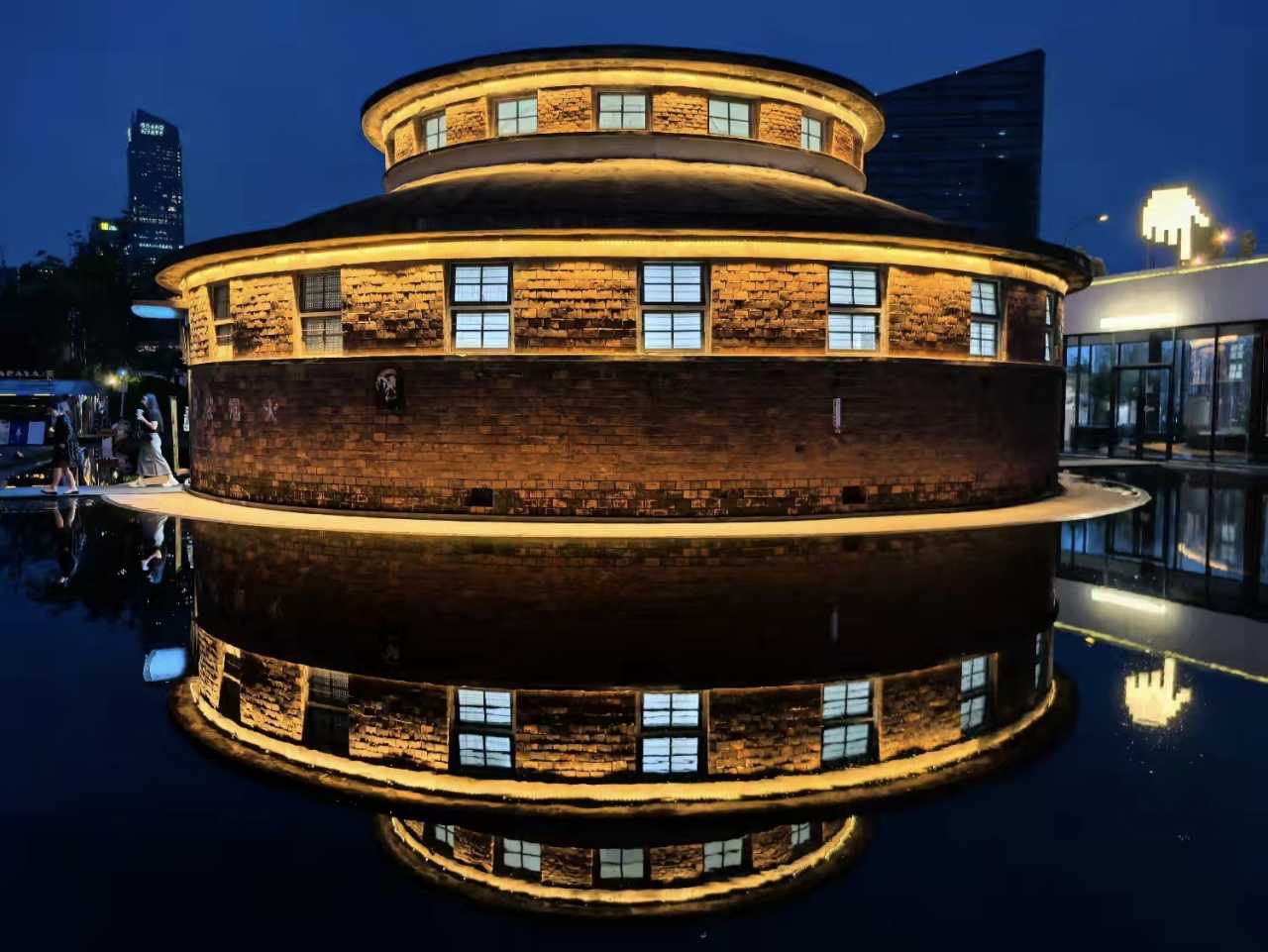
In Hefei, Tianshu Lou (Heavenly Book Tower) and Hechai 1972 Cultural and Creative Park showcased the clash between modern and traditional. The former is a haven for the literary-minded; the latter, converted from an old prison, blends industrial aesthetics with contemporary art in a refreshing way.
Yangzhou: The Art of Slow Living
On day eight, we reached Yangzhou. This city, steeped in Tang Dynasty poetry, breathes laziness. At Da Jiangyou Feiyi Huaiyang Cai (Soy Sauce Non-Heritage Huaiyang Cuisine) , the lion's head meatball melted in the mouth. A night stroll through Dongguan Jie (East Gate Street) , with red lanterns illuminating century-old shops on both sides of the stone path, felt like stepping back into the Ming and Qing dynasties.
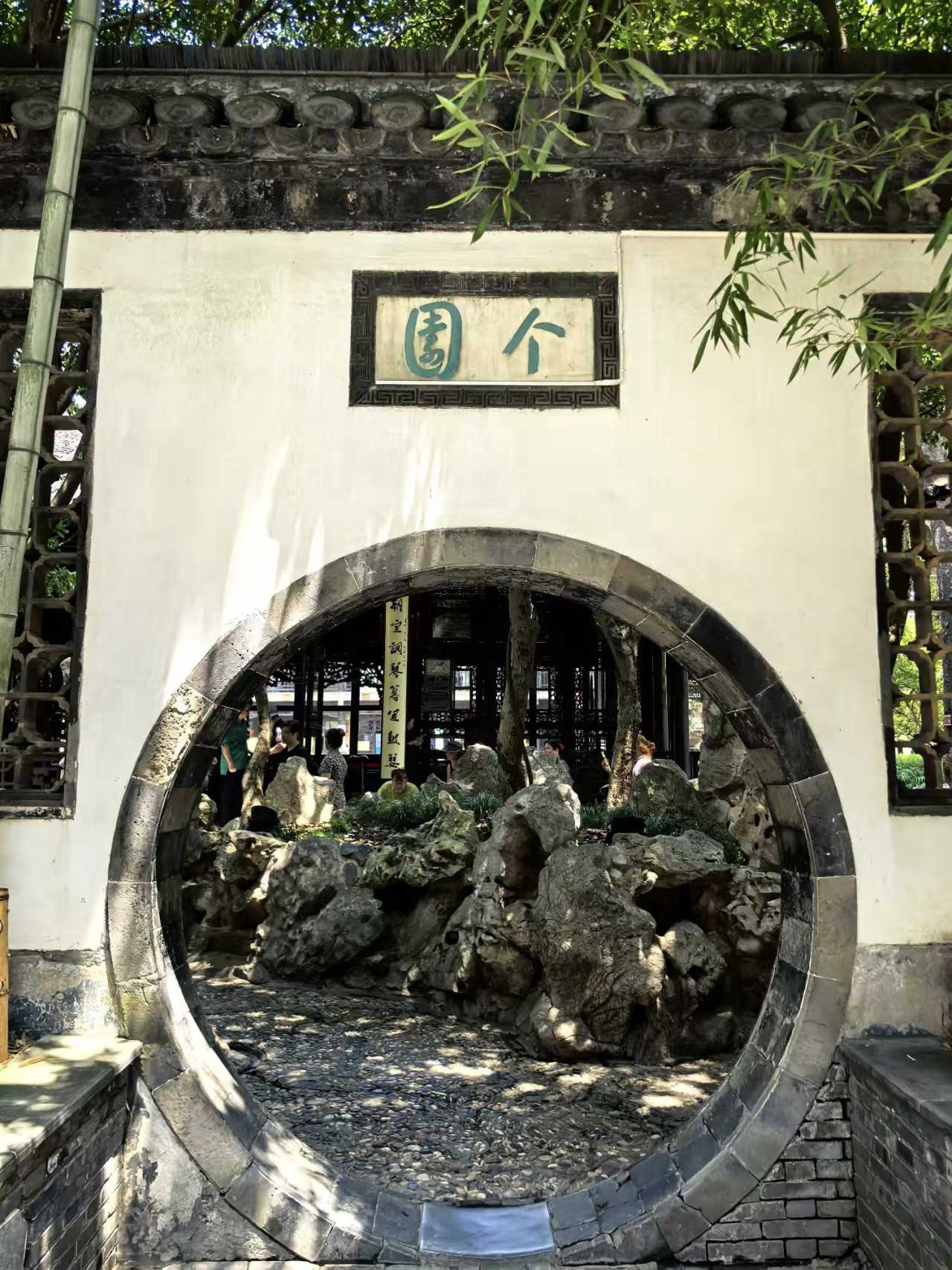
Day nine brought us to Ge Yuan (Geyuan Garden) —a garden famous for its bamboo and rockeries, with the Four Seasons Rockery concept being sheer genius. China Grand Canal Museum used cutting-edge technology to narrate the thousand-year story of the canal. That evening, we arrived in Shanghai and had Xiaoxiang Ji Hunan Cai (Xiaoxiang Ji Hunan Cuisine) —a spicy punctuation mark to our Jiangnan journey.
[Link: Yangzhou travel guide]
Shanghai to Zhoushan: Chasing the Sunset Across the Sea
On day ten, we drove across Hangzhou Bay Cross-Sea Bridge and arrived at Xitang Ancient Town under the golden glow of sunset. At night, Xitang's red lanterns reflected in the water, and the black-canopied boats drifted slowly—like a flowing ink-wash painting.
Day eleven was pure driving pleasure—from Cixi to Zhoushan, we cruised along Luotang Xian (Snail Pond Line) and Zhujiajian Huanhai Gonglu (Zhujiajian Coastal Ring Road) . The Mamu Mountain No. 1 Windmill Camp, Wugongzhi Pier, Zhangzhou Bay—every stop was a photographer's dream. The grandeur of the cross-sea bridges and the boundless blue of sea and sky made the 300-kilometer day worth every mile.
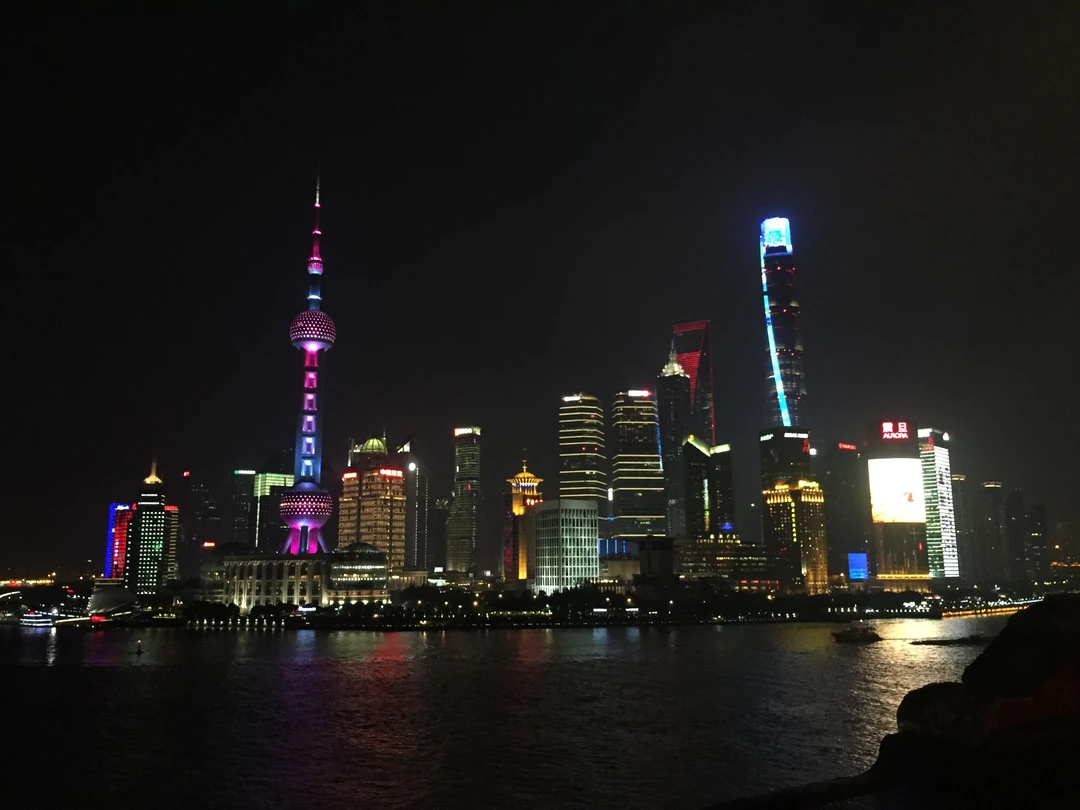
On day twelve, we explored downtown Shanghai. The bustle of Nanjing Lu (Nanjing Road) , the colonial architecture of Waitan (The Bund) , and the panoramic views from Dongfang Mingzhu (Oriental Pearl Tower) —all formed the classic impression of this metropolis. At Shen Dacheng (Shen Da Cheng Restaurant) , the Shanghai-style braised pork belly was sweet without being cloying—absolutely superb. That evening, we watched the light show at Lujiazui Sanjian Tao (Lujiazui's Three Landmarks) and felt the pulse of the city.
Chapter Three: Water Towns of Jiangnan, Ancient Charms of Huizhou (Days 13–18)
Suzhou to Hangzhou: Gardens and Museums
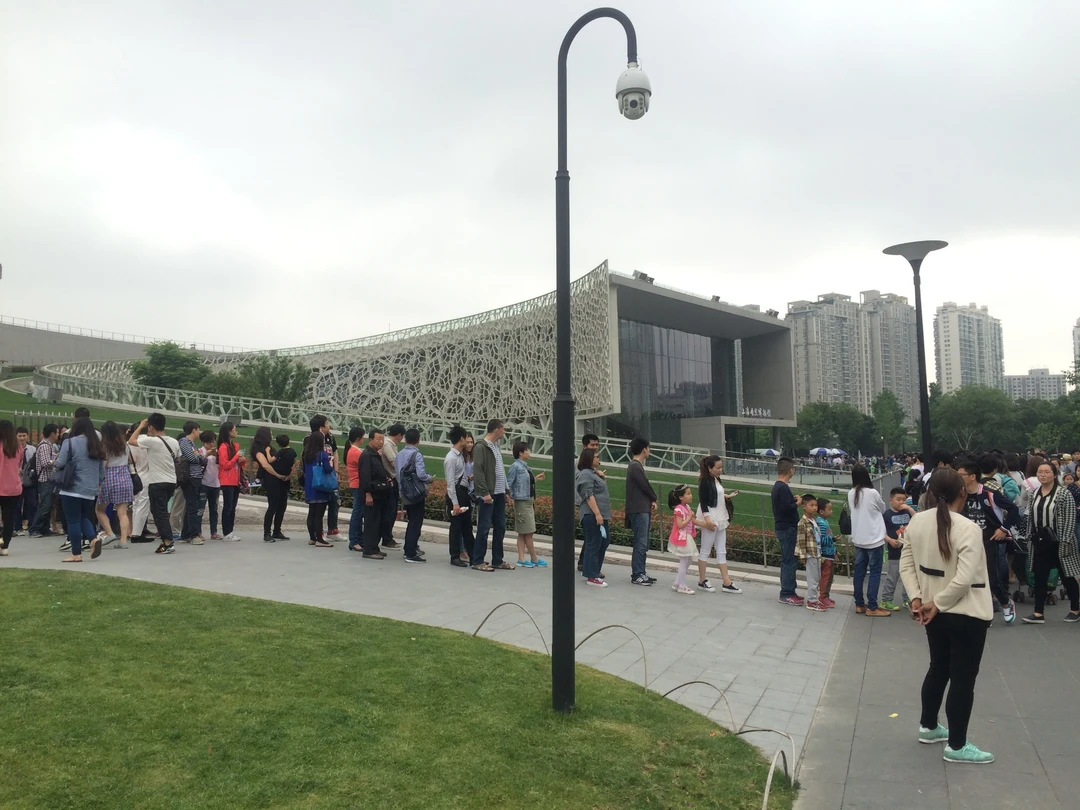
On day thirteen, we encountered our first real blunder—the Shanghai Museum East Wing was closed on Tuesdays. Fortunately, Zhang Yuan (Zhang's Garden) and Qibao Laojie (Qibao Old Street) made up for it. The former preserved old Shanghai's Shikumen architecture, while the latter was a food lover's paradise.

From Suzhou, we explored the classical gardens that define Jiangnan aesthetics. Zhuozheng Yuan (Humble Administrator's Garden) and Liu Yuan (Lingering Garden) are UNESCO World Heritage sites that showcase the pinnacle of Chinese garden design. The interplay of water, rock, and architecture created meditative spaces that have inspired poets for centuries.
In Hangzhou, we cycled around West Lake (Xihu) , stopping at Leifeng Pagoda for sunset views. The lake's misty beauty inspired the famous saying, "Above there is heaven, below there is Suzhou and Hangzhou." A dinner of Dongpo Pork and Longjing Shrimp at a local restaurant near the lake was the perfect end to the day.
[Link: Suzhou classical gardens guide]
Huizhou Ancient Villages: Time Travel in Anhui
Days 14–16 took us into the heart of Huizhou culture. Hongcun Village and Xidi Village, both UNESCO sites, transported us back to Ming Dynasty China. The white-walled, black-tiled houses reflected in crescent-shaped ponds created postcard-perfect scenes. We stayed overnight in a traditional guesthouse, waking to the sound of roosters and the smell of bamboo shoots drying in the sun.
Huangshan (Yellow Mountain) was a highlight—though we took the cable car up to save energy. The sea of clouds, oddly-shaped pines, and hot springs at the base made the trip unforgettable. Our guide recommended visiting on a weekday to avoid crowds.
Jiangxi: Porcelain and Poetry
On day 17, we drove to Jingdezhen, the "Porcelain Capital" of China. The Jingdezhen Ceramic Museum traces 1,700 years of ceramic history. We tried our hand at pottery-making—a humbling experience that gave new appreciation for the artisans.
That evening, we reached Wuyuan, famous for its rapeseed flower fields and ancient Hui-style architecture. Though the flowers weren't in bloom, the autumn scenery—with drying chili peppers and corn cobs decorating village rooftops—was equally photogenic.
Chapter Four: Hunan's Fire and Guizhou's Mystique (Days 19–26)
Changsha: Spice Capital of China
Day 19 brought us to Changsha, the capital of Hunan cuisine. Huo Gong Dian (Fire Palace) is a must-visit for its legendary stinky tofu, but don't miss the street vendors along Pozi Street for authentic tangyuan (sweet rice balls) and choudoufu (stinky tofu). The Yuelu Academy and Orange Island offered cultural respites between meals.
Zhangjiajie: Avatar Mountains Come to Life
Days 20–22 were dedicated to Zhangjiajie National Forest Park, the inspiration for the floating mountains in Avatar. The Bailong Elevator (the world's tallest outdoor elevator) took us to the top of the sandstone pillars. Walking across the Zhangjiajie Grand Canyon Glass Bridge was terrifying but breathtaking.
Guizhou: Miao Villages and Huangguoshu Waterfall
Days 23–25 took us into Guizhou province. Xijiang Qianhu Miao Village is the largest Miao village in China, with 1,000 households spread across two hills. The silver jewelry and embroidery sold by local women are exquisite. Huangguoshu Waterfall, China's largest waterfall, thundered with such force that we felt the spray from half a kilometer away.
Final Leg: Back to Chongqing
On day 26, we drove from Guizhou back to Chongqing, completing the loop. The spicy hotpot at Xiaotian'e (Little Swan) was the perfect ending—a fiery farewell to an epic journey.
FAQ: Planning Your Bashu to Jiangnan Road Trip
1. How much does a 26-day self-driving trip from Sichuan to Jiangnan cost?
Expect to spend approximately 15,000–25,000 RMB per person (excluding vehicle rental), depending on accommodation choices and dining preferences. Budget-friendly hostels cost 100–200 RMB/night, while mid-range hotels run 300–500 RMB/night. Fuel and tolls add roughly 3,000–5,000 RMB for the 5,000-km route.
2. What is the best season for this road trip?
 Spring (March–May) and autumn (September–November) are ideal. Summers can be unbearably hot and humid in Wuhan and Shanghai, while winters may bring snow to Huangshan and Zhangjiajie. Our July trip was challenging due to heat—plan accordingly.
3. Do I need an international driver's license in China?
Yes. Most provinces require an International Driving Permit (IDP) along with your home country's license. Some rental companies also accept a notarized translation. Always check local regulations before driving.
4. Which sections of the route are most scenic?
 The G348 National Highway through the Three Gorges, the Zhujiajian Coastal Ring Road in Zhejiang, and the mountain roads through Zhangjiajie offer the most breathtaking views. Don't miss the Luotang Xian (Snail Pond Line) in Zhoushan.
5. What should I pack for this trip?
Essentials include: comfortable driving shoes, a portable phone charger, a reusable water bottle, sunscreen, insect repellent, and a rain jacket. For temples and villages, bring modest clothing. A good camera and extra memory cards are non-negotiable.
Ready to Hit the Road?
This 26-day self-driving epic from Bashu to Jiangnan is more than a vacation—it's a journey through China's soul. From the spicy streets of Chengdu to the misty gardens of Suzhou, from the karst caves of Lichuan to the ancient villages of Huizhou, every kilometer reveals a new story.
Start planning your adventure today. Book your rental car in advance, research local festivals, and pack your appetite. China's highways are calling—will you answer?
[Link: Essential road trip planning checklist]
Have you taken a similar cross-province road trip in China? Share your experiences in the comments below—we'd love to hear your favorite hidden gems!
You may also like