Freezing a City in Time: The Magic Metropolis of Shanghai – An SEO-Optimized Travel Guide
Meta Description: Discover Shanghai’s magic from East Nanjing Road to Pudong. Explore hidden gems, local eats like Xiao Yang Sheng Jian, and timeless streets. Your ultimate Shanghai travel guide awaits.
Introduction: Why Shanghai Is Called the “Magic City”

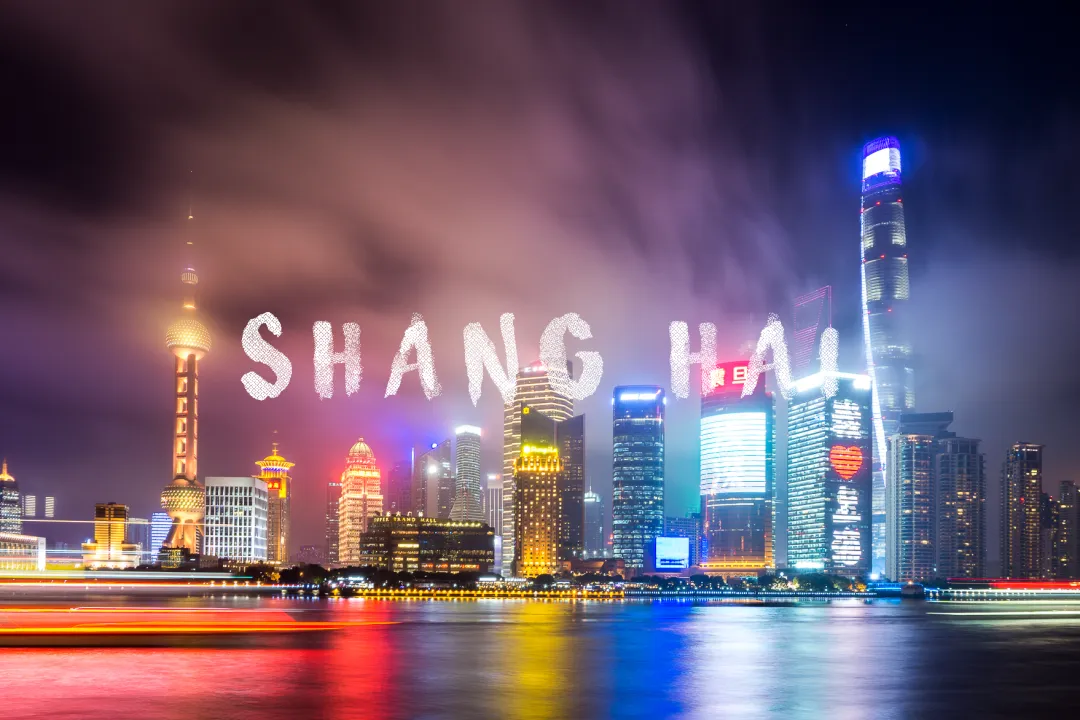
Shanghai, often dubbed the “Magic City,” is a place where time bends. One moment you’re walking through neon-lit East Nanjing Road, the next you’re lost in the quiet, nostalgic alleys of Harbin Road. This Shanghai travel guide takes you beyond the skyscrapers to uncover the city’s soul—its blend of old and new, its street food, and its stories.
Whether you’re a first-time visitor or a returning traveler, Shanghai offers a unique rhythm: the rush hour pulse, the Bund’s eternal glow, and the unexpected charm of a milk tea shop on Yunnan South Road. Let’s dive into the city that never sleeps—and never stops surprising you.
First Glimpse: When Dusk Dyes East Nanjing Road
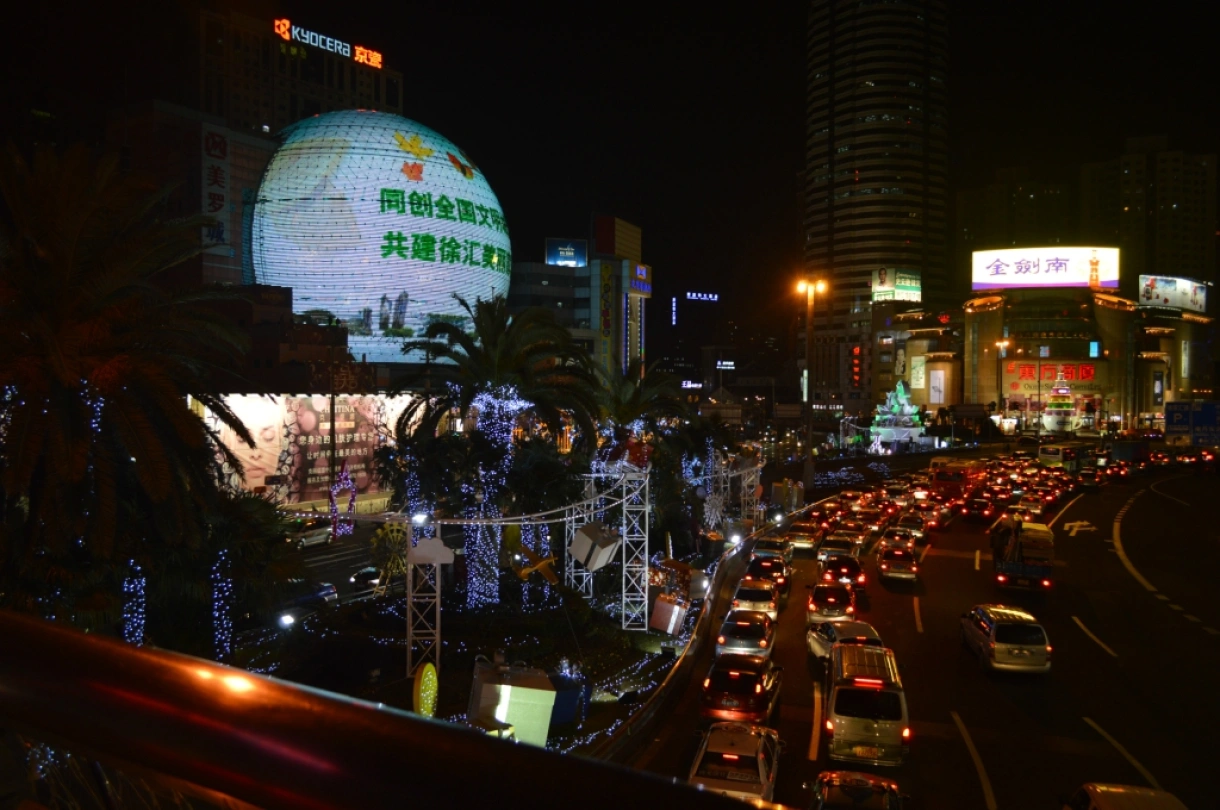
At five o’clock on a Friday afternoon, I dragged my suitcase out of Shanghai Railway Station. The city was experiencing its most magical hour—the下班 rush hour blended with weekend anticipation. The subway station pulsed with a rhythm that was both restless and orderly. Eleven stops later, I emerged above ground on East Nanjing Road, put on my headphones, and let myself dissolve into the twilight.
Shanghai’s streets possess a peculiar kind of magic. Walking between Zhejiang South Road, Yan’an Elevated Road, Haikou Road, Hubei Road, and Shanxi South Road, I suddenly realized that these street names read like an atlas of China. You’re clearly in Shanghai, yet you feel as though you’ve passed through a dozen different cities. This subtle sense of dislocation might be the first gift the Magic City offers to travelers.
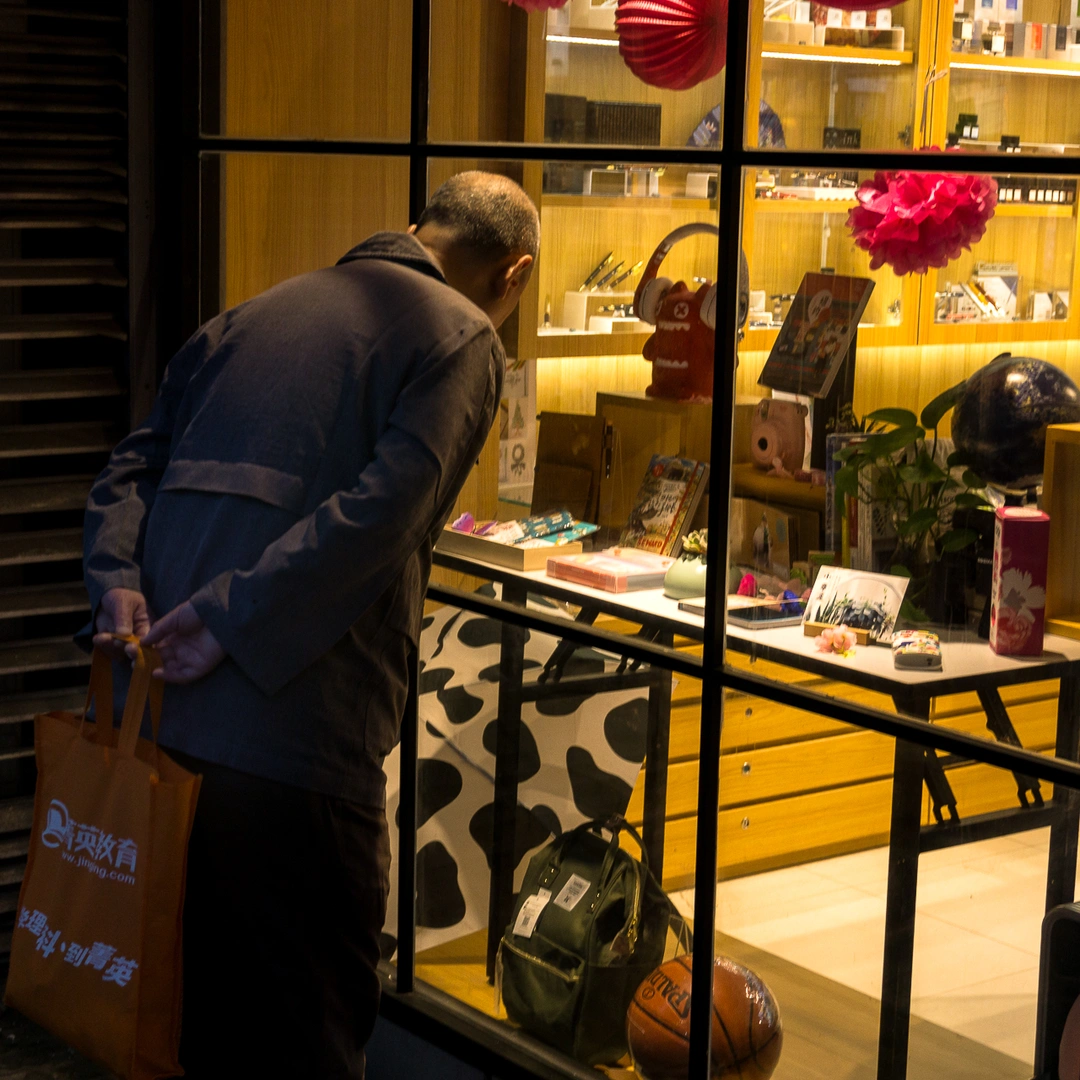
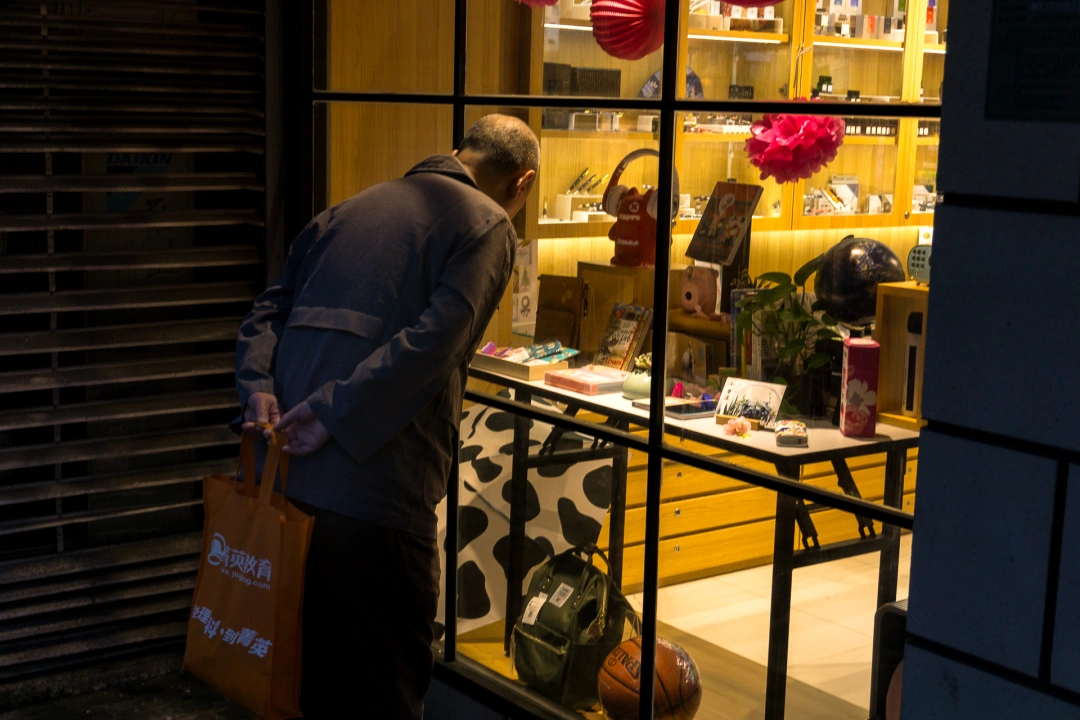
Passing a stationery shop, I noticed an elderly man hunched over, staring intently at the items in the window display. What was he thinking? Buying something for a child, or reminiscing about an afternoon from his own youth? In this city, every stranger who brushes past you carries their own story.
[Link: Best time to visit Shanghai for street photography]
The Bund: The Breath of a City That Never Sleeps
At nine in the evening, I settled into my youth hostel on Yongshou Road. Shanghai is a city that never closes—nearing ten o’clock, the Bund was still packed with people. I set up my tripod, only to find someone nearby had set up a small stall, using a DSLR to charge tourists for photos. At that moment, I couldn’t help but laugh: in this city, even street vending reveals an ambition to “make big money.”
At 21:45, I checked my watch, packed up my tripod, and jogged through the Bund crowds straight toward Waibaidu Bridge (Garden Bridge). Fifteen minutes left before the bridge lights would go out. Standing on the bridge, watching the streams of traffic carve trails of light, I suddenly remembered watching “Romantic Storm” as a child—the scene where Zhao Wei jumps off this very bridge. It struck me that a bridge can become a coordinate of memory for an entire generation.
At exactly ten o’clock, the lights went out on schedule. There was something oddly ritualistic about it—like lights-out in a student dormitory. I walked along Suzhou Creek for a while, found a milk tea shop on Yunnan South Road, and took a long sip. The icy sweetness exploded on my tongue.
[Link: Top 10 things to do on the Bund at night]
The Hostel: Songs and Daydreams
Back at the hostel, listening to “Little Brother Pigeon” strumming his guitar and singing, I fantasized that I too was a singing legend. I took another sip of milk tea, thought it over carefully—nah, I’m not. But that’s the beauty of life: you never know what tomorrow will bring, and the unknown itself is enough to make your heart race.
City God Temple: Tacky and Real
Waking up early the next day, I walked through empty streets, crossed Henan South Road, and arrived at the City God Temple (Chenghuangmiao)—one of the most “tacky” tourist spots in town. The 31st of the month, and I still had a breakfast coffee voucher about to expire. I exchanged it for an iced drink, crunching on the ice cubes.
Old Shanghai Street has an indescribable flavor. I used to dislike cats, finding them less lively than dogs. Then I pet a cat on a street corner and understood why so many people become “cat slaves.” I asked it, “Whose cat are you?” It didn’t answer, just turned and walked away. Indeed, aloofness is a cat’s true nature.
[Link: Is City God Temple worth visiting? Honest review]
Shanghai on the Palate: Must-Try Local Eats
Xiao Yang Sheng Jian (Pan-fried Pork Buns): Overwhelming Satisfaction

One order of pan-fried buns, one bowl of beef soup, add chili pepper. Two words: utterly satisfying. Xiao Yang Sheng Jian shops are everywhere in Shanghai, but a friend strongly recommended the one at the Sun Moon Light Food Court (Ri Yue Guang)—supposedly the best. I tried it, and it lived up to its reputation.
Xiao Taoyuan Mosque: For Friends Far Away
Back when I was studying at home, I had many Hui Muslim classmates. Standing in front of Xiao Taoyuan Mosque, I wanted to take a photo and send it to them—Xiao Shan, Xiao Hujing, Jiayin... can you see this?
[Link: Best street food in Shanghai – a local’s guide]
Sinan Mansions: Melancholy Under the French Plane Trees
The underground exit of SOHO Fuxing Plaza is one of my favorite mall exits. Stepping out from the basement level, the view opens up before you. Sinan Mansions is nearby—forgive my ignorance, but I first recognized it from “Tiny Times 3.” The film wrote: “The car drove into a dense shadow of French plane trees. An autumn evening breeze blew, and leaves drifted past the window one by one, carrying a kind of old-movie melancholy.”
I love strolling through streets like these. Not sightseeing, but experiencing local life—elderly people taking the bus, retired workers smoking and playing cards in the park, construction workers renovating buildings. Time leaves its marks on them, and it will leave marks on us too. I made a silent wish: when I’m old, let me be strong and healthy, able to smoke a cigarette, ride a motorcycle, and take the person I love to faraway places.
[Link: Sinan Mansions walking tour – history and architecture]
EDM CAFE: Thoroughly Blue
In the afternoon, I found a coffee shop called EDM CAFE on Jianguo West Road. The entire building was blue, earning it the nickname “Net Blue.” I ordered a cold drink, sat there daydreaming, and took some “fake photos.” That’s just how it is.
“Bro, if I jump, will you jump?” “Nah, I won’t jump.” “Then I won’t either.”
Pudong: A Night Across the River
Riding a shared bike, hopping on a bus, taking a ferry—I finally made it to the Pudong New Area on the opposite bank of the Huangpu River.
BLADOG: The Boss’s Gift
After getting off the ferry, I cycled five hundred meters to the right and found the BLADOG (Black Hot Dog) I’d been craving. When the owner learned I was writing a travel guide, he gave me a bouquet of flowers. Unfortunately, they didn’t survive the trip back to Jinhua. That day was also my grandmother’s birthday—I almost forgot, until my uncle reminded me to call and wish her a happy birthday. I envy my grandparents for being able to expense their high-speed train tickets without paying a penny—I wonder if I, as a direct third-generation descendant, could also get a few tickets?
Paulaner: Beer and Waiting
Around seven, I rode my shared bike two kilometers to Paulaner. I ordered a liter of beer, let the breeze blow over me, and watched the people come and go. There were no seats outside, so I waited at the entrance for a few minutes, feeling like an abandoned child. It was the first time I’d waited so long for an ad—about once every five minutes, one would pass by.
Around nine, I took the ferry and then a bus back to the hostel. Passing Yunnan South Road, I couldn’t resist ordering another serving of Abao Pork Chop (A Bao Zhu Pai) to satisfy my pre-bedtime cravings.
[Link: Pudong nightlife guide – best bars and views]
Harbin Road: The Scent of Old Streets
Half Bookstore: Too Early
Half Bookstore (Ban Ceng Shu Dian) wasn’t open yet. So I kept walking. Harbin Road is less than a kilometer long, but with its red bricks, tiled roofs, and the worn signboards at the end of the street—this is clearly an old neighborhood. I love walking through old alleyways. Every street in Shanghai has its own character, endless roads to explore, endless photos to take.
1933 Old Millfun: A Maze of a Building

Interesting buildings are always captivating. 1933 Old Millfun (1933 Lao Chang Fang) is like a labyrinth—where do those narrow staircases lead? I wanted to reach the highest point, but I couldn’t even find the way.
Tongji University: Cherry Blossoms at Graduation Season
Tongji University is vast, and its architecture department is famous. The campus buildings are old and elegant. The statue of Chairman Mao seemed to have the same hand gesture as the one I saw in Lijiang. I arrived during graduation season, and Cherry Blossom Road was packed with people. It suddenly hit me: Shanghai is a city of layers. Every street, every building, every season tells a different story.
[Link: Free attractions in Shanghai – hidden gems]
FAQ: Frequently Asked Questions About Shanghai Travel
1. What is the best time to visit Shanghai? Spring (March–May) and autumn (September–November) offer mild weather and fewer crowds. Cherry blossom season at Tongji University is a highlight in late March to early April.
2. Is Shanghai expensive for tourists? Shanghai can fit any budget. Street food like Xiao Yang Sheng Jian costs under ¥10, while fine dining and luxury hotels can be pricey. Hostels and public transport keep costs low.
3. How many days do you need in Shanghai? A 3–4 day itinerary covers major highlights: the Bund, East Nanjing Road, City God Temple, and Pudong. Add 1–2 days for hidden gems like Sinan Mansions and 1933 Old Millfun.
4. What should I eat in Shanghai? Must-tries include Xiao Yang Sheng Jian (pan-fried pork buns), Abao Pork Chop, and local milk tea. For a unique experience, try BLADOG (black hot dog) in Pudong.
5. Is Shanghai safe for solo travelers? Yes. Shanghai is one of China’s safest cities. Public transport is reliable, and street food is generally hygienic. Stay aware in crowded areas like the Bund.
Conclusion: Your Shanghai Story Awaits
Shanghai isn’t just a city—it’s a living, breathing story. From the neon pulse of East Nanjing Road to the quiet melancholy of Sinan Mansions, every corner holds a memory waiting to be made. Whether you’re snapping “fake photos” at EDM CAFE or savoring pan-fried buns at Sun Moon Light, the Magic City invites you to freeze a moment in time.
Ready to explore Shanghai? Start planning your trip today. Book your hostel, pack your camera, and let the city’s rhythm guide you. Share your own Shanghai stories in the comments below—we’d love to hear them.
[Link: Ultimate Shanghai itinerary for 3 days] [Link: Best hostels in Shanghai for budget travelers]
Call to Action: Don’t just read about Shanghai—experience it. Subscribe to our newsletter for more travel guides, local tips, and hidden gems. Your next adventure starts here.
You may also like