Fog City? Mountain City? Giant Sinkholes? — I Say It's the Rain City: The Ultimate Chongqing Travel Guide
Meta Description: Discover why Chongqing is truly the "Rain City" in this SEO-optimized travel guide. From Wulong sinkholes to Hongyadong night views, get insider tips for a 3-day itinerary that balances urban exploration and natural wonders.
Introduction: Why Chongqing Deserves the "Rain City" Title
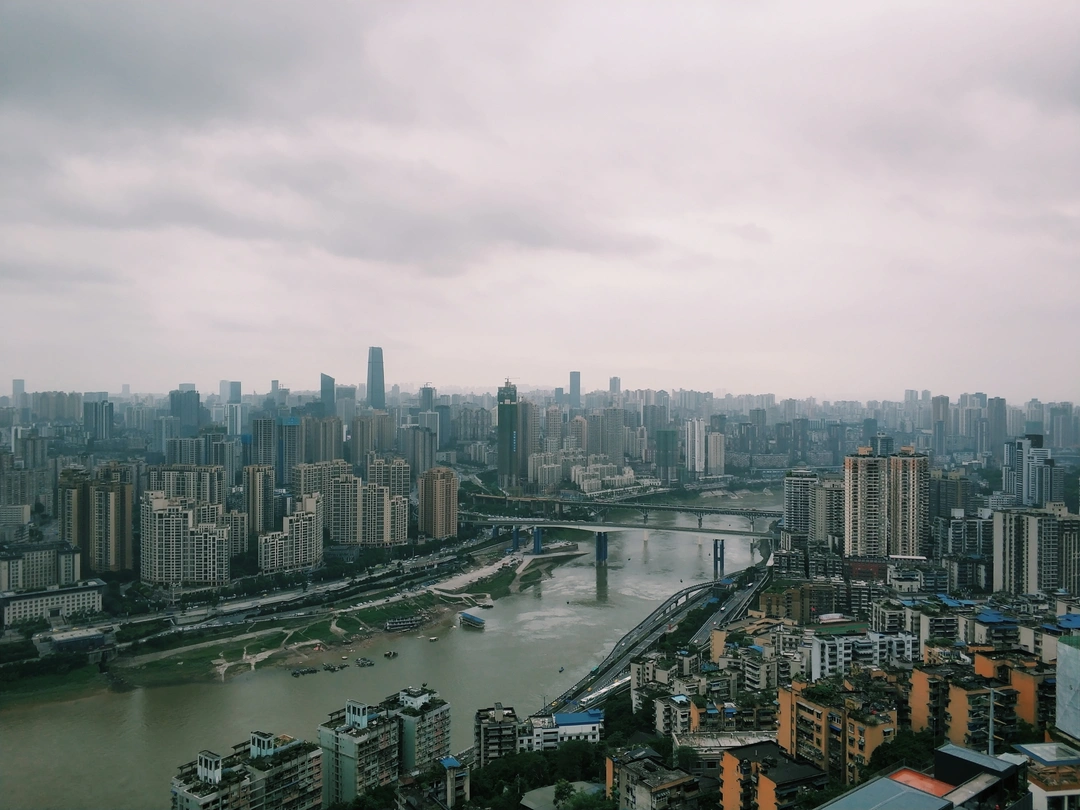
Some trips look like spontaneous decisions on the surface, but behind them lie countless delays and struggles. Our four-person group finally made the call on May 23, 2018: depart on the 25th, destination — Chongqing. And as we stepped off the train into the misty, rain-kissed streets of this mountain city, I understood immediately why locals call it the Rain City rather than just Fog City or Mountain City.
Chongqing is known for many nicknames: Fog City (due to its frequent fog), Mountain City (for its vertiginous terrain), and even the City of Giant Sinkholes (thanks to the Wulong Karst landscape). But after three days of navigating its humid streets, dodging sudden downpours, and watching the mist roll over the Yangtze, I realized the most fitting name is Rain City — because here, the rain isn't an inconvenience; it's part of the city's soul.
In this comprehensive Chongqing travel guide, I'll share our 3-day itinerary, insider tips for navigating this confusing yet captivating metropolis, and why you should embrace the rain when visiting.
Planning Your Chongqing Trip: A "Forced" Departure Story
The Struggle Behind the "Just Go" Trip

Our journey began with a familiar scenario: endless group chat debates, flight delays, and last-minute cancellations. From planning Mount Taibai to cheap flights to Yinchuan, we finally settled on Chongqing — a destination that promised both urban excitement and natural wonders.
Why Chongqing? It's the perfect blend of: - Mountain city terrain (elevators that feel like roller coasters) - Rain-soaked atmosphere (pack an umbrella year-round) - Unique attractions (from Hongyadong to Wulong sinkholes) - Spicy food culture (hotpot that will change your life)
The 3-Day Itinerary That Worked
We visited all planned spots except Sichuan Fine Arts Institute and Xiahao Old Street (thanks to my advisor calling me back early). Here's our exact route:
Day 1: Encounter Guesthouse → Ciqikou → Liziba → Eling Erchang → Eling Park → Crown Grand Escalator → Deng Mangs Hotpot → Yangtze River Cable Car → Nanshan Yikeshu → Encounter Guesthouse
Day 2: Wulong Day Trip → Taste of Memory → Jiefangbei → Hongyadong → Encounter
Day 3: Encounter → Great Hall & Three Gorges Museum → Dongting Hotpot → Mountain City Trail → Chaotianmen → Guesthouse → Chongqing North Station
Day 1: No Guide is the Best Guide — Navigating Chongqing's Confusing Layout
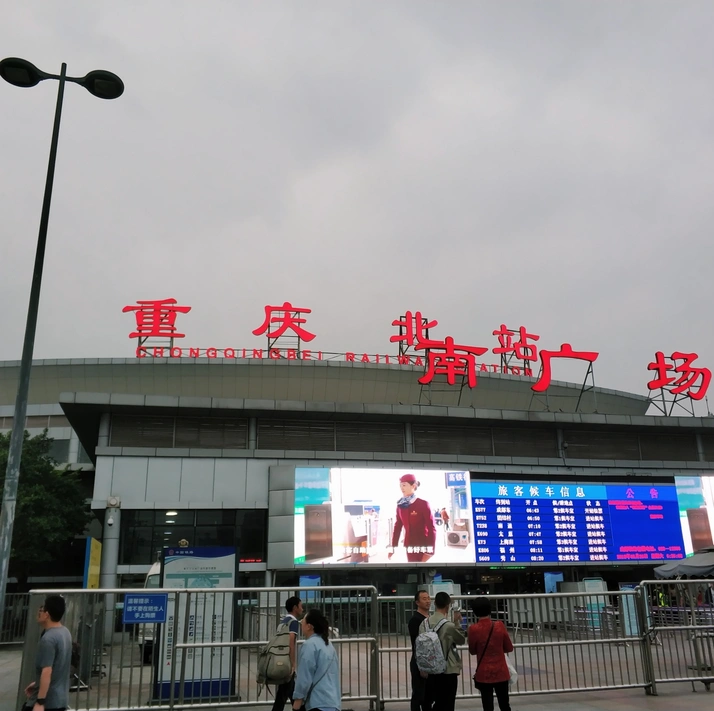
The Legendary Chongqing North Station Puzzle
If you've heard the famous Chongqing subway rhyme, you know the struggle:
① Passengers heading to Chongqing North Station South Square, please get off at Chongqing North Station; ② Passengers heading to Chongqing North Station North Square, please get off at Longtousi Station; ③ Passengers heading to Longtousi Bus Station, please get off at Chongqing North Station; ④ Passengers heading to Longtousi North Bus Station, please get off at Longtousi Station.
We arrived at South Square and departed from North Square — thankfully, we didn't mess up the stations. But this confusion is quintessential Chongqing. The mountain city terrain means the subway system is a maze of elevated tracks, underground lines, and river crossings.
Pro tip: Use a map app with real-time navigation. And always assume you'll need an extra 20 minutes to find your platform.
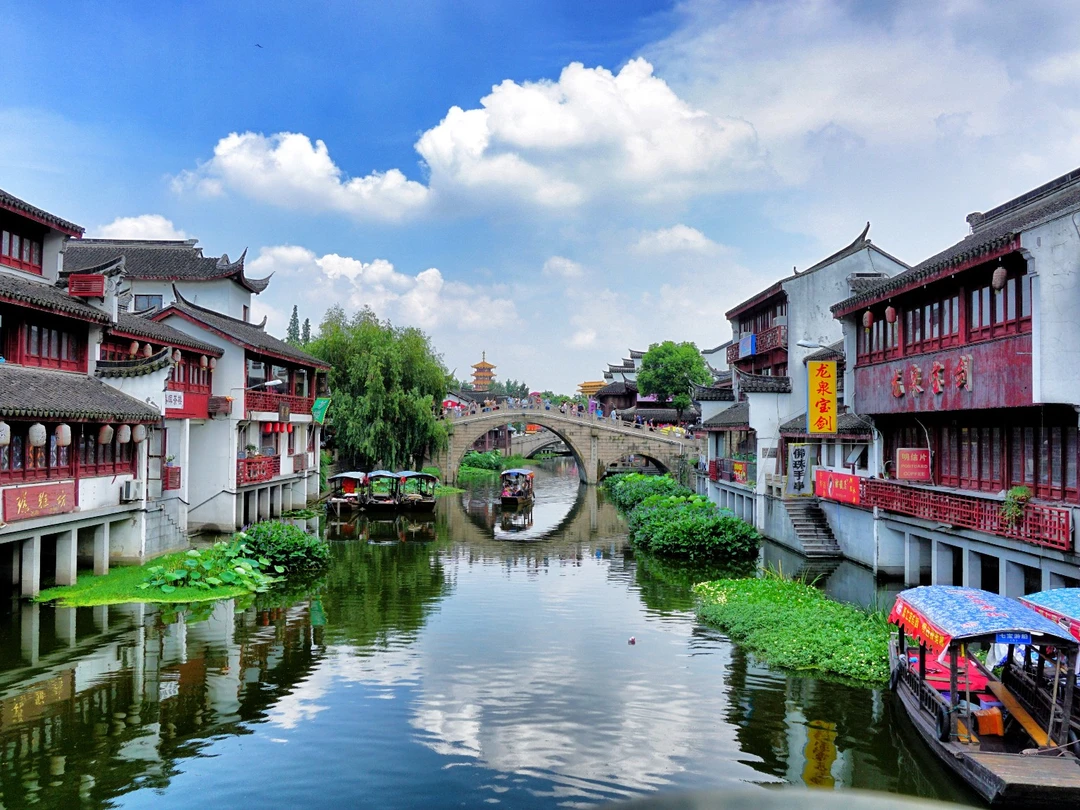
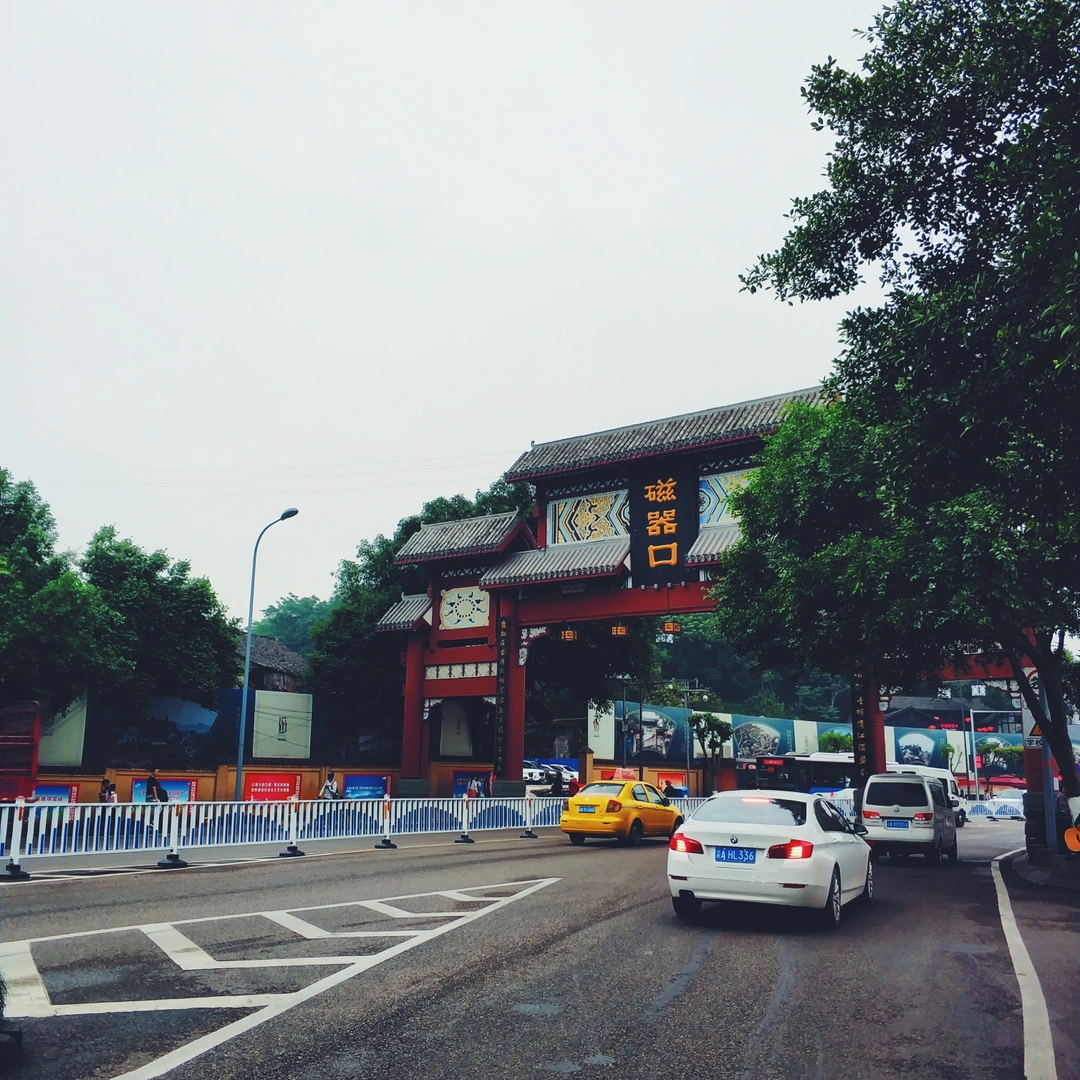
Ciqikou Ancient Town: When All Chinese Ancient Towns Feel the Same
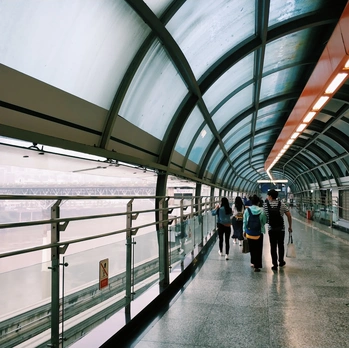
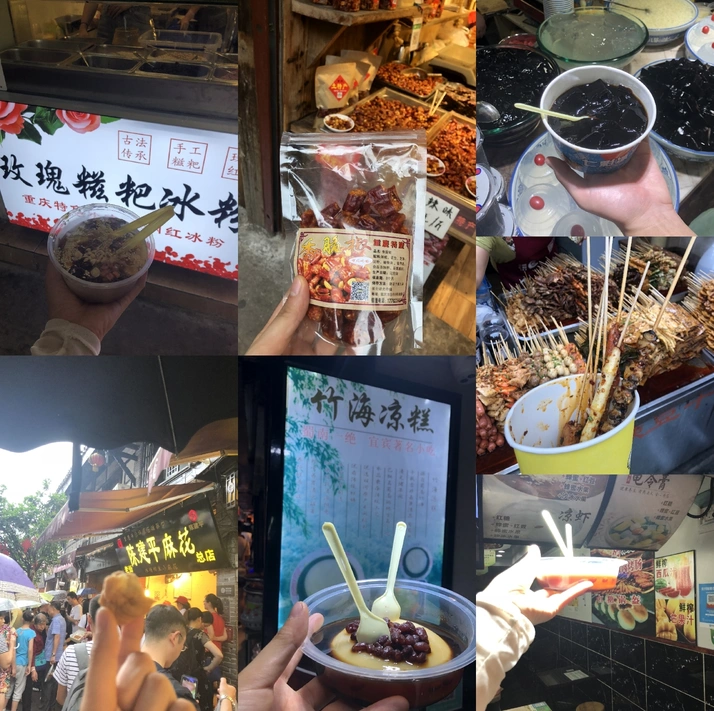
Ciqikou is Chongqing's most famous ancient town, but let's be honest — it shares the same DNA as every other Chinese ancient town: stinky tofu, fried skewers, cut fruit, and shoulder-to-shoulder crowds. Yet, it's worth visiting for two reasons:
- The Ding Zhaozhong Memorial Hall — a stunning wooden staircase and attic that made me wish I'd studied architecture.
- The fortune-telling machine — drop in a coin, take a bamboo stick, and check your love fortune. (Spoiler: all four of us single dogs drew love fortunes.)
Keyword insight: If you're searching for "Chongqing ancient town" or "Ciqikou travel guide," expect a touristy experience but with hidden architectural gems.
Liziba Station: The Light Rail Through a Building
No Chongqing itinerary is complete without visiting Liziba Station — where the monorail passes directly through a residential building. This is the ultimate symbol of the mountain city nickname. The station is on Line 2, and the best photo spot is from the street below.
SEO tip: When researching "Chongqing light rail through building," you'll find countless photos. But the real magic is watching it happen in person — the train emerges from the building like a mechanical dragon.
Eling Erchang and Eling Park: Industrial Meets Nature
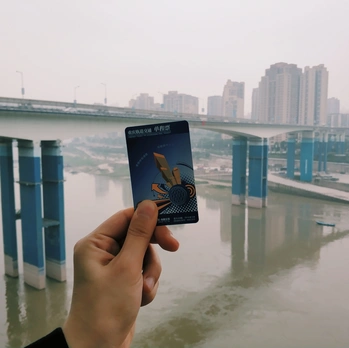
Eling Erchang is a former industrial site turned creative park. Think Beijing's 798 but smaller and less crowded. The highlight is the Crown Grand Escalator — a massive outdoor escalator that feels like a theme park ride.
Eling Park offers panoramic views of the Yangtze River and the city skyline. On a rainy day (which is most days in the Rain City), the mist creates a dreamy atmosphere perfect for photography.
Yangtze River Cable Car: The Rain City's Best View
The Yangtze River Cable Car is a must-do. It connects the city center to Nanshan, offering a bird's-eye view of the river, the bridges, and the foggy skyline. On clear days, you can see the giant sinkholes of Wulong in the distance (well, not really — but the cable car is still spectacular).
Pro tip: Go at sunset for golden hour photos. But bring an umbrella — rain can appear without warning.
Nanshan Yikeshu: The Ultimate Night View
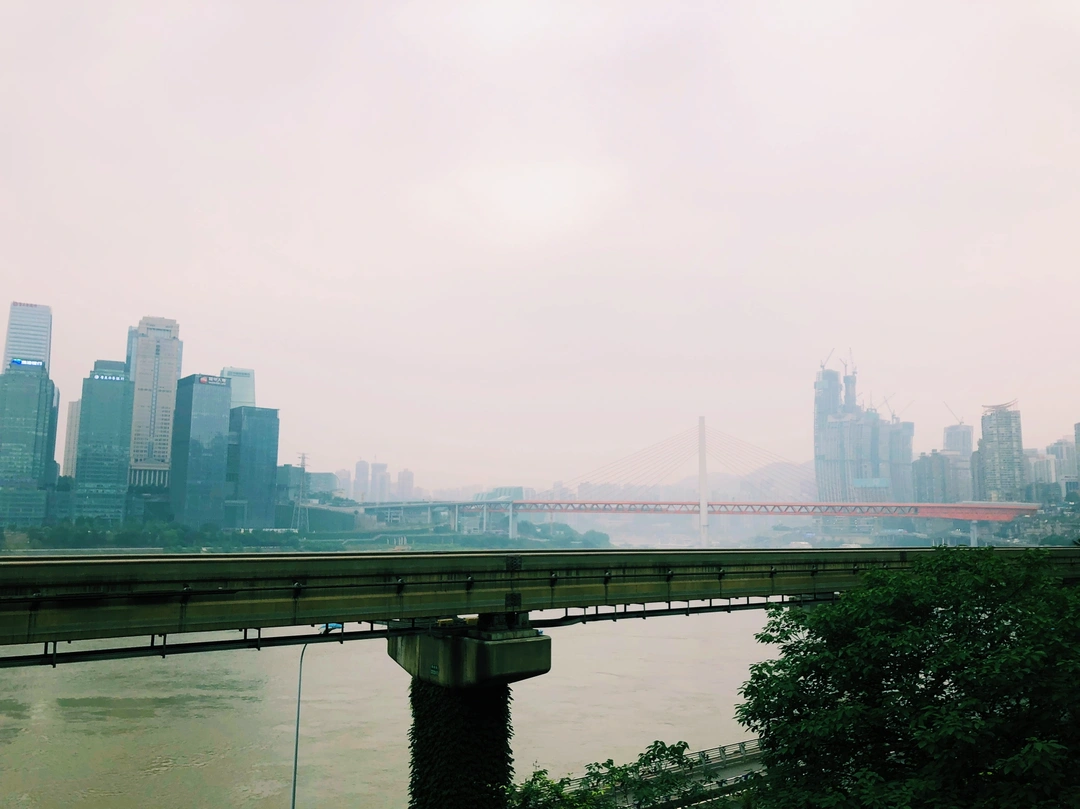
Nanshan Yikeshu is a viewpoint famous for its night panorama of Chongqing. The city lights reflect off the Yangtze and Jialing rivers, creating a scene that rivals Hong Kong's Victoria Harbour.
Keyword insight: Search for "Chongqing night view" or "Nanshan Yikeshu" to see why this spot is a photographer's dream.
Day 2: Wulong Day Trip — Giant Sinkholes and Natural Wonders
Why Wulong is Worth the Journey
Wulong is about 2-3 hours from Chongqing city center, but it's worth every minute. The Wulong Karst is a UNESCO World Heritage site featuring:
- Three Natural Bridges — massive stone arches that look like something from a fantasy film
- Furong Cave — a limestone cave with stunning stalactites
- Giant Sinkholes — the famous "heavenly pits" that inspired the movie Transformers: Age of Extinction
SEO tip: When searching for "Chongqing day trips" or "Wulong travel guide," you'll find that most tours include these three attractions. We opted for a self-guided day trip, which was more flexible but required careful planning.
The Rain City Connection
Wulong is even rainier than Chongqing city. The karst landscape is shaped by millions of years of rainfall, creating the giant sinkholes and underground rivers that define the region. If you visit on a rainy day (which is likely), the mist adds a mystical quality to the already dramatic landscape.
Pro tip: Wear waterproof shoes and bring a rain jacket. The paths can be slippery, but the scenery is worth it.
Jiefangbei and Hongyadong: Nightlife in the Rain City
Back in the city, we visited Jiefangbei (Liberation Monument) — Chongqing's commercial heart. The area is a mix of luxury malls, street food, and neon lights.
Hongyadong is the crown jewel of Chongqing nightlife. This 11-story stilted building complex is a maze of restaurants, bars, and shops. At night, it glows gold and red, reflecting off the Jialing River. It's the Rain City at its most magical — the rain creates reflections that double the beauty.
Day 3: Culture, Food, and Last-Minute Sights
The Great Hall and Three Gorges Museum
The Great Hall of the People in Chongqing is a massive Soviet-style building that hosts concerts and events. Across the square, the Three Gorges Museum offers insights into the region's history, including the controversial Three Gorges Dam project.
Keyword insight: If you're interested in "Chongqing history" or "Three Gorges Museum," this is a must-visit. The exhibits are well-curated and include artifacts from the Yangtze River civilization.
Dongting Hotpot: The Ultimate Chongqing Food Experience
No visit to Rain City is complete without hotpot. We chose Dongting Hotpot near the Great Hall. The broth is a fiery red oil filled with Sichuan peppercorns, chili, and secret spices. We ordered tripe, beef, vegetables, and tofu skin — all dipped in a sesame oil-based sauce.
Pro tip: Chongqing hotpot is not for the faint-hearted. Start with a "mild" broth (which is still spicy) and gradually work your way up. Drink plenty of cold tea or beer.
Mountain City Trail and Chaotianmen
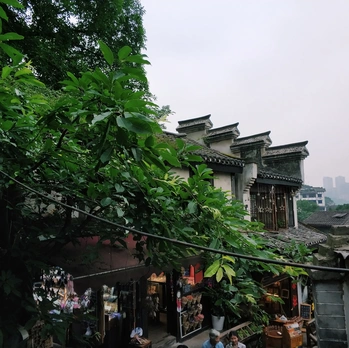
The Mountain City Trail (Shancheng Buxing Jie) is a pedestrian walkway that winds through the old city. It's a great way to see the mountain city terrain up close — stairs, alleys, and hidden courtyards.
Chaotianmen is the confluence of the Yangtze and Jialing rivers. At night, the lights of the ships and bridges create a stunning scene. It's the perfect spot to reflect on your Rain City adventure.
FAQ: Everything You Need to Know About Chongqing
Q1: Is Chongqing really called the "Rain City"?
A: Yes, but it's also known as Fog City, Mountain City, and the City of Giant Sinkholes. The Rain City nickname comes from its subtropical monsoon climate, with frequent rainfall year-round. The rain creates the famous fog that gives Chongqing its mystical atmosphere.
Q2: How many days do you need in Chongqing?
A: 3-4 days is ideal. Our 3-day itinerary covered the main attractions, but we missed a few spots like Sichuan Fine Arts Institute and Xiahao Old Street. Add an extra day if you want to explore Wulong more thoroughly or visit Chengdu.
Q3: What's the best time to visit Chongqing?
A: Spring (March-May) and autumn (September-November) offer the best weather — mild temperatures and less rain. Summer is hot and humid, while winter is cold and foggy. But if you want to experience the Rain City at its most atmospheric, visit during the rainy season (June-August).
Q4: How do you get around Chongqing?
A: The subway system is excellent and covers most attractions. Use Line 1 for Ciqikou, Line 2 for Liziba and the light rail through the building, and Line 3 for the Yangtze River Cable Car. Taxis and ride-sharing apps are also affordable.
Q5: What should I pack for Chongqing?
A: Always pack an umbrella and waterproof shoes. The Rain City lives up to its name. Bring layers for the temperature changes, and comfortable walking shoes for the stairs and hills.
Internal Linking Suggestions
[Link: How to Plan a 3-Day Chongqing Itinerary] [Link: Best Hotpot Restaurants in Chongqing] [Link: Wulong Karst Travel Guide] [Link: Chongqing vs Chengdu: Which City to Visit?] [Link: Rainy Day Activities in Chongqing]
Conclusion: Embrace the Rain, Love the City
Chongqing is not a city you visit — it's a city you experience. The Rain City will test your patience with its confusing subway stations, sudden downpours, and endless stairs. But it will reward you with views that take your breath away, food that sets your soul on fire, and memories that last a lifetime.
Our trip was chaotic, exhausting, and absolutely worth it. From the giant sinkholes of Wulong to the neon glow of Hongyadong, from the spicy hotpot to the misty river views, Chongqing taught me that the best adventures are the ones you don't fully plan.
So here's my challenge to you: Book your ticket to Chongqing. Pack your umbrella. And let the Rain City show you what it means to truly travel.
Your Turn: Share Your Chongqing Story
Have you visited Chongqing? What nickname do you think fits best — Fog City, Mountain City, Giant Sinkholes, or Rain City? Share your experience in the comments below. And if you're planning a trip, use our 3-day itinerary as your starting point — then add your own spin.
Don't forget to subscribe for more travel guides that blend adventure, culture, and practical tips. The Rain City is waiting for you.
You may also like