Fate Brings Me to Quanzhou: An Eastern Metropolis Forgotten by Time – A Traveler’s Guide to Fujian’s Hidden Gem
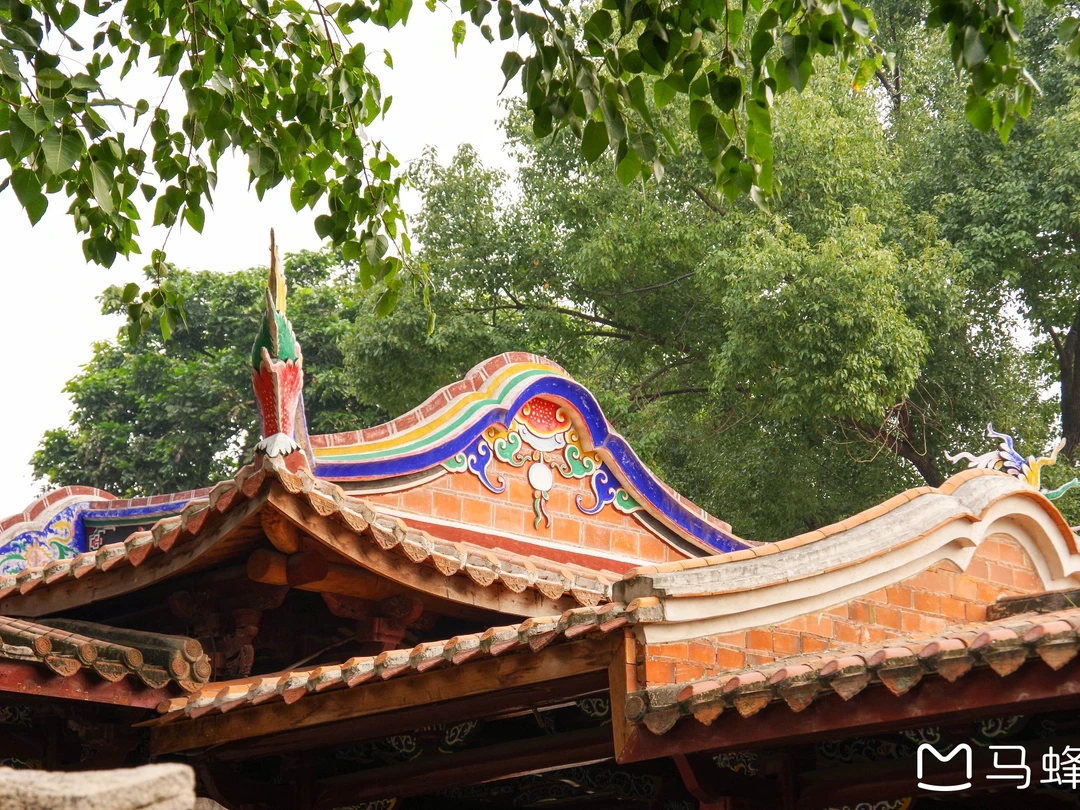
Meta Description: Discover Quanzhou, the forgotten Eastern metropolis of the Maritime Silk Road. Explore ancient temples, savor authentic street food, and uncover a living museum where history meets daily life. Plan your trip now.
Introduction: When Glory Fades, What Remains Is the Truest Life
On the winter solstice of 2018, I made myself a promise: to explore a city I had never set foot in. When most people think of Fujian travel destinations, what comes to mind is Xiamen's artistic, bohemian vibe or Fuzhou's provincial capital grandeur. But few remember that along the southeast coast lies a small city called Quanzhou.
Hundreds of years ago, this was the greatest port in the East—a bustling hub as vibrant as New York or London are today. Merchant ships from Arabia, Persia, and Europe gathered here. People of different skin colors and faiths exchanged not only goods but also their cultures. Today, the clamor of the Maritime Silk Road has long since fallen silent. Quanzhou has shed its former glory, yet what remains is a living museum—a historic city in Fujian that, once you visit, you never want to leave.
If you're searching for off-the-beaten-path China travel, Quanzhou offers an authentic, unfiltered experience that rivals any major Chinese city. [Link: Top 10 Hidden Gems in Fujian Province]
First Impressions: A Small City with Heart

Getting to Quanzhou: Transportation Tips
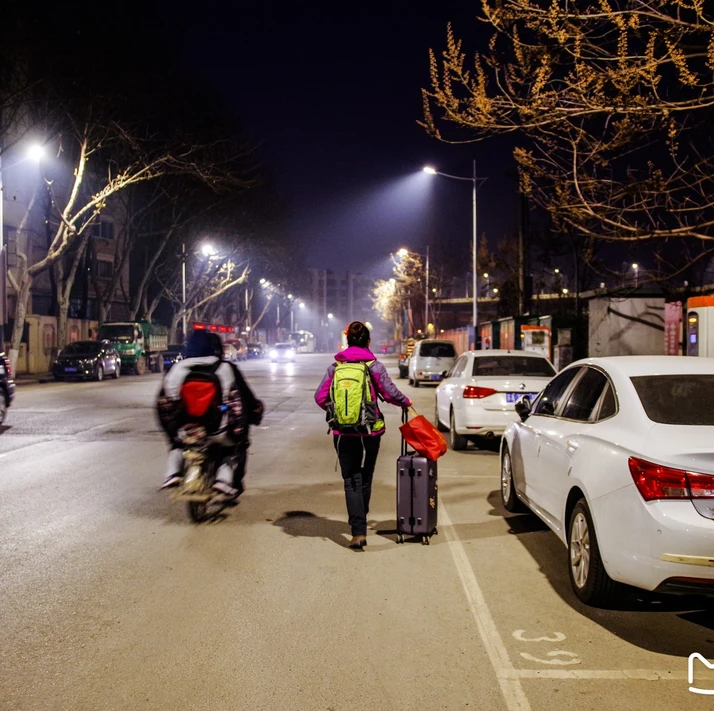
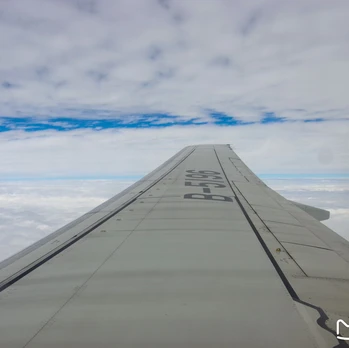
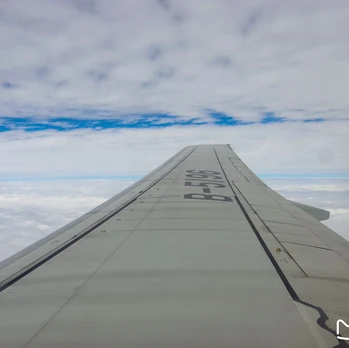
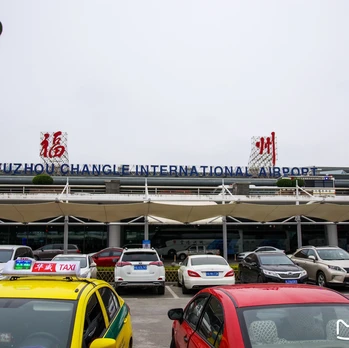
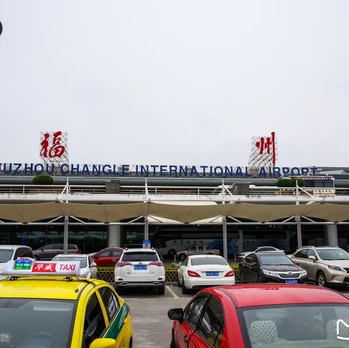
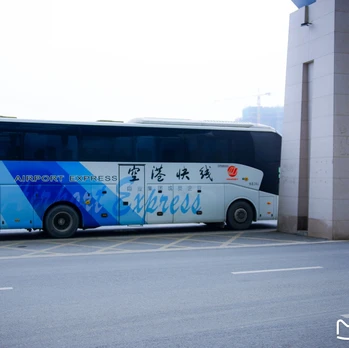
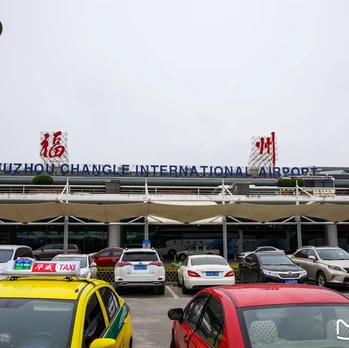
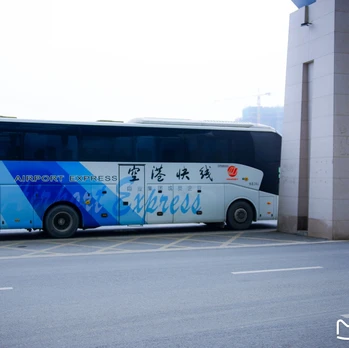
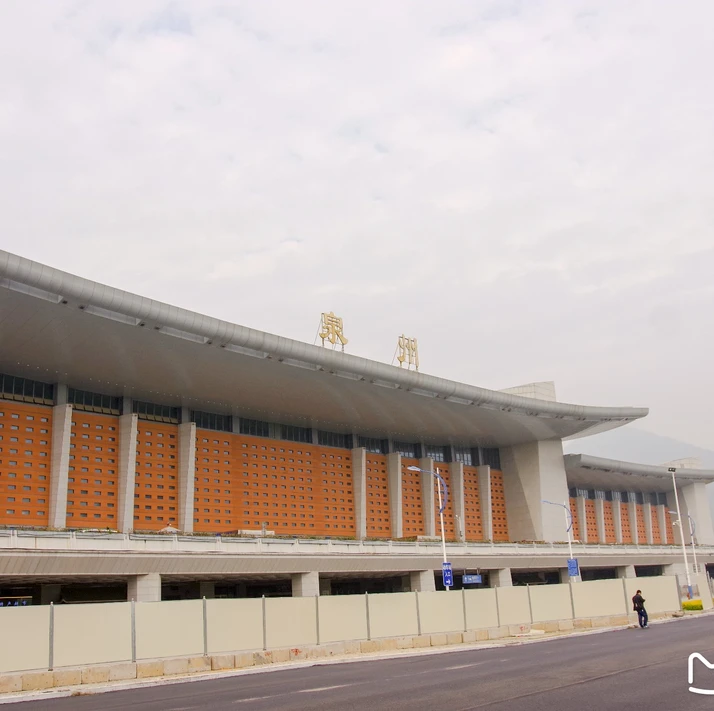
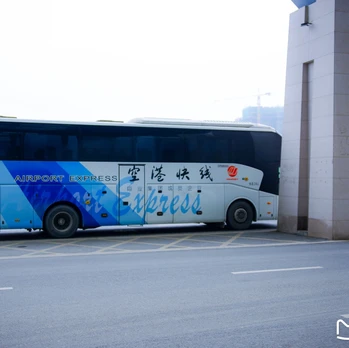
I set out from Nanjing, choosing to fly first to Fuzhou and then take a high-speed train to Quanzhou. The flight landed on time. Fuzhou Changle Airport is not large, and right outside the terminal, I found the airport bus ticket machine. I bought a ticket to Fuzhou South Station, then booked my train ticket on my phone while on the bus—trains run every twenty minutes, so there was no worry about missing one. From Fuzhou to Quanzhou, the high-speed train takes just over an hour.
Pro tip: For travelers coming from other parts of China, Quanzhou Jinjiang International Airport also offers direct flights from major cities like Beijing, Shanghai, and Guangzhou. The high-speed rail network makes Quanzhou travel convenient from anywhere in the country.
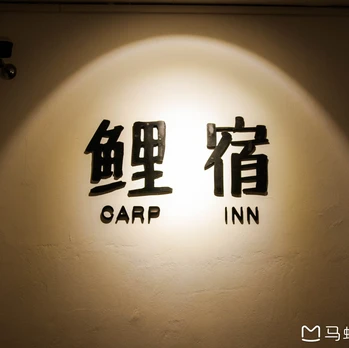
I arrived in Quanzhou in the evening. I had booked a homestay on Airbnb for just over one hundred yuan per night. When I opened the door, a faint fragrance greeted me. The air conditioning was warm and cozy, and the water heater worked perfectly. The landlady, warm and welcoming in that typical Southern Fujian way, eagerly pointed out where to find good food and fun activities. Her hospitality instantly melted away the fatigue of my journey.
West Street (Xi Jie): A Time Machine in the Midst of Daily Life
A seven-minute walk from my homestay brought me to Quanzhou's most famous street: West Street (Xi Jie) . In the evening, the street was bustling with people: tourists holding up cameras, locals carrying shopping baskets, and students riding electric scooters home from school. Watching them, I found myself a little nostalgic for my own high school days.
West Street Quanzhou is a living museum of Quanzhou culture. The architecture blends traditional Southern Fujian style with influences from the Maritime Silk Road era. Every shop, every alley tells a story.
On West Street, there's a small shop called "Ya Fo Run Bing Pi" (Ya Fo Spring Roll Wrappers) , which was featured on the documentary A Bite of China. The owner, an elderly man, makes the wrappers fresh right in front of the shop every day. To be honest, though, the filling had way too much carrot—I secretly thought it would taste much better with shredded pork in chili sauce or shredded potatoes.
A few steps further, I found "Hou A Po Rou Zong" (Granny Hou's Meat Zongzi) . I ordered their signature dried scallop zongzi (glutinous rice dumpling) and a bowl of beef soup, and I was instantly won over. As a northerner, I've always preferred savory zongzi, and this one was textbook perfection: the sticky rice was soft and tender, the dried scallops were savory, and paired with the special sauce, every bite was pure satisfaction. The beef soup was more like a light broth, milder than the one I later tried at "Hao Cheng Cai," but equally delicious.
Right next door was the East Street Clock Tower Meat Zongzi (Dong Jie Zhong Lou Rou Zong) , another must-visit spot. I tried their zongzi with fish ball soup. Southern fish balls truly live up to their reputation—full of fresh fish flavor, springy and satisfying.
The Clock Tower: The Heart of the City
At the end of West Street stands Quanzhou's iconic landmark: the Clock Tower (Zhong Lou) . This white clock tower connects four commercial streets: East Street, West Street, Zhongshan North Road, and Zhongshan South Road. It is the geographical center of the entire city. Over the next few days, I would pass by it several times a day.
The alleys around the Clock Tower are full of hidden treasures. There's an old-fashioned barbershop with red floor tiles, yellowed cabinets, and slightly worn-out tools—it felt like stepping back into the 1980s. At a street corner, an elderly man running a bicycle repair shop was laughing at something on his phone. I quietly snapped a photo, capturing this ordinary yet touching moment.
Quanzhou attractions like these are what make the city special—not just the famous landmarks, but the everyday scenes that reveal the soul of the place. [Link: Best Photo Spots in Quanzhou]
Quanzhou Day 2: A Deep Dialogue Between Faith and Food
Kaiyuan Temple: Morning Zen
On the second day, I woke up early. The morning market by the roadside was already lively. A butcher was skillfully chopping pork. But watching the constant stream of cars nearby, I silently wondered about the hygiene standards.
I slipped into Kaiyuan Temple through the back gate. There were almost no tourists inside. Elderly people sat under the bodhi trees chatting, devotees burned incense in front of the halls, and an occasional monk hurried by. It was my first time seeing a bodhi tree, and I couldn't help but recall that famous Zen poem: "The bodhi is not a tree, / The bright mirror is not a stand. / Buddha-nature is always pure and clear. / Where is there room for dust?"
Kaiyuan Temple Quanzhou is one of the most important Buddhist temples in Fujian. Its most famous features are its two pagodas: the Zhenguo Pagoda and the Renshou Pagoda. These stone pagodas have stood for nearly 1,400 years, majestic in the morning sunlight. If I had brought a drone for an aerial shot, it would have been spectacular.
The temple also houses a memorial hall for Master Hong Yi, a legendary figure. In the first half of his life, he was a dashing, talented artist; in the second half, he renounced the world and became a revered Buddhist monk. His poem "Farewell" (Song Bie) has accompanied so many of us through childhood: "Outside the pavilion, by the ancient road, / The green grass stretches to the sky." Looking at the photos on display, Master Hong Yi's face always looked so kind and serene, as if he had already seen through all the illusions of the world.
Tip: Visit Kaiyuan Temple early in the morning (around 7–8 AM) to avoid crowds and experience the serene atmosphere. The temple is free to enter.
Mian Xian Hu (Thin Noodle Soup): The Soul of a Quanzhou Breakfast
Leaving Kaiyuan Temple, I was starving. I headed straight for "Lao Ji Mian Xian Hu" (Old Ji's Thin Noodle Soup) —this place holds a top position in Quanzhou food scene. You must order the thin noodle soup with youtiao (fried dough sticks)—that's an unbreakable rule. I added a serving of mushrooms and a serving of oysters. The broth was so delicious I wanted to lick the bowl. Even now, I can still taste that savory flavor lingering on my tongue.
What is Mian Xian Hu? It's a classic Quanzhou breakfast dish—a light, savory soup made with thin rice noodles, seafood, and a rich broth. It's often paired with youtiao for dipping. This is a must-try for anyone exploring Fujian street food.
Chengtian Temple and Qingjing Mosque: Two Worlds, One Wall Apart
After breakfast, a fifteen-minute walk brought me to Chengtian Temple (Chengtian Si) . You might remember the middle school text A Night Excursion at Chengtian Temple (Ji Cheng Tian Si Ye You), but that temple is in Huangzhou, not here. Still, this Chengtian Temple is equally serene, with almost no tourists. I spent an hour slowly wandering around, soaking in the rare peace.
Interestingly, right next to Chengtian Temple is an elementary school. During recess, the sounds of children playing drifted over the wall, creating a fascinating contrast with the temple's silence. The children at this school are lucky to have a thousand-year-old temple as their neighbor.
A few minutes' walk from Chengtian Temple brought me to Qingjing Mosque (Qingjing Si) —the oldest Islamic mosque in China. Admission was just three yuan, a symbolic fee. Unlike the thick incense smoke of Buddhist temples, Qingjing Mosque gives you a feeling of solemn tranquility. Under a large banyan tree in the courtyard, there was a wooden swing. When it's crowded, I imagine many people take photos there.
Qingjing Mosque Quanzhou is a testament to the city's multicultural history. Built in 1009, it reflects the influence of Arab traders who once called Quanzhou home. This historic mosque in China is a UNESCO World Heritage site candidate and a must-visit for history buffs.
Guanyue Temple and Hao Cheng Cai: Where Bustle Meets Delicious Food
In stark contrast to the quiet of Qingjing Mosque, just a hundred meters away, stands Guanyue Temple (Guanyue Miao) . It was bustling with noise and activity. Two massive exhaust fans continuously pumped the smoke from burning incense into the sky. I've heard this temple is very effective for prayers, bringing good fortune to those who visit.
After exploring, I headed to Hao Cheng Cai, a famous local restaurant. The beef soup here is richer and heartier than the one at Hou A Po Rou Zong. Pair it with their signature oyster omelet or braised pork rice for a satisfying meal.
Quanzhou food tours often include Hao Cheng Cai as a stop. The restaurant's bustling atmosphere and authentic flavors capture the essence of Quanzhou cuisine.
Why Quanzhou Should Be Your Next Travel Destination
Quanzhou is not just a city—it's a journey through time. From the Maritime Silk Road history to the UNESCO World Heritage sites, every corner tells a story. Unlike tourist-heavy destinations like Xiamen or Shanghai, Quanzhou offers an authentic, unhurried experience.
Key reasons to visit Quanzhou: - Rich history: Explore ancient temples, mosques, and pagodas that date back over 1,000 years. - Delicious food: From Mian Xian Hu to meat zongzi, Quanzhou's street food scene is unmatched. - Affordable travel: Accommodation, food, and attractions are budget-friendly. - Less crowded: Enjoy a peaceful experience without the tourist crowds.
[Link: Ultimate Fujian Travel Itinerary – 7 Days]
Frequently Asked Questions About Quanzhou Travel
1. How many days do you need in Quanzhou?
Three to four days is ideal. You can explore the main attractions like Kaiyuan Temple, West Street, and Qingjing Mosque in two days, but an extra day allows for day trips to nearby sites like Chongwu Ancient City or the Quanzhou Maritime Museum.
2. What is the best time to visit Quanzhou?
The best time is October to December or March to May when the weather is mild and pleasant. Summers can be hot and humid, while winters are cool but comfortable.
3. Is Quanzhou safe for solo travelers?
Absolutely. Quanzhou is a safe city with friendly locals. The public transportation is reliable, and the tourist areas are well-lit and busy even at night.
4. What are the must-try foods in Quanzhou?
Don't miss Mian Xian Hu (thin noodle soup), meat zongzi (glutinous rice dumplings), oyster omelet, beef soup, and fish ball soup. For dessert, try sweet potato balls or taro paste.
5. How do I get around Quanzhou?
Walking is best for the old town area. For longer distances, use didit (Chinese ride-hailing app), taxis, or public buses. The city is compact and easy to navigate.
Conclusion: Your Quanzhou Adventure Awaits
Quanzhou is a city that stays with you long after you leave. It's a place where history isn't locked behind museum glass—it's alive in the streets, the food, and the people. Whether you're a history enthusiast, a food lover, or a traveler seeking authenticity, Quanzhou offers an unforgettable experience.
Ready to explore? Start planning your trip today. Book your flights, pack your bags, and get ready to discover the Eastern metropolis forgotten by time.
Call to Action:
👉 Share this article with fellow travelers who love hidden gems.
👉 Pin it to your travel board for future reference.
👉 Comment below with your favorite Quanzhou memory or question—I'd love to hear from you!
Follow me for more off-the-beaten-path travel guides in China. Next stop: [Link: Discovering the Tulou Villages of Fujian]
You may also like