Exploring Ancient Ruins, Tracing Shanghai’s Roots: A Complete Guide to Guangfulin Cultural Relics Park

Meta Description: Discover Shanghai’s 6,000-year history at Guangfulin Cultural Relics Park. Explore ancient ruins, Jiangnan gardens, and an underwater museum in Songjiang District. Your complete guide to the "Root of Shanghai."
When you think of Shanghai, do you picture the dazzling neon of the Bund, the futuristic skyline of Lujiazui, or the aroma of coffee drifting through tree-lined alleys? While these are essential parts of the city’s modern identity, they only tell half the story. Beneath the surface, in Shanghai’s Songjiang District, lies a quieter, deeper narrative—one that stretches back more than 6,000 years.
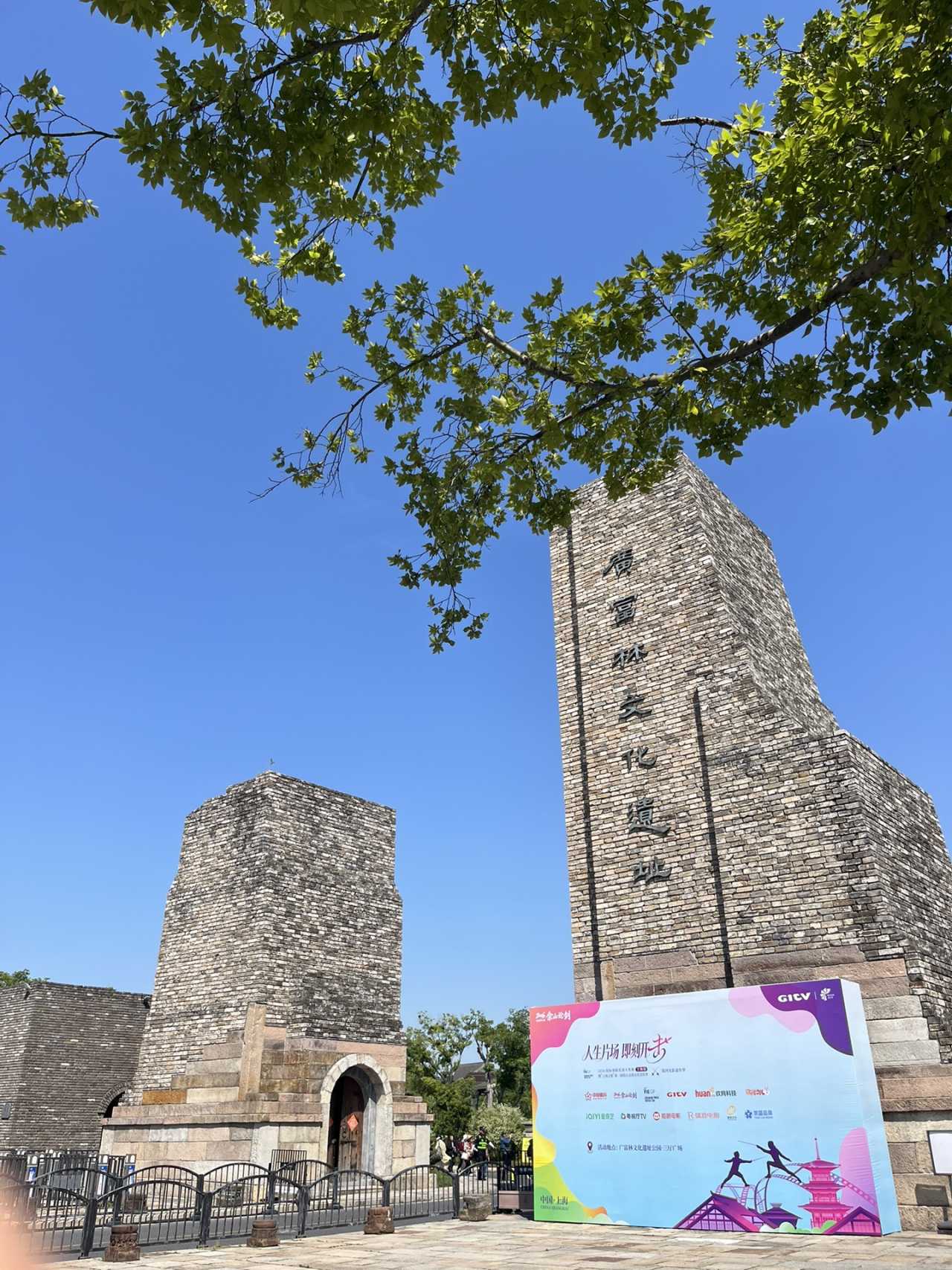
Welcome to Guangfulin Cultural Relics Park, a sprawling archaeological and cultural site that has earned the title “Root of Shanghai.” Here, you won’t find crowded tourist traps or selfie sticks. Instead, you’ll discover the elegance of Jiangnan gardens, the rustic charm of countryside fields, and a civilization buried six meters beneath the water. This is not just a park—it’s a three-dimensional history book, waiting to be opened.
Whether you’re a history buff, a Hanfu enthusiast, a family looking for a unique day out, or a photographer chasing the perfect shot, Guangfulin has something for you. Let’s dive into this complete guide to one of Shanghai’s most underrated cultural treasures.
Ancient Charm at Every Turn: Picture-Perfect Scenery
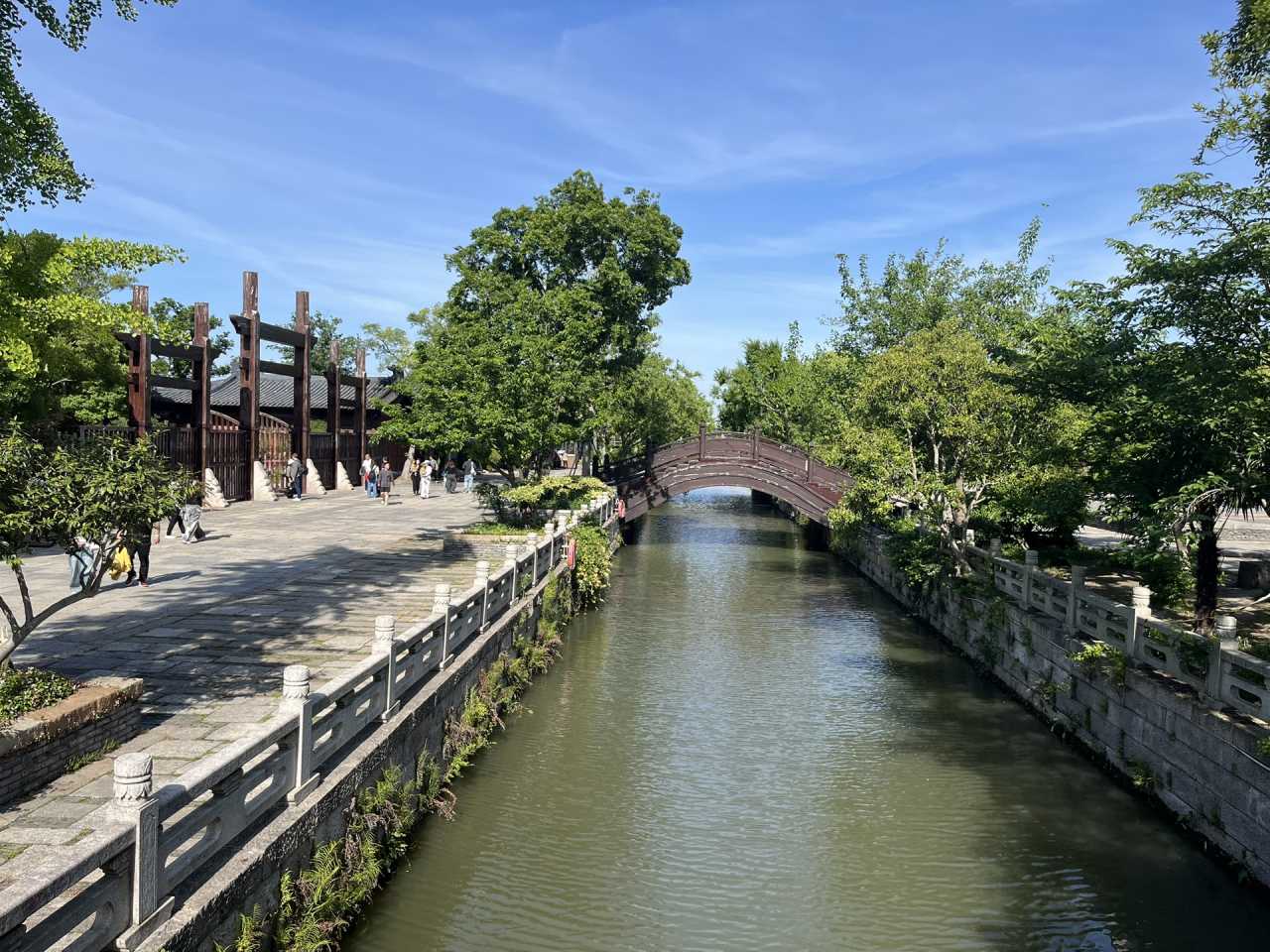
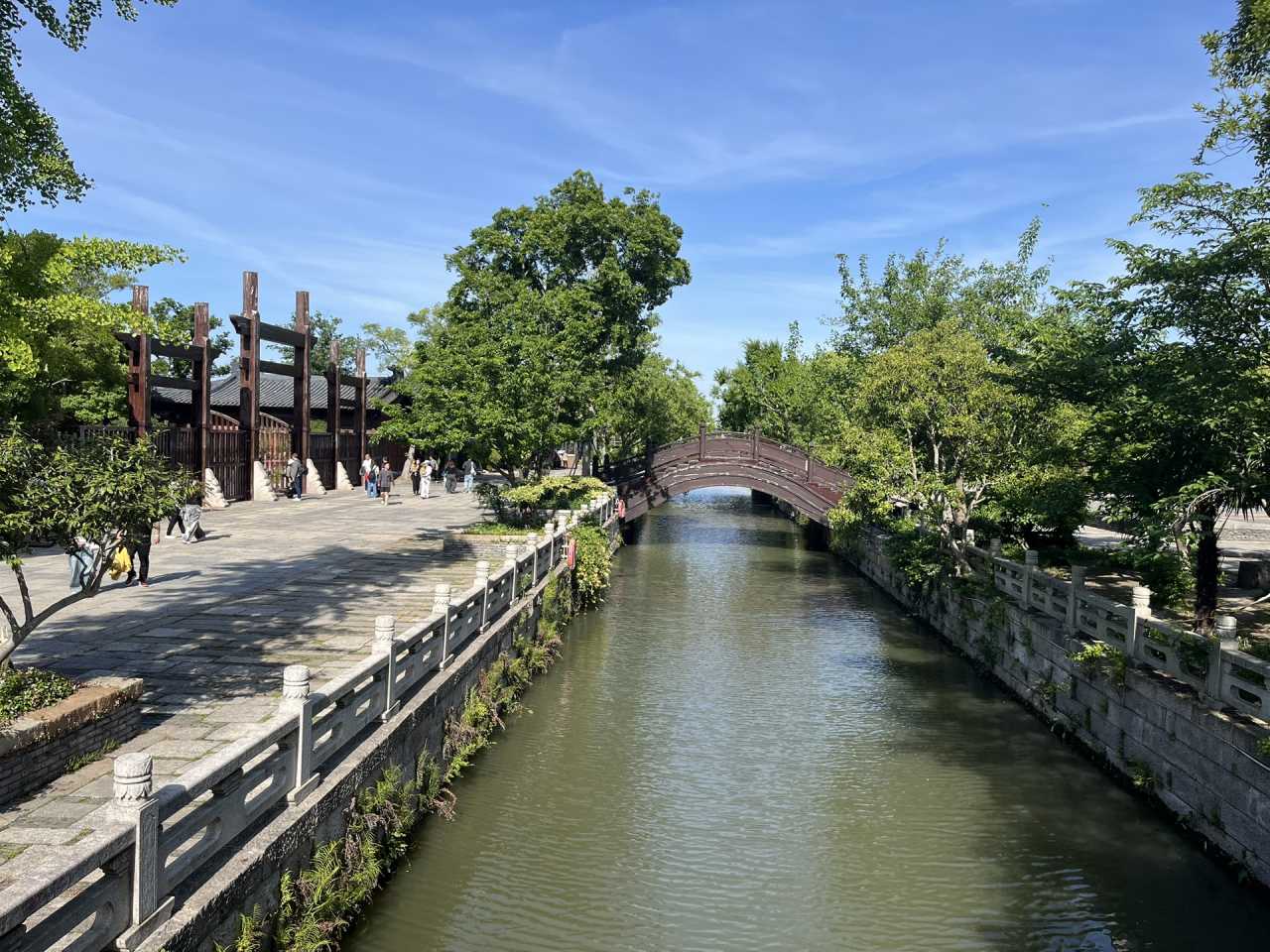
Your first impression of Guangfulin will likely be one of effortless beauty. The entire park is a masterclass in Eastern landscape design, where architecture, waterways, and vegetation come together like a living ink painting.
Huizhou-Style Architecture and Jiangnan Gardens
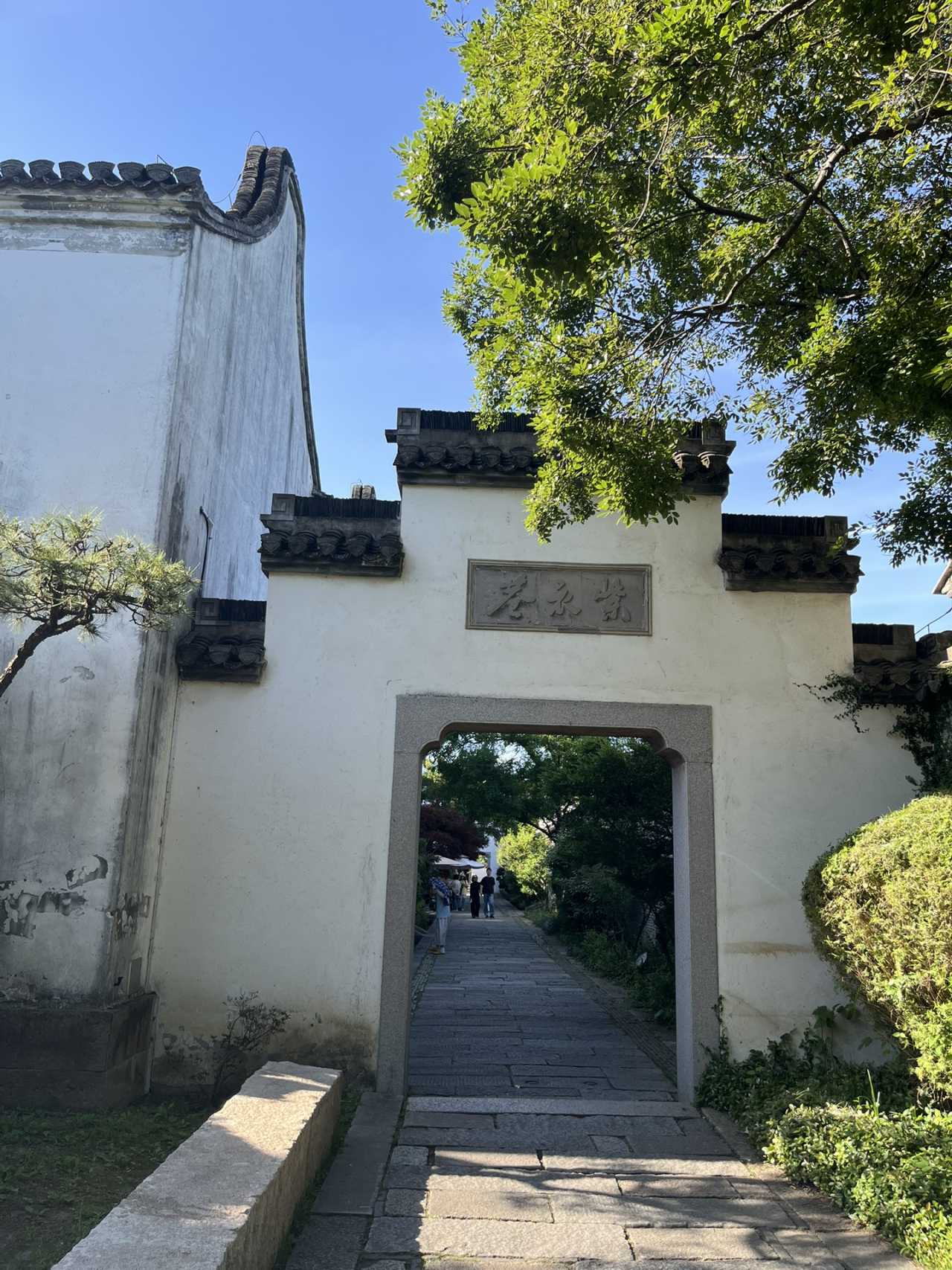
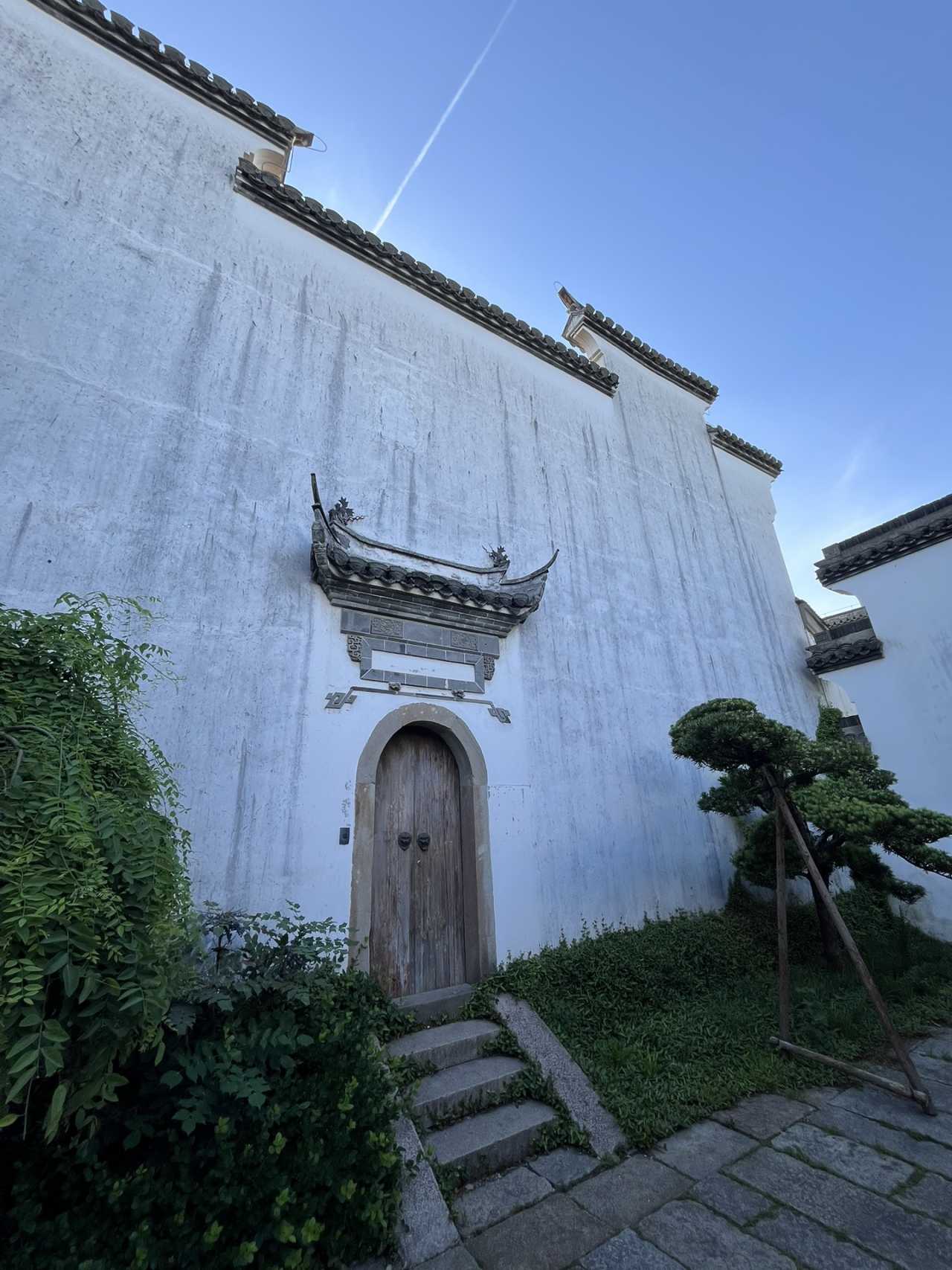
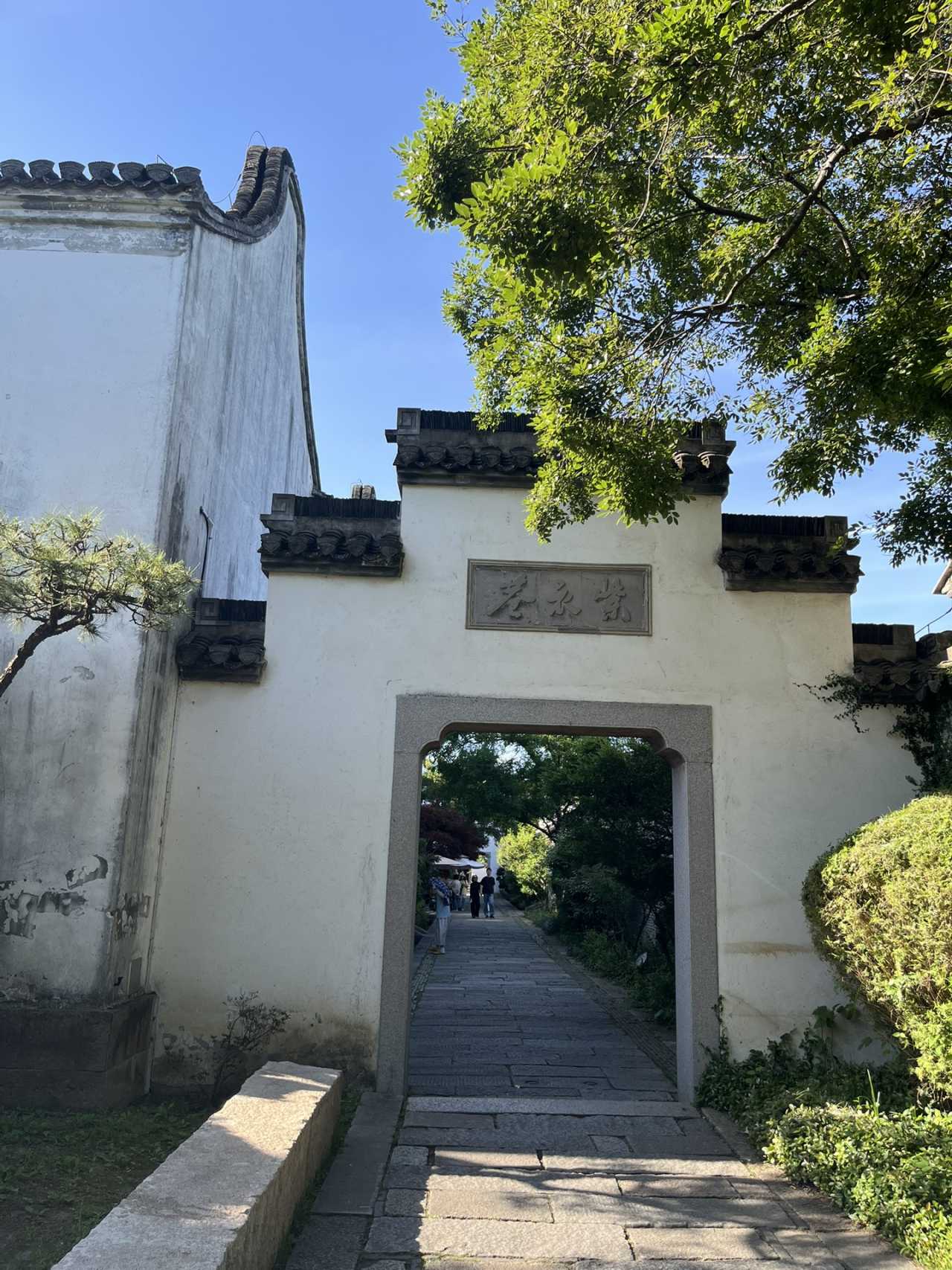
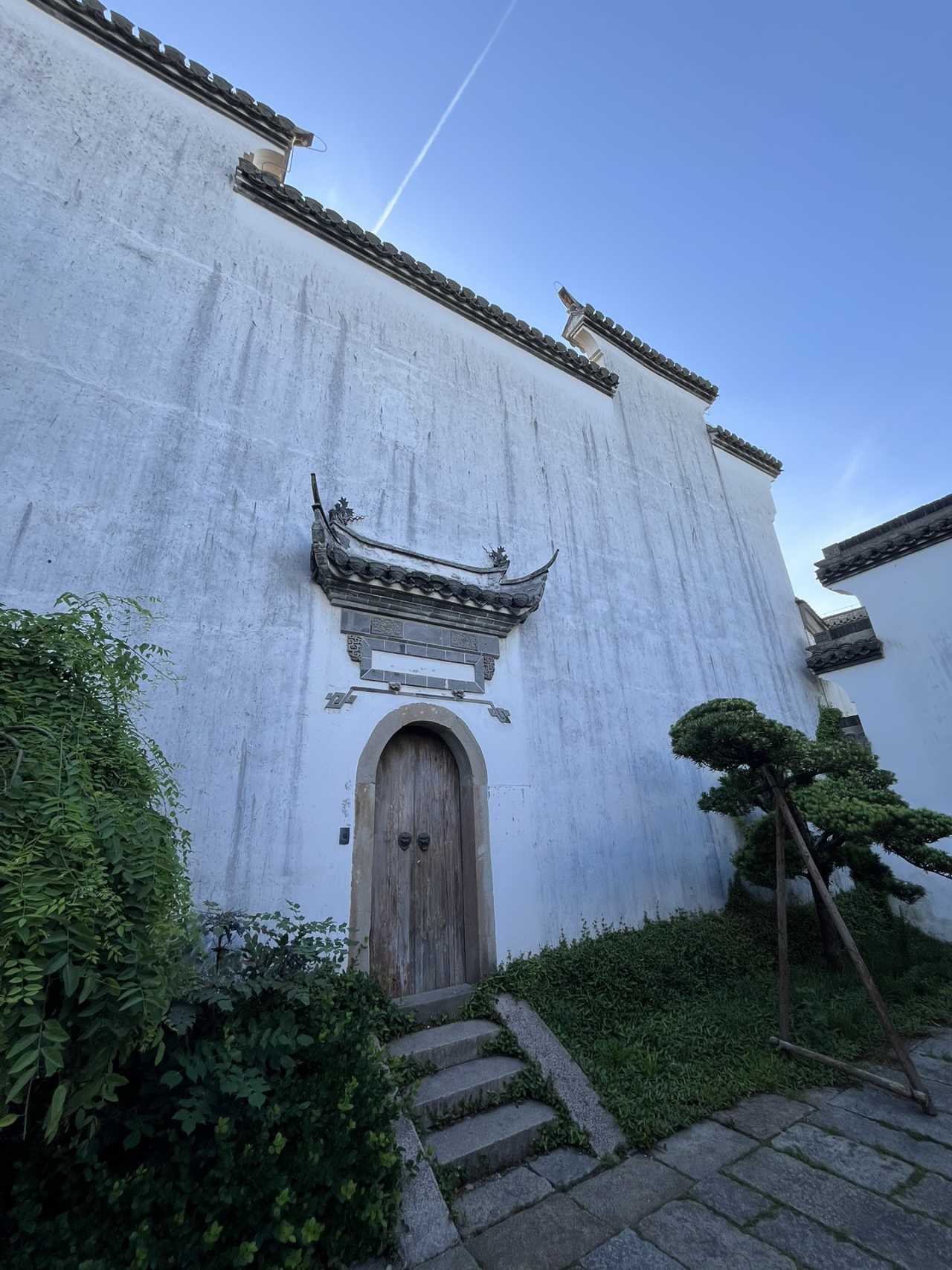
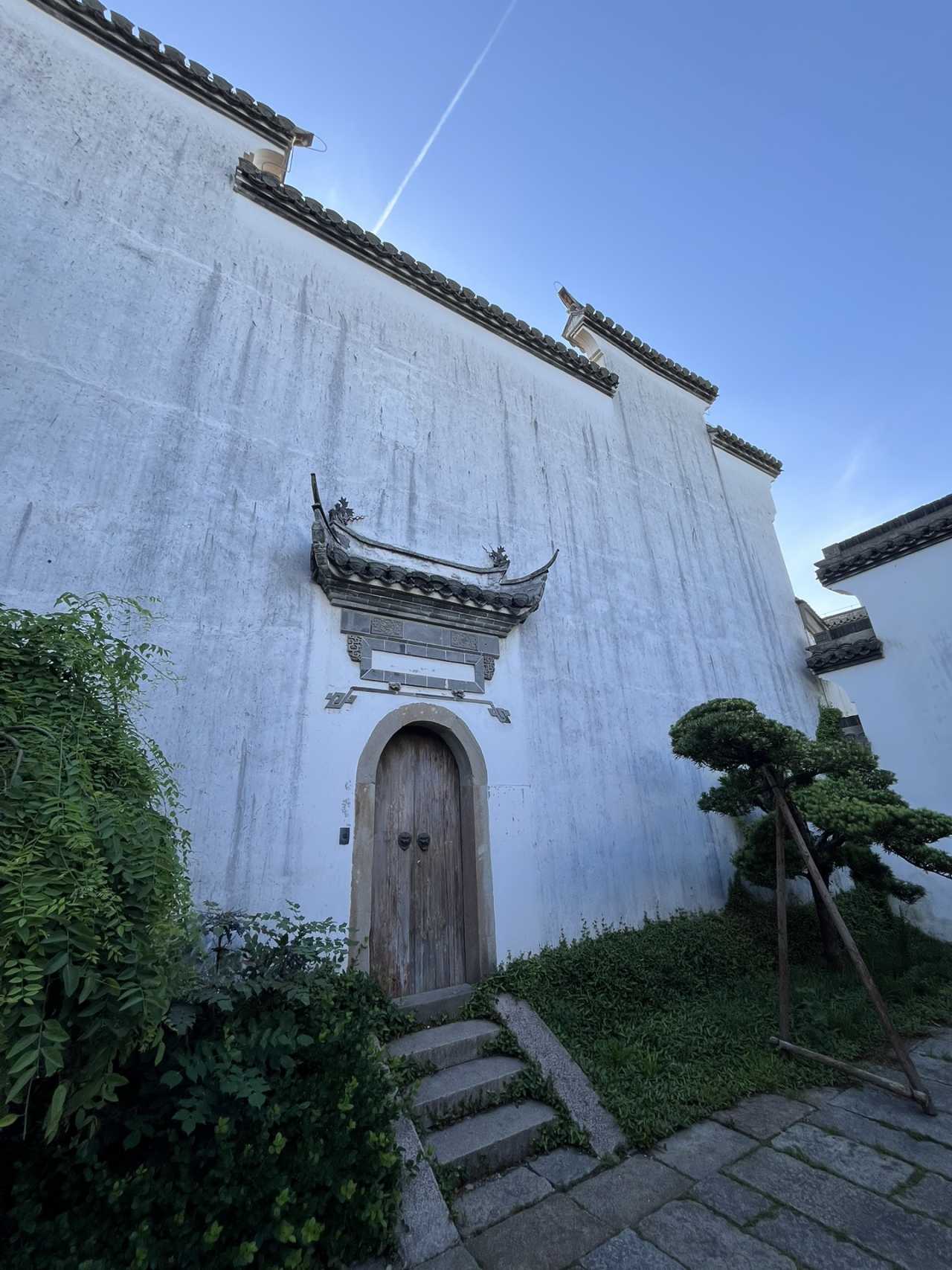
Scattered throughout the park are clusters of authentically preserved Huizhou-style buildings. Whitewashed walls, black tiles, and the iconic horse-head-shaped gables create a striking contrast against the blue sky. Small bridges arch over winding streams, and every corner feels like a scene from an ancient scroll.
For fans of Hanfu (traditional Chinese clothing), this is an absolute paradise. Whether you’re posing by a lotus pond or walking through a bamboo grove, you’ll find countless backdrops that transport you to another era. Even if you’re just snapping photos with your phone, you’ll come away with a set of atmospheric images that look straight out of a period drama.
Zhiye Zen Temple and Sanyuan Palace: Spiritual Serenity
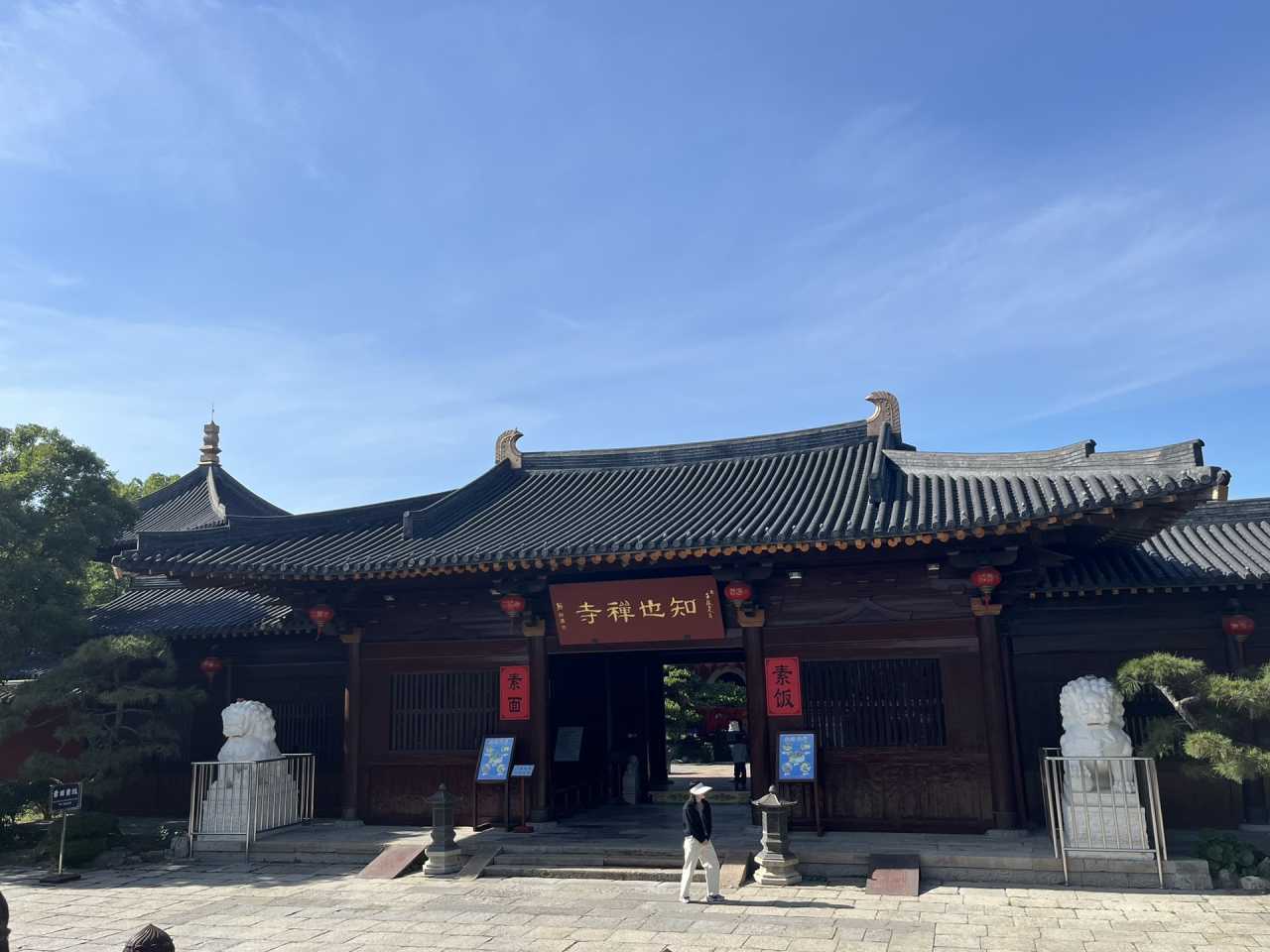
Two religious sites stand side by side in the park: Zhiye Zen Temple (Buddhist) and Sanyuan Palace (Taoist). Though they are modern reconstructions, they exude solemnity and dignity. As incense smoke swirls in the air, you can feel a sense of tranquility far removed from the city’s hustle and bustle. These are perfect spots for quiet reflection or a moment of meditation.
Fulin Pagoda: The Iconic Photo Spot
The park’s most recognizable structure is Fulin Pagoda, a multi-tiered tower that rises gracefully above the landscape. Its reflection shimmers in the clear pond below, creating a scene so timeless it seems to freeze the moment. This is a must-visit for photographers, especially during golden hour when the light paints the pagoda in warm hues.
Bone Needle Square: Echoes of Ancestors
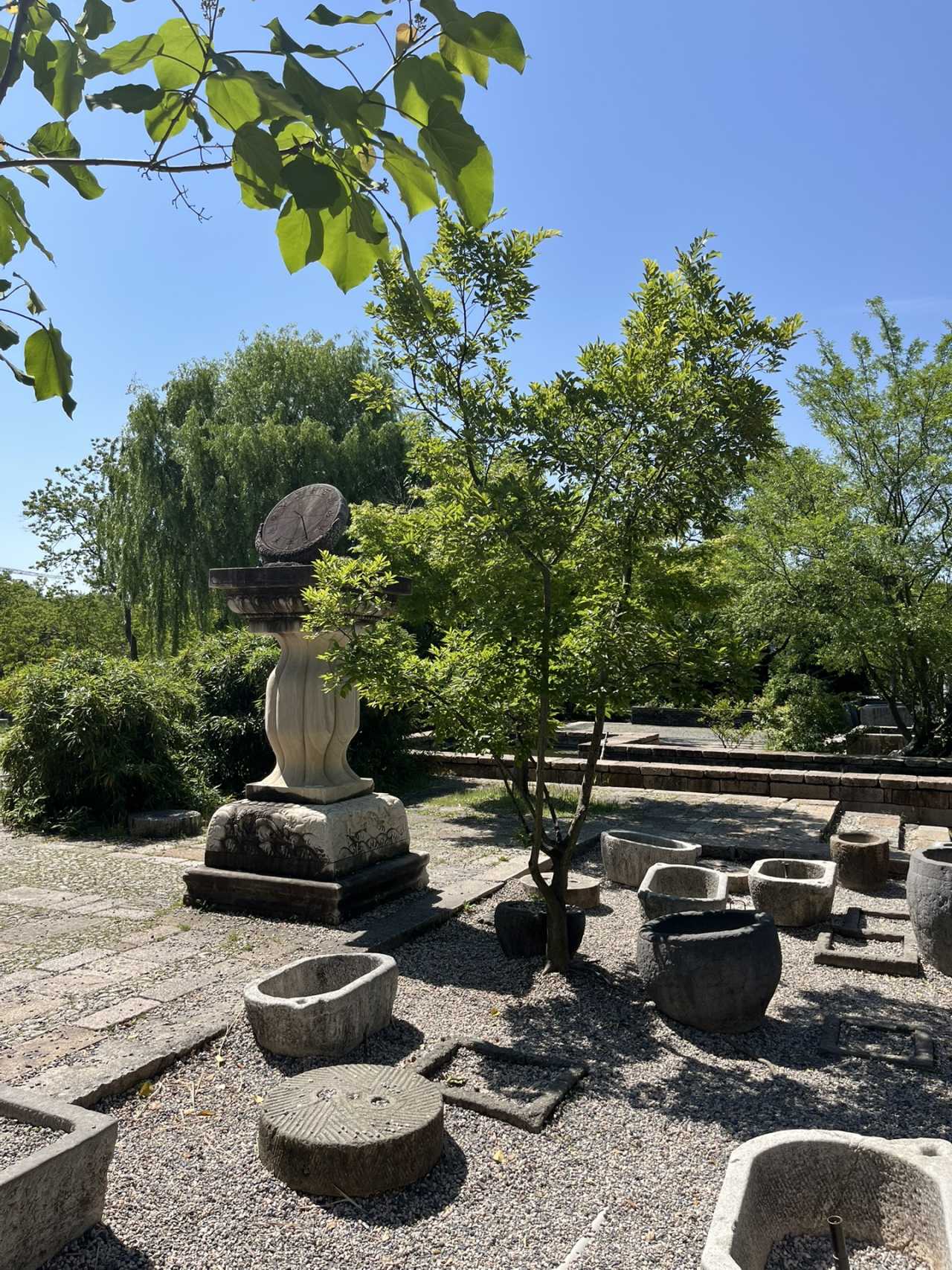
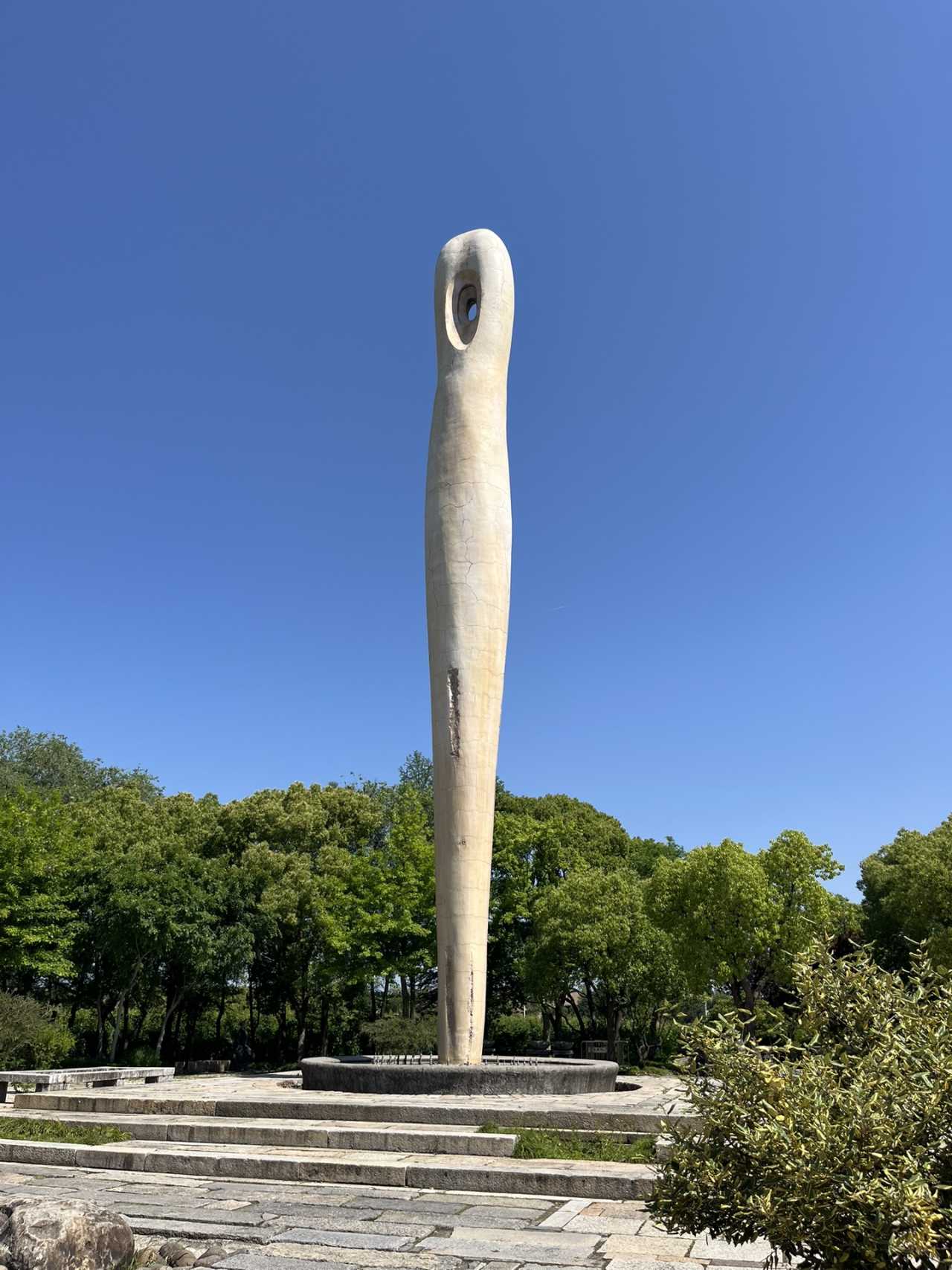
Designed around the theme of ancient culture, Bone Needle Square is both striking and unique. A sundial and scattered pottery jars silently tell the story of our ancestors’ daily lives thousands of years ago. Standing here, you can’t help but imagine the smoke from cooking fires and the sounds of labor that once filled this land.
The Original Ecological Heritage Zone: Embracing Rustic Countryside Fun
As you move past the manicured gardens, you’ll enter the core heritage protection area. Here, the atmosphere shifts dramatically. There are no man-made structures to distract you—only a vibrant patchwork of rural scenery.
Fields, Lotus Ponds, and Water Chestnuts

This zone features lotus viewing areas, organic rice display fields, and water chestnut planting zones. These natural sections serve a dual purpose: they protect the millennia-old cultural relics buried underground, and they infuse the park with a strong sense of pastoral charm.
Walking along the narrow paths between the fields, your feet sink into the soft soil, and your ears are filled with the rustle of wind sweeping through the rice. For a moment, you might forget you’re in Shanghai and feel as if you’ve wandered into a quiet country town far from the city. That sense of relaxation and healing is a rare luxury in urban life.
A Boat at a Deserted Ferry
I especially loved the small wooden boat moored by the little river. It reminded me of the classic poem line, “At a deserted ferry, the boat drifts idly on its own.” Nothing is deliberately arranged, yet the scene is full of wild charm, as if at any moment a fisherman might step out from the reeds.
Hidden, Kid-Friendly Spots: A Top Choice for Family Outings
If you’re bringing children, don’t miss a quiet corner near the water chestnut display area—Little Deer’s Home. At first glance, it looks like nothing more than a tea stall hidden under the shade of trees, with a simple thatched roof and scattered tables and chairs. But as you get closer, you’ll spot a wooden sign reading “Rice Little Deer.” Hidden here is a miniature animal sanctuary.
Gentle Sika Deer and Fluffy Goats
Inside, gentle sika deer and soft, fluffy goats are kept. Kids can feed them up close, watching as the animals approach with curious, trusting eyes. That pure, innocent joy is enough to heal anyone. Venture deeper, and you’ll find water buffalo lounging lazily in the shade, as if this land has always been theirs.
Compared to the city’s zoos, the animal interactions here are more natural and peaceful—no crowded queues, no noisy vendors. It’s an absolute must-visit for families. [Link: Best family-friendly attractions in Shanghai]
The Pottery-Shaped Archaeology Museum: Touching a Thousand Years of History
The Guangfulin Archaeology Exhibition Hall is designed to resemble an ancient pottery jar—unique in shape and highly distinctive. From a distance, it looks like a giant piece of art, quietly standing in one corner of the park.
Four Exhibition Halls: A Journey Through Time
Inside, the museum has four main exhibition halls that systematically lay out Guangfulin’s thousand-year historical thread:
Hall 1: Ancient Civilizations – Displays artifacts from the Songze culture (over 6,000 years ago) through the Liangzhu culture, Qianshanyang culture, and Guangfulin culture. Most items are pottery, with a few jade pieces. The hall’s design has an altar-like atmosphere, dimly lit and mysterious, making you instinctively hold your breath.
Hall 2: Bronze Artifacts – Exhibits bronze items unearthed at Guangfulin. Though the Guangfulin culture itself belongs to the Neolithic period, these bronzes date from the Zhou dynasty onward, witnessing the cultural transitions of this land. The entire floor is made of large glass panels, beneath which pottery pieces are embedded in the soil. Walking carefully on the steel framework, you’ll feel an eerie yet awe-inspiring sensation.
Hall 3: Centuries of Accumulation – Covers an extremely wide range of artifacts, from the Zhou dynasty to the Qing dynasty, showcasing the accumulation of centuries.
Hall 4: Reconstructed Life – Uses a combination of realistic scenes and illustrations to reconstruct the ancient architectural structures and original site conditions of the Guangfulin culture, giving you an intuitive sense of how our ancestors lived.
Note: This museum charges an entrance fee of 30 yuan. It’s located in the northwest corner of the park, relatively remote and less crowded. If you’re short on time, you can decide whether to include it based on your interests. [Link: Best museums in Shanghai]
The Underwater Exhibition Hall: Searching for Shanghai’s Roots
If you can only visit one place in the entire park, make it the Guangfulin Culture Exhibition Hall. The 30-yuan ticket is well worth it.
A Building Submerged in Water
The most visually striking feature of this hall is its unique architectural design: the entire building is hidden beneath the water, with only its triangular roof structure emerging above the surface. From a distance, it looks like an ancient temple sinking into the water, blending a sense of technology with mystery.
Descending Six Meters into History
As you enter the hall and walk slowly down the sloping path to six meters below the water’s surface, a narrative about Shanghai’s past and present unfolds before you. The exhibits are detailed and logically arranged, using archaeological discoveries as the core to gradually peel back the layers of Shanghai’s urban history.
You’ll be surprised to learn that Shanghai was not just a “small fishing village” that rose to prominence in modern times. Six thousand years ago, ancestors already lived here; four thousand years ago, migrants from the Central Plains moved south and merged with local residents. This exhibition hall is where you truly understand why Guangfulin is called the “Root of Shanghai.”
Practical Tips for Visiting Guangfulin Cultural Relics Park
Getting There
- Address: Songjiang District, Shanghai (near Guangfulin Road)
- By Metro: Take Line 9 to Songjiang University Town Station, then transfer to a bus or taxi (about 15 minutes)
- By Car: Free parking is available on-site
Opening Hours
 - Park: 9:00 AM – 5:00 PM (last entry at 4:30 PM) - Museums: Same hours as the park
Ticket Prices
- Park entrance: Free
- Guangfulin Culture Exhibition Hall: 30 yuan
- Guangfulin Archaeology Exhibition Hall: 30 yuan
Best Time to Visit
 - Spring (March–May): Cherry blossoms and mild weather - Autumn (September–November): Cool temperatures and golden rice fields - Weekdays: Less crowded for a more peaceful experience
What to Bring
- Comfortable walking shoes (the park is large)
- Camera or smartphone for photos
- Snacks and water (limited food options inside)
- Hanfu or traditional clothing for photos
Frequently Asked Questions (FAQ)
1. Is Guangfulin Cultural Relics Park suitable for children?
Yes, absolutely. The park offers plenty of open space, animal interactions at Little Deer’s Home, and educational exhibits that kids will enjoy. It’s a great alternative to crowded city zoos.
2. How long does it take to explore the entire park?
 Plan for at least half a day (3–4 hours) to see the main attractions. If you want to visit both museums and take photos, allocate a full day.
3. Are there guided tours available?
Currently, the park does not offer official guided tours. However, you can rent an audio guide at the entrance or download a self-guided tour map online.
4. Can I take photos inside the museums?
 Photography is generally allowed in the exhibition halls, but flash is prohibited to protect the artifacts. Always check the signs at each exhibit.
5. What is the best way to get to Guangfulin from central Shanghai?
The most convenient way is to take Metro Line 9 to Songjiang University Town Station, then take a taxi (about 15 minutes, 20–30 yuan). Alternatively, you can drive via the G60 Expressway.
Conclusion: Why Guangfulin Should Be on Your Shanghai Itinerary
Shanghai is a city of contrasts—where ultra-modern skyscrapers stand alongside ancient temples, and where the past is never truly forgotten. Guangfulin Cultural Relics Park offers a rare opportunity to step back in time and explore the very roots of this global metropolis.
Whether you’re tracing the footsteps of Neolithic ancestors, capturing the perfect Hanfu photo, or simply enjoying a peaceful day in the countryside, Guangfulin delivers an experience that is both educational and deeply moving. It’s a reminder that beneath the neon lights and concrete jungles, Shanghai has a soul that stretches back millennia.
Ready to explore Shanghai’s hidden history? Plan your visit to Guangfulin Cultural Relics Park today. Pack your camera, bring your curiosity, and discover why this place is called the “Root of Shanghai.” [Link: Book your Shanghai itinerary now]
Have you visited Guangfulin? Share your experience in the comments below, or tag us in your photos on social media. We’d love to see your journey through Shanghai’s ancient roots!
You may also like