Escaping the City Hustle: Two Days in Shanghai's Suburbs Revealed a Whole Different Side of the City

Meta Description: Discover Shanghai beyond the Bund: a weekend road trip to Gucun Park cherry blossoms, Nanxiang soup dumplings, Chongming farmhouse cuisine, and Dongsha Wetland. Escape the city hustle with this 2-day itinerary.
As someone from Hangzhou, my feelings toward Shanghai have always been complicated. It's my go-to weekend getaway—the "backyard" I can visit on a whim. But honestly, every time I think about the crowds at the Bund or the chaos of Nanjing Road, I start to hesitate. That changed last month. I decided to try something completely different—skip Lujiazui, skip Xintiandi, and instead, drive straight to Shanghai's suburbs.
And that's when I discovered it: the other face of Shanghai, hidden beneath cherry blossom trees, beside reed marshes, and in a steaming bowl of Chongming farmhouse food.
Why Drive to Shanghai's Suburbs? — When Your Car Becomes Your Travel "Accelerator"
I used to take the high-speed train to Shanghai. But after a painful experience of missing my train due to traffic (yes, that soul-crushing moment when you watch the ticket gate close right in front of you), I made a decision: buy a car and drive.
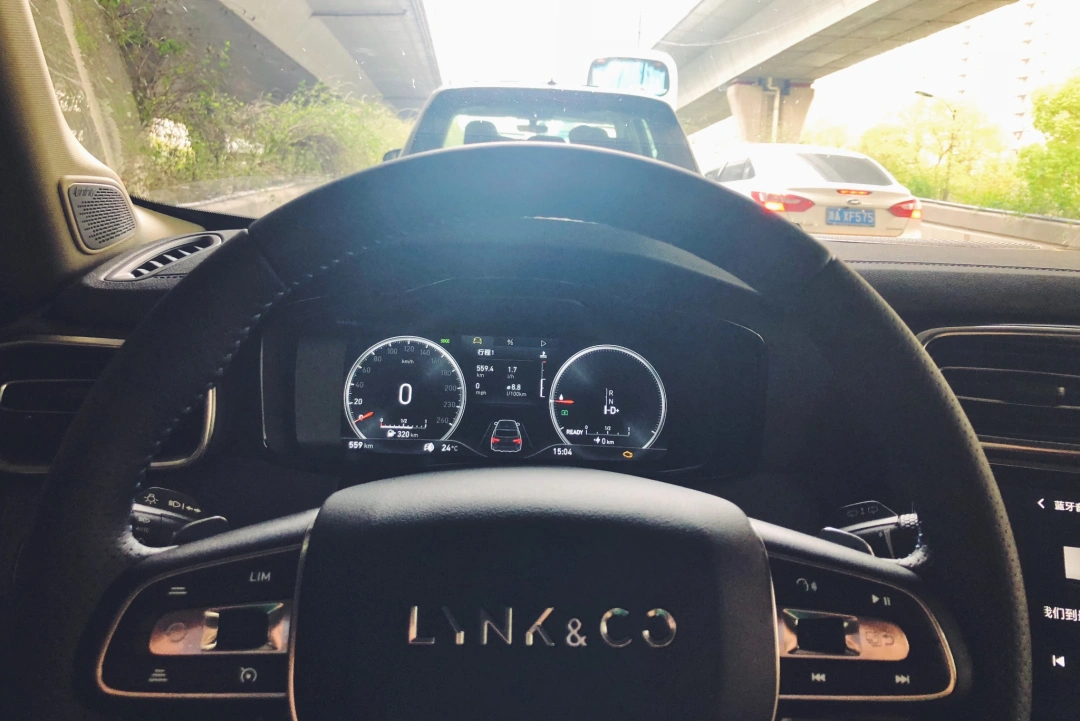
This time, my companion was my Lynk & Co 01. Honestly, the first time I saw its dashboard design, I knew this trip wouldn't be boring. That blend of tech and sportiness perfectly matched the journey itself—equal parts excitement for the unknown and the reassuring calm of being in control.
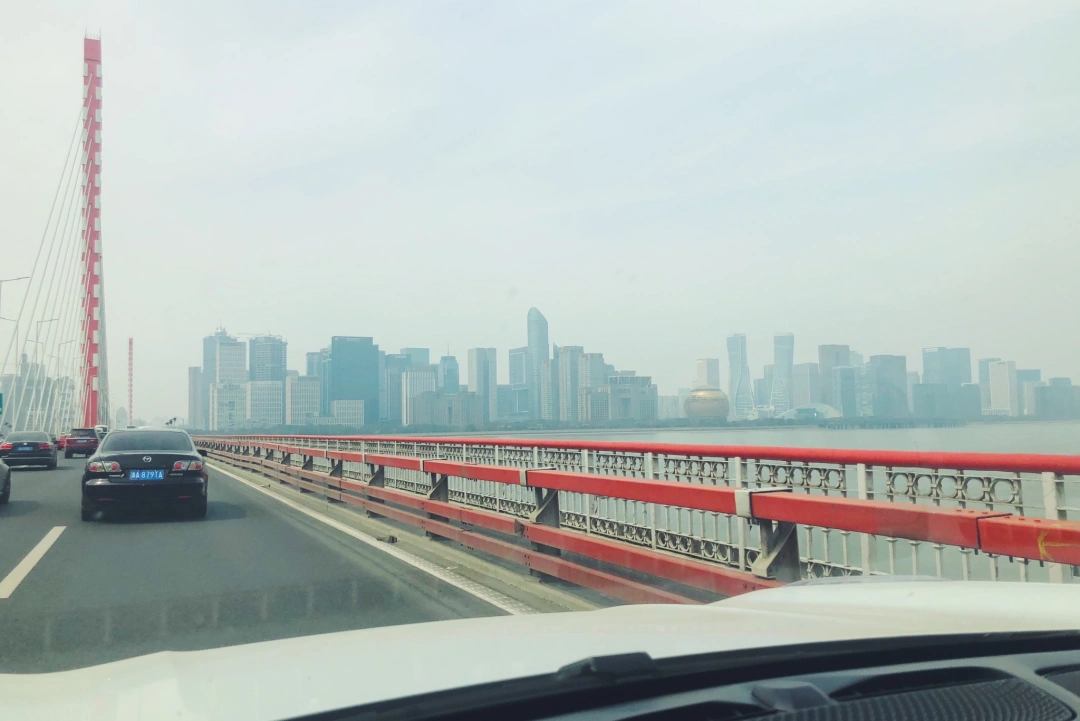
From Hangzhou to Shanghai, two hours and forty-five minutes, smooth sailing all the way. When I parked at Gucun Park, only one thought crossed my mind: This feeling of freedom—it's incredible.
Pro tip: If you're planning a Shanghai weekend road trip, consider renting a car with parking assist—many suburban attractions have spacious lots, but peak hours can be tight. [Link: Best car rental services in Shanghai]
Gucun Park: Cherry Blossoms Aren't Just in Japan — Shanghai Has Its Own "Pink Ocean"
The Cherry Blossom Festival, Upgraded

First stop: Gucun Park. When people think of cherry blossoms, Japan usually comes to mind. But I still chuckle remembering that viral joke a few years back about "Koreans claiming cherry blossoms originated from them." The real origin? China.
Gucun Park's Cherry Blossom Festival has grown impressively over the years. It's not one of those half-hearted attempts where they plant a few trees and call it a "festival." No, this is the real deal—diverse varieties, thoughtfully arranged. What surprised me most was that despite the crowds (and there were plenty—like ants on the move), everything was orderly. Police officers managed the flow during peak hours, and the parking lot was spacious enough. With my car's parking assist system, it was practically effortless.
I bought my ticket online in advance, scanned the QR code at the entrance, and skipped the line entirely. If you're planning to go, I highly recommend buying ahead—you'll also get access to a dedicated entry lane. [Link: Shanghai Gucun Park ticket prices and booking guide]
A Double Visual Feast: Cherry Blossoms and Tulips
Walking into the park, I instantly understood what it means to be "speechless with beauty." The cherry blossoms were like clouds and mist—pink and white interwoven. A gentle breeze sent petals fluttering down like a soft, tender snow. I was especially drawn to a deeper pink variety, with layers upon layers of petals, as if folded from silk. Anyone know the name? Drop it in the comments.
Beyond the cherry blossoms, there were tulip fields—red, yellow, purple, neatly arranged like an oil painting spread across the earth. Honestly, I thought Gucun Park was just a "small park." I spent the entire afternoon walking, and by evening, my feet were protesting loudly. My advice: pace yourself. Don't end up like me, barely able to get out of bed the next day.
Best time to visit: Late March to mid-April for peak cherry blossom season. Weekday mornings are significantly less crowded. [Link: Shanghai cherry blossom viewing guide 2025]
Nanxiang Old Street: More Than Just Soup Dumplings — A "Mini Wuzhen" by Night
By the time I left Gucun Park, my stomach was growling. It took less than half an hour to drive to Nanxiang Old Street. By subway, it would have been at least an hour and a half. The advantage of driving was crystal clear in that moment.
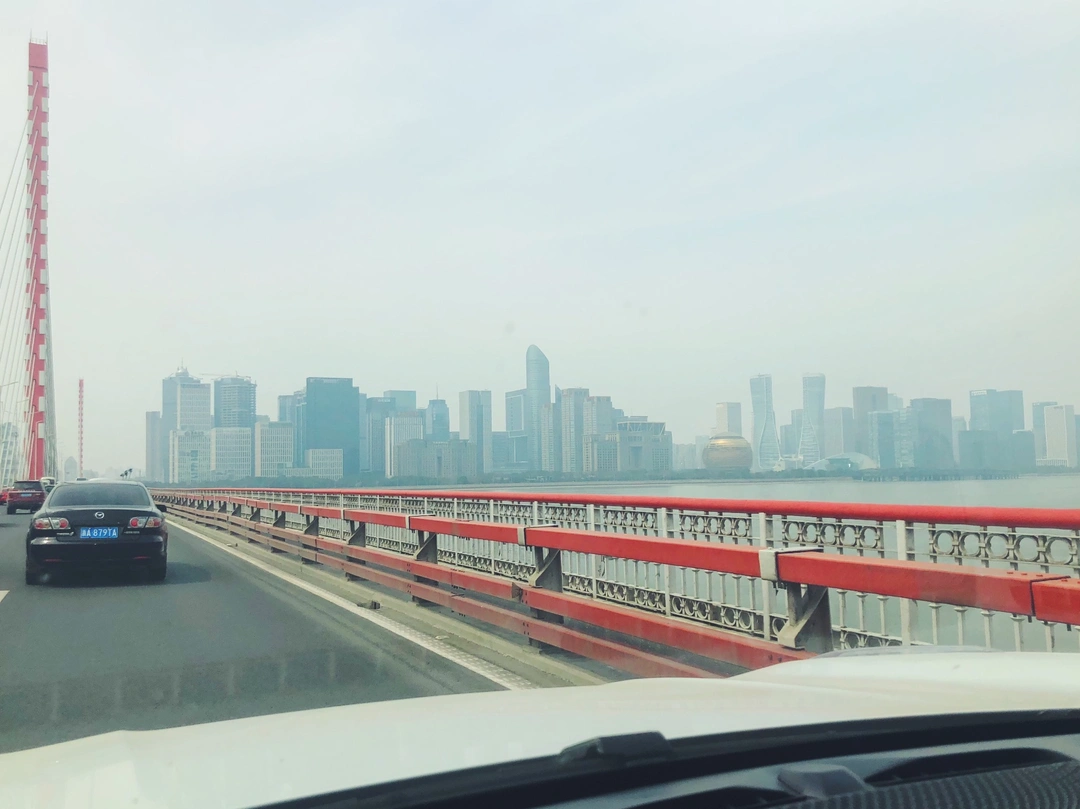
Most people associate Nanxiang with one thing: soup dumplings (xiaolongbao). But honestly, Nanxiang Old Street itself has a charm that rivals Wuzhen or Xitang. Especially at night. The lighting is perfectly placed, casting the ancient architecture's upturned eaves, blue bricks, and black tiles into a dreamlike silhouette.
And the food? That's the real highlight. Fried stinky tofu (chòu dòufu) is a staple at every ancient town, but here, the sauce is the soul. One bite—crispy on the outside, tender inside, the aroma exploding in your mouth. And of course, the star of the show: the soup dumplings. Nanxiang's version isn't as sweet as the Suzhou style, but the pork is rich and savory, the broth generous. As I ate, I thought to myself: For this alone, the trip was worth it.
Don't miss: The original Nanxiang Soup Dumpling Restaurant (南翔馒头店) on the main street. Go early—they often sell out by 7 PM. [Link: Best xiaolongbao in Shanghai suburbs]
Chongming Island: Farmhouse Fare, Reeds, and That "Instagram-Worthy" Jetty
Chongming Old Flavors: Three Dishes and a Bowl of Porridge That Tasted Like Home
Day two. I slept in. There was no way around it—I had pushed myself too hard the day before, and my legs weren't mine anymore. By the time I finally dragged myself out of bed, it was nearly noon. I drove to Chongming Island.
The development of Chongming's eco-island exceeded my expectations. The drive across the bridge was smooth, with no traffic. My destination was a farmhouse restaurant recommended by a friend: "Chongming Old Flavors" (崇明老滋味). The sign was impossible to miss, and the moment I saw it, I felt a jolt of energy.
The menu had clear prices, a wide variety, and was surprisingly affordable. The hardest part was choosing—every dish looked incredible, and I wanted to order everything. In the end, I settled on three dishes and a bowl of plain congee (bái zhōu): braised eggplant (yóu mèn qiézi), shredded golden melon (jīn guā sī), and red-braised pork (hóng shāo ròu).
The braised eggplant used green-skinned eggplants—the kind you simply can't find in city supermarkets. Soft, tender, with a rich, savory sauce, it paired perfectly with the plain congee. The shredded golden melon was a Chongming specialty—crunchy, refreshing, with a hint of natural sweetness. At that moment, I didn't feel like I was traveling. I felt like I was home.
Must-try: Chongming rice cake (崇明糕) for dessert—sweet, chewy, and utterly addictive. [Link: Chongming farmhouse restaurant recommendations]
Chongming Seaside: Golden Reeds and Windmills — An "Art Film" Come to Life

After a satisfying meal, I went to see the sea. Chongming's sea isn't that brilliant turquoise blue you see in postcards. But framed by the reeds along the shore, it had a unique beauty. The reeds shimmered gold under the sun, swaying like waves in the wind. In the distance, windmills turned slowly, and a little stray dog ran back and forth. The scene was cinematic.
I parked by the roadside and took a few photos. The golden light of the setting sun spilled over my car, blending with the reeds and windmills into a stunning tableau. In that moment, I felt it was even more beautiful than those overhyped Instagram spots.
Photography tip: Visit during golden hour (4:30–5:30 PM) for the best light. A drone adds incredible perspective on the reed fields. [Link: Chongming Island photography spots]
Dongsha Wetland: Migratory Birds, Reeds, and a Drone's "Winter Special"
At the easternmost tip of Chongming lies Dongsha Wetland. It's where the Yangtze River meets the sea—an internationally recognized wetland nature reserve. Besides its rich fish and crab resources, it's also a critical habitat for migratory waterbirds.
I'm no birdwatching expert, but I managed to snap a few shots of some adorable little wild ducks. The reeds here were taller and denser than those by the seaside. Walking along the boardwalk felt like wandering through a golden maze. In winter, with the leaves gone, my drone finally got its moment to shine. From above, Dongsha Wetland looked like a giant golden carpet stretching out to the sea.
I bought a piece of Chongming rice cake (Chongming gāo) from a roadside vendor. It was sweet, chewy, and utterly addictive. That simple, honest sweetness—so different from the refined desserts of the city—was somehow far more memorable.
Best season: November to March for migratory bird watching. [Link: Dongsha Wetland visitor guide and birdwatching tips]
Jetty No. 2: Instagram-Hyped, but Even More Beautiful in Person
My last stop was Jetty No. 2 (èr hào dīng bà). I discovered this place on Xiaohongshu (China's Instagram). Honestly, I was worried it might be a case of "photos don't match reality." But when I got there, my worries disappeared.
The jetty stretches out into the sea, flanked by golden reeds on both sides. The structure itself is rustic—concrete and steel—but against the backdrop of the setting sun and windmills, it becomes a breathtaking stage. I spent nearly an hour here, just watching the tide come in. No crowds, no noise—just the sound of wind and waves.
Note: The jetty is accessible by car but requires a short walk. Wear sturdy shoes—the path can be muddy after rain. [Link: Chongming Jetty No. 2 directions and parking]
FAQ: Shanghai Suburbs Road Trip
1. Is it worth driving to Shanghai's suburbs instead of taking public transport?
Absolutely. While public transport (subway + bus) can get you to most spots, driving cuts travel time by 50–70%. For example, from Gucun Park to Nanxiang Old Street takes 30 minutes by car versus 1.5 hours by subway. Plus, you can stop spontaneously at scenic spots like the reed fields or Jetty No. 2.
2. What's the best time to visit Gucun Park for cherry blossoms?
Late March to mid-April is peak season. Arrive before 9 AM on weekdays to avoid the worst crowds. Buy tickets online in advance for a dedicated entry lane. The park also has tulip fields in full bloom during the same period.
3. Can I visit Chongming Island as a day trip from Shanghai?
Yes, but two days is ideal. The drive from central Shanghai to Chongming takes about 1.5 hours via the Shanghai Yangtze River Bridge. If you're short on time, focus on Dongsha Wetland and Jetty No. 2—they're the most photogenic spots.
4. What should I eat in Chongming Island?
Don't miss: Chongming braised eggplant (green-skinned variety), shredded golden melon, red-braised pork, and Chongming rice cake. For the best experience, eat at a farmhouse restaurant like "Chongming Old Flavors" (崇明老滋味). Prices are reasonable—around 60–80 RMB per person.
5. Is Jetty No. 2 accessible for families with young children?
Yes, but note that the jetty itself has no railings and the ground can be uneven. It's best for older children who can walk steadily. The surrounding reed fields are flat and safe for strollers, but you'll need to park at the roadside and walk about 5 minutes.
Your Turn: Escape the City Hustle
This two-day trip changed how I see Shanghai. It's not just skyscrapers and shopping malls—it's cherry blossoms in Gucun Park, steaming soup dumplings in Nanxiang, golden reeds on Chongming Island, and the quiet magic of a jetty at sunset.
The best part? I didn't have to fly to Japan or book an expensive resort. Everything was within a two-hour drive from the city center. All I needed was a car, a sense of adventure, and the willingness to skip the tourist traps.
Ready to plan your own Shanghai suburb escape? Download our free checklist: "10 Must-Visit Spots for a Shanghai Weekend Road Trip" [Link: Free downloadable itinerary PDF]. Or share your own hidden gem in the comments below—I'm already planning my next trip.
Have you explored Shanghai's suburbs? What's your favorite hidden spot? Let me know in the comments—I read every single one.
Article originally published on Mafengwo. Republished with permission. All photos © the author.