Escaping the Chaos, Finding Myself in Twenty Days Across Morocco: A Solo Traveler’s Ultimate Guide
Meta Description:
Discover how a spontaneous solo trip to Morocco became a life-changing journey. From Casablanca to the Sahara, this 20-day itinerary covers visas, budget, safety, and hidden gems. Perfect for first-time travelers seeking adventure and self-discovery.
At four in the morning, while the entire city was still asleep, I made a decision that even I thought was crazy—I bought a plane ticket to Morocco. No itinerary, no travel companion, and I could barely speak English. But sometimes, the most incredible journeys in life begin with those seemingly absurd impulses.
In this era dominated by Instagram filters and beauty apps, travel has become a carefully orchestrated "performance." We rush to find the perfect photo spot, hurry to edit pictures for our social feeds, and forget the essence of travel—those moments that truly touch the soul never need a filter. And Morocco, this jewel of North Africa, with its colors, its chaos, and its tranquility, gave me a profound experience of what it means to be alive.
Why Morocco? The Call of the Unplanned
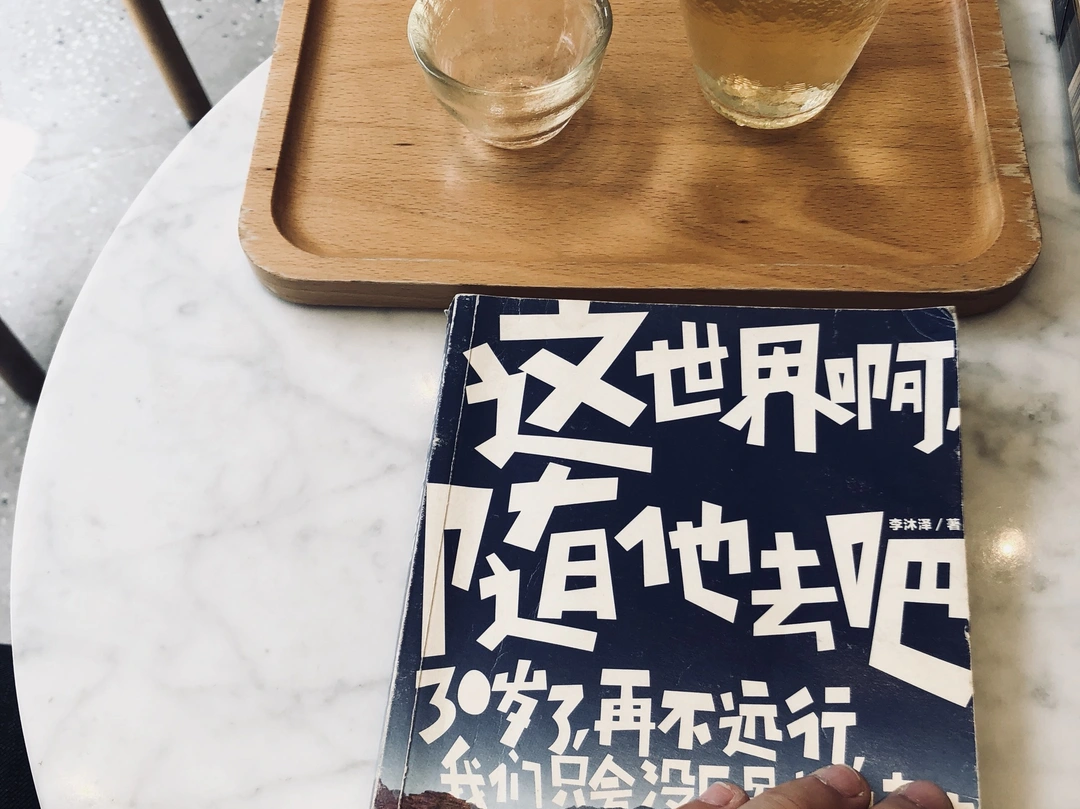
Maybe it was because of a book. Maybe it was because, during some sleepless night, I suddenly realized something: rather than slowly letting the system grind down my edges, I should go see the world while I can. Morocco's visa-free policy for Chinese citizens, the mysterious Sahara, the blue-washed Chefchaouen, and those labyrinthine medina streets that are said to make you lose yourself—everything was calling me.
So what if I didn't know English? I'd rely on gestures and Google Translate. No travel companion? I'd go solo. Twenty days of independent travel, starting from Casablanca, heading north, and then circling back. This isn't a standard travel guide—it's the story of an ordinary person rediscovering their sense of adventure in a foreign land.
Pre-Trip Preparation: The Practical Essentials
Best Time to Visit Morocco
Morocco's charm works year-round, but if you ask me, around ten days is the ideal duration. There are three main cities to explore, plus a desert tour—the timing works out perfectly. For a longer trip like 20 days, you can add Chefchaouen, Tangier, and Rabat without feeling rushed.
How to Get the Cheapest Flights to Morocco

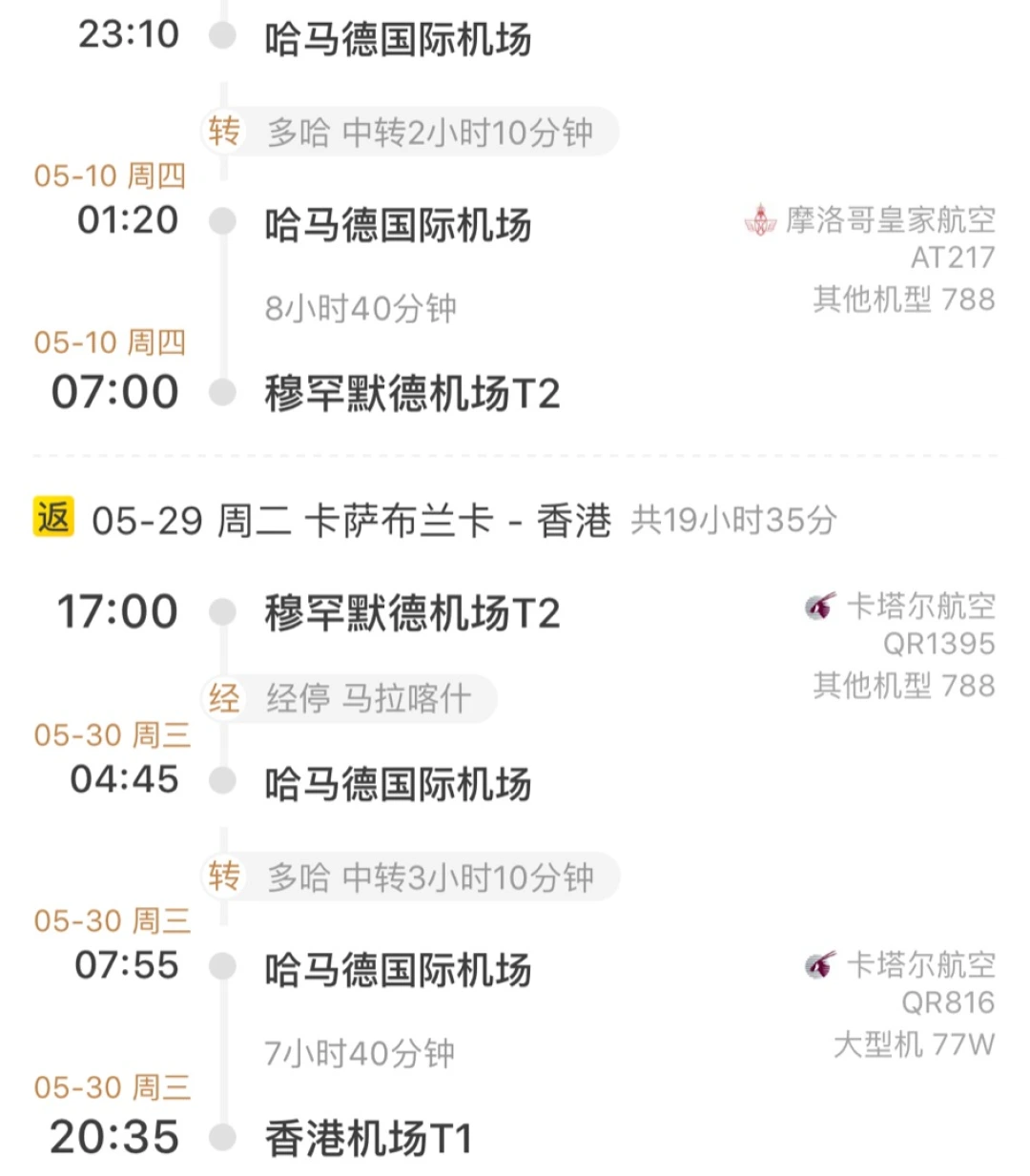
Flights from China to Morocco all land in Casablanca. If you're departing from Europe, you can choose Marrakech or Fes as your destination. Departing from Hong Kong is the best option—ticket prices are usually under 4,000 RMB (about $550 USD), and you can enjoy five-star airline service. I used iGola to compare prices and ended up spending 5,900 RMB (about $810 USD) on my ticket—not the cheapest, but for a spontaneous trip, it was lucky enough.
[Link: Best flight comparison tools for budget travelers]
SIM Cards and Internet in Morocco
After exiting the airport, you'll find kiosks offering free SIM cards. I recommend getting a Meditel SIM card—recharge 50 dirhams (about $5 USD) on the spot, and you'll get 5GB of data. Once you run out, you can top up directly on Taobao—convenient and affordable.
Visas and Currency for Morocco Travel
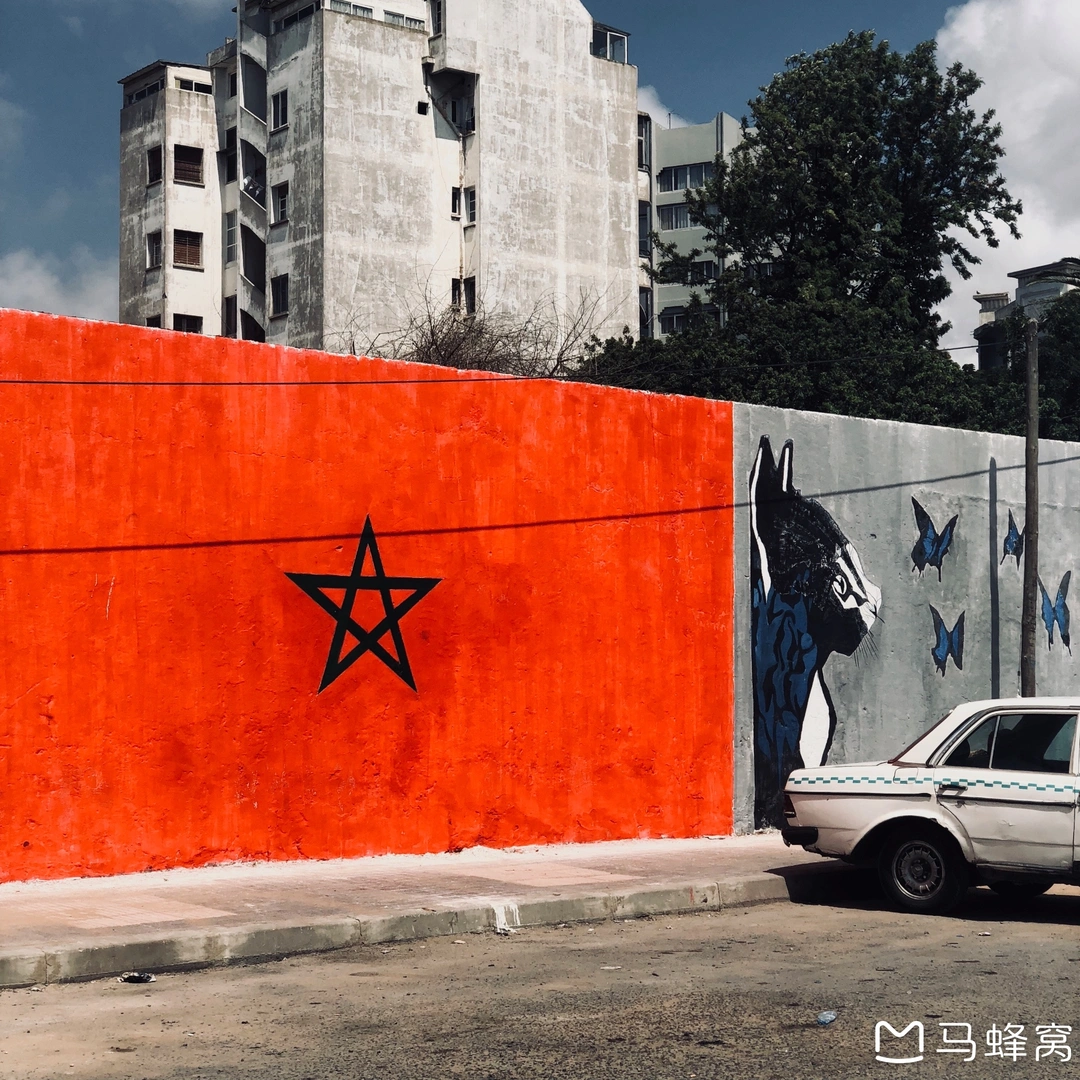
Morocco offers visa-free entry for Chinese citizens—just bring your passport and walk through. For currency, both dirhams and euros are accepted. Hotels often use euros, while daily expenses are in dirhams. 100 dirhams equals about 70 RMB (roughly $10 USD). I suggest exchanging some euros in China first, then converting 50-100 euros at the airport, and exchanging the rest at local markets in the city—airport exchange rates are usually two to three points lower.
Safety and Language Tips for Morocco
Tourist cities have armed police patrolling regularly, so safety isn't a concern. But "scams" are everywhere—watch out for people who offer to guide you or hand you things unsolicited. The official languages are French and Arabic. Download Google Translate in advance—it works offline even without internet.
Transportation in Morocco
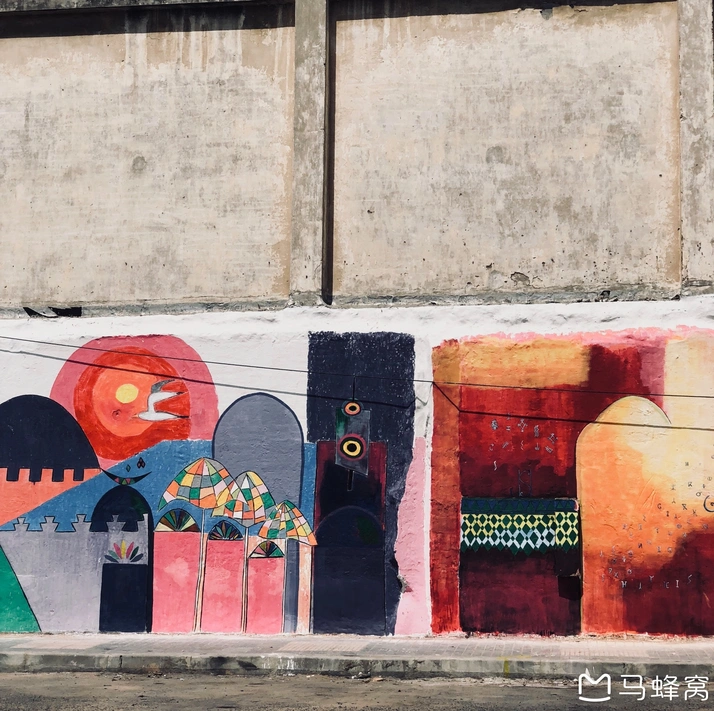
Trains and CTM buses are the main options. For trains, I recommend first-class seats—they're much more comfortable.
Itinerary Overview: 20 Days Across Morocco
Casablanca → Marrakech → Fes → Chefchaouen → Tangier → Rabat → Marrakech → Casablanca
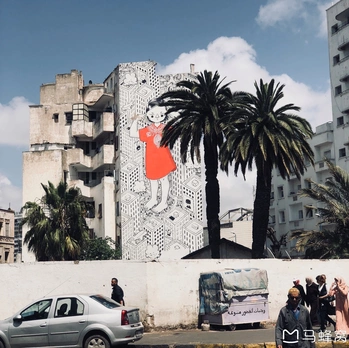
Casablanca: More Than Just Movie Romance
As a transit city, one day in Casablanca is enough. After leaving the airport, don't let taxi drivers fool you—turn left, go down to the basement level, and take the train to the city center. It's safe and hassle-free.
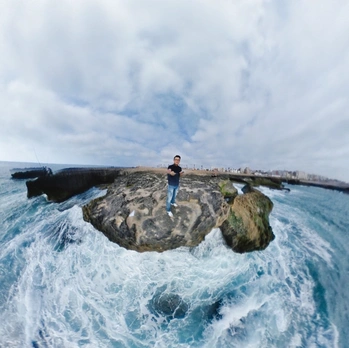
This city is Morocco's western port, facing the Atlantic Ocean. The legacy of French colonial rule has left a unique mark here—Moorish architecture blends with European Art Deco, creating a wonderfully eclectic aesthetic.
Must-Visit Spots in Casablanca
Hassan II Mosque is the first place you should go after arriving. Built at a cost of $800 million, one-third of it stands over the sea, and it boasts the world's tallest minaret at 210 meters (689 feet). Non-Muslims can only enter with a guided tour, and during prayer times, it's restricted to Muslims only.
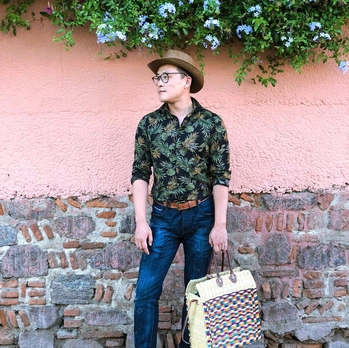
After visiting the mosque, head to the old medina and find a charming café. Order a glass of mint tea and a plate of Morocco's famous couscous—that's authentic North African living.
Rick's Cafe is another must-see. Although it was built in 2004 as a replica of the bar from the film Casablanca, it has become a pilgrimage site for global travelers. The average cost per person is around 200 RMB (about $28 USD), but who cares? As the movie's classic line goes: "Of all the gin joints in all the towns in all the world, she walks into mine."
In the evening, take a stroll through Mohammed V Square. It's not large, but it's a popular spot for locals to gather and chat. But beware of people offering you checkered pastries—once you accept one, 50 dirhams might mysteriously disappear from your wallet.
Marrakech: I Spent Nine Days Here
A three-hour train ride from Casablanca brings you to Marrakech. This former imperial city is a major economic hub in Morocco, and its soul is undoubtedly Jemaa el-Fnaa Square—one of the world's top ten city squares and a UNESCO World Heritage site.
During the day, the square is mainly filled with snake charmers and monkey trainers. But at night, it transforms into a chaotic, bustling carnival. I stayed here for nine days, walking daily through the medina's ancient alleyways, and I still felt like I hadn't had enough.
Unmissable Attractions in Marrakech
Majorelle Garden was the private garden of the late fashion designer Yves Saint Laurent. He loved Marrakech deeply, considering it a spiritual home where he could find peace. The garden's fame comes not only from its vibrant colors but also from the legendary stories of its two owners—the first, illustrator Jacques Majorelle, who spent his life designing and building it, and the second, Saint Laurent, who made it world-famous.
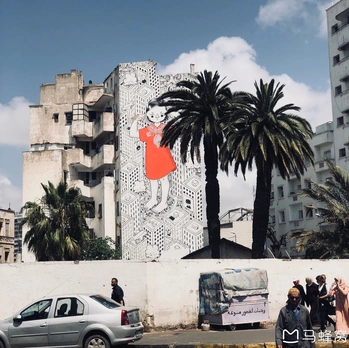
A taxi from the old city costs about 15 dirhams ($1.50 USD), and entry is 70 dirhams ($7 USD). Remember: arrive early, early, early. In summer, the colorful blooms will leave you stunned.
YSL Museum is located near Majorelle Garden and opened in 2017. The museum's entrance is built from locally fired Moroccan red bricks. Under its minimalist design, the geometric shadows cast by sunlight reveal the architect's ingenuity. There's also an open-air garden café inside—if you have time, having a drink there is absolutely worth it.
Marrakech Museum was established in 1997 inside a beautiful palace. The intricate carvings and mosaics are endlessly captivating—at 50 dirhams ($5 USD) for entry, it's a steal.
Accommodation: A City Made for Instagram
Morocco is absolutely the country worth traveling a long distance to sleep in, and Marrakech is the epicenter of all the Instagram-famous hotels. Here are a few recommendations:
- Riad Be Marrakech: Address: 23 Derb Sidi Lahcen o Ali Bab Doukkala
- Royal Mansour Marrakech: Address: RUE ABOU ABBAS EL SEBTI
- La Mamounia: Address: Avenue Bab Jdid
- Riad Yasmine: Address: 209 Rue Ank Jemel, Bab Taghzout
These trendy riads usually need to be booked two months in advance on Booking.com. If you can't get a reservation, there's a workaround—go for afternoon tea and tour the hotel while you're there.
Food: A Restaurant I Ate At for Nine Days
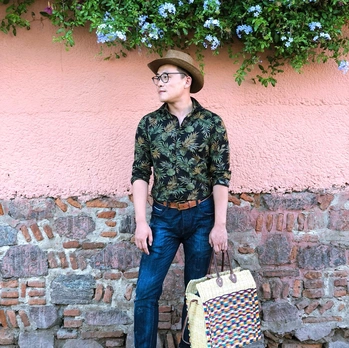
There's a fun legend about Morocco's tagine: a young man named Aladdin once noticed sweat condensing into droplets inside his hat, so he placed the hat over his pot—and the tagine was born. Whether true or not, the dish is a must-try. I ate at Café Clock in Marrakech for nine days straight—their camel burger and traditional tagine are legendary.
[Link: Best street food in Marrakech]
Fes: The Medieval Maze
Fes is the oldest imperial city in Morocco, and its medina is a UNESCO World Heritage site. The narrow, winding streets are a labyrinth—even locals get lost. But that's part of the charm. The Al-Attarine Madrasa and Chouara Tannery are must-sees. At the tannery, you can watch workers dyeing leather in ancient stone vats—a sight that hasn't changed for centuries.
Chefchaouen: The Blue Pearl
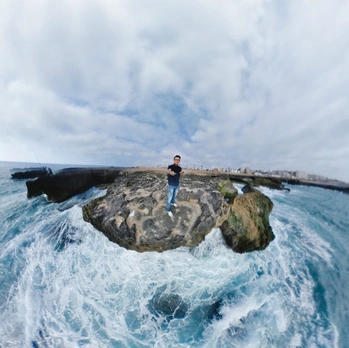
Chefchaouen is a small mountain town painted entirely in shades of blue. It's a photographer's dream. The town's relaxed vibe is a perfect antidote to the chaos of Marrakech. Spend a day wandering the blue alleys, and don't forget to hike up to the Spanish Mosque for a panoramic view at sunset.
Tangier and Rabat: Coastal Calm
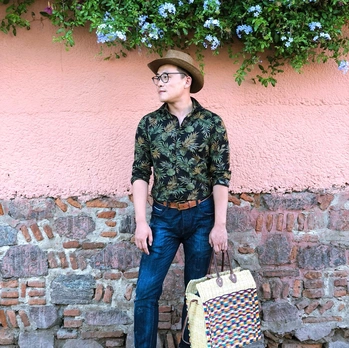
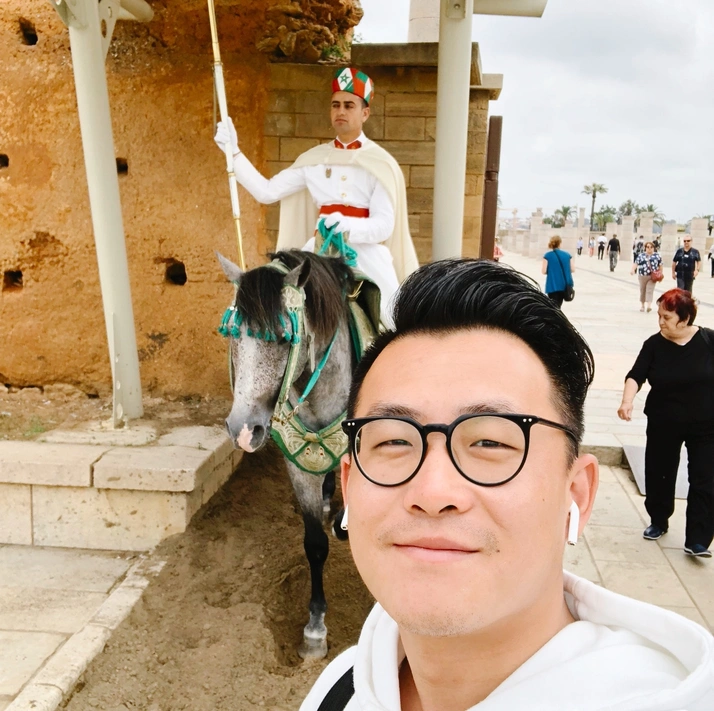
Tangier, at the northern tip of Africa, feels like a different world—more European, with a laid-back café culture. Rabat, the capital, is quieter but has beautiful gardens and the Hassan Tower. Both are perfect for a day or two of relaxation before heading back to Casablanca.
FAQ: Morocco Travel Tips
1. Is Morocco safe for solo female travelers?
 Yes, but stay vigilant. Stick to well-lit areas at night, dress modestly (cover shoulders and knees), and avoid walking alone in empty medina alleys after dark. The tourist police are visible and helpful.
2. Do I need to speak French or Arabic to travel in Morocco?
No. English is widely understood in tourist areas, but learning a few phrases like "shukran" (thank you) and "la" (no) goes a long way. Google Translate offline mode is your best friend.
3. How much money do I need for a 20-day trip to Morocco?
 Budget around $50–$80 per day for mid-range travel (including accommodation, food, transport, and entry fees). For luxury stays, budget $150–$250 per day.
4. What should I pack for Morocco?
Lightweight clothing for warm days, a jacket for cool evenings, comfortable walking shoes, a scarf (for modesty and sun protection), sunscreen, and a universal adapter. For desert tours, bring a warm layer for chilly nights.
5. Can I use credit cards in Morocco?
 Yes, in hotels, larger restaurants, and shops. But small vendors and taxis prefer cash. Always carry some dirhams for daily expenses.
Final Thoughts: Your Journey Awaits
Morocco is a country that will challenge you, surprise you, and ultimately transform you. Whether you're escaping the chaos of daily life or simply seeking a new perspective, this 20-day itinerary offers a perfect blend of culture, adventure, and self-discovery.
Don't wait for the perfect moment—book that ticket, pack your bags, and let Morocco work its magic. The medina’s labyrinth, the Sahara’s silence, and the Atlantic’s breeze are waiting for you.
Ready to start your own Moroccan adventure?
Share this guide with a friend who needs a nudge, or drop a comment below if you have questions. Your story begins now.
[Link: Solo travel safety tips]
[Link: How to choose the best riad in Marrakech]
You may also like