Echoes Across a Millennium: A Soulful Dialogue with Dunhuang in Shanghai – An SEO-Optimized Guide
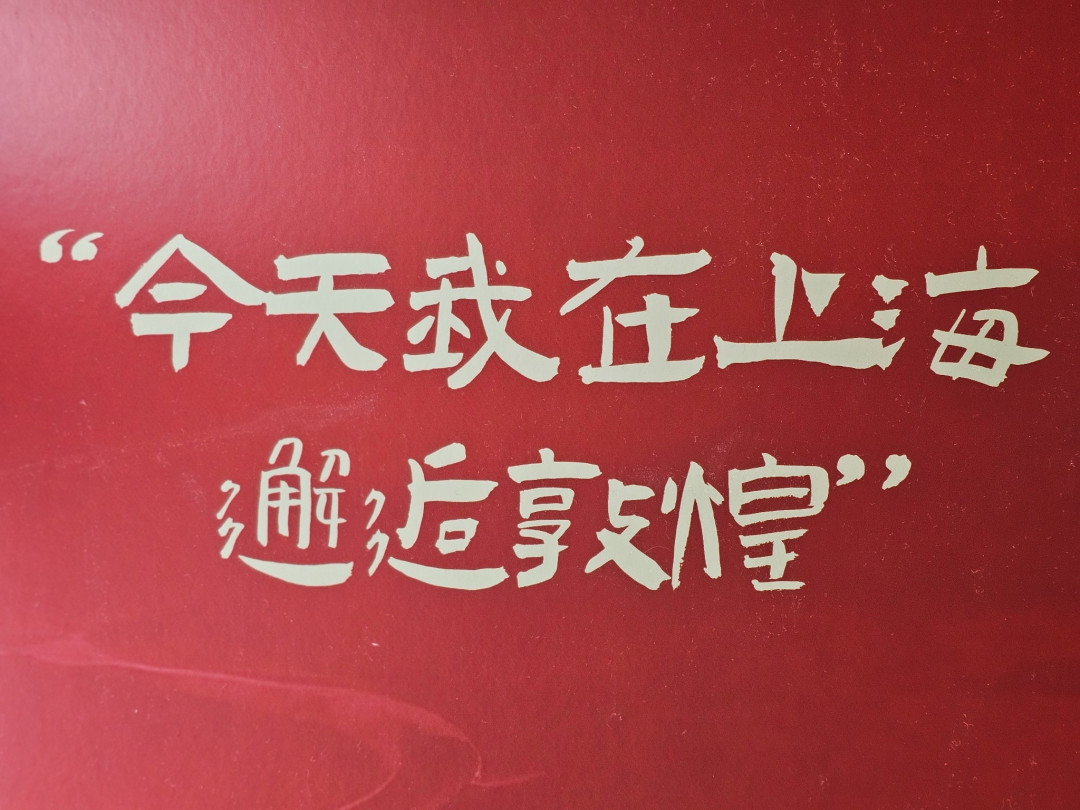
Meta Description: Explore the "Why Dunhuang · Echoes of Longing" exhibition in Shanghai, featuring life-sized replica caves, high-definition manuscripts, and murals spanning 1,600 years. Your ultimate guide to this immersive cultural experience.
Introduction: When the Sands of Dunhuang Meet Shanghai’s Neon Lights
In the deep autumn of 2025, the Shanghai Yifeng Center became a portal through time. The "Why Dunhuang · Echoes of Longing" Dunhuang Culture and Art Public Welfare Exhibition arrived—not as a typical museum display, but as an invitation spanning over 1,600 years. This is a heartfelt gaze upon the civilization of the Silk Road, where the flying celestials, Buddhas, and donors sleeping in the Mogao Caves awaken to whisper their thousand-year tales to modern audiences.
If you’ve ever dreamed of standing before the Mogao Caves murals but couldn’t make the journey to the Gobi Desert, this Shanghai exhibition is your answer. Here, the desert meets the metropolis, and history becomes tangible.
H2: What Is the "Why Dunhuang · Echoes of Longing" Exhibition?
This is no ordinary exhibition. It is a microcosmic history of Dunhuang—a condensed journey from the Sixteen Kingdoms period to the Yuan Dynasty, presented in a contemporary, immersive space. The core highlight? Five precisely replicated classical Mogao Caves at their original scale.
H3: The Magic of Life-Sized Replica Caves
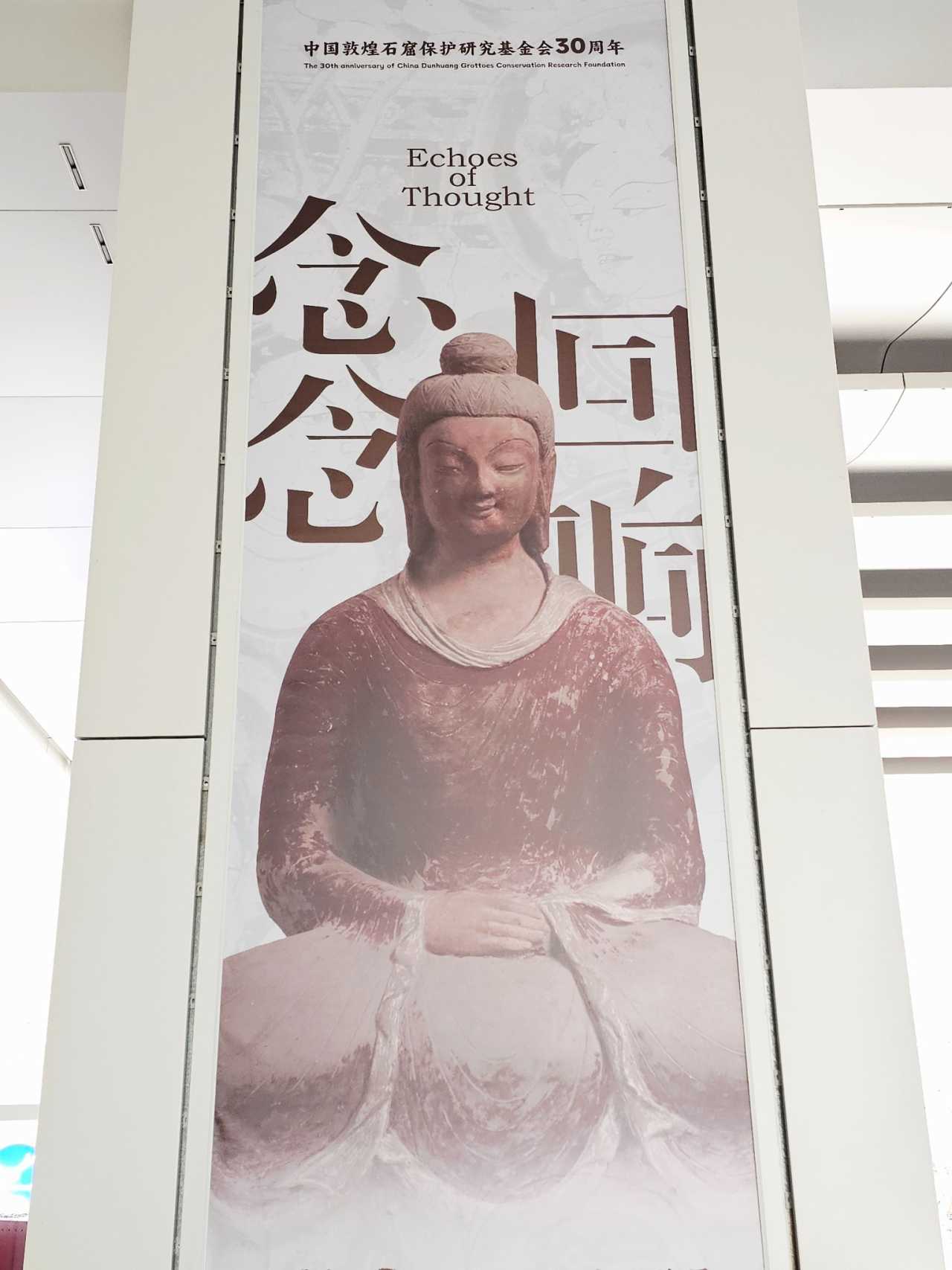
These are not simple models. Expert teams from the Dunhuang Academy spent years combining traditional craftsmanship with modern digital technology to recreate:
- Cave structures with exact proportions
- Mural colors true to the originals
- Painted sculptures capturing the spirit of ancient artisans
When you step inside, you’re instantly transported to the Hexi Corridor. Above your head, magnificent caisson ceiling patterns unfold. Around you, Buddhist paradise scenes flow across the walls.
H3: First-Time Shanghai Showcase: Library Cave Manuscripts
For the first time in Shanghai, the exhibition presents six high-definition replicas of manuscripts from the Dunhuang Library Cave. These sutra copies, documents, and silk paintings are a microcosm of the "Dunhuang treasures" scattered worldwide after their accidental discovery by Daoist priest Wang in 1900. They record religious, trade, folk, and artistic exchanges along the ancient Silk Road—every stroke of ink carrying the warmth of history.
H3: A Complete Narrative Through Art
Seven painted sculptures and fifty representative mural masterpieces span the early, middle, and late periods of Dunhuang art. From the rough vigor of the Northern Liang period to the splendor of the Sui and Tang dynasties, and then to the delicate elegance of the Song and Yuan dynasties, the stylistic evolution is clearly outlined here.
H2: Understanding Dunhuang’s "Change" and "Constancy" Through Time Codes
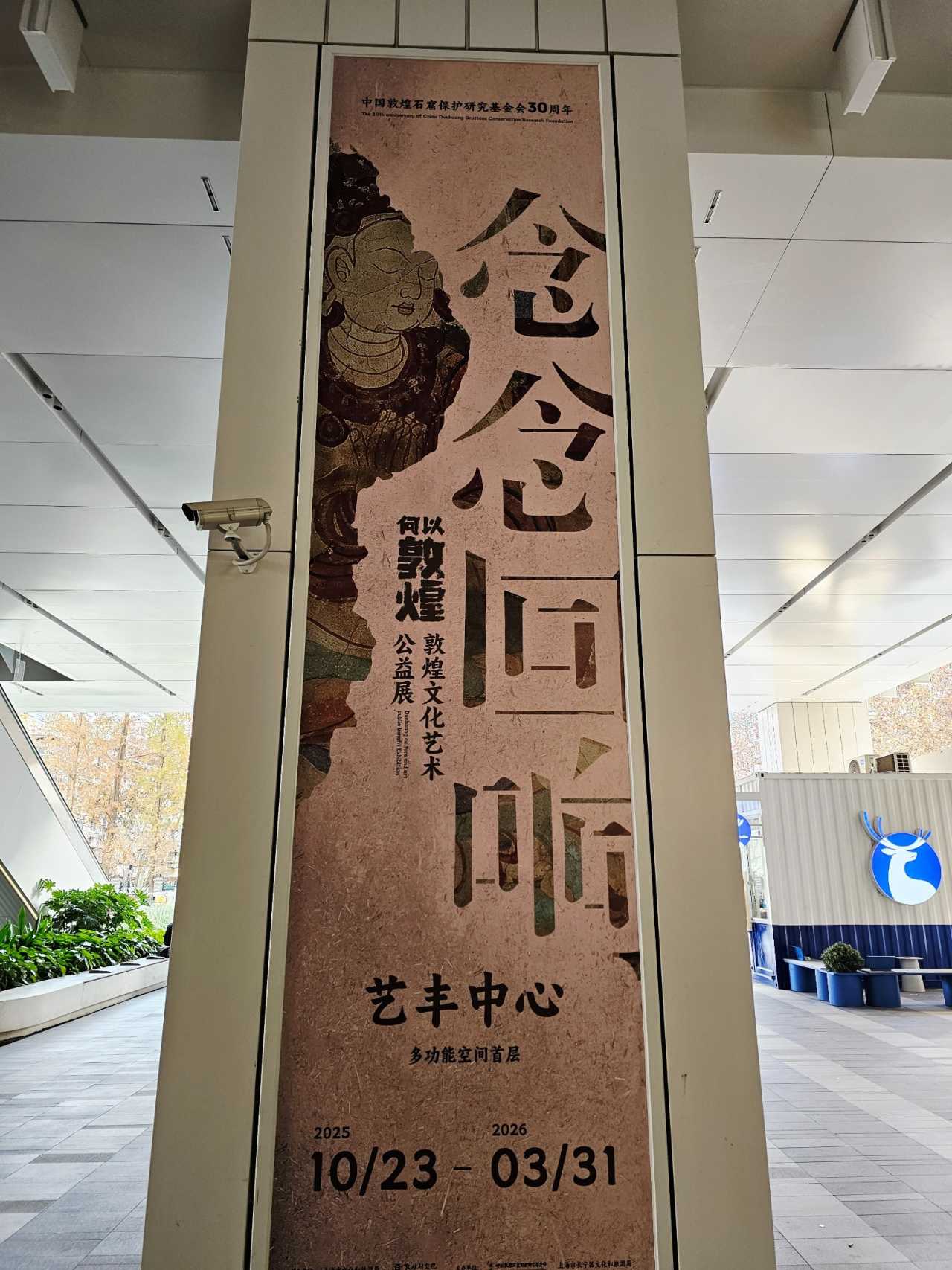
The exhibition adopts a layout that "displays early, middle, and late periods sequentially." This is not just physical arrangement—it’s a meticulously designed cultural decoding. Follow the timeline to see how Dunhuang art absorbed, integrated, and innovated against the backdrop of Buddhism’s eastward transmission, Silk Road trade, and ethnic fusion.
H3: Early Period (Northern Liang & Northern Wei) – The Birth of Faith
Enter the early period area, and you’re struck by a primitive, majestic power. Murals feature intense colors, rough lines, and figures with clear Western Regions characteristics. For example, the Maitreya Bodhisattva in Cave 275 has a high nose and deep-set eyes, with robes clinging to the body—clearly influenced by Gandharan art.
These early caves represent the "childhood" of Buddhist art entering China. Techniques may be somewhat immature, but the piety of faith and awe for the unknown world are exceptionally touching.
H3: Middle Period (Sui & Tang Dynasties) – The Golden Age
Step into the middle period area, and you’re pulled into the glorious dream of the Tang Dynasty. This is the golden age of Dunhuang art. Murals boast brilliant colors, smooth lines, and plump, full-bodied figures full of confidence and vitality.
- The famous "pipa played behind the back" celestial musician was born from this period.
- The painted sculptures in Cave 45—the compassion of the Buddha, the gentleness of the Bodhisattva, the piety of the disciples—are incredibly lifelike.
During this period, Dunhuang art completed the sinicization of foreign Buddhist art, forming a unique "Dunhuang style."
H3: Late Period (Five Dynasties to Yuan) – Secular Warmth & Artistic Sedimentation
Enter the late period area, and the style shifts toward introspection and refinement. Murals from the Five Dynasties, Song, Western Xia, and Yuan dynasties lack some flamboyance of the High Tang but possess more warmth of secular life and rigor of religious ritual.
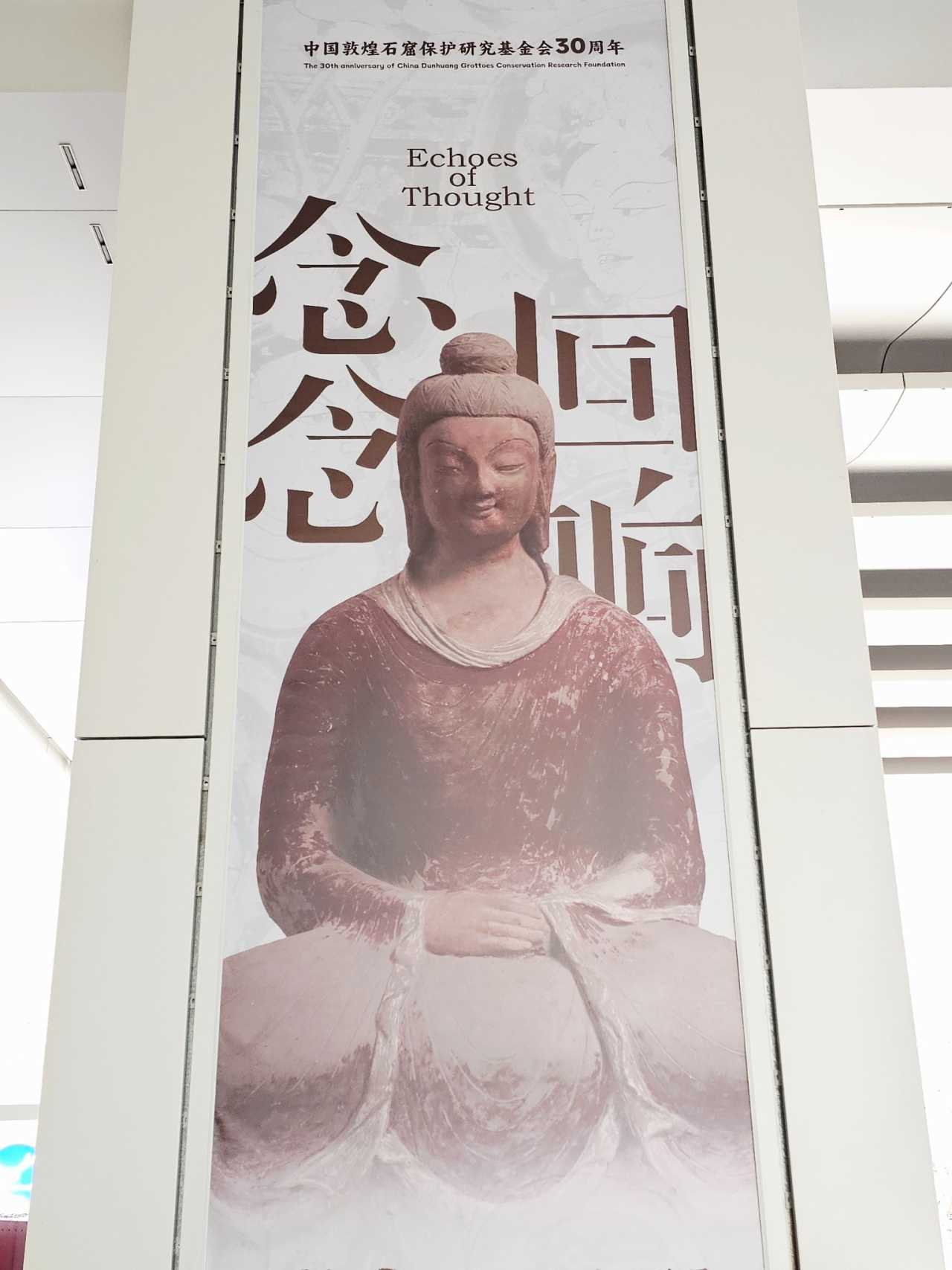
- Donor portraits begin to occupy larger spaces—they become "participants" in the Buddhist paradise, carrying their family glory and devout faith.
- Colors tend toward elegance; lines become more delicate.
This reflects the trend of art moving from the divine altar toward the human world.
H2: The Cultural Mission of a Public Welfare Exhibition
"Why Dunhuang · Echoes of Longing"—the name itself is poetry and philosophy. It doesn’t just ask "What is Dunhuang?" but also "What does Dunhuang mean to us?"
In fast-paced urban life, we’ve become accustomed to fragmented information and measuring the world through phone screens. But when you stand before these replicated caves, facing pigments vibrant after a thousand years and the piety left behind by craftsmen’s every stroke, you understand: some things can never be conveyed by a digital screen.
H3: Breaking Down Geographical & Temporal Barriers
For most people, a trip to the Mogao Caves in Dunhuang is not easy—high travel costs, strict visitation limits inside the caves. This exhibition "moves" the essence of Dunhuang to Shanghai, allowing city dwellers to complete a deep dialogue with a thousand-year-old civilization in the time it takes to drink a cup of coffee after work.
H3: The "Five-Senses Linkage" Immersive Experience
The curatorial team understands immersive experience. They skillfully use:
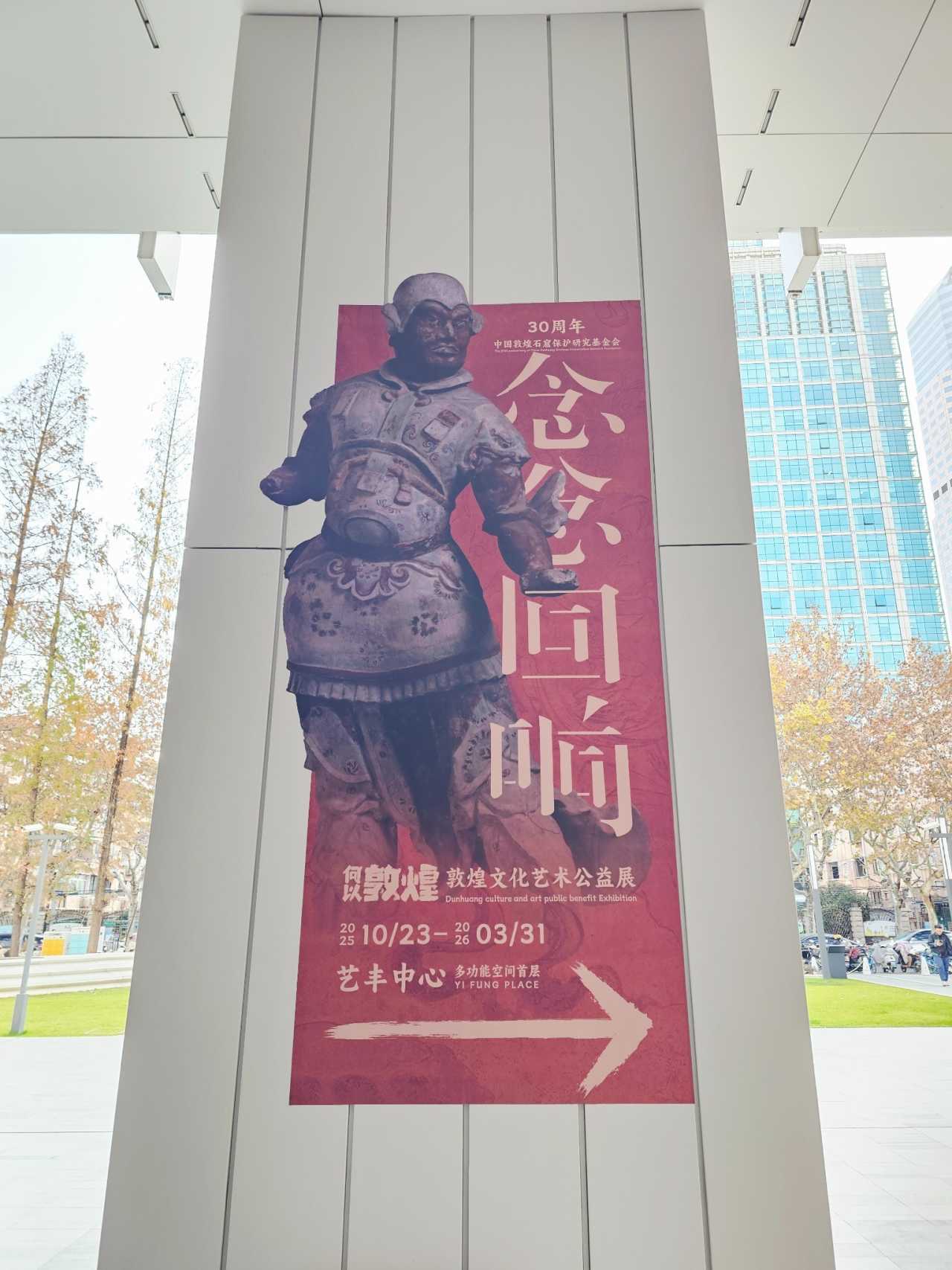
- Light and shadow to create atmosphere
- Music with melodious camel bells and Sanskrit chants
- Interactive installations like simulated sand underfoot
When you enter a replicated cave, lights slowly dim, making you feel as if you’re truly inside a cave deep in the Gobi Desert. You transform from an onlooker into a participant in history.
H2: Moments Worth Pausing For – Lingering in the Dunhuang Dream
Several details lingered in my mind long after leaving the exhibition.
The Library Cave Manuscripts
On yellowed scrolls, dense Chinese characters and Sanskrit intertwine. One copy of the Diamond Sutra has an inscription by the copyist: "May the merit of this work extend to all, that we and all beings may together attain Buddhahood." An ordinary copyist from over a thousand years ago probably never imagined his pious handwriting would become precious material for later generations. This sense of "dialogue" across time is instantly moving.
The Painted Sculptures

Among the group of painted sculptures in Cave 45, the expressions of the disciples—some joyful, some contemplative—feel alive. You can almost hear them preaching. The craftsmanship of the Tang Dynasty sculptors remains unmatched.
H2: Frequently Asked Questions (FAQ)
Q1: Where is the "Why Dunhuang · Echoes of Longing" exhibition held?
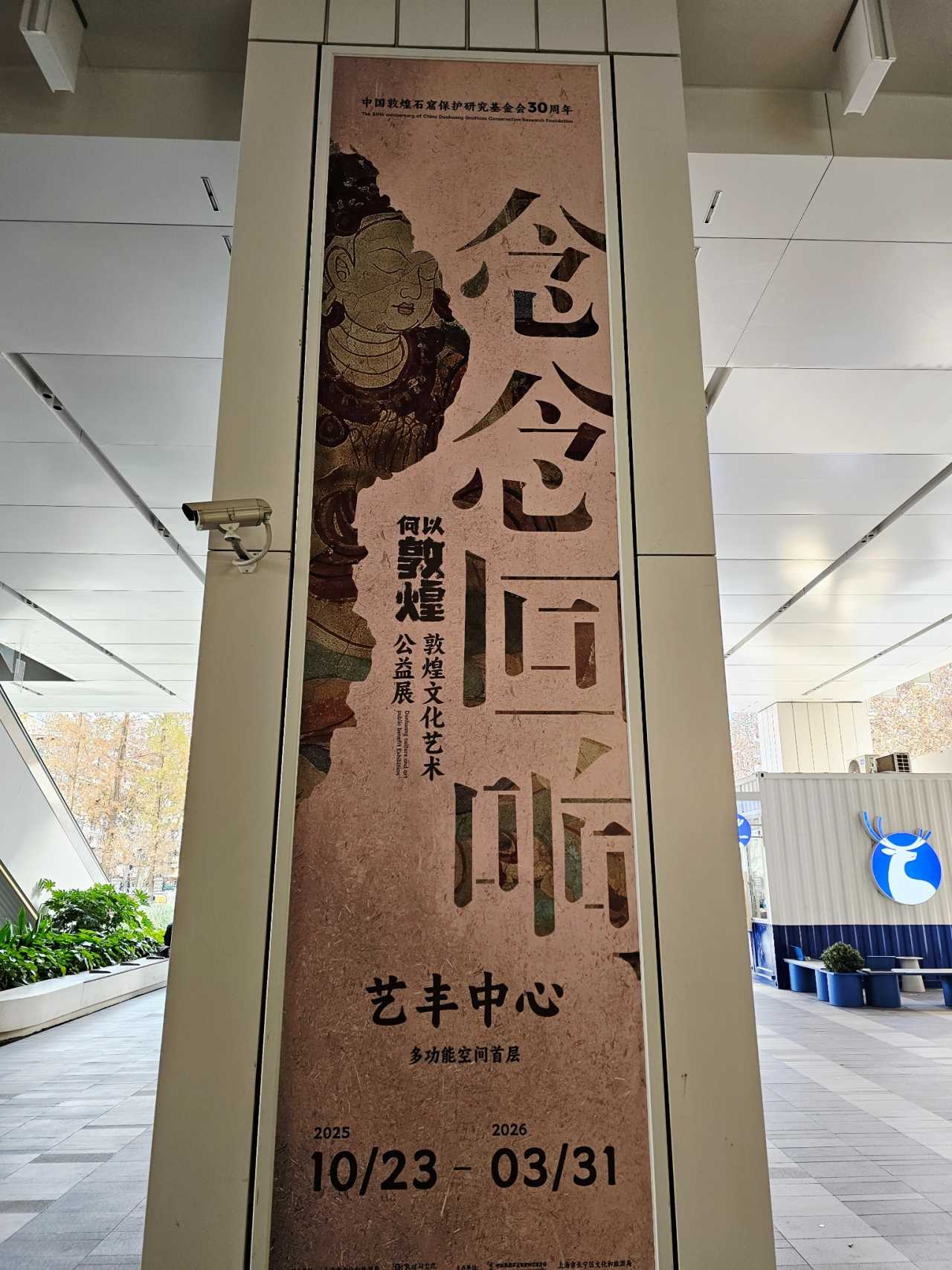
A: The exhibition is hosted at the Shanghai Yifeng Center. Check the official website for exact hall and ticket details.
Q2: Is the exhibition free?
 A: Yes, this is a public welfare exhibition—admission is free. However, advanced registration may be required due to limited capacity.
Q3: How long does it take to experience the full exhibition?
A: Plan for 1.5 to 2 hours to fully appreciate the five replica caves, manuscript displays, and interactive installations.
Q4: Are the replica caves accurate?
A: Absolutely. The replicas are created by expert teams from the Dunhuang Academy using traditional craftsmanship and modern digital technology, ensuring one-to-one accuracy in structure, color, and spirit.
Q5: Can I take photos inside the exhibition?
A: Photography is generally allowed in most areas, but flash photography is prohibited to protect the replicas and manuscripts. Check signage for specific restrictions.
H2: Internal Linking Suggestions
[Link: Best Dunhuang travel guide for 2025] [Link: Top cultural exhibitions in Shanghai this autumn] [Link: How to visit the Mogao Caves in Dunhuang] [Link: Understanding Buddhist art in China] [Link: Silk Road history and its modern relevance]
H2: Plan Your Visit – Don’t Miss This Soulful Dialogue
The "Why Dunhuang · Echoes of Longing" exhibition is more than a cultural event—it’s a rare opportunity to connect with a millennium of human creativity and faith. Whether you’re a history enthusiast, an art lover, or simply someone seeking a moment of transcendence in the city, this exhibition delivers.
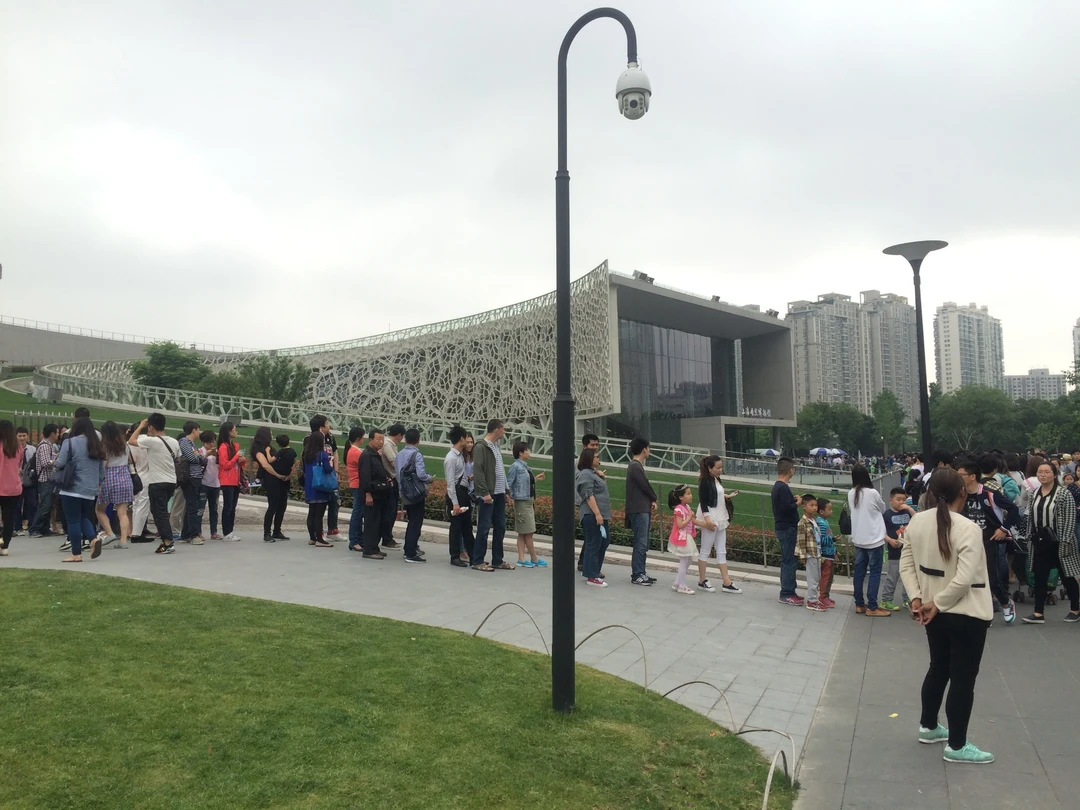
Key details to remember: - Location: Shanghai Yifeng Center - Duration: Through late autumn 2025 - Admission: Free (registration required) - Best time to visit: Weekday evenings for smaller crowds
Don’t let this chance slip away. The sands of Dunhuang are calling, and Shanghai is listening. Book your slot today, and prepare for a soulful dialogue across a thousand years.
Have you visited the "Why Dunhuang · Echoes of Longing" exhibition? Share your experience in the comments below!
You may also like