Eastern Paris: An Art and Urban Journey That Lives Up to Its Reputation – Shanghai Travel Guide
Meta Description: Discover why Shanghai is called the "Eastern Paris" in this 3-day art and urban journey. From the Bund's iconic skyline to hidden glass art museums, explore Shanghai's blend of East-meets-West culture, architecture, and modern lifestyle. Plan your perfect Shanghai itinerary now.
Introduction: Why Shanghai Earns the "Eastern Paris" Title
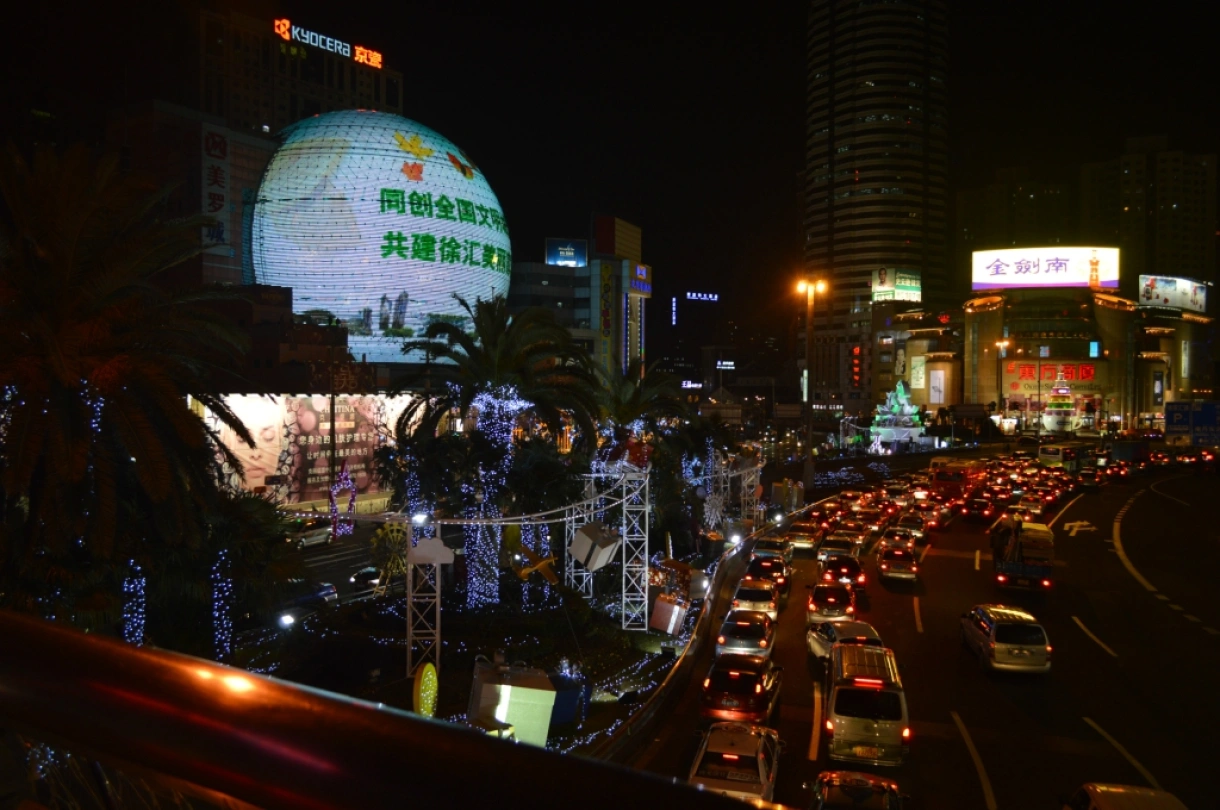
As the plane descends toward Pudong International Airport, the glittering skyline of Shanghai—often called the "Magic Capital" and "Paris of the East"—unfolds before your eyes. But does this city truly live up to its reputation as the Eastern Paris? After three immersive days exploring Shanghai's art, architecture, and urban culture, the answer is a resounding yes.

Shanghai's unique ability to blend Eastern elegance with international flair mirrors Paris in ways that go beyond superficial comparisons. From the Bund's historic waterfront to Pudong's futuristic skyscrapers, from century-old universities to cutting-edge art museums, Shanghai offers a journey through time and style that rivals any European capital.
In this comprehensive Shanghai travel guide, we'll take you through an unforgettable art and urban journey—covering must-visit attractions, hidden gems, practical tips, and the cultural nuances that make Shanghai truly magical.
Nightfall in Pudong: First Impressions of the Magic Capital
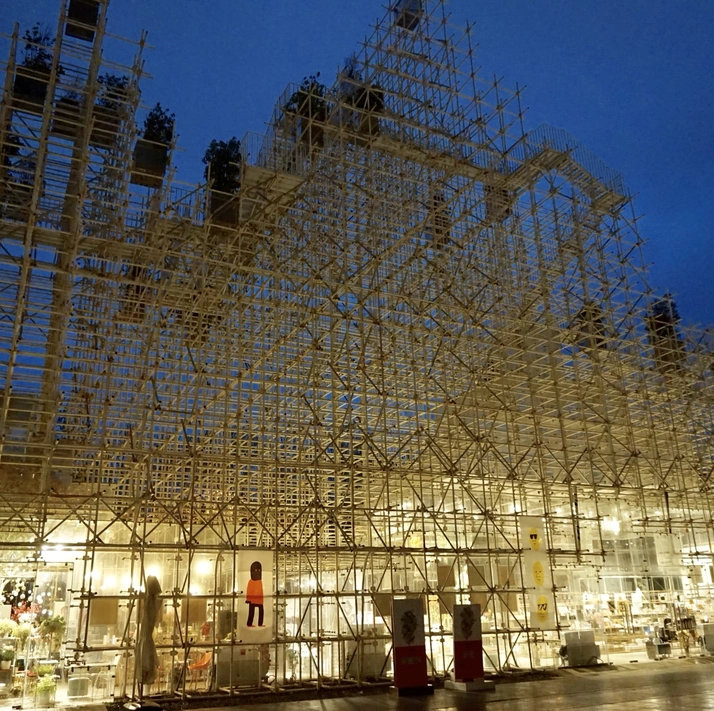
Distant Hill Pavilion (Shanshui Yuanjing Zhiqiu): A Light Show Worth the Wait
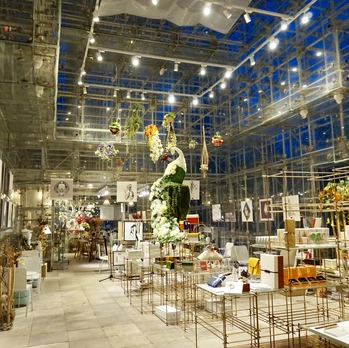
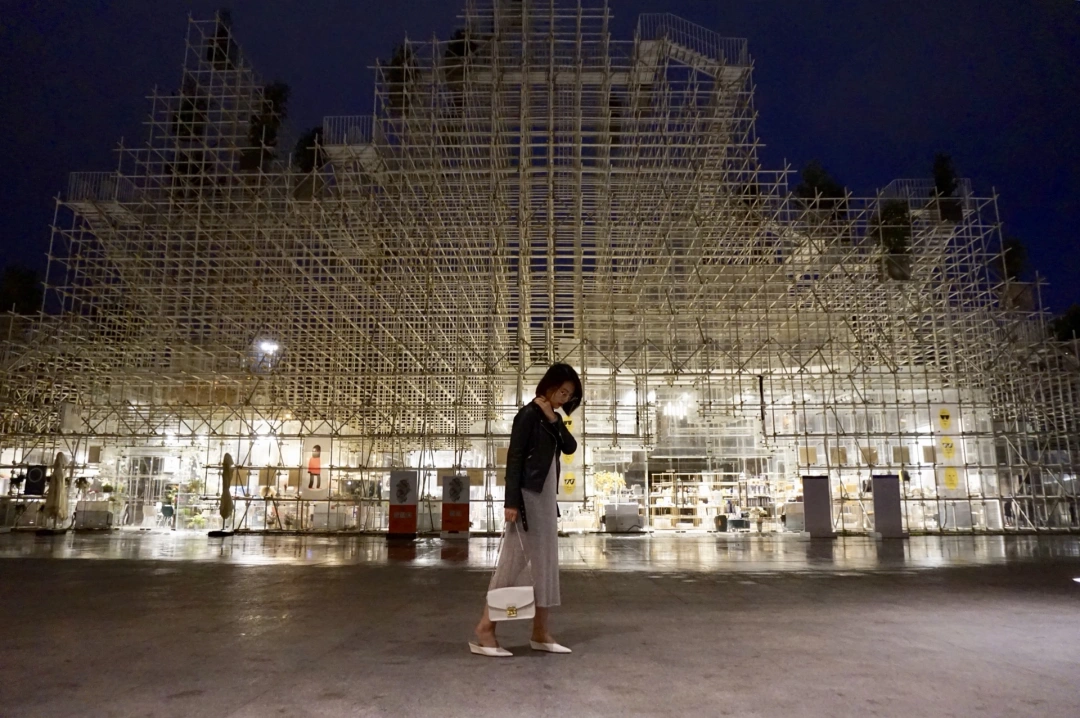
Your Shanghai art journey should begin in Pudong's Lianyang area, where the Distant Hill Pavilion (also known as Shanshui Yuanjing Zhiqiu) awaits. Located on Fangdian Road, this architectural marvel has become a viral Instagram spot—and for good reason.
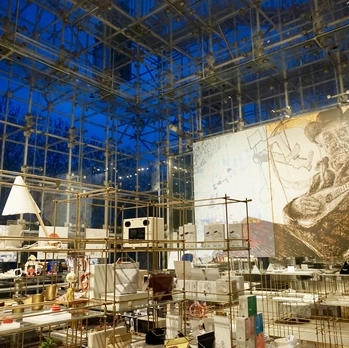
Why visit at dusk? Arriving as the sun sets allows you to appreciate the building's elegant form in natural light, then witness its transformation as artificial lights trace the flowing lines. The surrounding water features reflect the illuminated structure like a living ink-wash painting, while the nearby shopping mall's light show creates a dreamy symphony of light and shadow.
Pro tip: Exit 3 of Huamu Road Metro Station is just a short walk away. Time your visit for around 5:30 PM in winter or 6:30 PM in summer to catch both daylight and night views.
[Link: Best photo spots in Shanghai]
Lujiazui IFC: Where Finance Meets Art
From Distant Hill Pavilion, head straight to Lujiazui IFC (International Financial Center). This isn't just a shopping mall—it's a microcosm of Shanghai's role as a global financial hub. Skyscrapers pierce the clouds, luxury storefronts gleam, and professionals in sharp suits rush past, embodying the city's ambition and prosperity.
The observation deck experience: Looking down at the Huangpu River from IFC, you'll see the clusters of buildings on both banks forming a three-dimensional modern art canvas. This is where Shanghai's "Eastern Paris" identity becomes crystal clear—the same blend of historic grandeur and futuristic ambition that defines Paris, but with a distinctly Chinese character.
[Link: Lujiazui skyline viewing guide]
Morning Stroll Through Academia: Fudan and Tongji Universities
Fudan University: A Century-Old Institution in Spring Bloom
Shanghai's early morning chill adds a poetic quality to a visit to Fudan University, one of China's most prestigious institutions. The plane trees lining the streets sway in the morning breeze as you approach the campus during peach blossom season.
What makes Fudan special? The pink peach grove in front of the university gate drapes this century-old institution in a romantic veil. But the real star is Guanghua Tower—often called "China's most impressive university building." Its architectural style blends Western and Russian influences, creating a grand entrance that speaks to Fudan's heritage and academic spirit.
Architecture note: The building's clean, powerful lines combine Western geometric beauty with Eastern principles of symmetry. Standing before it, you can almost feel the weight of a century of scholarship.
[Link: Shanghai university campus tours]
Tongji University: A Suzhou Garden in the Heart of Shanghai
If Fudan is a grand scholar, Tongji University is a gentle Jiangnan maiden. Stepping onto Tongji's campus feels like entering a Suzhou garden—small bridges over flowing water, pavilions and terraces, lush trees providing shade at every turn.
Why visit Tongji? The campus architecture seamlessly blends with the natural landscape, combining modern design simplicity with traditional garden elegance. Walking through, time seems to slow down. It's the perfect escape from Shanghai's urban hustle, offering tranquility and beauty in equal measure.
The Bund: Shanghai's Timeless Waterfront
"The ten-mile foreign settlement—indeed, the Bund is the most beautiful." This saying proves true the moment you stand on the Bund, Shanghai's iconic waterfront promenade.
What to expect: Along the Huangpu River, a collection of international buildings—Gothic, Baroque, Neoclassical, Art Deco—sparkles in the sunset. These structures, witnesses to a century of Shanghai's transformation, tell the story of the city's journey from treaty port to global metropolis. On the opposite bank, Lujiazui's skyscrapers represent Shanghai's future.
The experience: Walking along the Bund's promenade, the river breeze brushes your face. Sightseeing boats crisscross the water, tourists flow like a tide, and history coexists with modernity. No matter how many times you visit, the Bund delivers new emotions and awe.
Best time to visit: Sunset offers the most dramatic views, when the historic buildings glow golden and the Pudong skyline begins to light up.
[Link: Bund walking tour itinerary]
Where Art Meets Life: From Viral Cafés to Glass Art
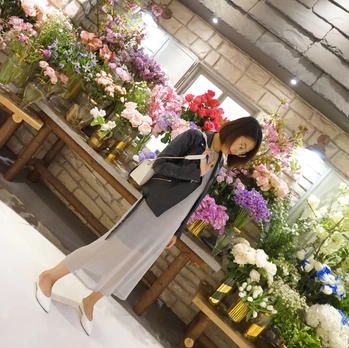
EDM CAFE: A Lesson in Instagram Traps
On your third day, you might be tempted to visit EDM CAFE, a viral spot that looks stylish in photos. However, be warned: the service and coffee quality may fall short of expectations. Not every viral spot lives up to its name—a reminder to prioritize authentic experiences over Instagram hype.
Tianzifang and Liuli China Museum: Hidden Gems
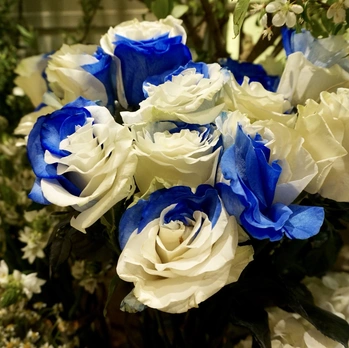
Tianzifang, the creative district packed with tourists, can feel over-commercialized—similar to many ancient towns in China. But right next to it lies a hidden world: the Liuli China Museum (Glass Art Museum).
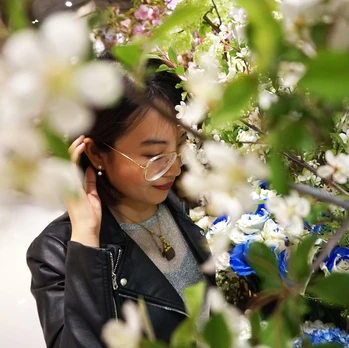
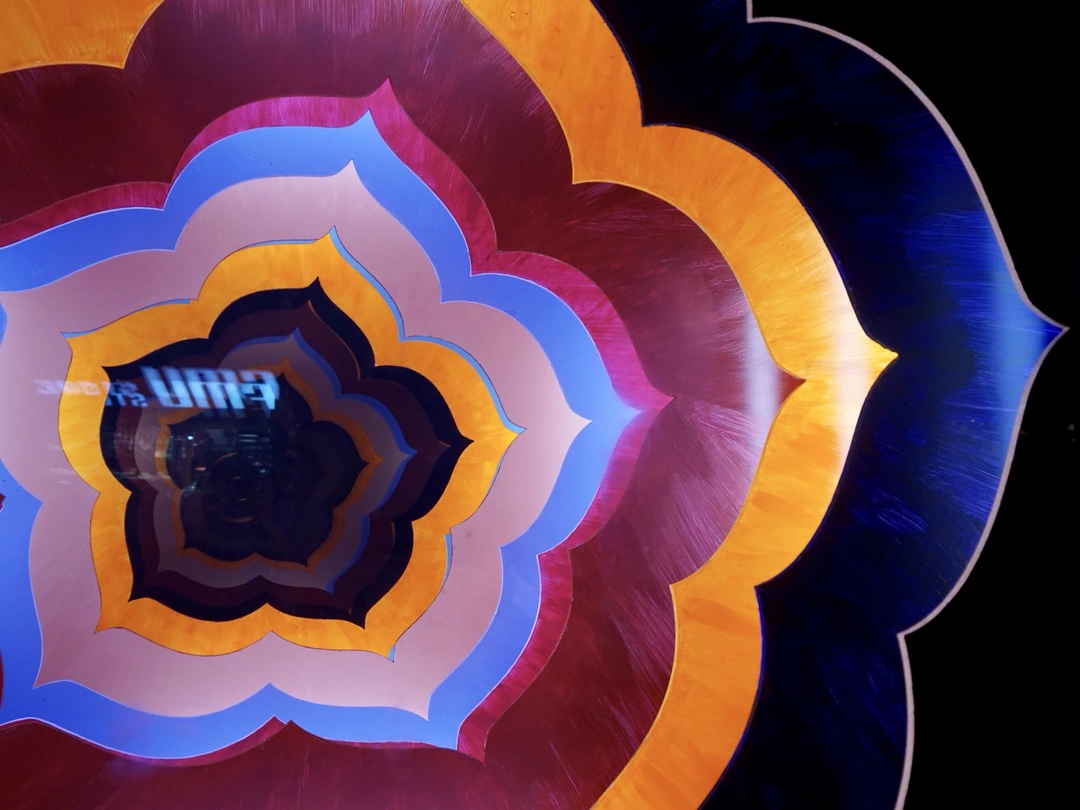
What makes it special: This museum is dedicated entirely to glass art, showcasing a stunning collection of glassworks. Light refracts through the pieces, casting colorful patterns that create dreamlike visual effects. The nighttime light show is reportedly breathtaking—if you have time, plan an evening visit.
Pro tip: If you're interested in glass art, Liuli China Museum deserves a dedicated visit of at least 1-2 hours.
[Link: Shanghai art museums guide]
China Art Palace (Zhonghua Yishu Gong): Symmetry Perfected
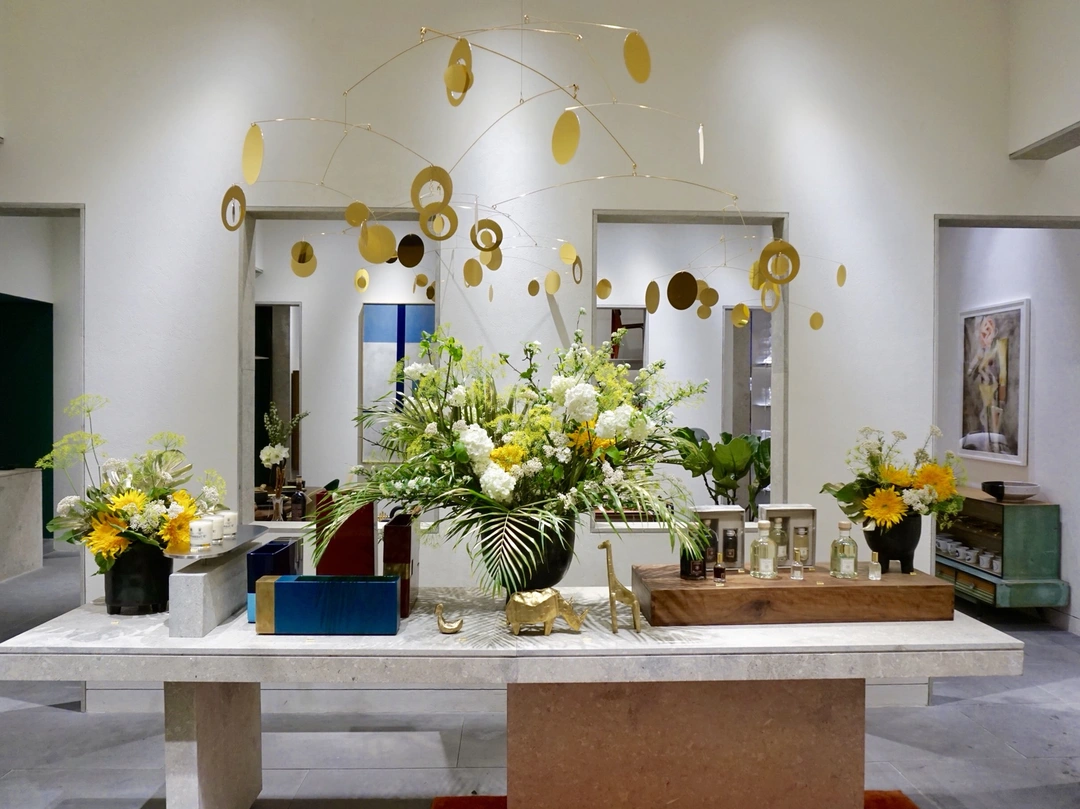
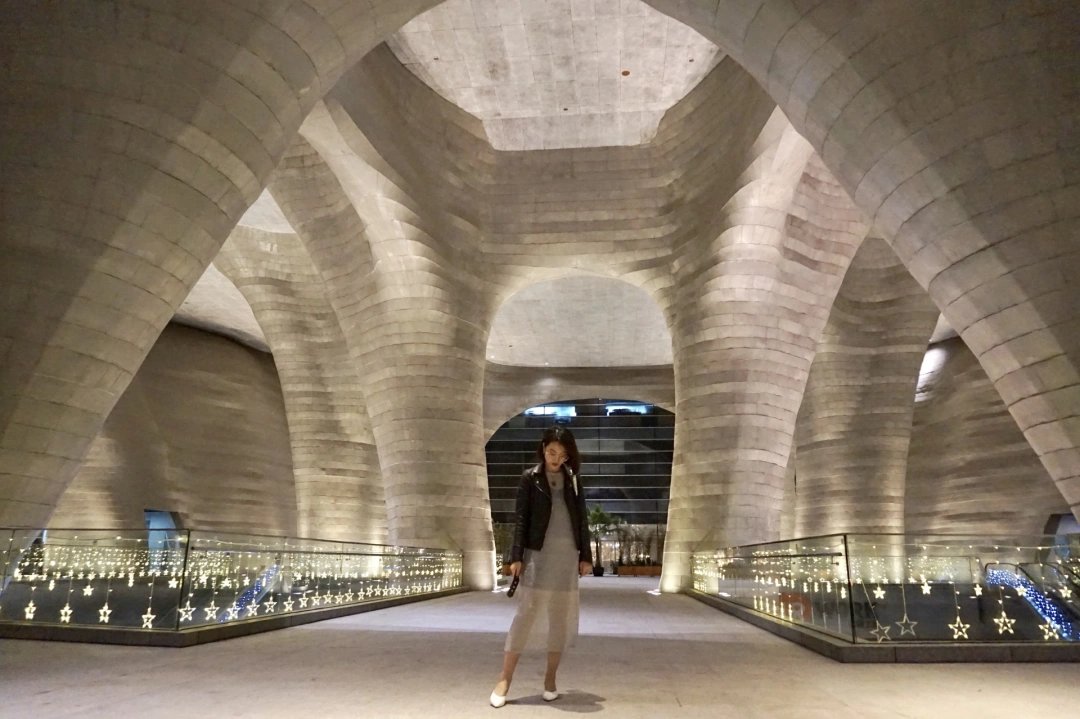
The China Art Palace, originally built for the 2010 World Expo, has become one of Shanghai's premier art venues. Stepping inside, you'll be captivated by the beauty of layered symmetry—from architectural structure to exhibition layout, everything reflects traditional Chinese aesthetics of balance and harmony.
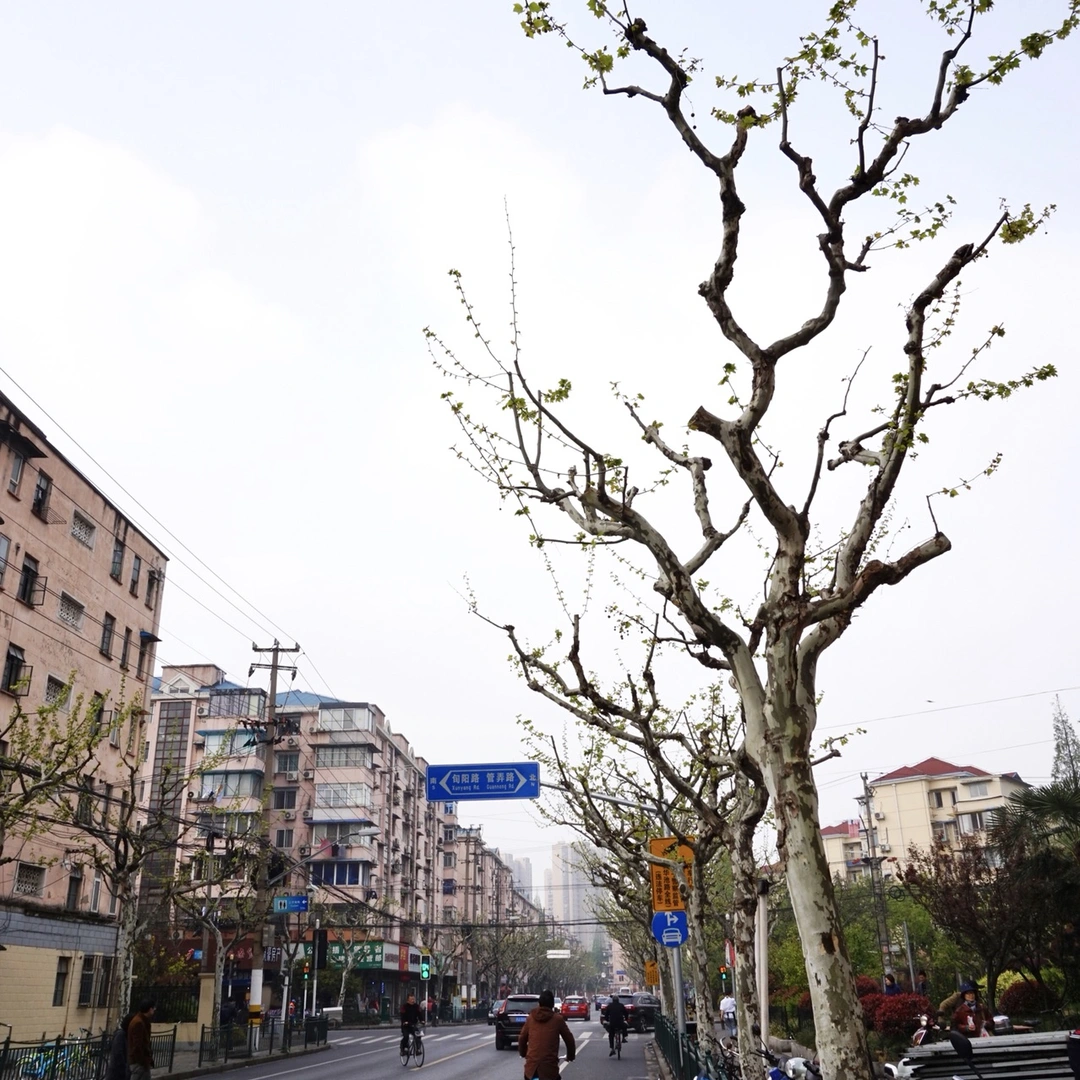
View from above: Looking down from a high vantage point, the entire space resembles a three-dimensional landscape painting, with flowing lines and clear layers. This fusion of traditional aesthetics and modern design leaves visitors in awe.
[Link: World Expo architecture in Shanghai]
SeeSaw Coffee: Minimalist Chic with a Pop of Color
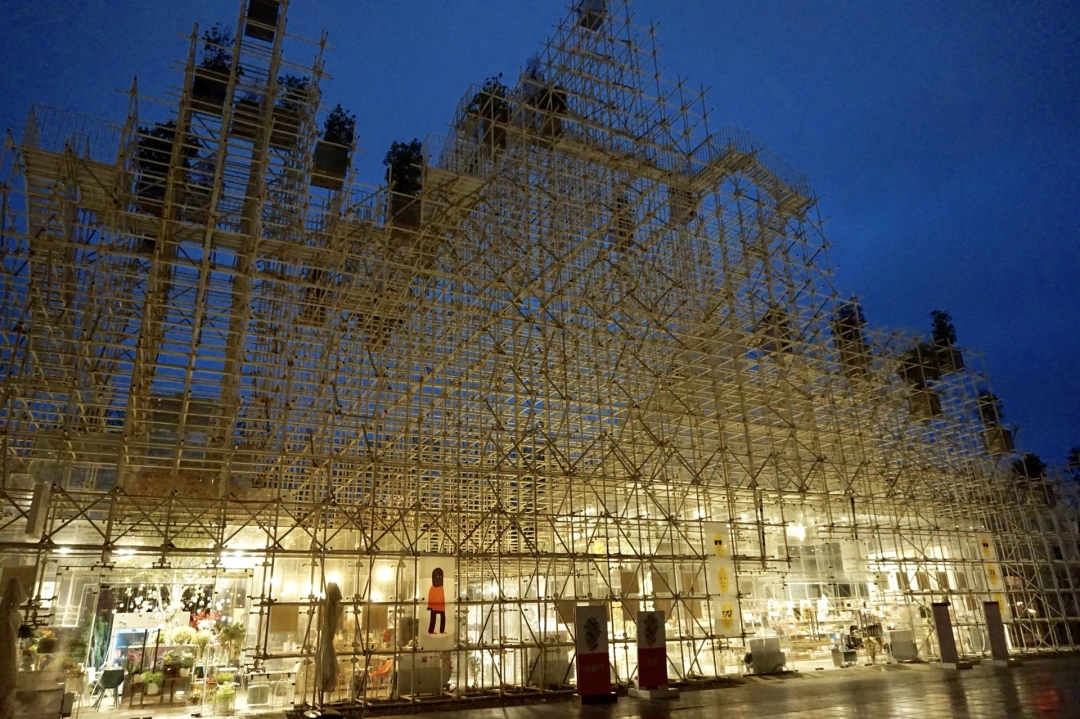
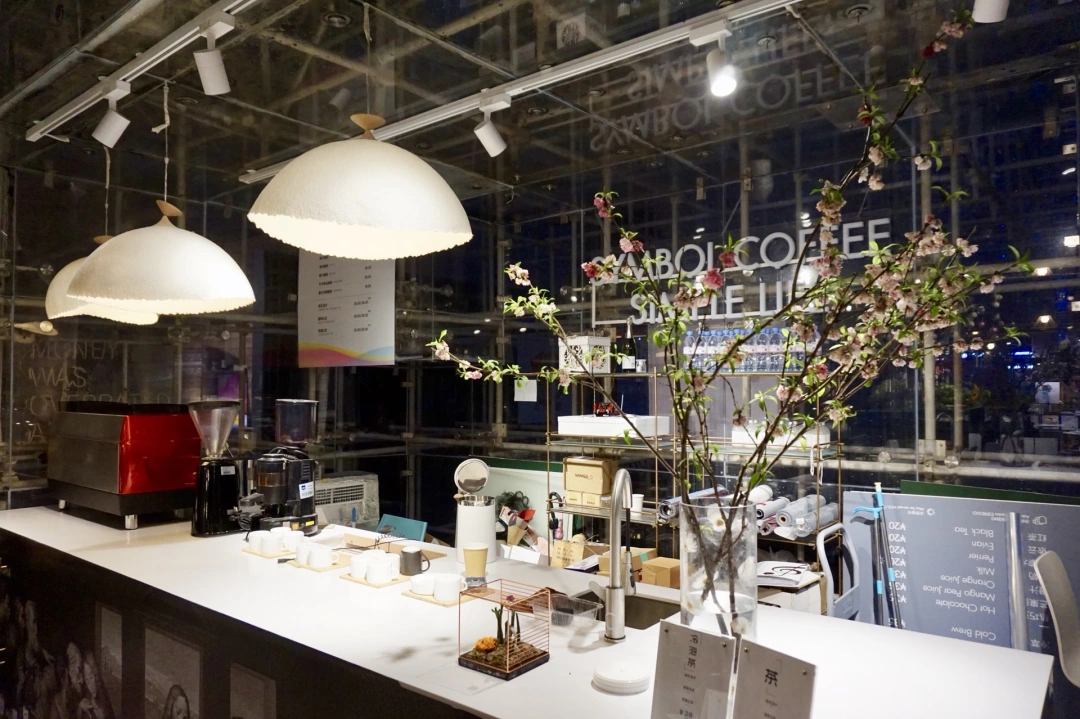
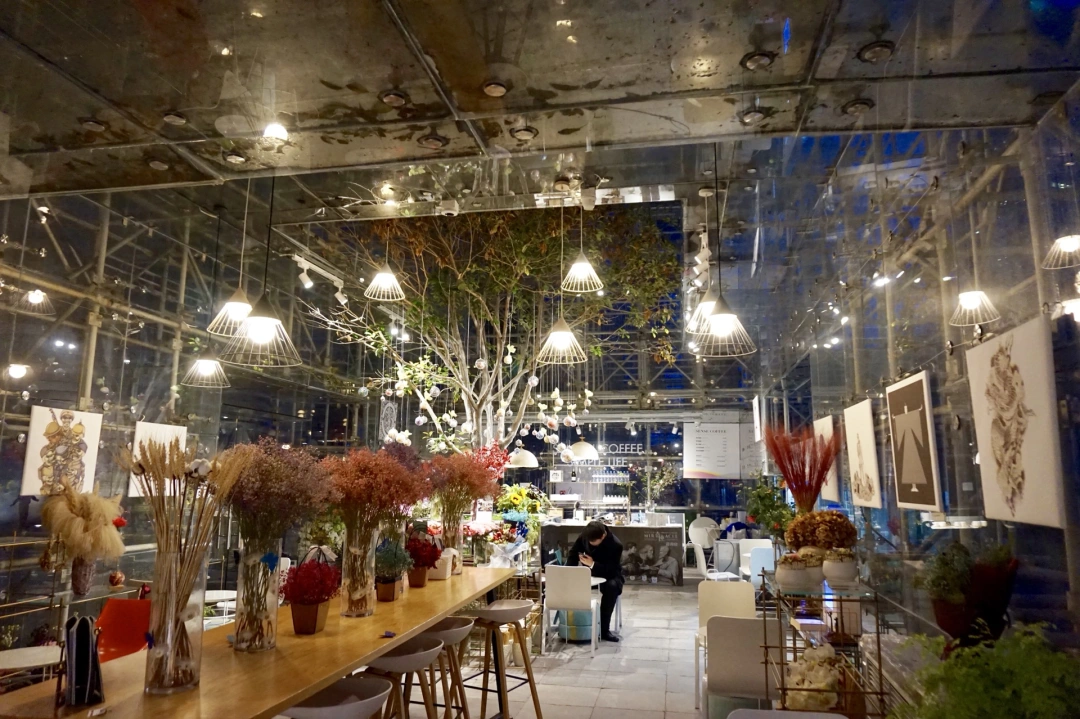
Near the China Art Palace, SeeSaw Coffee offers a different kind of art experience. Its interior follows the popular "minimalist" trend—simple, clean, understated. White and gray palettes complement natural wood furniture, creating a serene atmosphere.
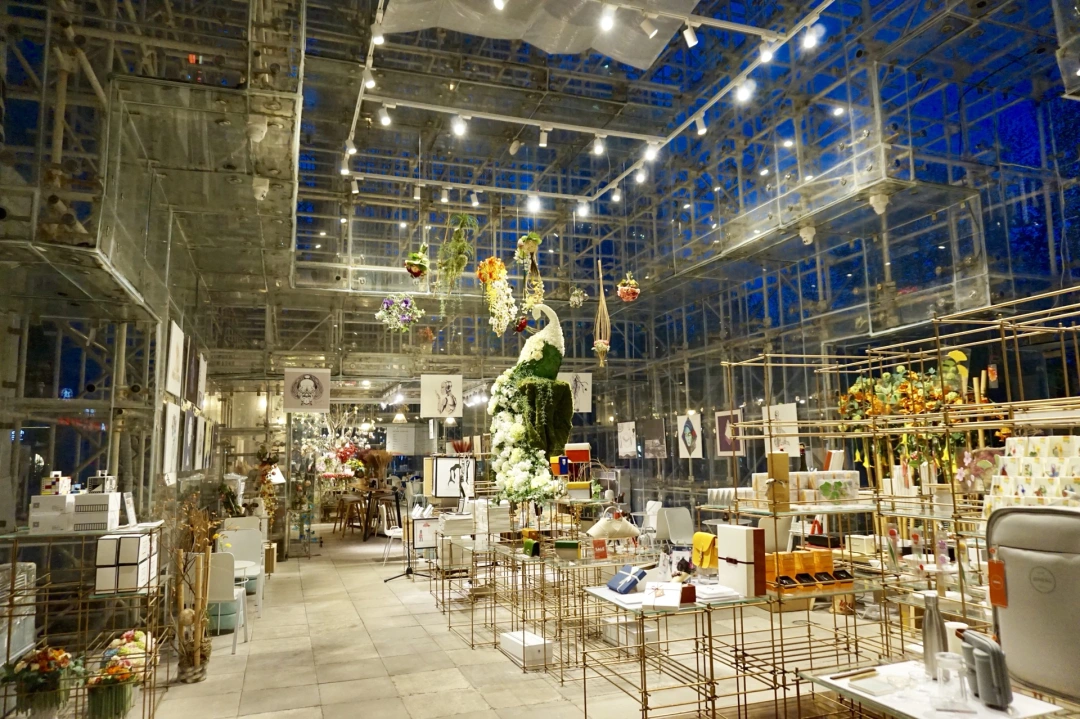
The photo opportunity: Order a latte and sit by the window, watching hurried passersby. A splash of pink in your outfit—or the café's signature latte art—adds life and elegance to the space. SeeSaw Coffee is a standout for anyone who loves photography and good coffee.
An Adult Store as Art: Urban Spectacle
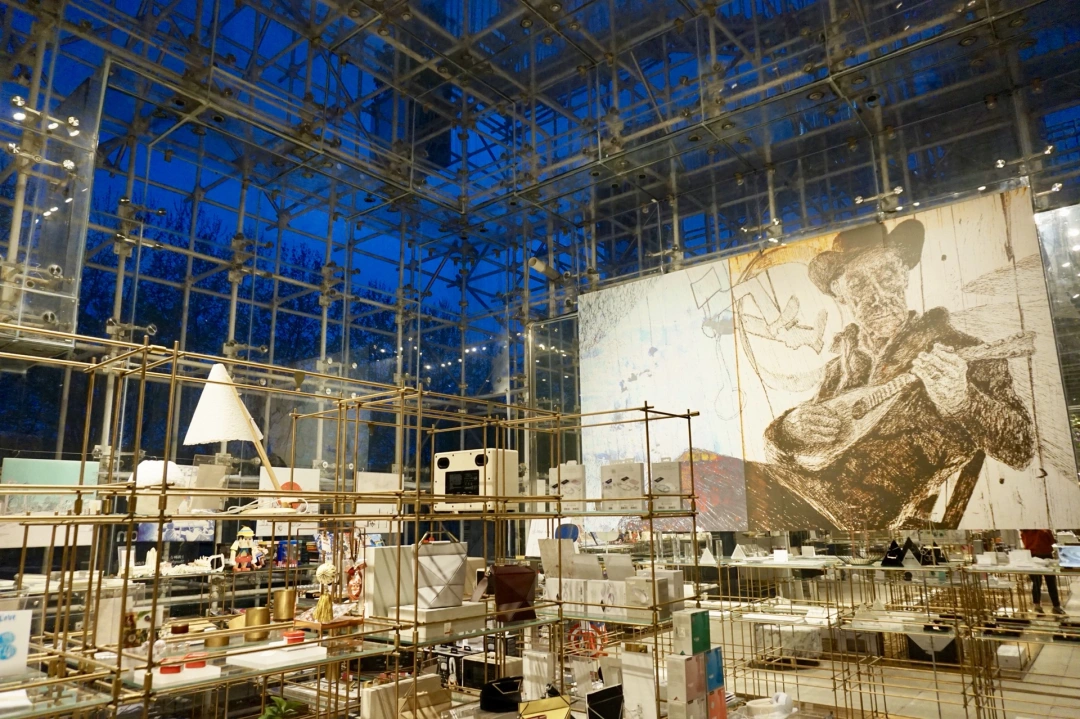
Wandering Shanghai's streets, you might stumble upon something unexpected—an adult store whose interior is designed like an art gallery. The lighting, layout, and product displays are meticulously curated, making the visit feel less like shopping and more like an art exhibition exploring the theme of "desire."
Why it matters: This is the hallmark of a truly international metropolis—even the most private topics can be presented artistically. It reflects Shanghai's open, inclusive, and diverse cultural atmosphere.
Nightfall: Artistic Shanghai, I Will Return
As your three-day journey comes to an end, night falls once again. Standing by the hotel window, looking out at the glittering cityscape, you'll feel a mix of reluctance and anticipation. Shanghai—the Eastern Paris—has delivered on its reputation.
From the Bund's historic grandeur to Pudong's futuristic skyline, from Fudan's academic heritage to Liuli China Museum's artistic innovation, Shanghai offers an art and urban journey that rivals any world city. The magic is real, the beauty is undeniable, and the experience is unforgettable.
FAQ: Planning Your Eastern Paris Journey
Q: Is Shanghai really like Paris? A: While Shanghai has its own unique character, the comparison to Paris is apt in terms of cosmopolitan energy, architectural grandeur, café culture, and a blend of historic and modern elements. Both cities offer world-class art, fashion, and dining.
Q: How many days do I need to explore Shanghai's art scene? A: Three days is ideal for a focused art and urban journey. Day 1: Pudong and the Bund. Day 2: Universities and cultural sites. Day 3: Museums and creative districts. Add extra days if you want to explore further.
Q: What's the best time of year to visit Shanghai? A: Spring (March-May) and autumn (September-November) offer mild weather and beautiful scenery. Summer can be hot and humid, while winter is cold but less crowded.
Q: Are these attractions suitable for solo travelers? A: Absolutely. Shanghai is very safe for solo travelers, and all the attractions mentioned are easily accessible by metro. Many cafés and museums are perfect for solo exploration.
Q: Do I need to speak Chinese to enjoy these places? A: While knowing some Chinese helps, most major attractions have English signage, and many staff speak basic English. Download a translation app for convenience.
Your Shanghai Adventure Awaits
Shanghai—the Eastern Paris—is more than a nickname. It's a living, breathing city that blends East and West, tradition and innovation, art and everyday life. Whether you're an architecture enthusiast, art lover, foodie, or urban explorer, Shanghai offers an experience that will stay with you long after you leave.
Ready to plan your journey? Start with the Bund at sunset, explore Fudan University's campus, lose yourself in the Liuli China Museum, and end your days at SeeSaw Coffee watching the city go by. The Magic Capital is waiting.
Book your Shanghai adventure today and discover why millions call it the "Paris of the East." Your art and urban journey starts now.
[Link: Shanghai travel packages] [Link: Shanghai hotel recommendations] [Link: Shanghai café guide]
You may also like