Deep in Shanghai's Longtang Alleys: A Four-Day, Three-Night Quest for Forgotten "Poetry and Distance"
Meta Description: Discover authentic Shanghai beyond the Bund. Explore hidden longtang alleys, local bengbang cuisine, and artsy Yongkang Road cafés in this 4-day, 3-night travel guide to finding "poetry and distance" in the Magic Capital.
Introduction: Escaping the Tourist Trail in Shanghai's Hidden Corners
In the summer of 2020, when the world seemed to hit pause, I decided to give myself a brief escape. Not to check off tourist spots, not for a shopping spree, but to rediscover in Shanghai—the city known as the "Magic Capital"—that sense of anticipation for life that daily routines had buried.
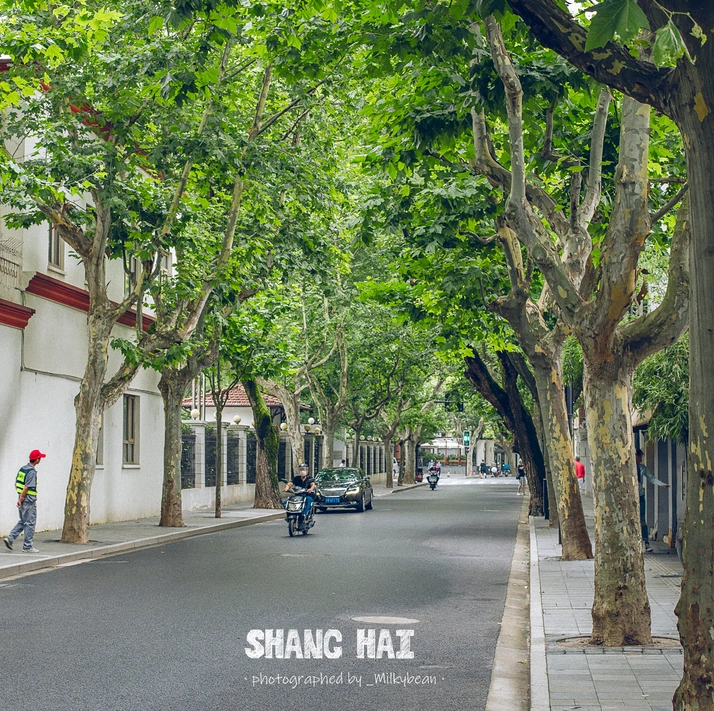
Four days, three nights. One backpack, one checklist, and an old friend I hadn't seen in ages. We steered clear of the crowded Bund and Nanjing Road, diving instead into tree-lined old lanes and alleys shaded by plane trees. We were hunting for the surprises hidden behind unassuming storefronts—a Shanghainese restaurant known only to locals, a tiny café where coffee is brewed with inspiration, a homeware store tucked inside a cave-like space, and century-old villas draped in creeping ivy.
This isn't your typical Shanghai travel guide. It's a personal journal about how to find your own "poetry and distance" in the midst of a bustling metropolis. If you're planning a Shanghai itinerary beyond the obvious, this is your insider's roadmap.
[Link: Shanghai off-the-beaten-path attractions]
1 | Master's Home Feast: Authentic Bengbang Cuisine in an Old Villa
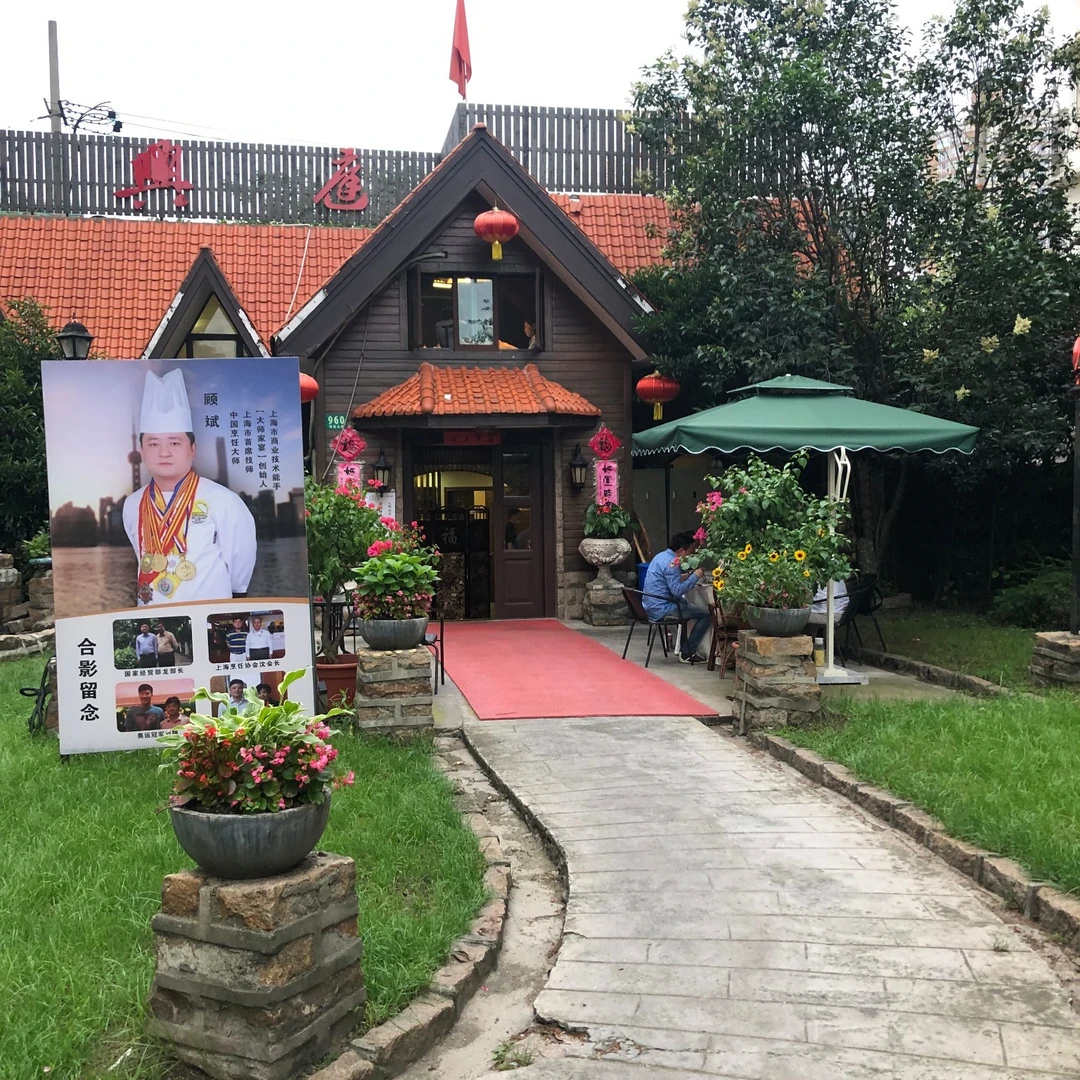
"Good wine needs no bush"—this old saying finds its perfect embodiment at Master's Home Feast (大师家宴).

I remember my first visit to Shanghai years ago. I told my best friend I wanted to try authentic bengbang cuisine (Shanghainese home-style cooking). Without hesitation, she recommended this little red-brick house hidden deep in a longtang alley, calling it her family's go-to "imperial canteen" for holidays. Back then, I couldn't understand why she was so certain about a restaurant that looked shabby and had terrible parking.
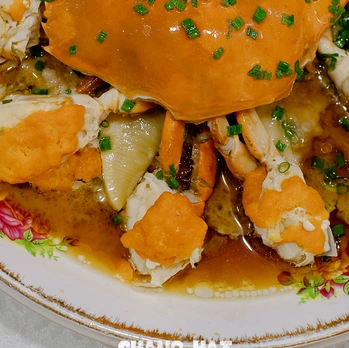
It wasn't until I took that first bite of the steamed crab with minced pork cake that I understood—some flavors are worth crossing the entire city for.
This return trip to Shanghai started right here. The same unremarkable lane, the same slightly weathered red-brick building. The moment I pushed open the door, a familiar aroma washed over me. The main hall was crammed with antique tea sets, even more crowded than I remembered. Waitstaff weaved through narrow corridors balancing plates, all private rooms were booked solid, and we ended up at the last table in the main hall.
But it's precisely this "hard-to-get-a-table" buzz that confirms it: this is where you find the real taste of Shanghai.
What to Order at Master's Home Feast
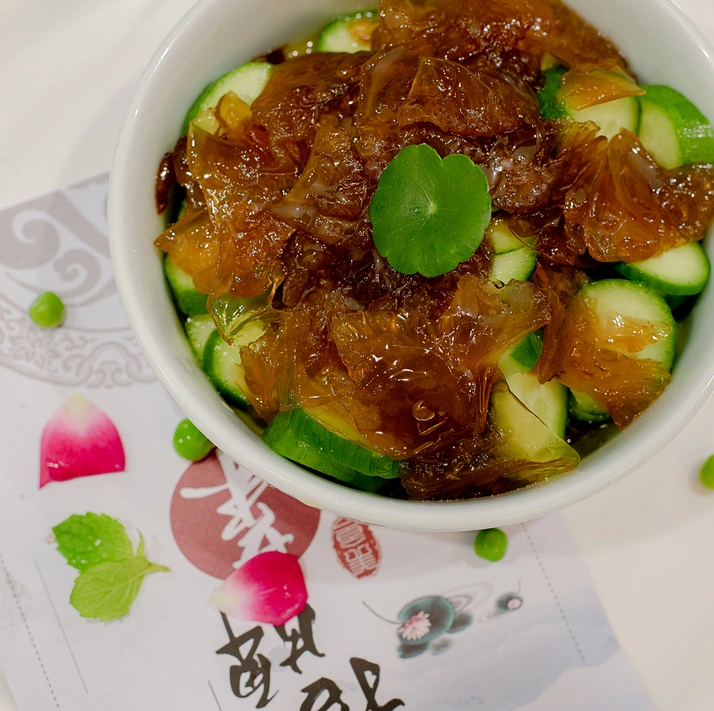
Cold Jellyfish Salad (凉拌海蜇) was the perfect appetizer. The jellyfish slices were marinated just right in a sweet, sour, and mildly spicy dressing—ice-cold, crunchy, and springy. The cucumber slices underneath had soaked up all the flavorful juices, crisp and delicious. The plate was cleaned in minutes.
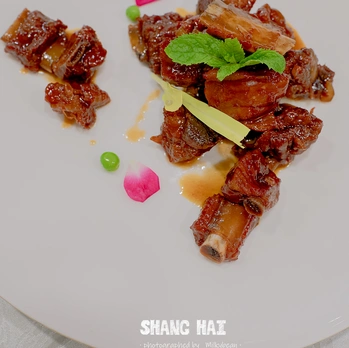
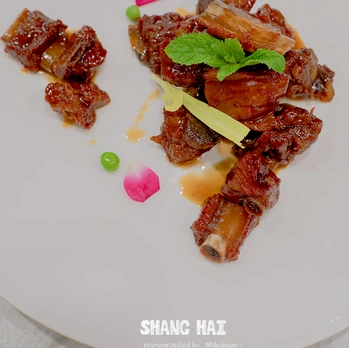
Sweet and Sour Spareribs (糖醋小排) is a bengbang classic. Unlike some restaurants that drown the ribs in thick, cloyingly sweet sauce, here the dish carried a refreshing fruity aroma, with a balanced sweetness and acidity. The ribs were braised until tender, practically melting in your mouth. You could eat several pieces without feeling overwhelmed.
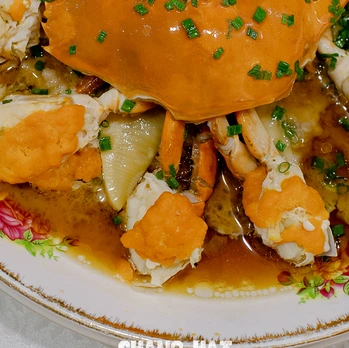
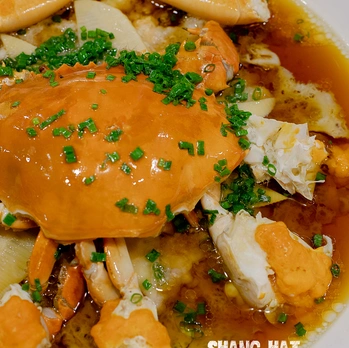
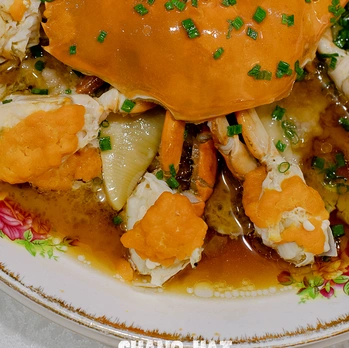
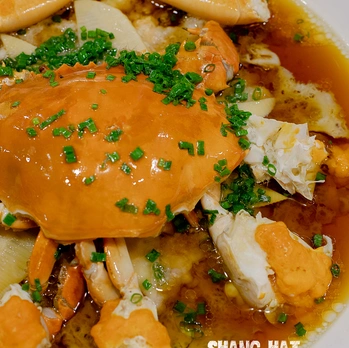
Steamed Crab with Minced Pork Cake (肉饼蒸梭子蟹) is, in my opinion, the star of the show. The plump crab meat, drizzled with scallion oil, was already tempting enough. But the real showstopper was the minced pork cake underneath. It had absorbed the crab's umami and the fragrance of scallion oil, resulting in a silky, rich, and layered texture. Granted, it wasn't crab roe season, so the roe wasn't abundant, but the kitchen still selected quality ingredients. My advice: order a bowl of steamed rice and pour the crab juices over it. That feeling of satisfaction can heal any exhaustion.
Eel Shreds with Eggplant (茄子鳝丝) offers a different expression of Shanghainese cuisine. Eel and eggplant—an unlikely pair—come together in a rich, dark sauce to create an unexpectedly harmonious dish. The eggplant absorbed the sauce's essence, becoming soft and flavorful, even more addictive than the eel itself.
Crab Roe with Cabbage Paste (蟹粉白菜糊) is a traditional delicacy. Mix the silky cabbage paste with the savory crab roe, and every spoonful is a gentle comfort to the palate. The only downside was that the seasoning was a bit salty, making it best enjoyed mixed with rice—and it's dangerously easy to overeat.
Stir-fried Amaranth with Garlic (蒜泥清炒苋菜) is a summer favorite in Shanghai. No complicated cooking needed—just fresh ingredients and the right heat to bring out the purest flavor.
The only disappointment was the Red Bean Paste Tangyuan (红豆沙圆子). The red bean paste was too thin, like a watery soup with a hint of red bean flavor, and the glutinous rice balls were just filler. But against a table full of delicious food, this small flaw was easy to overlook.
At around 200 RMB per person, getting such authentic Shanghainese bengbang cuisine is a steal. This restaurant deserves a spot on your "Shanghai Must-Eat List."
[Link: Best Shanghainese restaurants in Shanghai]
2 | Yongkang Road: Where Refinement Meets Local Flavor
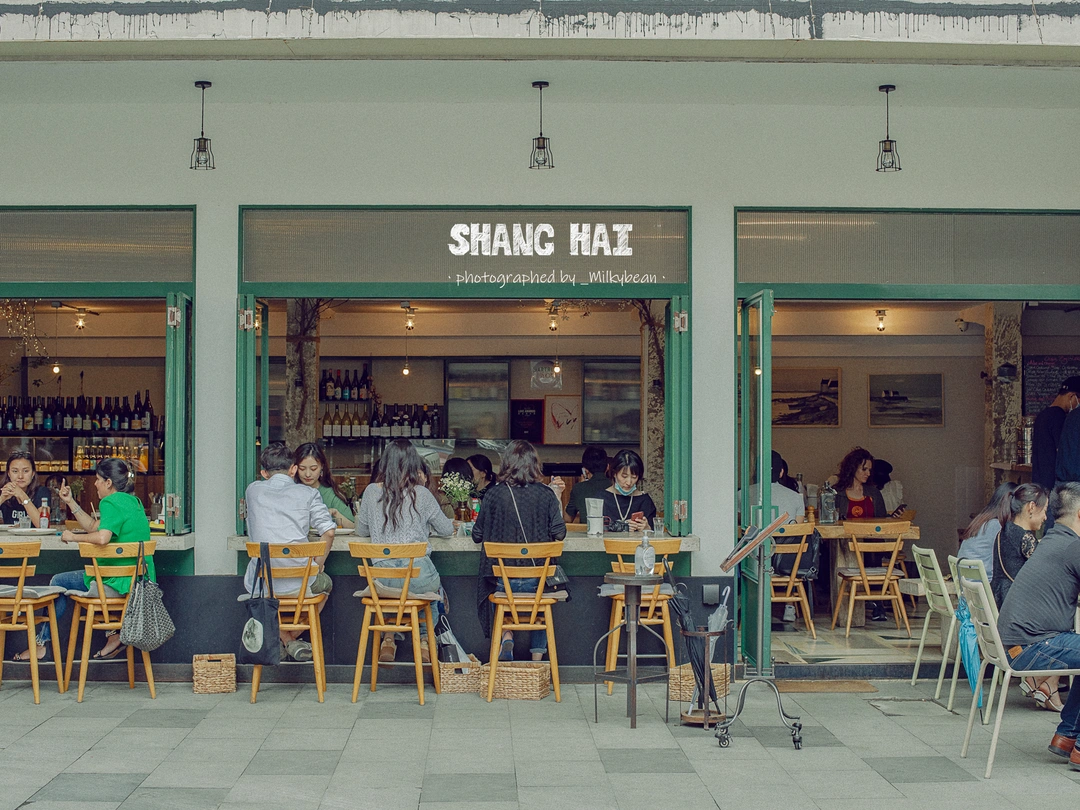
Yongkang Road is the gathering place for Shanghai's artsy crowd. On this street, less than 500 meters long, countless stylish little shops are tucked away—cafés, dessert shops, concept stores, homeware boutiques—each with its own unique character. It's a must-visit for anyone seeking Shanghai hidden gems and local hangouts.
O'MILLS: A Slow Brunch in a Timeless Space
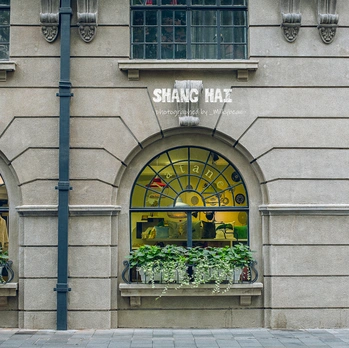
From a distance, we spotted the glass window wrapped in greenery. We knew we'd found it.
O'MILLS's facade is unassuming, but the queue outside gave away its popularity. The moment we pushed open the door, the aroma of coffee and soft music enveloped us. The ground floor features floor-to-ceiling windows along the street, with a row of high stools and tables. Fashionable girls sat there, sipping coffee and chatting, with beautifully presented light meals on their tables.
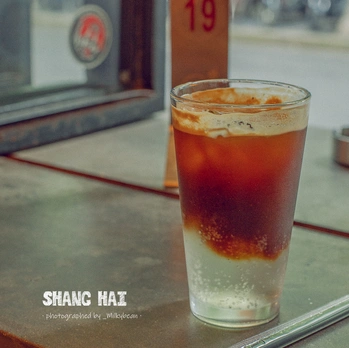
We ordered a serving of Truffle Fries—crispy, thick-cut fries generously sprinkled with black truffle and Parmesan cheese, with a bit of arugula to cut the richness. Eaten hot off the plate, the combination of crispy, creamy, and savory flavors was irresistible.
The Super Beef Panini was bigger than I expected. Thick slices of beef, paired with pickled cucumber and bell peppers, sandwiched between crispy bread. It had a mildly spicy, savory kick—satisfying and filling. Three pieces, however, were a bit much for a normal appetite.
My friend ordered the Maple Thick-Cut Bacon with Sweet Potato and Fried Egg. The bacon was shaped like a piece of red-braised pork—fun and delicious. But the sweet and rich combination could get a bit heavy, requiring a smooth flat white to cut through.
Sitting by the window, watching sunlight filter through the plane tree leaves, casting dappled shadows on the wooden table—at that moment, I suddenly felt this was exactly the "poetry and distance" I was looking for.
In Dough We Trust: A Sweet Encounter with the French Countryside
If O'MILLS is refined urban chic, then In Dough We Trust is rustic countryside charm.
Tucked away on a corner of Yongkang Road, this tiny shop is completely different from the polished, hipster cafés around it. The space is cramped, but the interior is carefully styled to look like a local kitchen in the South of France. Word has it the owner learned her craft from an elderly French woman and returned to open this nostalgic, low-key dessert shop.
I particularly loved the blue-and-white patterned ceramic tiles on the wall and the row of brass baking molds hanging there—full of character and memories. The shop offers freshly made desserts daily. Their current specialty, poached peaches in syrup, was said to be perfect for summer. Unfortunately, on non-workdays, they only make ten servings a day, and we arrived too late to try any.
I ordered a slice of Red Velvet Cake and a Latte, sitting alone by the window, watching the noise and heat outside get washed away by a sudden downpour. The latte left a stronger impression than the red velvet cake. It had that simple, just-right comfort taste, reminding me of a cup of coffee made with my favorite beans at a friend's house.
[Link: Best cafés on Yongkang Road Shanghai]
3 | Hidden Longtang Treasures: Beyond the Main Streets
Beyond the well-known spots, the true magic of Shanghai's longtang alleys lies in the unexpected discoveries. These narrow lanes, flanked by century-old villas draped in ivy, hide everything from vintage clothing stores to art galleries and tiny noodle shops that have been serving the same family recipe for generations.
How to Explore Shanghai's Longtang Alleys
- Start early morning (around 8 AM) to catch the neighborhood waking up—elderly residents practicing tai chi, vendors setting up stalls, and the smell of fresh you tiao (fried dough sticks) filling the air.
- Wear comfortable shoes—these alleys are meant for walking, not driving.
- Bring a camera but ask permission before photographing locals or their homes.
- Be respectful—these are still residential areas where people live their daily lives.
[Link: Shanghai longtang walking tour guide]
FAQ: Planning Your Shanghai Longtang Adventure
1. What is the best time to visit Shanghai's longtang alleys?
Spring (March to May) and autumn (September to November) offer the most pleasant weather for walking. Summer can be hot and humid, but the plane trees provide ample shade. Winter is quieter but can be chilly—perfect for cozying up in a hidden café.
2. How do I find hidden restaurants like Master's Home Feast?
Ask locals! Hotel concierges, taxi drivers, and shopkeepers are excellent sources. You can also search Chinese food apps like Dianping (大众点评) for highly rated but lesser-known spots. Many authentic bengbang restaurants don't have English menus or websites.
3. Is Yongkang Road suitable for families with children?
Yes, but it's best for older children who enjoy walking and exploring. The cafés are generally child-friendly, though some smaller shops may be cramped. O'MILLS has space for strollers, and the food is kid-approved.
4. What should I budget for a 4-day Shanghai longtang trip?
A comfortable mid-range budget would be approximately 3,000–5,000 RMB per person, including accommodation (800–1,500 RMB/night for a good hotel near the French Concession), meals (200–400 RMB/day for quality local dining), and activities. This doesn't include flights or shopping.
5. Can I visit these places without speaking Chinese?
Yes, but it helps to have a translation app handy. Many trendy cafés on Yongkang Road have English menus and staff who speak basic English. For traditional restaurants like Master's Home Feast, bringing a photo of the dish or having a Chinese-speaking friend can make ordering easier.
Conclusion: Your Shanghai Longtang Journey Awaits
Shanghai's longtang alleys offer something that guidebooks and tourist attractions simply cannot: the feeling of discovery. Each lane, each unmarked doorway, each tiny shop holds a story waiting to be uncovered. Whether it's the soul-warming flavors of bengbang cuisine at Master's Home Feast, the artsy vibe of Yongkang Road's cafés, or the simple joy of getting lost among century-old villas, this city rewards those who venture beyond the obvious.
Four days, three nights. One backpack. And a lifetime of memories.
Ready to find your own "poetry and distance" in Shanghai? Start planning your longtang adventure today. Pack comfortable shoes, bring an open mind, and leave your expectations at home. The Magic Capital is waiting to reveal its secrets—one hidden alley at a time.
[Link: Book a Shanghai longtang walking tour] [Link: Shanghai travel tips for first-time visitors]
Have you explored Shanghai's hidden longtang alleys? Share your favorite discovery in the comments below—we'd love to hear about your own "poetry and distance" moments in the Magic Capital!
You may also like