Crossing the Secret Land of South Australia: A Complete Guide to a Two-Day, One-Night Road Trip from Melbourne
Meta Description: Planning a Melbourne to South Australia road trip? Discover a budget-friendly 2-day, 1-night itinerary covering Wilsons Promontory, Phillip Island, and hidden coastal gems. Expert tips on car rental, driving rules, and affordable accommodation.
Introduction: When the Wheels Turn Toward the Other Side of the World
Have you ever imagined this scene—driving a car that's not exactly new, a hot coffee in the passenger seat, and an ever-changing landscape outside your window: from the city skyline to countryside cottages, from endless pastures to rugged, majestic coastlines, from dense rainforests to star-filled skies? This isn't a montage from a movie; it's a real journey unfolding at the southern tip of the Australian continent.
After living in China for so long, we're used to crowds and traffic jams. But driving in Australia is a completely different experience. This country, the sixth largest in the world by land area, has a population roughly equivalent to that of Shanghai alone. With such vast, sparsely populated land comes boundless natural beauty—cliffs, crashing waves, grasslands, pastures, deserts, and long beaches. Every landscape is waiting for your wheels to measure it.
At the end of August 2018, during the late winter and early spring of the Southern Hemisphere, I set off on a two-day, one-night road trip from Melbourne with five friends. This wasn't just a trip; it was a pilgrimage to the most pristine nature imaginable. If you want to experience this unique driving joy, this complete guide—from planning to execution—might help you avoid some detours.
Chapter 1: The "Arsenal" Before Departure – Budget-Friendly Car Rental for Your Australia Road Trip
As a broke student, cost-effectiveness is always my top priority when planning a trip. The three core elements of a road trip—car, attractions, and accommodation—each require careful budgeting.
Best Car Rental Platforms for Melbourne Road Trips
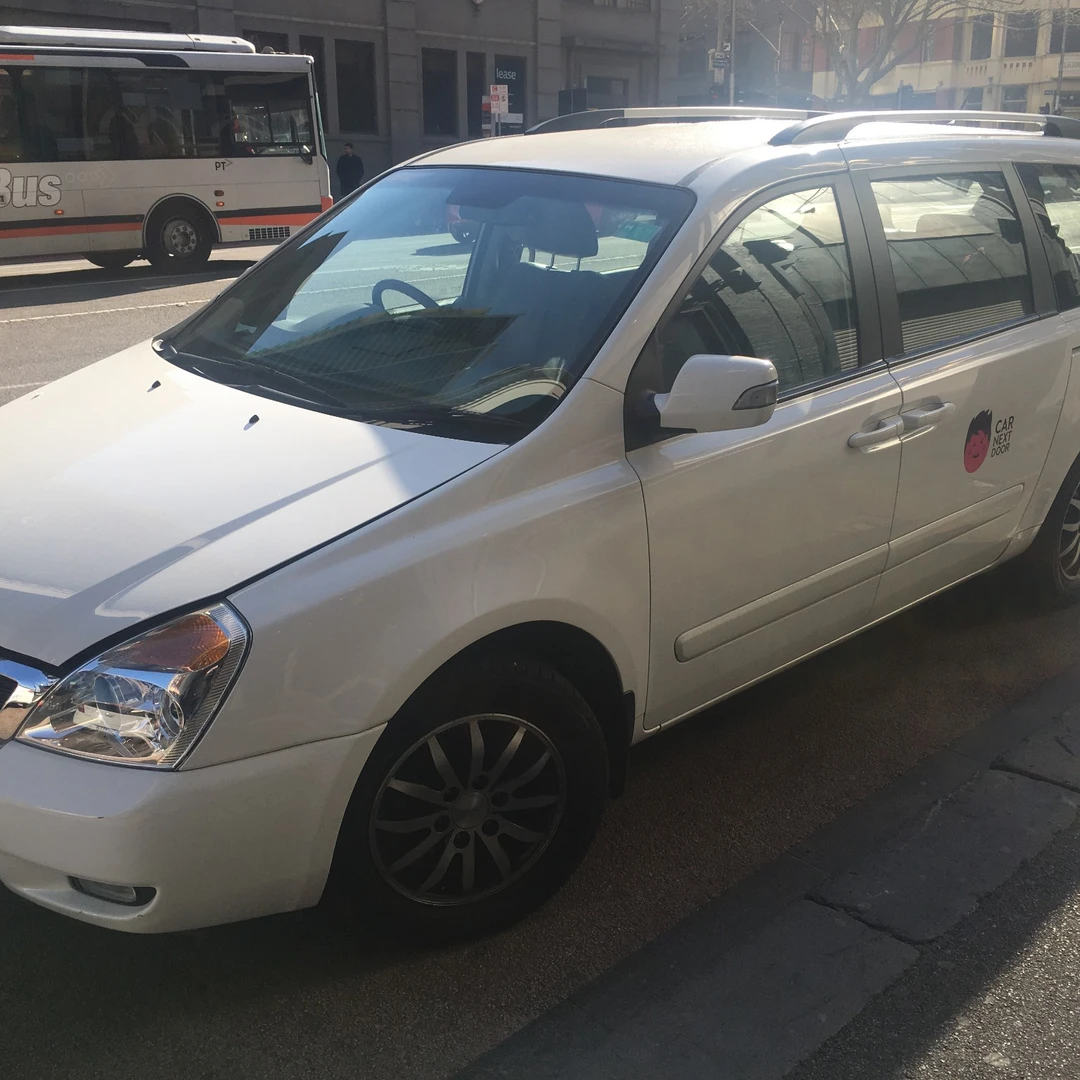
The car rental platform I chose was Car Next Door, an Australian peer-to-peer car-sharing platform. Its biggest advantages: convenience, affordability, and flexibility. You just register on the website or app, upload photos of your driver's license and translation, pay a $250 deposit for the first two rentals, and then even the deposit is waived. Pick-up and drop-off are fully self-service, with no complicated contracts and no need to worry about rental company business hours.

The car key is usually placed in a lockbox on the window. Fifteen minutes before your rental starts, the platform notifies you of the exact parking location and the lockbox code. Once you find the car, take photos of its exterior condition as evidence, then grab the key and go. The whole process is as smooth as a treasure hunt.
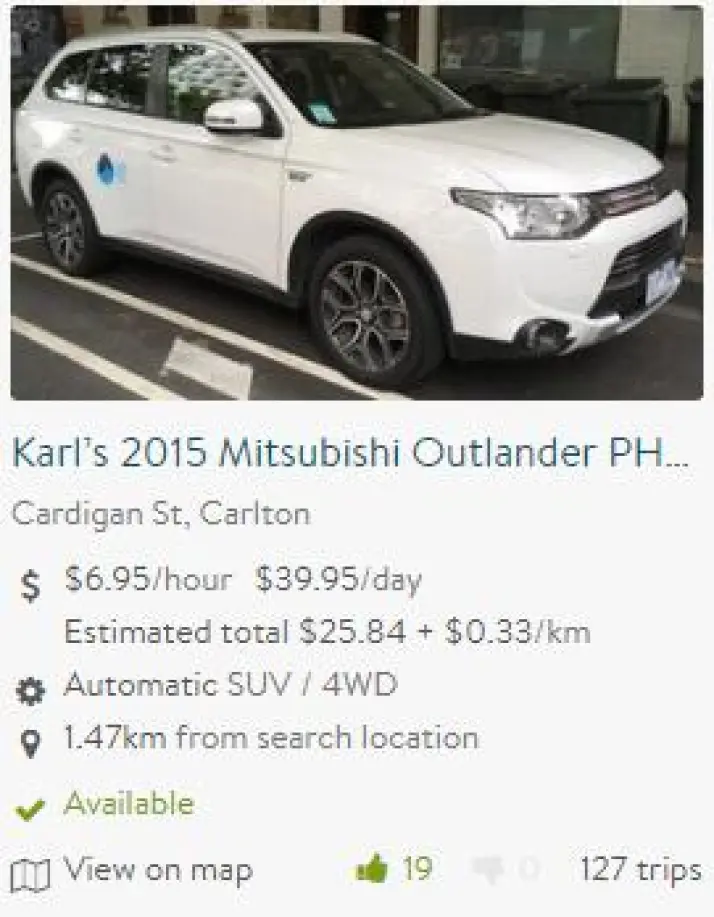
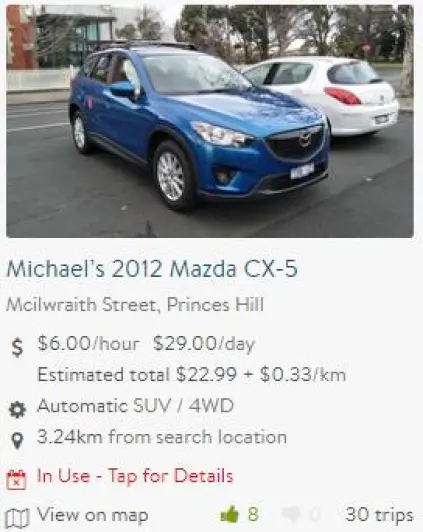
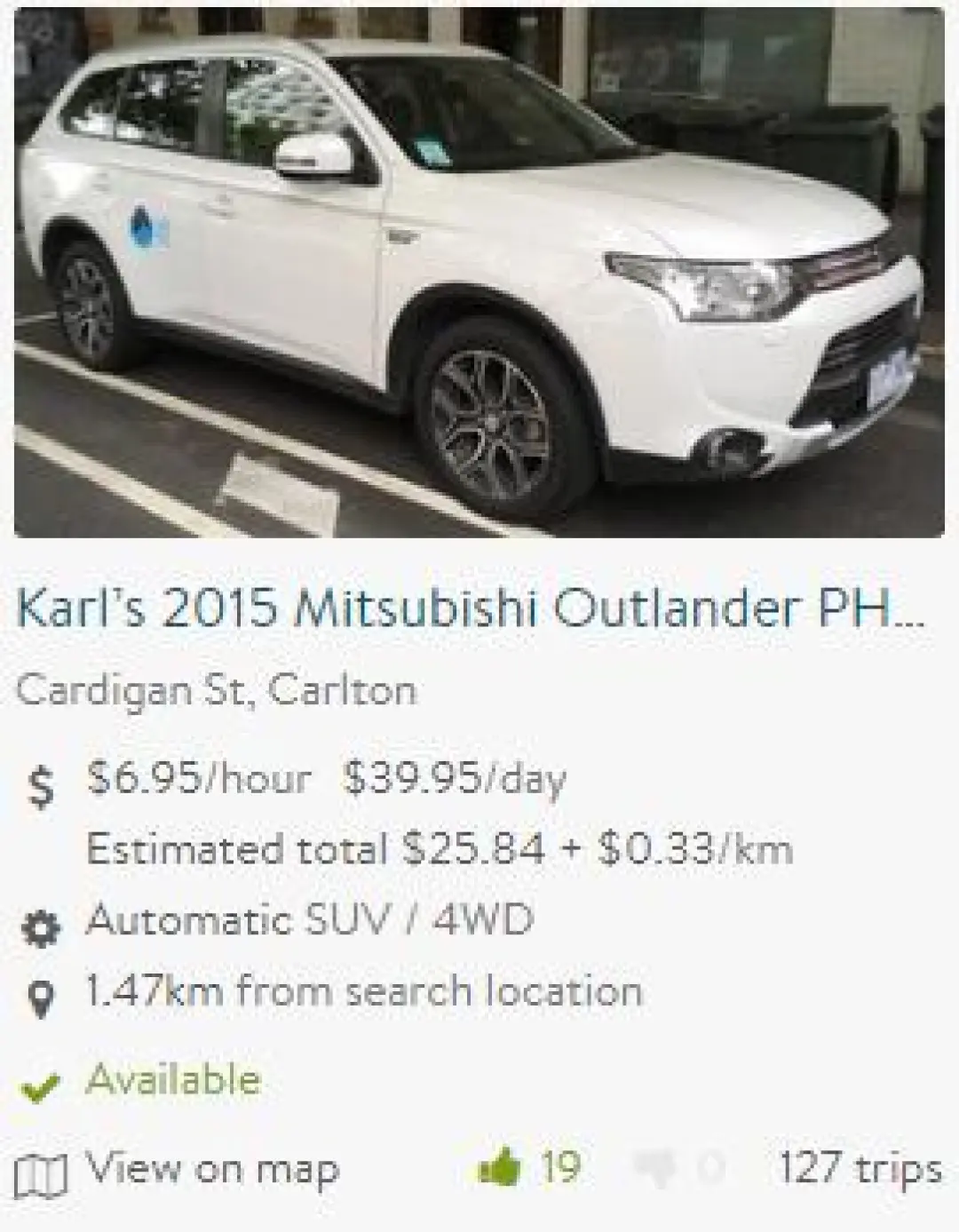
In terms of costs, car rentals in downtown Melbourne typically range from $30 to $50 per day. For example, a 2015 Mitsubishi Outlander costs just $40 per day, and a 2012 Mazda CX-5 is as low as $30. Prices in remote areas are even lower. Additionally, there's a $5 booking fee per rental, and fuel is charged at $0.33 per kilometer.
For this trip, I rented a 2012 Kia Carnival, a minivan that seats eight people. The rental was $40 per day, and for a two-day, 500-kilometer trip, the total cost was just $250. In comparison, traditional rental companies like AVIS charge around $200 per day for a similar vehicle, Europcar about $160, and Hertz $100—and none of these quotes include fuel. The Kia Carnival's fuel consumption is about 15 liters per 100 kilometers, and the average price of 95-octane gasoline is $1.65 per liter. This means the total costs for traditional rental companies would be $520, $440, and $320 respectively. Car Next Door's cost-effectiveness is clear.
Other platforms have their own characteristics: Jucy is cheaper than Hertz but has older cars; GoGet has moderate prices (Kia Carnival at $110 per day, including fuel for 150 kilometers), but registration is restrictive and there's a registration fee. Of course, if your English isn't great or your budget is generous, you can also book directly on Chinese travel websites.
Essential Australian Driving Tips for International Visitors
- Driver's License: A Chinese driver's license is valid in Australia, provided you have a NAATI-certified translation. You can get one on Taobao for about 50 RMB, and it'll be ready in half a day.
- Seatbelts: The law requires everyone in the car to wear a seatbelt.
- Driving Habits: The first turn you make in Australia will likely have you instinctively turning on the windshield wipers—because the turn signal stalk is on the opposite side from in China. Don't worry; you'll get used to it in ten minutes.
- Roundabout Rules: With fewer people, Australia uses roundabouts instead of traffic lights at many intersections. Unlike in China, you don't signal when going straight; signal right when turning right, and left when turning left.
- Other Details: Car Next Door specifically emailed me reminders: yield to pedestrians, no left turns on red, and when parking on the side of the road, the rear of the car must face the curb. Traffic rules in Melbourne's CBD are a bit complicated, especially right turns. I recommend searching online for "Melbourne right turn rules" beforehand. Some highways are toll roads; you can set Google Maps navigation to "avoid tolls."
[Link: Melbourne driving rules for international visitors] [Link: NAATI translation services for Chinese driver's license]
Chapter 2: Selecting Attractions – Google Maps Is Your Travel Advisor for South Australia Road Trip
Australia doesn't have a long history, but its natural scenery is absolutely top-notch. I relied entirely on Google Maps to filter attractions, searching for keywords like National Park, National Reserve, Wildlife, Animal, and then browsing images and related information.
Wilsons Promontory National Park – Victoria's Crown Jewel
This was the highlight of the trip and the most popular natural area in Victoria. Beaches, rainforests, mountains, forests, deserts—many different landscapes converge here, and the park has dedicated camping areas. I visited once in 2017 and have been thinking about it ever since, so I decided to revisit. If you're planning a two-day Melbourne road trip, allocate at least half a day here.
Bunurong Marine National Park – Coastal Wonders
A gently sloping coastal natural area right next to the highway. Iconic spots include "Eagles Nest" and "The Caves," which are excellent places to watch waves crashing against the rocks. This is a perfect stop on your way from Melbourne to Phillip Island.
Phillip Island Nature Parks – Penguin Parade and More
Known to Chinese tourists as "Penguin Island," this includes the Koala Conservation Centre, the Penguin Parade, Churchill Island Heritage Farm, and a chocolate factory. I highly recommend Churchill Island Farm, followed by the Koala Conservation Centre; the other attractions are less impressive. Tickets can be purchased on the official website, Chinese travel sites, or at the entrance.
Maru Koala and Animal Park – Hand-Feeding Kangaroos
It's not large, but its biggest selling point is the chance to get up close and hand-feed kangaroos. Tickets can be bought on the official website or at the entrance. This is a must-visit for families with children.
Cape Liptrap Coastal Park – Dramatic Coastal Views
Famous for its stunning views of crashing waves, with a white lighthouse standing on the cape. It's worth a visit, especially during sunset.
[Link: Wilsons Promontory hiking trails guide] [Link: Phillip Island Penguin Parade tickets and tips]
Chapter 3: Accommodation – Choose the Right Homestay, and Half the Trip Is a Success
For accommodation, I default to Airbnb. Homestays come in various styles, offer good value, and are a no-brainer for students. Based on the selected attractions, possible accommodation locations include:
- Inverloch: Right by the sea, just a few kilometers from Bunurong Marine National Park.
- Wonthaggi: Inland, with complete amenities and a national coal mine heritage site.
Not recommended are Sandy Point and Cape Paterson—these towns are too small to even have a decent supermarket.
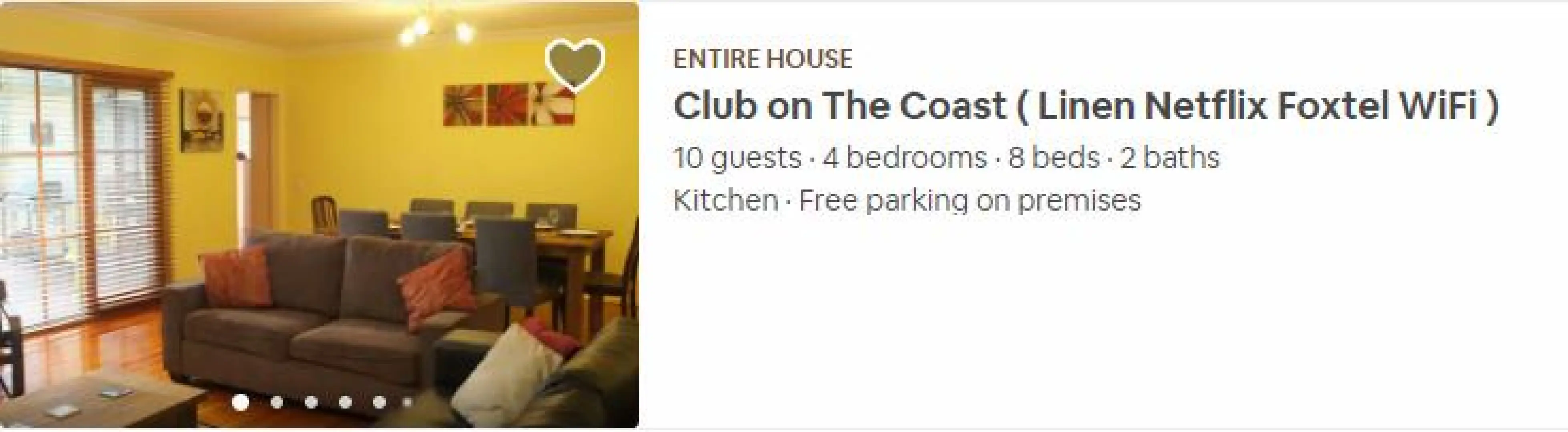
We ended up choosing a homestay called "Club on The Coast" in Inverloch. The entire house cost $200 per night, with four bedrooms (eight beds, sleeping up to ten people), two bathrooms, a kitchen, living room, lounge, and backyard. It was fully equipped: WiFi, dishwasher, oven, microwave, coffee machine, toaster, BBQ grill, vacuum cleaner, electric heater, board games, and over 200 DVDs and Blu-ray discs.
Key points for choosing a homestay: book in advance (more options), read reviews (guests' feedback is the most honest indicator), and look for properties with full kitchen facilities to save on dining costs.
[Link: Best Airbnb accommodations in Inverloch for families]
Frequently Asked Questions About Melbourne to South Australia Road Trip
Q1: How long does it take to drive from Melbourne to Wilsons Promontory?
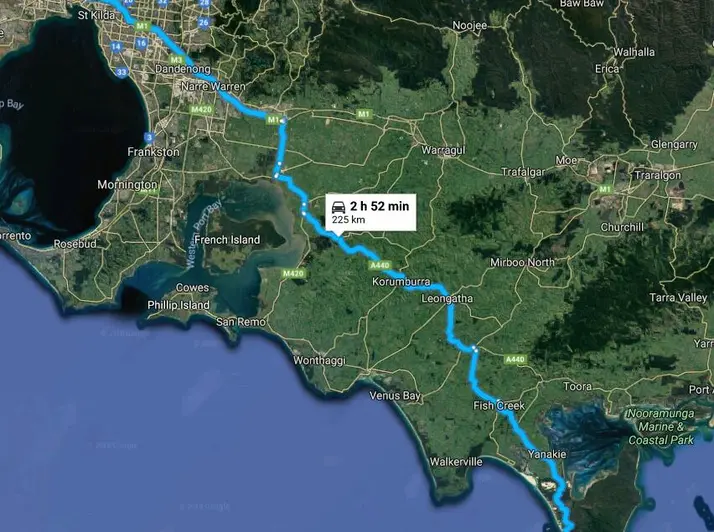 The drive from Melbourne CBD to Wilsons Promontory National Park takes approximately 2.5 to 3 hours (about 200 kilometers) via the M1 and A440 highways. Plan for a morning departure to maximize your time in the park.
Q2: Is it safe to drive in Australia as a Chinese tourist?
Yes, it is generally safe. However, you must have a valid NAATI-certified translation of your Chinese driver's license. Familiarize yourself with Australian road rules, especially roundabouts, right-turn rules in Melbourne CBD, and the strict no-left-turn-on-red policy. Always wear seatbelts and avoid driving at night in rural areas due to wildlife.
Q3: What is the best time of year for a Melbourne road trip?
 Late winter to early spring (August to October) offers mild temperatures and fewer crowds. Summer (December to February) is peak season with warmer weather but higher accommodation prices. For wildlife viewing, spring is ideal as animals are more active.
Q4: How much should I budget for a 2-day road trip from Melbourne?
For a group of 4-6 people, expect to spend approximately: - Car rental: $80-$100 total (using peer-to-peer platforms) - Fuel: $80-$120 (for 500 kilometers) - Accommodation: $30-$50 per person per night - Food: $30-$50 per person per day - Attractions: $20-$40 per person
Total per person: $150-$250 AUD for the entire trip.
Q5: Can I see penguins at Phillip Island without buying a ticket?
No. The Penguin Parade is a protected wildlife experience. The best viewing is from the designated boardwalks and viewing platforms, which require a ticket. Tickets start at $26.50 AUD for adults. Arrive at least 30 minutes before sunset for the best experience.
Conclusion: Your Melbourne Road Trip Awaits
This two-day, one-night road trip from Melbourne to the secret lands of South Australia is more than just a vacation—it's an immersion into some of the most pristine landscapes on Earth. From the rugged cliffs of Cape Liptrap to the penguin-filled shores of Phillip Island, every kilometer offers a new discovery.
Your next step: Start planning today. Book your car on Car Next Door or another peer-to-peer platform to save hundreds of dollars. Reserve your homestay in Inverloch or Wonthaggi at least two weeks in advance. Download Google Maps offline for areas with limited mobile reception. And most importantly, pack your sense of adventure.
Ready to hit the road? Share this guide with your travel buddies, and start mapping out your perfect Melbourne to South Australia road trip. The open road is calling—answer it.
[Link: Complete guide to Australian road trip packing list] [Link: Best apps for planning a road trip in Australia]
Did you find this guide helpful? Leave a comment below with your own Melbourne road trip experiences, or ask any questions you have about planning your journey. Safe travels!
You may also like