Complete Guide to a Family Trip to Xi'an and Mount Huashan: The Perfect Journey from Ancient Capital Charm to Spectacular Peaks
Meta Description: Plan the ultimate family trip to Xi'an and Mount Huashan with this 6-day itinerary. Discover Terracotta Warriors, ancient city walls, and hiking tips. Budget-friendly guide with insider advice.
Introduction: Why Xi'an and Mount Huashan Belong on Your Family Travel Bucket List
I just returned from Xi'an, my suitcase still carrying the dust from the foot of Mount Huashan. As a traveler who usually "steals" tips from various travel platforms, I finally decided to pick up my pen and record the paths I took, the pitfalls I encountered, and the surprises I gathered. There's an overwhelming amount of travel guides about Xi'an online, each with its own perspective and preferences, which often leaves first-time planners stuck in a dilemma of choice. So, I want to share a real and practical itinerary in the most straightforward language, hoping to offer some useful help to those who are doing their homework.
This family trip to Xi'an and Mount Huashan combines China's ancient capital charm with one of its most iconic natural wonders. Whether you're a history buff, a hiking enthusiast, or a family looking for a culturally rich vacation, this guide covers everything from pre-trip preparations to daily itineraries, food recommendations, and budget tips.
Itinerary Overview: Six Days and Five Nights – A Perfect Collision of Ancient Capital and Majestic Peaks
The route I designed balances Xi'an's deep historical and cultural heritage with the natural wonders of Mount Huashan. The specific arrangement is as follows:
- Day 1: Jinan → Xi'an, visiting the Bell Tower and Drum Tower, Gao's Grand Courtyard, and the City Wall
- Day 2: Terracotta Warriors, Dream Back to the Great Qin Dynasty, Banpo Museum
- Day 3: Famen Temple, Qianling Mausoleum, Tomb of Prince Yide (one-day group tour)
- Day 4: Shaanxi History Museum, Xi'an → Mount Huashan
- Day 5: Full-day hike up Mount Huashan
- Day 6: Mount Huashan → Xi'an → Jinan
This pace is neither rushed nor does it miss the core attractions. For those with limited time, you can make adjustments, but I recommend setting aside at least two full days for downtown Xi'an, one day for the Eastern Route (Terracotta Warriors direction), one day for the Western Route (Famen Temple direction), and another day and a half for Mount Huashan.
[Link: Best time to visit Xi'an and Mount Huashan]
Pre-Trip Essentials: These Preparations Will Save You Trouble

On Tour Guides: One Part Seeing, Seven Parts Listening
Xi'an's charm lies in its profound historical heritage. If you just glance at the terracotta figures, stone tablets, and ancient buildings, you might easily think "it's nothing special." But when you understand the stories behind them—why did Qin Shi Huang build such a massive underground army? What vicissitudes did the Buddha's finger bone relic at Famen Temple go through? What ancient codes are hidden in the painted pottery of the Banpo people?—those silent artifacts truly come to life.
My suggestion is: either don't go, or be sure to hire a guide. You can join a group on-site for a few dozen yuan per person to get professional commentary; you can also purchase tickets with guided tours included on platforms like Feizhu or Ctrip; or simply sign up for a one-day group tour, which is worry-free and convenient.
Transportation and Payment: Alipay Handles Everything

Xi'an's public transportation is very convenient. You can scan QR codes with Alipay to ride the subway and buses. Search for "Xi'an Electronic Subway Card" and "Chang'an Tong Bus Card" on Alipay in advance, and simply scan the QR code when boarding or entering the station—no more worries about finding change.
Food Guide: Don't Just Focus on Muslim Quarter
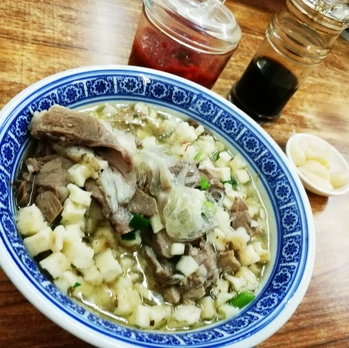
When it comes to Xi'an cuisine, the Muslim Quarter is naturally famous. But if you want to taste truly authentic Shaanxi flavors, why not ask the hotel front desk? They usually know the local "hole-in-the-wall" restaurants. The front desk clerk at our hotel recommended a "paomo" (flatbread soaked in lamb soup) restaurant, and the taste is still unforgettable. Inside, a burly man was watching a TV series while tearing the flatbread into pieces smaller than his fingernails. His calm and patience made me, a girl from Jinan, feel utterly inadequate.
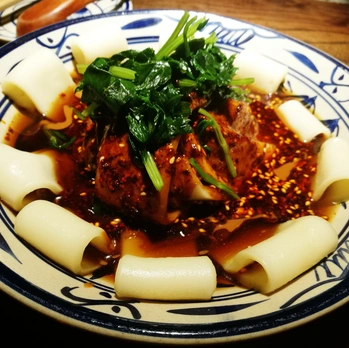
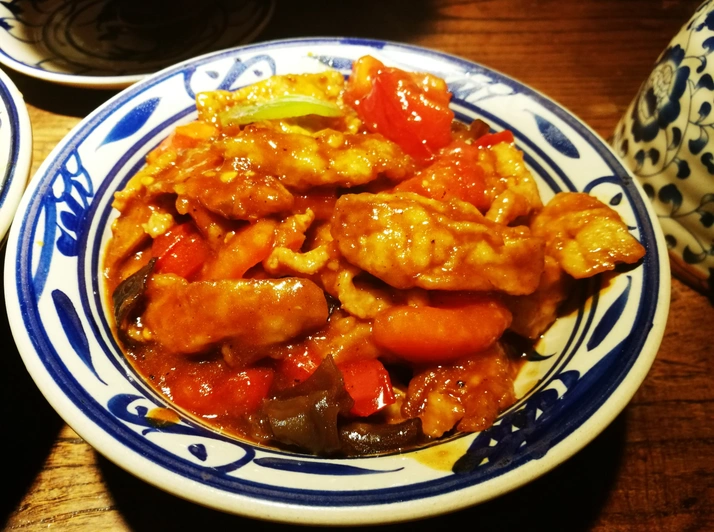
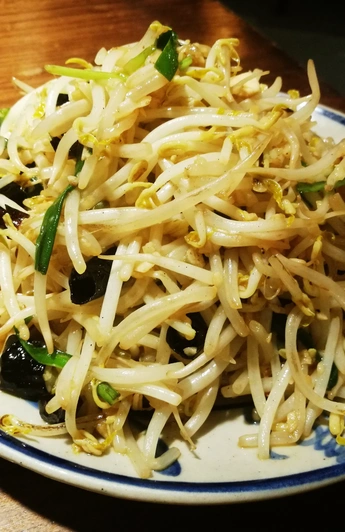
Also, the "Da Chu Xiao Guan" (Big Chef Small Restaurant) at Lijiacun Wanda Plaza is worth a try. The flavors are more down-to-earth than those in the Muslim Quarter, with Shaanxi characteristics that aren't too heavy for out-of-towners. For specific dishes, you can refer to recommendations on Dianping or Meituan.
[Link: Xi'an food guide for families]
Day 1: First Impressions of the Ancient City – Bell Tower, Drum Tower, Gao's Grand Courtyard, and the City Wall
Bell Tower and Drum Tower: 50 Yuan for a Combo Ticket, But Recommended Only with a Guide
The combo ticket for the Bell and Drum Towers costs 50 yuan. If you just go up to see the view, you might feel it's not great value for money. But if you hire a guide, you'll learn about the timekeeping functions of these two buildings in ancient times, the exquisite details of their architecture, and the millennia of historical changes they've witnessed. From the top, you can overlook the cityscape of Xi'an, and if you're lucky, you might catch a scheduled performance on the ancient chime bells.
Gao's Grand Courtyard: A Scholarly Family with Seven Generations of Officials
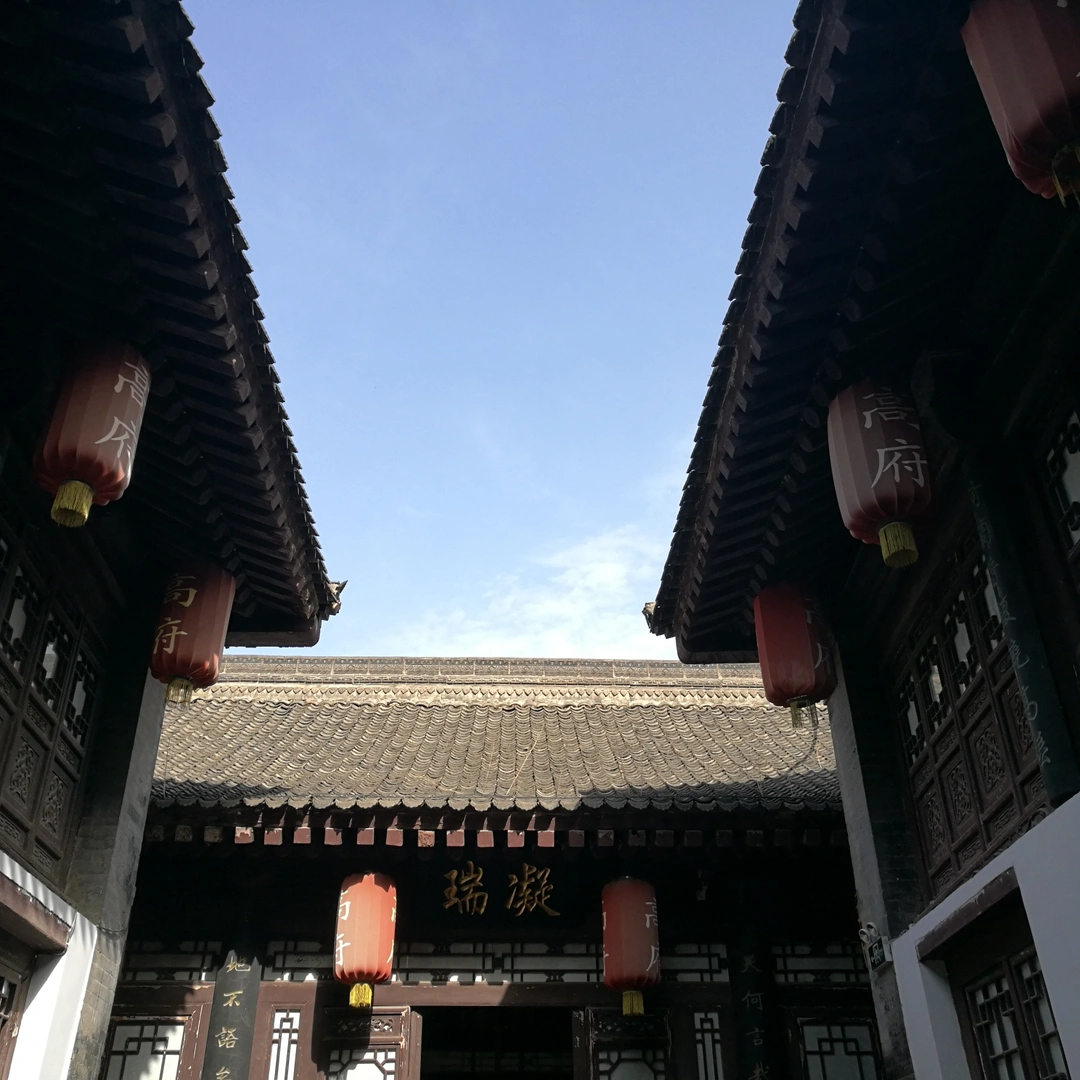
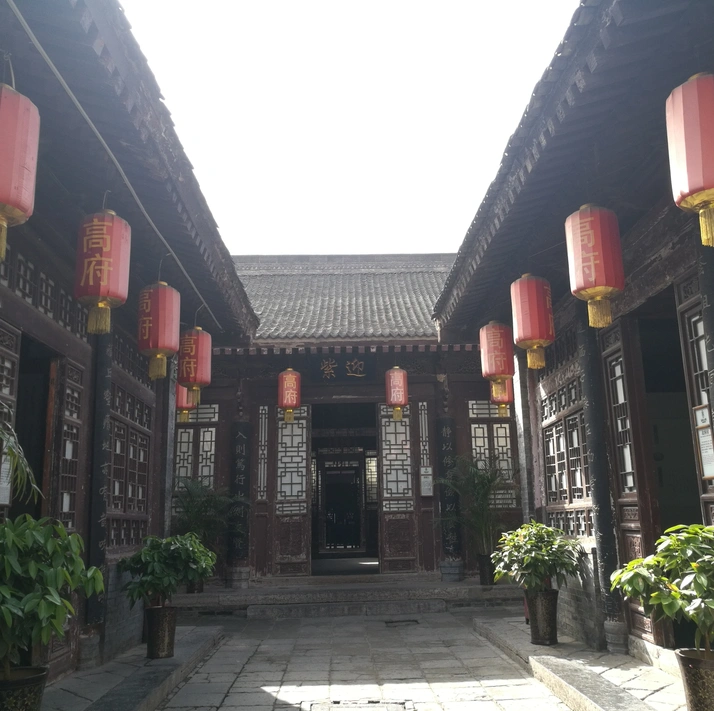
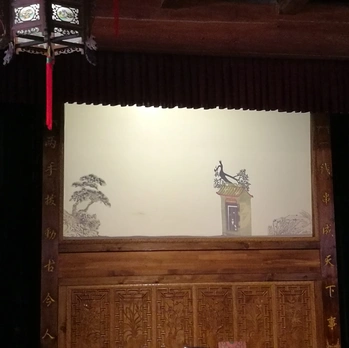
This was a pleasant surprise on the trip. Located near the Muslim Quarter, Gao's Grand Courtyard was the former residence of Gao Yuesong from the Qing Dynasty. His family produced officials for seven generations, rich in cultural heritage. The couplets scattered throughout the courtyard don't teach people how to get rich or gain power, but rather how to cultivate one's character and engage in self-reflection. There are occasional free guided tours inside, and you can also watch a shadow puppet show, which is very locally characteristic and worth seeing.
The City Wall: Enter from the South Gate to Feel the Majesty of the Ancient Capital
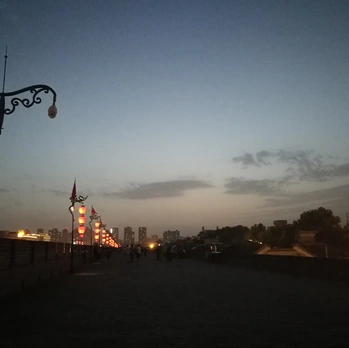
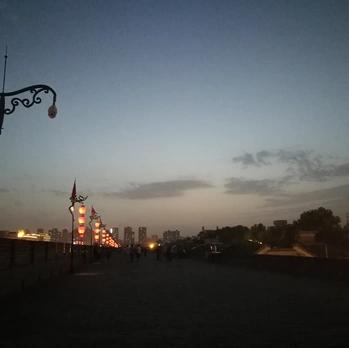
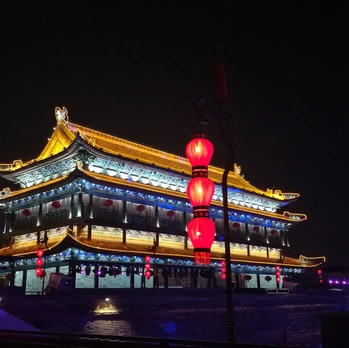
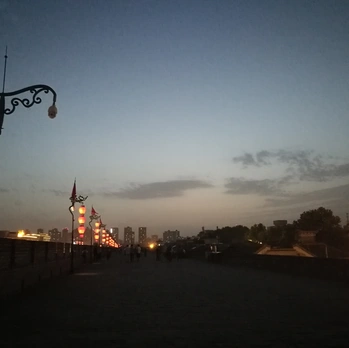
Xi'an's City Wall is one of the best-preserved ancient city walls in China. We entered from the oldest South Gate (Yongning Gate). Standing on the wall, you can truly appreciate the city's layout and grandeur. Unfortunately, it was a cloudy day, so we missed the classic scene of sunset casting its glow on the gate tower. But the weight of history was still palpable.
Day 2: Exploring the Eastern Route – Terracotta Warriors, Dream Back to the Great Qin Dynasty, and Banpo
Transportation Choice: Bus 307 Direct to the Terracotta Warriors
We stayed at the Home Inn (Xiying Road Branch) near the Big Wild Goose Pagoda. The front desk clerk, a man with glasses and thinning hair who spoke very quickly, was extremely helpful. Whether it was about food or sightseeing, he gave clear and practical advice. Across from the hotel is the Old Ma's "Paomo" restaurant, which serves authentic flavors.
To get to the Terracotta Warriors, we didn't take the tourist shuttle from the train station. Instead, we chose Bus 307, which was closest to our hotel. If you also want to visit Huaqing Pool, you can get off at that stop, explore it, then take another bus to the Terracotta Warriors. Finally, return to the city from the Terracotta Warriors—since it's both the starting and ending point, you'll have a seat on the way back. If you return from Huaqing Pool, the bus will be packed, and you might have to stand all the way.
Terracotta Warriors: An Awe-Inspiring Underground Army
Once at the Terracotta Warriors, buy your tickets, hire a guide (join a group), and enter. The scale of the three pits is breathtaking, especially Pit 1. The neatly arranged rows of terracotta figures seem ready to awaken at any moment. The guide will tell you that these figures were originally painted in color, but the pigments faded upon exposure to air. Each figure has a different facial expression, said to be modeled after real soldiers.
Dream Back to the Great Qin Dynasty: A 6D Experience of Qin Shi Huang's Mausoleum
We didn't visit the Qinling Underground Palace (reportedly just a sand table model). Instead, we chose "Dream Back to the Great Qin Dynasty," a 6D experience. Although the promotional material claims a 60% restoration rate, I personally think it's not that high. Still, it's worth seeing. Designed with input from professors at Northwest University, it shows you what Qin Shi Huang, who began building his mausoleum at age 13, actually accomplished—and the awe-inspiring scale of his ambition.
[Link: Terracotta Warriors tickets and tour tips]
Day 3: Western Route – Famen Temple and Qianling Mausoleum
Famen Temple: The Buddha's Finger Bone Relic
Famen Temple is one of the most significant Buddhist sites in China, housing the finger bone relic of the Buddha. The temple complex is vast, with a modern museum displaying gold and silver artifacts from the Tang Dynasty. A guide is essential here to understand the historical and religious significance of the relics.
Qianling Mausoleum: The Only Tomb of Two Emperors
Qianling is the joint burial site of Emperor Gaozong of Tang and his wife, Empress Wu Zetian. The tomb is unique because it is the only imperial tomb in China that houses two emperors. The site includes a spirit way lined with stone statues and a famous "stele without words" erected by Wu Zetian herself.
Tomb of Prince Yide: A Glimpse into Tang Dynasty Murals
Prince Yide's tomb is part of the Qianling complex but is often overlooked. Its murals are among the best-preserved Tang Dynasty paintings, depicting court life, hunting scenes, and ceremonial processions. This is a must-see for art and history lovers.
Day 4: Shaanxi History Museum and Transfer to Mount Huashan
Shaanxi History Museum: A Treasure Trove of Ancient China
The Shaanxi History Museum is one of China's top museums, with a collection spanning from prehistoric times to the Ming Dynasty. The museum's exhibits are world-class, but be prepared for crowds. Book tickets in advance online to avoid long queues. A guided tour is highly recommended to fully appreciate the artifacts.
Xi'an to Mount Huashan: Train or Bus?
The high-speed train from Xi'an to Mount Huashan takes about 30 minutes. From the Huashan North Station, take a free shuttle bus to the scenic area. If you're driving, it's about 120 km from Xi'an, taking roughly 1.5 hours.
[Link: How to get from Xi'an to Mount Huashan]
Day 5: Full-Day Hike up Mount Huashan
Choosing the Right Route: West Peak or East Peak?
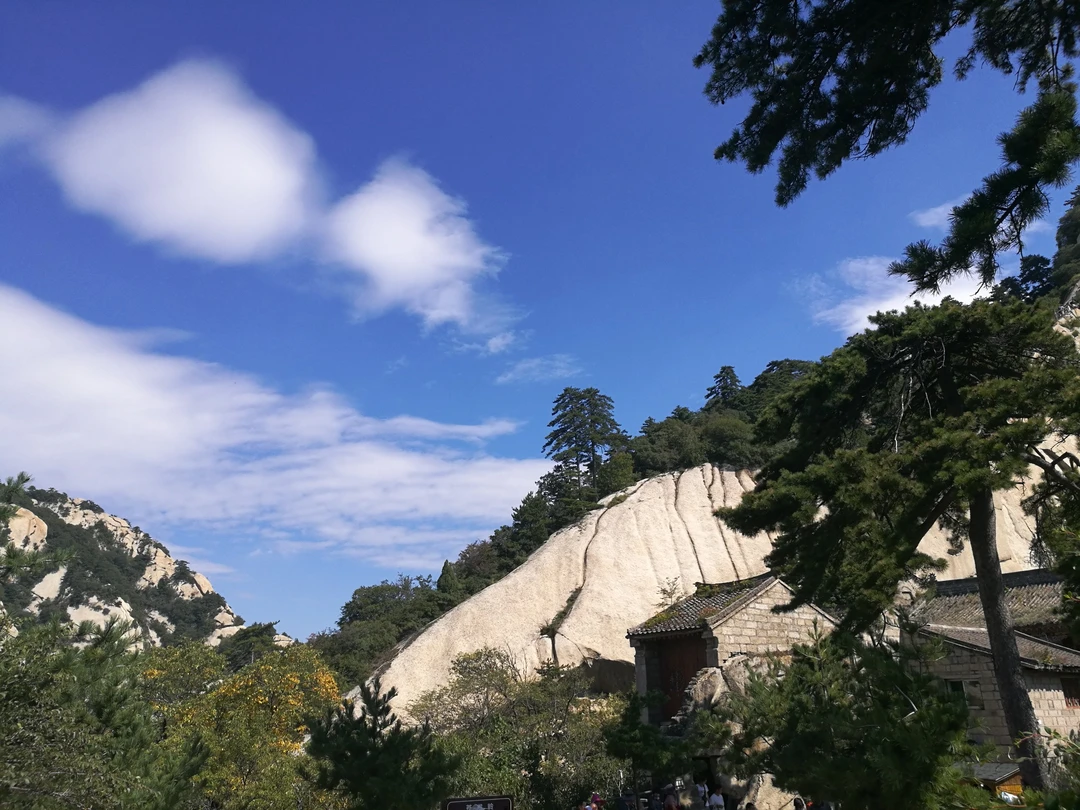
Mount Huashan has five peaks, each offering different experiences. For families, the West Peak route is the most popular because it includes a cable car ride and relatively easier hiking. The East Peak is famous for its sunrise views, but requires more strenuous climbing.
Essential Hiking Tips for Families
- Start early to avoid crowds and afternoon heat.
- Wear sturdy shoes with good grip; the trails can be steep and slippery.
- Bring plenty of water and snacks; prices on the mountain are high.
- Use the cable car for the most scenic views and to save energy.
- Children under 12 should be accompanied by adults at all times.
The Plank Walk in the Sky: Not for the Faint-Hearted
The Plank Walk in the Sky is one of the most famous—and terrifying—hiking trails in China. It's a narrow plank path attached to the cliff face, with only a safety harness. This is not recommended for young children or anyone with a fear of heights. However, for thrill-seekers, it's an unforgettable experience.
Day 6: Return to Xi'an and Departure
After a full day of hiking, take the cable car down and return to Xi'an by high-speed train. If you have time, visit the Big Wild Goose Pagoda or the Muslim Quarter for some last-minute shopping and food. Then, head to the airport or train station for your departure.
FAQ: Frequently Asked Questions About a Family Trip to Xi'an and Mount Huashan
Q1: What is the best time of year to visit Xi'an and Mount Huashan?
The best time is spring (April to May) and autumn (September to October) when the weather is mild and the crowds are smaller. Summer can be hot and crowded, while winter can be cold, especially on Mount Huashan.
Q2: Is Mount Huashan suitable for children?
Yes, but with precautions. The West Peak cable car route is family-friendly. Avoid the Plank Walk in the Sky and other extreme trails. Always keep children close on steep sections.
Q3: How much does a 6-day trip to Xi'an and Mount Huashan cost?
A budget trip (hostel, local food, public transport) can cost around 2,500–3,500 RMB per person. A mid-range trip (3-star hotel, guided tours, cable cars) ranges from 4,000–6,000 RMB per person.
Q4: Do I need to book tickets in advance for the Terracotta Warriors and Shaanxi History Museum?
Yes, especially during peak season. Book online via official platforms or travel apps to secure your slot and avoid long queues.
Q5: Can I visit both Xi'an and Mount Huashan in 4 days?
It's possible but rushed. For a comfortable experience, 5–6 days is recommended. If you have only 4 days, focus on Xi'an's downtown attractions and take a day trip to Mount Huashan.
Final Tips and Strong Call to Action
Planning a family trip to Xi'an and Mount Huashan requires careful preparation, but the rewards are immense. From the awe-inspiring Terracotta Warriors to the breathtaking peaks of Huashan, this journey offers a perfect blend of history, culture, and nature.
Don't wait—start planning your trip today! Book your flights, reserve your hotels, and secure your tickets in advance. Use this guide as your roadmap, and you'll avoid the common pitfalls that many travelers face.
Ready to experience the magic of Xi'an and Mount Huashan? [Link: Book your guided tour or download our printable itinerary checklist]
Share this guide with your family and friends who are planning a trip to China. And if you have any questions, leave a comment below—I'd love to help you plan the perfect adventure!
Safe travels, and may your journey be as unforgettable as mine.
You may also like