Complete Guide to a 10-Day Self-Guided Tour of Eastern and Western Japan: Can't Speak Japanese? No Sense of Direction? You'll Still Have a Blast, Even on Your First Visit!
Meta Description: Planning your first Japan trip but worried about language barriers? This 10-day self-guided tour covers Tokyo to Osaka—no Japanese needed! Budget tips, transportation hacks, and must-know advice for first-time visitors.
Introduction: Why Japan Is the Best Country for First-Time Solo Travelers
If you're like me and setting foot in Japan for the first time, two things are probably weighing on your mind: What if I can't communicate? What if I get lost? Don't panic—let me put your mind at ease. These issues are simply not problems.
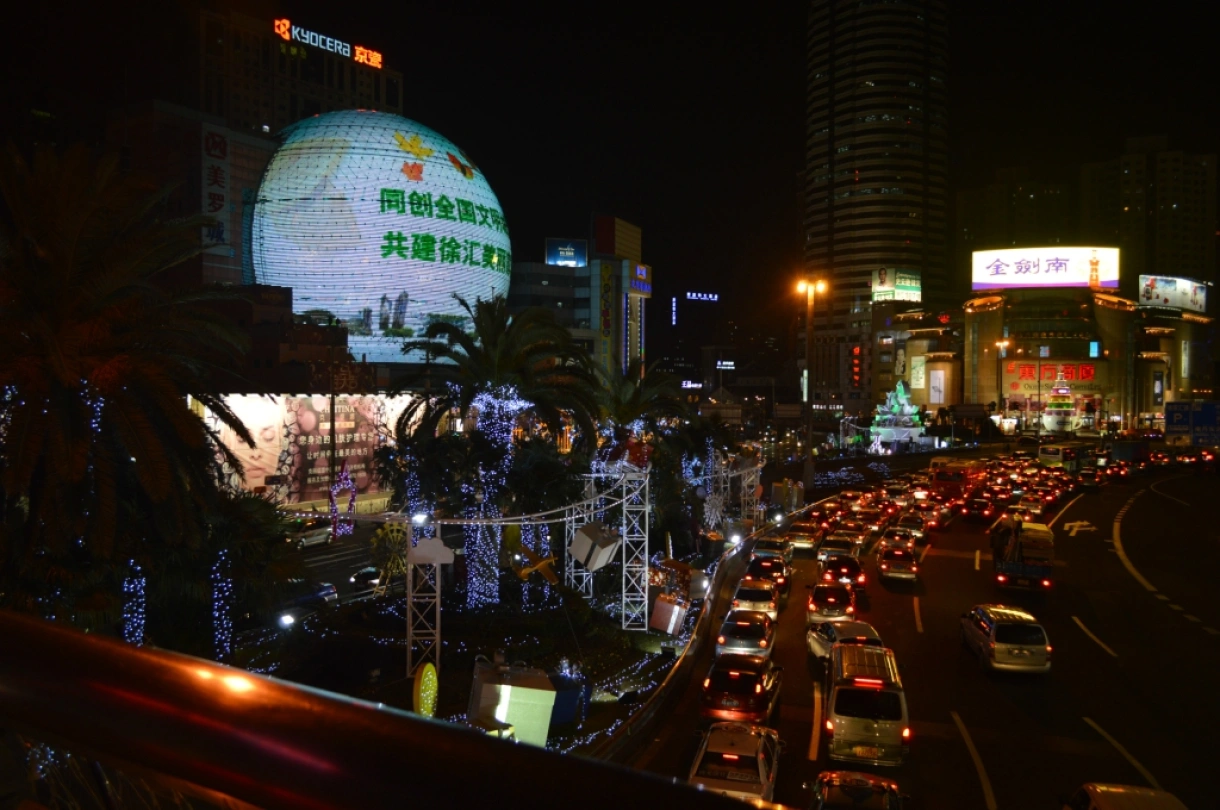
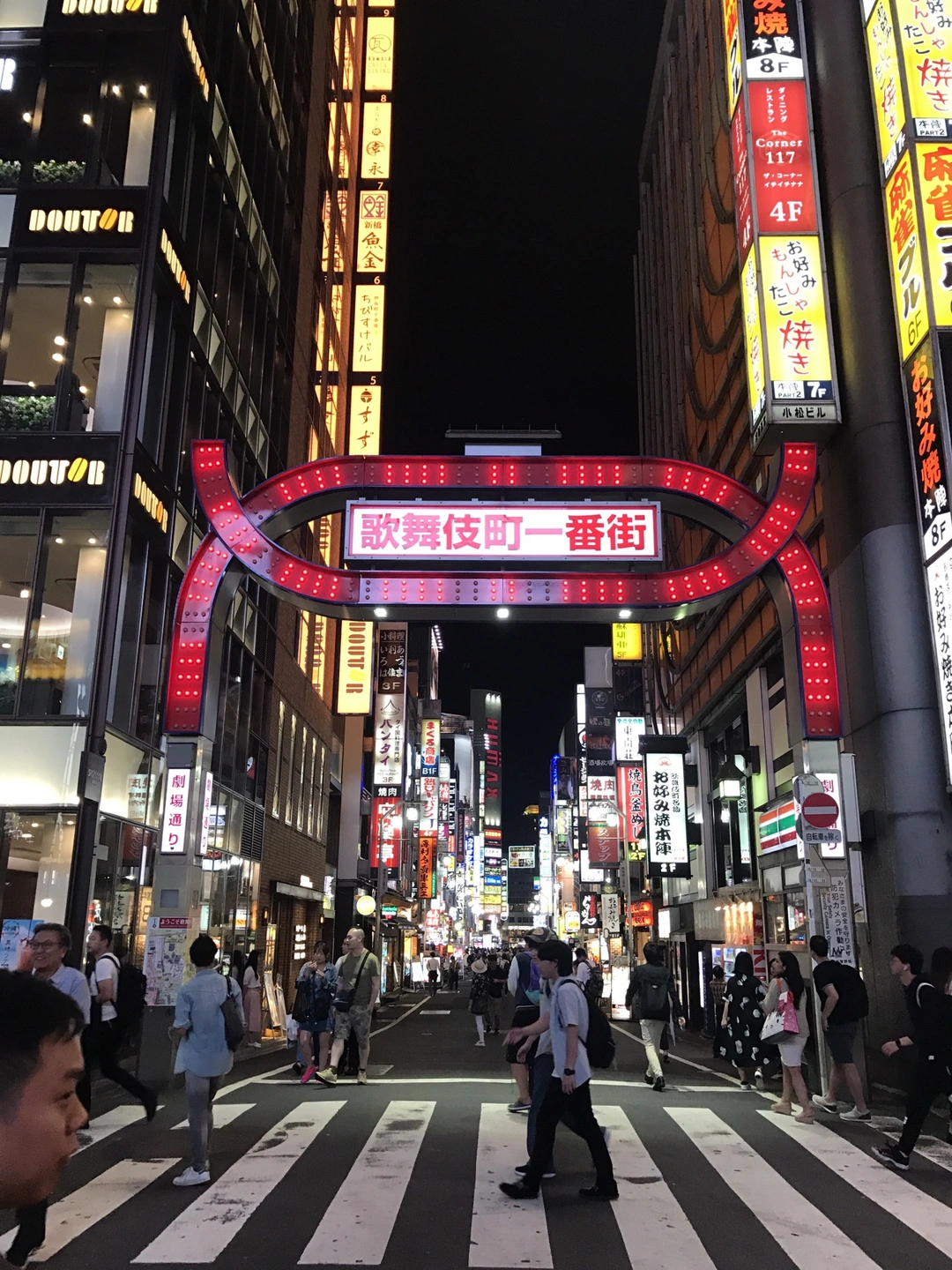
In late May 2018, my husband and I embarked on a 10-day self-guided trip to Japan, spanning from Tokyo to Osaka, covering both Eastern and Western Japan. Before we left, we were both nervous wrecks. But once we arrived, we realized that Japan is practically tailor-made for Chinese tourists. At airports, subways, scenic spots, shopping malls... Chinese signs are everywhere, and Chinese-speaking staff are readily available. What's even more astonishing is that the abundance of Chinese characters (kanji) in Japanese means you hardly need to ask for directions—there's always a sign within ten steps, making it even more convenient than some cities back in China.
Even more surprising? Over 10 days, the two of us spent less than 20,000 RMB total. Excluding shopping and a few fancy meals, our actual expenses came to around 14,000 RMB—just 7,000 RMB per person. Even we were shocked by that number, considering we visited Tokyo, Kamakura, Akihabara, Osaka, Kyoto, Nara, and Kobe!
So stop hesitating. Follow this guide, and set off with confidence.
Pre-Departure Preparations: Get These Sorted, and Let Your Mood Handle the Rest
Passport and Visa: Easier Than You Think
Passport: Apply at your local household registration office. It takes about two weeks to arrive. Nothing complicated there.
Visa: Japanese visas must be submitted through a travel agency. Just find a reliable one. I chose a top-selling agency on Mafengwo and paid 586 RMB for two people. The required documents are simple: bank statements showing an annual income of at least 100,000 RMB (get these printed at your bank), your original passport, photos, a copy of your household registration booklet, and an employment certificate (the agency provides a template—just get your boss to sign and stamp it). As long as your documents are genuine, getting the visa is basically guaranteed.
Pro tip: Apply at least 3–4 weeks before departure to avoid last-minute stress. [Link: Japan visa application tips for Chinese travelers]
Flights: Book Early, and Budget Airlines Are Bearable

I waited until after my visa was issued to buy tickets, which left only about a month before departure—by then, prices had already gone up. I've seen people snag round-trip ANA tickets for just 1,300 RMB, which made me green with envy. I ended up choosing Spring Airlines: flying into Tokyo and out of Osaka, costing 2,000 RMB per person.
Tips for Budget Airlines: Carriers like Spring Airlines and Peach Aviation don't include checked baggage; you need to purchase it separately. I bought my baggage allowance directly through the Spring Airlines app, which was cheaper than Taobao. For the outbound flight, I bought an extra 10 kg. For the return trip, we got 30 kg combined, plus 5 kg of free carry-on each. That was more than enough unless you're planning a shopping spree.
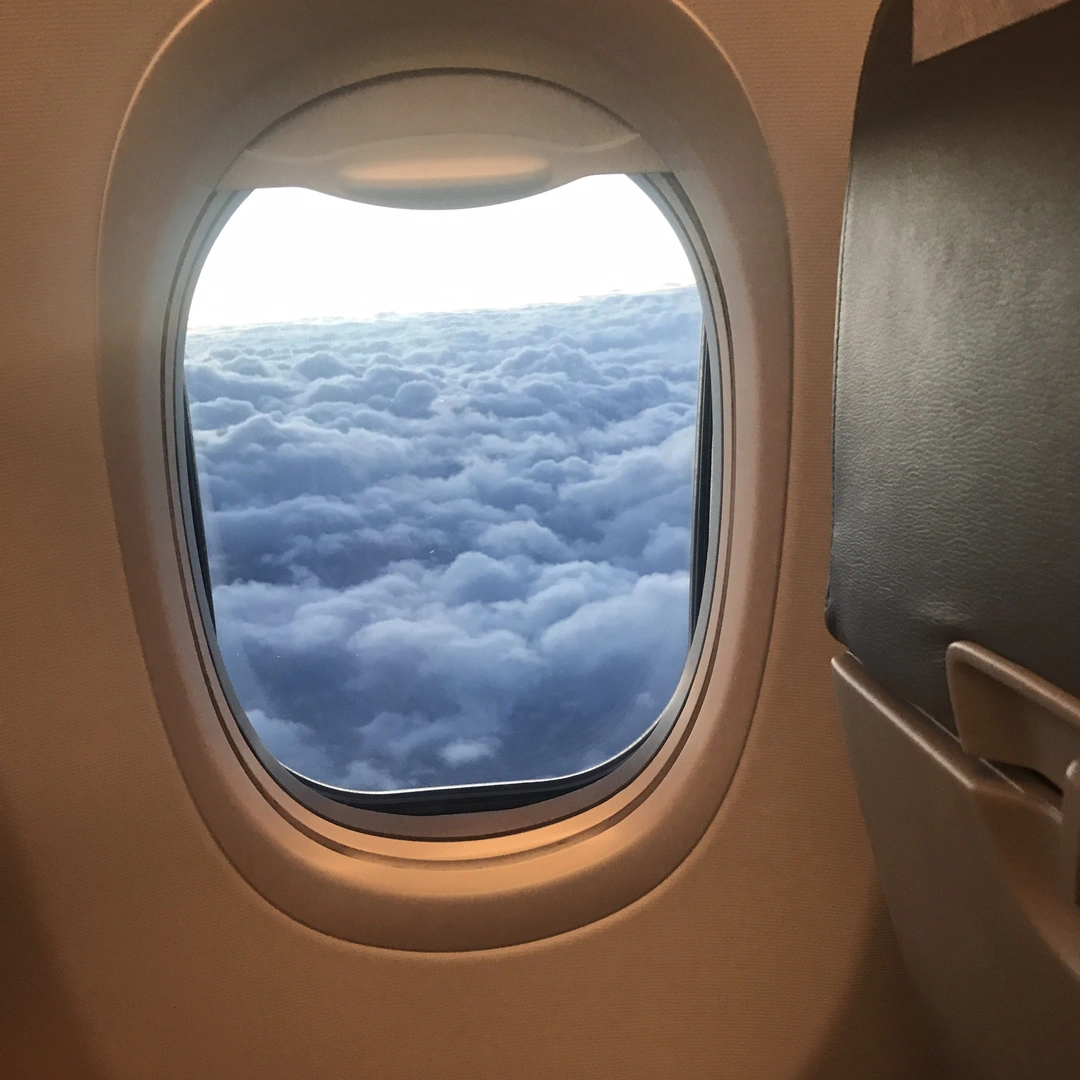
That said, if you ever get the chance to snag a cheap ANA ticket, don't hesitate—46 kg of free baggage allowance is an incredible deal! We flew ANA from Tokyo to Osaka for just 450 RMB per person, which was far cheaper than the Shinkansen, and we even got to see Mount Fuji from the right side of the plane.
Accommodation: Airbnb Rentals—A Great Way to Experience Local Life
We booked nine nights of Airbnb rentals, all through the platform, at 400–500 RMB per night, including cleaning and service fees. We stayed four nights in Tokyo and five in Osaka, and visited Kamakura, Kyoto, Nara, and Kobe as day trips by train.
Why Airbnb? First, we wanted to experience everyday Japanese life. Second, we wanted to minimize the number of times we had to move. Every rental was spotlessly clean, with its own entrance, a kitchen, a fridge, and a microwave. We didn't cook, but we occasionally bought food from convenience stores to heat up—Japan doesn't have breakfast stalls, so you either eat at home or grab something from a convenience store in the morning. For someone from Wuhan, where breakfast is a lavish affair, this was a real struggle.
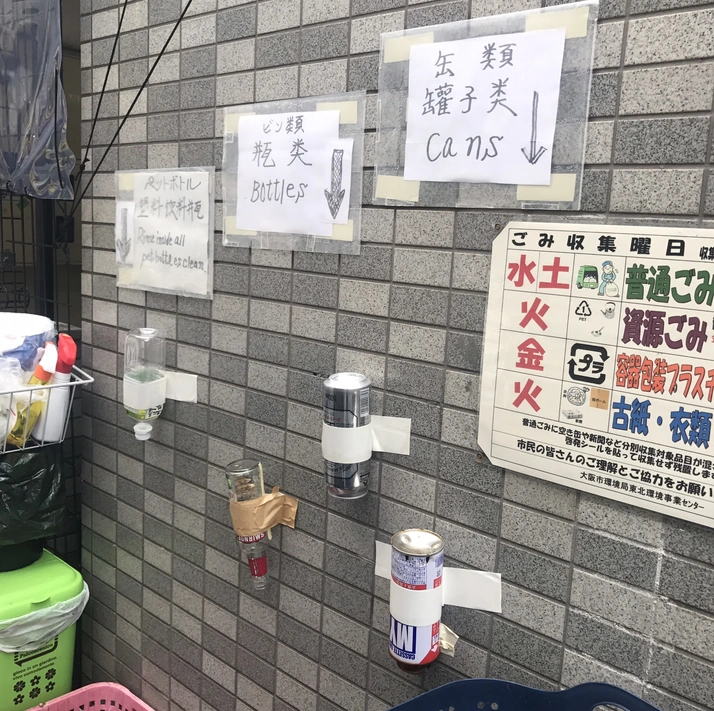
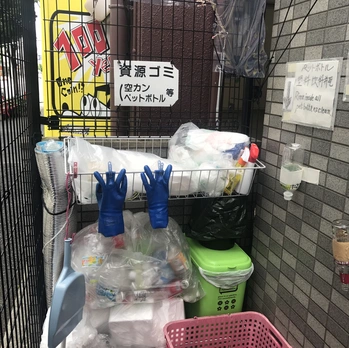
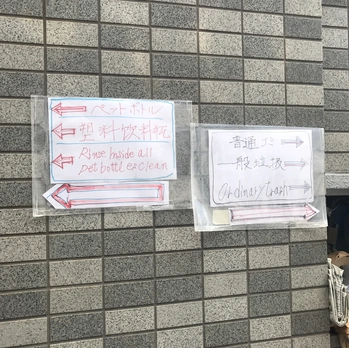
Notes: Japanese homes are generally small but well-equipped. Soundproofing is poor, so walk softly and keep your voice down. Also, be mindful of garbage sorting—when in Rome, do as the Romans do.
Tip: If you're worried about finding your Airbnb, preview the street view on Google Maps beforehand. Your host will also provide detailed directions—just follow them.
Transportation: One ICOCA Card and Google Maps Are All You Need
Japan's public transportation is incredibly developed. Taxis are expensive, but with Google Maps, everything is a breeze. It shows times, transfer stations, and train names clearly, and it supports Chinese.
I bought an ICOCA card on Taobao in advance—it's like a transit card in China, usable on subways, buses, convenience stores, and vending machines. It cost 129 RMB with free shipping, and the card came with 1,500 yen in balance and a 500 yen deposit. Why ICOCA instead of Suica? Because Suica can't be used on buses in Kyoto and Nara, while ICOCA works in both Eastern and Western Japan.
The "Trap" of Japanese Subways: Many people say Japan's subway system is complicated—the same platform can have local, express, and limited express trains. It's actually simple: slow trains stop at every station, while fast trains skip smaller ones. Just match the train name and departure time shown on Google Maps with the information on the platform signs. By the last few days, I didn't even need the map—I figured things out on my own because most of my destinations were major stations where every train stops.
Internet: A SIM Card Is Better Than a Portable Wi-Fi Router
We chose a SIM card over a portable Wi-Fi router. That turned out to be the right call—the router our host lent us needed daily charging and had painfully slow speeds. A SIM card works like a phone card; you can't make calls, but you can access the internet.
Recommendations: For foreign-brand phones like iPhones and Samsung, get a docomo SIM card. For Chinese brands like Huawei and Xiaomi, get a softbank SIM card. I bought a 10-day unlimited 4G docomo SIM card for 67 RMB with free shipping.
Cash: 150,000 Yen Is Enough, But Don't Rely Entirely on Cash
We exchanged currency at Bank of China in advance—150,000 yen for two people, which was about 8,000+ RMB. We didn't end up using it all. Most places in Japan accept UnionPay cards, and many even accept Alipay. Note: Some places only accept magnetic stripe cards, not chip cards, so bring a magnetic stripe card as a backup. If you run out of cash, 7-Eleven stores and currency exchange machines on the street can save you.
Other Small Items
- Pen: Carry one with you—you'll often need to fill out forms.
- Mosquito repellent, motion sickness medicine, cold medicine: Better safe than sorry.
- Disposable underwear: A lifesaver for hands-free travel.
- Umbrella: Just in case.
- Tissues: Don't bring too many! Free toilet paper is available everywhere in Japan. I brought dozens of packs and wasted them all.
Must-Have Apps
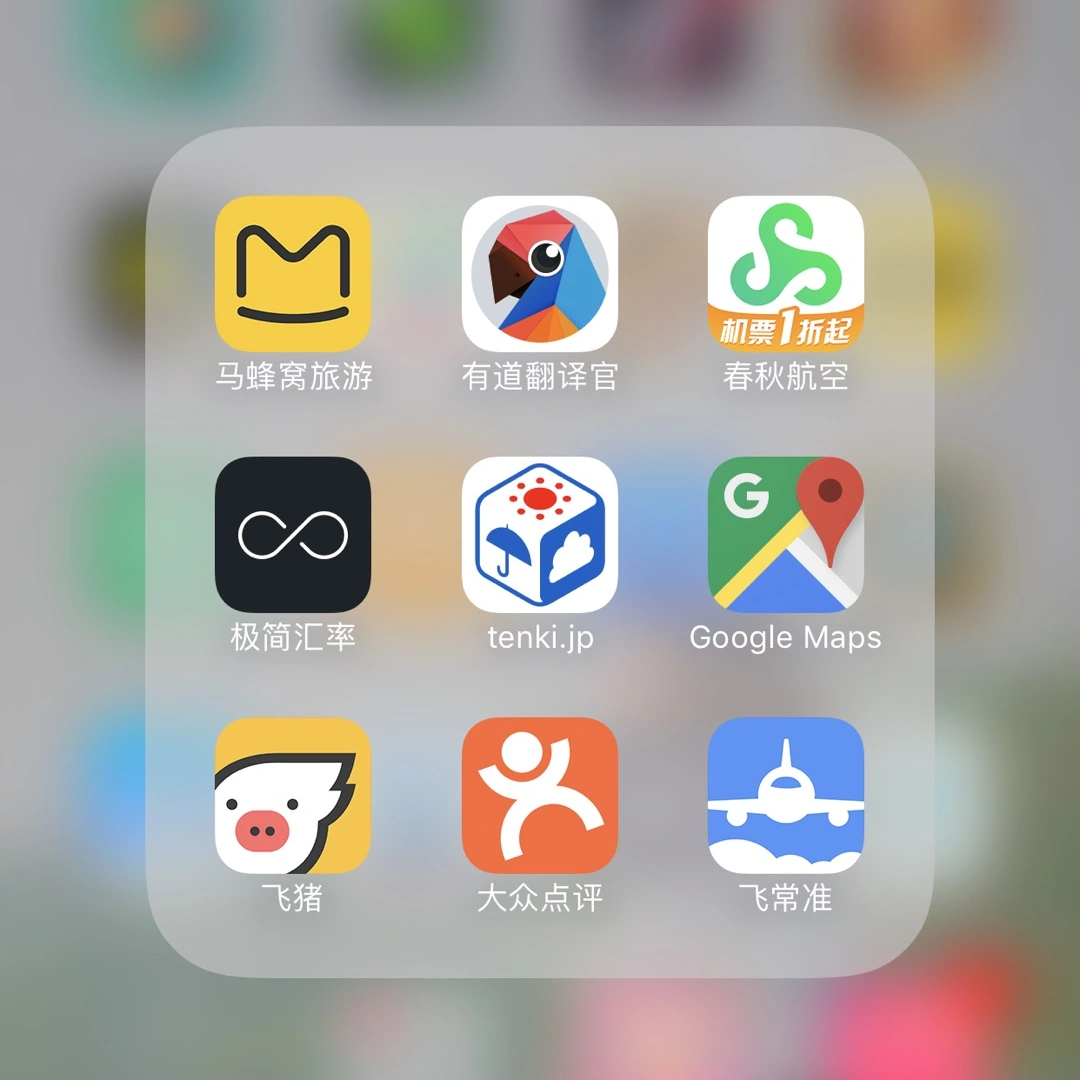
- Google Maps: The ultimate navigation tool, bar none.
- Simple Currency Converter: Handy for price conversions.
- Youdao Translate: For emergencies.
- Dianping (大众点评): Great for finding food.
- FlightAware (飞常准): Essential for flying.
- Japan Weather App: For checking the weather.
Day 1: Arriving in Tokyo—Everything Went Smoother Than Expected
The night before, I was so excited I couldn't sleep—like a kid going on a school trip. But once I arrived in Japan, I felt surprisingly calm. Everywhere I looked, the signs, the announcements, the people—everything was orderly and clear. We landed at Narita Airport, picked up our SIM card at the post office counter, and hopped on the Narita Express. Google Maps guided us straight to our Airbnb in Shinjuku. No hiccups.
Key takeaway: If you can read Chinese characters and use Google Maps, you're already 90% prepared for Japan.
Day 2–4: Exploring Tokyo—Shibuya, Asakusa, and Akihabara
Tokyo is a city of contrasts. In Shibuya, we crossed the famous scramble crossing and explored the trendy shops. In Asakusa, we visited Senso-ji Temple and walked through Nakamise Street, sampling traditional snacks. Akihabara was a paradise for anime and electronics lovers—my husband spent hours in the arcades.
Food tip: Ramen, sushi, and convenience store onigiri are cheap and delicious. Skip expensive restaurants unless you're celebrating something special.
Day 5: Day Trip to Kamakura
Kamakura is just an hour from Tokyo by train. We visited the Great Buddha at Kotoku-in and walked through Hase-dera Temple's gardens. The highlight was the Enoden train ride along the coast—stunning views of the ocean and the famous Kamakura coastline.
Pro tip: Buy a Kamakura Enoden 1-day pass for unlimited rides on the charming local train.
Day 6–7: Flying to Osaka—Mount Fuji from the Sky
We flew ANA from Tokyo to Osaka for just 450 RMB per person. The flight was short, but we scored window seats on the right side—Mount Fuji appeared majestically through the clouds. It was a moment I'll never forget.
Once in Osaka, we settled into our Airbnb near Namba. The city is vibrant, with neon-lit streets and endless food options. We spent the evening exploring Dotonbori, eating takoyaki, okonomiyaki, and kushikatsu.
Day 8: Kyoto—Temples, Bamboo, and Kimonos
Kyoto is a must-see for any Japan itinerary. We took a direct train from Osaka (about 30 minutes) and spent the day visiting Kinkaku-ji (Golden Pavilion), Arashiyama Bamboo Grove, and Fushimi Inari Shrine. We even rented kimonos for a few hours—a fun photo opportunity.
Warning: Kyoto is crowded. Visit popular spots early in the morning to avoid the worst of the crowds.
Day 9: Nara—Deer, Temples, and Peace
Nara is a short train ride from Osaka. The main attraction is Nara Park, where hundreds of friendly deer roam freely. Buy "shika senbei" (deer crackers) and feed them—but be careful, they can get pushy! We also visited Todai-ji Temple, home to a giant bronze Buddha.
Day 10: Kobe and Departure
Our last day was spent in Kobe, famous for its high-quality beef. We splurged on a teppanyaki lunch—worth every yen. After lunch, we strolled through the harbor area before heading to Kansai Airport for our flight home.
FAQ: Common Questions About a Self-Guided Japan Trip
1. Can I travel in Japan without speaking Japanese?
Absolutely. Signs in airports, train stations, and tourist spots are bilingual (Japanese and English/Chinese). Many staff speak basic English, and Chinese-speaking staff are common in major cities. Google Translate is your best friend for emergencies.
2. Is Japan safe for solo travelers?
Japan is one of the safest countries in the world. Crime rates are extremely low. Even if you lose your wallet, it will likely be returned. That said, always exercise basic caution, especially at night.
3. How much money should I budget for a 10-day trip?
For two people, expect to spend around 14,000–20,000 RMB total, including flights, accommodation, food, and transportation. Excluding luxury shopping, 7,000–10,000 RMB per person is realistic.
4. Is ICOCA better than Suica?
 Yes, if you plan to visit both Eastern and Western Japan. ICOCA works in Tokyo, Osaka, Kyoto, Nara, and Kobe. Suica is limited to East Japan and cannot be used on buses in Kyoto and Nara.
5. Do I need a visa to visit Japan?
Yes, Chinese passport holders need a visa. Apply through a travel agency with documents proving 100,000+ RMB annual income. Approval is almost certain if documents are genuine.
Final Tips for Your First Japan Trip
- Start early: Popular attractions get crowded by 10 AM.
- Carry a small bag: You'll walk a lot—travel light.
- Learn basic phrases: "Arigato" (thank you) and "Sumimasen" (excuse me) go a long way.
- Respect local customs: No eating while walking, no loud phone calls on trains.
- Use convenience stores: 7-Eleven, FamilyMart, and Lawson are lifesavers for snacks, drinks, and ATMs.
Ready to Book Your Japan Adventure?
Japan is waiting for you—whether you're a first-time traveler or a seasoned explorer. The combination of incredible food, stunning scenery, and unmatched safety makes it the perfect destination for a self-guided tour. Don't let language barriers or navigation fears hold you back.
[Link: Best Japan travel insurance for Chinese tourists] [Link: Top 10 Japan itinerary templates for first-timers]
Start planning today. Your 10-day Japan adventure begins now.
You may also like