Climbing Kilimanjaro: The Ultimate Guide to Conquering Africa’s Roof of the Equator
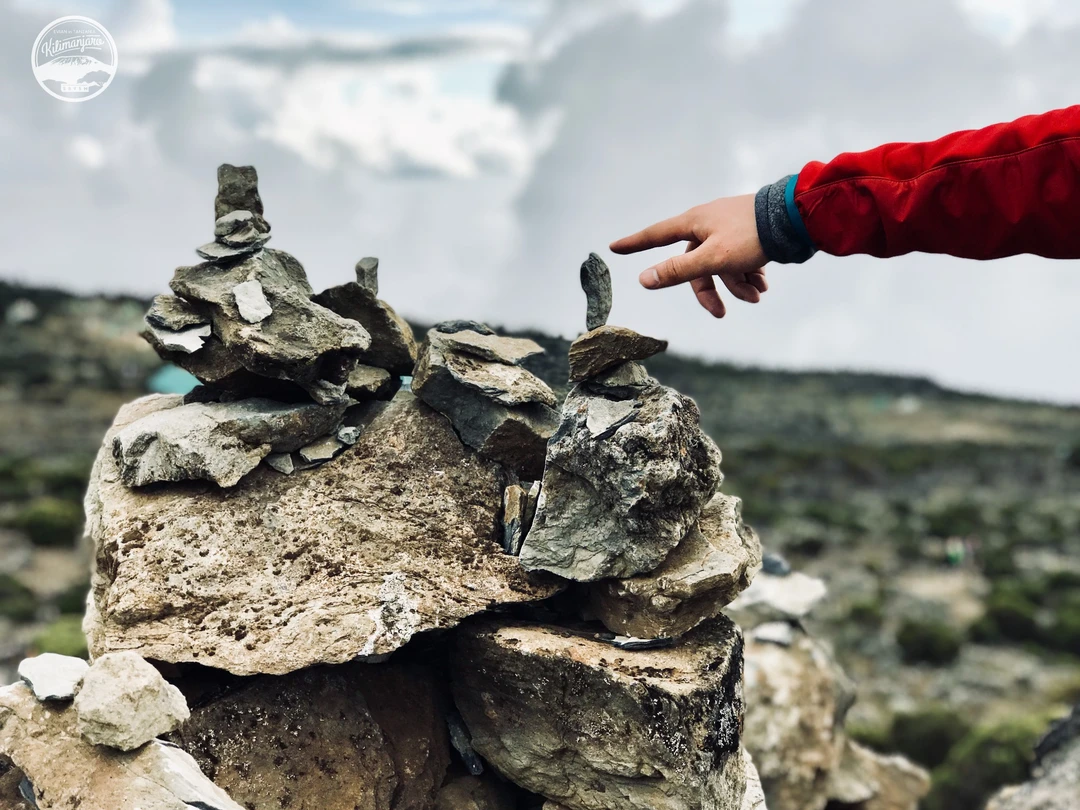
Meta Description: Planning to climb Kilimanjaro? Discover expert tips on routes, altitude sickness prevention, gear, and costs. An honest account of summiting Africa’s highest peak at 5,895 meters.
Why Climbing Kilimanjaro Should Be on Your Bucket List
Have you ever stared at a photograph late at night and felt an inexplicable pull toward the unknown? For me, that image was a scene from Everest—Scott Fischer touching the summit of the world. But the mountain that called my name was Kilimanjaro.
Hemingway’s legendary equatorial snow-capped peak defies logic. How can snow exist on the equator? Yet there it stands at 5,895 meters, mocking geographical boundaries with its glaciers and volcanic crater. It doesn’t belong to any conventional reasoning—much like the indescribable longings buried deep inside us.
I originally planned a grand Tanzanian adventure: climbing Kilimanjaro, a safari, and Zanzibar. In the end, I only completed the summit. Everything else became a reason to say “next time.” And perhaps that’s fine—some regrets make the memory more complete.
This guide isn’t just a travel log. It’s a record of those moments above 4,000 meters where body and will wrestle with each other. If you’re planning to climb Mount Kilimanjaro, let this honest account help you avoid costly mistakes.
Kilimanjaro: A Mountain’s Confession
Cool Facts About Kilimanjaro

Mount Kilimanjaro sits in northeastern Tanzania, bordering Kenya. It’s the highest peak in Africa and one of the Seven Summits. The mountain consists of three dormant volcanoes—Kibo, Mawenzi, and Shira—covering 756 square kilometers. The central volcanic cone, Uhuru Peak, marks the highest point on the African continent.
What makes it truly astonishing is its dual identity: equatorial and glacial. Global warming is accelerating ice melt—experts predict the “equatorial snow-capped mountain” may vanish within a decade. Every piece of ice you see at the summit is Earth’s final legacy.
Which Kilimanjaro Climbing Route Should You Choose?
Kilimanjaro has seven climbing routes. Each offers a different experience, from beginner-friendly to professionally challenging.
The Coca-Cola Route (Marangu Route) - Duration: 5 days - Accommodation: Huts (no tents needed) - Difficulty: Moderate but low summit success rate - Why? The first four days are too easy; the final day’s steep gradient triggers altitude sickness
The Whiskey Route (Machame Route) — My Choice - Duration: 6 days, 5 nights - Accommodation: Camping - Difficulty: Moderate with better acclimatization - Why? The trail goes up and down, helping your body adjust. Scenery changes daily: rainforest, shrubland, high plateau. Like whiskey—sharp at first, but leaves a lingering aftertaste
Other Routes Worth Considering - Rongai Route: Starts in Kenya; said to have the most beautiful scenery - Umbwe Route: The most difficult; non-professional climbers rarely reach the summit - Lemosho Route: Longer and more scenic; excellent for acclimatization
[Link: Compare all 7 Kilimanjaro routes side-by-side]
Kilimanjaro Preparation: What You Must Know Before You Go
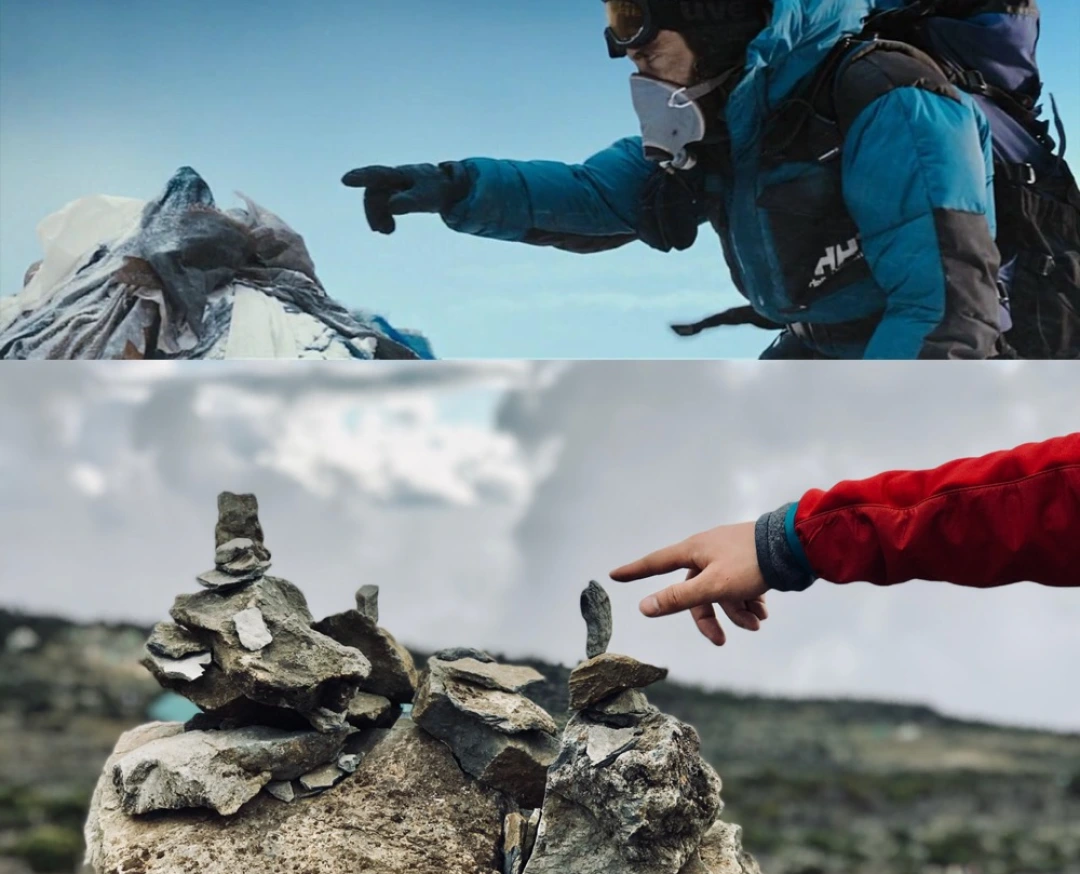
Altitude Sickness on Kilimanjaro: No Joke
Before Kilimanjaro, my only high-altitude experience was a college cycling trip around Qinghai Lake. I thought I could handle anything. But 5,895 meters is no joke.
Common Acute Mountain Sickness (AMS) symptoms: - Fatigue - Headache - Insomnia - Heart palpitations - Loss of appetite - Nausea
In severe cases, AMS can develop into pulmonary or cerebral edema—taking two to three days in slow cases, or just hours in fast ones. It can be fatal.
I researched obsessively and discovered a brutal truth: there’s no magic method to prevent altitude sickness. Rhodiola rosea supplements, high-carb diets, and positive thinking are supporting players. What really works is honesty with your body. If severe symptoms appear, the only correct choice is to descend.
A Real Lesson: In 2016, a Chinese hiker named Jin Ling died in Tibet from altitude illness triggered by a cold—and the town of Burang County is only 3,900 meters. I was heading to 5,895 meters. Despite taking rhodiola for a month and knowing not to climb with a cold, I still fell into the vortex of altitude sickness from the first sleepless night.
Kilimanjaro Gear List: What to Pack
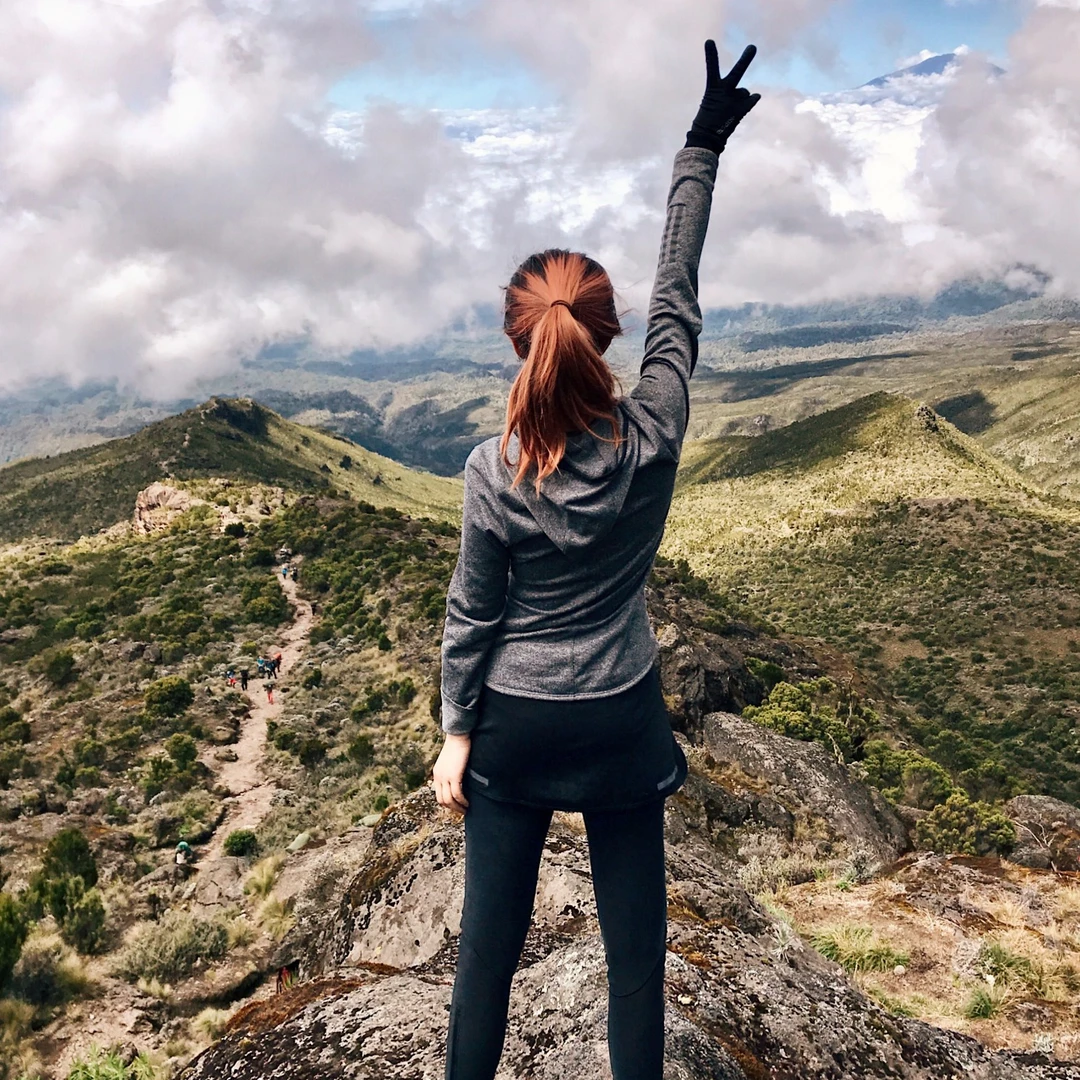
My advice: bring your own gear if possible. Don’t rely entirely on the tour company.
Essential Kilimanjaro packing list:
| Item | Why It Matters |
|---|---|
| Thermos (2-liter) | Above 4,000 meters, warm water is a lifesaver. Cold water drinkers regret it. |
| Quick-dry shirt + waterproof jacket | Weather changes instantly; expect rain anytime |
| Headlamp | Frees your hands for bathroom trips at night |
| Passport | Keep it in a waterproof pouch on your person |
| Medication | Rhodiola, cold medicine, painkillers |
| Snacks | Snickers bars, energy bars, trail mix |
How Much Does It Cost to Climb Kilimanjaro?
My pure climbing fee was approximately $1,550 per person (including guide, cook, and porter team). Tips are extra: - Guide: $20/day - Cook: $15/day - Porter: $10/day
Warning: Be cautious of groups charging under $1,500. Safety and professionalism may be compromised. Cheap Kilimanjaro climbs often cut corners on guides, equipment, and medical support.
[Link: Kilimanjaro tour companies reviewed]
Day One: Setting Out from the Rainforest
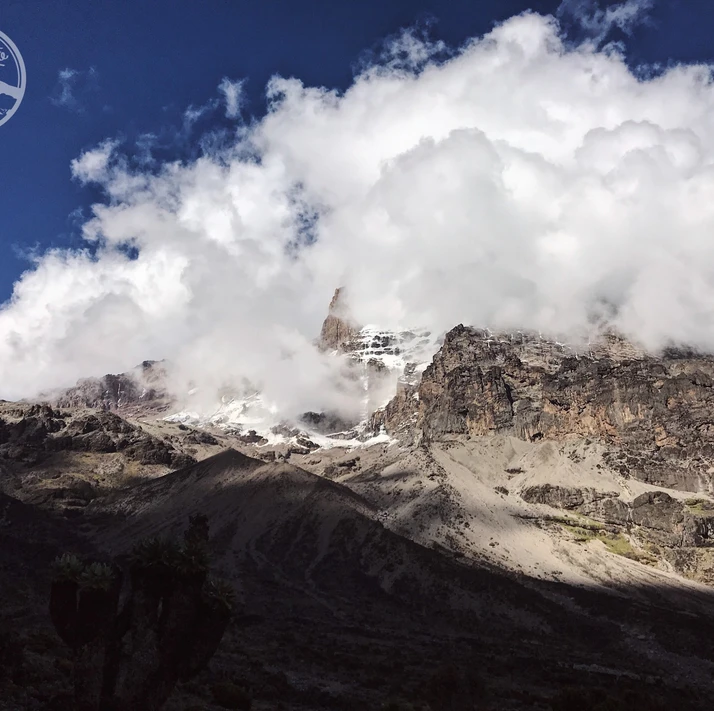
Arriving in Moshi, Tanzania
After 15 hours of flying, I landed at Kilimanjaro International Airport. Stepping out of the cabin, the sun was blazing. My down jacket from Shanghai suddenly felt absurdly out of place.
The airport is tiny—no air conditioning, just ceiling fans. Tanzania offers visa-on-arrival for Chinese passport holders. The process was straightforward. Our driver was shy with an endearing smile. An hour’s drive brought us to the tour company office in Arusha, where owner Jackson greeted us in a yellow-and-blue three-piece suit—quite an opening impression.
Our team: 3 climbers, 2 guides, 1 cook, and 9 porters—15 people total. Jackson cracked the same corny jokes I’d read in other travel blogs: “The previous Chinese group had a 100% summit rate because they like hot tea and selfies, so they walk slowly.” Playing along is part of the experience.
Entering the Machame Gate
From Moshi, we reached the Machame Gate (1,828 meters) . After registering and loading luggage, we passed through the rainforest and began our climb.
Day one was relatively easy. In the tropical rainforest belt, a quick-dry shirt was enough. Weather was unpredictable, so I kept a waterproof jacket in my daypack. No animals appeared—just quiet forest. After two or three hours, everyone fell silent. Not because we had nothing to say—we were just tired.
Luxury Lunch vs. the Pit Toilet Shock
Halfway through, we spotted the toilets: two blue huts, pit toilets, no electricity, dimly lit enough to lose your footing. I had my buddy hold his phone flashlight so I could see. Later I realized: a headlamp is the real solution.
But a surprise hit us: the porters had taken a shortcut and arrived ahead of us, preparing a luxury lunch—cut fruit, hot soup, tea, bread with jam, boxed passion fruit juice. Sitting in a chair eating a hot meal at that moment was pure bliss. The Western climbers from another group sat on tree trunks munching dry bread, throwing up their hands in defeat.
Night at Machame Camp
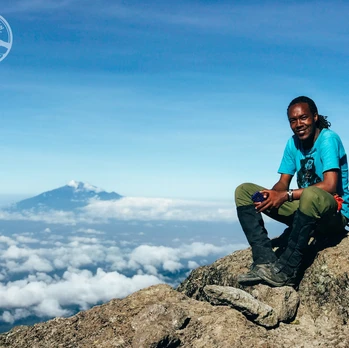
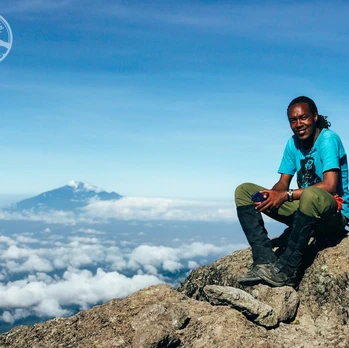
Six hours later, we reached Machame Camp (3,020 meters) . The tents were already set up. We ate dinner, then crawled into sleeping bags. The temperature dropped fast. I couldn’t sleep—my heart pounded, and my head throbbed. Altitude sickness had already begun its work.
Kilimanjaro Summit Night: The Hardest 12 Hours of My Life
(Excerpt from the full journey)
The summit push began at midnight. Temperature: -15°C. Wind: 40 km/h. Visibility: near zero. Every step felt like moving through concrete. My guide kept saying, “Pole, pole” (slowly, slowly in Swahili). We walked for 7 hours in darkness, our headlamps the only light.
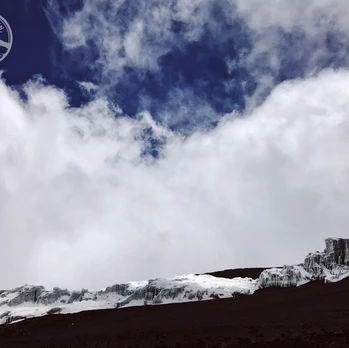
At 5,700 meters, I wanted to quit. My lungs burned. My legs shook. But then I looked up and saw the glaciers glowing in the first light—and something shifted. I wasn’t climbing for the view anymore. I was climbing to see what I was made of.
At 6:15 AM, I stood on Uhuru Peak. The world spread out below me. I cried. Not from joy—from the sheer weight of having done something that felt impossible.
Frequently Asked Questions About Climbing Kilimanjaro
1. Do I need climbing experience to summit Kilimanjaro?
No. Kilimanjaro is a trekking peak, not a technical climb. No ropes, crampons, or ice axes required. However, you need good physical fitness and mental resilience.
2. What is the best time to climb Kilimanjaro?
The best months are January–March and June–October. These offer the clearest skies and warmest temperatures. Avoid the rainy seasons (April–May and November).
3. How dangerous is altitude sickness on Kilimanjaro?
Altitude sickness is the number one reason climbers fail to summit. About 50% of climbers experience some form of AMS. Choose a longer route (7+ days) to improve acclimatization.
4. How much weight do porters carry?
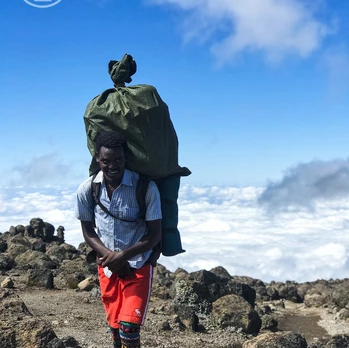
Kilimanjaro porters carry up to 20 kg (44 lbs) each. Tips are expected—budget $10–20 per day per porter.
5. Can I climb Kilimanjaro solo?
Yes, but you must hire a licensed guide. Solo climbing without a guide is illegal and dangerous. Most climbers join group expeditions.
Final Advice for Your Kilimanjaro Adventure
Climbing Kilimanjaro changed me—not because I conquered the mountain, but because it conquered my excuses. Every sleepless night, every pounding headache, every moment I wanted to turn back—they all led to that one sunrise above the clouds.
Your turn: Don’t wait for the perfect time. The glaciers are melting. The mountain is waiting. Book your Kilimanjaro climb today, and discover what you’re truly capable of.
[Link: Top-rated Kilimanjaro tour operators]
[Link: Kilimanjaro packing checklist PDF]
[Link: Altitude sickness prevention guide]
Have you climbed Kilimanjaro? Share your experience in the comments below. Planning a climb? Ask your questions—I’ll answer every one.
You may also like