City Walk Chronicles: Unearthing Old Shanghai's Hidden Stories – The Ultimate Walking Guide
Meta Description: Discover Shanghai beyond the tourist trail. Explore hidden alleys, French Concession architecture, and Suzhou Creek stories in this 2025 City Walk guide. Perfect for history lovers and urban explorers.
Introduction: Why Shanghai Demands to Be Walked
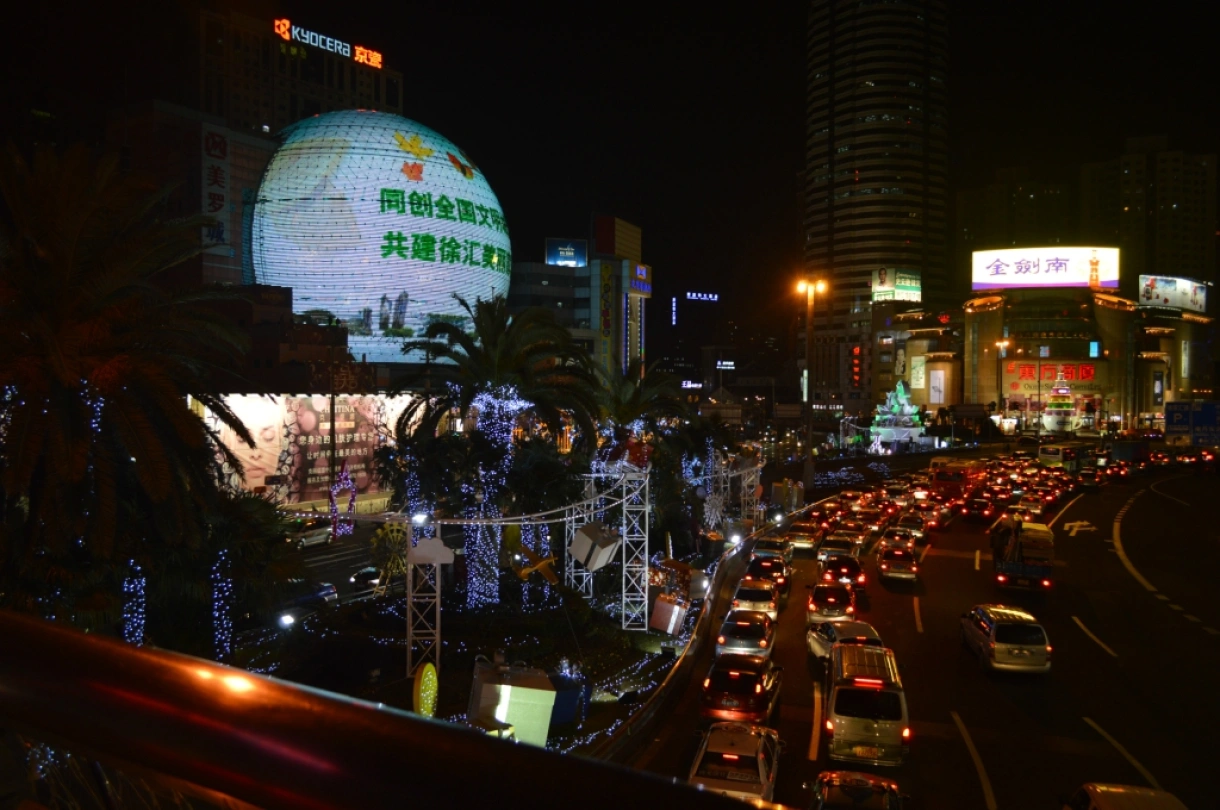
Shanghai has always been a city that defies expectations. In 2025, it became the year's first viral destination—not because of a trending TV show or a food craze, but because Korean tourists discovered its magic. Yet long before the hashtags and crowds, Shanghai was already a global beacon of style, culture, and history. From the Bund's colonial grandeur to the neon-lit frenzy of Nanjing Road, this city has always been a stage where East meets West, past meets present.
I first fell in love with Shanghai as a child, captivated by its promise of glamour and mystery. Over the years, I've visited countless times—on business trips, layovers, and spontaneous escapes. But it wasn't until January 2024 that I decided to truly walk the city, to feel its pulse beneath my feet. I wanted to go beyond the tourist clichés: the crowded Bund, the endless shopping malls, the obligatory trip to the Oriental Pearl Tower. I wanted to immerse myself in Shanghai-style culture—the unique blend of cosmopolitan spirit and gritty, soulful underbelly.
What started as a 4-day plan stretched into 5, and even then, I left with a list of places I'd missed. Back in Beijing, I struggled to write about it. How do you capture a city that is both a museum and a living, breathing organism? A year later, with the buzz of Shanghai's resurgence still fresh, I'm finally sharing this guide to help you uncover your own Shanghai story.
Why Shanghai Is the Ultimate City Walk Destination
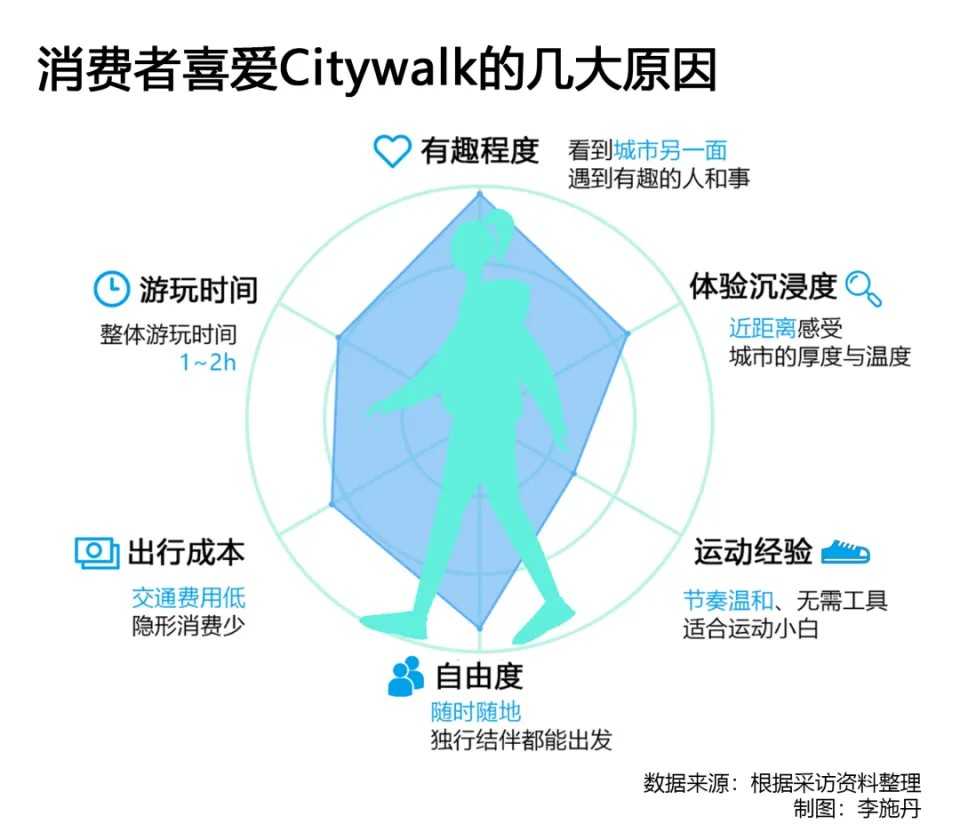
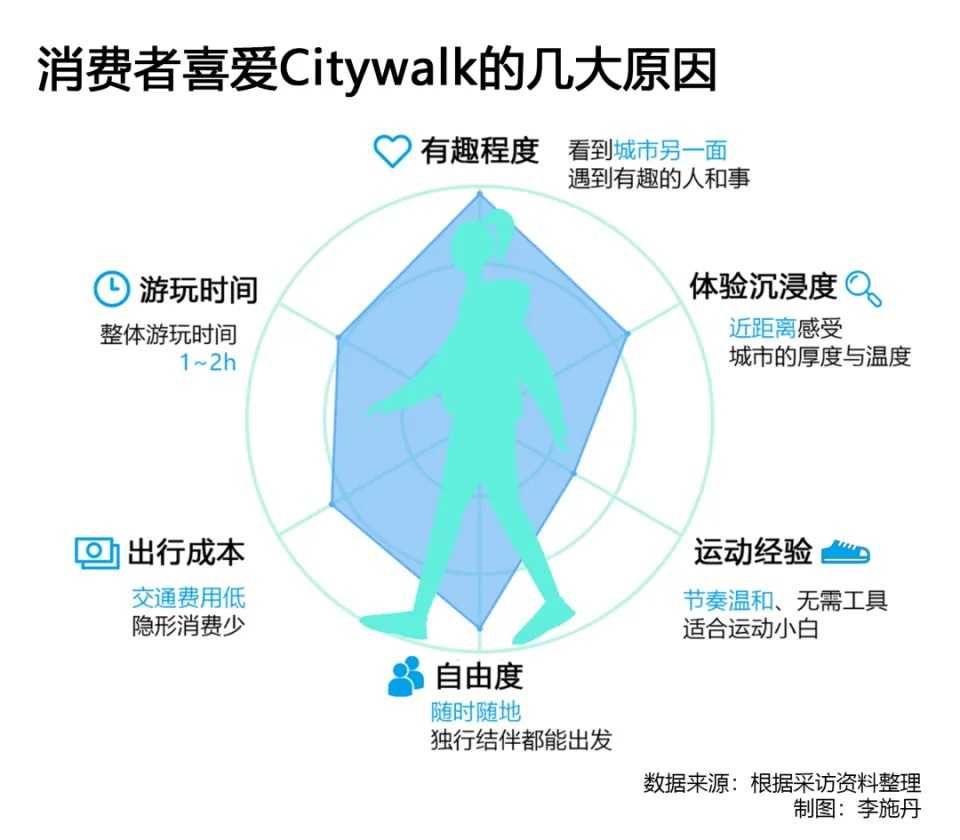
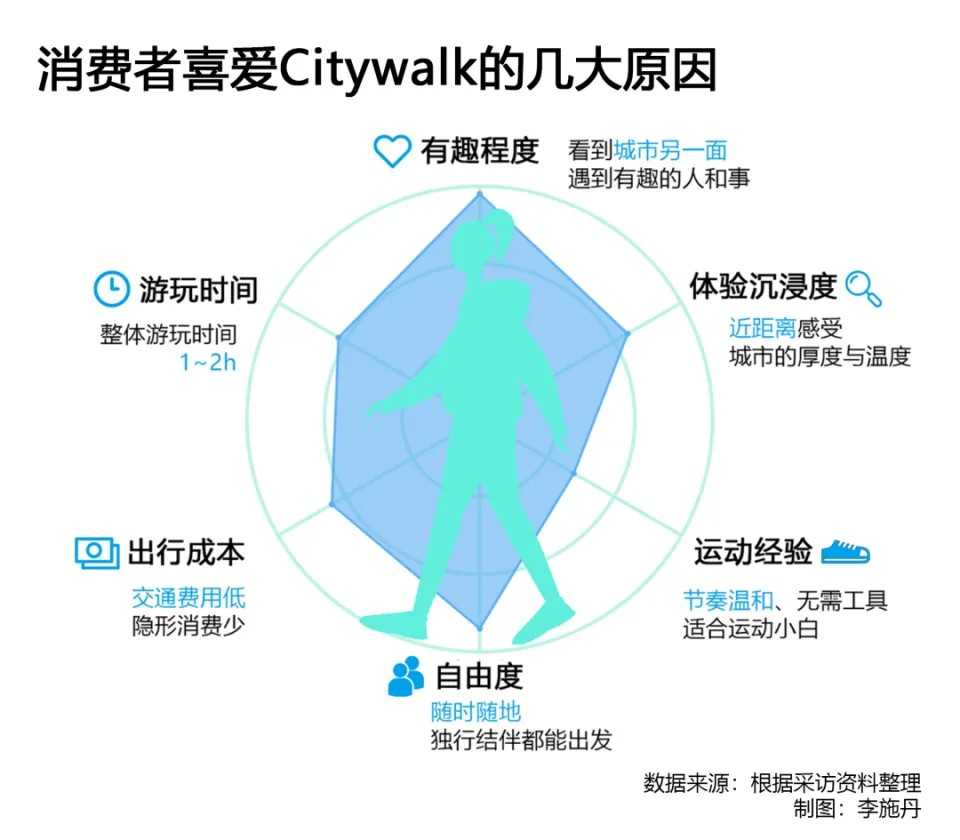
The term "City Walk" might sound modern, but its roots trace back to 1930s London, where locals would lead small groups through hidden alleys and historic neighborhoods. Today, it's a global phenomenon—a way to escape modern chaos, wander without rigid itineraries, and rediscover the joy of simply being in a place.
Shanghai has elevated City Walk to an art form. According to a Lifestyle Weekly report, Shanghai is the most "walked" city in China on Xiaohongshu (Little Red Book). Why? Because it offers something for everyone: the romance of French Concession's plane trees, the nostalgia of Blossoms Shanghai (Wong Kar-wai's hit series), the grit of Suzhou Creek, and the grandeur of the Bund. It's a city that rewards curiosity.
But there's a deeper reason. Shanghai is a city of layers. Beneath its glossy surface lies a history of resilience, innovation, and cultural fusion. It was once the only true metropolis in the Far East, a place where modern China was born. From the first department store to the first skyscraper, from the first film studio to the first stock exchange—Shanghai was the incubator of China's modern identity. Walking its streets is like flipping through a living history book.
And let's not forget the practicalities. Shanghai is designed for pedestrians. Its 64 "never-widen" roads preserve the city's historic scale, while its 6,000 convenience stores and 8,000 coffee shops make it easy to refuel. It's a city that invites you to linger.
[Link: Best walking shoes for city travel]
Pre-Trip Essentials: Planning Your Shanghai Walking Adventure

Getting There: The Train Advantage
For journeys under 1,000 kilometers, high-speed rail is unbeatable—fast, reliable, and weather-proof. Shanghai has three major stations: Shanghai Station (central, most convenient), Hongqiao Station (high-speed trains only), and Shanghai South Station. For a City Walk focused on the city center, aim for Shanghai Station. It's a short metro ride to most attractions.
I initially planned to leave on January 17, but a weather forecast of rain pushed me to catch an earlier overnight sleeper train from Beijing. There are now five overnight sleeper trains from Beijing to Shanghai, departing between 19:16 and 21:21. I chose the earliest, arriving at Shanghai Station at 7:25 AM. The train itself was a nostalgic touch—Beijing Station, built for the 10th anniversary of the People's Republic, is a national heritage site. Stepping off at Shanghai Station felt like starting a time-travel adventure.
Pro Tip: Book a first-class sleeper (soft sleeper). It's spacious, you'll sleep well, and you'll save a night's hotel bill. For budget-conscious travelers, it's a game-changer.
[Link: High-speed rail vs. flying in China]
Where to Stay: Choose History Over Convenience
For a City Walk, location is everything. I decided to base myself near People's Square—Shanghai's historic heart. This area is a hub of museums, landmarks, and transport links (Lines 1, 2, and 8 converge here). But instead of a modern chain hotel, I booked the Golden Gate Hotel on Nanjing Road. Built in the 1920s, this Italian-style building oozes old Shanghai charm. The rooms are spacious, the bathrooms are well-appointed, and the breakfast buffet is a delight. It's a five-minute walk to the Bund, the Shanghai Museum, and the famous Huanghe Road (Yellow River Road) from Blossoms Shanghai.
I stayed five nights and never regretted it. The hotel's vintage atmosphere was worth every penny.
[Link: Best boutique hotels in Shanghai French Concession]
Crafting Your Route: A Theme-Based Approach
Shanghai is too vast to conquer in one trip. Instead, choose a theme. My theme: Old Shanghai Stories. Here's my curated list of must-see spots:
Four Classic Streets: - Wukang Road: The heart of the French Concession, lined with plane trees and historic villas. - Yuyuan Road: A bohemian enclave with hidden alleyways and art deco architecture. - Hengshan Road: A tree-lined boulevard with a romantic, European vibe. - Duolun Road: A cultural hub with a literary past.
Iconic Old Houses: - Sinan Mansions: Once home to Shanghai's elite. - Blackstone Apartments: A luxury building from the 1920s. - Moller Villa: A fairytale castle inspired by a dream. - Shanghai Arts and Crafts Museum: A French-style "Little White House." - 1933 Old Millfun: A former slaughterhouse turned creative space.
Museums to Visit: - Shanghai Museum: One of China's top four museums. - Shanghai History Museum: Traces the city's rise to global prominence. - Shanghai Postal Museum: Housed in a historic post office building. - Shanghai-Hong Kong Bank Museum: A stunning example of early 20th-century architecture.
László Hudec's Masterpieces: - Wukang Building: The iconic ship-like structure. - Park Hotel: Once Asia's tallest building. - Grand Theatre: The "Far East's No. 1 Cinema." - Green House: Hudec's final Shanghai project.
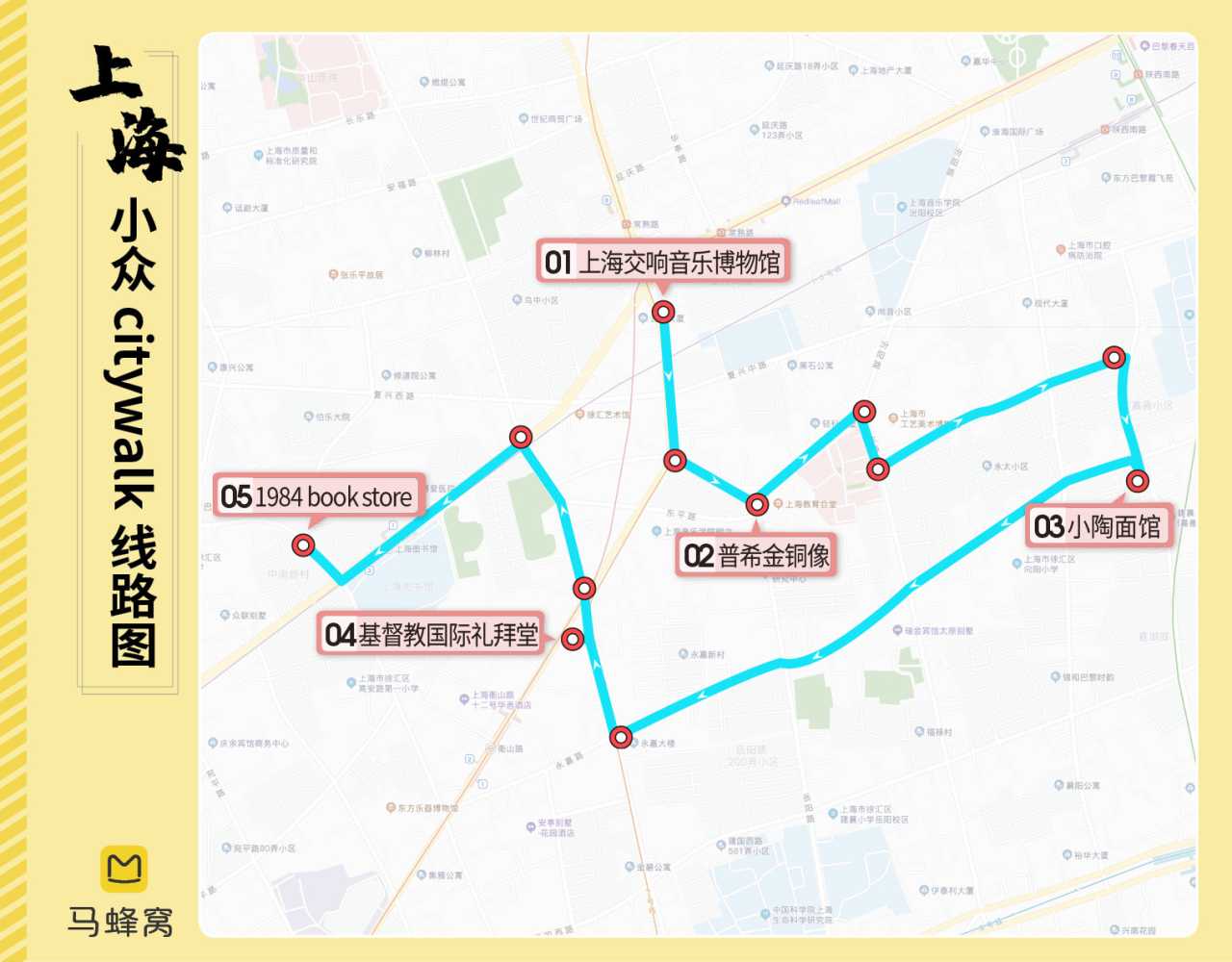
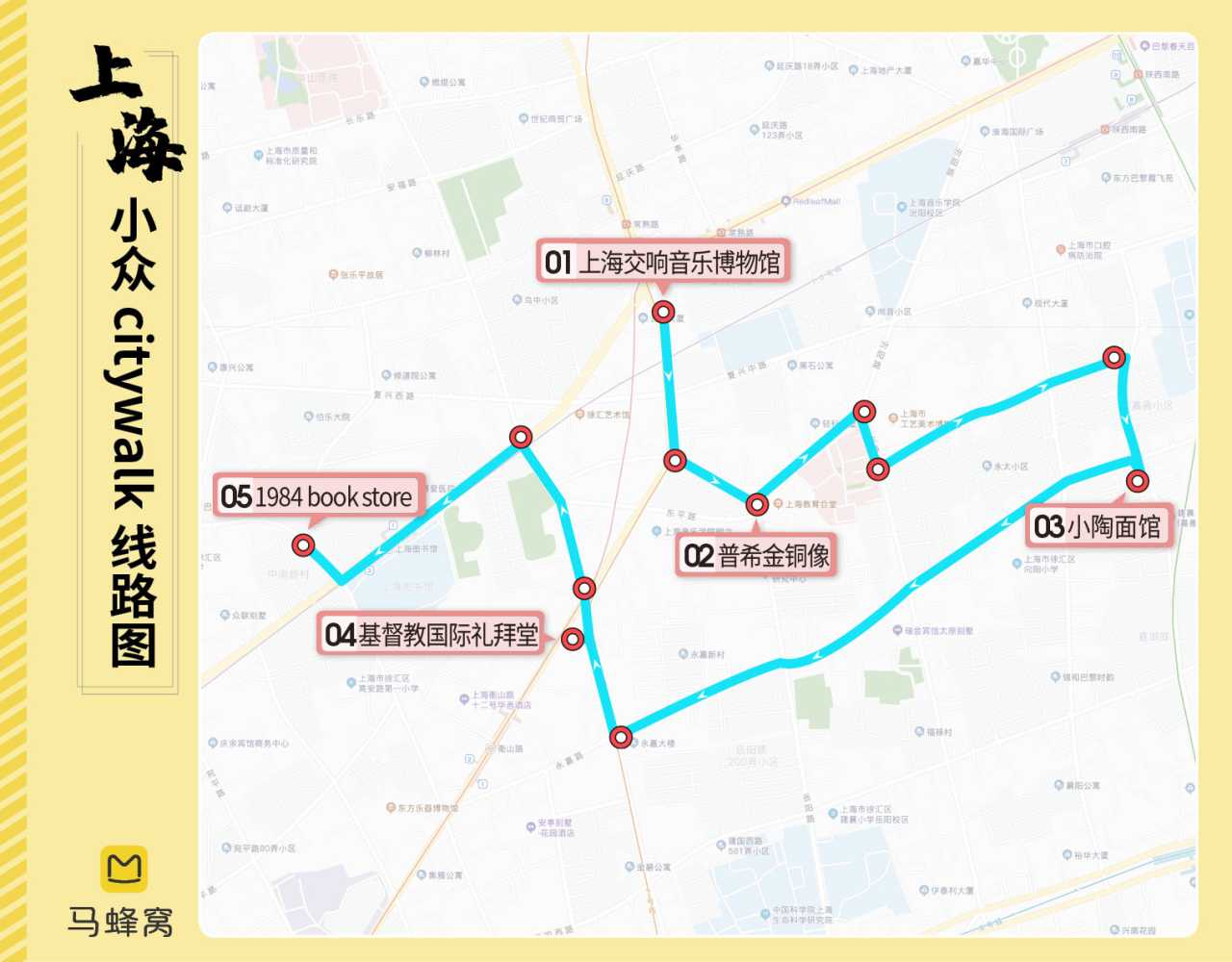
My Five-Day Walking Routes:
People's Square Loop: Shanghai Museum → History Museum → Sports Museum → Park Hotel → Golden Gate Hotel → Huanghe Road → Grand Theatre → Bank Museum → Nanjing Road Pedestrian Street.
French Concession: Huaihai Road → Arts and Crafts Museum → Blackstone Apartments → Clément Apartments → Soong Ching-ling Residence → Wukang Building → Wukang Road.
Suzhou Creek & North Bund: Sihang Warehouse → Postal Museum → Garden Bridge → Securities Museum → Jewish Refugees Museum → Duolun Road → North Bund.
Bund Architecture: The Bund Origin → Yuanmingyuan Road → Bank of China → Peace Hotel → Customs House → HSBC Building → Asia Building → Bund Promenade.
Hengshan Road: Hengshan Road → Xujiahui Library → Xujiahui Cathedral → Xu Guangqi Memorial → Xujiahui Park → Baidai Little Red House.
Note: I missed a few spots due to weather and time, but I discovered unexpected gems like Moller Villa and Green House.
Suzhou Creek: Shanghai's Seine
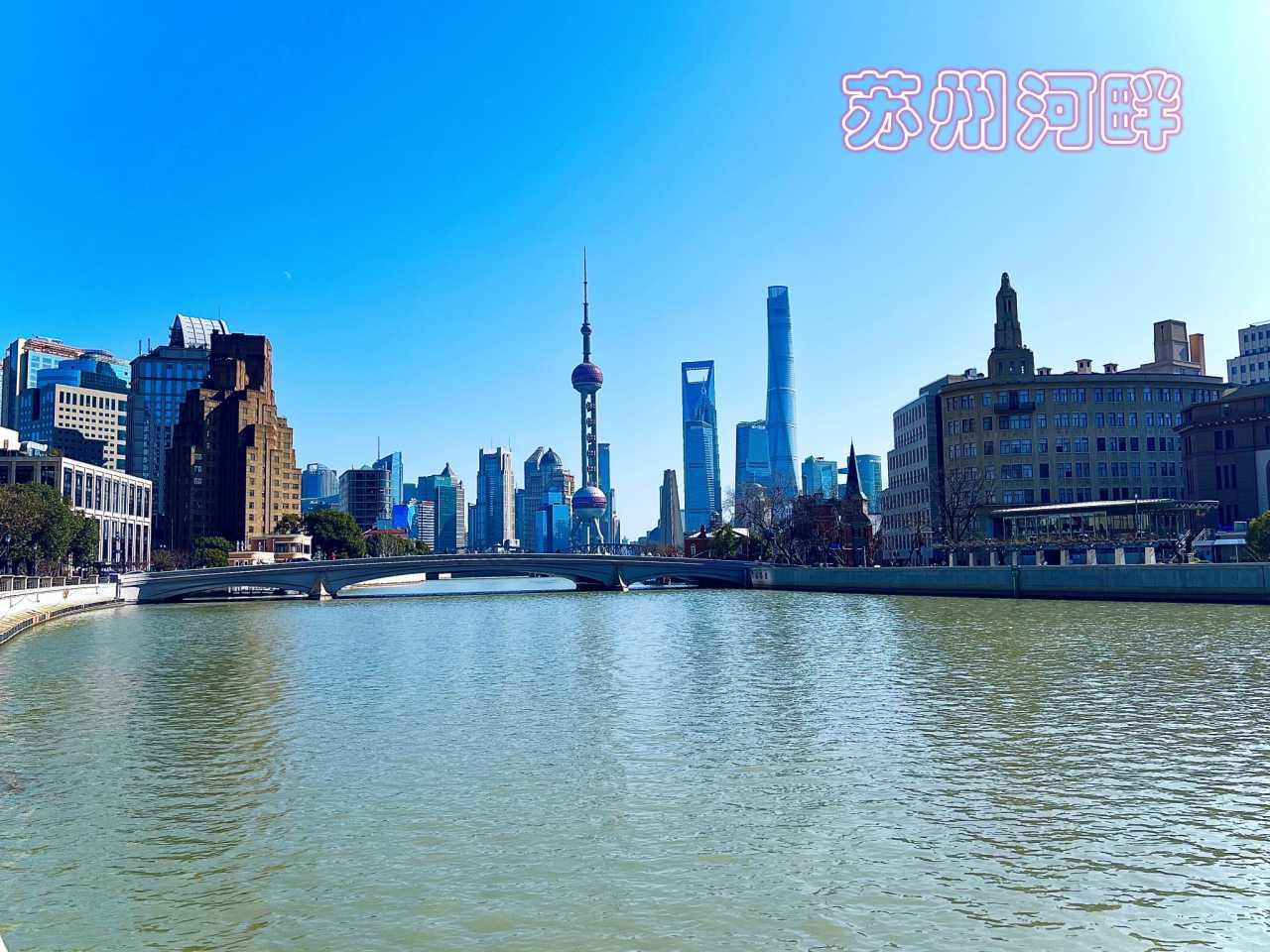
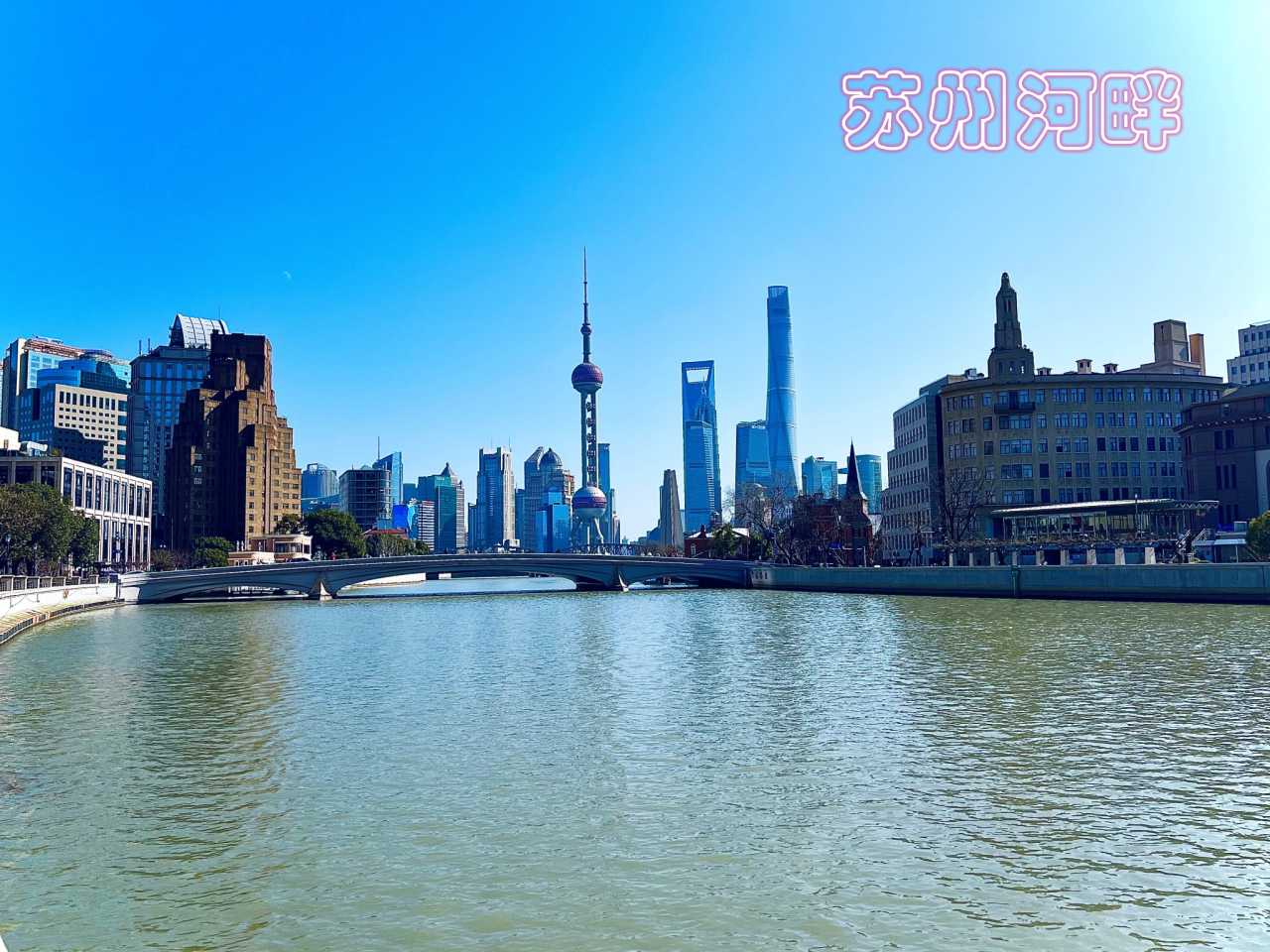
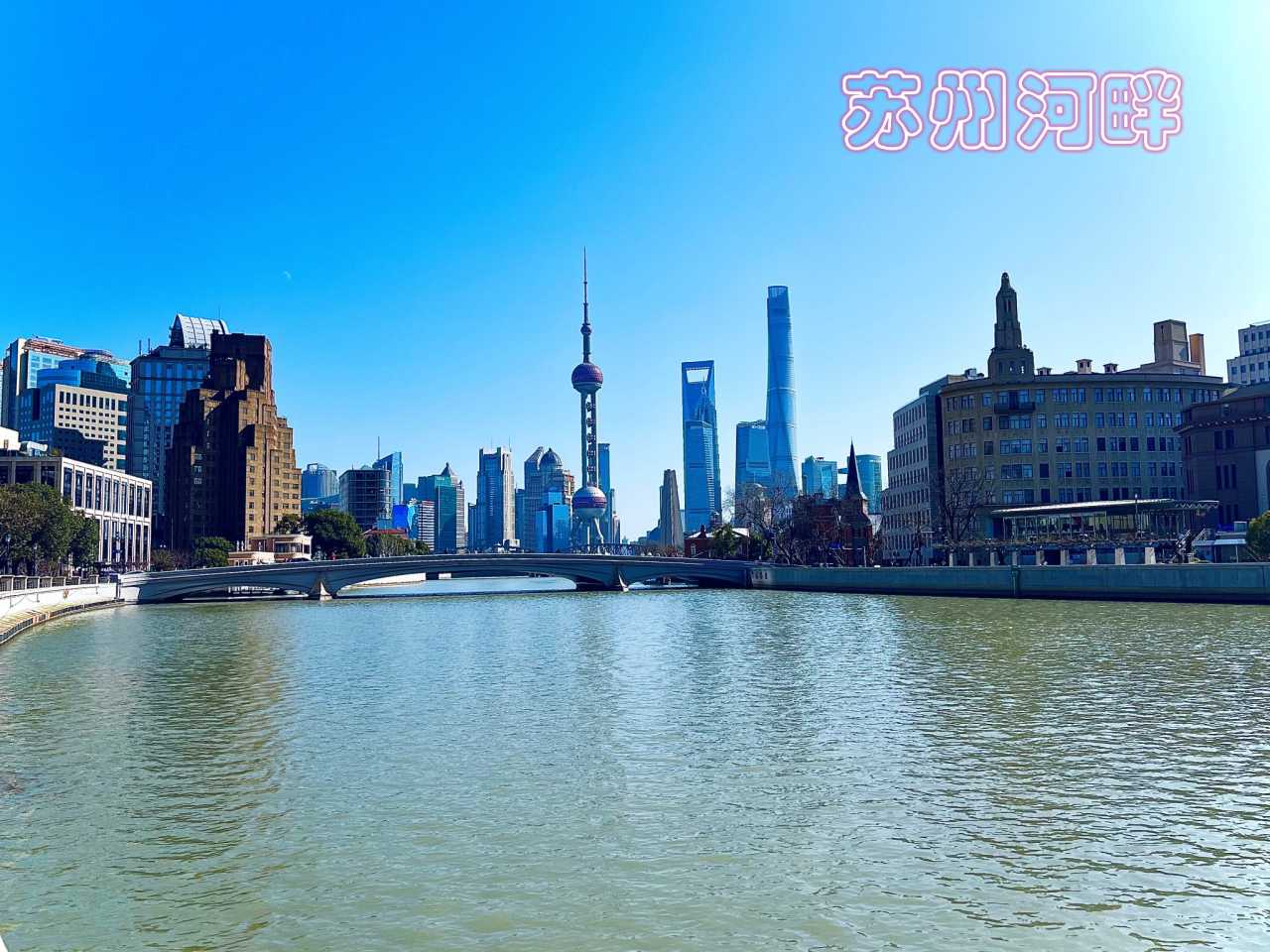
My journey began early on January 17, the only sunny day of my trip. After a quick breakfast on Huanghe Road, I headed to Suzhou Creek—Shanghai's "mother river" (or, more accurately, its "grandmother river," since the Huangpu is the city's primary waterway).
Suzhou Creek, once notorious for pollution and slums, has undergone a remarkable transformation. Today, its banks are lined with restored warehouses, art galleries, and riverside cafes. Walking along the creek feels like discovering a secret Shanghai—one that locals cherish but tourists often overlook.
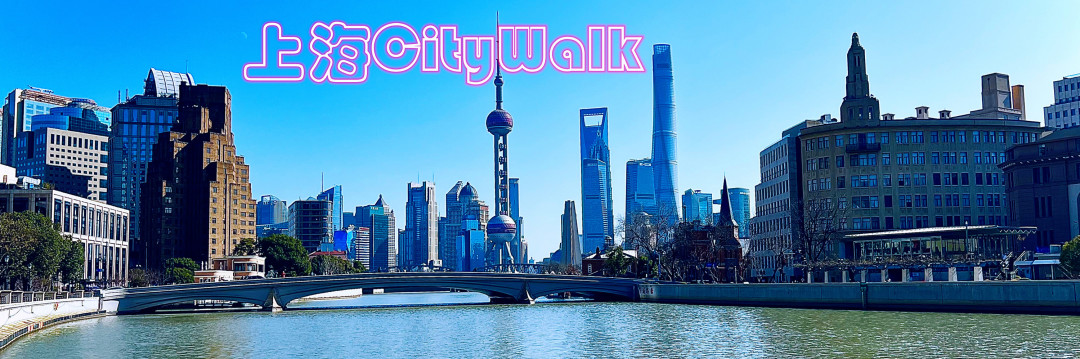
The Sihang Warehouse is a must-stop. This unassuming building was the site of a fierce 1937 battle during the Chinese resistance against Japanese invasion. The bullet holes still visible in its walls tell a story of courage and sacrifice. From there, follow the creek toward the Postal Museum, a stunning neoclassical building that once handled Shanghai's global mail. The museum's rooftop offers panoramic views of the Bund and Pudong's futuristic skyline—a perfect photo opportunity.
[Link: Shanghai's hidden war history sites]
Why Suzhou Creek Matters for City Walkers
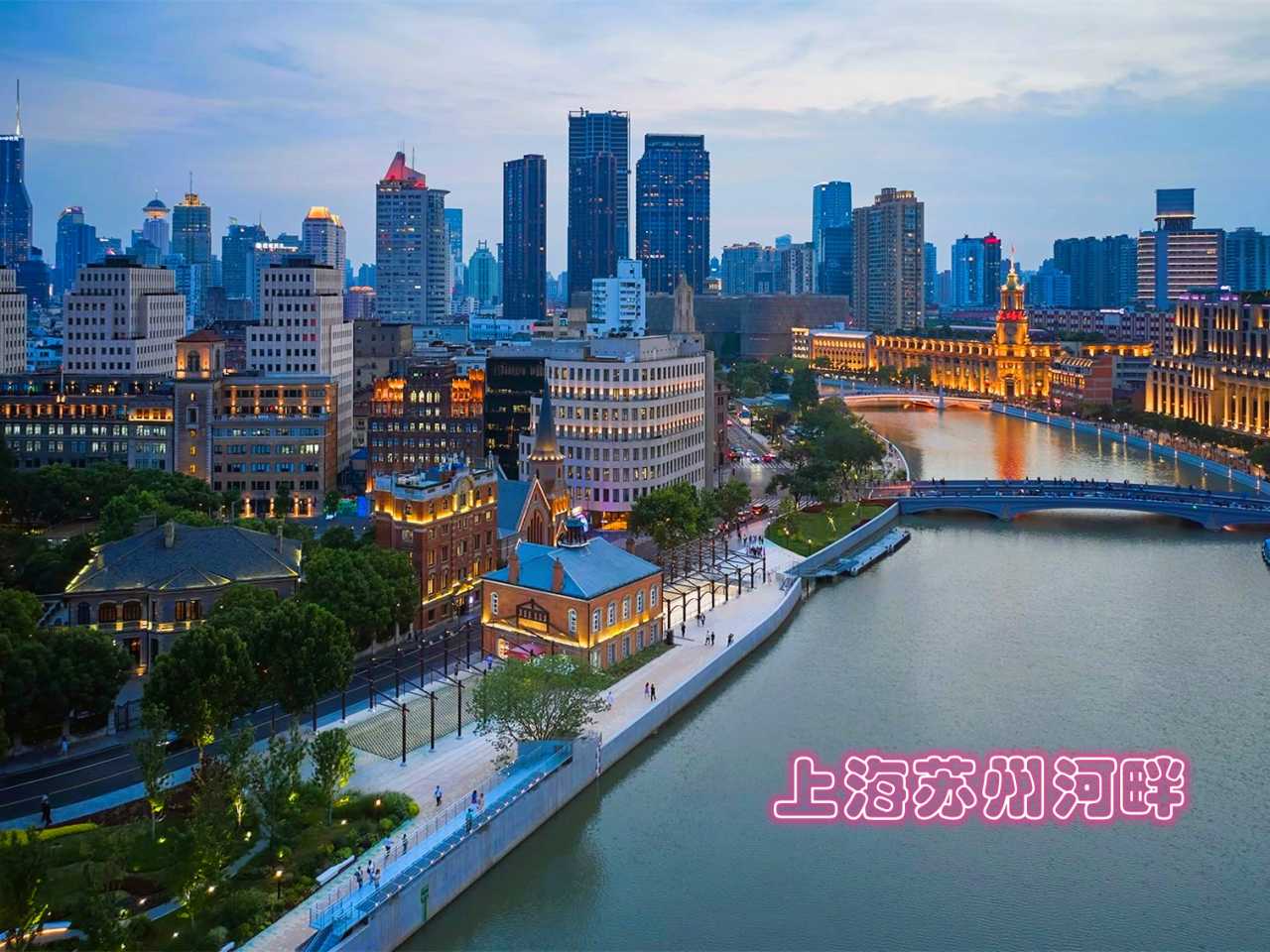
Suzhou Creek is more than a scenic route; it's a living timeline. The creek's banks reveal Shanghai's industrial past, its wartime struggles, and its modern renaissance. Walking here is like reading a novel chapter by chapter. You'll pass art deco factories, converted artist studios, and traditional shikumen (stone-gate) houses that survived urban renewal. It's a reminder that Shanghai's soul isn't just in its famous landmarks—it's in the quiet corners where history whispers.
French Concession: Where East Meets West
No Shanghai City Walk is complete without exploring the French Concession. This tree-lined district, once the exclusive enclave of foreign diplomats and wealthy Chinese, is now a bohemian paradise. Start at Huaihai Road, the Champs-Élysées of Shanghai, then dive into the side streets.
Wukang Road is the crown jewel. Its plane trees form a canopy that filters sunlight into dappled patterns. The Wukang Building, designed by Hungarian architect László Hudec, resembles a giant ship ready to sail. Nearby, the Shanghai Arts and Crafts Museum (housed in a French-style "Little White House") showcases traditional Chinese crafts like jade carving and embroidery.
But the real magic lies in the alleyways. Turn off Wukang Road into Anfu Road or Fuxing Road, and you'll find hidden cafes, vintage shops, and secret gardens. These are the spaces where Shanghai's creative class gathers—where old meets new in the most organic way.
[Link: Best cafes in French Concession for remote work]
Bund Architecture: A Walk Through Colonial Grandeur
The Bund is Shanghai's most famous waterfront, but most tourists rush through it. Take time to appreciate the architecture. Each building tells a story of Shanghai's colonial past and its rise as a global financial center.
Start at Yuanmingyuan Road, where the Bank of China Building (1937) stands as a symbol of Chinese ambition. Next, visit the Peace Hotel, where jazz bands once played for the city's elite. The Customs House with its iconic clock tower, and the HSBC Building with its stunning dome, are architectural masterpieces.
For a deeper dive, join a guided tour or use a self-guided audio app. The Bund is best experienced at dawn or dusk, when the light casts long shadows and the crowds thin.
[Link: Best time to visit the Bund for photography]
FAQ: Shanghai City Walk Essentials
Q: Is Shanghai safe for solo walking tours? A: Absolutely. Shanghai is one of the safest cities in the world for solo travelers. Petty crime is rare, and the city is well-lit and patrolled. Just use common sense—keep valuables secure and stay aware in crowded areas.
Q: What's the best time of year for a Shanghai City Walk? A: Spring (March-May) and autumn (September-November) offer mild temperatures and clear skies. Summer can be hot and humid, while winter is chilly but less crowded. Avoid Chinese New Year (January/February) when many shops close.
Q: How many days do I need for a Shanghai walking tour? A: A minimum of 3-4 days is recommended to cover the main districts. For a deep dive into Old Shanghai stories, 5-7 days allows time for unexpected discoveries.
Q: Can I walk everywhere, or do I need public transport? A: Shanghai is surprisingly walkable, but the city is vast. Use the metro for longer distances (e.g., from French Concession to Suzhou Creek). The metro is clean, efficient, and English-friendly.
Q: Are guided City Walk tours worth it? A: Yes, especially for history-focused walks. Local guides share stories and insights you won't find in guidebooks. Many tours are affordable (around $20-40 USD) and can be booked through platforms like Airbnb Experiences or GetYourGuide.
[Link: Top-rated Shanghai walking tours on TripAdvisor]
Conclusion: Your Shanghai Story Awaits
Shanghai is not a city to be seen—it's a city to be felt. Every street corner holds a story, every building whispers a secret, and every alley invites you to explore. Whether you're tracing the footsteps of 1930s jazz musicians, discovering hidden war memorials, or sipping coffee in a French Concession garden, Shanghai rewards those who walk with open eyes and curious hearts.
I left Shanghai with a list of places I missed—and a promise to return. The city is too rich, too layered, too alive to be conquered in one trip. But that's the beauty of a City Walk: it's not about ticking boxes. It's about the journey itself.
So pack your walking shoes, download a map (or get lost intentionally), and let Shanghai reveal itself to you. The stories are waiting.
Ready to plan your Shanghai adventure? Start by booking your train ticket, choosing a historic hotel, and mapping out your first walking route. Share your discoveries with us—tag #OldShanghaiWalks on Instagram or leave a comment below. Your story might inspire the next traveler.
Internal Linking Suggestions: - [Link: Best walking shoes for city travel] - [Link: High-speed rail vs. flying in China] - [Link: Best boutique hotels in Shanghai French Concession] - [Link: Shanghai's hidden war history sites] - [Link: Best cafes in French Concession for remote work] - [Link: Best time to visit the Bund for photography] - [Link: Top-rated Shanghai walking tours on TripAdvisor] - [Link: How to plan a multi-day City Walk itinerary]
You may also like