Chongqing: The Ultimate Guide to Fog City’s Spicy Street Food, Hidden Alleys & Iconic Views
Meta Description: Discover Chongqing’s “magical realism” – from Hongyadong’s neon-lit cliffs to fading Shibati alleys. A 3-day itinerary for foodies, with hotel tips, crowd hacks, and spicy hotpot secrets. (156 characters)
Introduction: Why Chongqing Calls You Back Like Sichuan Peppercorn
Ever since our family grew by one, long-distance trips for Little Q and me went on hold. But that deep-seated yearning for faraway places—like the Sichuan peppercorns in a Chongqing hotpot—always jumps out when you least expect it. So we set our sights on a city every Sichuan native knows by heart: Chongqing, the Fog City.

Taking advantage of the Qingming Festival holiday, we planned two days of indulgence in incredible food, with a third day left as a buffer for pure relaxation. Now that the high-speed rail between Chengdu and Chongqing runs like clockwork, the journey feels like visiting a neighbor’s house. Finally, we could explore this mountain metropolis at a leisurely pace.
This trip wasn’t complicated—still the same “eat and explore” routine—but every corner held a surprise. From viral TikTok hotspots to old alleyways on the verge of disappearing, and those tongue-numbing, addictive dishes that make you jump for joy, Chongqing taught us what jianghu (the gritty, free-spirited world of the streets) truly means.
Pre-Trip Prep: Choose the Right Hotel, and Half the Journey Is Done

For every trip, accommodation is the part we care about most. A comfortable hotel is like a safe harbor on the road—it recharges you when you’re exhausted. This time, we chose a spot near Jiefangbei (Liberation Monument), the heart of Chongqing, making it easy to get anywhere.
The hotel had high ratings on booking platforms, with guests raving about its “prime location.” After checking in, it didn’t disappoint—in the pricey, space-starved area of Jiefangbei, getting a room like this for the price was an incredible deal. But the first time we went, we were almost baffled by the hotel lobby’s location: it was hidden on the 10-something floor! Only later did we realize this was just the tip of the iceberg of Chongqing’s surreal, “magical realism” character.
Pro tip: Booking platforms often have flash promotions. If you book a stay of 400 RMB or more and successfully check in, you get 200 RMB cashback. Enter the code [557a7e7a] in the app under “My Promo Codes.” If you have travel plans coming up, give it a try—it’s a real steal.
[Link: Best hotels near Jiefangbei for budget travelers]
Hongyadong: The “Human Hell” Beneath the Internet-Famous Glow
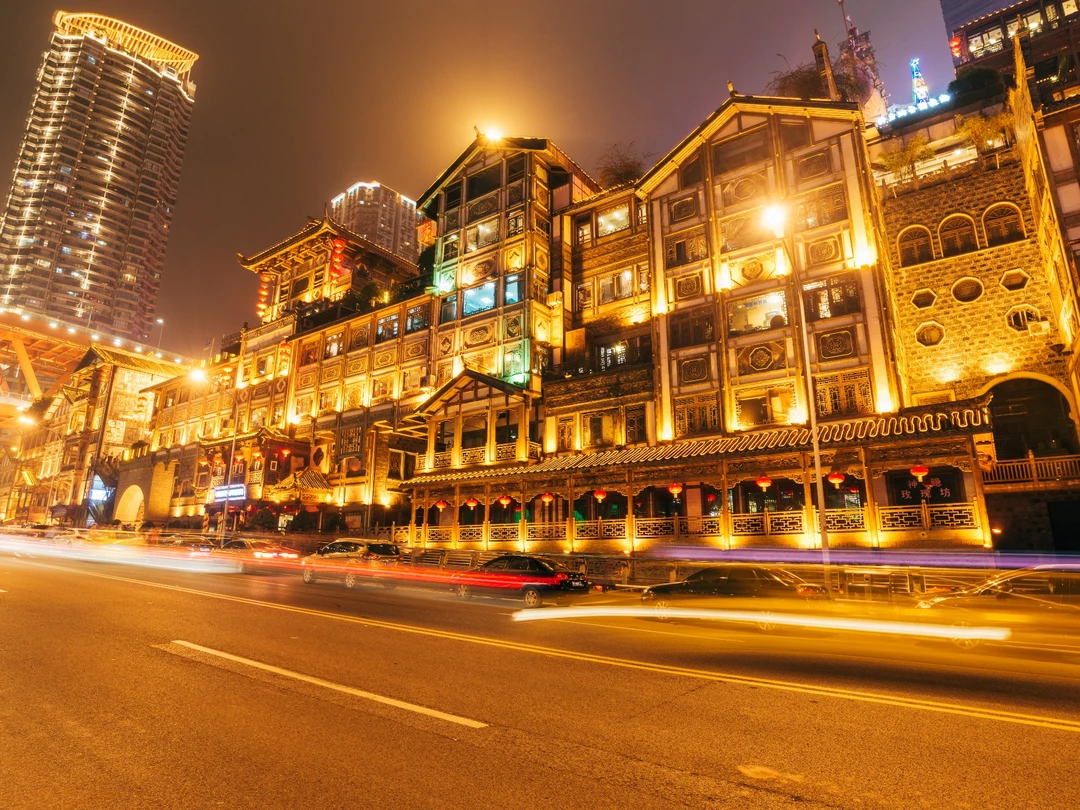
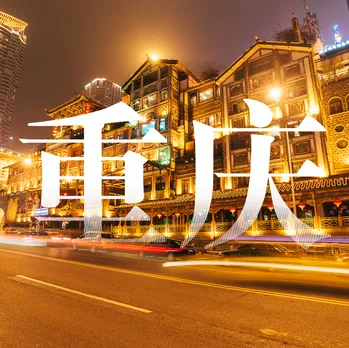
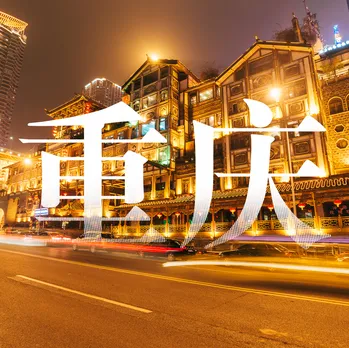
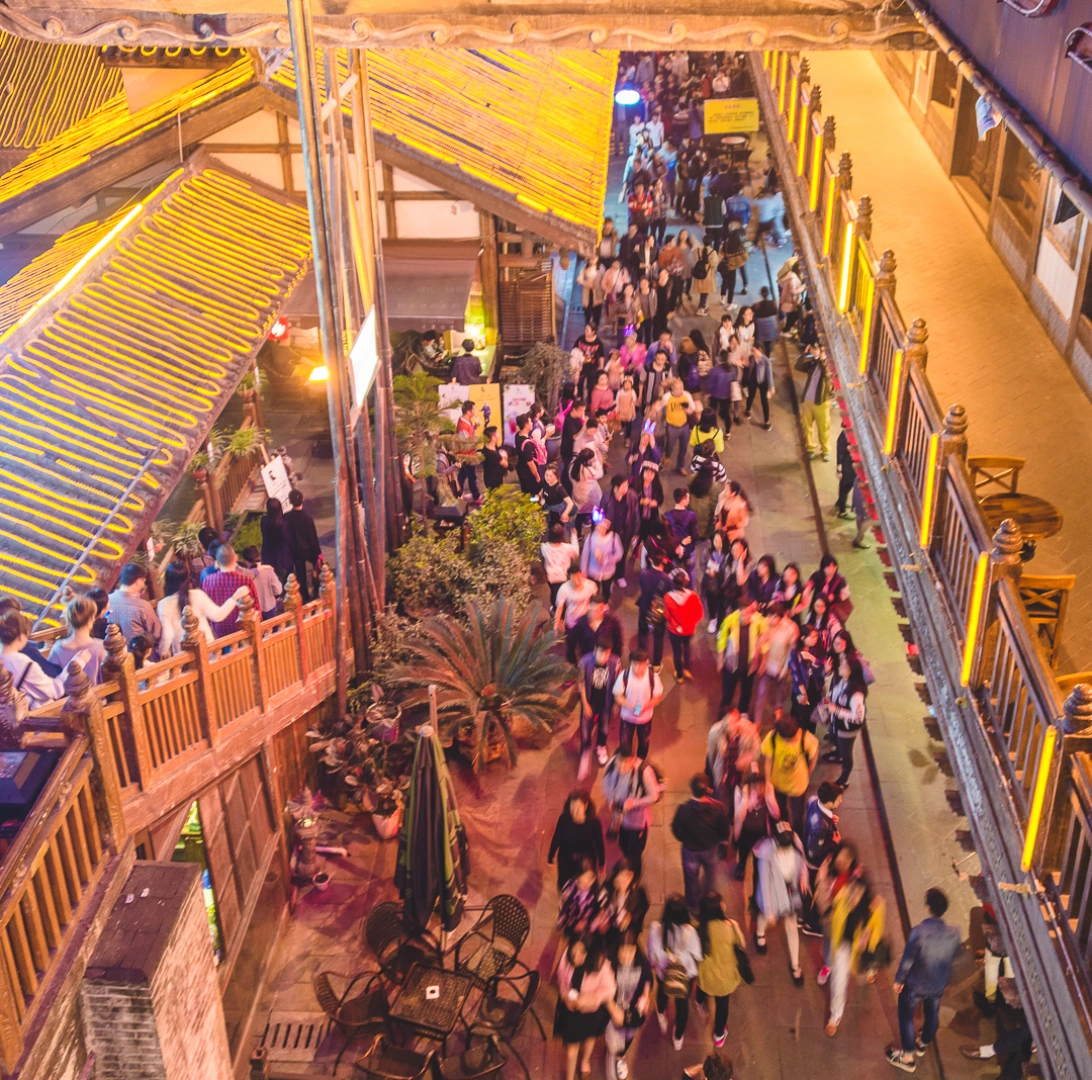
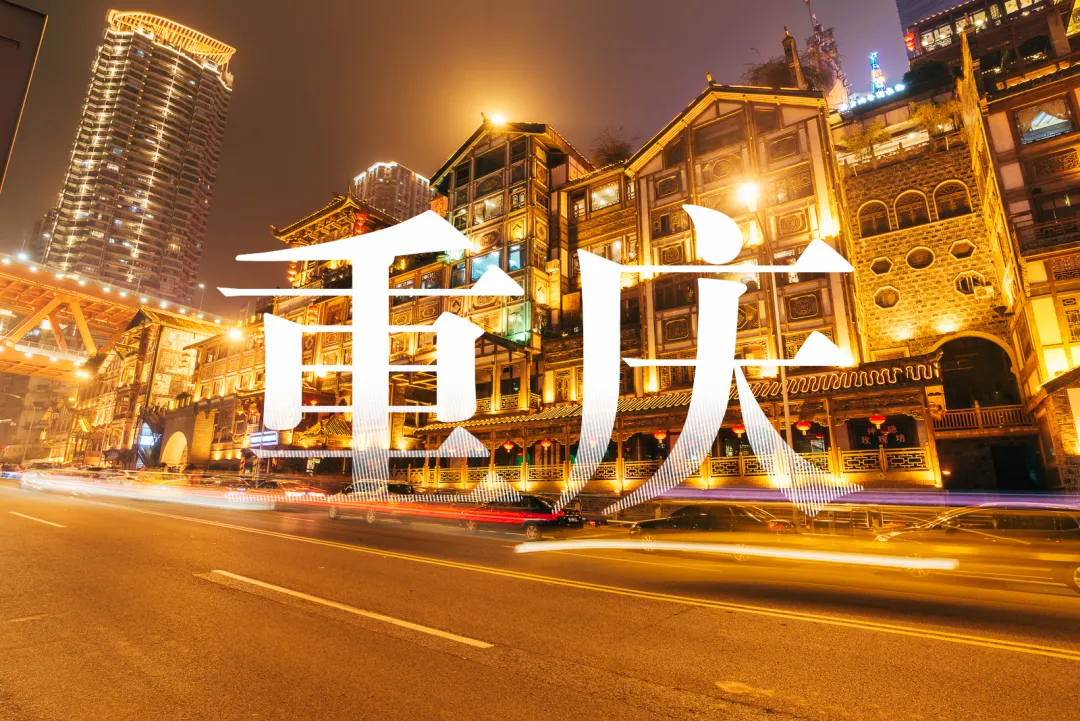
When it comes to Chongqing’s hottest spots, Hongyadong (Hongya Cave complex) is undeniably number one. During the public holiday, the crowds were so overwhelming they made you question life itself. Want to capture that iconic, brilliantly lit night view you see online? First, you have to navigate a nine-story “human maze.”
Elevators? Forget it—the line could wrap around the Earth three times. We had to take the emergency stairwell, squeezing down like refugees, only to fight for camera positions at the riverside with a horde of photographers armed with “long guns and short cannons.”
After finally making it to the bottom, the river was shrouded in mist, and the neon lights shifted colors in the night. At that moment, I finally understood what “Chongqing is supposed to look like.” The ancient-style buildings of Hongyadong are built into the mountainside, layered and staggered, and when the lights come on, it feels like stepping back into the Tang Dynasty. Unfortunately, our tripod kept getting bumped by people, so despite taking plenty of shots, very few were usable. Little Q could only take a melancholy photo by the roadside, with a sea of heads in the background.
The most surreal part? After taking photos, we wanted to head back to the hotel, only to find the shortest route was to climb back up nine floors—otherwise, we’d have to take a huge detour. Taxi? Chongqing’s cab drivers are famously aloof. They’ll ask where you’re going before you get in, and if it’s not on their way, they’ll just refuse. Helpless, we retreated back into Hongyadong, planning to take the stairs back up. But at 10 p.m., the stairwell doors were locked, so we had to join the “going home” horde waiting for the elevator—a full 40-minute wait.
Visiting such a spot during a holiday is a love-hate experience. But honestly, Hongyadong itself is uniquely beautiful. If you can avoid the crowds, it’s absolutely worth savoring.
[Link: How to avoid crowds at Hongyadong – best times to visit]
Jiefangbei: The City’s Heart, Where Bustle Meets Everyday Life
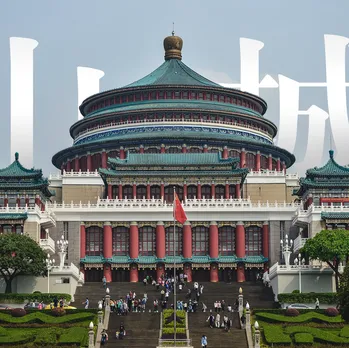
Jiefangbei (Liberation Monument) is to Chongqing what Chunxi Road is to Chengdu. But I think Jiefangbei feels more grand—it has a spacious square, unlike Chunxi Road’s cramped feel. At night, the modern buildings around Jiefangbei glitter under the lights, the pedestrian street is packed with people, and all kinds of snack stalls are tucked in between, creating a lively, chaotic energy.
During the day, we took advantage of the smaller crowds to snap a few photos of Little Q. Near Jiefangbei, there’s also the Chongqing Art Museum, with its distinctive architecture that stands out among the steel-and-glass jungle. We stopped for a break at a nearby café, soaking in the city’s slower pace. Not far from the pedestrian street, there’s an old church—St. Joseph’s Cathedral (Ruose Tang)—hidden among residential buildings. While its interior isn’t as ornate as European cathedrals, it has a unique sense of solemnity.
What to eat near Jiefangbei: Try the local chuan chuan (skewers) and mian xian (rice noodles) from street vendors. The area is a food lover’s paradise.
Eighteen Stairs and the Mountain City Trail: Old Chongqing Is Fading Away
The Eighteen Stairs (Shibati) area is famous—it was once a microcosm of old Chongqing. But when we visited, it was already a shadow of its former self: most of the buildings had been demolished, leaving only rubble and ruins. Though a few residents still lingered, the lively, down-to-earth atmosphere of the old neighborhood was nearly impossible to revive. Looking at the simple signs and remnants of daily life, I felt a pang of melancholy. The contrast was stark: on one side, modern skyscrapers; on the other, dilapidated old streets, with nothing but time between them.
In comparison, the Mountain City Trail (specifically the Third Trail) offered more pleasant surprises. This is a riverside walkway, with one side suspended in the air like an ancient plank road, and the other side lined with homes, as if time had stood still. The trail is long, and we walked along, enjoying the river view. That day, a thick fog had settled over the river, adding a unique charm. There were many side paths leading down to street level, so we didn’t have to backtrack. Walls covered in ivy, the precarious walkway, and those old houses—I wondered if they, too, would one day face the same fate as the Eighteen Stairs.
[Link: Chongqing’s hidden alleys – a walking tour guide]
Nanbin Road: The “Magical Realism” of Walking Across the River
Nanbin Road (South Riverside Road) is a prime spot for night photography, but getting there is no easy feat. The most comfortable way would have been the river-crossing cable car, but the line stretched into eternity. So we opted to walk across the bridge and then take a bus. That’s Chongqing’s magic: two places look close on the map, but actually getting between them feels like a journey of a thousand miles.
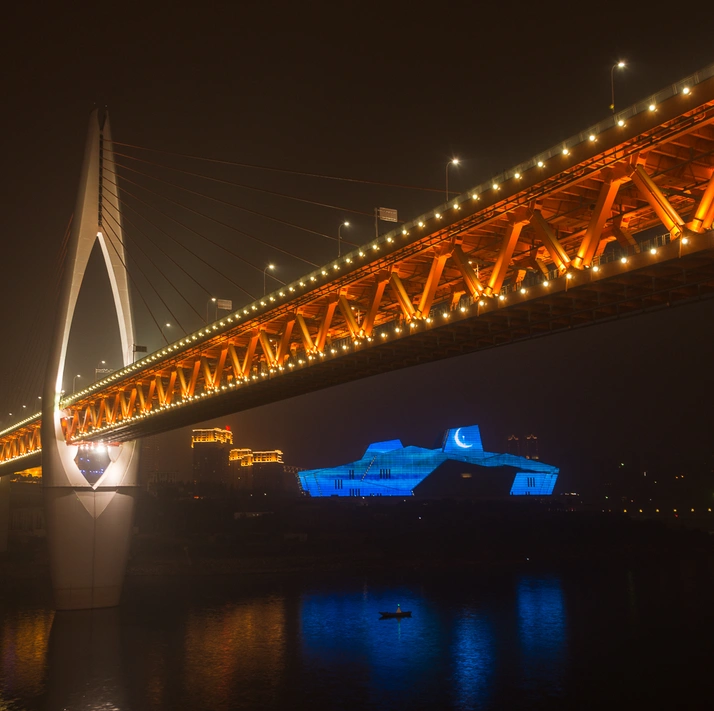
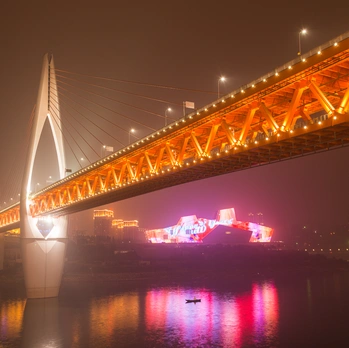
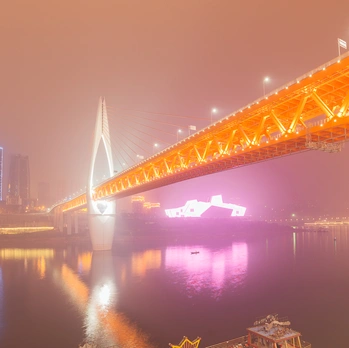
Walking on the Yangtze River Bridge, watching the cable cars glide overhead, the ancient and the modern intertwined before our eyes. As dusk fell, the riverside lights began to glow, and the scenery was so beautiful it made us forget our exhaustion. When we finally reached Nanbin Road, there weren’t many people taking photos—probably all stuck in traffic. Unfortunately, many of the buildings hadn’t turned on their lights, and with the river fog swirling around, the nightscape shots weren’t perfect. On the way back, we faced the same taxi trouble again, eventually having to share a ride with strangers to get back to our hotel.
Tip: Use ride-hailing apps like Didi to avoid cab refusals. Or, take the metro if you’re staying central.
Zhongshan Fourth Road: A Haven for the Artsy and the Soulful
Zhongshan Fourth Road (Zhongshan Si Lu) is a quiet, tree-lined street, with plane trees (French sycamores) lining both sides. Bookstores, cafés, and galleries dot the pavement, offering a peaceful escape from the city’s chaos. This is where Chongqing’s creative soul lives—a place to sip coffee, browse art, and watch the world go by. If you’re looking for a slower pace, this is your spot.
Frequently Asked Questions (FAQ)
1. What is the best time to visit Chongqing?
 The best time is spring (March–May) and autumn (September–November) when the weather is mild and fog is less intense. Avoid Chinese public holidays if you dislike crowds.
2. How many days do I need in Chongqing?
 A 3-day itinerary is ideal: 2 days for sightseeing and food, plus 1 day for relaxation. You can cover Hongyadong, Jiefangbei, Shibati, and Nanbin Road comfortably.
3. Is Chongqing safe for solo travelers?
 Yes, Chongqing is very safe. However, be cautious with street food hygiene and watch your step on steep stairs. Taxis may refuse short trips, so use ride-hailing apps.
4. What should I eat in Chongqing?
 Must-try dishes: Chongqing hotpot (spicy and numbing), chuan chuan (skewers), mian xian (rice noodles), and la zi ji (chongqing spicy chicken). Don’t forget to try local street snacks near Jiefangbei.
5. How do I get around Chongqing?
The metro is efficient and covers major attractions. For short distances, walking is best (but be prepared for stairs). Use Didi for taxis, as cab drivers may refuse short rides.
Conclusion: Your Spicy Journey Awaits
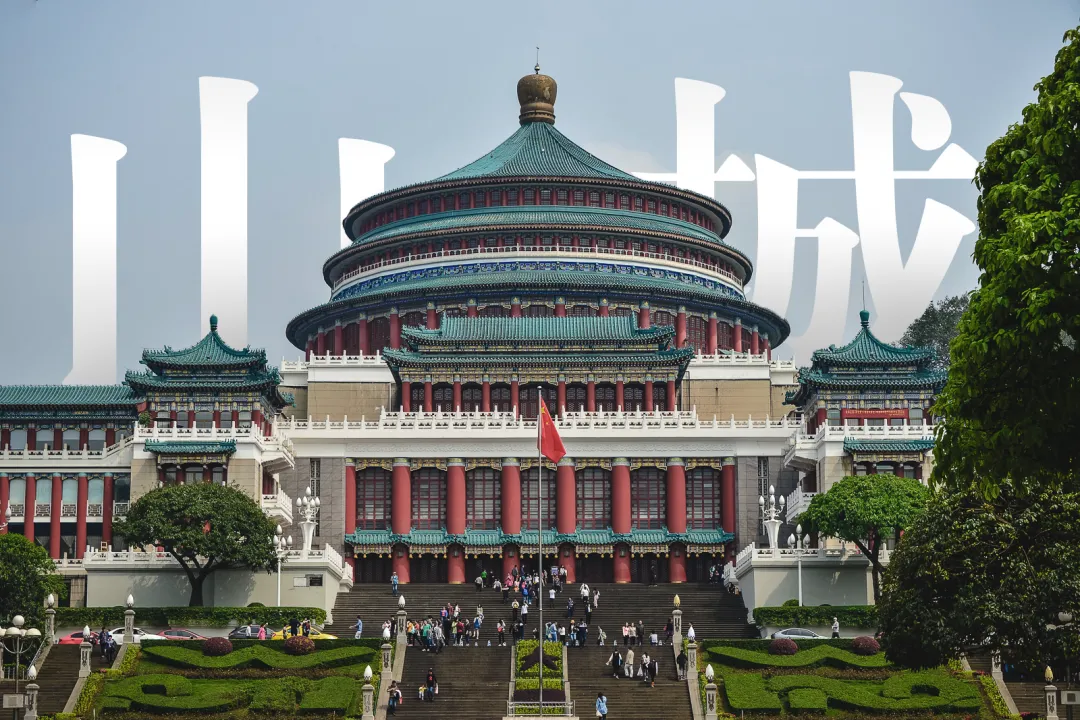
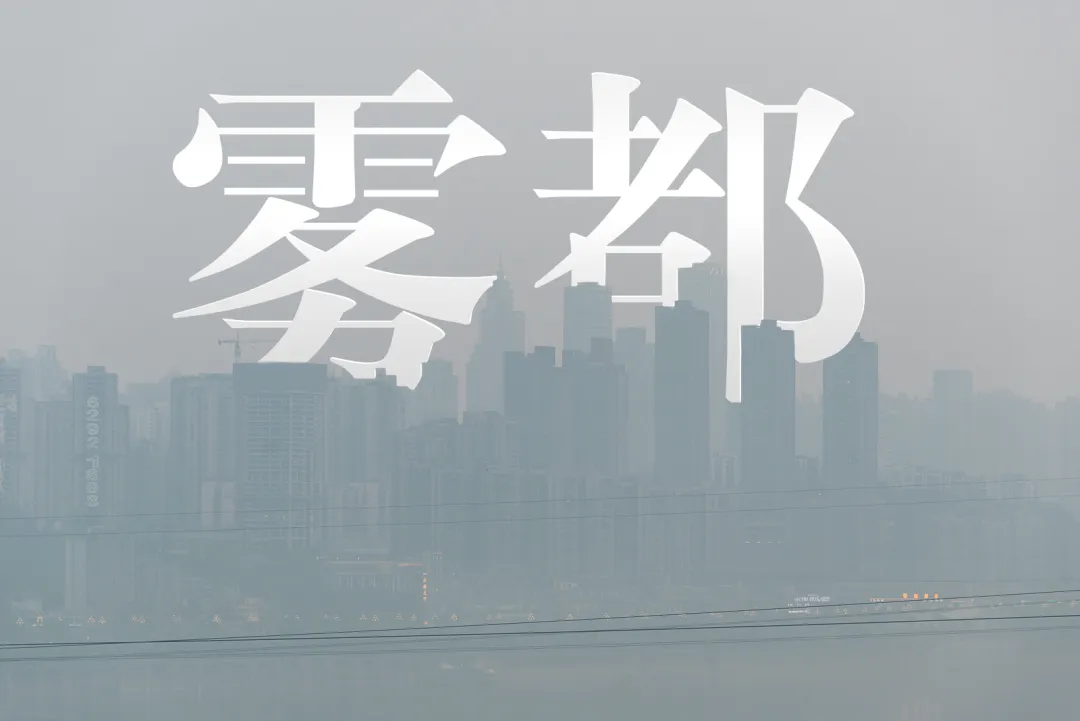
Chongqing is a city that lives on its own terms—a mountain metropolis where ancient alleys meet neon-lit skyscrapers, where the fog hides secrets, and where every meal is an adventure. Whether you’re chasing viral views, craving tongue-numbing hotpot, or simply wanting to lose yourself in the chaos, this Fog City will leave you breathless.
Ready to plan your trip? Start by booking a hotel near Jiefangbei for easy access. Use the code [557a7e7a] for cashback on stays over 400 RMB. And don’t forget to pack your appetite—you’ll need it.
Share your Chongqing story with us! Tag us on social media with #FogCityAdventures. Your spicy journey starts now.
[Link: Best Chongqing hotpot restaurants – a local’s guide] [Link: Chongqing travel tips for first-timers] [Link: Top 10 Instagram spots in Chongqing]
You may also like