Cherry Blossom Honeymoon Photography Journey: Film Memories from Tokyo to Kyoto
Here is the SEO-optimized, rewritten article based on the source material. It has been expanded to approximately 1500 words, structured for search engine visibility, and tailored for a travel/romance niche audience.
SEO Title: Cherry Blossom Honeymoon Photography Journey: Film Memories from Tokyo to Kyoto (2025 Guide)
Meta Description (155 chars): Relive a 13-day cherry blossom honeymoon from Tokyo to Kyoto. Discover film photography tips, hidden gems, and a complete itinerary for a romantic Japan trip.
Cherry Blossom Honeymoon Photography Journey: Film Memories from Tokyo to Kyoto
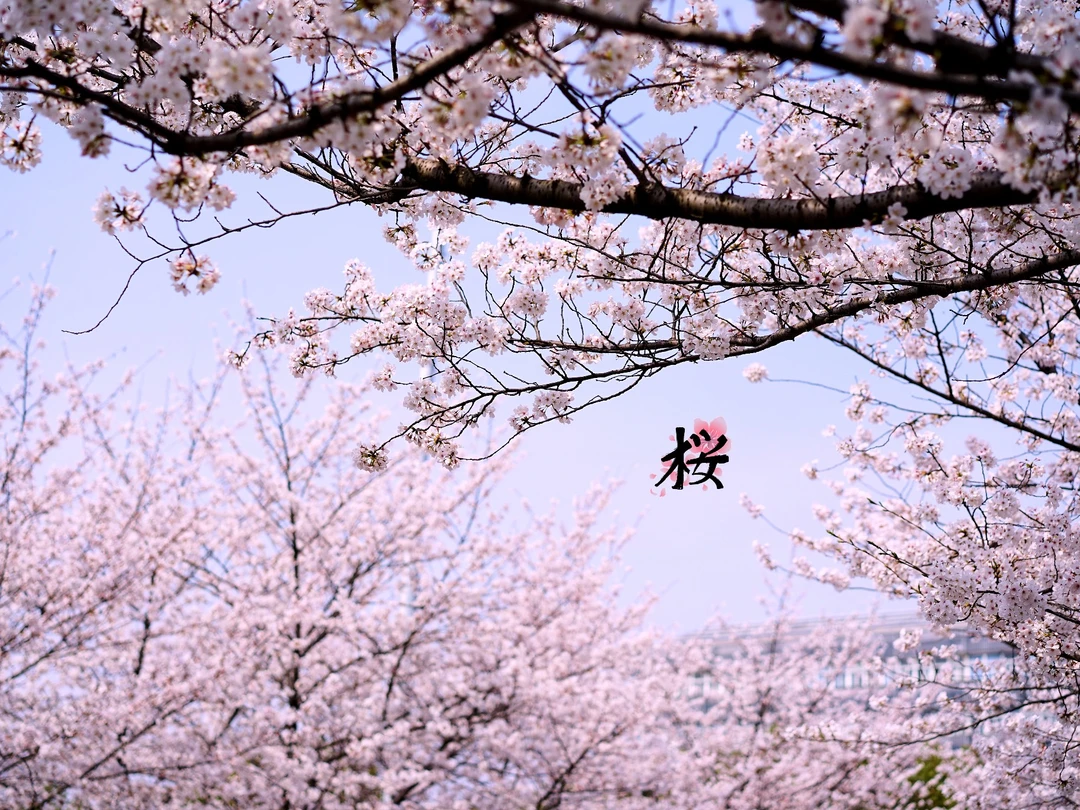
April in Japan is the season of cherry blossoms. When the pinkish-white petals fall like snow, the entire country seems wrapped in a gentle filter. For couples seeking a romantic escape, a cherry blossom honeymoon photography journey offers the perfect blend of natural beauty, cultural depth, and intimate memory-making.
In the spring of 2018, my partner and I embarked on a thirteen-day cherry blossom chase from Kanto to Kansai, capturing every heart-stirring moment with film cameras. This was more than just a trip—it was a romantic adventure about love and discovery. Here is our complete itinerary, film photography tips, and honest reflections from Tokyo to Kyoto.
Why a Cherry Blossom Honeymoon is Perfect for Film Photography
There is something magical about shooting a Japan honeymoon on film. The soft grain, the unpredictable light leaks, and the anticipation of developing the roll mirror the fleeting nature of cherry blossoms themselves. If you are planning a romantic Japan travel experience, combining film photography with the sakura season creates a timeless aesthetic that digital simply cannot replicate.
Our gear included a mix of 35mm and medium format cameras. We found that the slower pace of film forced us to be more present—waiting for the perfect light, composing each shot carefully, and savoring the moment rather than snapping endlessly.
Itinerary Overview: A Carefully Planned Cherry Blossom Route
Our journey started from Hong Kong, passing through Tokyo, Kamakura, Mount Fuji's Lake Kawaguchi, and finally arriving in Kyoto—thirteen days in total. The per-person cost was about 12,000 RMB ($1,700 USD), and this couples' trip was filled with impromptu adjustments, surprises, and a few regrets.

Actual Itinerary: - April 2: Hong Kong → Tokyo (Haneda Airport) - April 3-5: Tokyo exploration - April 5-8: Kamakura slow living - April 8-10: Mount Fuji's Lake Kawaguchi - April 10-11: Return to Tokyo for shopping - April 11-14: Kyoto wandering - April 14: Osaka → Hong Kong
The original plan was to follow the cherry blossom bloom sequence from Kanto to Kansai, but this year the flowers opened early. By the time we reached Kyoto, the peak season was nearly over. This small disappointment actually made us cherish every moment in Kanto even more—especially Tokyo and Mount Fuji, two places that deserved longer stays.
Pro Tip: For a sakura season itinerary, always build in buffer days. The bloom forecast can shift by a week or more depending on the weather.
First Stop: Tokyo—A City You Never Tire Of
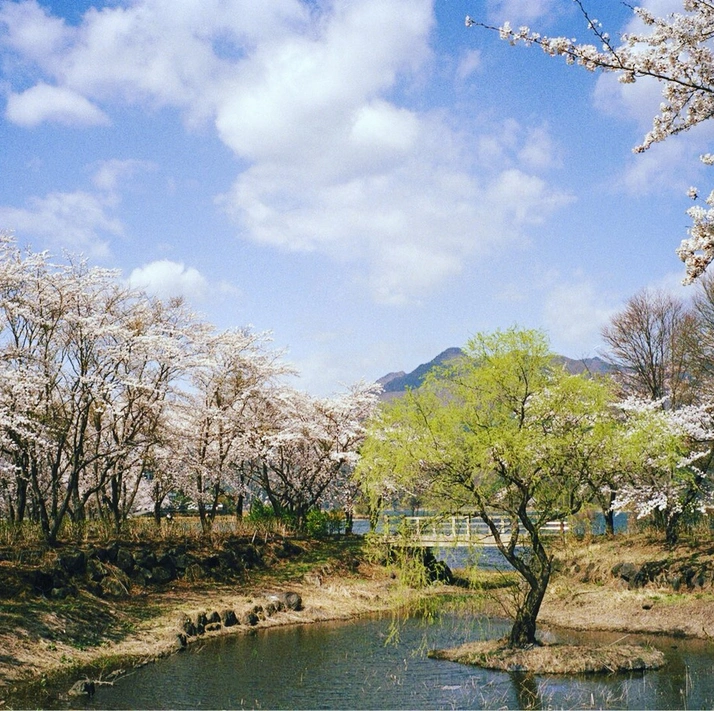
I once thought Tokyo was just a bustling metropolis not worth spending too much time in. I was wrong. When I actually set foot here, I discovered Tokyo's charm far exceeds imagination—it has the brilliance of modern civilization, the warmth of old alleyways, and the fantasy of the anime world. The streets are spotless, the crowds move quickly but orderly, and every corner hides unexpected surprises.
Shinjuku Gyoen: First Encounter with Cherry Blossom Season
We started from our Airbnb near Sumida Ward's Yahiro Station and headed straight to Shinjuku Gyoen. We'd heard the cherry blossoms here were in full bloom, and they did not disappoint. Long lines of tourists waited to buy tickets, but once inside, the cherry trees greeted us in their most glorious state—some had already started shedding petals, creating the breathtaking "sakura fubuki" (cherry blossom snowstorm).
Pink cherry blossoms spread like rosy clouds, while white ones looked like snow piled on branches. We took many film photos here, each frame looking like it was pulled straight from a Japanese drama. Everywhere you looked, families were gathering, friends were picnicking, and even company teams were bonding—cherry blossom viewing is spring's most important festival for the Japanese.
[Link: Best film photography spots in Tokyo during cherry blossom season]
Shibuya Crossing: A Symphony of 3,000 People Per Minute
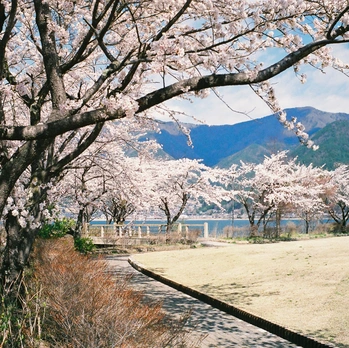
Known as the world's busiest intersection, Shibuya Crossing sees about 3,000 people pass through every minute, with roughly 2.5 million people crossing daily. Standing at the intersection, watching the sea of humanity and the changing traffic lights, felt like being in the middle of a grand urban symphony. For film photographers, this is a challenging but rewarding location—try a slow shutter speed to capture the blur of motion.
Senso-ji Temple and Tokyo Skytree: Where Tradition Meets Modernity
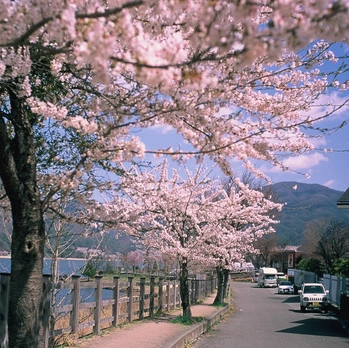
Stepping out of the subway, the first thing we saw was Tokyo Skytree—the impact was indescribable. The ancient architecture of Senso-ji Temple contrasted beautifully with the distant modern landmark. Cherry blossoms in front of the temple mingled with the scent of incense, creating a unique atmosphere. Here we took one of the rare tripod shots of ourselves, and a passing elderly lady enthusiastically stopped to let us take photos.
Akihabara: Paradise for Anime Fans
Akihabara is a dizzying anime wonderland. Huge anime posters, giant screens showing anime ads, and mountains of merchandise all showcase the Japanese obsession with anime. Interestingly, we saw many salarymen in suits buying model kits after work—the contrast was amusing. For couples, this is a fun stop to pick up quirky souvenirs and cosplay accessories.
Roppongi Hills: The Perfect Angle to View Tokyo Tower
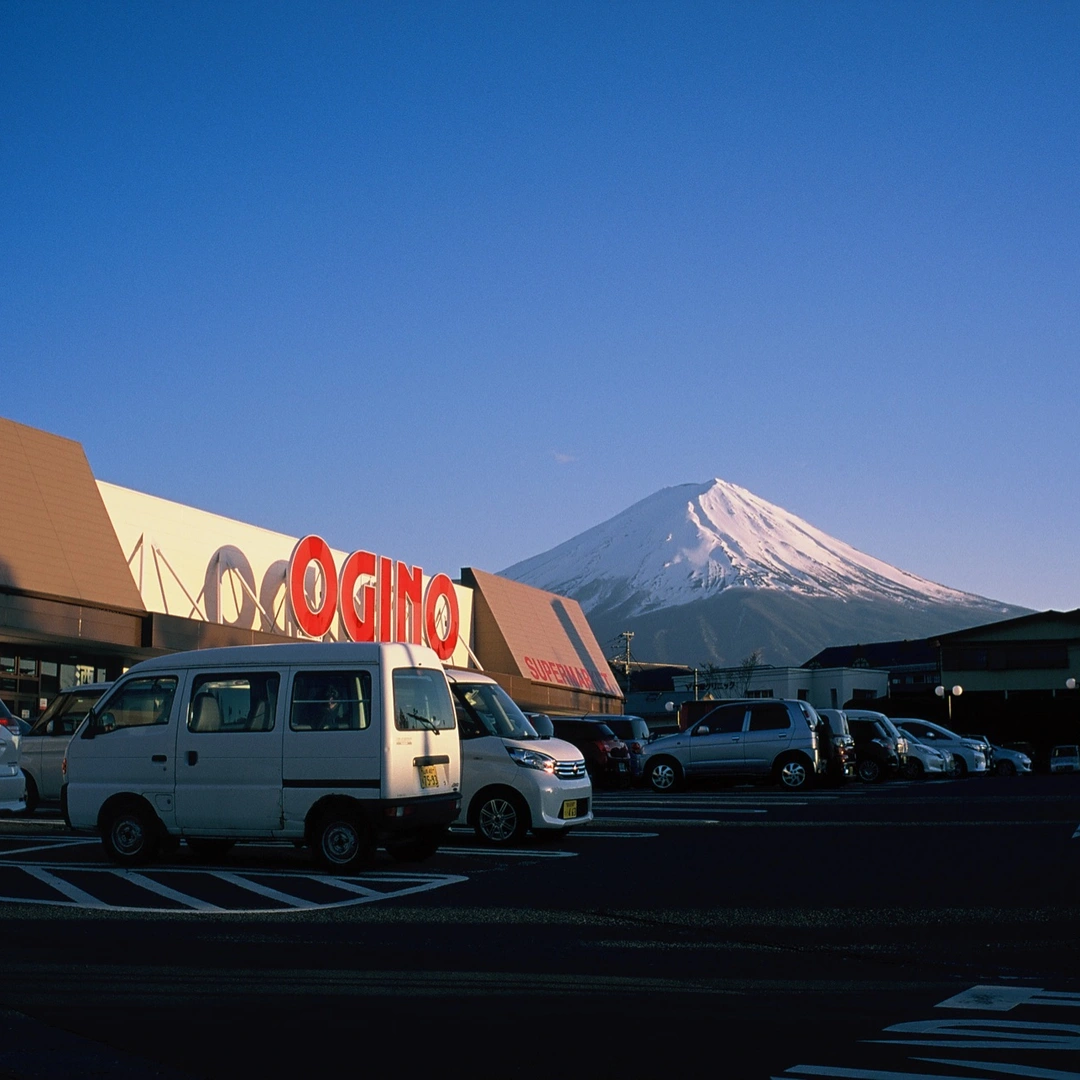
In the evening, we went to the observation deck at Roppongi Hills, probably the best spot to see Tokyo Tower and the city's nightscape. Tokyo Tower glowed fiery red in the night. Sitting in the indoor observation deck on the 52nd floor, gazing at the sea of lights outside, time seemed to stand still. Tokyo's night view was breathtakingly beautiful. I silently decided I had to come back during the day to see Tokyo Tower at dusk.
Kabukicho: Late-Night Adventure
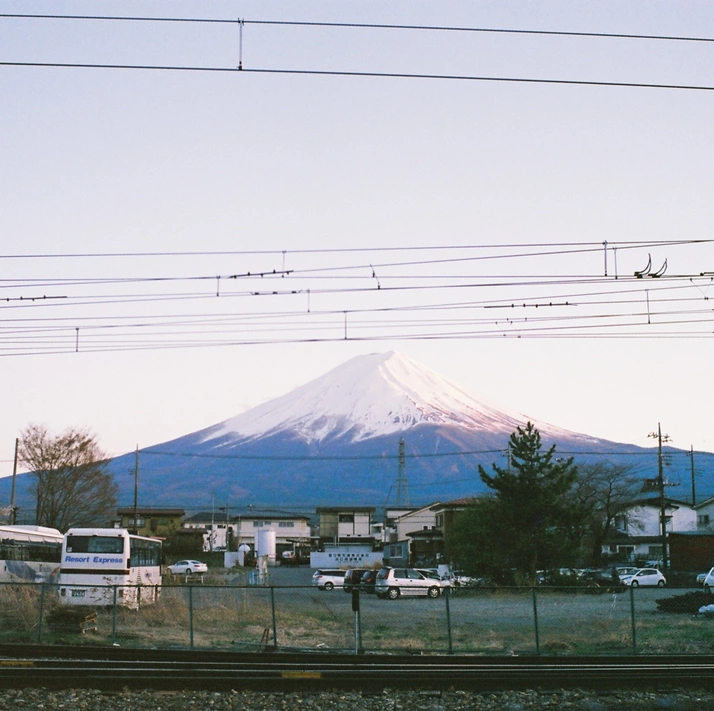
Bb had always wanted to see Kabukicho. The street is filled with "muryo annai-jo" (free information centers), and there are men standing outside nightclubs trying to lure customers. As we walked by, one of them said to Bb, "This good"—it was both awkward and hilarious. That night, we wandered until nearly midnight before suddenly remembering the subway's operating hours. We jogged back, grabbing McDonald's for a late-night snack along the way. Later, comparing with other cities, we realized Tokyo truly is a city that never sleeps—in Mount Fuji, once the sun sets around six, the whole world goes quiet.
Second Stop: Kamakura—The Gentleness and Regret of a Seaside Town
Kamakura became a viral photo spot thanks to "Slam Dunk"'s Kamakura High School and gained more recognition from the film "Our Little Sister." Just an hour from Tokyo by train, this seaside town was one of the places I was most looking forward to. We booked three nights here and specifically chose an Airbnb with a Shiba Inu and an orange cat, hoping to enjoy some pet therapy.
But the weather didn't cooperate. For two straight days, Kamakura was hit by strong winds that left us dizzy and cold, unable to fully enjoy the town's relaxed vibe. We hurriedly checked off a few attractions and left with some regrets.
Kamakura Impressions: Gentle Moments on Film
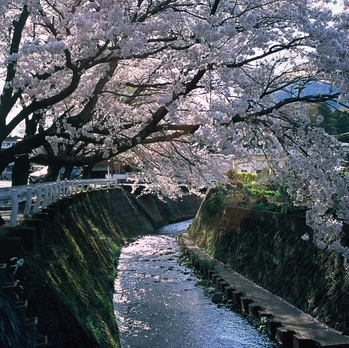
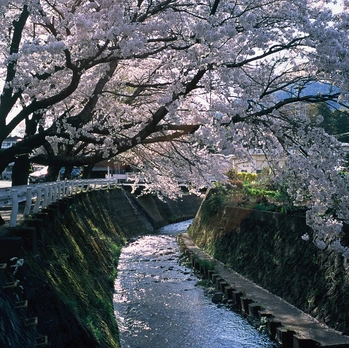
In front of our Airbnb, there was a house full of flowers—the kind of life you envy. The cherry trees by the river were already past their peak, petals falling in the wind like a gentle farewell.
At Enoshima Station, a cute little bird sat on a utility pole. Apparently, it wears different outfits depending on the season. That small detail made us smile.
Haha and Xixi: The Two "Hosts" of Our Airbnb
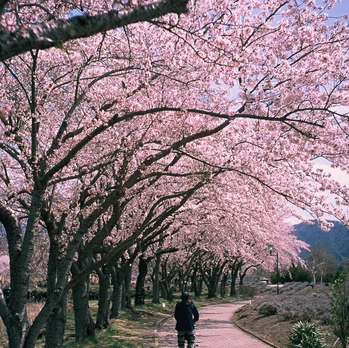
Haha was a Shiba Inu, warm and well-behaved. Xixi was an orange tabby, gentle but always scratching at the door, wanting to go out. The tatami room we stayed in actually belonged to these two! Haha always followed Xixi around, while Xixi came scratching at our door early every morning, heading straight for the window to go outside. It was a bit annoying, but one look at them and we melted.
The host's kids would come in with Ultraman toys, and the Shiba and cat would join in the chaos—leading to that "forced smile" group photo. I seriously wanted to stuff them in a bag and take them home!
Kamakura High School: A Windy Photo Op
Kamakura High School Station is the iconic scene from "Slam Dunk," but the wind was fierce and the crowds were thick. We struggled to snap a few photos before running for cover. If the weather had been better, with a bluer sky, the result would have been completely different.
Third Stop: Mount Fuji—A Sight Worth a Thousand Years
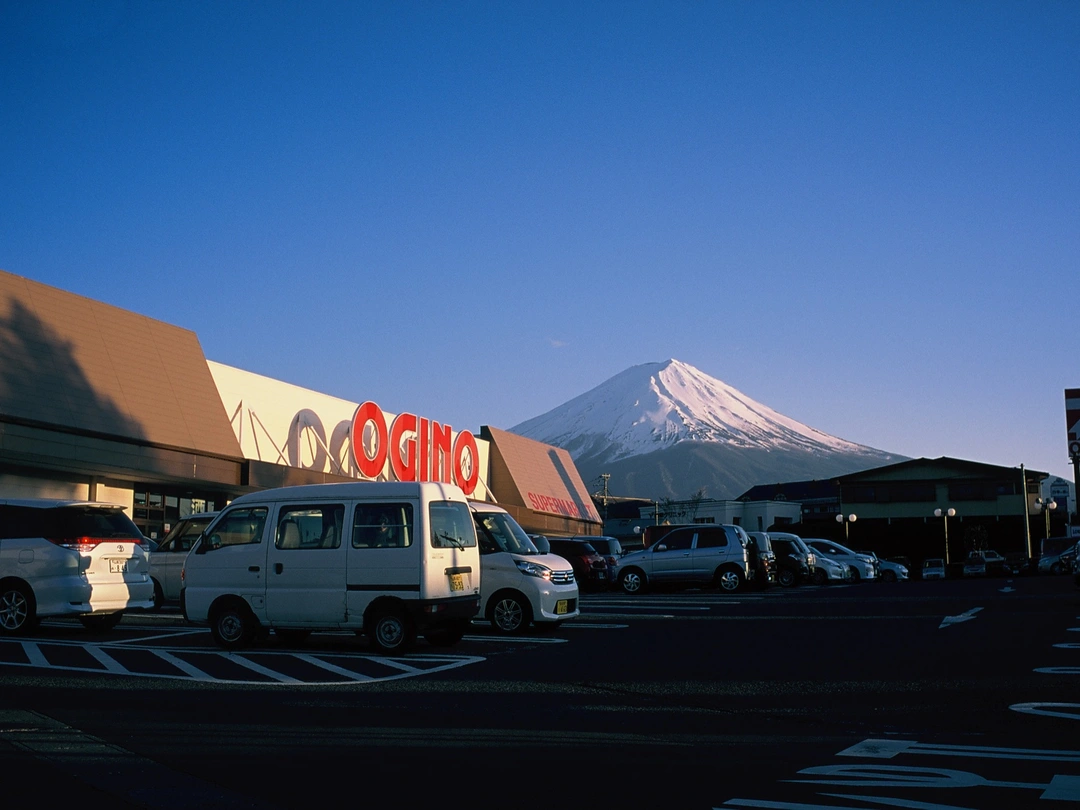
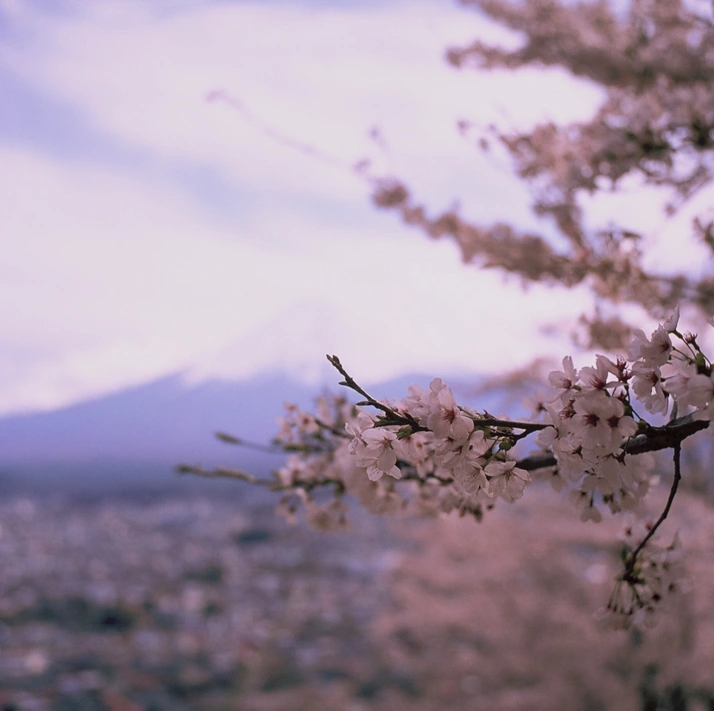
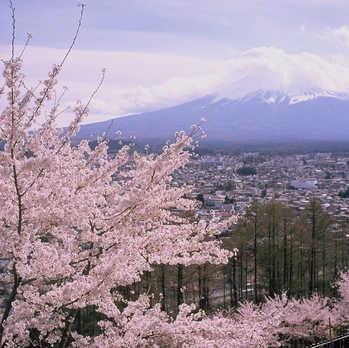
"Who can claim Mount Fuji as their own just by loving it?"—Eason Chan's lyrics echoed in my mind. Growing up, I knew Mount Fuji from songs, TV shows, and electronics brands. But standing before it in person—the awe was beyond words. It was so close, so massive, so perfectly symmetrical, with snow on top like tempting ice cream.
What moved us even more was that the full-bloom cherry blossoms we missed in Tokyo and Kamakura welcomed us at the foot of Mount Fuji! This became my favorite stop of the entire trip.
Lake Kawaguchi: First Glimpse of Mount Fuji
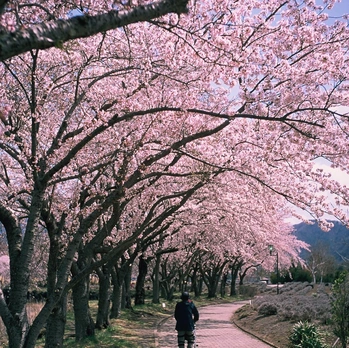
We took a direct bus from Shinjuku in Tokyo to Yamanashi Prefecture's Lake Kawaguchi and stayed at the Fuji-no-Ya Ryokan. From the window of our room, Mount Fuji was visible in all its glory. This area is one of the best Mount Fuji photography spots for couples, especially during cherry blossom season.
[Link: Best ryokan with Mount Fuji views for honeymooners]
FAQ: Cherry Blossom Honeymoon Photography Journey
1. What is the best time for a cherry blossom honeymoon in Japan?
 The peak season typically runs from late March to mid-April, but it varies by region. For a Tokyo to Kyoto route, aim for the first two weeks of April. Always check the Japan Meteorological Corporation's forecast before booking.
2. How much does a 13-day cherry blossom honeymoon cost?
 Based on our trip, the per-person cost was approximately 12,000 RMB ($1,700 USD), including flights, accommodation, food, and transportation. Luxury ryokan stays and film photography supplies may increase the budget.
3. Is film photography practical for a honeymoon trip?
Yes, but plan ahead. Bring multiple rolls of film, avoid airport X-ray machines (request hand inspection), and consider shipping exposed rolls home to avoid damage. We recommend portra 400 for cherry blossoms and landscapes.
4. Which location is best for cherry blossom photos?
 Mount Fuji's Lake Kawaguchi offers the most dramatic backdrop—cherry blossoms in the foreground with snow-capped Mount Fuji behind. Shinjuku Gyoen in Tokyo is excellent for wide-angle shots.
5. What should I pack for a spring honeymoon in Japan?
Layer clothing (temperatures range from 10°C to 20°C), comfortable walking shoes, a portable tripod for couple shots, and a rain cover for your camera. Don't forget a power bank and a pocket Wi-Fi device.
Final Thoughts & Strong CTA
A cherry blossom honeymoon photography journey from Tokyo to Kyoto is more than a vacation—it is a love letter written in light, petals, and film grain. Whether you are an experienced photographer or simply want to capture your love story, Japan during sakura season offers an unmatched canvas.
Ready to plan your own romantic Japan travel adventure? Download our free Cherry Blossom Honeymoon Checklist [Link: Checklist landing page] or book a consultation with our travel specialists to craft your perfect itinerary.
Have you taken a cherry blossom honeymoon? Share your film photography tips in the comments below!
You may also like