Chasing the Northern Lights in Yellowknife: A Complete Guide to Aurora Viewing, Costs, and Tips
Meta Description: Plan your ultimate Yellowknife aurora trip with our 7-day guide. Learn about Northern Lights viewing seasons, budget breakdowns, photography tips, and houseboat stays. Discover why this Canadian destination is a top aurora hotspot.
Time flows like water, quietly slipping away. Sometimes we feel that time is racing by and the world is changing; other times, everything seems frozen, and only we are moving forward. In August 2018, I embarked on a journey to Yellowknife, Canada, with four friends. Over seven days, we chased the aurora borealis, paddled across pristine lakes, spent a night in a romantic houseboat, and even nearly got into trouble due to a careless mistake. But it was precisely these experiences that made this trip an indelible memory—and this guide will help you create your own unforgettable Northern Lights adventure.
Why Yellowknife is the Best Place to See the Northern Lights
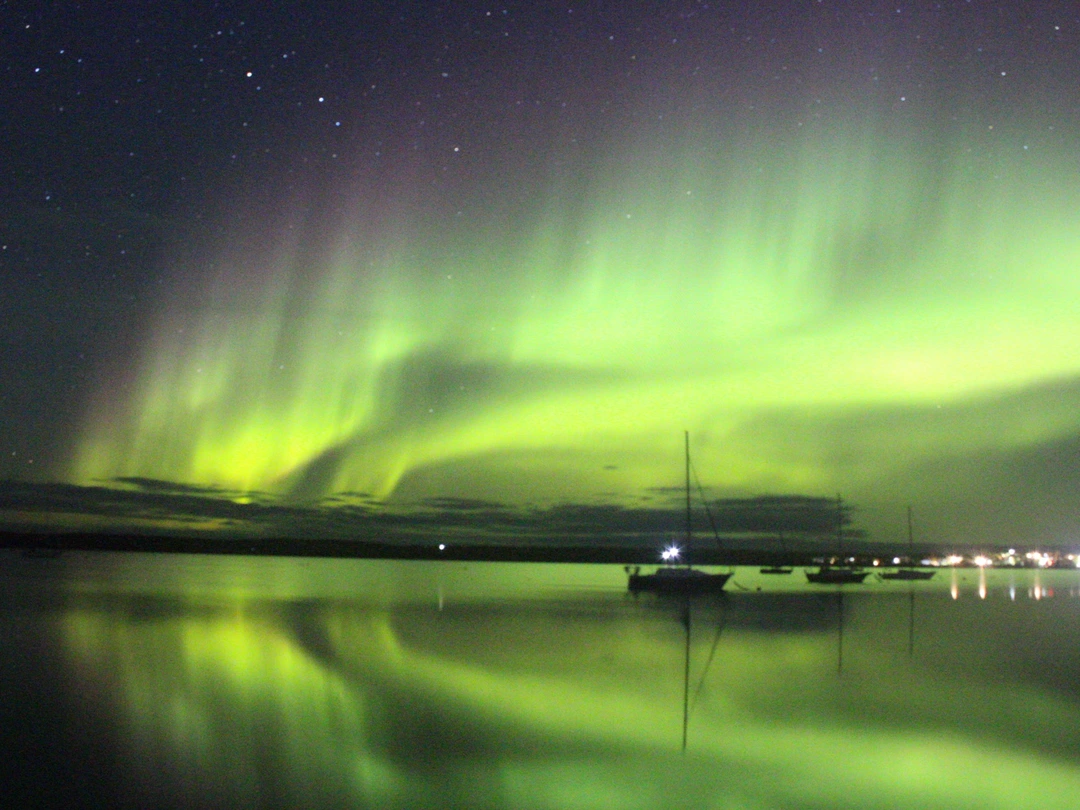
Yellowknife, the capital of Canada's Northwest Territories, is widely regarded as one of the world's premier aurora viewing destinations. The aurora borealis is visible here approximately 240 days per year, thanks to its location directly under the "Auroral Oval"—a ring-shaped zone of intense auroral activity around the Earth's magnetic poles.
There are two peak Northern Lights seasons in Yellowknife: - Late August to early October (warmer temperatures, but shorter nights) - December to April (colder, but darker skies and more consistent activity)
I visited during the late summer window, which offered mild weather and the bonus of lake activities. However, be prepared for unpredictable conditions—we experienced rain, clouds, and a bright moon before finally witnessing the spectacle.
Yellowknife Trip Budget: How Much Does an Aurora Chase Cost?
One of the most common questions travelers ask is: "How much does a Yellowknife trip cost?" For our 7-day adventure, the total came to approximately CAD $1,005 per person (for a group of five). Here's the breakdown:
Flight Costs
- Calgary–Yellowknife round trip: CAD $375/person
- Booking tip: Flights from major Canadian cities like Calgary, Edmonton, or Vancouver are often reasonable if booked 2–3 months in advance.
Accommodation Options
- Airbnb (6 nights): CAD $208/person
- Houseboat (1 night): CAD $190/night for two people + CAD $50/person beyond that
Transportation
- Car rental + insurance: CAD $230/person
- Gas and groceries: CAD $129/person
Activities
- Boat tour on Great Slave Lake: CAD $40/person
- Miscellaneous (cancellation fees): CAD $21.8/person
Pro tip: If you're under 25, rental car surcharges can add CAD $200+ per week. Compare prices across companies like Hertz, Enterprise, and local agencies.
Where to Stay in Yellowknife for Aurora Viewing
Airbnb: Grandpa Ben's Cozy Cottage

We booked a charming Airbnb owned by Ben, a "Superhost" who went above and beyond. The house slept up to seven people across three bedrooms (two queen beds, one bunk bed with a double lower bunk). At CAD $169 per night, splitting among five people made it the most affordable option we found—compared to hotels and other rentals that often cost CAD $400+ per night during peak season.
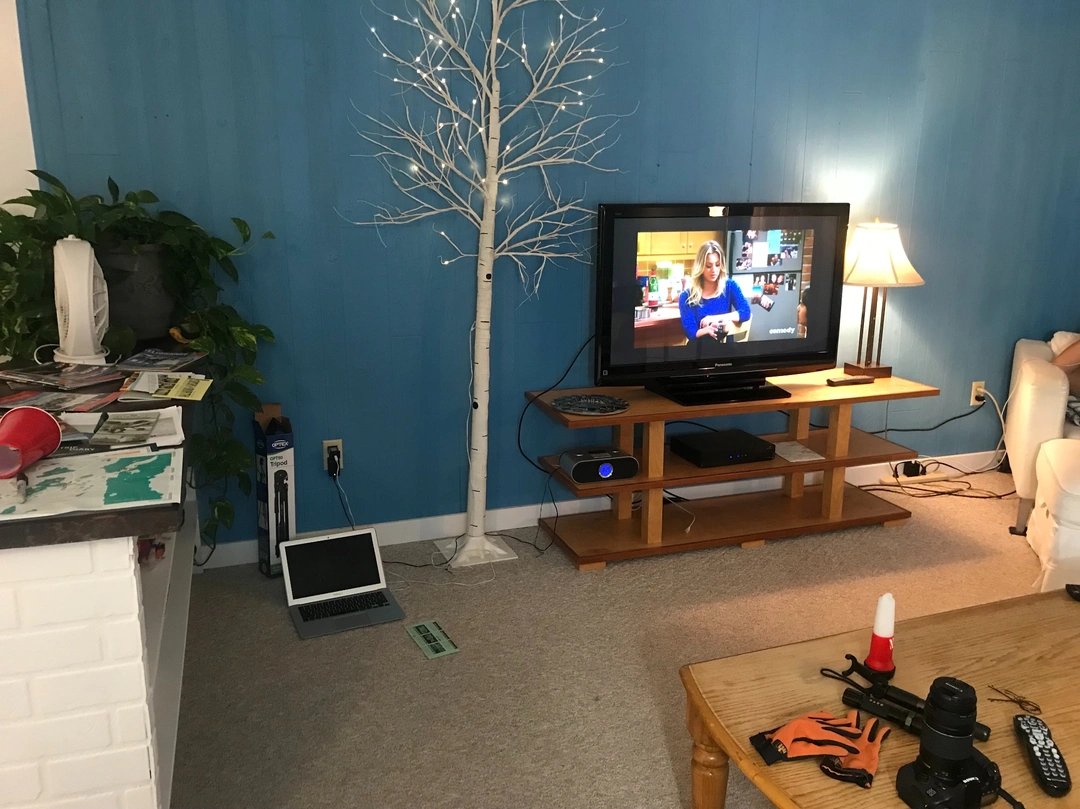
Why we loved it: - Fully stocked kitchen with spices, flour, rice, pasta, coffee, and tea - A tripod left for guest use (a thoughtful touch for aurora photographers) - Located in south Yellowknife—about 10 minutes from Old Town and the airport, with less light pollution at night - Flexible cancellation policy: full refund up to three days before departure
Houseboat Living: Romance on Yellowknife Bay
On our final night, we stayed in a houseboat moored on Yellowknife Bay. Accessible only by boat, this unique accommodation required at least one group member to know how to row. While it was cramped for four people, the romantic atmosphere made it worthwhile—perfect for couples seeking an intimate aurora viewing experience.
Important note: Weather can turn quickly. We got stuck in bad conditions, so always check forecasts and have a backup plan.
Car Rental in Yellowknife: DIY vs. Tour Groups
In Yellowknife, you have two main options for getting around: join a guided tour or drive yourself. Public transit is limited, and nighttime aurora viewing requires flexibility.
Guided Aurora Tours
- Cost: Approximately CAD $100 per night per person
- Pros: No driving, expert guides, warm shelters
- Cons: Less flexibility, fixed schedules
Self-Drive Option
- Cost: CAD $230/person for 7 days (including insurance)
- Pros: Freedom to chase clear skies, explore at your own pace
- Cons: High rental costs, mileage limits (typically 350 km/week)
Our experience: We rented through Hertz and paid over CAD $1,000 for the week including insurance. We exceeded the mileage limit by 400+ km, costing an extra CAD $0.32/km. If you plan to explore far-flung aurora spots, budget for overage fees.
Northern Lights Photography Tips for Beginners
I'm a total photography novice, yet I managed to capture decent aurora shots. Here's what I learned:
Essential Gear
- Camera: DSLR or mirrorless with manual mode
- Lens: Wide-angle (14-24mm) with fast aperture (f/2.8 or lower)
- Tripod: Absolutely necessary for long exposures
- Extra batteries: Cold drains them fast
Camera Settings for Aurora Photography
 - Shooting mode: Manual (M) - Aperture: Start at f/2.8–f/4, but don't be afraid to stop down. My best shots used f/6–f/9 - ISO: 4000–6000 for medium-strength auroras; lower for bright displays - Shutter speed: 10–20 seconds depending on aurora intensity - Focus: Use manual focus. For portraits, shine a flashlight on the subject, focus, then turn it off
Common Mistakes to Avoid
- Don't forget to clear your memory card beforehand
- Avoid the full moon—it washes out aurora colors
- Watch for lens fogging—temperature differences between day and night can cause condensation. Simply fan the lens to clear it
- Don't expect perfect shots on the first night—we had cloudy weather for two days before seeing anything
7-Day Yellowknife Itinerary: Our Journey
Day 1: Arrival and Settling In
- Flight from Calgary landed at 1:05 PM
- Picked up rental car from Hertz (expensive but necessary)
- Checked into Airbnb in south Yellowknife
- Grocery shopping at Independent (cheaper) and Co-op (more expensive)
- Evening: Scouting aurora viewing spots
Day 2–3: Patience and Disappointment
- Overcast skies and rain
- Spent 3–4 hours outside in 2–3°C weather
- No aurora visible—disappointment began to set in
Day 4: First Aurora Sighting
- Finally, the clouds parted
- Witnessed a medium-strength aurora—still breathtaking
- Learned to adjust camera settings on the fly
Day 5–6: More Clouds, More Waiting
- Back to overcast conditions
- Explored Old Town, visited the Prince of Wales Northern Heritage Centre
- [Link: Things to do in Yellowknife besides aurora viewing]
Day 7: The Strongest Aurora of the Trip
 - Clear skies returned - Witnessed the most intense aurora display—unforgettable - Spent the night on the houseboat (despite bad weather)
Frequently Asked Questions About Yellowknife Aurora Trips
Q: When is the best time to see the Northern Lights in Yellowknife?
The two peak seasons are late August to early October (warmer, but shorter nights) and December to April (colder, but darker skies and more consistent activity). August–September offers the bonus of lake activities before winter freeze.
Q: How much does a Yellowknife trip cost for 7 days?
For a group of five, expect to spend approximately CAD $1,000–$1,200 per person, including flights, accommodation, car rental, groceries, and activities. Solo travelers will pay more due to fixed costs like car rental.
Q: Do I need a tour to see the aurora in Yellowknife?
No—self-driving is a viable option if you're comfortable navigating dark roads. However, guided tours offer convenience, warm shelters, and expert photography advice. Compare costs: tours are ~CAD $100/night vs. car rental at ~CAD $230/person for a week.
Q: Can beginners take good aurora photos?
Absolutely. With a basic DSLR, tripod, and manual mode, anyone can capture the aurora. Start with ISO 4000–6000, aperture f/2.8–f/4, and shutter speed 10–20 seconds. Practice focusing in the dark before the main event.
Q: Is it safe to stay in a houseboat in Yellowknife?
Yes, but with caveats. Houseboats are accessible only by boat, so at least one person must know how to row. Weather can change rapidly—always check forecasts and have a backup accommodation plan.
Start Planning Your Yellowknife Aurora Adventure Today
Chasing the Northern Lights in Yellowknife is more than a vacation—it's a journey into the heart of natural wonder. From the thrill of seeing green waves dance across the sky to the quiet romance of a houseboat on Yellowknife Bay, every moment becomes part of your story.
Your next step: Book your flights and accommodation during the peak season of your choice. If you're visiting between August and October, pack layers and a rain jacket. If you're going in winter, prepare for temperatures as low as -30°C.
Ready to chase the aurora? Start researching flights to Yellowknife today—and don't forget to book that Airbnb with a tripod waiting for you. The lights are calling.
Have you visited Yellowknife for the Northern Lights? Share your experience in the comments below—or ask us any questions about planning your trip!
You may also like