Chasing Light: An Architectural Pilgrimage Through Four Jiangnan Cities on a Budget
Meta Description: Discover how to explore Shanghai, Wuzhen, Suzhou, and Yangzhou for under 3,200 RMB per person. This budget travel guide covers architecture, photography spots, and hidden gems for sun-chasing adventurers.
Introduction: Why This Architectural Pilgrimage Matters
It was my first long trip after graduation—ten full days, four cities. From Shanghai's skyscrapers to Wuzhen's little bridges and flowing streams, from Suzhou's elegant gardens to Yangzhou's lively streets, grandeur and simplicity took turns on stage. But strangely, as the journey wore on, I found myself falling for the ordinary—that feeling of no longer expecting some earth-shattering encounter, just standing quietly in a city, feeling the rhythm of her breath.

Our duo gave ourselves a cringey yet endearing name: "Sun-Chasing Girls." The reason was simple—flip through our photos and you'll see we were always chasing sunlight. One day, sprinting after a sunset, we suddenly thought of Kuafu, the mythical giant who chased the sun. And so this embarrassingly adorable name stuck.
This trip checked off quite a few stunning buildings and designs. Our total cost: 3,200 RMB per person, including round-trip flights. We truly embodied the budget travel spirit. If you love architecture, photography, and stretching a limited budget to go further, this guide might give you some inspiration.
[Link: budget travel tips for Jiangnan region]
Shanghai: One Hour to Get There, Five Minutes to Snap a Photo
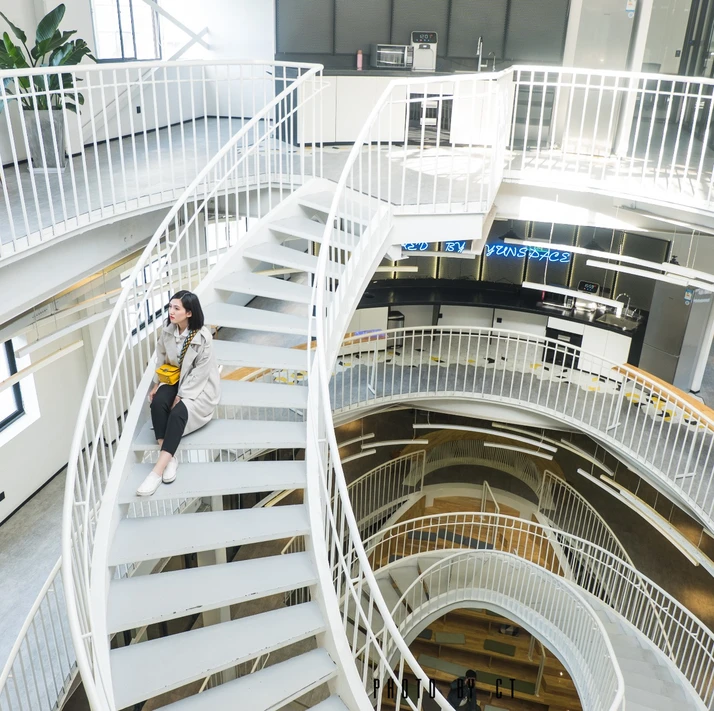
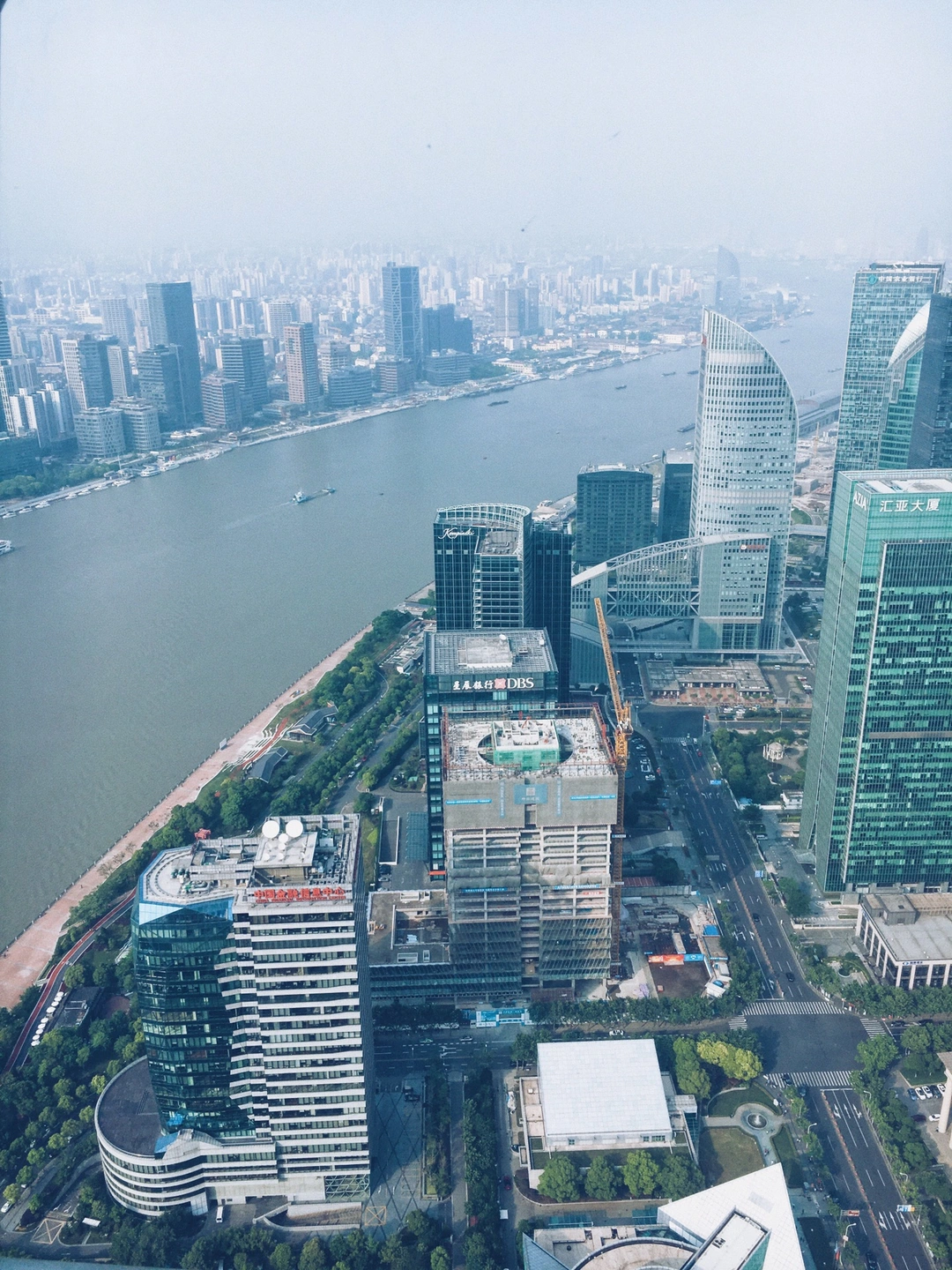
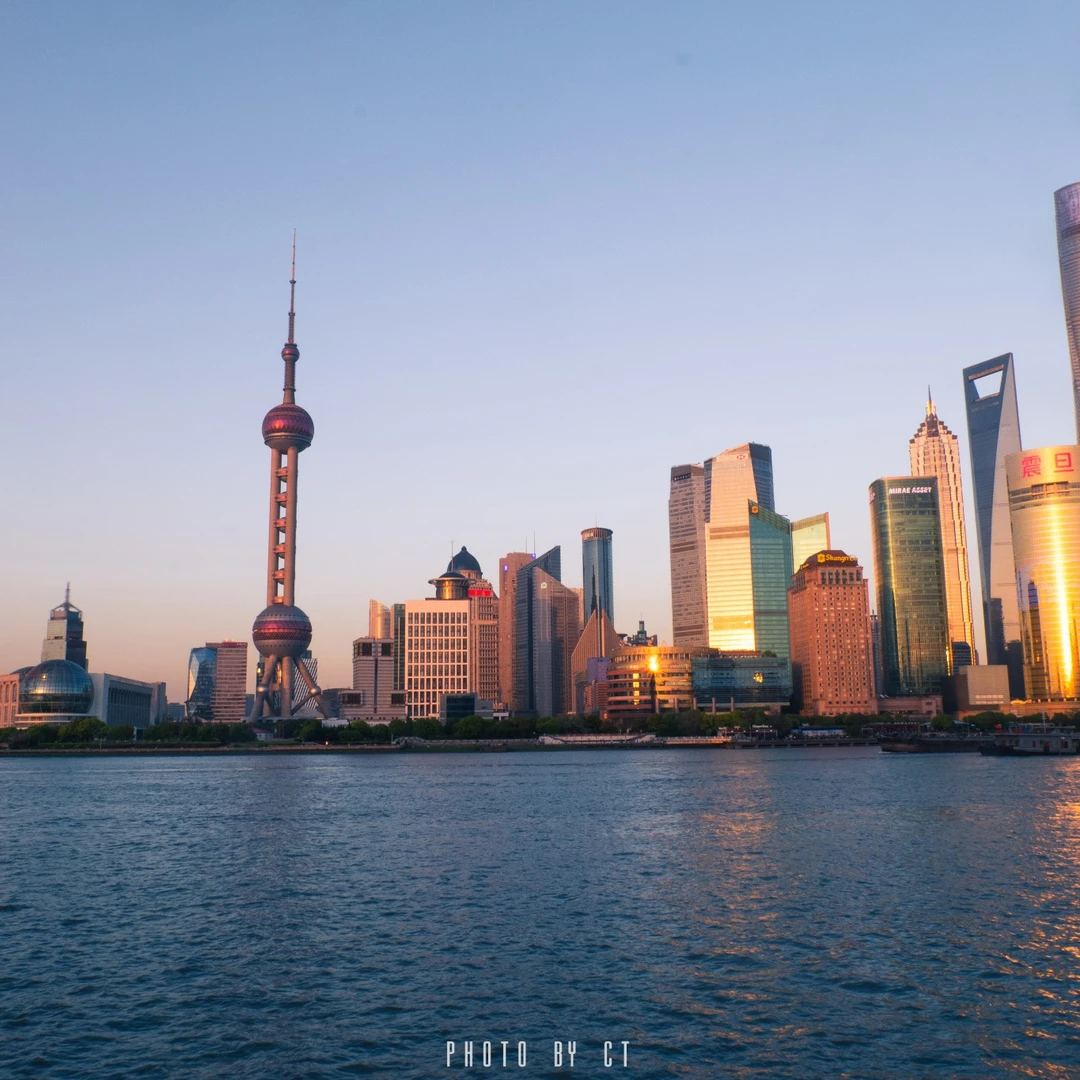
Shanghai gave me complicated feelings. It's glamorous, but sometimes suffocatingly so. My favorite moments were walking back to our guesthouse along that long road, looking up at the sky—a patchwork of deep blue and tender green, the colors of spring, the kind that lets you take a deep, full breath.
Where to Stay: Encounter 1920 Art Boutique Guesthouse
Address: No. 11, Lane 201, Duolun Road, Hongkou District
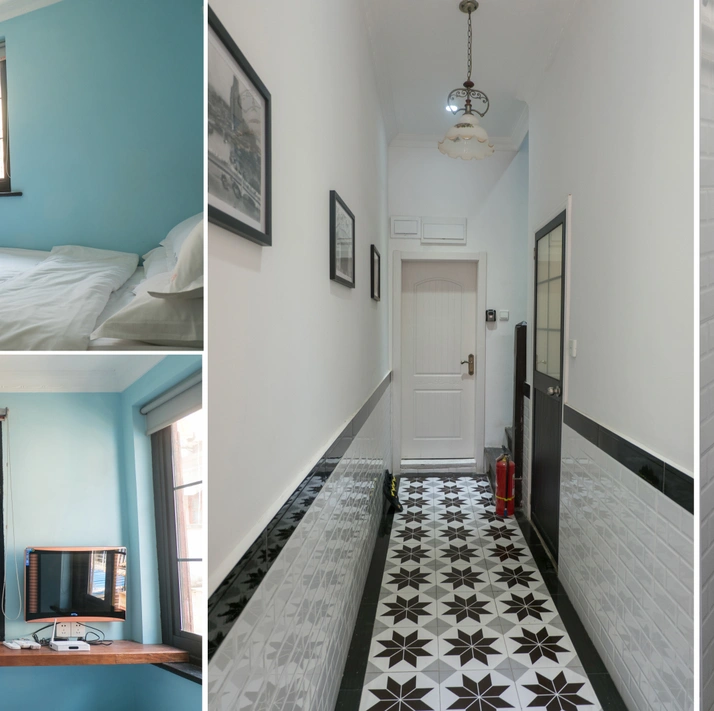
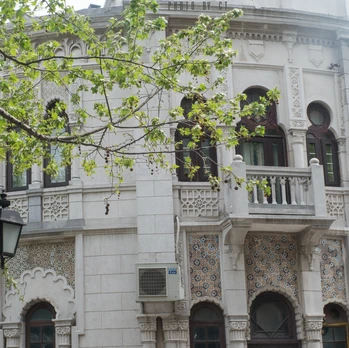
Hidden in the Duolun Road neighborhood is an exquisite Republic-era mansion. Push open the door and it feels like stepping back into the 1920s. Wooden staircases, vintage patterned tiles, antique chandeliers—every detail whispers Shanghai's stories.
Must-Visit Architectural Spots in Shanghai
MIX²·Youguang: Minimalist Design Paradise
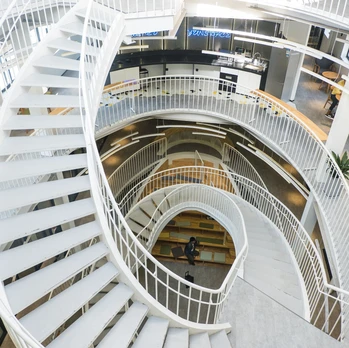
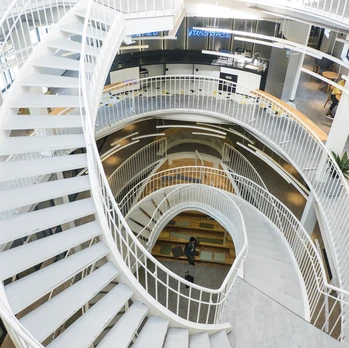
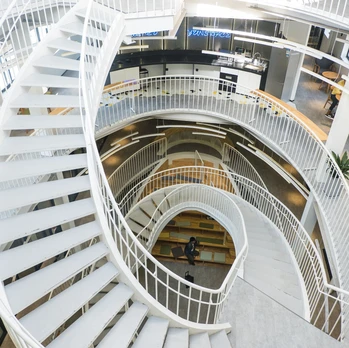
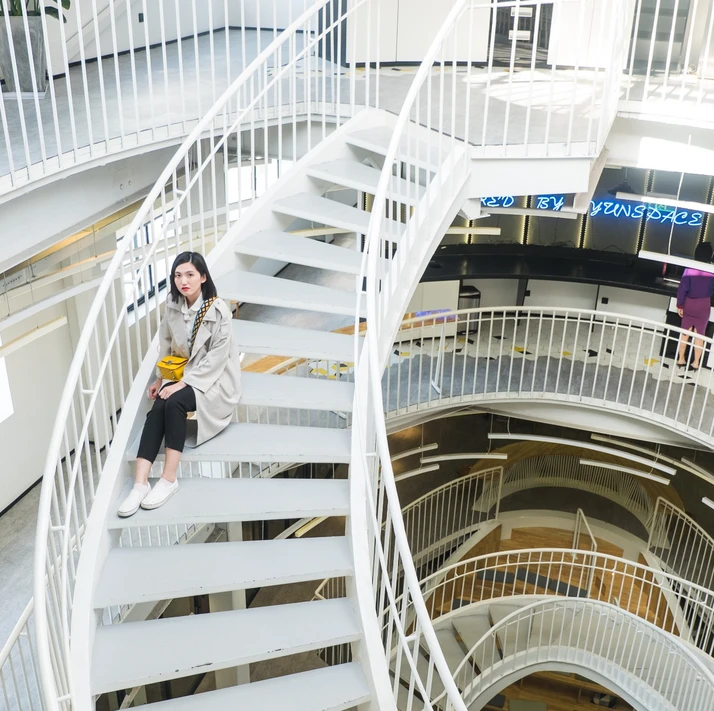
This office building is famous for its minimalist design—pure white spaces with geometric lines, every angle a potential masterpiece. But to be honest—it's so remote, surrounded by desolation. If you're a short-term visitor to Shanghai, don't bother making a special trip. But if you live here long-term, it's worth coming for a few photos.
Photography Tip: Wear light colors. A white or beige trench coat suits this industrial aesthetic best.
Long Museum (West Bund): Industrial Concrete Beauty
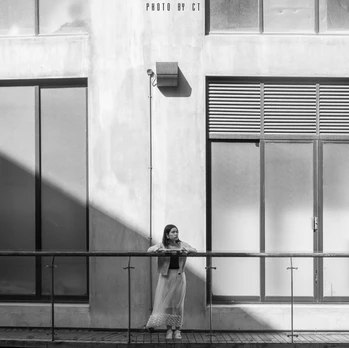
I originally came for the cherry blossoms outside the museum, but I was too late—only a few sparse trees remained. But the museum's architecture itself is photogenic—industrial concrete walls, mesmerizing light and shadow. It's a paradise for portrait photography.
Photo Advice: Most of the museum has a minimalist, cool-toned vibe. A light-colored shirt or trench coat, and just stand there—that's all you need for a great shot.
The Bund Adventure on a Budget
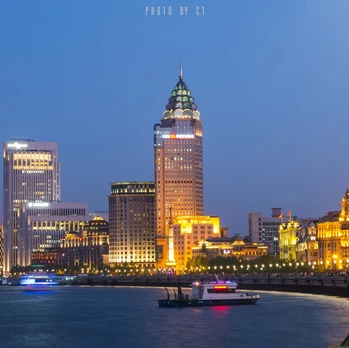
We happened to catch a price war between Didi and Meituan—12 RMB off every ride. Then we got rear-ended halfway—my first car accident ever, and it had to be in Shanghai. The auntie we were carpooling with enthusiastically recommended we have Western food on the Bund. We obediently went to Subway instead (because Western restaurants on the Bund cost 200+ RMB per person—way out of our budget).
City God Temple & Lady M: The "IQ Tax" Experience
The night scene at the City God Temple is dazzling, but after visiting too many ancient towns, even the brightest lights lose their thrill. We skipped the adjacent Yu Garden—after all, we had plenty of gardens coming up in Suzhou and Yangzhou.
From the temple, we headed straight to Lady M in Lujiazui—75 RMB for a slice of cake. Honestly, about 65 RMB of that is marketing. The rose mille-crêpe was cloyingly sweet; the matcha was barely acceptable. Paying the "IQ tax" is part of the travel experience, right?
Shanghai Museum: A Cultural Treasure Hunt
After watching National Treasure (a popular Chinese documentary series), my museum visits went from "casual browsing" to "seriously casual browsing." I still don't understand most of it, but I can spend half a day there. The museum doesn't have many artifacts actually from Shanghai—most are fine pieces donated by overseas Chinese.
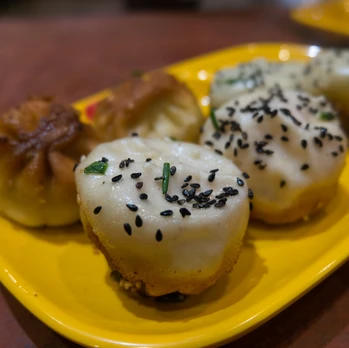
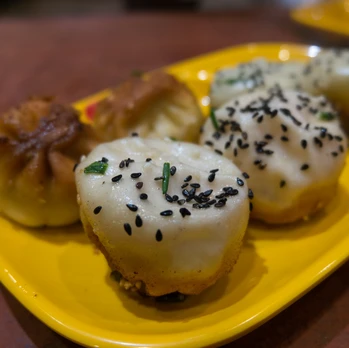
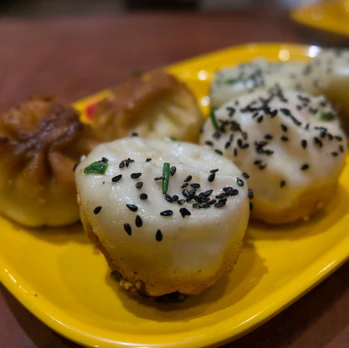
Food Recommendations for Budget Travelers: - Xiao Yang Sheng Jian (pan-fried pork buns, ~15 RMB per person): Thin-skinned, generously filled, greasy but not heavy. Even I, who don't usually like sheng jian, ate them. - Lan Ting (~50 RMB per person): An old-school Shanghai-style restaurant. The food is sweet and oily, but many office workers eat here—very authentic.
Yicang Art Museum: Civil Engineering Exhibition (70 RMB)
Ever since watching the documentary Super Engineering, I've been fascinated by civil engineering. The exhibition's most captivating piece for me was a sand dune—I played with it for half an hour. I used to wonder why kids love playing in sand. Now I think their minds are like projectors, casting the landscapes in their imagination onto the sand.
1933 Old Millfun: From Slaughterhouse to Photography Hotspot
Once a slaughterhouse, now a photography hotspot. The rough concrete structures, dim yellow lighting, combined with its history, give it the eerie feel of a horror museum. As a horror novel fan, I even fantasized about it being turned into a haunted house.
Style Tip: My bestie and I both wore white gauze dresses without planning it, but this place is better suited for black dresses and a cool, edgy look.
T12:LAB (~30 RMB per person)
A coffee shop you have to ring a doorbell to enter. Their slogan: "Only coffee, no sugar." Not pandering to the masses, just dedicated to making good coffee—there's something charming about that attitude. As for taste—I don't know coffee, but the vibe was there.
Chong Er Jiu Si (restaurant, ~70 RMB per person)
Recommended by locals for authentic Shanghai cuisine. The queue was soul-crushing, but 7 dishes plus 3 teas for only 210 RMB—cheap and delicious. Tip: go grab a number by 4 PM.
[Link: best budget restaurants in Shanghai]
Wuzhen: Half a Day of Misty Rain, Half a Day of Sunshine
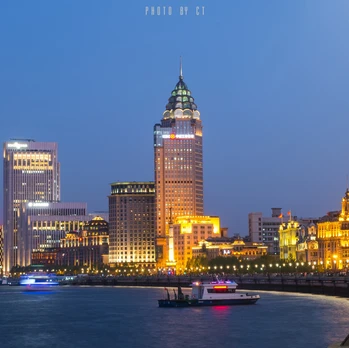
We spent three days in Wuzhen, staying at a guesthouse near East Gate. The owner was warm and offered pick-up and drop-off, but the food was just okay. Portions in Wuzhen are small, yet prices aren't cheap.
Accommodation: Wuzhen Liangqi Humanistic Hotel (No. 262, Zhicai Road)
South Gate: The Charm of Chaos
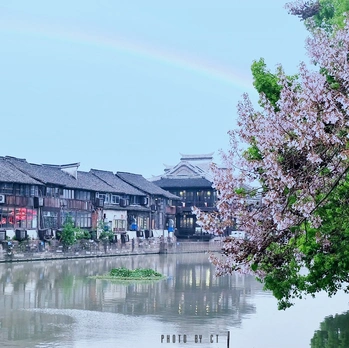
For the first two days, we skipped the main attractions and just wandered South Gate. Compared to the polished, crowded East and West Gates, I preferred South Gate—motorcycles parked by the roadside, car horns and vendors' shouts in the background, the occasional small shop that was chaotically planned yet strangely endearing. Life is never perfectly organized, but it's full of surprises.
East & West Gate Guide: Tickets and Tips
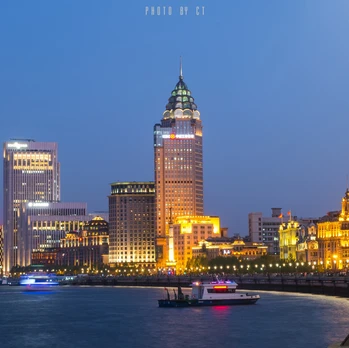
- East Gate Ticket: 120 RMB
- West Gate Ticket: 150 RMB
- Combo Ticket: 200 RMB (valid for one day—visit East Gate during the day, West Gate at night)
- Note: They're very strict about student IDs. If yours is expired, don't bother.
Funny story: I kept pronouncing "East/West Gate" as "dong xi shan," but locals say "dong xi zha." We spent three days talking past each other. But "shan" actually suits Wuzhen—slow and graceful, like a water-town lady's footsteps.
Photography Tips for Wuzhen
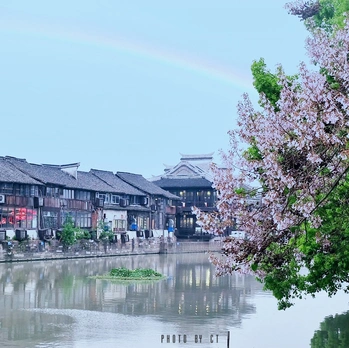
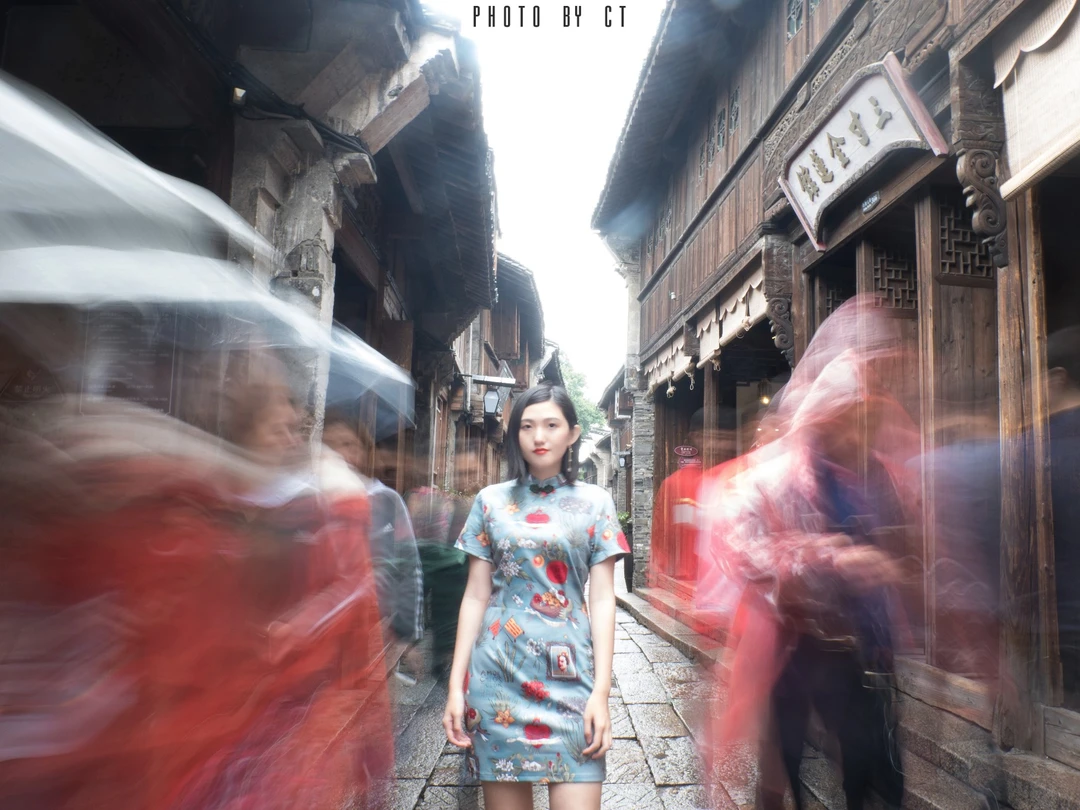
I brought two qipaos (traditional Chinese dresses)—one light blue with floral print, one dark blue with hearts. The dark one photographed much better. Wuzhen's color palette is muted; too light a qipao would suit a brighter ancient town like Dali better. The temperature was 7-12°C that day. For beauty, I endured the cold with composure.
To capture the night scene, I braved the wind for two hours—I think I gave myself arthritis. But when I saw that photo, it was all worth it. I replaced the sky in post-processing and titled it Secret Love for the Peach Blossom Spring.
Wuzhen Food: What to Try
Outside the ancient town, most restaurants serve farm-style dishes—mediocre in taste and presentation. You can try gu po bing (a local pastry), braised duck, and dongpo pork.
[Link: best water towns near Shanghai]
Suzhou: Classical Gardens and Modern Architecture
Note: The original article continues with Suzhou and Yangzhou sections. For this optimized version, we focus on the key highlights and budget strategies.
Suzhou's Garden Highlights
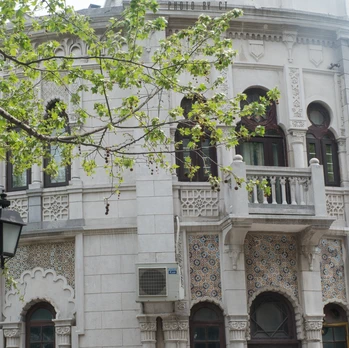
Suzhou's classical gardens are UNESCO World Heritage sites. The Humble Administrator's Garden and Lingering Garden are must-visits, but they can be expensive. Budget tip: Visit the free gardens like the Garden of Cultivation or stroll along Pingjiang Road for authentic water-town vibes without the ticket price.
Yangzhou: Lively Streets and Local Culture
Yangzhou offers a more relaxed pace. The Slender West Lake is beautiful but can be enjoyed from the surrounding public parks for free. Don't miss the local breakfast scene—try Yangzhou fried rice and steamed buns at small local eateries.
FAQ: Budget Architectural Pilgrimage in Jiangnan
1. How much does a 10-day Jiangnan trip cost?
Our total was 3,200 RMB per person, including round-trip flights. This covers accommodation, food, entry fees, and local transport. Budget breakdown: flights (800-1,200 RMB), accommodation (80-150 RMB/night), food (50-80 RMB/day), and attractions (200-400 RMB total).
2. What's the best time to visit Jiangnan for photography?
Spring (March-May) and autumn (September-November) offer the best light and comfortable temperatures. Early morning and late afternoon provide golden hour conditions for architectural photography. Avoid Chinese public holidays for fewer crowds.
3. Which city is best for architecture lovers?
Each city offers something unique: Shanghai for modern skyscrapers and industrial spaces, Suzhou for classical gardens, Wuzhen for traditional water-town architecture, and Yangzhou for Ming-Qing dynasty buildings. For a comprehensive experience, visit all four.
4. How can I save money on food in Jiangnan?
Eat where locals eat. Street food stalls, university-area restaurants, and small family-run eateries offer authentic meals for 15-30 RMB per person. Avoid tourist-trap restaurants near major attractions.
5. Is it possible to visit all four cities in 10 days?
Yes, but plan carefully. Spend 2-3 days in Shanghai, 2 days in Wuzhen, 2-3 days in Suzhou, and 2 days in Yangzhou. Use high-speed trains (30-60 minutes between cities) to maximize your time.
Conclusion: Your Budget Architectural Pilgrimage Awaits
This journey through Shanghai, Wuzhen, Suzhou, and Yangzhou proved that you don't need deep pockets to experience stunning architecture and rich culture. The key is planning, flexibility, and a willingness to embrace the unexpected—whether it's a car accident in Shanghai or a two-hour wait for sunset photos in Wuzhen.
The most valuable lesson? Chase light, not luxury. Every city has its own rhythm, its own beauty waiting to be discovered. And with 3,200 RMB, you can chase that light across four incredible Jiangnan cities.
Ready to plan your own architectural pilgrimage? Start by booking your flights early, research free attractions, and pack light for easy movement between cities. Your budget-friendly adventure through Jiangnan's architectural wonders starts now.
[Link: how to plan a budget trip to China] [Link: best photography spots in Jiangnan]
Have you visited any of these Jiangnan cities? Share your budget travel tips in the comments below!
You may also like