Bromo on the Moon, Ijen in Hell: The World's Most Extraordinary Volcano Sights in Indonesia
Meta Description: Discover the world's most extraordinary volcano sights—Bromo's lunar landscapes and Ijen's blue flames. This Indonesia travel guide covers safety tips, hiking guides, and how to conquer these remote wonders.
Introduction: Why the Most Dangerous Places Hold the Most Extraordinary Sights
Some travel experiences defy description. They don't just appear in guidebooks—they haunt your imagination until you see them for yourself. That's exactly what happened when I stumbled upon a photo of Mount Bromo late one night: a lone volcano rising from a gray-black wasteland, wrapped in swirling mist, looking like the surface of the moon. I was transfixed.
Then I discovered Ijen—a volcano where blue flames erupt from cracks in the earth, burning through the darkness like the gates of hell had been torn open. These two volcanoes, located in East Java, Indonesia, near Surabaya, represent the most extraordinary sights on Earth. But reaching them requires sacrifice: waking at 2 AM, trekking through sulfur fumes, and enduring bone-rattling roads.
As my wife said when I listed the hardships: "Then let's go."
This guide will show you exactly how to experience Bromo's lunar landscape and Ijen's blue flames safely, affordably, and memorably.
Why Bromo and Ijen Are the World's Most Extraordinary Volcano Sights
Mount Bromo: The Moon on Earth

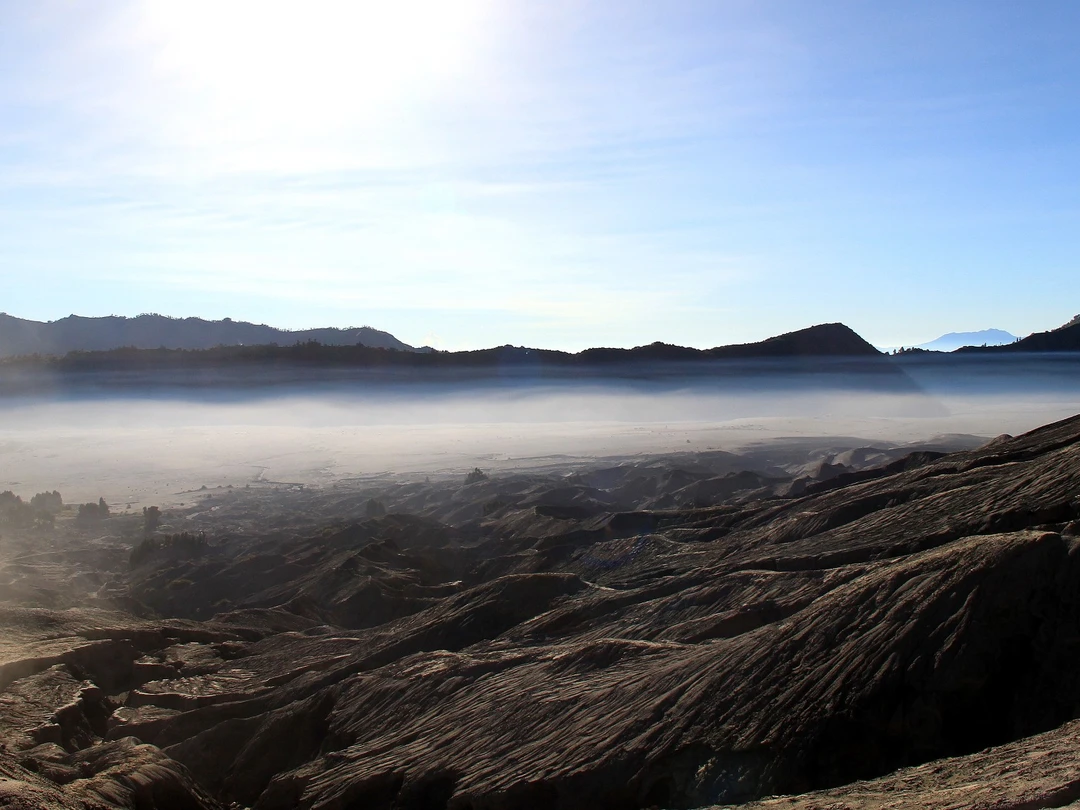
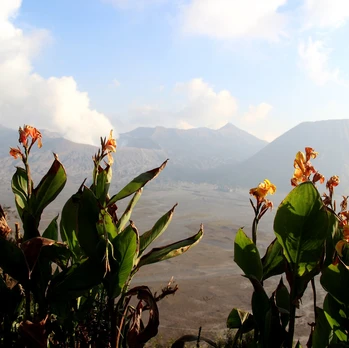
Mount Bromo isn't just a volcano—it's a landscape that feels extraterrestrial. The gray-black volcanic ash plain stretches endlessly, punctuated only by the smoking cone of Bromo itself. Sunrise here is a spiritual experience: as the first light hits the crater, the mist swirls like clouds on a distant planet.
Key facts about Bromo: - Elevation: 2,329 meters (7,641 feet) - Location: Bromo Tengger Semeru National Park, East Java - Best time to visit: April to October (dry season) - Temperature at dawn: 5°C (41°F) – pack warm clothes
Ijen: The Gates of Hell
Ijen is famous for two things: its electric blue flames and its turquoise sulfur crater lake. The blue flames are caused by sulfuric gases igniting at temperatures above 600°C, creating a phenomenon visible only at night. The crater lake is the largest acidic lake on Earth—beautiful but deadly.
Key facts about Ijen: - Elevation: 2,799 meters (9,183 feet) - Location: Banyuwangi, East Java - Blue flame viewing: 2 AM – 4 AM - Sulfur fumes: Wear a gas mask (provided by guides)
Indonesia Travel Guide: Pre-Trip Essentials
Itinerary Overview for Volcano Hiking
Our 8-day route was simple and efficient:
| Day | Activity |
|---|---|
| 1 | Fly into Surabaya |
| 2 | Drive to Mount Bromo |
| 3 | Pre-dawn Bromo climb → transfer to Ijen |
| 4 | Night hike Ijen → ferry to Bali |
| 5-7 | Relax in Bali |
| 8 | Return flight |
Flights and Transportation
Round-trip flights from Chengdu to Indonesia cost around 2,000 RMB (approximately $280 USD). Indonesia is visa-free for many nationalities. If transiting through Kuala Lumpur, grab a meal at the "Chicken Rice" stall in KLIA2's 2M floor food court—20 RMB for pure culinary happiness.
Time Zone and Currency Tips
- Time zone: East Java is 1 hour behind Beijing time; Bali has no time difference
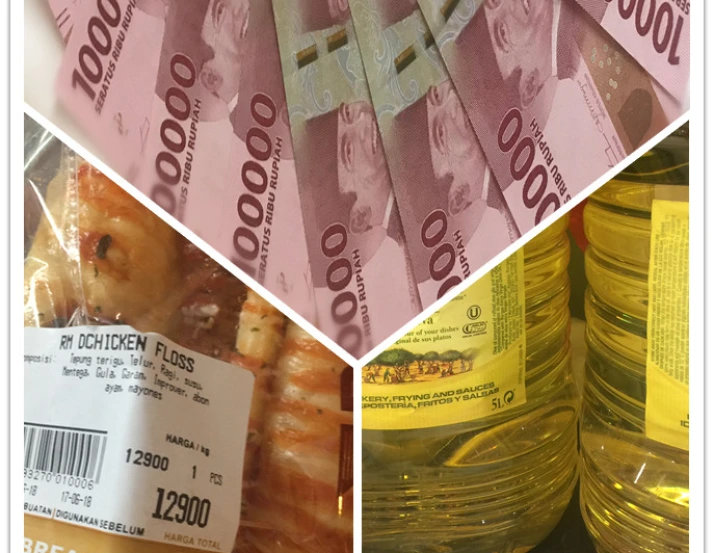
- Currency: 2,000 Indonesian Rupiah ≈ 1 RMB (we'll use "k" for simplicity—200k ≈ 100 RMB)
- Sunrise: Around 5 AM in June; sunset around 6 PM
How to Book Your Volcano Trip
There are three ways to organize your Indonesia volcano tour:
1. DIY: Arrange everything yourself—exhausting and risky in East Java.
2. Local travel agencies: Prices range from 700 to 1,500 RMB per person for a 3-day, 2-night package. Quality varies wildly.
3. Chinese agency with private car: Best value for two people at about 1,300 RMB each. During Eid al-Fitr, prices jumped to 1,600 RMB, but accommodation was solid—Bromo Permai Hotel (window overlooking the volcano) and Palm Hotel in Ijen (with pool and hot water).
Recommendation: Option three for comfort and reliability.
Packing List for Volcano Hiking
Most of Indonesia is 30°C+, but Bromo drops to 5°C at dawn. Ijen before the night hike is even colder. Pack:
- Thin down jacket + shell jacket
- Thermal underwear with fleece-lined shell
- Hiking boots with good grip
- Headlamp (essential for night hikes)
- Gas mask (provided by most tours)
- Water and snacks
SIM Card: Don't Make This Mistake
The two main SIM cards available online are: - Simpati (local carrier): Stable 3G signal everywhere - Indosat (non-local): Shows "E" or "1X" most places—useless
Buy Simpati. Even though you won't get 4G, the 3G is reliable. Indosat's 30 minutes of call time doesn't work either—you can't make calls, and no one can reach you.
First Stop: Surabaya – First Impressions of Indonesia's Second City
We landed at 7 PM. Airport staff said there were no Blue Bird taxis—only Blue Bird Group cars at a flat rate of 240k (120 RMB). Later I discovered Grab (Indonesia's Didi) would have been 70k. Use Grab whenever possible.
Pro tip: Download Grab before you arrive. Drivers won't call—they'll confirm through the app's chat (English or Indonesian). A translation app handles it fine.
After checking in, we visited Transmart supermarket: - Sensodyne toothpaste: 10 RMB - Bath towel: 40 RMB - Bread and doughnuts: 3-5 RMB each
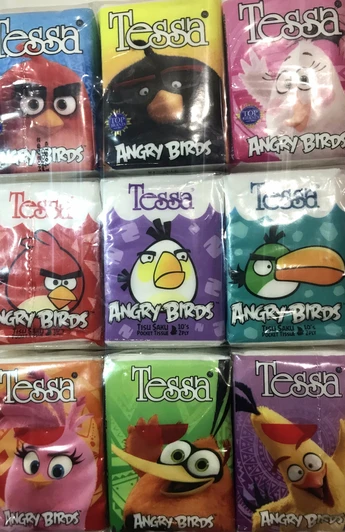
Buying items and spending "hundreds of thousands" felt oddly satisfying. I even bought Angry Birds tissues—adorable.
Second Stop: Bromo – The Lunar Surface with a 30°C Temperature Swing
We checked out at 10 AM, and our driver was waiting. We climbed into a two-box Japanese car for a four-hour drive.
Traffic reality: Indonesia has the most challenging traffic I've ever seen. Roads so narrow you squeeze past by centimeters, construction delays, motorbikes everywhere. We tipped our driver 200k—he deserved it.
At 1:30 PM, we arrived at Bromo's entrance. The heat of Surabaya vanished instantly in Bromo's cold, misty air. Our hotel, Bromo Permai, sat on a mountainside facing Bromo across a vast plain—a built-in viewing platform.
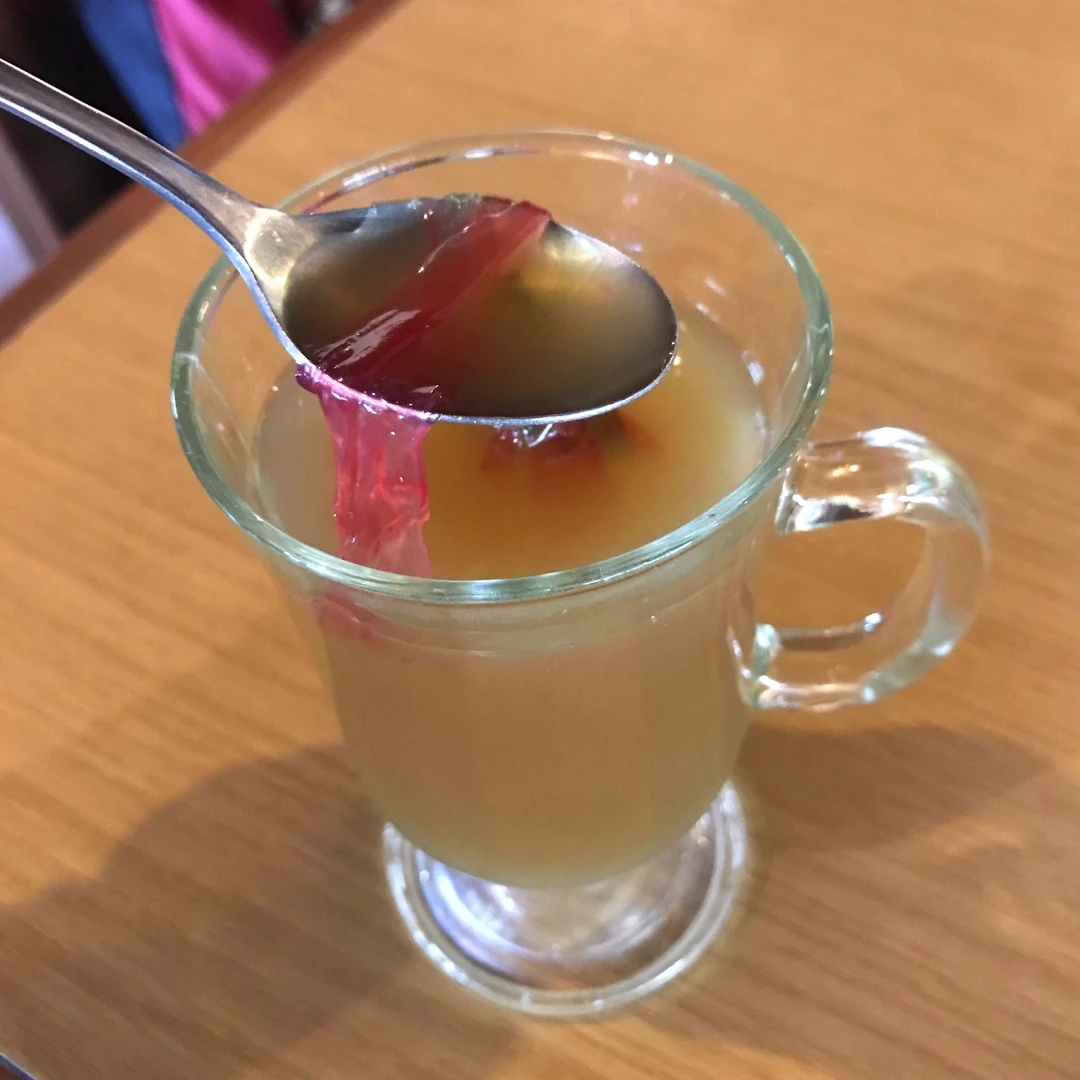
Dining tip: The hotel restaurant costs 60k per person for a decent meal. Use Google Translate when ordering—don't trust menu names and pictures, or you might end up with "mint and ginger soup filled with colorful mystery ingredients."
The Pre-Dawn Climb
At 3 AM, we woke to freezing temperatures. Our jeep driver took us to Penanjakan viewpoint—the most famous spot for Bromo sunrise. The road was a bumpy, dusty nightmare, but the view made it worthwhile.
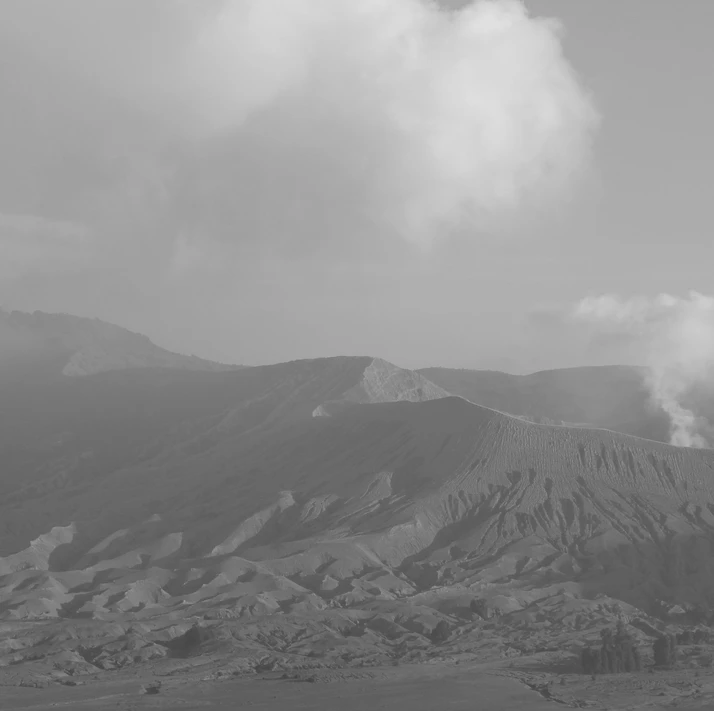
As dawn broke, the Bromo crater emerged from the mist. The landscape looked exactly like the moon—gray, barren, and utterly alien. We hiked across the Sea of Sand (the volcanic plain) and climbed the 250 steps to the crater rim. The sulfur smell was strong, but the sight of the active volcano smoking below was unforgettable.
Bromo hiking tip: Wear a mask for the sulfur fumes. The crater rim is narrow—stay behind the safety barriers.
Third Stop: Ijen – Blue Flames and Sulfur Hell
After Bromo, we drove to Ijen—about 4 hours through more chaotic traffic. We checked into Palm Hotel (with a pool and hot water—luxury by volcano standards).
The Night Hike to See Blue Flames
At 1 AM, we started the Ijen hike. The trail is steep and rocky—about 3 kilometers (1.9 miles) to the crater rim, then another 30 minutes down into the crater itself.
The blue flames were everything I'd imagined. They flickered and danced from cracks in the earth, burning at 600°C. The sulfur miners carried baskets of yellow sulfur on their shoulders, earning pennies per kilo. It was both beautiful and heartbreaking.
Ijen safety tips: - Wear a gas mask (provided by guides) - Bring a headlamp with extra batteries - The trail is slippery—wear sturdy boots - Don't touch the blue flames or sulfur deposits
The Turquoise Crater Lake
As dawn approached, we climbed back to the crater rim to see Ijen's turquoise lake. The color is surreal—like something from a fantasy movie. But it's the most acidic lake on Earth, with a pH near zero. Don't fall in.
Frequently Asked Questions About Bromo and Ijen
Q1: Is it safe to visit Bromo and Ijen?
A: Yes, when you follow safety guidelines. Bromo is an active volcano but has predictable activity. Ijen's blue flames are safe to view from a distance. Wear masks for sulfur fumes, stay on marked trails, and use reputable guides. The biggest risks are traffic accidents and altitude sickness—not the volcanoes themselves.
Q2: What's the best time of year to visit?
A: The dry season (April to October) offers the clearest views. June to August are peak tourist months with stable weather. Avoid November to March—heavy rain makes trails slippery and views cloudy.
Q3: How fit do I need to be for these hikes?
A: Moderate fitness is sufficient. Bromo's hike is relatively easy—mostly flat across the Sea of Sand with 250 steps. Ijen is more challenging: 3 km uphill with a steep descent into the crater. Anyone with basic hiking experience can do both.
Q4: Can I see the blue flames at Ijen without a tour?
A: Technically yes, but we strongly recommend a guided tour. Guides provide gas masks, headlamps, and local knowledge. They also know the safest routes and best viewing times. DIY is possible but risky.
Q5: What should I pack specifically for Ijen's blue flames?
A: Essential items include: - Gas mask (provided by most tours) - Headlamp with extra batteries - Warm layers (it's cold before the hike) - Sturdy hiking boots - Water (at least 1 liter) - Snacks for energy
Internal Linking Suggestions
[Link: Indonesia travel tips for first-timers] [Link: Best time to visit East Java volcanoes] [Link: How to choose a volcano tour operator] [Link: Bali relaxation guide after volcano hiking] [Link: Safety tips for active volcano hiking]
Final Thoughts: Why You Should Book This Trip Now
The world's most extraordinary sights are found in the most remote and dangerous places. Bromo's lunar landscape and Ijen's blue flames are not just Instagram moments—they're experiences that change how you see the world.
This Indonesia volcano tour is challenging, yes. You'll wake at 2 AM, breathe sulfur fumes, and endure bumpy roads. But when you stand on Bromo's crater rim at sunrise, watching the mist clear over the Sea of Sand, or when you see Ijen's blue flames flickering in the darkness, you'll understand why people risk everything to witness these wonders.
Don't let fear hold you back. The news might show negative stories, but the reality is that Indonesia is safe, welcoming, and filled with the most extraordinary sights on Earth.
Book your trip today. The volcanoes are waiting.
Have you visited Bromo or Ijen? Share your experience in the comments below. For more Indonesia travel guides, subscribe to our newsletter.