Beyond the Guidebook: Your Essential Companion for Traveling Japan – The Ultimate Japan Travel Guide
Meta Description: Discover essential Japan travel tips beyond the guidebook. From seasonal festivals to food diaries, emergency contacts, and money-saving hacks, this honest companion will transform your trip.
There's something magical about stepping off a plane in Japan. The air feels cleaner. The vending machines glow like beacons of convenience. And somewhere in the distance, a temple bell chimes. But between the dreamy Instagram posts and the meticulously planned itineraries lies a world of practical details that can make or break your trip. This isn't your standard travel guide—consider it the honest, coffee-stained notebook of someone who's been there, fumbled through the language barrier, and emerged with a deeper love for this incredible country.
Let's dive into the nitty-gritty, the overlooked, and the unexpectedly delightful.
When to Visit Japan: A Month-by-Month Seasonal Guide
Japan doesn't just have seasons—it celebrates them. Each month brings its own rhythm, festivals, and flavors. Here's your month-by-month cheat sheet to plan the perfect Japan travel itinerary.
❄️ Winter in Japan: January – February Wonders
- New Year (Shogatsu): December 31 to January 3. The country slows down for Hatsumode—the first shrine visit of the year. Expect crowds, but also an unmatched sense of renewal.
- Ski Season: Resorts open in December, but January offers peak powder. Think Niseko, Hakuba, or Nozawa Onsen.
- Coming of Age Day: Second Monday of January. You'll spot young adults in stunning kimonos—a photographer's dream.
- Setsubun (February 2–4): Bean-throwing festivals to drive away evil spirits. Yes, people literally throw soybeans while shouting "Oni wa soto! Fuku wa uchi!" (Demons out! Fortune in!)
🌸 Spring in Japan: March – April Cherry Blossom Fever
This is hanami season—flower viewing. The entire country turns pink, and picnic blankets appear under every blooming tree. Check the sakura forecast (search online for "sakura zensen") to time your visit perfectly.
[Link: Best Cherry Blossom Viewing Spots in Japan]
🌿 May – June: Golden Week & Greenery Season
Golden Week (April 29 – May 5) is Japan's busiest travel period. Book hotels and flights months in advance. The holidays include: - Showa Day (April 29) - Constitution Memorial Day (May 3) - Greenery Day (May 4) - Children's Day (May 5) – Look for the colorful koinobori (carp-shaped windsocks) flying everywhere.
🗻 Summer in Japan: July – August Mountain Season & Fireworks
- Mount Fuji Climbing Season: July to early September. If you've ever wanted to watch sunrise from Japan's highest peak, this is your window.
- Gion Matsuri (July 17): Kyoto's grandest festival, often called the mother of all Japanese festivals.
- Obon (mid-August): A Buddhist festival honoring ancestors. The Gozan no Okuribi (five giant bonfires on Kyoto's mountains) is breathtaking.
- Fireworks (Hanabi): August is prime time for spectacular displays. Pack a picnic and arrive early.
🍁 Autumn in Japan: September – October Prelude

- Asama Onsen Fire Festival (early October): A dramatic torch-lit procession in Nagano.
- Koyo (autumn leaves): Late October sees the first hints of red and gold. By November, the show reaches its peak.
❄️ November – December: Red Leaves & First Snow
- Autumn foliage: November is prime momijigari (maple viewing). Head to Kyoto, Nikko, or Hakone.
- Shichi-Go-San (November 15): A festival for children aged three, five, and seven. You'll see them dressed in tiny kimonos at shrines.
- Ski season begins: December brings the first snowfall to northern resorts.
Japan Weather & What to Pack: Essential Travel Tips
Japan's weather can be unpredictable. Bookmark the Japan Meteorological Agency website and Yahoo's weather page for real-time updates. Earthquakes happen—download a safety app and know the basics: drop, cover, hold on.
Packing tip: Layers are your best friend. In spring, a light jacket suffices. In winter, invest in thermal underwear and waterproof boots. Summers are humid—bring a portable fan and a towel.
[Link: Japan Packing List for Every Season]
Japan Visa Requirements & Passport Essentials
Most travelers need a visa, processed through authorized travel agencies. Whether you're on a group tour or an individual trip, your agent will guide you through required documents. Do your homework early—processing can take weeks.
Money in Japan: Cash, Cards & Tax-Free Shopping
Japan still loves cash. Exchange some yen before you leave—airport rates are decent, but your local bank might offer better deals.
Cards: Visa, Mastercard, and UnionPay work at most major stores. Alipay is surprisingly widespread in tourist areas.
Tax: Consumption tax is 8%. Large stores offer tax-free shopping when you present your passport. For smaller purchases, the effort of filling out forms often isn't worth it—stick to duty-free shops for big buys.
Emergency Contacts in Japan (Save These Now)
- Chinese Embassy in Japan: 0570-300258 (mobile) / 03-4360-7612 (Tokyo) / 06-4968-0168 (Osaka) / 052-388-0388 (Nagoya)
- Fire, earthquake, serious injury: 119
- Traffic accidents, theft, lost items: 110
- Japan Helpline (24/7): 0120-46-1997
[Link: Japan Travel Safety Tips]
Staying Connected: SIM Cards & Wi-Fi in Japan
Modern travelers rely on apps like WeChat for calls. For data, you have two solid options:
- DOCOMO SIM card: Requires swapping your SIM. Reliable, cheap, available on Taobao.
- International roaming package: No SIM swap needed. Slightly pricier but convenient.
Wi-Fi egg (pocket router): Avoid unless you love carrying extra devices and remembering to charge them. Plus, you have to pick up and return the unit—a hassle best skipped.
Language Tips for Japan Travel: You Don't Need to Be Fluent
I speak a little Japanese—enough to understand simple conversations, though my speaking is clumsy. I'm still learning. But here's the truth: English works in most places. Japanese accents aren't as hard to understand as stereotypes suggest. And in major shopping areas, you'll find Chinese-speaking staff everywhere.
Pro tip: Learn a few basics—arigato (thank you), sumimasen (excuse me/sorry), and gochisousama (said after a meal). It goes a long way.
Time Zone & Travel Basics for Japan
Japan is in UTC+9, one hour ahead of China. Jet lag is minimal.
Hotels & flights: Book through whatever platform you trust. Always buy travel insurance—medical costs in Japan can be steep.
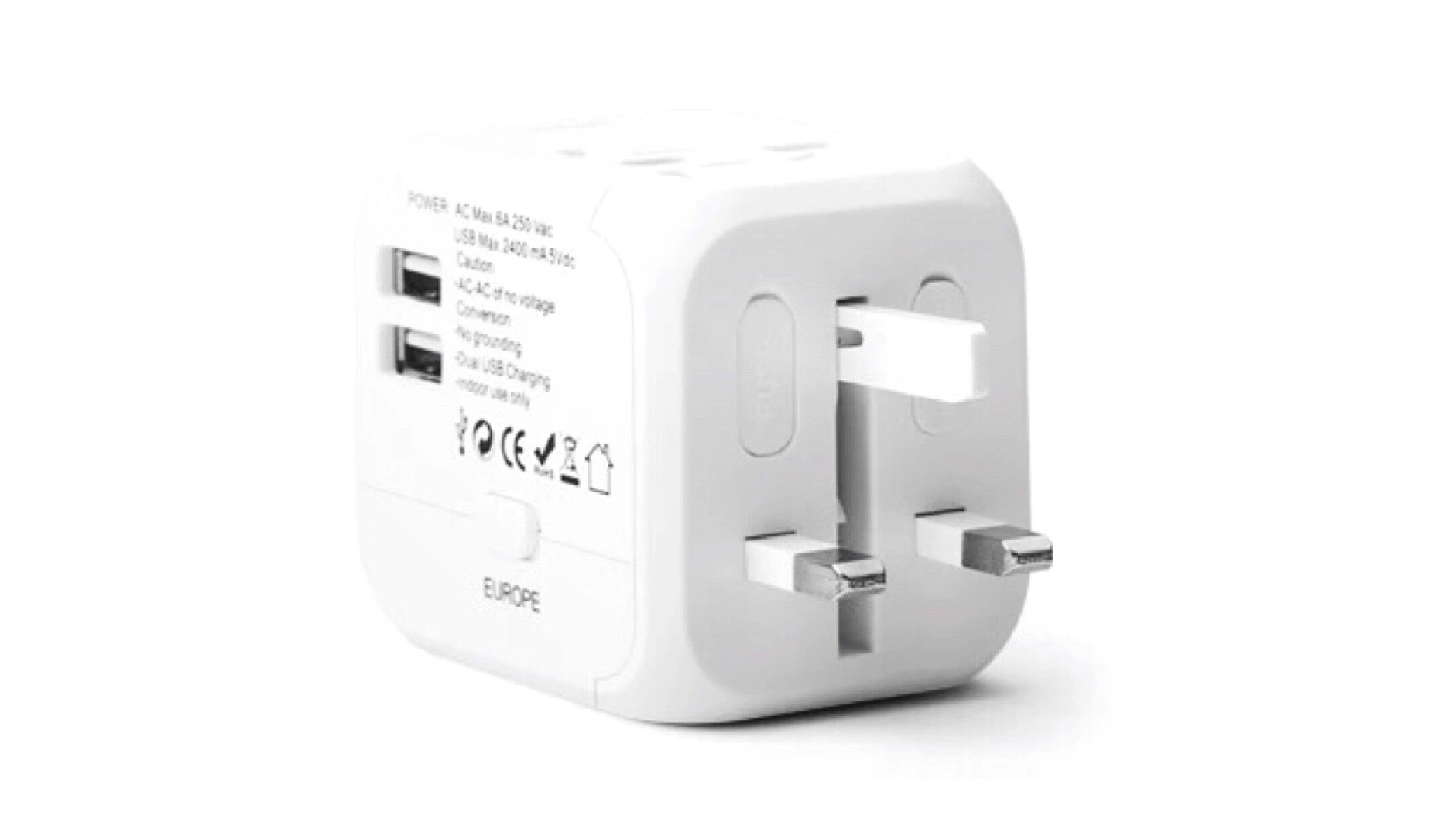
Electricity: 100V, two-prong flat plugs. A universal adapter is a wise investment.
Japanese Food Guide: A Love Letter to Japanese Cuisine
Let's be honest—this is what you came for.
Convenience Stores: The Unsung Heroes of Japanese Food
Japanese convenience stores (konbini) are legendary. They're not just stores—they're culinary wonderlands. You'll find everything from onigiri (rice balls) to fried chicken to bizarre flavors like "cilantro."
Must-try: The milk. It tastes fresher, creamier, somehow more milk-like than anything you've had. Also, the oden (hot pot stew) is perfect for cold days, though the meat is softer than Westerners expect—less chewy, more tender.
Ramen: Japan is the birthplace of instant noodles. We tried two "premium" cups—rich broth, excellent noodles, but slightly oily. A friend preferred the lighter Nissin version. Both are worth sampling.
A lucky find: I once pulled a prize from a convenience store lottery. The card featured EXILE, a band I'd been listening to. Serendipity at its finest.
Wagashi & Western Sweets in Japan
Remember the anime Antique Bakery? The term kashi means confectionery. Wagashi are traditional Japanese sweets; yogashi are Western-style.
Fun fact: Shiseido, the cosmetics giant, started as a pharmacy selling sweets. Their Ginza location still serves exquisite desserts.
Matcha heaven: Japan is a matcha lover's paradise. We took a tea ceremony class with an incredibly graceful instructor. The experience was meditative, almost spiritual.
The Daruma Story: A Symbol of Perseverance
You'll notice some Daruma dolls have blank eyes. These aren't defects—they're part of a tradition. Daruma represents Bodhidharma, the founder of Zen Buddhism, who endured seven disasters and eight hardships before achieving enlightenment. The doll's round shape symbolizes resilience.
Frequently Asked Questions About Traveling Japan
Q1: Is Japan safe for solo travelers?
Absolutely. Japan is one of the safest countries in the world for solo travelers, including women. Violent crime is rare, and public transportation is efficient and reliable.
Q2: Do I need to speak Japanese to travel in Japan?
 No. English is widely understood in tourist areas, train stations, and hotels. Learning a few basic phrases like arigato (thank you) and sumimasen (excuse me) helps, but it's not essential.
Q3: What's the best time to see cherry blossoms in Japan?
Cherry blossom season typically runs from late March to early April in most regions. However, the exact timing varies yearly. Check the official sakura zensen (cherry blossom forecast) online before booking.
Q4: How much cash should I carry in Japan?
Japan is still a cash-heavy society. Carry around 10,000–20,000 yen ($70–$140 USD) for daily expenses. Major stores accept cards, but smaller shops, temples, and local restaurants often require cash.
Q5: Can I use my phone in Japan?
Yes. You can buy a prepaid SIM card (like DOCOMO) or use an international roaming package. Pocket Wi-Fi routers are available but less convenient.
Your Japan Travel Checklist: What to Do Before You Go
- [ ] Check passport validity (at least 6 months)
- [ ] Apply for visa if needed
- [ ] Book flights and hotels early (especially during Golden Week and cherry blossom season)
- [ ] Purchase travel insurance
- [ ] Download safety apps and emergency numbers
- [ ] Learn basic Japanese phrases
- [ ] Pack layers and a universal adapter
- [ ] Exchange some yen before departure
Ready to Explore Japan Beyond the Guidebook?
Japan isn't just a destination—it's an experience that transforms you. From the serene temples of Kyoto to the neon-lit streets of Tokyo, from steaming bowls of ramen to the quiet ritual of a tea ceremony, every moment offers something unexpected.
This guide has given you the practical tools. Now it's time to pack your bags, step off that plane, and let Japan work its magic.
Start planning your dream Japan trip today. Bookmark this guide, share it with your travel buddies, and subscribe to our newsletter for more insider tips.
Safe travels, and say "konnichiwa" to your next adventure!
Article last updated: [Current Date] | Sources: Japan Meteorological Agency, Japan National Tourism Organization, personal travel experiences
You may also like