As the Year Draws Near, Where Is the Way Home? A Modern Guide to Finding Belonging in a Changing World

Meta Description: The year-end stirs a universal question: "Where is the way home?" Explore the shifting meaning of hometown, identity anxiety, and how to create belonging—whether you return or stay. Discover new traditions for the Spring Festival.
The winter wind of the twelfth lunar month carries a biting chill. Lanterns are quietly hung along the streets, and reminders for "Spring Festival ticket rush" keep popping up on your phone. "Year's end" (nian guan)—a phrase thick with the scent of firecrackers and home cooking—once again tugs at the heart of every wanderer. Have you ever stood by a window in a strange city, gazing into the distance, and asked yourself: Where is my hometown?
This past year, some have saved enough for the train ticket home but not enough courage to face the question, "How are things going for you?" Others have managed to snag a high-speed rail ticket, only to find that their hometown no longer looks like the one in their memory. And some have simply chosen not to return, burying their homesickness in takeout boxes and short videos. The year's end has never been just a date on the calendar. It is a mirror, reflecting the fragile, half-there, half-not-there crack between us and the place we once called home.
[Link: How to cope with homesickness during holidays]
The Year's End: A Collective Question About "Home"
In the cultural DNA of the Chinese people, "the New Year" has never been a simple holiday. From the Kitchen God offering on the 23rd of the twelfth month to the all-night vigil on New Year's Eve, every ritual reminds us: this is a reaffirmation of belonging. But today, as urbanization sweeps hundreds of millions away from their native soil, and as "hometown" becomes just a name in your phone contacts, the meaning of the year's end is quietly shifting.
You might still remember the New Year of your childhood: Grandma frying meatballs by the stove, Grandpa reciting auspicious phrases while pasting up spring couplets, children setting off firecrackers in the courtyard, the air thick with the smell of sulfur and frying oil. Back then, the year's end was a physical arrival—as long as you returned to that courtyard, to that dining table, everything was right with the world.
But now, many people find that even if their body goes back to the old house, their heart can no longer go back. The old neighbors have moved away. The corner convenience store has become a parcel pickup station. The big tree at the village entrance has been cut down, replaced by uniform trash bins. You stand in the alley where you once ran as a child, but you feel like a stranger. The year's end has turned into a redefinition of "home."
[Link: The psychology of returning home for Chinese New Year]
Where Is the Hometown? When the Native Place Becomes a "Foreign Land"

The Fracture of Physical Space
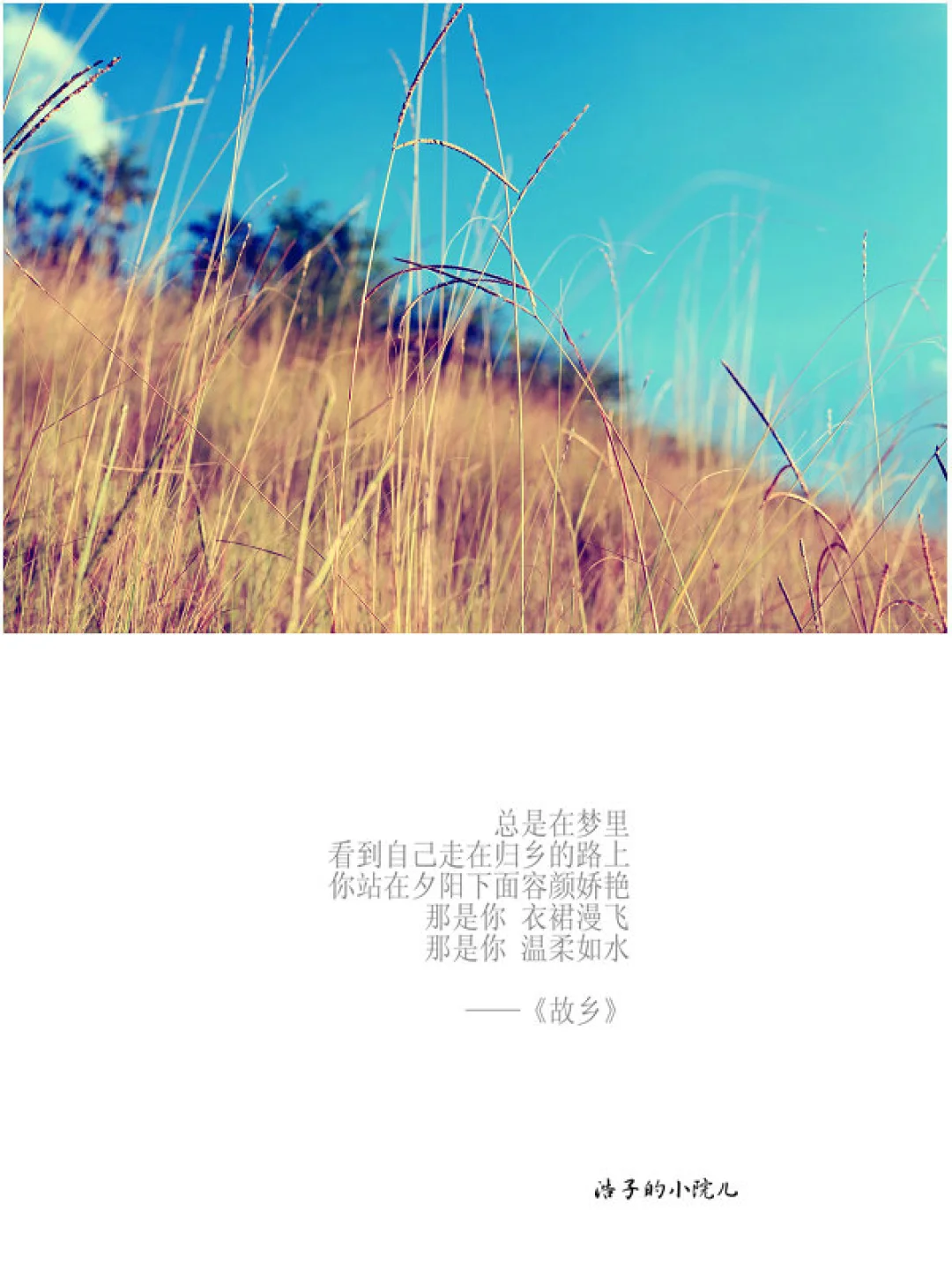
The term "hometown" (xiang guan) first appeared in Cui Hao's poem Yellow Crane Tower: "At dusk, where is my hometown? The misty river only brings sorrow." In those days, the hometown was a matter of geographical distance—a visible barrier of mountains and waters. But today, the distance of the hometown is more about psychological dislocation.
A friend of mine, Ajie, has worked as a programmer in Shenzhen for six years and returns to his hometown in Hunan every Spring Festival. He says, "Going home used to be relaxing. Now going home is like a business trip." Back home, relatives talk about whose child got a government job, who bought a new car. He talks about "996" (the 9 a.m.-9 p.m., six-day workweek), "KPI," and "involution" (rat race). The topics at the dinner table run on parallel lines. When they occasionally intersect, it's just a puzzled, "So, what exactly do you do for a living?"
What's even more heartbreaking is that for many, their hometown is physically disappearing. Those once-smoky villages, due to school consolidations, relocations, and mergers, have become forgotten corners on the map. The river you remember might have been filled in and built over. The dirt path you walked to school is now a paved road, but the wildflowers and the croaking of frogs along the way are gone forever.
[Link: Urbanization and the loss of rural hometowns in China]
The Anxiety of Identity
The year's end is also a peak period for identity crises. In the city, you are an "outsider" (waidi ren). Back in your hometown, you become a "city person." This split identity leaves many people trapped in an awkward "nowhere to belong."
A young woman who works as a livestreaming host in Hangzhou told me that what she dreads most during the New Year is the class reunion. In Hangzhou, she is a confident, capable host earning 20,000 yuan a month. Back home, her relatives only care about whether she "has a boyfriend" and "when she's getting married." She said, "In Hangzhou, I feel like a person. Back home, I'm just a 'girl waiting to be married.'"
This identity anxiety is magnified tenfold at the year's end. You struggle to prove yourself in the city, only to find that in the traditional value system of your hometown, your success counts for nothing. So many people start to escape—by not going home, or by locking themselves in their rooms when they do, staying glued to their phones to keep in touch with city friends.
[Link: Dealing with family pressure during Spring Festival]
Finding a New "Hometown": From Physical Home to Spiritual Sanctuary
Redefining the Boundaries of "Home"
Since the physical hometown is becoming increasingly blurred, why not broaden the definition of "home"? For many young people striving in the city, that rented little apartment, that shared living room with roommates, that desk at work where they order takeout late into the night—these places also carry their daily lives and emotions.
Try giving that small space a thorough cleaning before the New Year. Paste up a "福" (fu) character for good fortune. Boil a pot of dumplings. Invite a few friends who are also staying put. The meaning of the year's end isn't about where you are, but whether you feel warmth and a sense of belonging. As a friend who has rented in Beijing for ten years put it: "My apartment is rented, but my New Year is not."
[Link: How to celebrate Chinese New Year alone in the city]
Create Your Own New Year Traditions
Traditional customs are fading, but we can create our own. For example, during a video call with parents far away, cook the same dish together. Set up a "cloud vigil" with your best friends, each counting down in front of your own screen. Or on the first day of the New Year, give yourself a day off, go for a walk in a city park, and watch the faces of others who also didn't go home.
These seemingly small rituals are actually a way of reweaving our relationship with the New Year. The year's end shouldn't be a nerve-wracking hurdle. It should be a point of relaxation. It reminds us: no matter how far you've traveled, you can create a "home" for yourself.
[Link: Modern Chinese New Year traditions for expats]
Embrace the "On the Road" State
In truth, for many modern people, "hometown" has never been a fixed point. It is a constantly changing state. You move from a village to a county town, from a county town to a provincial capital, from a provincial capital to a first-tier city, or even abroad. Every migration is a redefinition of "home."
Instead of agonizing over "where is the way home," why not embrace this "on the road" state? The year's end can be a waystation. Let you stop, look at the path you've walked, and think about where you want to go next. The hometown is not the destination; it's the starting point. The year's end is not an ending; it's another beginning.
[Link: Finding belonging as a migrant worker in China]
The Year's End Is Also a "Heart's End"
When it comes down to it, the year's end doesn't test your wallet. It tests your heart. When you start asking "Where is my hometown?" you already have the answer. Your hometown is wherever you are willing to settle your heart.
If you choose to go home, go with an open heart. Accept the changes in your hometown. Understand your family's concern. If you choose not to go home, create a warm New Year for yourself in the way you like. No matter where you are, the meaning of the year's end is ultimately "reunion"—reunion with yourself, reunion with life.
Let me share a small ritual of my own: every New Year's Eve, I write one sentence in my phone's memo app. It records the moment that moved me most that year. It's not a year-end summary. It's not a New Year's resolution. It's a quiet acknowledgment that home is not a place—it's a feeling you carry with you.
Frequently Asked Questions About Finding Your Way Home at Year's End
1. Why do I feel like a stranger in my own hometown during Chinese New Year?
 This is a common experience due to rapid urbanization. Your hometown's physical landscape changes—old buildings vanish, new roads appear—while your life in the city evolves your values, habits, and social circles. The psychological gap between your memory and the present reality creates a sense of dislocation. [Link: How to reconnect with your hometown]
2. How can I deal with family pressure about marriage, career, or life choices during the Spring Festival?
 Set boundaries kindly. Prepare neutral responses like, "I'm working on it, but I'd love to hear about your year first." Redirect conversations to shared interests or family memories. If the pressure becomes overwhelming, take short breaks—step outside, help in the kitchen, or call a friend. Remember, their questions often come from love, even if expressed awkwardly. [Link: Tips for handling nosy relatives at Chinese New Year]
3. What if I can't afford to travel home for the New Year?
You are not alone. Many choose to stay in the city due to financial constraints. Celebrate with a small group of friends or colleagues who also stay. Cook a simple reunion dinner together, video call your family, and create your own traditions. The cost of a ticket doesn't measure the value of your homecoming. [Link: Budget-friendly Chinese New Year celebrations]
4. How can I create a sense of home when I live far from my hometown?
 Start by personalizing your living space—add familiar decorations, cook dishes from your hometown, or play music that reminds you of childhood. Build a routine: a weekly video call with family, a monthly "hometown dinner" with friends from the same region, or a yearly trip back. Home is built through repeated small acts of care, not just geography. [Link: Creating a home away from home]
5. Is it okay to not go home for Chinese New Year?
Absolutely. The decision to stay is valid, especially if returning causes more stress than joy. Your mental health matters. Communicate honestly with your family, and plan an alternative reunion—a later visit, a longer video call, or sending gifts. The New Year is about connection, not obligation. [Link: How to tell your family you're not coming home for New Year]

Your Next Step: Find Your Own Way Home
The year's end doesn't demand a perfect answer. It invites a question: Where do you choose to belong? Whether you board a crowded train, stay in your rented apartment, or video call from a different time zone, the way home is the path you walk with intention.
Start today: Pick one small ritual for this New Year's Eve. Write that sentence. Cook that dish. Call that friend. Your hometown isn't behind you—it's wherever you decide to build it.
[Link: Chinese New Year traditions for modern families] [Link: Mental health tips for the holiday season] [Link: How to create your own Spring Festival traditions]
What's your way home this year? Share your story in the comments below—we'd love to hear how you're making the year's end your own.
You may also like