April in Shanghai: A City Ramble Before Saying Goodbye – An SEO-Optimized Travel Guide
Meta Description: Discover Shanghai in April through a heartfelt farewell journey. Explore Suzhou day trips, hidden gems like Xinchang Ancient Town, and moving tips for expats. Your ultimate Shanghai travel guide.
Introduction: When Shanghai Becomes a Second Home
There are some cities you never truly belong to, yet they seep into your bones before you even realize it. For me, Shanghai is exactly that kind of place.
Over the years, because of work and family, I've spent extended periods living in this city. She has been like a silent old friend, witnessing the ups and downs of my life. I grew accustomed to using her as both the starting point and the endpoint of every journey I took, yet I never wrote a single word about her—until this April, when I realized my next return was nowhere in sight. Only then did I understand how precious the ordinary days had been.
This April, while packing up my belongings for a move, I used my feet to measure every corner of this city. This is a record of farewells, and a love letter to Shanghai.
[Link: Shanghai relocation guide for expats]
The Emotional Rollercoaster of Moving: April 13–17
Days Filled with Cardboard Boxes
For an entire week, I wrestled with cardboard boxes, packing tape, and checklists. The room was piled high with sorted belongings, each item carrying traces of my life, yet all destined to be sealed into boxes and shipped thousands of miles away to Shenyang.

My mood mirrored Shanghai's April weather—bright one moment, overcast the next. Moving, on the surface, is about organizing objects, but in reality, it's about organizing memories. Every time I unearthed an old photo or a small trinket, it felt like flipping through fragments of my life in this city. Fatigue and reluctance intertwined, making those days feel especially long.
Practical moving tip: If you're relocating from Shanghai, consider using professional packing services to ease the emotional burden. [Link: Best moving companies in Shanghai]
A Day Trip to Suzhou: The Perfect Cure for Goodbyes (April 18)
Why Suzhou is the Ideal Shanghai Day Trip
Taking advantage of Bubu's attendance at a food therapy training camp, I decided to give myself a day off—a trip to Suzhou. Suzhou and Hangzhou have always held an inexplicable hold on me; it's as if, whenever the chance arises, I feel compelled to go and wander.
This time, my goal was clear: to make up for missing Tiger Hill (Huqiu) on a previous visit.
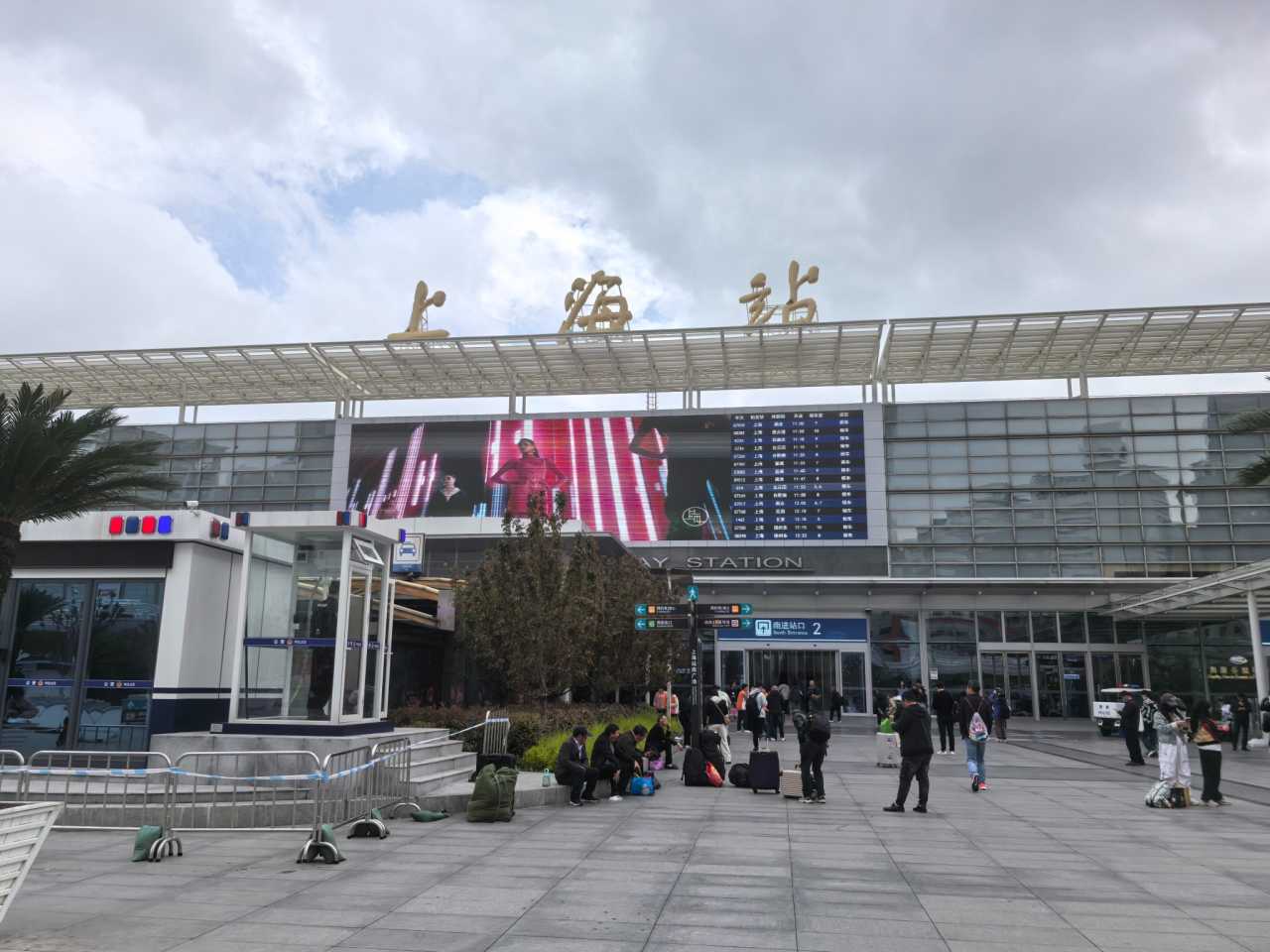
From Shanghai Station to Suzhou Station, the high-speed train took only 25 minutes—shorter than my daily commute within Shanghai. This convenience is precisely the charm of the Yangtze River Delta city cluster.
Travel tip: Book your high-speed train tickets in advance via Ctrip or the official 12306 app to secure the best times. [Link: How to book high-speed train tickets in China]
First Stop: Hanshan Temple (Cold Mountain Temple)
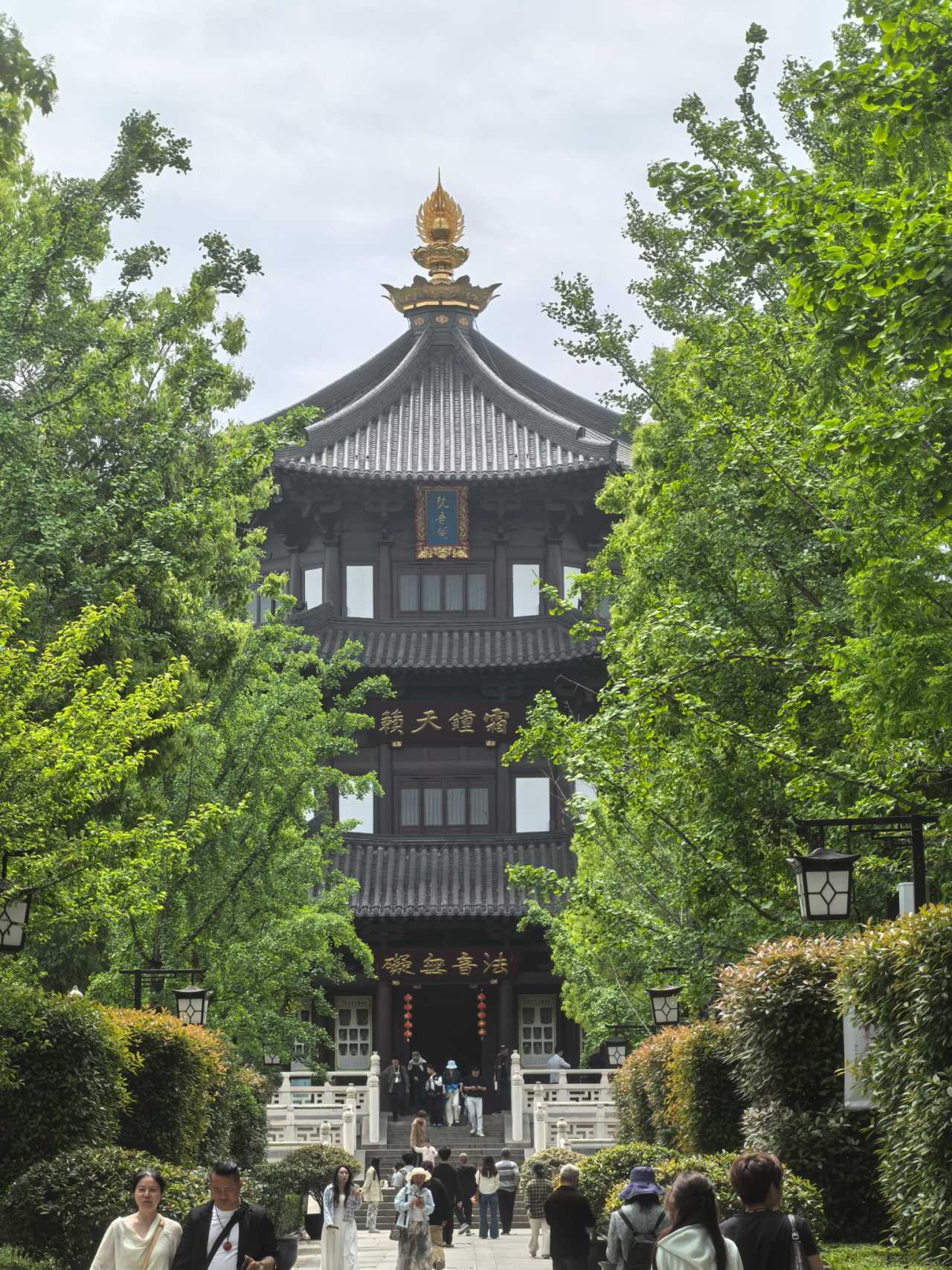
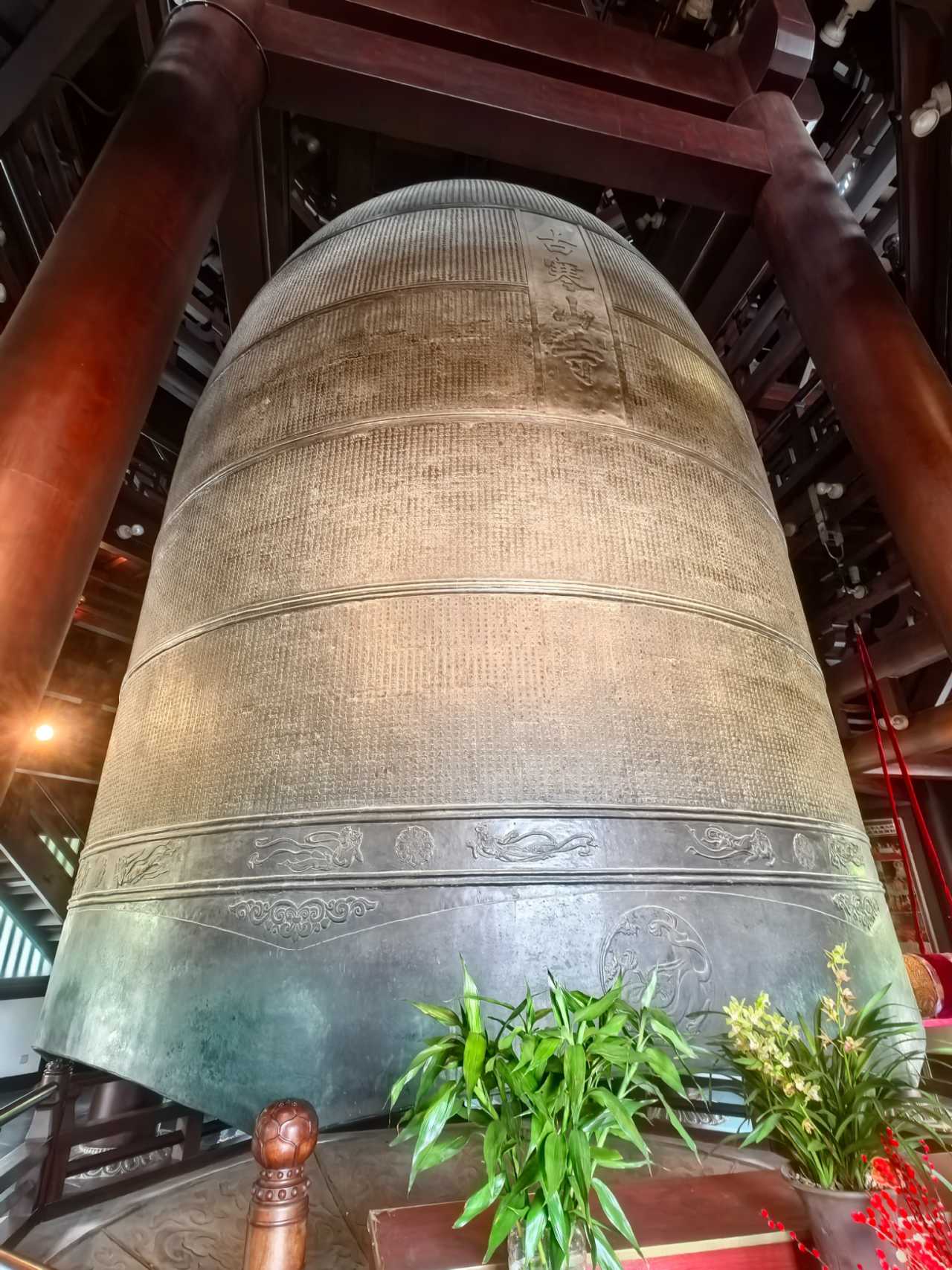
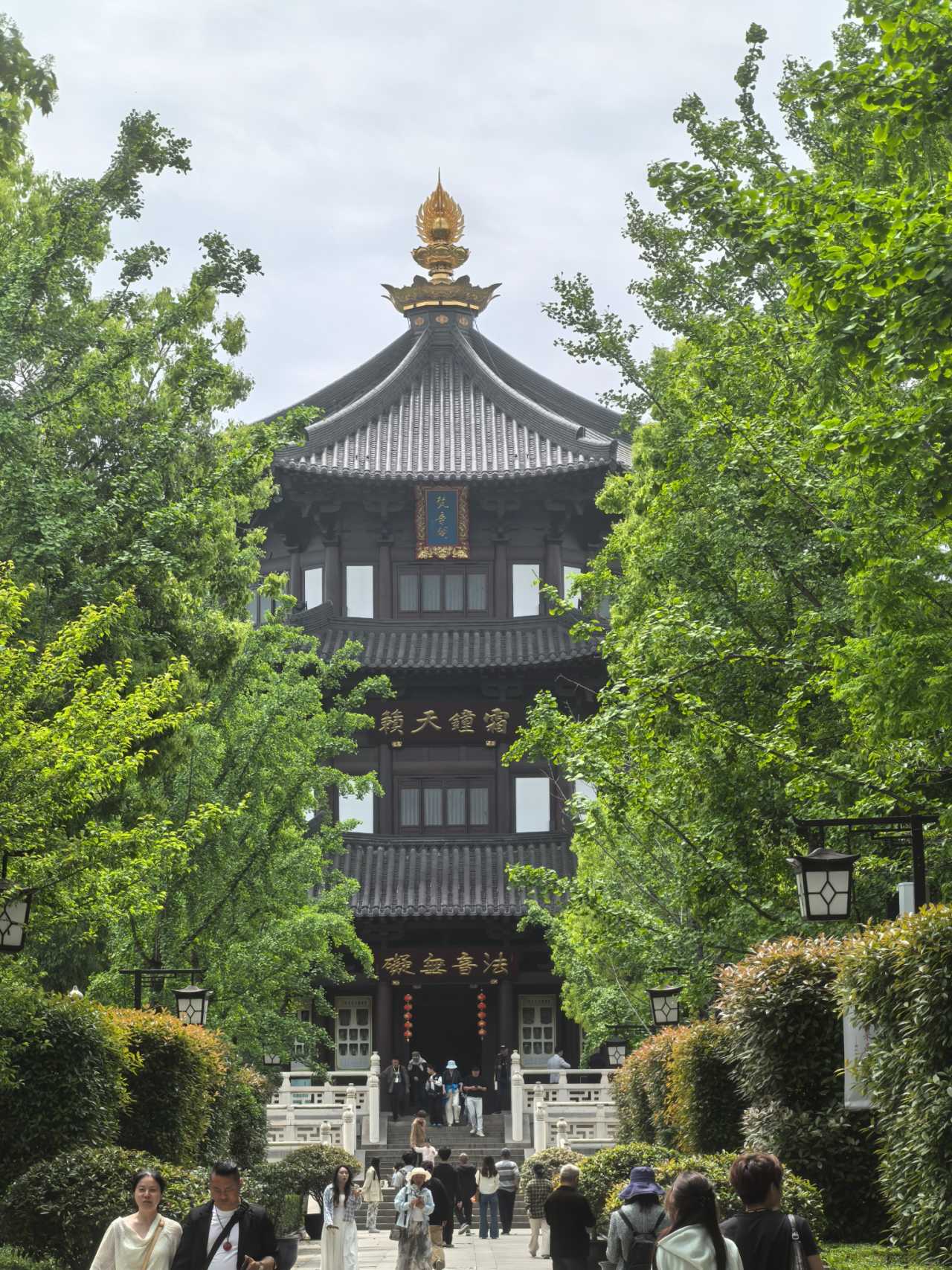
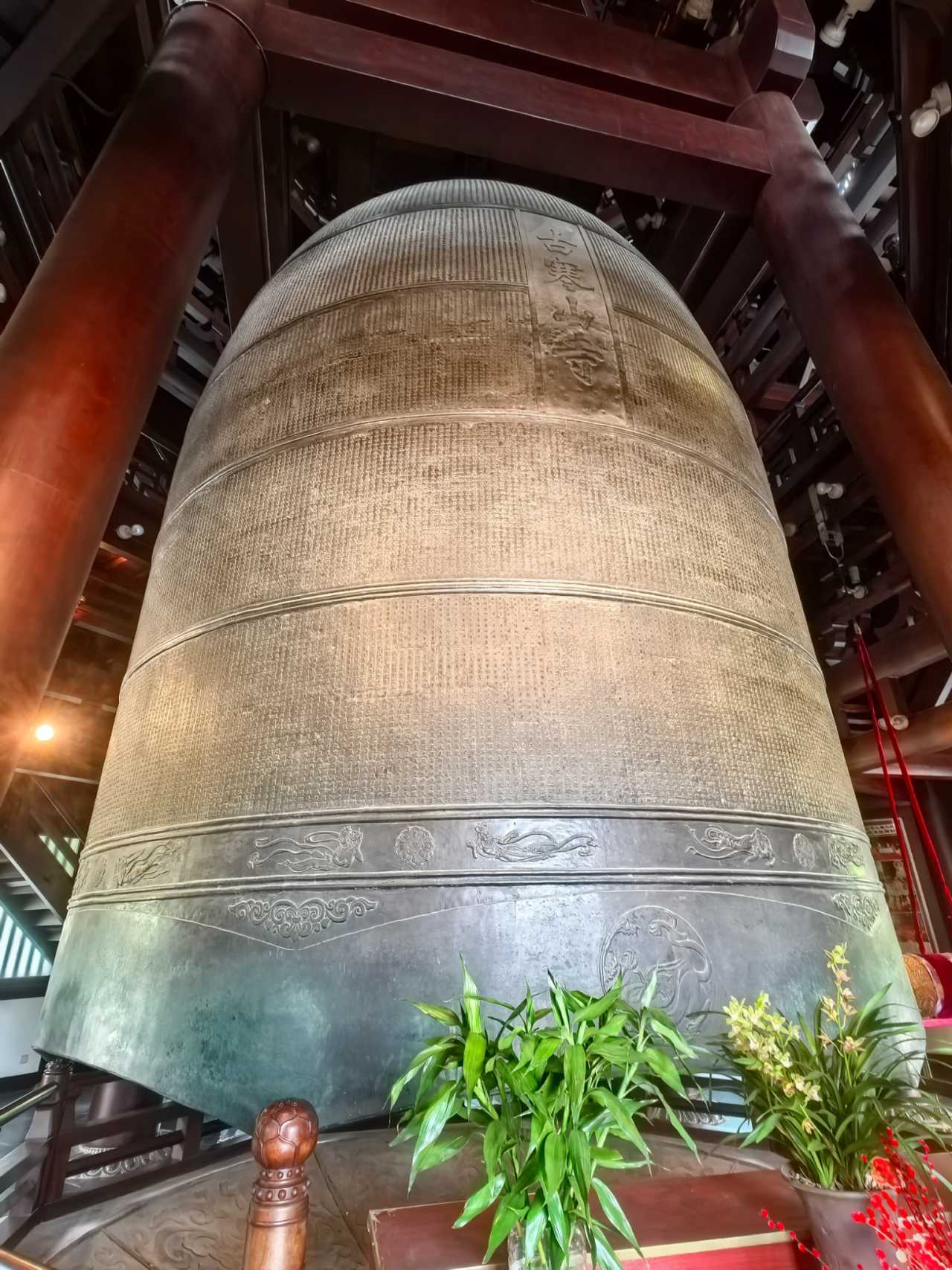
I arrived at Hanshan Temple around noon, only to find it packed with visitors. Originally built during the Tianjian era of the Liang Dynasty (502–519 AD), this ancient temple was first named "Miaoli Puming Pagoda Courtyard." It later took its current name from the Tang Dynasty poet-monk Hanshanzi, who once lived here. But what truly made it famous worldwide was Zhang Ji's poem "Mooring by Maple Bridge at Night"—"Outside Suzhou's city walls, Hanshan Temple stands; at midnight, the bell reaches the traveler's boat."
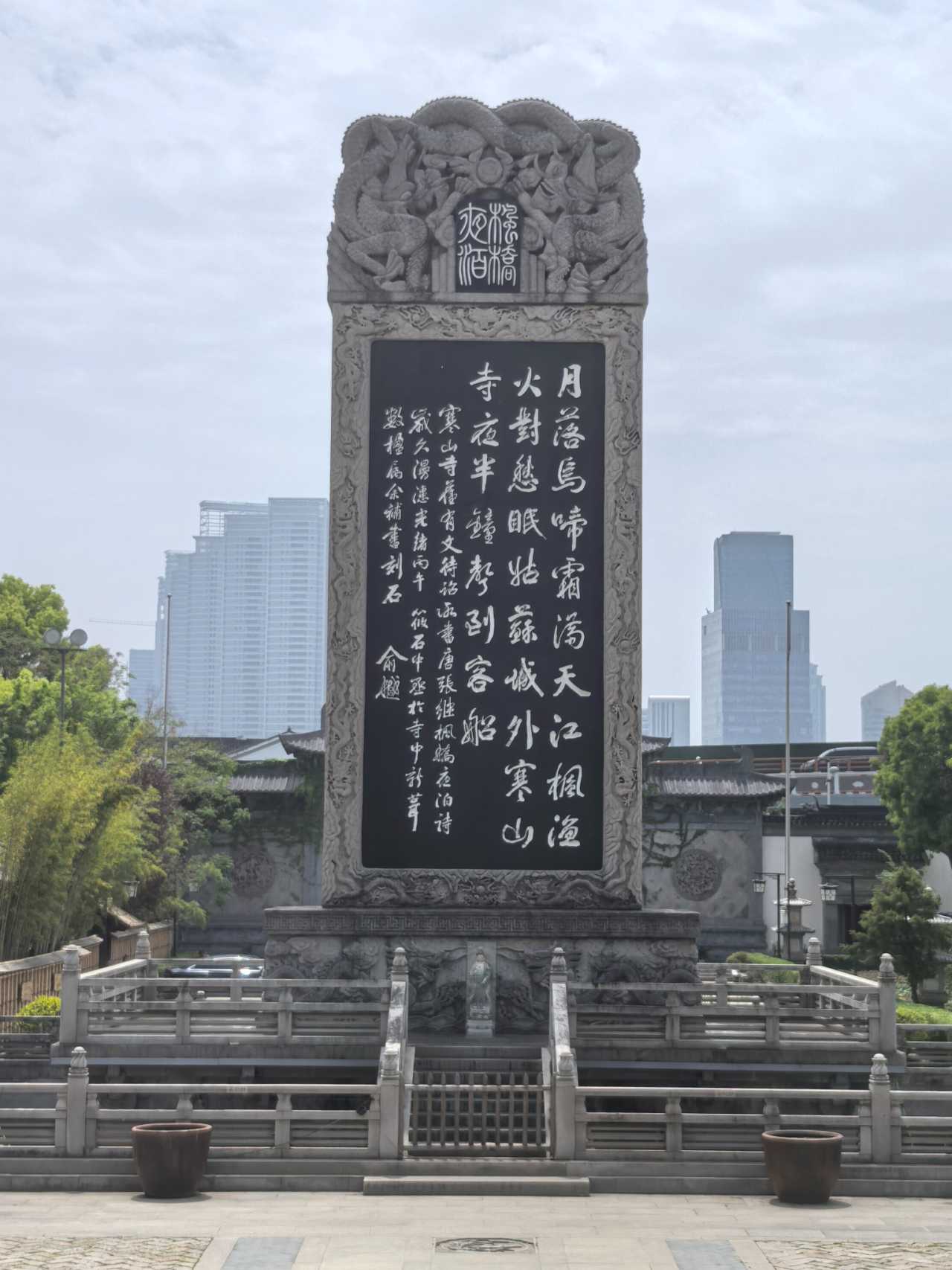
Following local custom, I lit three incense sticks. Looking up, I noticed the figurines of the Tang Monk and his three disciples from Journey to the West perched on the ridge of the Hanshi Hall roof, adding a playful touch to this millennia-old temple.
At the "Eighteen Slow" café inside the temple grounds, I ordered a coffee and took the chance to charge my phone. The collision of modernity and ancient charm felt surprisingly harmonious here.
Insider tip: Visit Hanshan Temple early morning (before 9 AM) to avoid crowds. The "Eighteen Slow" café is a hidden gem for coffee lovers. [Link: Best cafes in Suzhou ancient temples]
Second Stop: Tiger Hill (Huqiu)
I arrived at Tiger Hill around 2:00 PM, and it was far livelier than Hanshan Temple. Groups of young people filled the grounds—some in Hanfu (traditional Chinese clothing), others in wedding gowns, cosplay outfits, or fantasy costumes. It was a moving visual feast, with shoulders brushing shoulders.
The Yunyan Pagoda stood towering and majestic. A national cultural heritage site, it has long become a cultural landmark of Suzhou. I circled the pagoda three times, gazing at the thousand-year-old tower from every angle, and finally asked someone to take a photo of me as a keepsake.
Walking down the hill to Sword Pool (Jianchi) , I revisited the historical legends. On a nearby stage, actors performed ancient stories. The sunlight was just right, and the atmosphere was joyful. Everyone seemed lost in the springtime of Tiger Hill, carefree and reluctant to leave.
After exiting the scenic area, I grabbed a simple yet satisfying bowl of noodles at a roadside shop.
Must-see: The Yunyan Pagoda is one of China's oldest leaning pagodas. Don't miss the Sword Pool legend—it's said to be the burial site of King Helu of Wu. [Link: Top 10 attractions in Suzhou]
Third Stop: North Temple Pagoda and Peach Blossom Cove
With some time left before my return train, I took the subway to North Temple Pagoda (Beita Bao'en Temple) . This pagoda, located right in the city center, has always been one of my most vivid impressions of Suzhou. I made it just before closing time and circled it three times again.
From there, I walked to Peach Blossom Cove (Taohuawu) , a cultural tourism project built around the former residence of Tang Bohu (Tang Yin), the Ming Dynasty poet and painter. As expected, it was also overrun with young people taking travel photos. In the ancient, picturesque alleyways, the sound of camera shutters was relentless, as if every frame was reciting the poetic lines: "Peach blossom cove, peach blossom shrine; beneath the peach blossom shrine, a peach blossom immortal."
Photography tip: Peach Blossom Cove is perfect for Hanfu photoshoots. Visit on weekdays to avoid crowds. [Link: Best photo spots in Suzhou]
The Return Journey
Crossing Pingmen Bridge , I walked toward Suzhou Station. The setting sun cast its golden glow over the outer moat, making the water shimmer, while the ancient city walls stood proudly. At that moment, I realized that Suzhou's beauty doesn't lie in any single attraction—it's in this seamless, natural historical atmosphere.
I boarded the train back to Shanghai without a hitch. One day of escape had done wonders for my mood.
Shanghai's Hidden Corners: The Overlooked Gems
April 21: The Healing Power of Flowers, Birds, Fish, and Insects
The move continued. In the morning, the logistics company came and loaded half a truckload of furniture and belongings, sending them off to Shenyang. Looking at the empty room, I felt a mix of emotions.
In the afternoon, Bubu and I drove to Ruihong Tiandi Moon Bay to visit a green plant concept store called "An & Lei" (An yu Lei) . It was a new kind of neighborhood market for flowers, birds, fish, and insects, brimming with life. Green plants, flowers, fish tanks, insects—each living thing thrived in its own space. Whether this kind of store is profitable is debatable, but at least it gives city dwellers a place to slow down and reconnect with nature.
Wellness tip: Visiting plant stores like "An & Lei" is a form of urban nature therapy. Shanghai has several similar concept stores worth exploring. [Link: Best plant shops in Shanghai]
April 22: The Century-Old Echoes of St. John's University
In the morning, I accompanied Bubu to an activity for her food therapy class, held in a century-old building in Shanghai's Hongkou Music Valley. Feeling bored, I forced down breakfast and stepped out alone, umbrella in hand.
I'd heard that the Changning Campus of East China University of Political Science and Law (ECUPL) was now open to the public, so I took the subway there. This was the former site of St. John's University , located on a peninsula at a bend in Suzhou Creek. The campus was clean and tidy, with most of the Republican-era buildings still in active use, so visitors were only allowed to view the exteriors.
Walking through the campus, I could almost hear the sound of students reciting lessons from a hundred years ago. The red brick walls, arched windows, and green lawns had witnessed the dawn of modern education in China. Even though I could only see the outside, this campus itself was a living, breathing history book.
History buff tip: St. John's University was the first American-founded university in China (1879). The campus is a hidden architectural gem in Shanghai. [Link: Historical universities in Shanghai to visit]
April 23: Xinchang Ancient Town—A Time Tunnel Born from Salt
Today's mission was to check on the status of the Taihe project in Fengxian. After an hour's drive and a twenty-minute visit, I had a clear picture.
On the way back, we stopped by Xinchang Ancient Town in Pudong. This town rose to prominence thanks to the salt industry, once serving as a major salt trading hub.
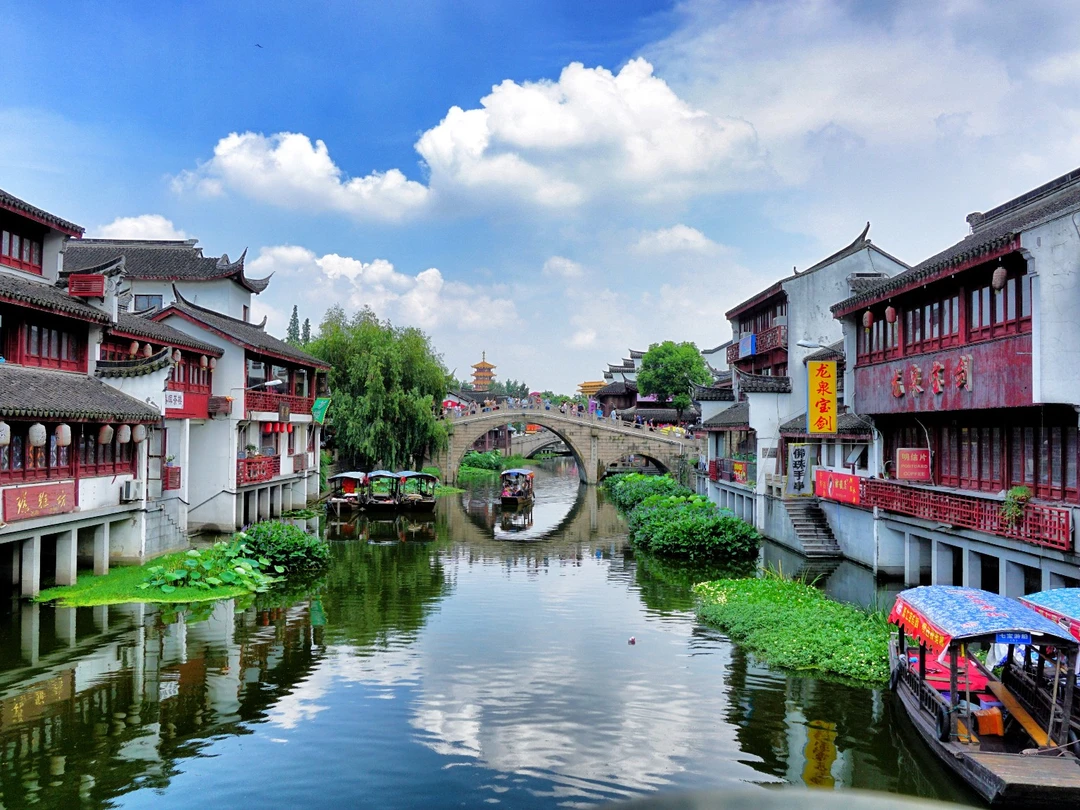
The town was fairly large. We first parked at the parking lot of Nanshan Ancient Temple. The temple itself was unremarkable, but as we walked north along the stone-paved Xinchang Main Street, the shops lining the street proved to be a treasure trove of local snacks and handicrafts.
Off-the-beaten-path tip: Xinchang Ancient Town is less touristy than Zhujiajiao or Qibao, making it perfect for a quiet day trip. Try the local salt-baked chicken. [Link: Best ancient towns near Shanghai]
FAQ: Your Shanghai Travel Questions Answered
1. What is the best time to visit Shanghai?
April is one of the best months to visit Shanghai. The weather is mild (15–22°C), cherry blossoms bloom, and there are fewer tourists than in May or October. However, be prepared for occasional rain showers.
2. How far is Suzhou from Shanghai?
Suzhou is only 25–30 minutes by high-speed train from Shanghai. It's the perfect day trip destination. You can easily visit Suzhou's top attractions and return to Shanghai by evening.
3. Is Xinchang Ancient Town worth visiting?
Yes, especially if you want to avoid crowds. Xinchang is less commercialized than Zhujiajiao or Qibao. It offers a genuine glimpse into traditional Jiangnan water town life, with a unique salt industry history.
4. Can I visit St. John's University campus?
Yes, the Changning Campus of ECUPL (former St. John's University) is open to the public. You can walk around the grounds and view the exterior of the historic buildings. Interior access is restricted as buildings are still in use.
5. What should I pack for a Shanghai trip in April?
Pack layers: light jackets, sweaters, and an umbrella. Comfortable walking shoes are essential. If visiting temples or ancient towns, consider bringing a scarf or shawl for modesty.
Final Thoughts: Saying Goodbye to Shanghai
As I packed the last box and handed over the keys, I realized that Shanghai had given me more than I ever acknowledged. She gave me memories, friendships, and a sense of belonging that transcends geography.
This April ramble wasn't just about saying goodbye—it was about rediscovering the city I thought I knew. From the ancient pagodas of Suzhou to the hidden corners of Pudong, every step reminded me that the best travel experiences are often the ones closest to home.
Whether you're moving away or just visiting, I encourage you to explore Shanghai with fresh eyes. Walk its streets, taste its flavors, and let it seep into your bones.
[Link: Best walking routes in Shanghai]
Ready to explore Shanghai? Book your high-speed train tickets, plan your Suzhou day trip, and discover the hidden gems of this incredible city. Start your journey today—because every goodbye is also a new beginning.
Have you visited Shanghai in April? Share your favorite memory in the comments below!
You may also like