【Ancient Pagoda Chronicles】Rediscovering Shanghai Through the Lens of Antiquity: An SEO-Optimized Travel Guide
Meta Description: Explore Shanghai's hidden ancient pagodas beyond skyscrapers. Discover 13 historic towers, curated routes, and archaeological treasures in this 1500-word SEO guide to Shanghai's forgotten history.
Prologue: When the "Magic City" Reveals Another Face
When you think of Shanghai, what comes to mind? Is it the blinding sunlight reflected off the glass curtain walls of Lujiazui, or the coffee-scented afternoons beneath the plane trees on Wukang Road? This city, known as the "Magic City," has long been labeled as "modern," "cosmopolitan," and "fast-paced." But if you're willing to slow down and shift your gaze from the tops of skyscrapers to the ground beneath your feet, you'll discover—Shanghai has another face.
It hides between the beams of Yuan Dynasty halls, etched into the weathered patterns of Tang Dynasty stone pillars. Four thousand years ago, ancient ancestors cooked meals by the fields; Song Dynasty blue-brick pagodas witnessed the bustling maritime trade along the "Maritime Silk Road." Before its port opened to foreign trade, Shanghai never stood at the center of the historical stage. But precisely because of that, the fragments of civilization it has preserved are all the more precious—they are not grand narratives, but scattered gems tucked away in bustling neighborhoods and remote outskirts.
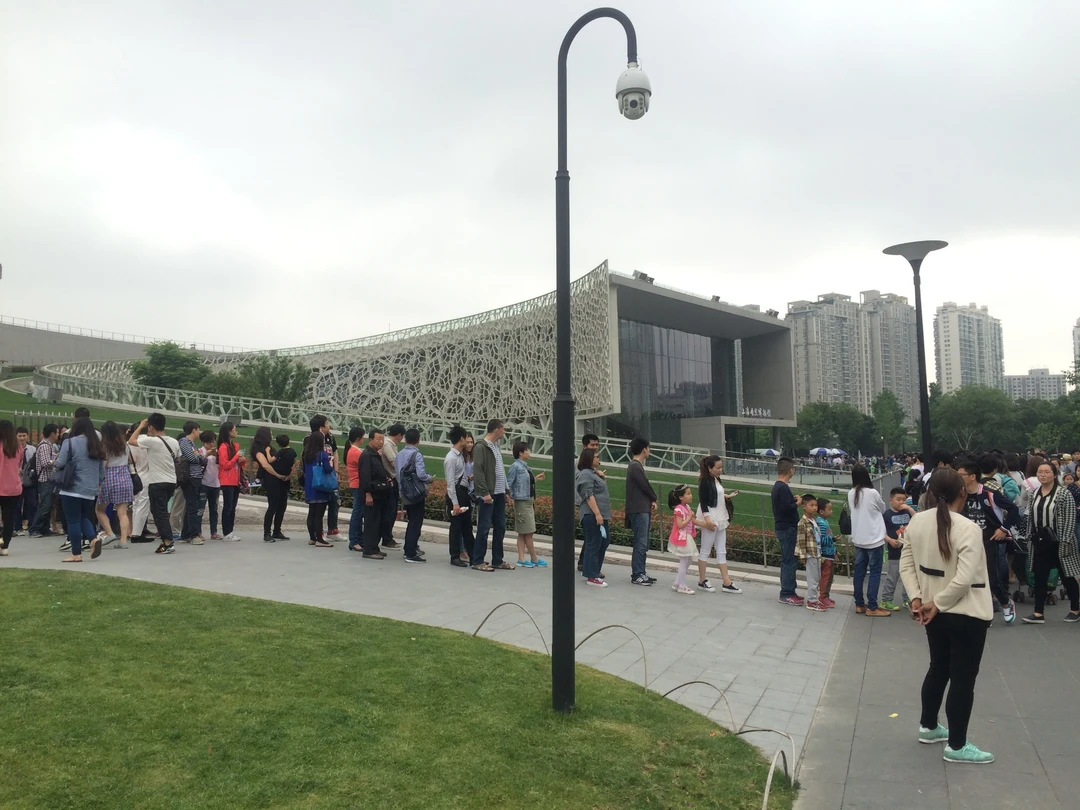
The starting point of all this was a special exhibition at the Shanghai Museum East Branch in 2024—"Pagoda Treasures: Relics from Shanghai's Yuanying Pagoda." Alongside the exhibition, the museum released a digital "Shanghai Ancient Pagoda Exploration Map," marking 13 ancient pagodas within Shanghai's borders and recommending four themed routes: temple visits, mountain-and-water tours, garden explorations, and historical district walks. As a native Shanghainese, I suddenly realized that my understanding of this city might be less thorough than that of a diligent out-of-town tourist planning their trip.
It's not so much "antiquity hunting" as it is "nostalgia seeking." Rather than visiting those "restored-to-look-new" imitation ancient buildings, I prefer to piece together a familiar yet unfamiliar Shanghai through repeated on-site explorations. Every pagoda, every ruin, every old street is a fragment that survived the tides of history. As I pick them up, polish them, and fit them together time and again, the puzzle of "Shanghai" in my mind grows clearer and clearer.
I. Shanghai's 13 Ancient Pagodas: A Two-Year Quest
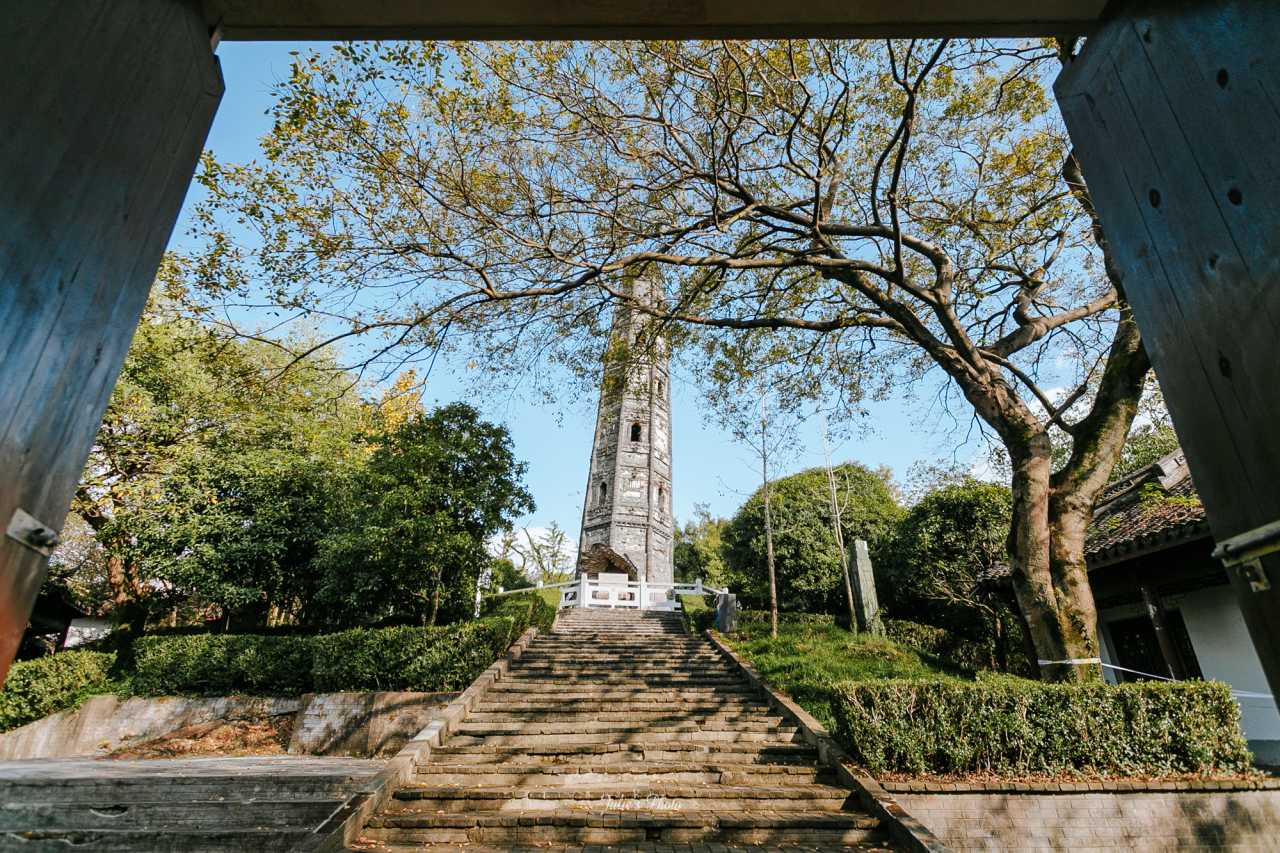
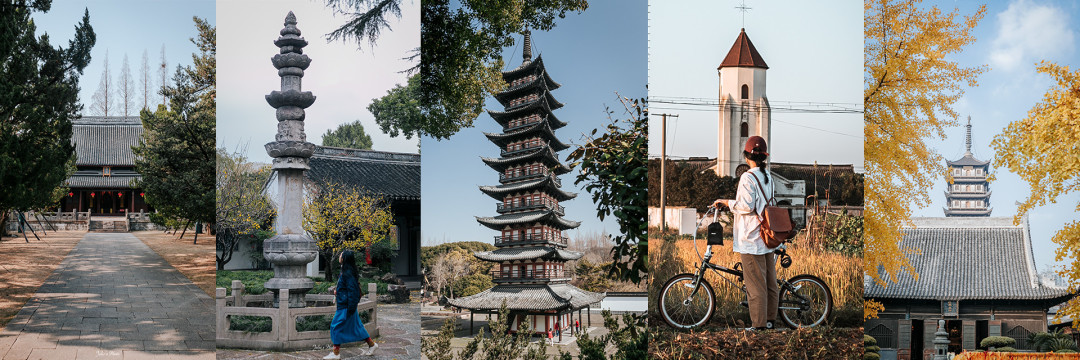
The museum's ancient pagoda map marks 13 pagodas within Shanghai. Over two years, I intermittently checked off 8 of these sites, covering 9 pagodas in total (the Nanxiang Temple Pagodas are a pair, counting as two). They are: the Nanxiang Temple Twin Pagodas in Jiading, the Xiudao Zhe Pagoda in Songjiang, the Huzhu Pagoda in Songjiang, the Longhua Pagoda in Xuhui, the Qinglong Pagoda in Qingpu, the Xingsheng Jiaosi Pagoda in Songjiang, the Yuanying Pagoda in Songjiang, and the Fahua Pagoda in Jiading.
Shanghai is neither too big nor too small. Every trip to the suburbs takes at least two hours one way; two pagodas that look close on the map might require an hour-long bus ride to get between. So the routes in this travelogue aren't "one-day blitz" guides, but the accumulated experience of slowly making my way over two years.
Key Pagodas to Visit
| Pagoda Name | District | Dynasty | Height | Notable Feature |
|---|---|---|---|---|
| Nanxiang Temple Twin Pagodas | Jiading | Song | 11m each | Oldest existing twin pagodas in Shanghai |
| Xiudao Zhe Pagoda | Songjiang | Song | 29m | Located on Sheshan Hill |
| Huzhu Pagoda | Songjiang | Song | 20m | Leaning pagoda on Tianma Mountain |
| Longhua Pagoda | Xuhui | Song (rebuilt) | 40.6m | Tallest ancient pagoda in Shanghai |
| Qinglong Pagoda | Qingpu | Tang | 23m | Only Tang Dynasty pagoda in Shanghai |
| Xingsheng Jiaosi Pagoda | Songjiang | Song | 48.5m | Known as "Fangta" or Square Pagoda |
| Yuanying Pagoda | Songjiang | Ming | 35m | Part of Xilin Zen Temple |
| Fahua Pagoda | Jiading | Song | 40.8m | Located in Zhouqiao Old Street |
[Link: Shanghai Museum East Branch exhibition details]
II. Practical Shanghai Pagoda Routes: Linking History into Day Trips
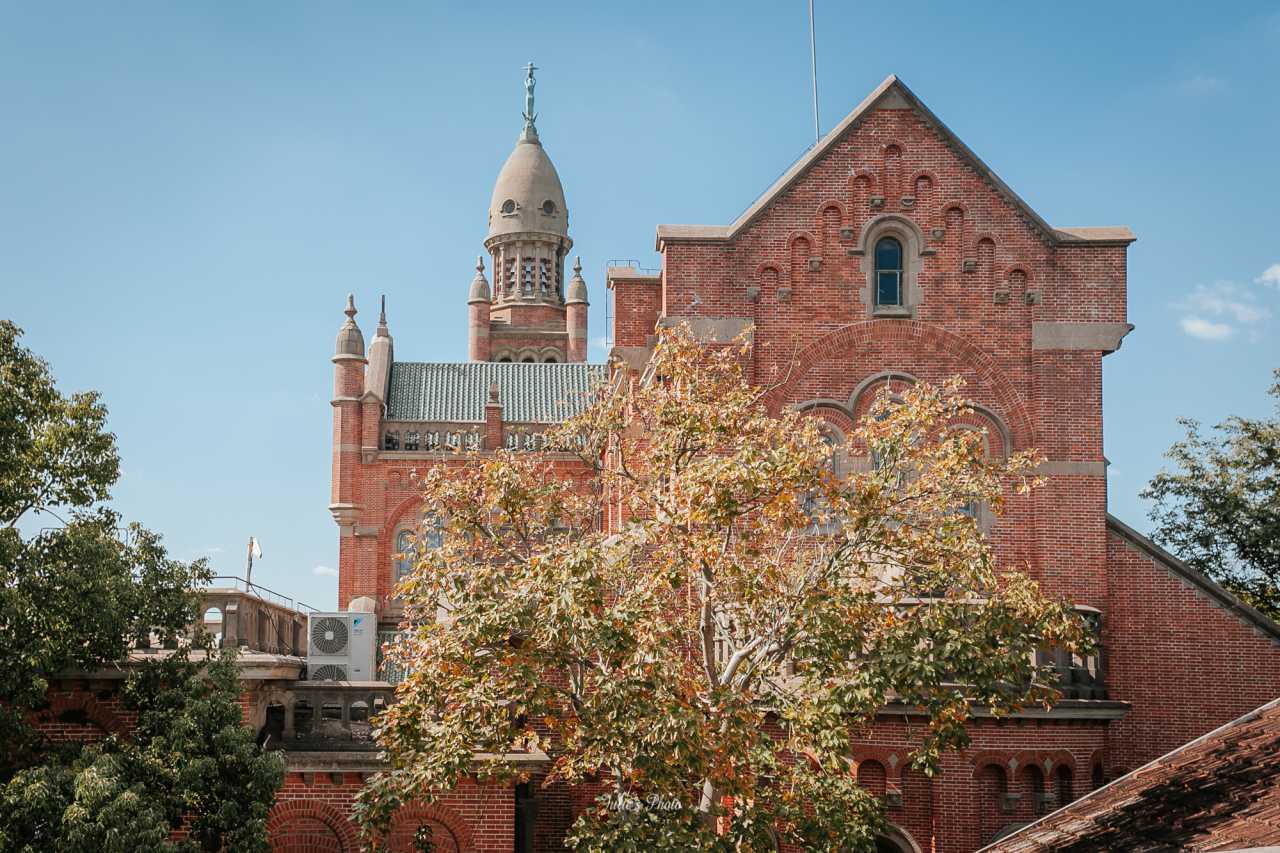
Shanghai's suburbs include eight districts—Minhang, Baoshan, Songjiang, Jiading, Qingpu, Jinshan, Fengxian, and Chongming—covering three-quarters of the city's total area. The densest concentrations of ancient architecture and ruins are in Songjiang, Jiading, and Qingpu. Below are routes I've personally tested, each capable of forming a fulfilling day trip:
Songjiang District Routes
Route ① Around Sheshan
Zhangpu Village → Sheshan National Forest Park, West Sheshan (Xiudao Zhe Pagoda—Sheshan Observatory—Catholic Church) → Tianma Mountain (Huzhu Pagoda) → Xinzhen Village Sanjie Boundary (Tianma Starry Sky Village, radio telescope)
Route ② Songjiang Old Town
Songjiang Museum → Fangta Park (Xingsheng Jiaosi Pagoda and artifacts from various periods) → Songjiang No. 2 High School (Yunjian First Tower) → Zhongshan Elementary School (Tang Dynasty Stone Pillar) → Xilin Zen Temple (Yuanying Pagoda) → Songjiang Cangcheng (Granary City)
Pro Tip: Guangfulin Ruins can be visited along the way, but as a site, it's not particularly impressive. If you want to see artifacts, head to the Shanghai Museum East Branch.
Jiading District Routes
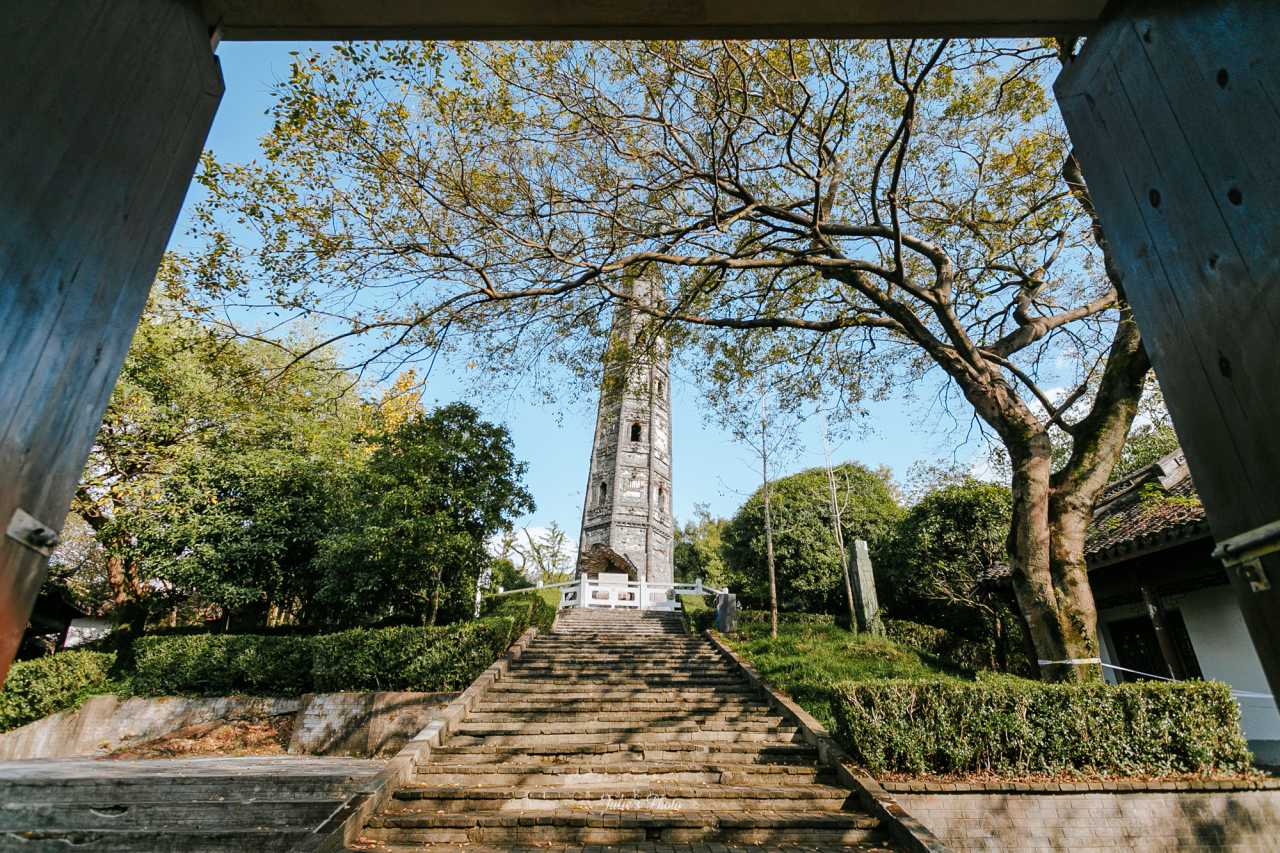
Route ① Nanxiang
Tan Garden → Nanxiang Old Street (Nanxiang Temple Twin Pagodas—Nanxiang Xiaolongbao) → Guyi Garden
Route ② Jiading Old Town
Jiading Museum → Zhouqiao Old Street (Fahua Pagoda) → Confucian Temple → Huilongtan Park
Qingpu District Routes
Route ①
Qinglong Pagoda → Fuquanshan Ruins → Songze Ruins Museum → Qushui Garden → Wanshou Pagoda (didn't make it)

Route ② (too far, didn't attempt)
Mao Pagoda → Liantang Ancient Town → Jinze Ancient Town → Zhujiajiao Ancient Town
[Link: Shanghai suburban travel tips]
III. Pre-Trip Essentials: The "Shanghai Archaeology" Gallery at the Shanghai Museum East Branch
Many visitors to the Shanghai Museum East Branch get tired by the fourth floor and miss a hidden gem there—the "Shanghai Archaeology" gallery. This is a new permanent exhibition hall added after the East Branch was completed; the old location at People's Square didn't have one.
Some people think Shanghai doesn't have much history—that while Central Plains civilization flourished, Shanghai might have been little more than tidal flats. There's some truth to that: Shanghai's historical development was deeply influenced by the advance and retreat of its coastline. Around 6,000 to 7,000 years ago, the shallow ridges and sandy shoreline of the Gangshan belt formed in the west, and early inhabitants began to appear in the western region, giving rise to the earliest Majiabang Culture in the Shanghai area. Over the following millennia, the coastline expanded eastward at an extremely slow pace, and it wasn't until about 600 years ago that Pudong emerged as dry land.
The museum's archaeology gallery uses three sections to trace Shanghai's historical脉络 across more than 6,000 years:
"Light of Civilization": Prehistoric "Ancient States"
The artifacts in this section come mainly from the Songze Ruins and Fuquanshan Ruins in Qingpu, the Guangfulin Ruins in Songjiang, and the Maqiao Ruins in Minhang. From Majiabang Culture to Songze Culture, Liangzhu Culture, Qianshanyang Culture, Guangfulin Culture, and Maqiao Culture, Shanghai possesses a complete prehistoric chronological sequence. Among them, "Songze Culture," "Maqiao Culture," and "Guangfulin Culture" are archaeological cultures named after Shanghai locations.
The curators laid out a lineage of prehistoric pottery: cauldrons, tripods, stemmed bowls, spouted vessels, and jars—different shapes of cooking and dining tools marking the characteristics of different periods and cultures. For example, the side-mounted triangular-legged pottery tripod from the Guangfulin period bears features of the Longshan Culture's Wangyoufang site, indicating northern influence, while artifacts from the Maqiao period show southern tendencies.
The centerpiece is a Liangzhu Culture ivory scepter unearthed in 2010 from the Fuquanshan Ruins—arguably one of the most significant artifacts ever found in Shanghai. The original lies flat on a display table, while a 1:1 replica stands upright to recreate its use. Together, the two pieces form an elliptical line, framing a set of jade discs behind them into the shape of an eye—dubbed the "Eye of Power."
"Gateway to Rivers and Seas": Tang and Song Dynasty "Ancient Port"
My first impression of this section was "gorgeous." Artifacts that seem ordinary on their own become eye-catching through visually striking exhibition design. Discoveries from the Qinglong Town site, the Zhidan Garden Yuan Dynasty Water Gate, and underwater archaeology in the Yangtze River estuary collectively showcase Shanghai's history of rising through water and thriving as a port.
[Link: Shanghai Museum East Branch ticket booking]
IV. Frequently Asked Questions About Shanghai's Ancient Pagodas
Q1: How many ancient pagodas are there in Shanghai?
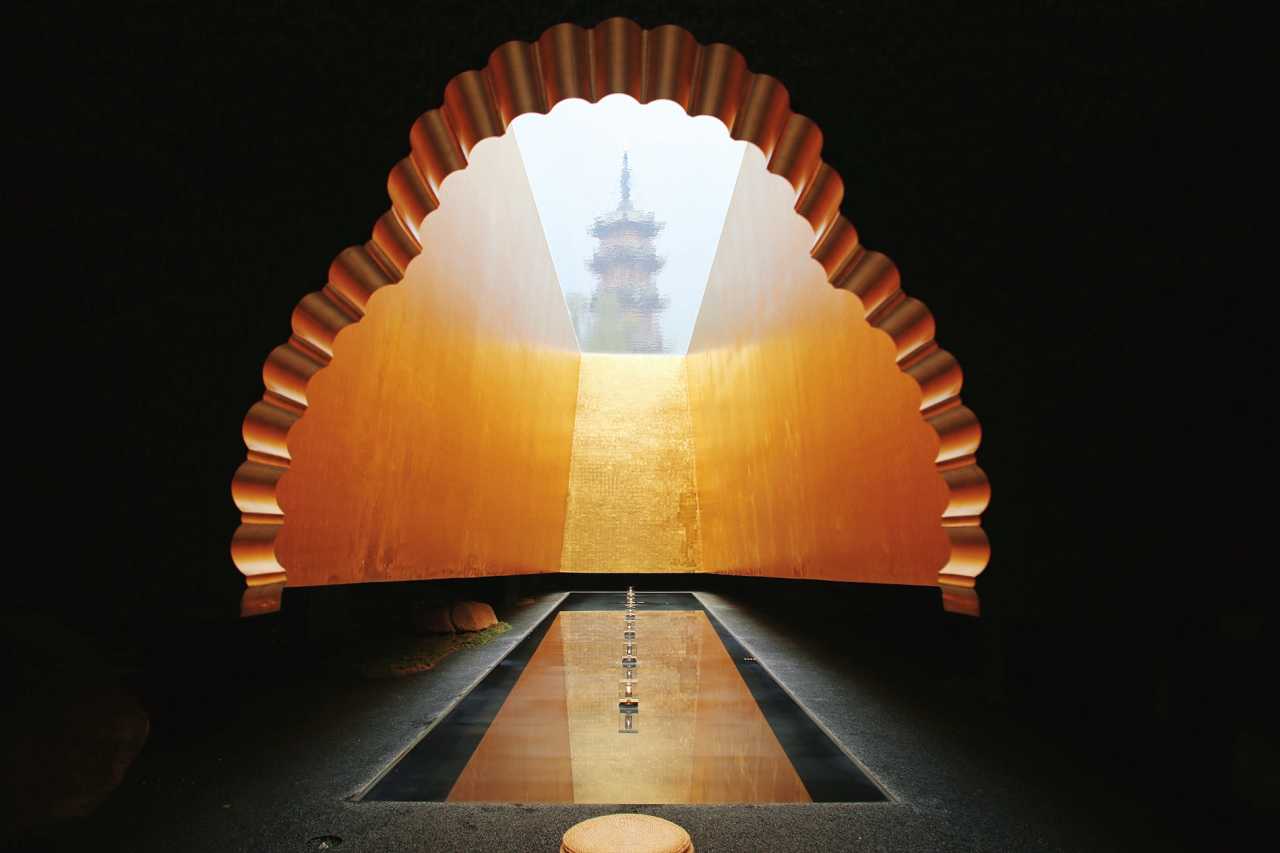
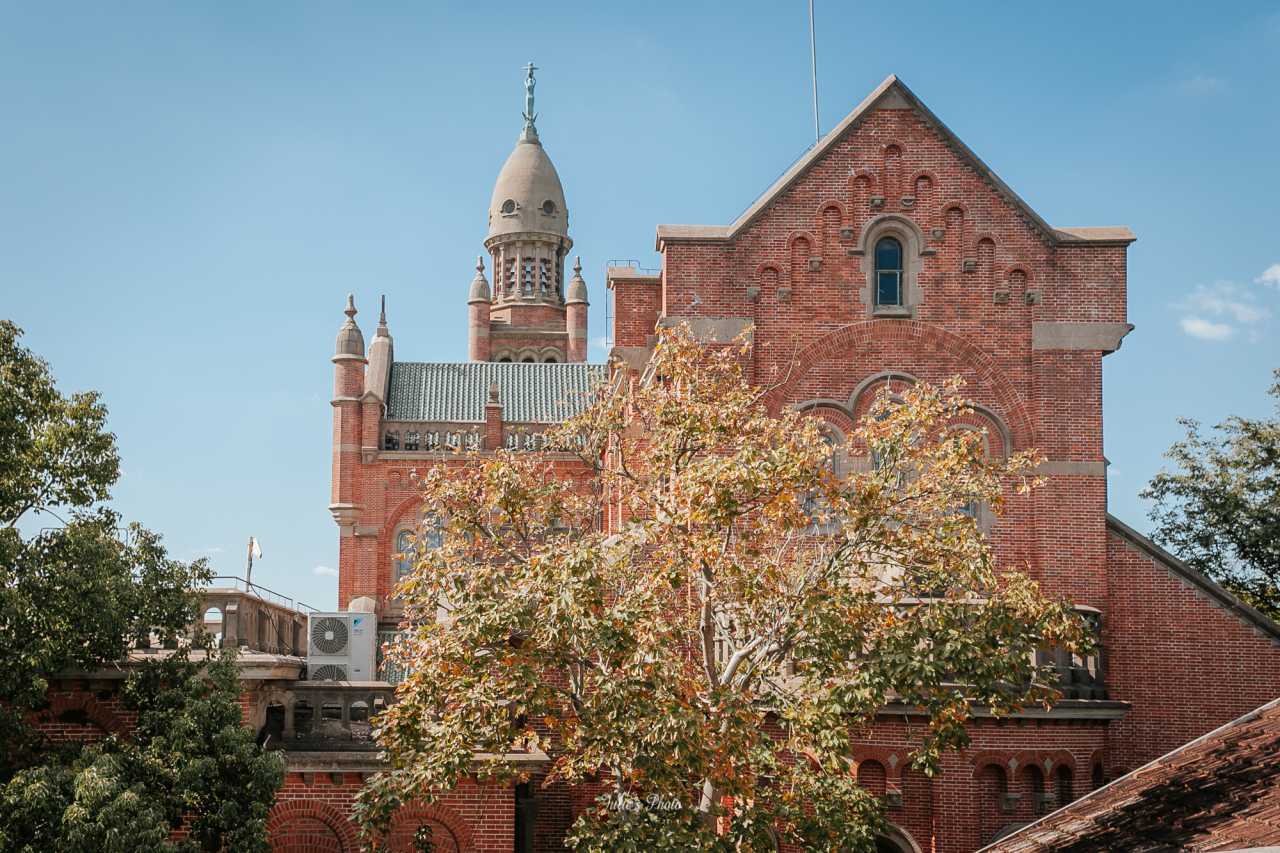 There are 13 officially recognized ancient pagodas within Shanghai's municipal boundaries, as marked on the "Shanghai Ancient Pagoda Exploration Map" released by the Shanghai Museum. These span multiple dynasties from Tang to Ming.
Q2: Which is the oldest pagoda in Shanghai?
The Qinglong Pagoda in Qingpu District is the only surviving Tang Dynasty pagoda in Shanghai, dating back over 1,200 years. However, the oldest pagoda structure is the Longhua Pagoda, whose foundation dates to the Three Kingdoms period (247 AD), though the current structure was rebuilt during the Song Dynasty.
Q3: Can I climb the ancient pagodas?
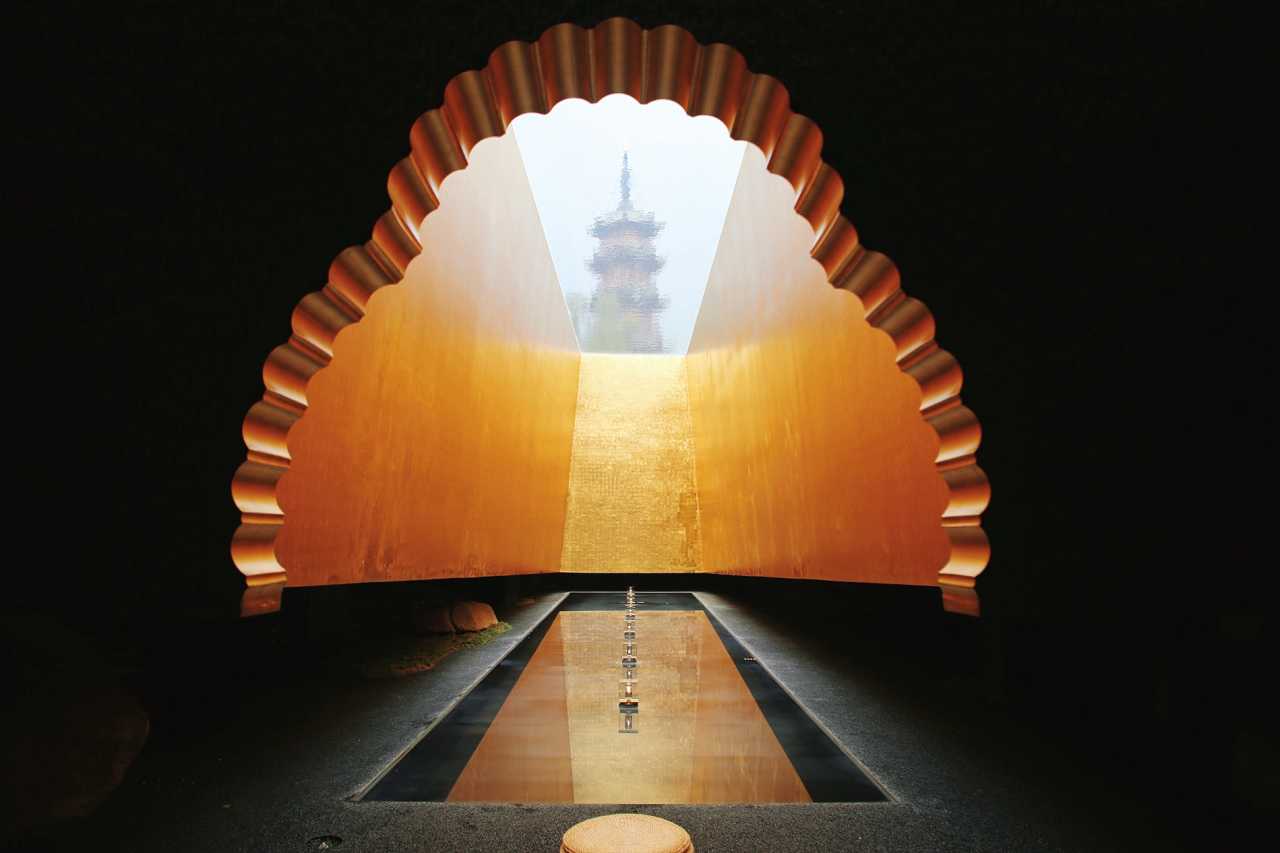 Most ancient pagodas in Shanghai are not open for climbing due to preservation concerns. However, the Longhua Pagoda and Fahua Pagoda occasionally open their lower levels during special events. Always check with local authorities before visiting.
Q4: What's the best time to visit Shanghai's ancient pagodas?
Spring (March-May) and autumn (September-November) offer the most pleasant weather for outdoor exploration. Avoid summer heat and winter cold. Early mornings or late afternoons provide the best lighting for photography.
Q5: Are there guided tours for the pagoda routes?
While there are no official guided tours specifically for pagoda routes, the Shanghai Museum East Branch offers audio guides for the "Shanghai Archaeology" gallery. Many visitors combine self-guided exploration with local tour guides available through travel platforms.
V. Final Thoughts: Why You Should Rediscover Shanghai Through Its Pagodas
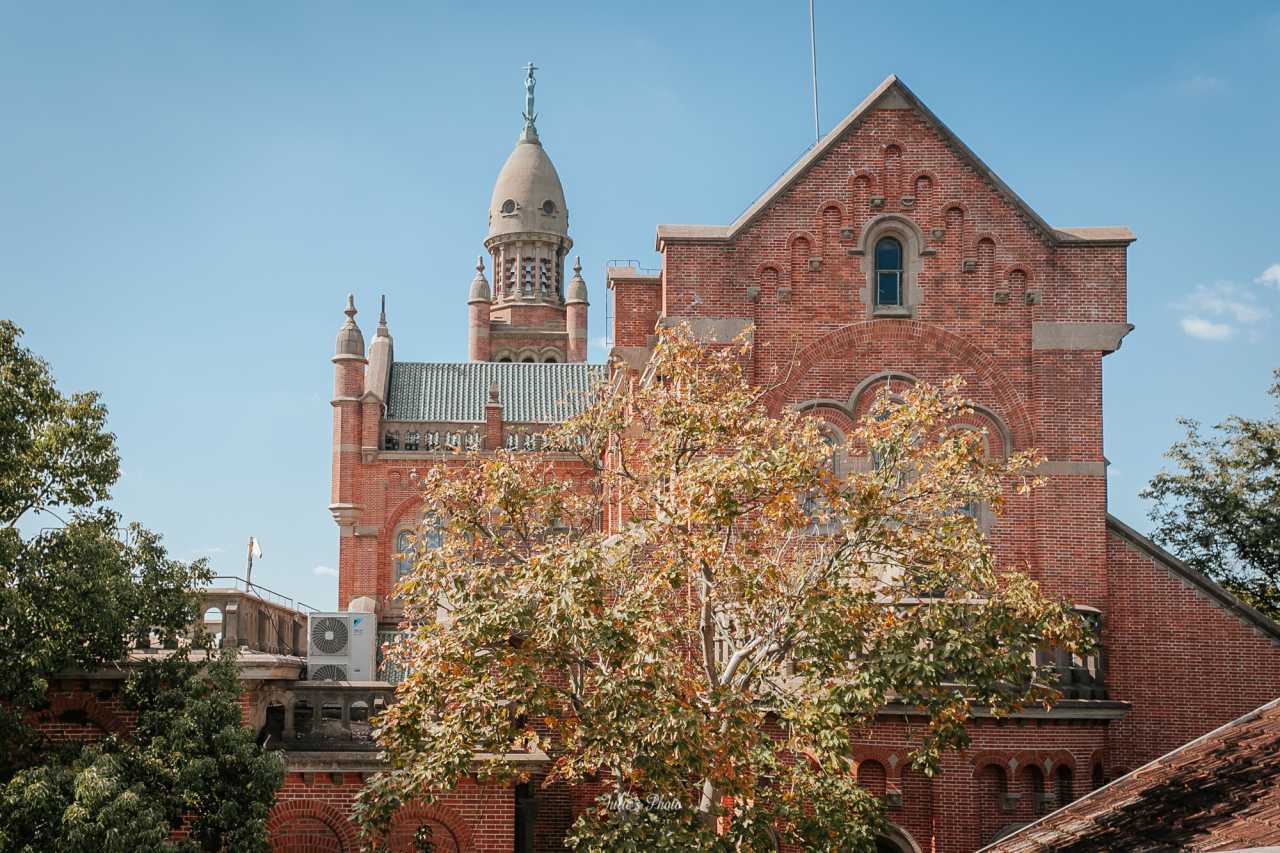
Shanghai is more than just a modern metropolis. Its ancient pagodas stand as silent witnesses to over a millennium of history—from Tang Dynasty maritime trade to Song Dynasty cultural flourishing, from Ming Dynasty temple construction to modern preservation efforts.
Each pagoda tells a story. The leaning Huzhu Pagoda on Tianma Mountain challenges gravity. The Nanxiang Temple Twin Pagodas have watched over the same street for 800 years. The Longhua Pagoda, tallest of them all, has survived wars, fires, and urban development to remain a symbol of resilience.
Ready to discover Shanghai's hidden history? Start your journey at the Shanghai Museum East Branch, grab the "Shanghai Ancient Pagoda Exploration Map," and pick one route to explore this weekend. Whether you're a history buff, a photography enthusiast, or simply curious about the city's lesser-known side, these ancient pagodas offer a unique lens through which to see Shanghai.
Your turn: Which pagoda will you visit first? Share your experience in the comments below, or tag us in your pagoda photos using #ShanghaiPagodaChronicles.
Article originally published on Mafengwo. Updated and optimized for SEO. All factual information verified as of 2024.
[Link: Shanghai tourism official website] [Link: Best Shanghai travel guides]
You may also like