"Addicted to the World" — A 4-Day Self-Drive Tour of Western Sichuan: Pilgrimage to the Seda Buddhist Holy Land
Meta Description: Discover the ultimate 4-day Western Sichuan self-drive itinerary from Chengdu to Seda Larung Gar. Explore crimson Buddhist valleys, sky burial traditions, and starry nights at -20°C. Plan your pilgrimage now.
Introduction: Half Life, Half Horizon
Some places, just hearing their name is enough to stir the soul. Seda (Serthar) is one such place. Nestled deep in the Western Sichuan highlands, this sacred Buddhist enclave has become a bucket-list destination for travelers seeking spiritual awakening, dramatic landscapes, and cultural immersion.
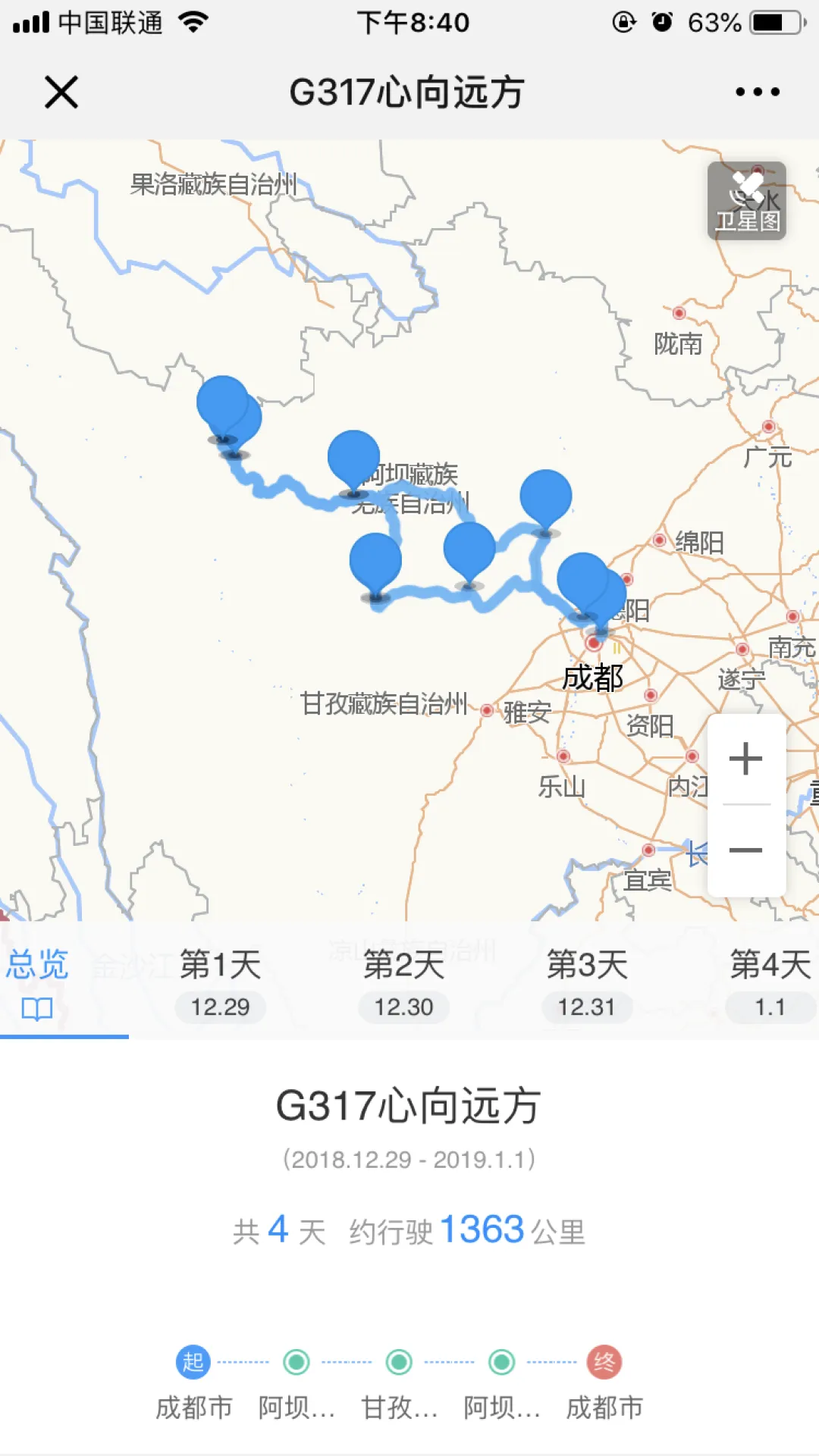
In the final days of 2018, my friend Shang and a group of strangers-turned-travel-companions set out on a four-day self-drive odyssey through Western Sichuan. Departing from Chengdu, we crossed snow-capped mountains, deep valleys, and Tibetan villages, eventually reaching the heart of that crimson Buddhist kingdom. Four days, over a thousand kilometers, temperatures plunging to minus twenty degrees Celsius — yet it yielded memories that will last a lifetime.
This comprehensive guide will walk you through our exact Western Sichuan self-drive tour itinerary, practical tips, and cultural insights to help you plan your own pilgrimage to Seda.
H2: Planning Your Western Sichuan Self-Drive Adventure

H3: Before Departure: Essential Preparations for a Winter Road Trip
Our journey began not on the road, but weeks before. Deciding to drive to Seda on December 29, 2018, wasn't a whim — it required meticulous planning.
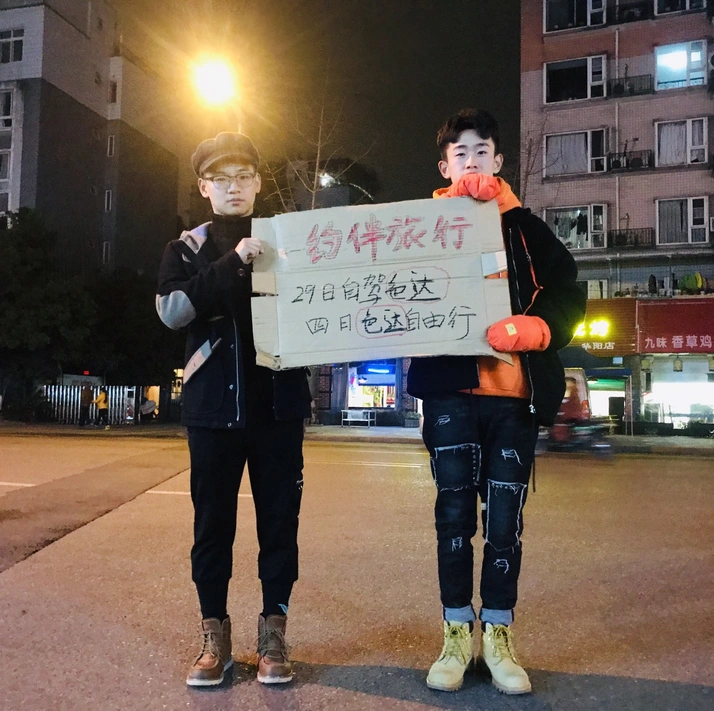
Finding Travel Companions Shang and I split the work — posting recruitment messages on travel platforms and even holding up signs on the street. A week before departure, we had our full crew. [Link: How to find reliable travel partners for long road trips]
Vehicle Selection Shang handled the car rental, choosing a Malibu business-class model — spacious enough for long drives without discomfort. For high-altitude winter driving, consider an SUV with proper snow tires.
Equipment Checklist I took care of gear: camera, gimbal, tripod — nothing could be left behind. December temperatures in Western Sichuan drop to minus 15°C, so thermal clothing, hand warmers, and insulated boots are non-negotiable.
Altitude Sickness Prevention Seda sits at around 4,000 meters above sea level. Essential supplies include: - Altitude sickness medication (Diamox) - Glucose tablets - Cold medicine - Portable oxygen canisters
H3: December 28, Chengdu: Waiting in the First Snow
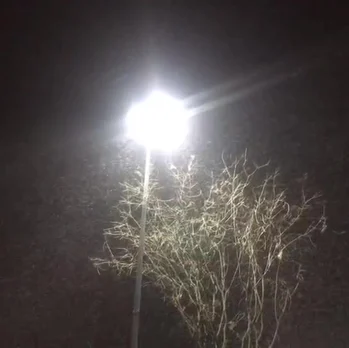
Shang and I arrived in Chengdu a few days early, just in time for the city's first snowfall. The snowflakes were astonishingly large. In the biting cold, one's resolve slowly erodes. I stood in the snow, wanting to surrender myself completely to it — thinking of nothing, quietly sleeping, waiting for tomorrow's departure.
H2: Day 1 Itinerary: Chengdu to Guanyinqiao Town (470 km)
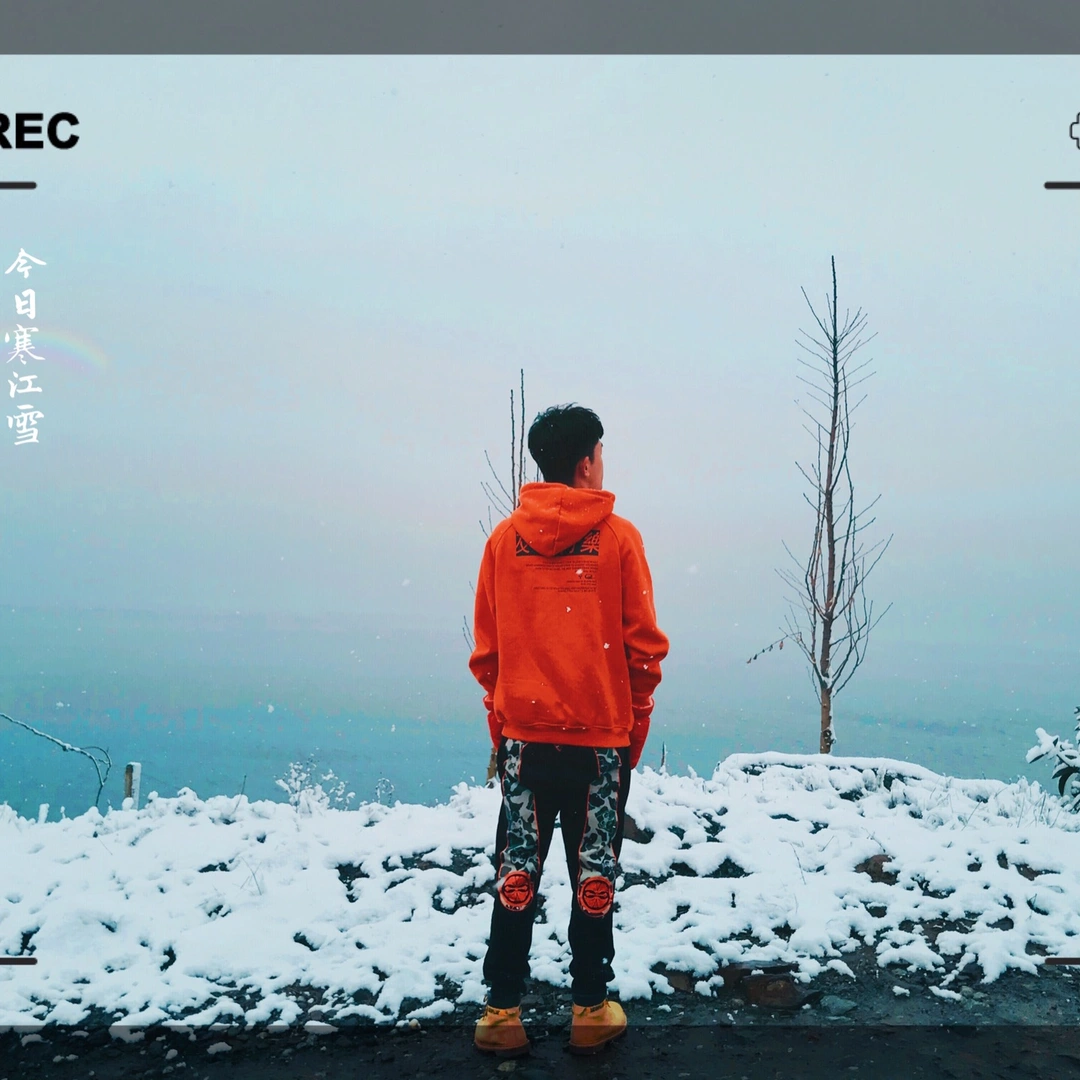
H3: Driving Overview
- Distance: 470 km
- Estimated driving time: 9 hours
- Actual driving time: 13 hours
- Accommodation: Guanyinqiao Town (elevation 2,560 m)
H3: Morning Departure and First Stops
We'd agreed to set off at 7:30 AM the previous night, but our companions didn't arrive until 9:30 — a reminder to always build buffer time into your schedule. My advice to everyone: leave as early as possible. Driving on national roads at night is far too dangerous!
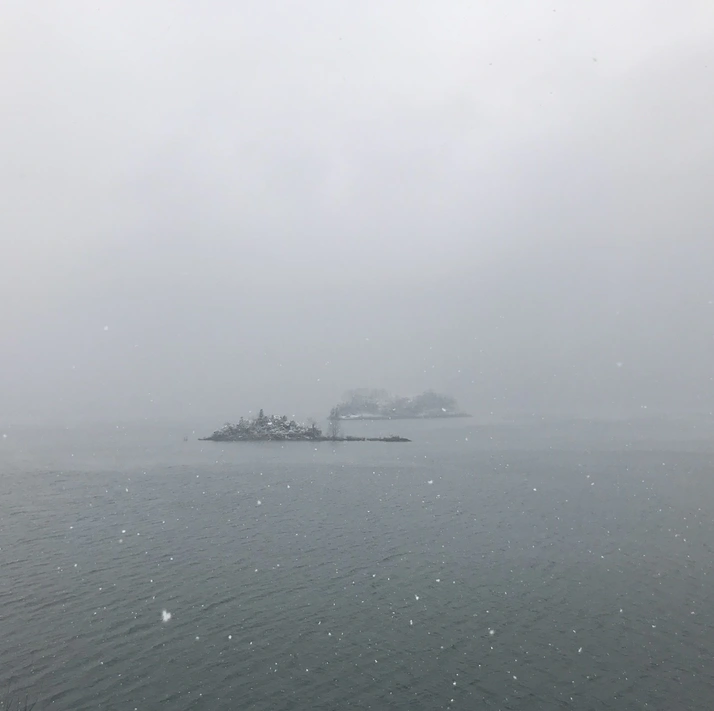
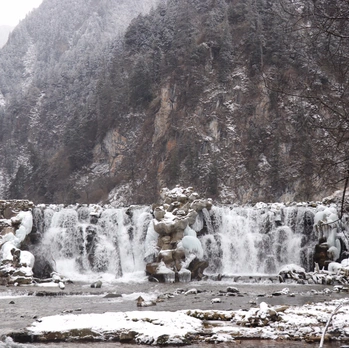
Departing from Chengdu, we took the Dujiangyan-Wenchuan Expressway, passing through Dujiangyan, Yingxiu, and arriving at Wenchuan. From Wenchuan onward, the "Qiang Village" atmosphere hit us full force. Passing by the Min River, we saw someone boating on a solitary island in the freezing river — that sense of loneliness oddly felt liberating.
H3: Bipenggou Scenic Area Visit
Our first major stop was Bipenggou, arriving after 3:00 PM — just in time to catch the last batch of visitors before the park closed (entry cut-off at 4:00 PM). Tickets were 35 yuan (discounted), with a 20 yuan sightseeing bus fee. Shang and I chose to hike while the others took the bus. At high altitude, walking was tough, but stopping to take in the scenery made it all worthwhile.
Since we were the last visitors, the higher attractions were already off-limits — a small disappointment. To save time on the road, we skipped dinner.
H3: Night Driving on National Highway 317
Passing through Gurgou at dusk, we didn't stop. Continuing along National Highway 317, we glimpsed the "Xisuo Village" with its distinctive Jiarong Tibetan architecture, but only through the car window before it vanished into the night.
Driving on National Highway 317 at night, my pupils dilated three times more than during the day — narrow roads, heavy traffic, and patches of black ice made it impossible to pick up speed. For safety, we decided to rest briefly in Barkam at 8:30 PM, grabbed a quick dinner, then steeled ourselves to continue.

We didn't reach Guanyinqiao Town until 10:30 PM. The landlady at our pre-booked accommodation had been waiting for hours. That night, the temperature hit minus 17 degrees Celsius, and she had already turned on the electric blanket for us. Looking up, I saw the stars shining exceptionally bright, so I decided to go to the rooftop and photograph them.
It was worth it. One hour of shooting, enduring minus 17 degrees — and I captured a stunning starry sky photo.
[Link: Best photography spots in Western Sichuan for astrophotography]
H2: Day 2 Itinerary: Guanyinqiao Town to Seda County (210 km)
H3: Driving Overview
- Distance: 210 km
- Driving time: 3 hours
- Accommodation: Seda County (elevation 3,800 m)
H3: Guanyin Temple – The "Second Potala Palace"
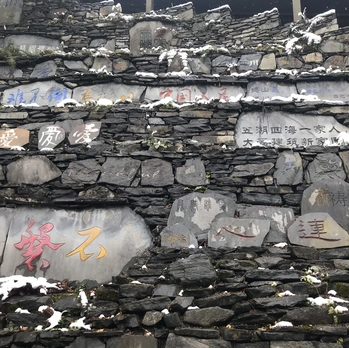
At 8:00 AM, after a simple breakfast in the car, we headed to Guanyin Temple (Avalokiteshvara Temple). Known as the "Second Potala Palace," it's a sacred pilgrimage site for Tibetan Buddhists. Along the way, we encountered many pilgrims prostrating themselves full-length on the ground. The road to the temple was extremely rugged — barely wide enough for two cars to pass, requiring extra caution when meeting oncoming traffic.
H3: Encounters and Unexpected Delays
We were all excited to finally reach the long-awaited Seda in the afternoon. On the way, we even spotted a group of Tibetan macaques playing and frolicking by the roadside.
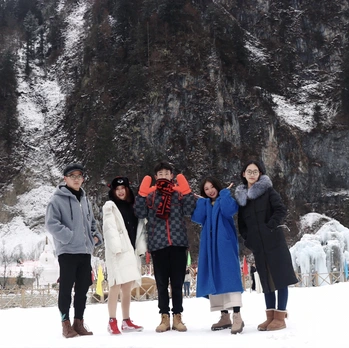
But not everything went as smoothly as planned. Due to carelessness, we ran into a major inspection. An armed officer sternly ordered us to open all our luggage for inspection. This was my first time facing such a situation, so we just complied obediently. My mind raced: Would they impound the car? I'd pay any fine... After over an hour of negotiation, the officer gave us some warnings and let us go. We thanked him profusely.
Lesson learned — always carry proper documentation and respect local regulations.
Because of the delay, we arrived at the Sky Burial site at 3:00 PM and unfortunately missed witnessing the full ceremony.
H3: Understanding Sky Burial – A Sacred Tibetan Tradition
Sky burial is a traditional Tibetan funeral practice. After death, the body is taken to a designated site where it is consumed by vultures. The core belief is "the soul is immortal" and "the cycle of rebirth" — death is merely the separation of the immortal soul from the worn-out body, a transformation into a different dimension. Tibetans revere sky burial because they believe offering their "earthly vessel" to the bearded vultures is the most noble form of giving, embodying the highest Buddhist ideal of "sacrificing one's body."
Important Note: The sky burial ceremony is extremely solemn and sacred. When observing, you must respect local customs and stay within designated viewing areas. It is NOT, as some online travel guides claim, a way for the soul to "go to heaven" — Tibetan Buddhism has no concept of "going to heaven after death."
I only saw the final part, but the impact was indescribable in words. [Link: Cultural etiquette guide for visiting Tibetan sacred sites]
H3: Seda Larung Gar Five Sciences Buddhist Academy – The Crimson Kingdom
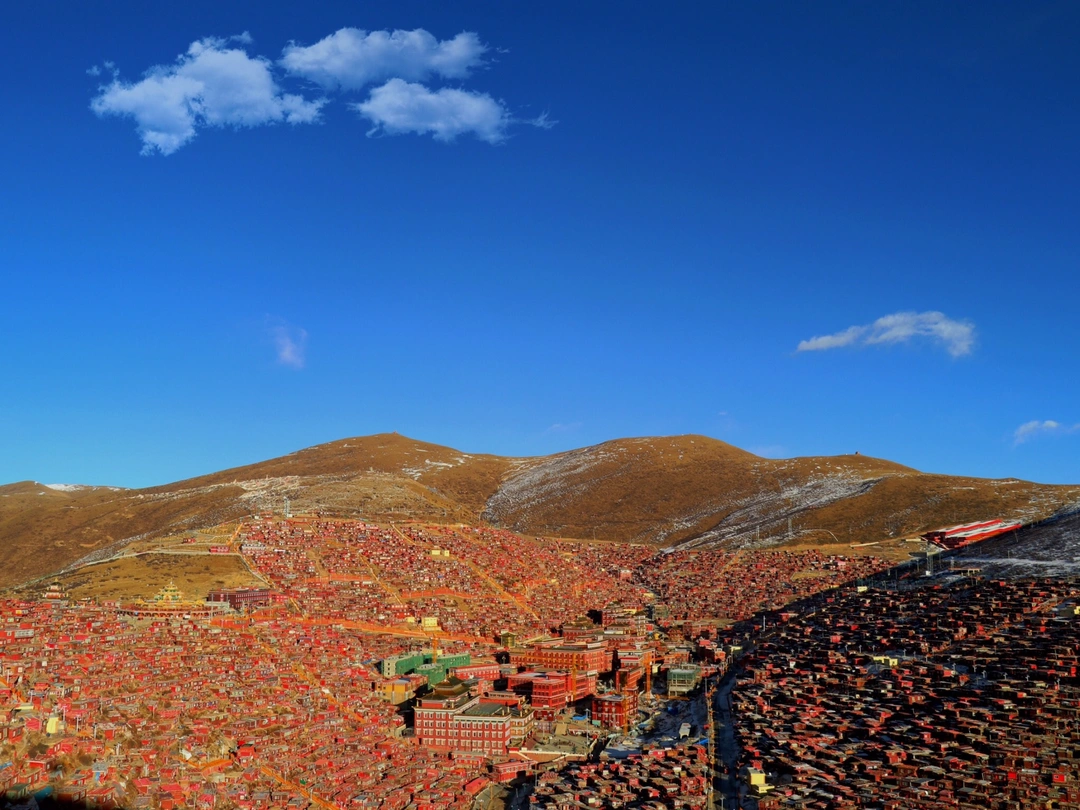
After the sky burial, we headed straight to Larung Gar Valley to see the red houses we had been longing for.
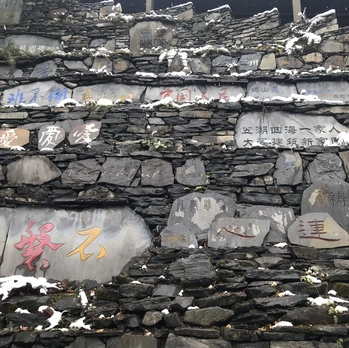
Key Facts: - Elevation: Above 3,600 meters (highest point exceeds 4,000 meters) - Population: Approximately 5,000 monks and nuns (male monks called "Zhaba," female nuns called "Jomo") - Founded: 1980 by Khenpo Jigme Phuntsok - Status: World's largest Tibetan Buddhist academy
Nestled among layers of surrounding mountains, the monks' quarters spread densely across the hillsides, centered around the academy's main prayer hall. Countless crimson wooden huts stretch in undulating waves — a sight of breathtaking grandeur. The academy enforces strict rules, with male and female quarters strictly separated.
The Mandala (altar) is a must-visit. There, devotees prostrate themselves day and night, circling the Mandala in continuous prayer.
H2: Practical Tips for Your Western Sichuan Self-Drive Tour
H3: Best Time to Visit
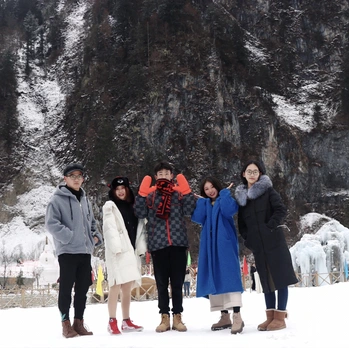 - Winter (December-February): Fewer crowds, dramatic snowscapes, but extreme cold (-20°C) - Spring (March-May): Moderate temperatures, blooming wildflowers - Summer (June-August): Warmest weather, but monsoon rains possible - Autumn (September-November): Golden landscapes, clear skies — peak season
H3: Essential Gear Checklist
 | Item | Purpose | |------|---------| | Thermal base layers | Stay warm in sub-zero temperatures | | Insulated waterproof boots | Navigate snow and ice | | Portable oxygen canisters | Combat altitude sickness | | High-SPF sunscreen | UV protection at high altitude | | Headlamp/flashlight | Night driving and photography | | Power bank | Keep devices charged in cold |
H3: Safety Considerations
- Altitude acclimatization: Spend at least one night below 3,000m before ascending
- Road conditions: Check weather forecasts daily; avoid night driving on National Highway 317
- Fuel stops: Fill up whenever you see a station — distances between towns can be deceptive
- Communication: Download offline maps; mobile signal is unreliable in valleys
H2: FAQ – Western Sichuan Self-Drive Tour to Seda
Q1: Is it safe to drive to Seda in winter? A: Yes, but with precautions. Ensure your vehicle has snow tires, carry chains, and avoid driving after dark. Temperatures can drop to -20°C, so proper winter gear is essential. We recommend a 4WD vehicle for added safety.
Q2: How do I get permission to visit Seda Larung Gar? A: Foreign nationals currently require special permits to visit Seda. Chinese citizens need to register at the local police station. Always check current regulations before traveling, as rules change frequently.
Q3: What should I know about sky burial viewing etiquette? A: Sky burial is a sacred ceremony, not a tourist attraction. If you choose to observe, stay in designated areas, maintain silence, do not use flash photography, and show utmost respect. Photography of the ceremony itself is strictly prohibited.
Q4: How do I prevent altitude sickness at Seda (4,000m)? A: Ascend gradually, stay hydrated, avoid alcohol, and consider taking Diamox (acetazolamide) 24 hours before arrival. Our group used glucose tablets and portable oxygen canisters with good results.
Q5: Can I visit Seda on a budget? A: Absolutely. Our total cost per person for 4 days was approximately 1,500-2,000 yuan (excluding car rental). Budget for accommodation (100-200 yuan/night), food (50-100 yuan/day), and park entrance fees (35 yuan for Bipenggou).
H2: Final Thoughts – Your Pilgrimage Awaits
Four days. Over a thousand kilometers. Temperatures plunging to minus twenty degrees Celsius. Yet the memories — the crimson valley of Seda, the starry sky over Guanyinqiao, the profound silence of the sky burial site — will last a lifetime.
This Western Sichuan self-drive tour is not just a road trip; it's a pilgrimage into the heart of Tibetan Buddhism, a journey through landscapes that humble the soul, and an adventure that tests your limits while rewarding you with moments of pure transcendence.
Ready to plan your own pilgrimage? Start by: 1. Booking your flights to Chengdu 2. Renting a reliable vehicle with winter tires 3. Gathering your travel companions 4. Packing for extreme conditions 5. Respecting the sacredness of every site you visit
The road to Seda is waiting. Half life, half horizon — and the horizon is calling.
Have you experienced the magic of Seda or Western Sichuan? Share your story in the comments below, or [Link: join our Western Sichuan travel community] for more tips and itinerary inspiration.
You may also like