A Wanderer's Guide to Shanghai: Unlocking the City with "Points, Lines, and Planes"
Meta Description: Discover Shanghai like a local with our "Points, Lines, and Planes" walking guide. From the Bund to Jing'an Temple, explore century-old architecture, hidden gems, and Haipai culture in China's most walkable megacity.
Introduction: Why Shanghai Demands a Strategic Approach
Some say Shanghai is a city that "stuns you at first sight, and still captivates you the second time around." Its magic wasn't built in a day—just as the Western saying goes, "Rome wasn't built in a day." Shanghai's century of elegance has been layered over time, sedimented through the river of years. There's a saying that goes, "For Republican-era history, look to Tianjin; for a century of history, look to Shanghai." And that's no exaggeration.
I've read countless travelogues and guides about Shanghai, and I've noticed a common problem: most visitors tend to "grab one point and miss the whole picture." Either they snap a few photos on the Bund, or they get crushed in the crowds on East Nanjing Road, missing the city's most essential Haipai (Shanghai-style) cultural essence. What's even more regrettable is that few people manage to plan a systematic, time-efficient route.
In fact, the secret to navigating a megacity like Shanghai lies in this: From points to lines, from lines to planes. As a lifelong Shanghainese who has spent decades doing city walks here, I'd like to break down the right way to explore this city from a purely travel-oriented perspective.
[Link: Best time to visit Shanghai for walking tours]
Why Shanghai Is the Ultimate City for Walking Tours
The Architecture Advantage
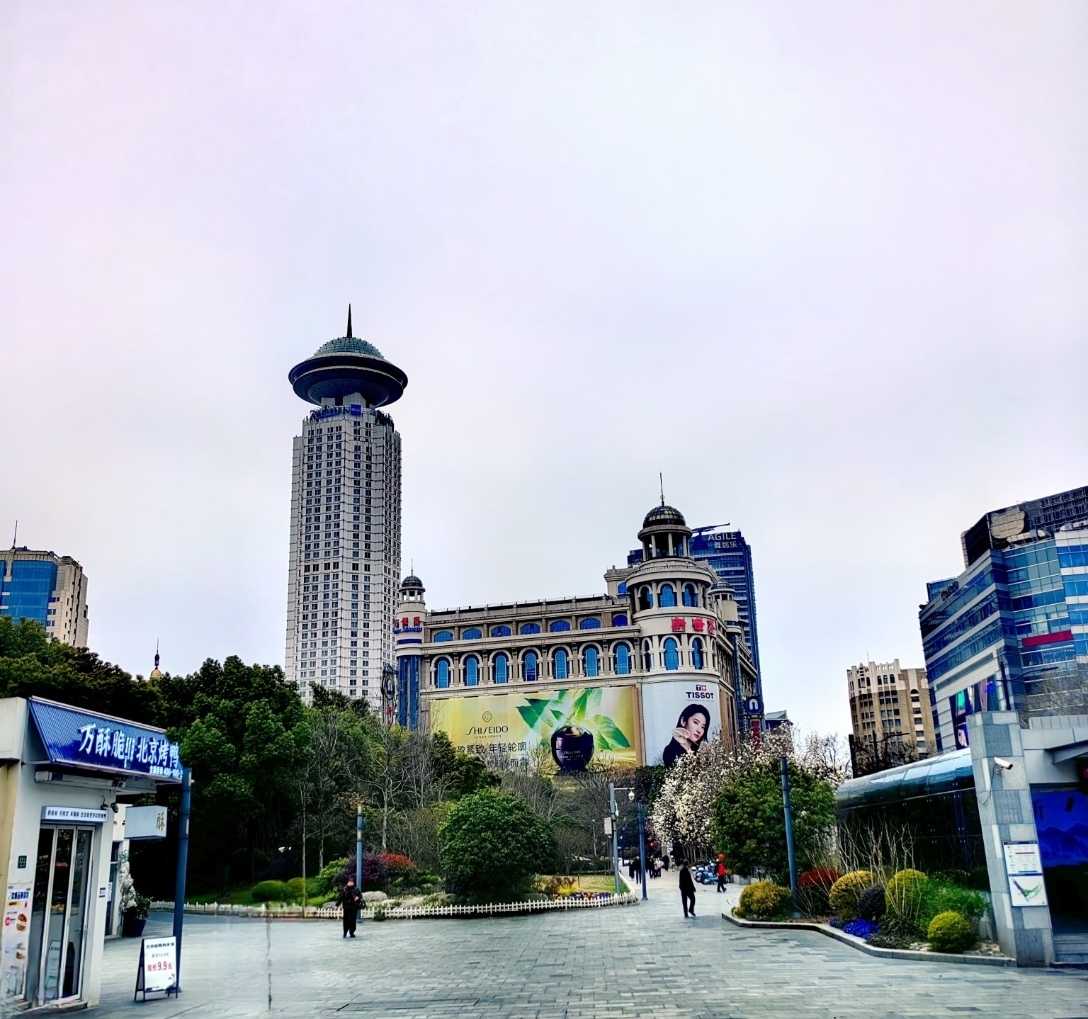
Shanghai's exceptional architecture—a fusion of East and West, old and new—is staggering in both quantity and quality. These century-old buildings can be categorized by function, era, district, and style, offering countless ways to explore them. But here's the good news: the city's highlights are almost all concentrated in the central downtown area.
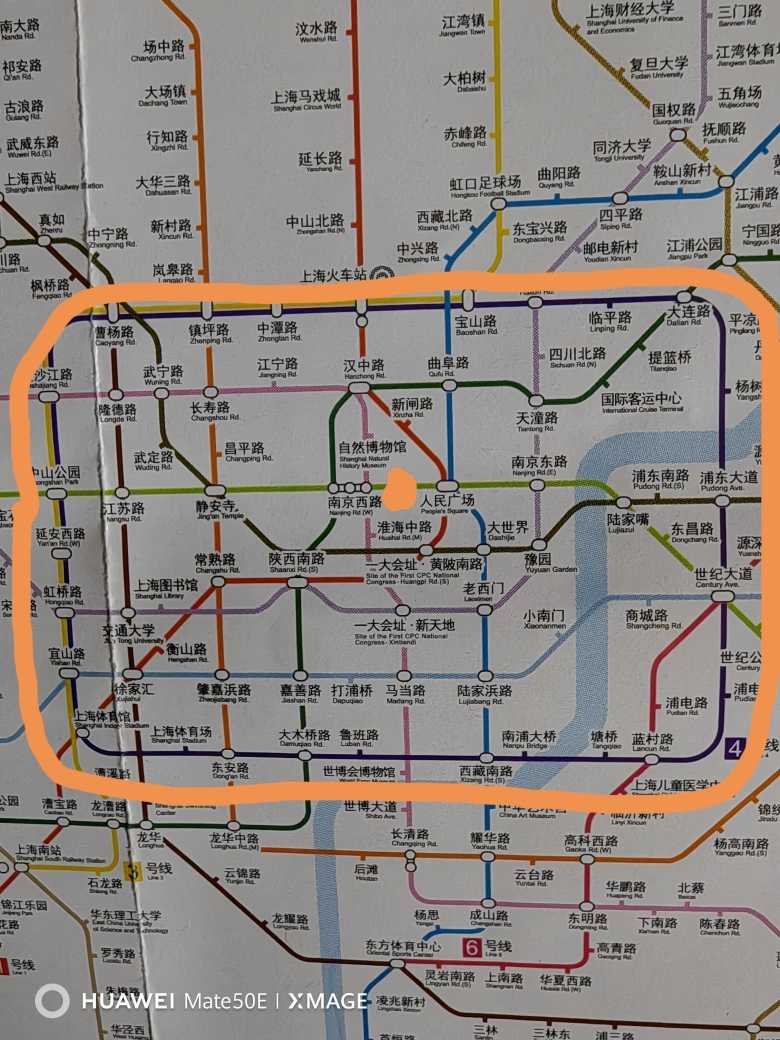
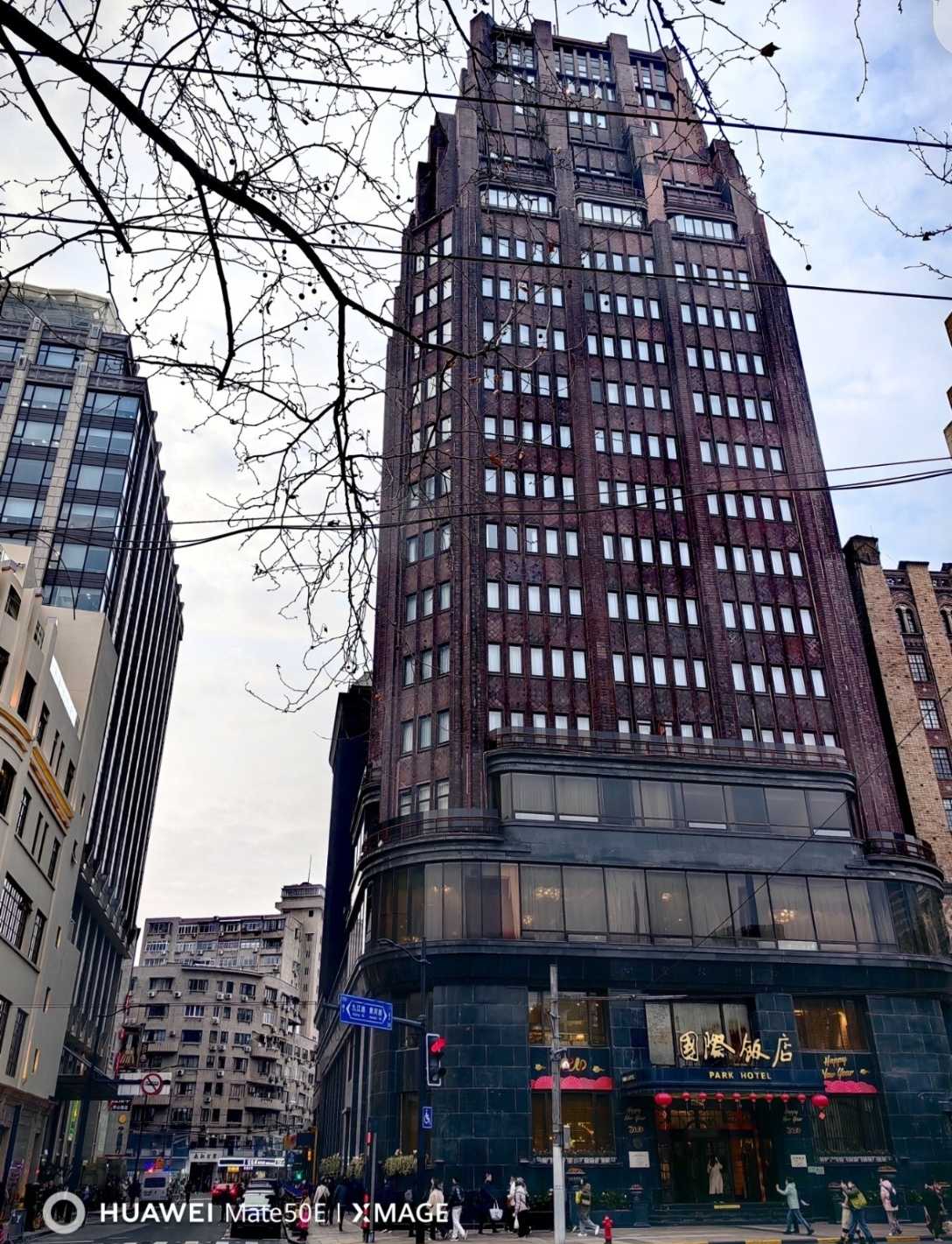
If you take the Park Hotel as your center point and radiate outward, you'll find that Shanghai's most exciting areas are all within a three-kilometer radius. In other words, the city center is tailor-made for walking tours. This is completely different from a city like Beijing, where attractions are scattered and far apart. In Shanghai, wandering, looking, sitting, eating, and drinking—it's all wonderfully casual and pleasant.
Transportation and Convenience
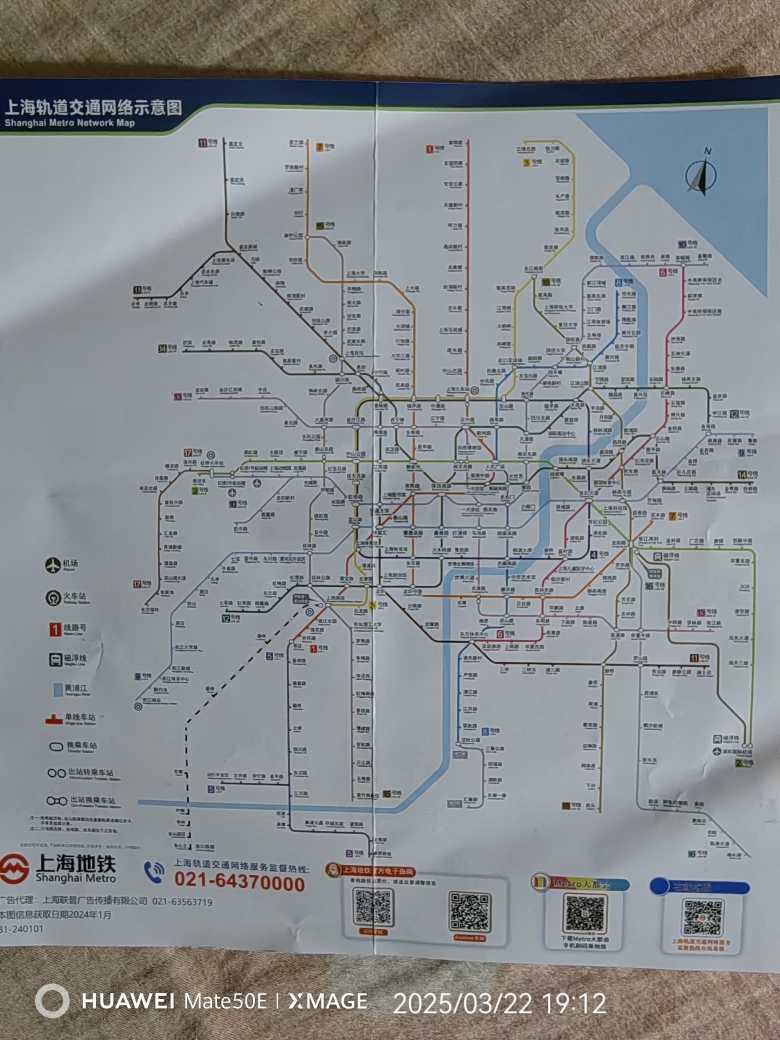
Shanghai's metro network is so dense that "there's a station within a kilometer" of almost anywhere you want to go. As for food? You don't need to search at all. There's always something to suit your taste, right on the street or in the mall nearby. Shanghai belongs to all of China, and to the world. It's a melting pot, so naturally, the cuisine converges here.
Safety and Local Hospitality
Finally, I'll say something that might ruffle a few feathers: Shanghainese locals, on the whole, are quite decent. Scams and rip-offs are genuinely rare, and public safety is excellent. So go ahead—wander with confidence.
[Link: Shanghai metro guide for tourists]
The Starting Point: Park Hotel—Shanghai's Geographical and Spiritual Origin
As the saying goes, "Great architecture is frozen music." To explore Shanghai properly, you must use outstanding architecture as your thread and vessel.
The Park Hotel is not only the geographical origin point of Shanghai; it was also the tallest building in the Far East during the 1930s. If you can stay nearby, it's the perfect starting point. To its right and slightly across stands an old building—now the Shanghai History Museum (formerly the Shanghai Library)—with People's Park and People's Square right next to it.

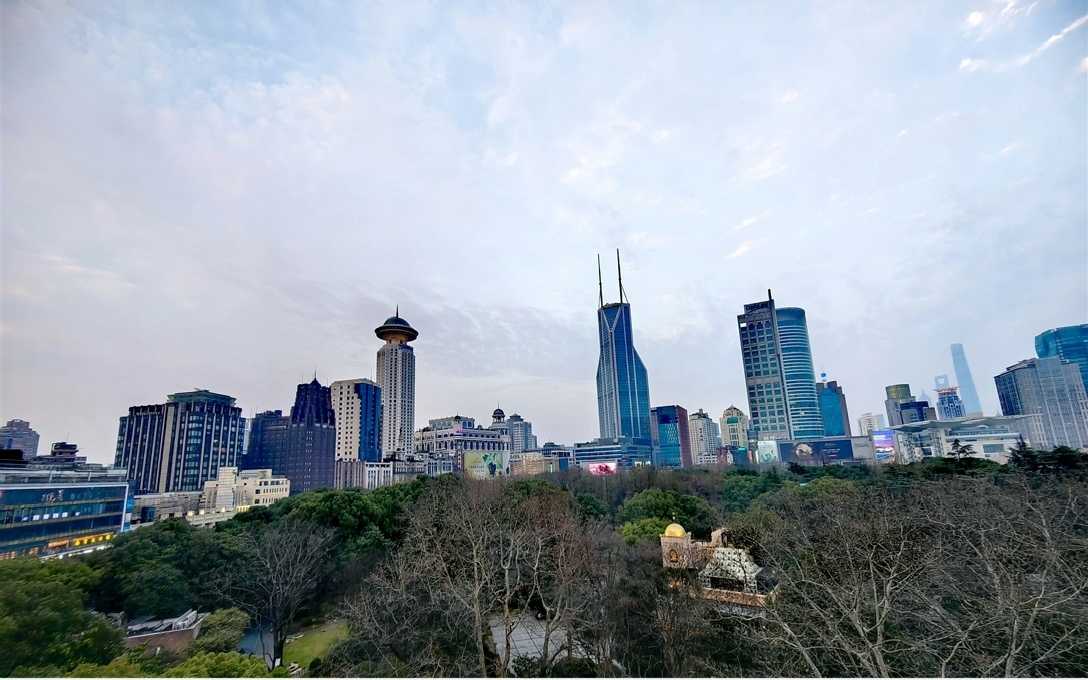
On the fifth floor of the museum, there's an elegant Sino-Western restaurant. It serves Western-style tea and pastries in the morning and afternoon, and full dinners in the evening. From the fifth-floor garden terrace, you can take in a panoramic view of East Nanjing Road and People's Park, with the "Three-piece Set" of Lujiazui skyscrapers visible in the distance.
Now, let's set off from the Park Hotel and begin this "points, lines, and planes" journey along four main routes: east, west, south, and north.
[Link: Best hotels near Park Hotel Shanghai]
East Route: East Nanjing Road, the Bund, and the City God Temple
East Nanjing Road: A Living Fossil of a Century of Commerce
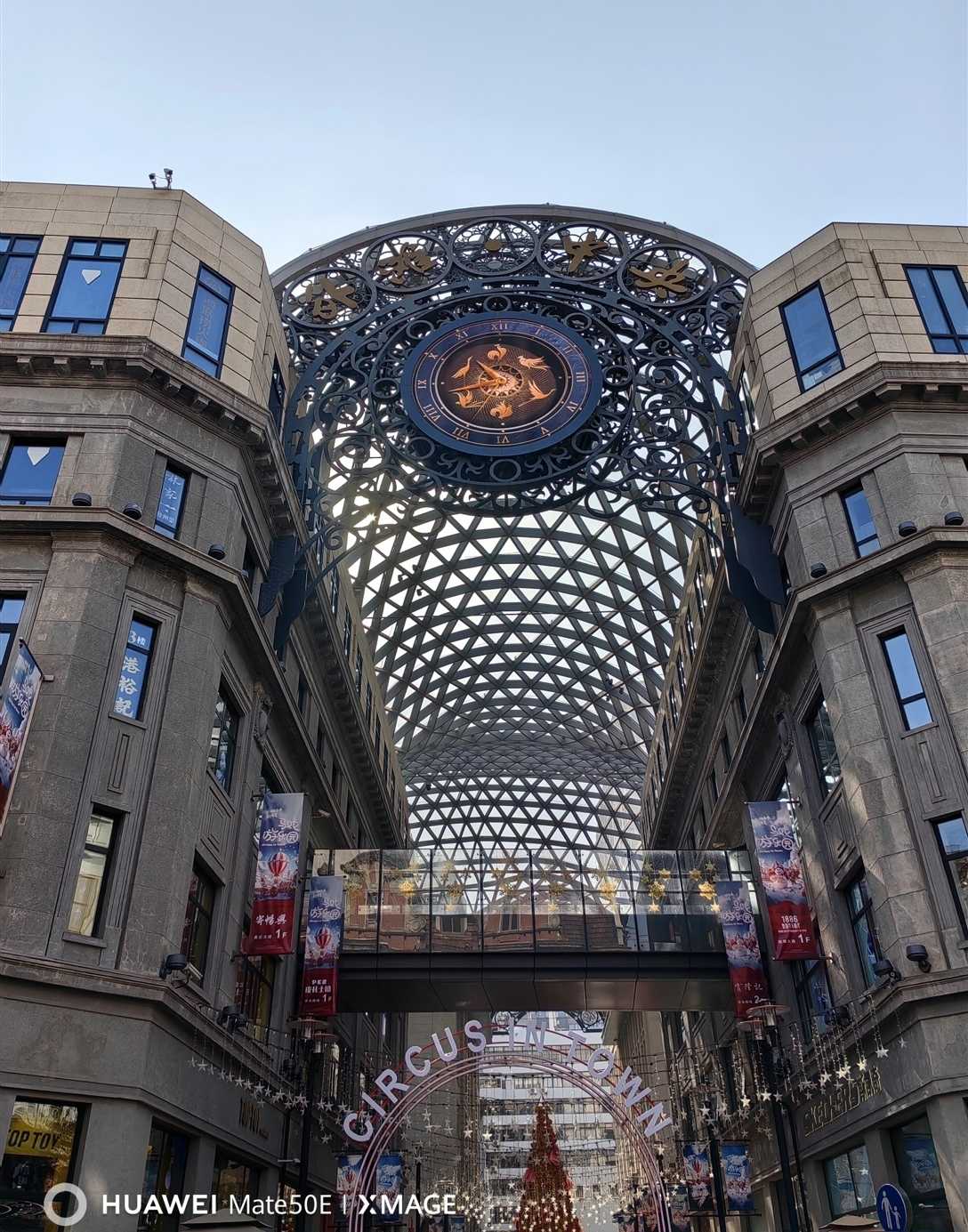
Heading east from the Park Hotel, you'll hit East Nanjing Road Pedestrian Street, one of the most famous shopping streets in the country. In less than two kilometers, towering buildings line both sides, shops packed side by side. The old brands that represent a century of Shanghai's commercial heritage are all here:
- The Wing On Company (the inspiration for the "Hulian Company" in the TV series Blossoms Shanghai)
- The Sincere Company
- The Sun Sun Company
- The Sun Company
- The Peace Hotel
Don't forget Zhang Xiaoquan (scissors), Shen Da Cheng (pastries), Hengdeli (watches), Shao Wan Sheng (preserved foods), Sunya Cantonese Restaurant, and Yanyun Lou Peking Restaurant. Each one is a taste of time.
The Bund: A Magical Face-Off Between Fantasy and Reality
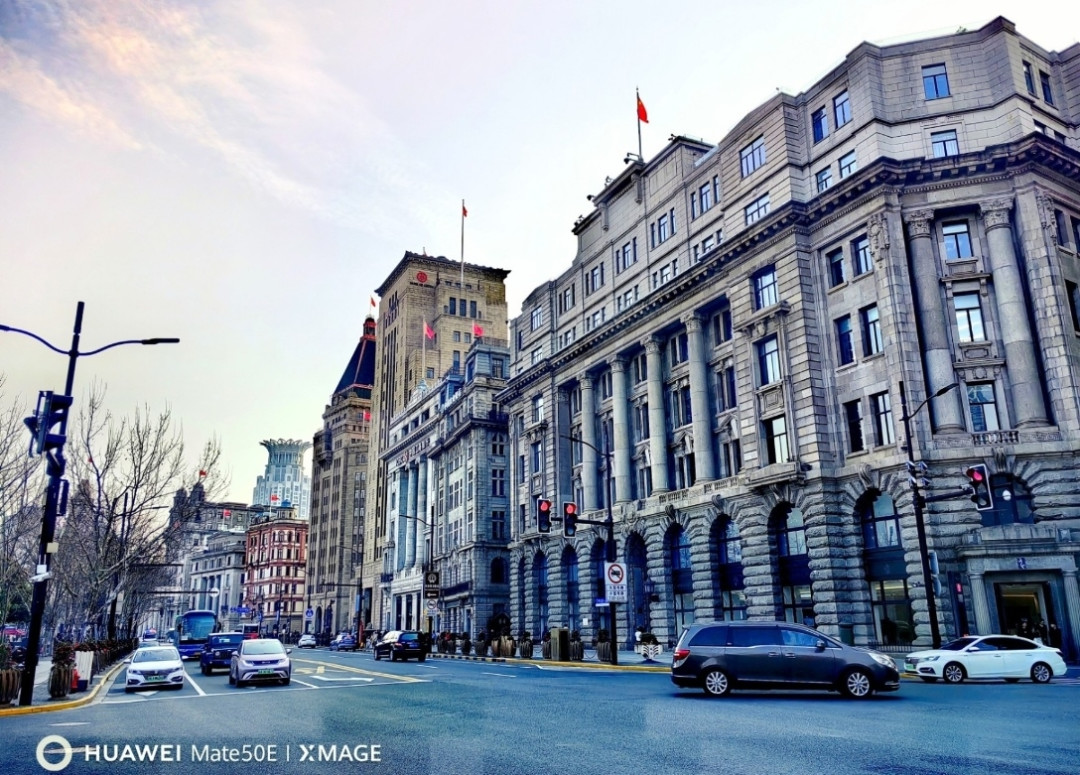
At the end of East Nanjing Road, you'll reach Shanghai's iconic landmark—the Bund. On the east bank of the Huangpu River lies the Lujiazui financial district. Its modern architectural cluster, whether in individual grandeur or overall scale, is world-class. On the west bank is the traditional Bund, where 52 heritage buildings stand in a row, known as the "Exposition of World Architecture."
Separated by just one river, the east bank is ultramodern and trendy, while the west bank exudes Western classical charm. The contrast is a rare sight anywhere in the world.
From the Bund, walk north along Zhongshan East First Road for about 300 meters, and you'll reach the famous century-old bridge—the Waibaidu Bridge. "Baido" means "free crossing," because a hundred years ago, taking a ferry across Suzhou Creek cost copper coins. To the left of the bridge stands the Broadway Mansions Hotel; to the right, the Russian Consulate. Behind the consulate is the current Securities Museum (formerly the Shanghai Stock Exchange), a repository of modern Chinese financial history.
South Bund and City God Temple: The Lively Flavor of Old Shanghai
If you head back to the Bund at East Nanjing Road and walk south along Zhongshan East First Road, past Jinling East Road, you'll enter the newly developed South Bund area. In less than a kilometer, turn right onto Renmin Road, and you'll arrive at the Old City God Temple (Chenghuang Miao) .
This is a hub for shopping and famous local snacks, with pavilions, towers, and the zigzag bridge. Its style and bustling atmosphere are very similar to the Confucius Temple in Nanjing. But don't miss the Yu Garden hidden within the temple grounds—one of Shanghai's five classic Suzhou-style gardens (the other four are in the suburbs). Many people wander through the City God Temple area but completely miss this century-old garden.
East Route Summary: The theme is the pedestrian street, the Bund, the North Bund, the City God Temple, and Yu Garden. A tight schedule requires a full day. If it's your first time in Shanghai, the east route is the top choice. Especially at night, the dazzling, dreamlike lights on both sides of the Bund best showcase the magic of the "Magic City."
[Link: Yu Garden ticket prices and visiting hours]
West Route: Zhang Yuan, Jing'an Temple, and Shikumen Culture
West Nanjing Road: From Vegetarian Fare to Luxury Goods
Heading west from the Park Hotel along West Nanjing Road for about two kilometers, you'll reach Jing'an Temple. Along the way, you'll find:
- Godly Vegetarian Restaurant
- Wang Jia Sha Snack Shop
- Meilongzhen Restaurant (Shanghai-style cuisine)
- Plaza 66, CITIC Square, and Hang Lung Plaza
Hang Lung Plaza alone, as a single building, generates annual sales of over ten billion yuan and pays hundreds of millions in taxes—earning it the nickname "the money-printing machine of luxury retail."
Jing'an Temple: China's Most Expensive Temple
Jing'an Temple sits in the city's most expensive real estate. The spire and parts of the tower's exterior are covered in gold leaf, glistening under sunlight or artificial light. It's said to be the most expensive temple in China, a testament to Shanghai's unique blend of spirituality and commerce.
Shikumen and the Haipai Lifestyle
Nearby, the Zhang Yuan area offers a glimpse into Shanghai's classic shikumen (stone-gate) architecture. These lane houses represent the quintessential Shanghai lifestyle—a fusion of Western building techniques with traditional Chinese courtyard living. Today, many have been converted into boutique cafes, galleries, and concept stores, making this area perfect for slow exploration.
[Link: Shanghai shikumen architecture guide]
North Route: Suzhou Creek and the Industrial Heritage Trail
Suzhou Creek: Shanghai's Industrial Backbone
Walking north from the Park Hotel, you'll encounter Suzhou Creek, the waterway that powered Shanghai's industrial revolution. The creek is lined with converted warehouses, art galleries, and creative parks.
Key stops include:
- M50 Art District – A cluster of contemporary art galleries in former textile mills
- Sihang Warehouse – A memorial to the 1937 Battle of Shanghai
- Post Office Museum – Housed in a grand 1924 building with a stunning rooftop view
The North Bund: A New Perspective
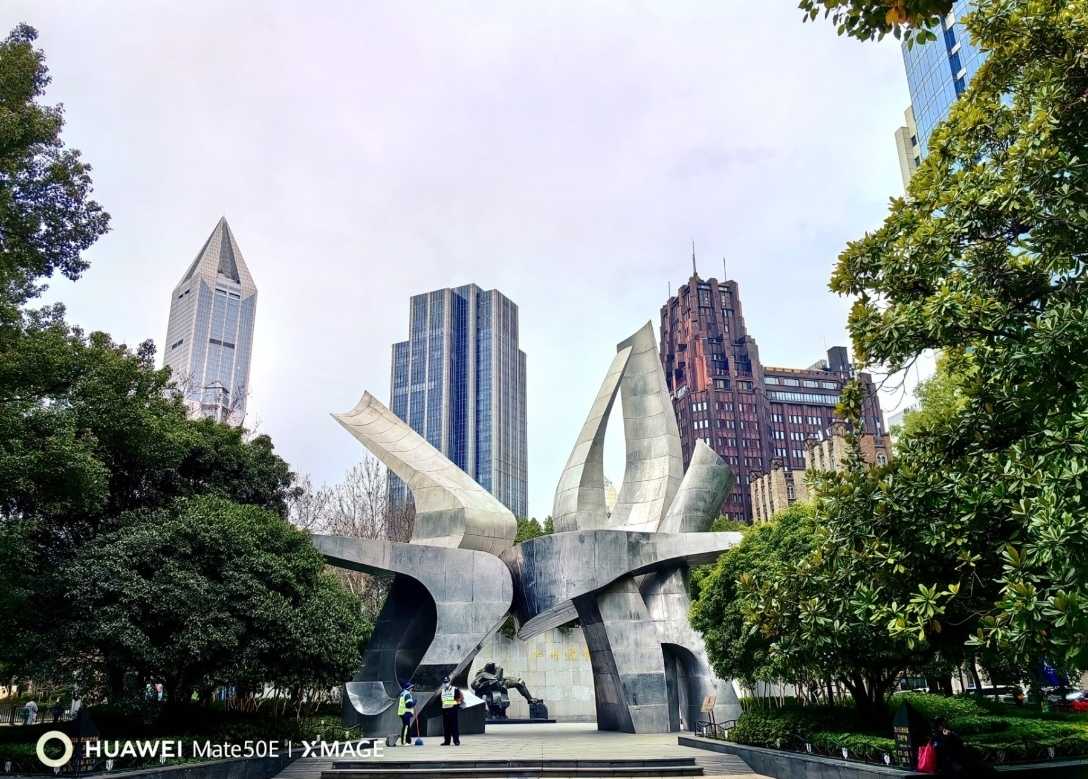
The North Bund area offers a quieter, more panoramic view of the Lujiazui skyline. Unlike the crowded main Bund, this stretch provides excellent photo opportunities and a more relaxed atmosphere.
[Link: Suzhou Creek walking route map]
South Route: Former French Concession and Tianzifang
The French Concession: Tree-Lined Elegance
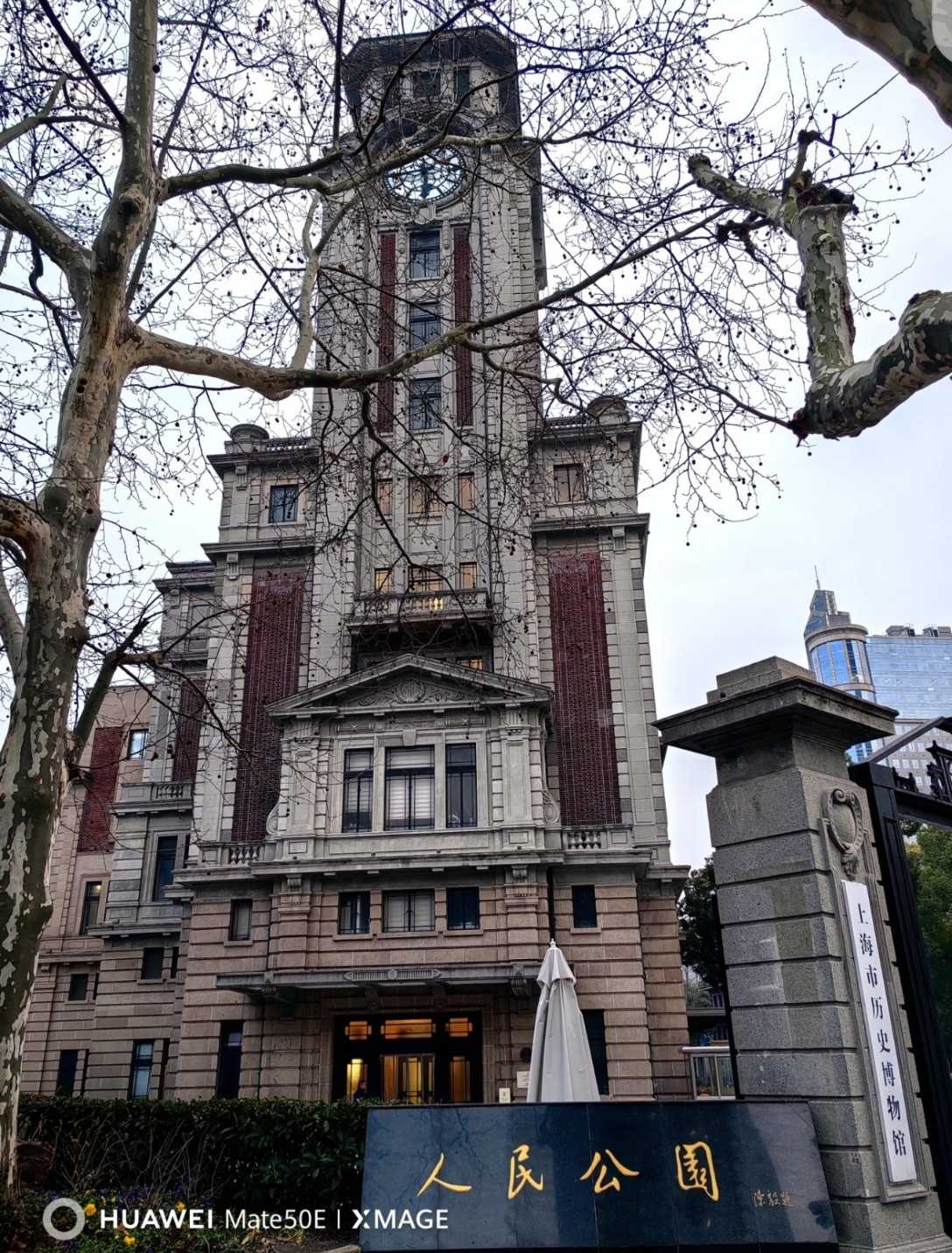
Heading south from the Park Hotel, you'll enter the Former French Concession, Shanghai's most charming district. Wide, tree-lined avenues, historic villas, and boutique shops make this area perfect for aimless wandering.
Don't miss:
- Wukang Road – One of Shanghai's most photographed streets
- Fuxing Park – A French-style garden with local character
- Shanghai Library – A stunning Art Deco building
Tianzifang: The Artistic Alley
Tianzifang is a labyrinth of narrow lanes filled with art studios, craft shops, and cafes. While it can get crowded, it offers a more authentic, less polished version of Shanghai's lane culture compared to Xintiandi.
[Link: French Concession self-guided walking tour]
FAQ: Your Shanghai Walking Tour Questions Answered
1. What is the best time of year for walking tours in Shanghai?
Spring (March to May) and autumn (September to November) offer the most pleasant weather for walking. Summers can be hot and humid, while winters are cold but rarely snowy.
2. How many days do I need to cover the main routes?
A minimum of 3-4 days is recommended. Day 1: East route (Bund, Nanjing Road, Yu Garden). Day 2: West route (Jing'an Temple, French Concession). Day 3: North route (Suzhou Creek, M50). Day 4: South route (Tianzifang, former French Concession).
3. Is Shanghai safe for solo female travelers?
Yes, Shanghai is considered one of the safest major cities in the world for solo female travelers. Public areas are well-lit and monitored, and locals are generally helpful.
4. What should I wear for a Shanghai walking tour?
Comfortable walking shoes are essential. Dress in layers, as indoor spaces can be heavily air-conditioned in summer and heated in winter. Sunscreen and a hat are recommended for sunny days.
5. Can I combine routes in one day?
Yes, but choose wisely. The east route is best as a full-day experience. The west and south routes can be combined if you start early, as they share some overlapping areas.
[Link: Shanghai 3-day itinerary for first-time visitors]
Your Shanghai Adventure Starts Now
Shanghai is a city that rewards the curious traveler. By approaching it with the "Points, Lines, and Planes" strategy, you'll move beyond the tourist traps and discover the layers of history, culture, and daily life that make this city truly magical.
Ready to explore? Start at the Park Hotel, pick your direction, and let the city reveal itself one step at a time. Whether you're drawn to the dazzling lights of the Bund, the quiet elegance of the French Concession, or the artistic energy of M50, Shanghai has a route waiting for you.
Plan your trip today. Book your accommodation near People's Square, download a metro map, and prepare for the walking tour of a lifetime. Shanghai isn't just a city to see—it's a city to experience. And the best way to do that is on foot, with an open mind and a curious heart.
[Link: Book Shanghai walking tours on Trip.com]
Have you explored Shanghai on foot? Share your favorite discovery in the comments below, or tag us in your photos using #ShanghaiWalkingTour. We'd love to see your journey unfold!
You may also like