A Wanderer's Guide to Shanghai: Discovering the Magic City's Hidden Gems Between Bustle and Serenity
Meta Description: Explore Shanghai's thousand faces—from bustling streets to serene plane-tree-lined lanes. Discover hidden gems, historic mansions, and romantic spots in this ultimate Shanghai travel guide.
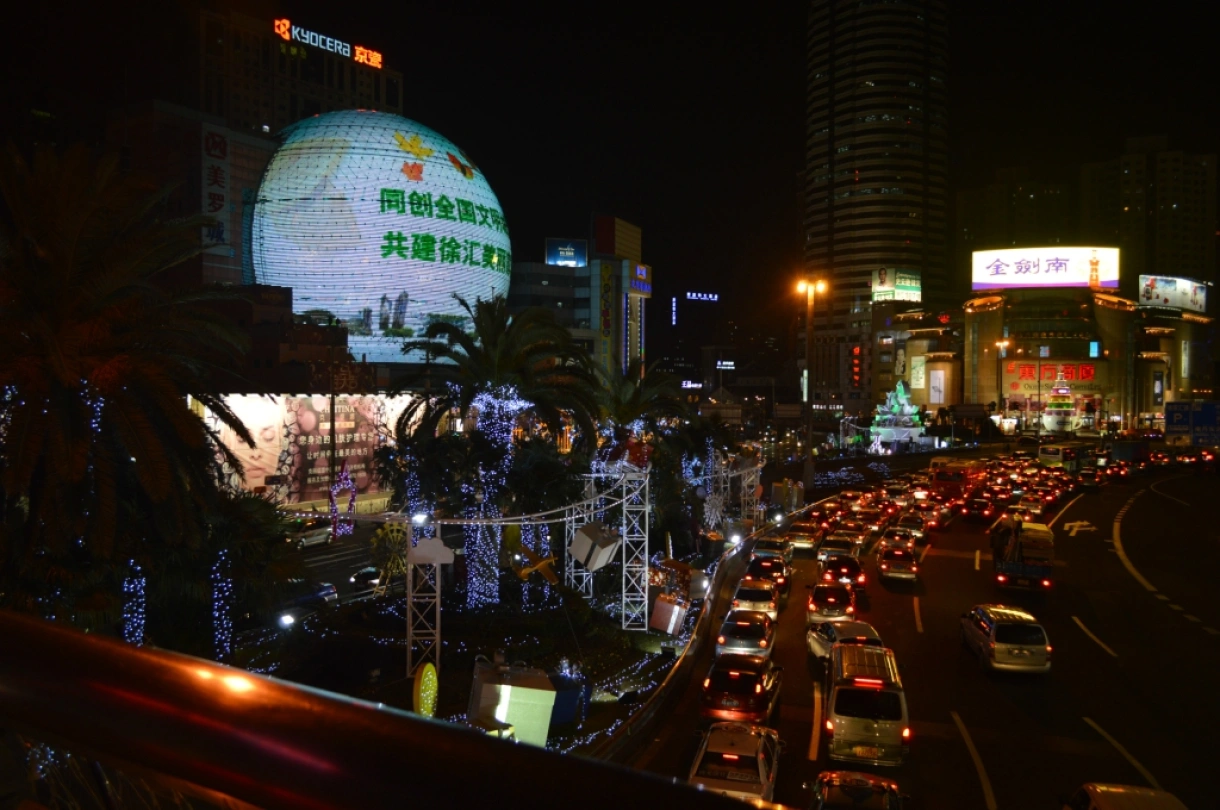
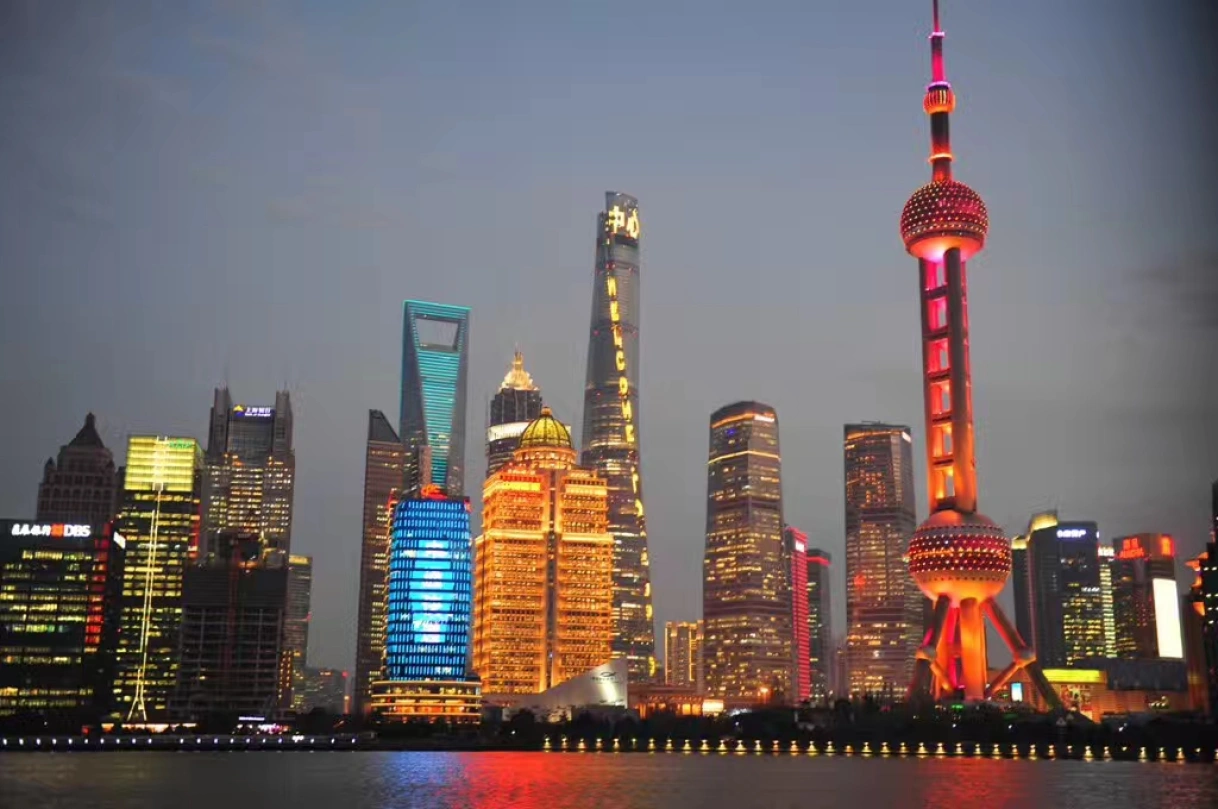
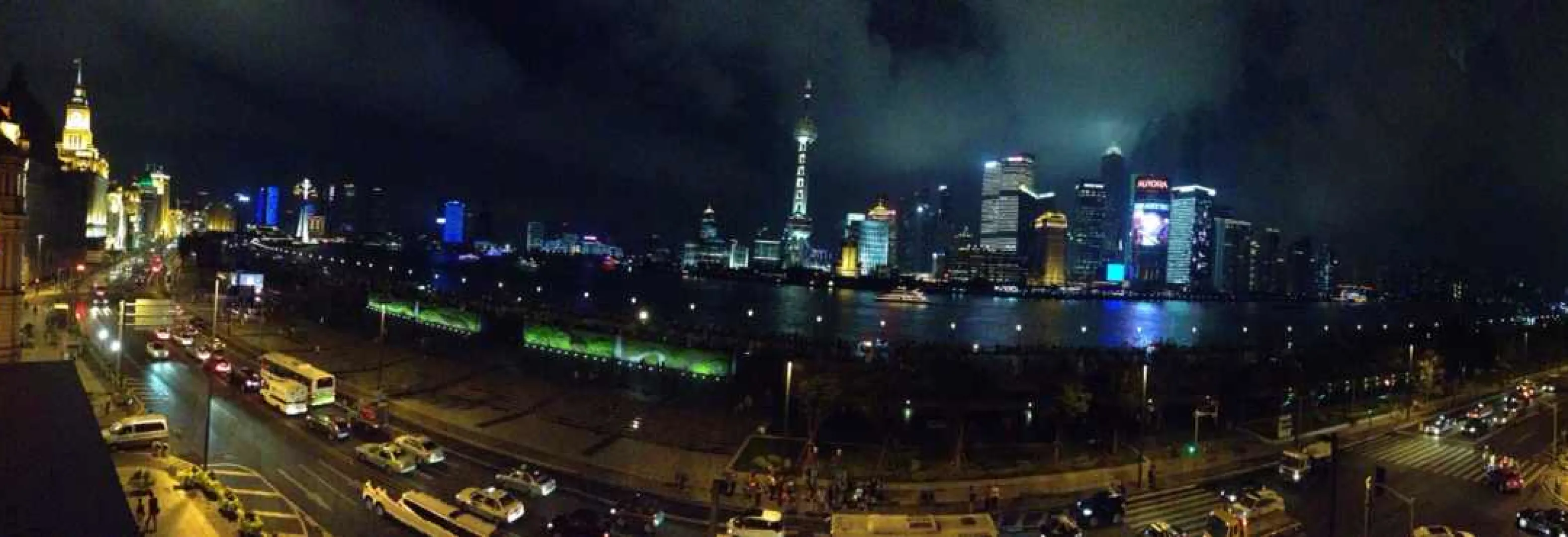
Some say Shanghai is a city you love and hate in equal measure. You love its convenience and diversity, yet resent its relentless pace and pressure. Every holiday, there comes a moment when you want to flee this concrete jungle, to catch your breath in some slow-paced small town. But the moment you truly leave, you can't help but miss it—miss the convenience stores still glowing at dawn, miss the culinary paradise waiting around every corner, miss the old houses hidden beneath the shadows of plane trees, miss the surprises this city springs on you at every turn.
Shanghai is like Doraemon's magic pocket—you never know what it'll pull out next. Here, century-old historic buildings stand alongside cutting-edge fashion trends; lush green parks coexist with dazzling performance centers. You can check out an international art exhibition, slip into an alley for a live show, or even play vendor at a weekend flea market. Friends often ask me: Where should we gather? Where's the best place to see flowers? Which alley has the best food? Where can I find unique attractions? Today, I'm sharing my personal treasure trove of Shanghai discoveries, accumulated over years of wandering this magical city, holding nothing back.
What Makes Shanghai the "Magic City"? A Japanese Writer's Eastern Imagination
The nickname "Magic City" (Mó Dū) isn't something Shanghai gave itself. It was a term coined by Japanese visitors in the 1920s and 1930s. In the 1920s, Japanese author Muramatsu Shōfū, who lived in Shanghai, published a bestselling novel titled Mó Dū. He used the word to capture the city's bewildering, dazzling, and surreal atmosphere. Compared to Western monikers like "The Greatest City of the Far East" or "Paris of the Orient," "Magic City" carries an extra layer of mystery and allure. From then on, the term became deeply embedded in Shanghai's cultural DNA, one of its most captivating labels.
[Link: Shanghai history and culture guide]
Romance Beneath the Plane Trees: Shanghai's Most Beautiful Streets for Slow Strolling

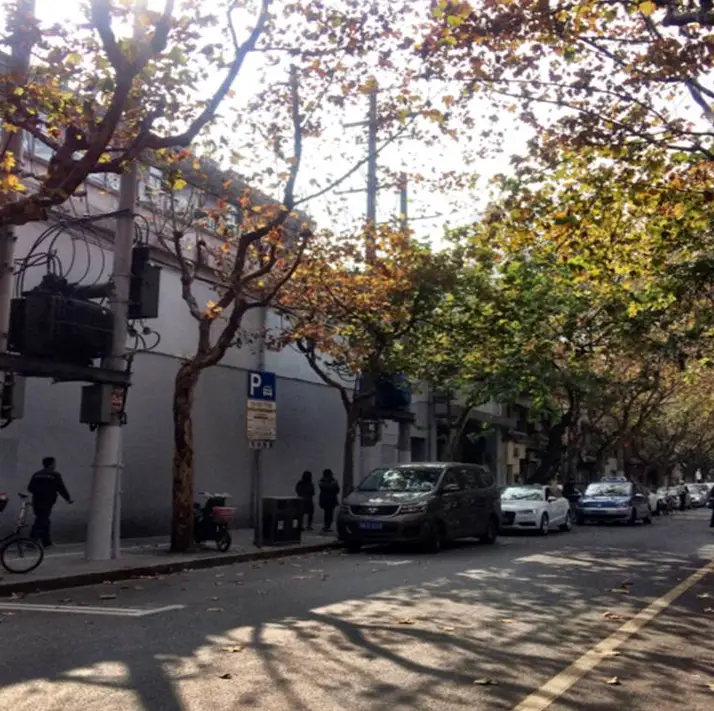
Half of Shanghai's romance is hidden beneath its plane trees. Those tree-lined streets, each with its own story, every fallen leaf bearing the imprint of time. Here are the best streets in Shanghai for walking, photography, and discovering hidden history.
Shaoxing Road: An Alternative Take on Artistry
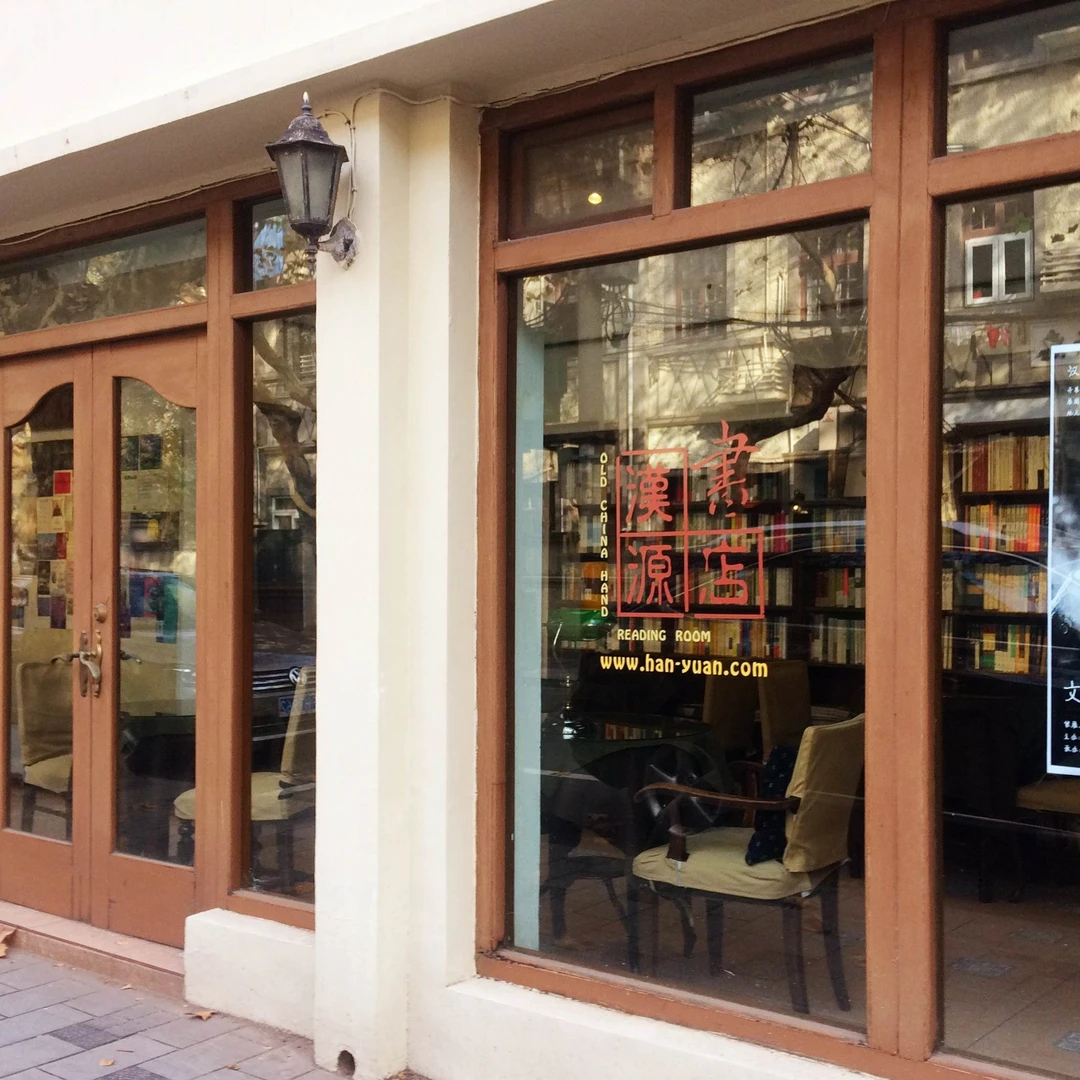
Some say Shaoxing Road is Shanghai's most artistic street. But its charm goes far beyond roadside scenery. The thick plane trees, the elderly bird-keepers idling by the curb—these aren't unusual in Shanghai. Yet when you spot Du Yuesheng's old Western-style mansion, the secondhand bookstore张国荣 (Leslie Cheung) once frequented, or the little balcony from a Zhang Ailing film, everything takes on a different flavor.
Hanyuan Bookstore has become a landmark on Shaoxing Road. It's so understated that even its sign refuses to be flashy—the four characters for "Hanyuan Bookstore" in clerical script sit quietly on the glass door and window like a personal seal. The late Leslie Cheung loved its tranquility; perhaps it was this undisturbed quality that made him want to while away his time here.
Lane 96, Shaoxing Road (Wenyuan Fang) is one of Shanghai's best-preserved shikumen (stone-gate) neighborhoods. The entire lane features red brick facades, quite distinctive among the city's old buildings. Many films and TV dramas set in old Shanghai love to shoot here.
Dongping Road: An Aristocratic Garden Amid Bustle
From Yueyang Road to Hengshan Road, Dongping Road stretches barely a hundred meters, yet it concentrates numerous celebrity mansions. With no bus routes and few pedestrians, it feels exceptionally refined and peaceful. The prestigious Shanghai Conservatory of Music is located here, and the very air seems to hum with musical notes.
Chiang Kai-shek's Former Residence "Love Cottage" at No. 9 Dongping Road is a French-style garden villa. This house was part of Soong Tse-ven's dowry gift to his sister Soong Mei-ling upon her marriage to Chiang. Chiang named it "Love Cottage," placing it alongside "Beautiful Cottage" in Lushan and "Clear Cottage" in Hangzhou.
Soong Tse-ven's Villa at No. 11 Dongping Road, built in 1921, features a Mansard roof with dormer windows. Today, it has been transformed into Sasha's, a well-known Shanghai bar. The film Leaving Me, Loving You starring Leon Lai and Faye Wong was also shot here.
Hengshan Road: The Champs-Élysées of the East
Hengshan Road connects the bustling commercial hubs of Xujiahui and Huaihai Road, yet maintains a quiet, elegant demeanor. Known as the "Champs-Élysées of the East," its plane trees are ancient, making it one of Shanghai's most densely tree-lined and scenic roads.
Community Church of Shanghai at No. 53 Hengshan Road is the city's largest Christian church. This German neo-Gothic building is L-shaped and can accommodate over 700 people. It was once famous for its beautiful sacred music. Uniquely, it welcomes believers of all denominations and nationalities.
[Link: Top 10 things to do in Shanghai]
Julu Road: Between High Elegance and Earthy Vitality
Julu Road was once part of the French Concession and remains a one-way street. Towering plane trees cast a serene, timeless shadow over the small Western-style buildings lining the road. Even in the liveliest seasons, she carries herself like a noble lady of old Shanghai, moving calmly through the clamor.
Julu Road's artistic flair never hides its boldness. Here, you'll find both grand villas and steamy seafood hotpot restaurants. It switches effortlessly between high elegance and earthy vitality.
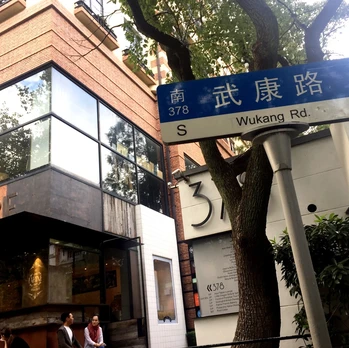
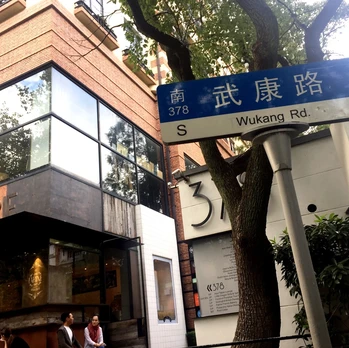
Wukang Road: A Century of History in Miniature
Originally named Ferguson Lane after American missionary John Ferguson, Wukang Road was built in 1907. It's known as "Celebrity Road," a "century of modern Shanghai history in miniature," featuring 14 outstanding historic buildings and 37 preserved historic structures.
Ba Jin's Former Residence at No. 113 Wukang Road is where the renowned author lived the longest in Shanghai. After the Cultural Revolution ended, Ba Jin returned here and wrote Random Thoughts, a work widely recognized by intellectual, literary, and ideological circles worldwide as "a great book of truth-telling." It was born in this small building.
[Link: Shanghai literary walking tour]
Sweet Love Road (Tian'ai Road): The Most Romantic Legend
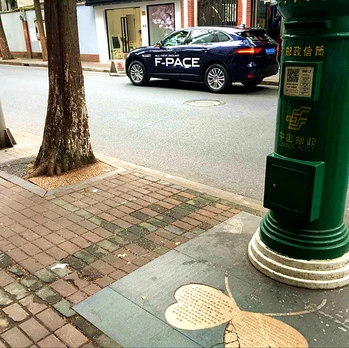
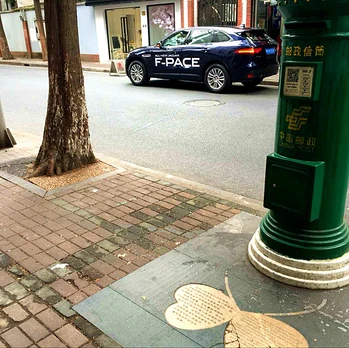
Sweet Love Road is hailed as "Shanghai's most romantic street." Its name comes from a beautiful legend: Tian Ai, the only daughter of a wealthy landowner in Tian Family Village, grew up alongside a cowherd boy named Xiang De. Their childhood bond blossomed into a love story. Hence, the two intertwined, tranquil lanes became known as "Sweet Love" and "Xiang De."
At the entrance stands a special Love Mailbox. Every letter dropped into this heart-shaped mailbox receives a special stamp bearing an English love imprint. The recipient can feel a unique romance through this postmark.
Xinle Road: Less Than 500 Meters of French Flair
Xinle Road stretches less than 500 meters but was part of the French Concession, established in 1849 and developed into one of Shanghai's finest residential areas in the 1920s. The French-style villas in the northeast and Xiangyang Park all date from that era.
Our Lady of Victory Cathedral (Shengmu Datang) stands at the intersection of Xiangyang North Road and Xinle Road. Hidden behind plane trees, this suddenly appearing church is a striking sight. It now belongs to a cultural foundation and is not open to the public, only accessible during exhibitions or events.
Sinan Road: Celebrity Footprints Under the Plane Trees
Sinan Road's plane trees are thick and elegant. Dr. Sun Yat-sen's former residence lies along this quiet street. Both sides are lined with old Western-style houses from the 1920s and 1930s, each with a distinct style yet sharing a unified old Shanghai cultural aura.
Sinan Mansions is one of Shanghai's "new calling cards." Rich in cultural heritage, it bears witness to the harmonious fusion of East and West, history and modernity.
Frequently Asked Questions About Exploring Shanghai
1. What is the best time to visit Shanghai for walking tours?
 Spring (March to May) and autumn (September to November) offer the most pleasant weather for strolling Shanghai's tree-lined streets. The plane trees are lush in spring and turn golden in autumn, creating stunning photo opportunities.
2. Are these streets easily accessible by public transport?
Yes. Most of these streets are located in the former French Concession area, well-served by Shanghai Metro lines 1, 7, 9, and 10. Stations like South Shaanxi Road, Xintiandi, and Changshu Road provide easy access.
3. Can I visit the historic mansions and former residences?
 Some are open to the public (like Ba Jin's Former Residence), while others are private or converted into restaurants and bars (like Sasha's on Dongping Road). Always check opening hours and booking requirements in advance.
4. What else can I do near these streets?
These areas are packed with boutique cafes, art galleries, vintage shops, and excellent restaurants. Xintiandi and the French Concession offer endless options for dining, shopping, and cultural experiences.
5. Is Sweet Love Road suitable for couples?
Absolutely. Sweet Love Road is a popular spot for couples and photographers. The love mailbox and romantic legends make it a must-visit for anyone seeking a unique, romantic experience in Shanghai.
Your Shanghai Adventure Awaits
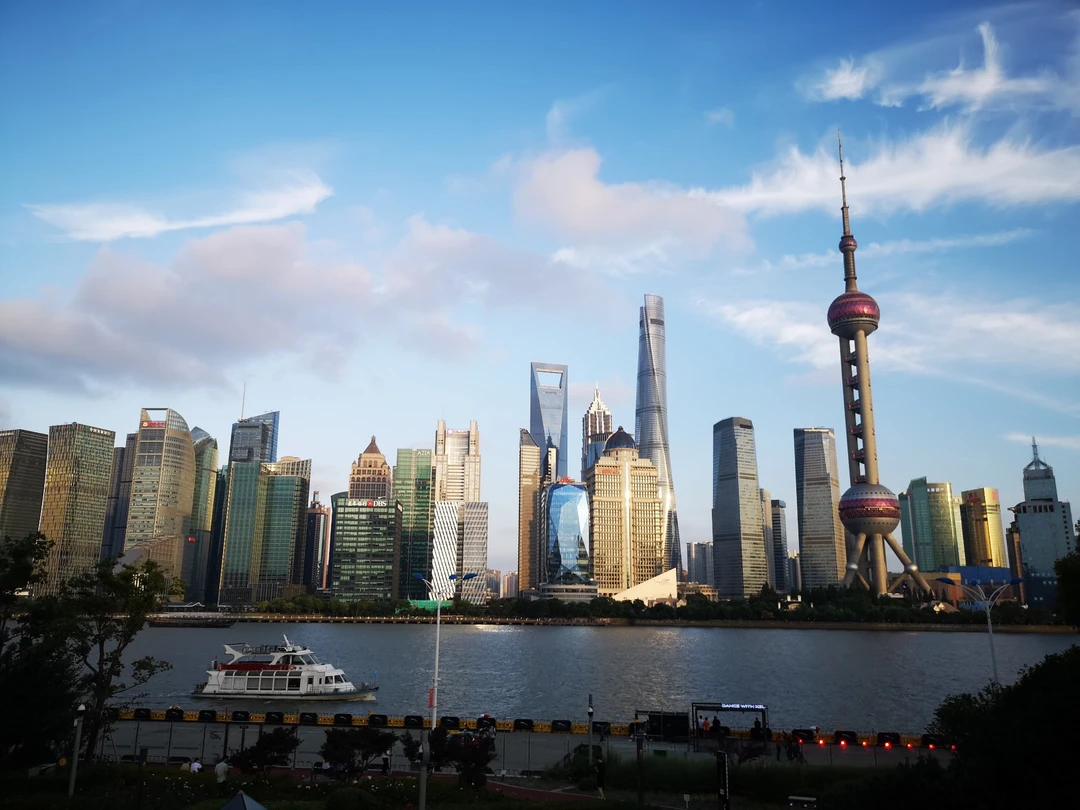
Shanghai is a city that rewards the curious wanderer. Whether you're tracing the footsteps of literary giants on Wukang Road, soaking up the artistic vibe of Shaoxing Road, or finding romance on Sweet Love Road, every street tells a story. The magic of Shanghai lies not just in its skyscrapers and neon lights, but in the quiet corners where history, culture, and everyday life intertwine.
Ready to explore the Magic City? Start planning your Shanghai walking tour today. Bookmark this guide, pack comfortable shoes, and get ready to discover the thousand faces of Shanghai—between bustle and serenity, you'll find your own piece of magic.
[Link: Shanghai travel planning guide]
Have you visited any of these streets? Share your favorite Shanghai discovery in the comments below, or tag us in your photos using #MagicCityWanderer.
You may also like