A Taste of Chaoshan: A Culinary Pilgrimage – The Ultimate Guide to Chaoshan Food
Meta Description: Discover the soul of Chaoshan cuisine in this culinary pilgrimage through Chaozhou, Shantou, and Jieyang. From beef hotpot to rice noodles, unlock the best Chaoshan food guide with insider tips, hidden gems, and must-try dishes.
Introduction: Why Chaoshan is a Food Lover's Sacred Destination
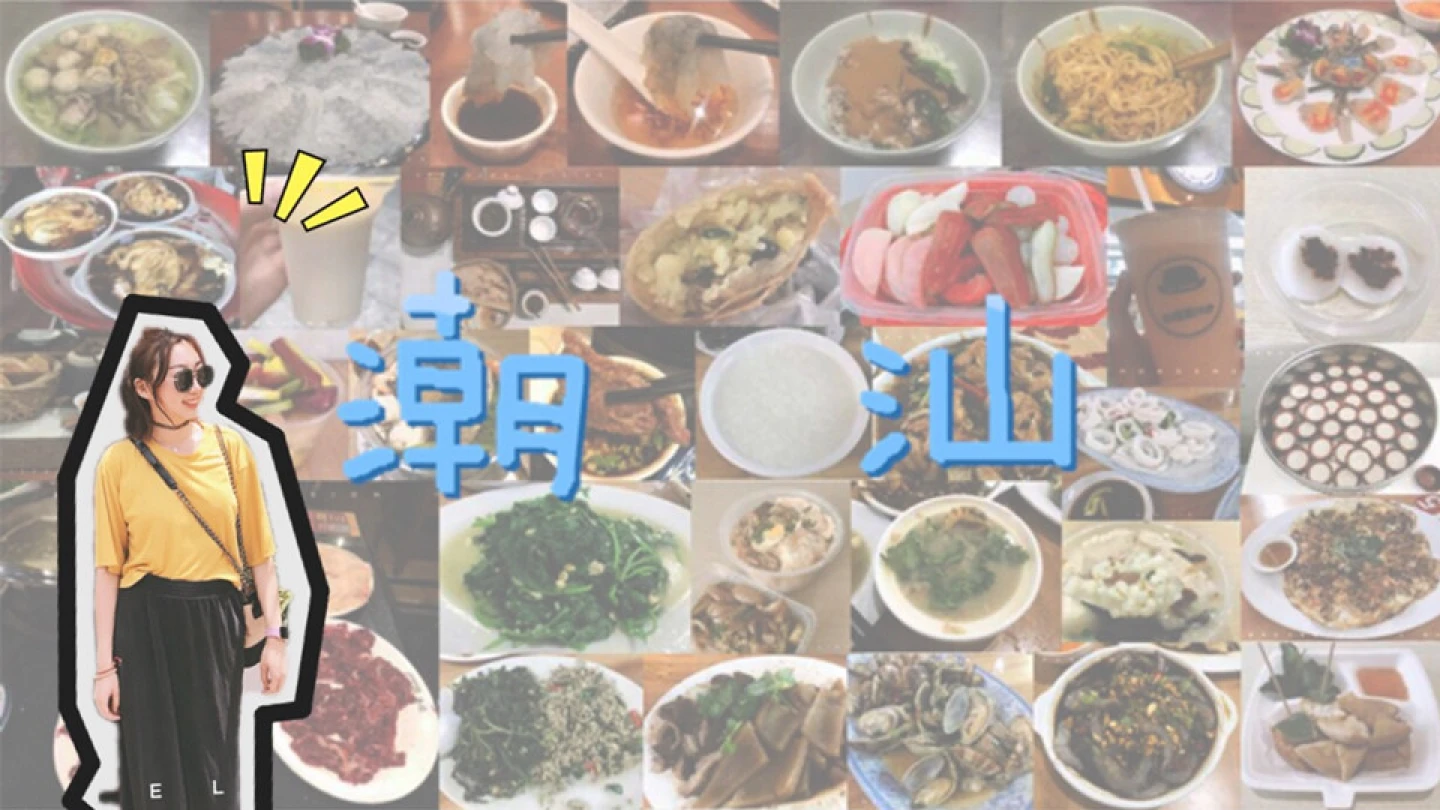
Some say the best way to understand a place is to eat your way through it. With a reverent stomach, I set foot on Chaoshan—a land revered by food lovers as a sacred destination. Three days, four cities, from dawn to dusk, I wove through alleyways, searching for the soul of Chaoshan in bowls of rice noodles, plates of raw marinated seafood, and pots of bubbling beef hotpot.
This is not just a food guide. It's a deep conversation about flavor, memory, and culture. If you believe, as I do, that food is the most direct connection between people and the land, then come with me. Let's unlock Chaoshan the right way.
[Link: Best time to visit Chaoshan for food tours]
Planning Your Chaoshan Food Trip: A 3-Day Itinerary
The so-called "Chaoshan region" actually covers three cities: Chaozhou, Shantou, and Jieyang. Jieyang has an airport, but most people just pass through. However, if you're interested in crab roe noodles with raw fish porridge, Jieyang's "Biao Di" (标弟) is worth a dedicated visit—said to be similar in style to Shanghai's "Crab Mansion" but much more affordable. The catch? It's only open in the evening.

My itinerary was tight: a day and a half each in Chaozhou and Shantou, with a side trip to Nan'ao Island in between. Luckily, the three locations are close—drives rarely exceed an hour, and ride-hailing is convenient. Before setting off, I marked every well-reviewed eatery on my map. This labor of love, I now share with you.
[Link: How to get from Jieyang Airport to Chaozhou]
The Soul of Chaoshan Cuisine: Understanding "Guo" (Rice Cakes)
"Guo" (粿) is the soul symbol of Chaoshan cuisine. When ancestors migrated south from the Central Plains, they found no wheat in the south, so they substituted rice for flour in sacrificial offerings. From this necessity, dozens of varieties were born: sweet guo, savory guo, red peach guo, wormwood guo... What seems like simple rice food becomes a kaleidoscope of flavors in Chaoshan hands.
The Nameless Rice Noodle Shop: A Hidden Alleyway Surprise
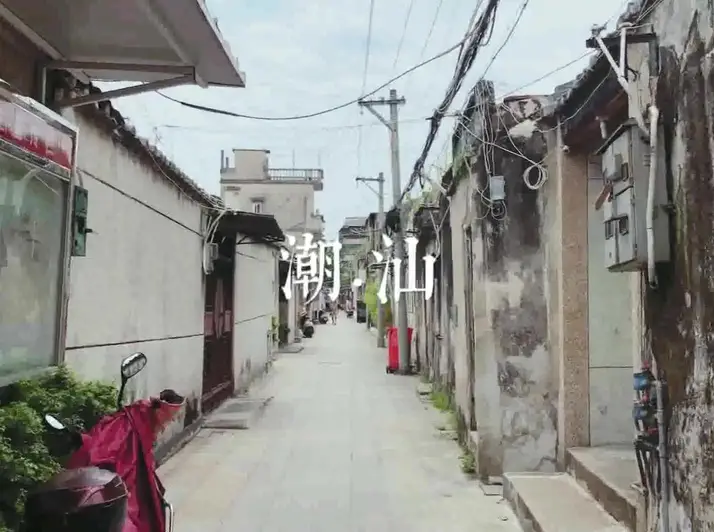
Just after arriving in Chaozhou, the owner of my guesthouse recommended a rice noodle shop near my lodging—one without even a sign. It's across from a parking lot not far from Paifang Street (the iconic archway street). One stove, two tables, dim lighting, but buzzing with chatter. The rice noodles are blanched, then topped with pork liver, meatballs, chopped celery, and minced garlic—creating a clean, fresh soup. Or, toss them with satay sauce and peanut butter, and you get satay noodles. The ingredients are so simple you could count them on one hand, yet the flavor is astonishing. As someone who grew up in a famous rice-producing region, I have to admit: when it comes to eating rice, Chaoshan people possess unmatched wisdom.
Recommendation: No. 73 Yi'an Road, Xiangqiao District, Chaozhou (across from Fengcheng Parking Lot)
Zhenji Laowei Beef Offal: A Bowl of Medicinal Fragrance
Located by West Lake in Chaozhou, "Zhenji Laowei Beef Offal" (镇记老尾牛杂) has long been famous. On the morning of the first day of a short holiday, the crowd was manageable. Fifteen minutes later, a heaping bowl arrived. First, a sip of broth—light but not bland, with a subtle medicinal aroma that never overwhelms. The rich flavor of beef slowly spreads across your tongue, complemented by the chopped celery at the bottom. Tripe, omasum, liver, kidney... every smooth rice noodle is drenched in the broth's essence. Even without extra seasoning, it's deeply satisfying.
Recommendation: No. 103 West Huancheng Road, Xiangqiao District, Chaozhou
More Must-Try Rice Noodle Spots in Chaoshan
In the following days, I cycled through Liji Rice Noodle Soup (李记粿汁), Plaza Old Lady Rice Noodles (广场老姿娘米粉), and Plaza Original Barley Soup (广场原汁薏米汤). These small shops use generous ingredients and rich broths, leaving me with a first impression of Chaoshan: "Great wisdom in simple ingredients."

Special Recommendation: Plaza Old Lady Rice Noodles (No. 1 Xinxing Road, Shantou) — Highly recommended by locals. A full bowl with abundant toppings, incredibly flavorful broth, and noodles soaked in all that goodness. Every bite is a joy.
Heads-Up: Plaza Authentic Original Barley Soup (near People's Square, Tongyi Road, Shantou) — The barley soup is loaded with too many vegetables, making the texture coarse. Honestly, I couldn't get used to it.
[Link: Best local food markets in Shantou]
Chaoshan Beef Hotpot: The Ultimate Pursuit of Freshness
"Through the glass window, I watch the chef skillfully slice large slabs of beef on a heavy chopping board. Plate after plate of neatly arranged meat—some fatty, some lean—is quickly sent to tables. With a flick of chopsticks, the slices slide into a strainer, bob a few times in the bubbling broth, then roll in satay sauce while still steaming. One bite, and the sweetness is so intense you can't help but close your eyes in satisfaction."
In ancient times, there was Cook Ding carving an ox. Today, there are Chaoshan people devouring beef. It's said that in the old days, farmers would lead their cattle to the market. Once a buyer was found, the cow was butchered right there and the meat distributed to nearby eateries. From the animal to the table, it took no more than four hours. No freezing, no aging—this relentless pursuit of "freshness" is the soul of beef hotpot.
The simplest broth: beef bones boiled with a few slices of ginger and white radish. For the dipping sauce, pour soy sauce quickly over chopped celery to release its aroma, then mix in local satay paste—this is the most authentic method. Different cuts have their own rules:

- Brisket (胸口肉) – 1-3 minutes, delightfully crunchy with a hint of milkiness
- Neck meat (脖仁) – ~10 seconds, tender and chewy
- Sirloin (吊龙) – ~10 seconds, soft and juicy
- Leg tendon (三花腱) – ~8 seconds
Lift the strainer, and perfection is born.
Recommendation: Baheli Haiji Beef Restaurant (八合里海记牛肉店, 300 meters north of the intersection of Huanggang Road and Zhongshan Road, Shantou) — A Black Pearl one-star rating on Dianping. Expect a 30-minute wait around 7 PM, but tables turn quickly. The meat is incredible—and surprisingly affordable!
[Link: How to order beef hotpot like a local]
Strolling Through the Ancient City: The Lively Spirit Hidden in Alleyways
In the streets of Chaozhou, time seems to stretch. Cars don't rush. People don't rush. Even the cats in the alleys stroll with an elegant gait. Here, nothing is more important than wandering the ancient city and coexisting with time.
Puning Fried Tofu: The Wisdom of Cantonese Wellness
Cubes of tofu, about 7-8 centimeters on each side, are deep-fried until crispy on the outside and tender within. Cut diagonally into four smaller pieces, they're served with tender mint leaves and a dipping sauce of salted韭菜 (Chinese chives) water. Crispy outside, silky inside, with layers of sour, sweet, and salty flavors. The mint cuts through the oiliness, and the dish is said to clear heat and detoxify—a perfect example of "Cantonese wellness."
While eating the fried tofu, the owner's homemade savory rice cakes (咸水粿) came out of the steamer. Shamelessly, I asked for two. The rice cake skin was smooth and chewy, the preserved radish filling savory and crisp—just like the little pickled vegetables my mother used to make.
Recommendation: Phoenix Fried Tofu (凤凰炸豆腐, near the south entrance of Paifang Street, Chaozhou)
Oyster Omelette: Another Way with Oysters

I've had oyster omelettes in Taiwan and Fujian, but in Chaoshan, this dish takes on a different form. Same oysters, wrapped in flour and egg, pan-fried—but the seasonings shift to lighter fish sauce and satay paste. Without overpowering sauces, you taste the oyster's own briny sweetness.
Recommendation: Old Brand Oyster Omelette (老字号蚝煎, No. 303 Taiping Road, Paifang Street, Chaozhou)
Shengxingji Sesame & Almond Tea: The Perfect Palate Cleanser
Compared to the internet-famous Xie Huailiang, Shengxingji (盛兴记) is much more low-key. They specialize in sesame tea and almond tea—though "paste" is a better description. The rich, nutty flavor is the perfect way to end a meal or reset your palate between dishes.
Recommendation: Shengxingji, near Paifang Street, Chaozhou
Frequently Asked Questions About Chaoshan Food
1. What is the best time of year to visit Chaoshan for food?

The best time is autumn (October to December) when the weather is cool and pleasant. Summer can be hot and humid, while winter is mild but still comfortable for eating outdoors. Avoid Chinese New Year when many shops close.
2. Is Chaoshan food very spicy?
No. Chaoshan cuisine is known for its light, fresh, and natural flavors. It emphasizes the original taste of ingredients. While there are dipping sauces like satay paste and fish sauce, the dishes themselves are rarely spicy.
3. What are the must-try dishes in Chaoshan?
You cannot leave without trying: - Beef hotpot (especially at Baheli Haiji) - Rice noodles with beef offal (Zhenji Laowei) - Oyster omelette (Old Brand Oyster Omelette) - Puning fried tofu (Phoenix Fried Tofu) - Sesame and almond tea (Shengxingji)
4. How do I get around Chaoshan?

Ride-hailing apps like Didi are convenient and affordable. The three main cities (Chaozhou, Shantou, Jieyang) are within an hour's drive of each other. For a more immersive experience, rent a bicycle or walk through the ancient alleyways of Chaozhou.
5. Is English widely spoken in Chaoshan restaurants?

Not typically. Most small eateries have Chinese-only menus. It's helpful to have a translation app or photos of dishes you want to try. Pointing at what others are eating is also a common and effective method!
[Link: Essential Chinese phrases for food travelers]
Your Chaoshan Culinary Pilgrimage Awaits
From the first sip of medicinal beef broth to the last bite of crispy fried tofu, Chaoshan offers a journey that goes far beyond the plate. Every bowl of rice noodles tells a story of migration and adaptation. Every slice of beef hotpot embodies a relentless pursuit of freshness. Every alleyway holds a hidden gem waiting to be discovered.
This is not just a food trip. It's a pilgrimage—a deep conversation with a culture that has perfected the art of simplicity.
So pack your bags, bring your appetite, and let Chaoshan feed your soul. The noodles are boiling, the hotpot is bubbling, and the ancient streets are calling.
Ready to book your Chaoshan food tour? [Link: Top Chaoshan food tour packages] or start planning your itinerary today!
Have you been to Chaoshan? What was your favorite dish? Share your experience in the comments below!
You may also like