A Summer of Rituals: The Ultimate Family Guide to Tokyo’s Countryside (Kamakura, Hakone, Izu)
Meta Description: Discover how a three-generation family trip to Kamakura, Hakone, and Izu transformed perceptions of Japan. From typhoon travel tips to toddler-friendly onsens, this SEO-optimized guide covers everything for your multigenerational Tokyo countryside adventure.
Introduction: Why Tokyo’s “Countryside” Is Perfect for Multigenerational Travel
There’s something about a Japanese summer that feels almost sacred. It’s not the kind of sacred you find in temples or shrines, but the kind that sneaks up on you—in the crackle of fireworks over a dark bay, in the drowsy hum of cicadas wrapping the afternoon in a warm blanket, in the way a slice of green melon can make a child’s face crumple into pure, unguarded joy. These are the small, deliberate moments that, when strung together, become a season you carry inside you long after the heat fades.
For families traveling with elderly parents and toddlers, the Tokyo countryside—specifically Kamakura, Hakone, and Izu—offers the perfect balance of must-see sights, rustic charm, and warm hospitality. This comprehensive guide draws from a real nine-day journey that changed one grandmother’s lifelong perception of Japan, proving that even the most resistant travelers can fall in love with the Land of the Rising Sun.
Planning Your Multigenerational Japan Trip: Key Considerations

Overcoming Historical Resistance to Japan Travel
For travelers born in the 1950s, Japan can carry complex historical baggage. If you’re planning a family trip with older relatives, consider: - Gentle introduction: Start with universally appealing experiences like hot springs and gardens - Focus on shared joys: Food, nature, and children’s laughter transcend cultural barriers - Avoid confrontation: Sometimes, the best strategy is simply letting the experience speak for itself
Packing for Three Generations in Summer
Japan’s summer heat (38°C/100°F is common) requires strategic packing: - Lightweight, breathable clothing (linen and cotton) - Hydration supplies for toddlers and seniors - Sun protection (hats, UV umbrellas, high-SPF sunscreen) - Comfortable walking shoes for temple visits - Yukata (light cotton kimono) for onsen experiences
Budget Considerations for Group Travel
For an eight-person group (two grandmothers, two toddlers, four adults), consider: - 10-seat van rental: ¥3,000 per day during peak season—worth every yen for convenience - Flight routing: Indirect flights via Osaka can save money but require buffer time - Hotel choices: Mix of traditional ryokans and modern hotels for variety
Kamakura: Where Youth Lives Forever
Tsurugaoka Hachimangu Shrine: The Perfect First Stop
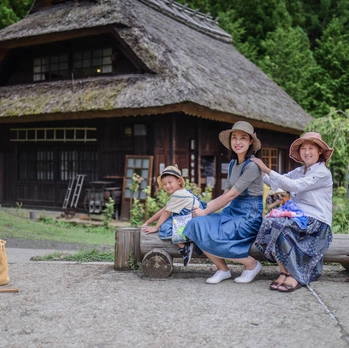
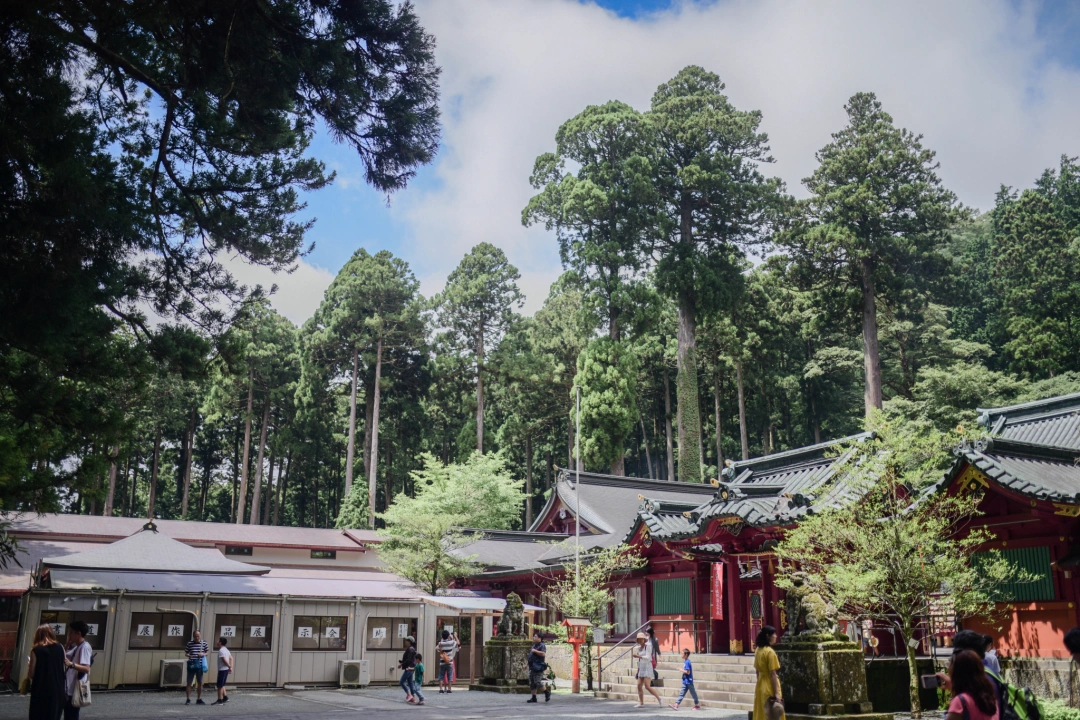
For first-time visitors to Japan, Kamakura’s Tsurugaoka Hachimangu Shrine offers an ideal introduction. The old-fashioned street leading to the shrine captures the essence of traditional Japan without overwhelming first-timers. The architecture, the atmosphere, and the gentle crowd make it accessible for all ages.
Pro tip: Visit early morning to avoid the 38°C midday heat and crowds.
The Slam Dunk Connection: Anime Pilgrimage for 80s Kids
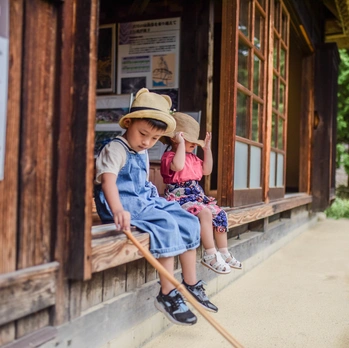
If you grew up in the 1980s, Slam Dunk is more than an anime—it’s a time capsule. The opening theme, “Kimi ga Suki da to Sakebitai,” still makes hearts race for a generation. The famous train crossing by Kamakura High School draws fans recreating the iconic scene.
Photo opportunity: Arrive before 9 AM for the best light and fewest tourists.
Enoshima: Coastal Charm for All Ages
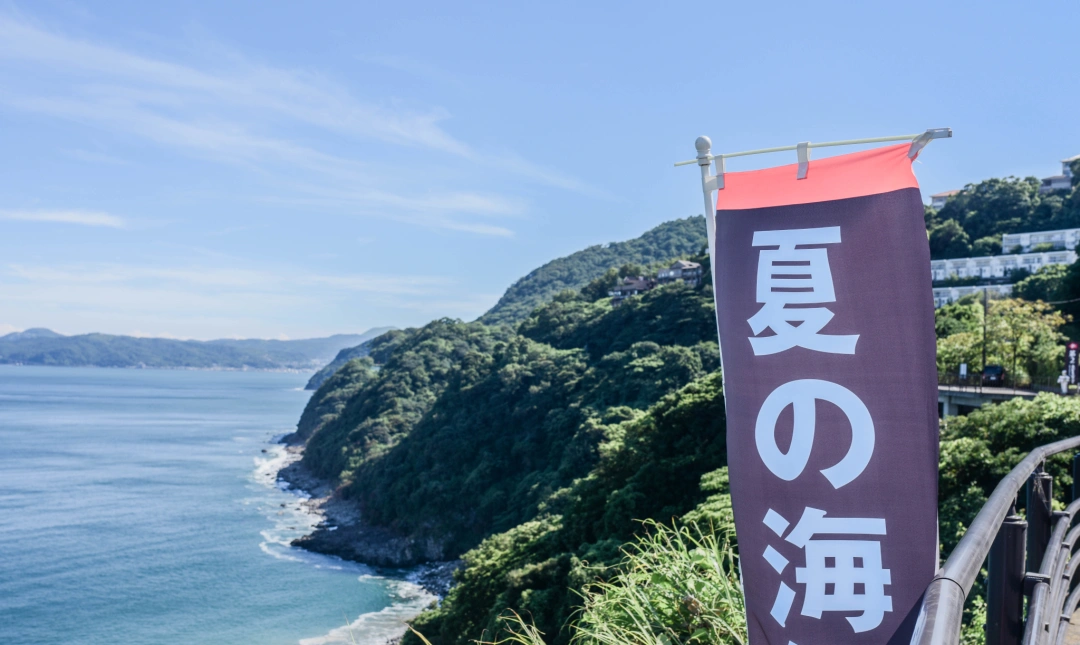
A quick drive around Enoshima offers coastal views perfect for toddlers and seniors. The sea breeze provides natural air conditioning on scorching summer days.
Family tip: Skip the long climbs to the lighthouse if traveling with elderly parents—the waterfront area is equally beautiful.
Hakone: Onsen Rituals That Heal Across Generations
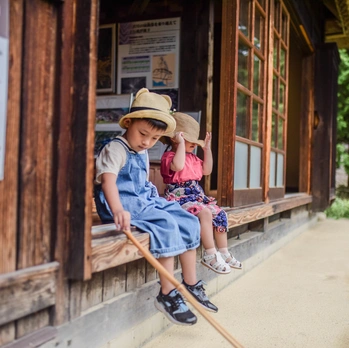
Introducing Toddlers to Japanese Hot Springs
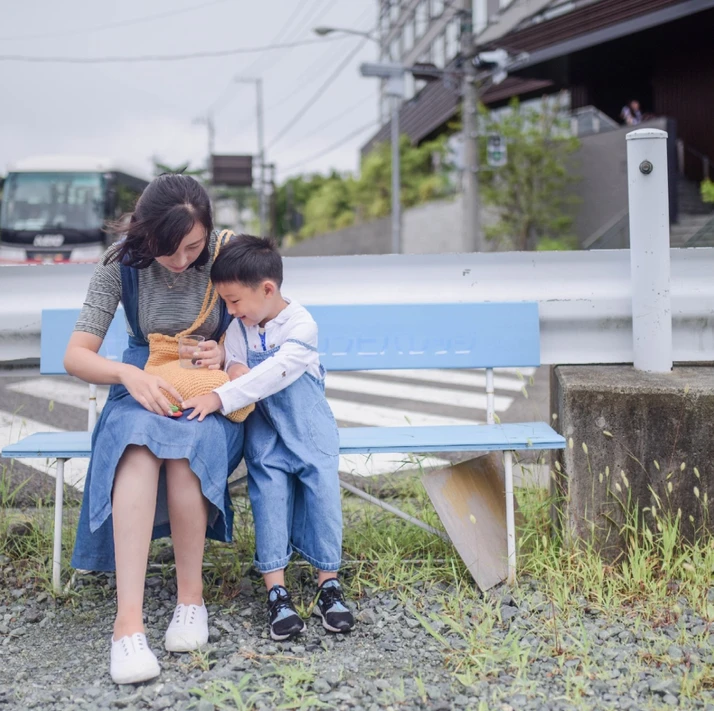
The ritual of an onsen (hot spring bath) can be challenging for young children. One father’s experience with his four-year-old son illustrates common hurdles:
“In the changing room, he looked at the bare bottoms wandering around and refused to undress. ‘Dad, I don’t want to show my little penis. It’s embarrassing!’ he whispered.”
Solutions for toddler onsen success: - Bring a small towel for modesty - Start with private family baths if available - Keep sessions short (10-15 minutes max) - Reward with the classic post-onsen treat: cold milk
Typhoon Season Travel Tips
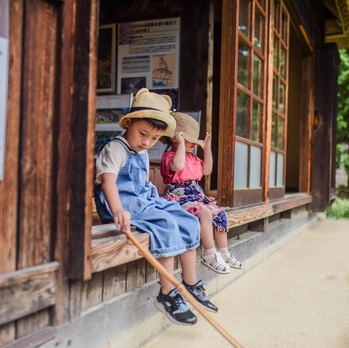
August in Japan means typhoon season. Our group faced a brewing typhoon that forced itinerary changes. Key lessons: - Book flexible accommodations with free cancellation - Carry backup activities for indoor days - Embrace the unexpected—some of the best memories come from unplanned moments - Trust your driver—local knowledge is invaluable during weather disruptions
The Magic of a Yukata
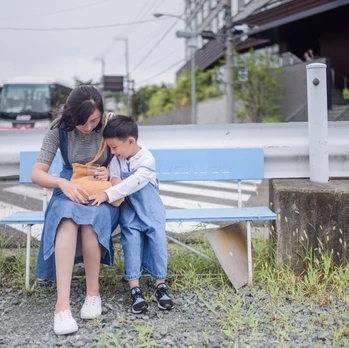
Putting a child in a yukata transforms the onsen experience from intimidating to exciting. The lightweight cotton kimono signals “special occasion” and helps children embrace the ritual.
Where to buy: Most ryokans provide yukatas for guests; consider purchasing one for keepsakes.
Mount Fuji: Not Seeing the Mountain, But Feeling Its Presence
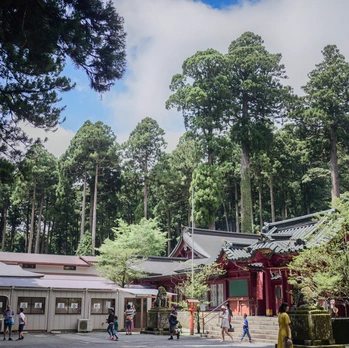
Managing Expectations Around Fuji Views
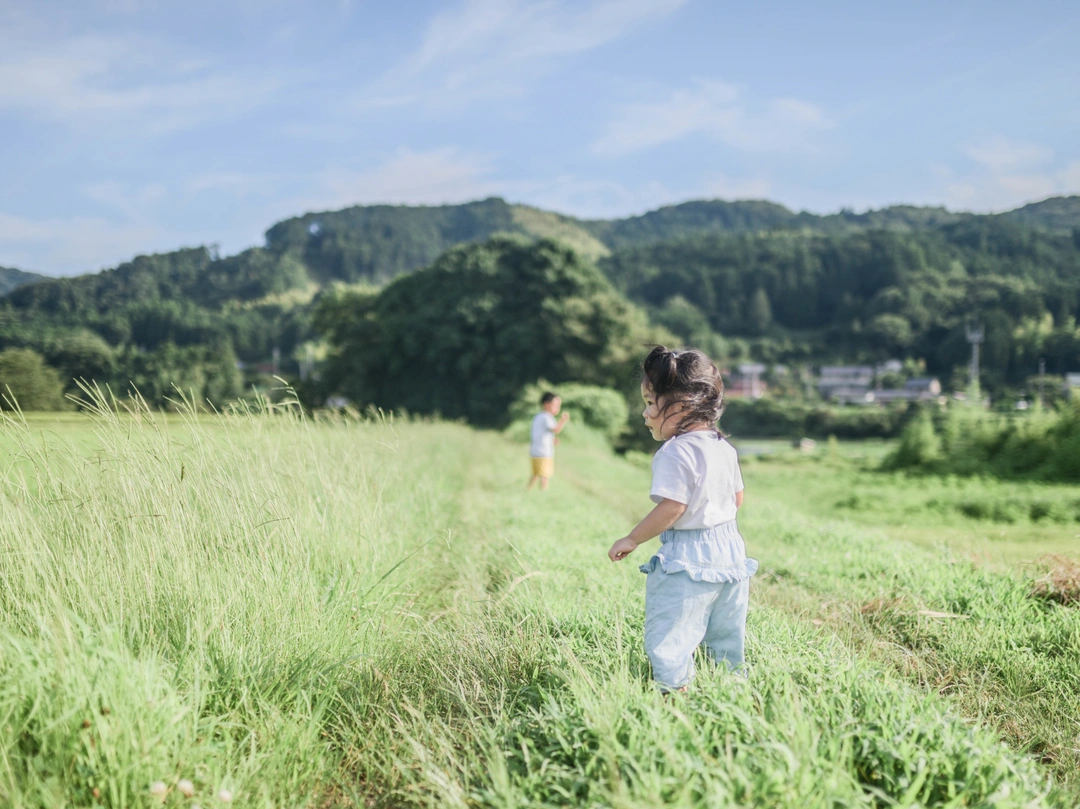
Mount Fuji is famously elusive. Even on clear days, clouds often shroud the peak. Our driver, a Shandong native named Niu who had lived in Japan for over two decades, explained: “Seeing Mount Fuji is a matter of luck—you need a perfectly clear day.”
Mindset shift: Let go of expectations. Travel is better that way.
Hidden Gems: Fuji Gassho Village
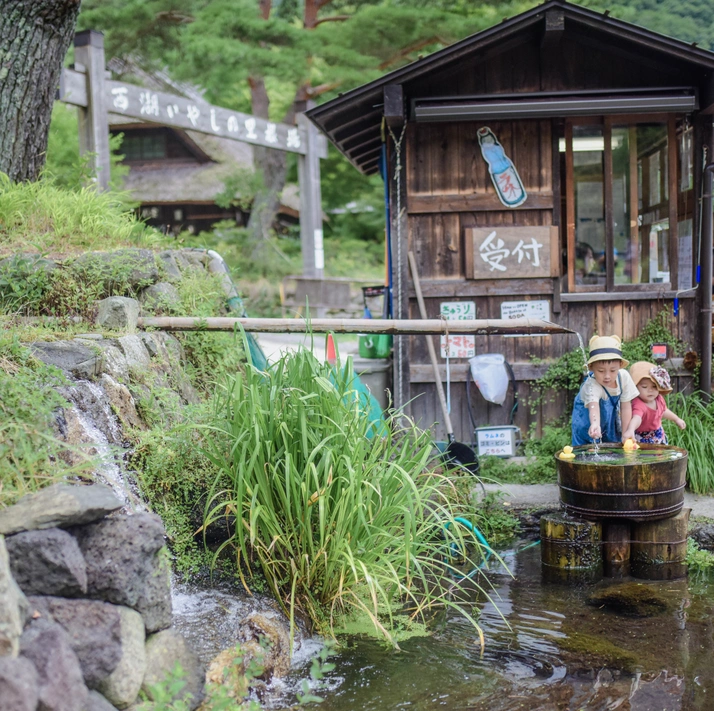
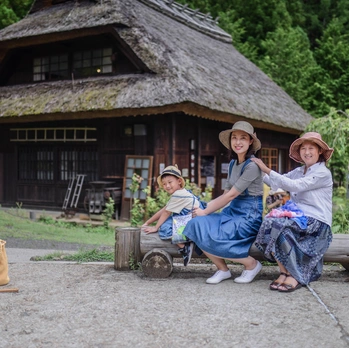
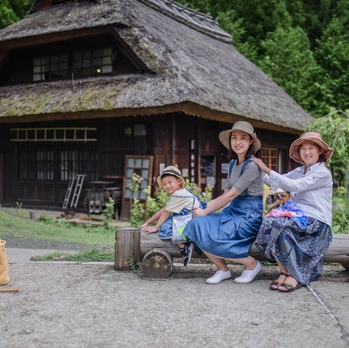
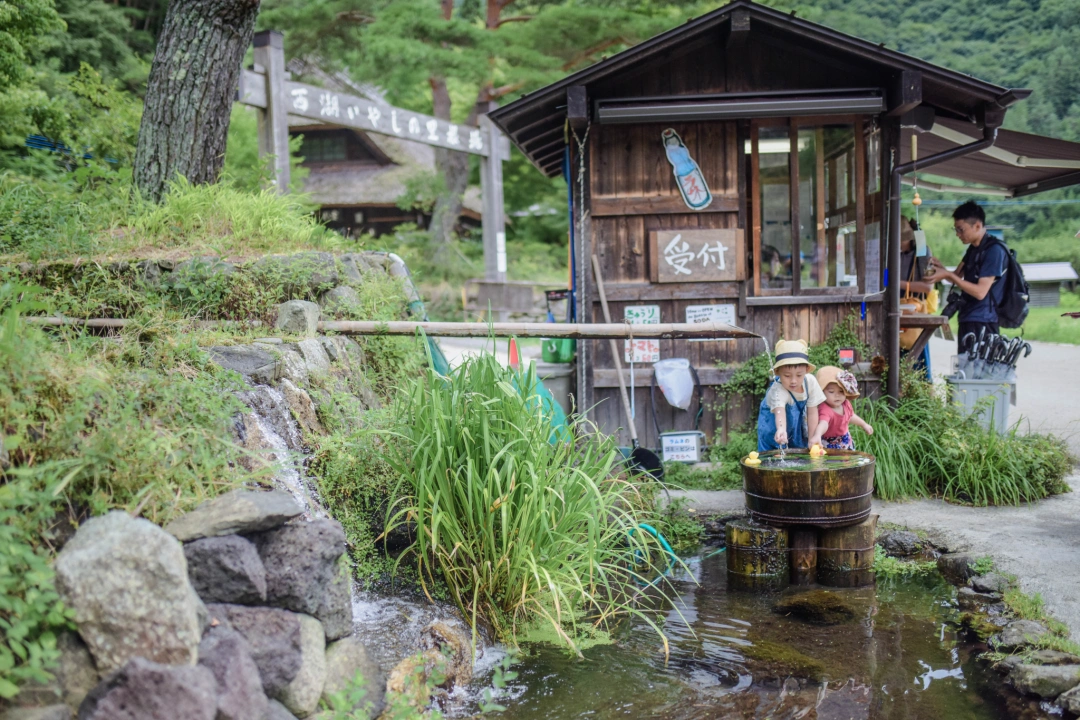
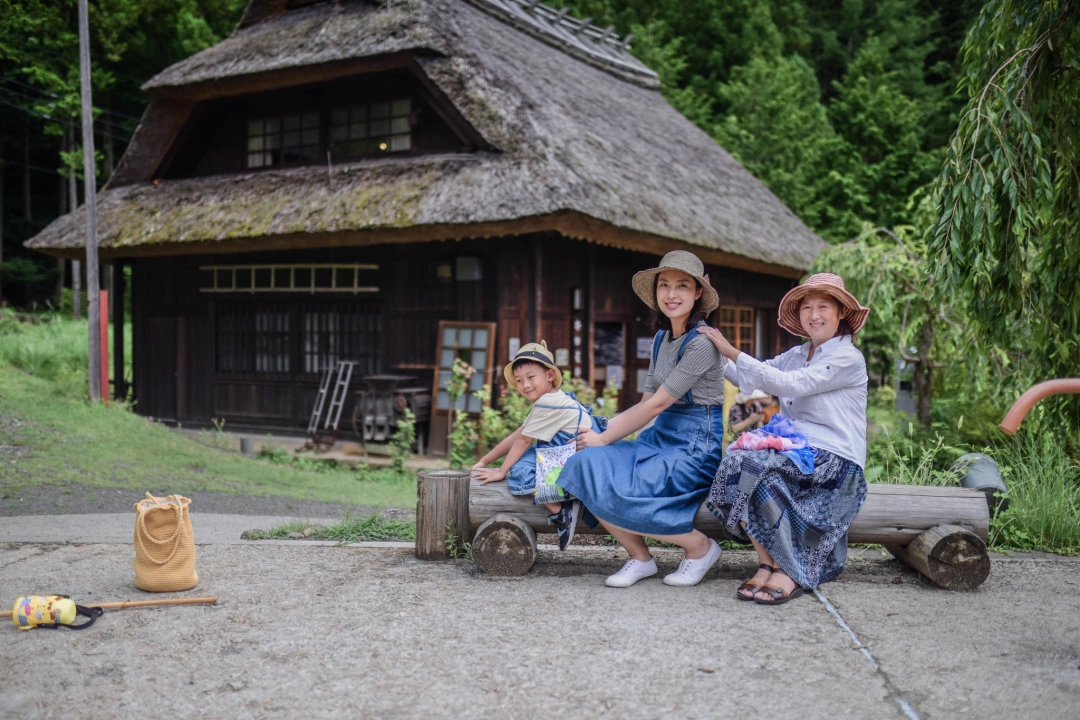
While most tourists flock to Oshino Hakkai, our driver took us to a hidden gem: the Fuji Gassho Village. This thatched-roof village, untouched by tour agencies, offers: - Authentic rural Japanese architecture - Fresh wasabi roots soaking in clear streams - Toddler-friendly wandering paths - An elderly woman’s small restaurant with impossible-to-refuse smiles
Must-try foods: Grilled corn, herbal dumplings, honey mochi (rice cake), soba noodles, and curry rice.
Lake Kawaguchi: Watercolor Views Under Gray Skies
Even under gray skies, Lake Kawaguchi is breathtaking. The flower fields stretch like a watercolor painting, and the air smells of earth and petals. For photographers, the lesson is clear: sometimes the best shots come when you put the camera down and simply feel the moment.
Best time: Late August for late-blooming hydrangeas and lavender.
Izu Peninsula: Coastal Serenity for Three Generations
Why Izu Works for Multigenerational Travel
The Izu Peninsula combines coastal beauty with hot springs, making it ideal for: - Seniors: Gentle walks along the coast - Toddlers: Beach time and nature exploration - Adults: Fresh seafood and relaxation
Family-Friendly Activities in Izu
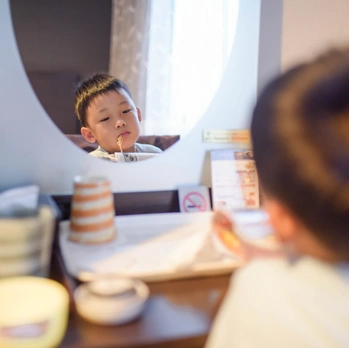
- Coastal walks with stroller-friendly paths
- Hot spring baths with ocean views
- Fresh seafood markets for lunch
- Nature parks with playgrounds
Practical Tips for Your Tokyo Countryside Adventure
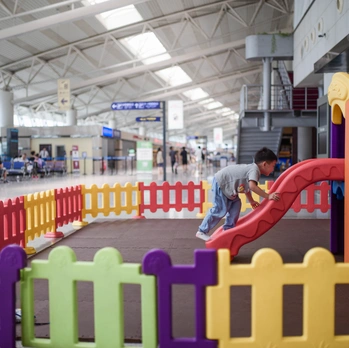
Transportation: Why a Private Van Makes Sense
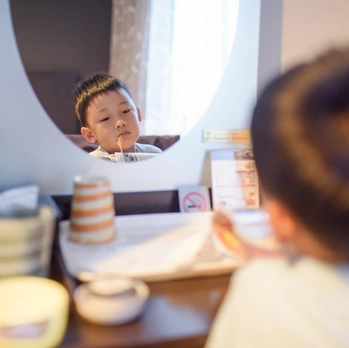
For groups of 6-8 people, a 10-seat Toyota van rental during peak season (¥3,000/day) offers: - Door-to-door convenience - Flexibility for impromptu stops - Luggage space for shopping and strollers - Local driver knowledge
Driver recommendation: Chinese-speaking drivers can bridge language gaps for Mandarin-speaking travelers.
Weather Preparedness for Japanese Summer
| Condition | What to Expect | How to Prepare |
|---|---|---|
| 38°C heat | Sweating, dehydration | Hydration packs, UV umbrellas |
| Typhoon | Heavy rain, flight delays | Flexible bookings, backup plans |
| Sudden temperature drops | 10°C+ swings | Layered clothing |
Food for Picky Eaters and Seniors
Japanese convenience stores offer surprising variety: - Onigiri (rice balls): Universal appeal - Instant noodles: Emergency comfort food - Plum rice balls: Kid-friendly - Green melon: Summer treat that brings pure joy
FAQ: Multigenerational Japan Travel
1. Is Japan suitable for elderly travelers with mobility issues?
Yes, but plan carefully. Major attractions have accessible paths, and private van rentals eliminate public transport challenges. Many temples offer wheelchair rentals, and onsens often have accessible facilities.
2. How do I handle flight delays with toddlers and seniors?
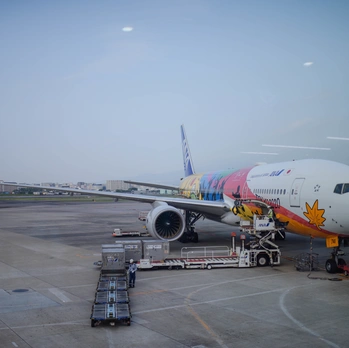
Book through airlines with strong customer service (ANA is excellent). Accept offered accommodations rather than pushing through exhaustion. Use the delay as a bonding opportunity—our group formed lasting friendships with fellow stranded travelers.
3. What’s the best time for a three-generation Japan trip?
Late August offers warm weather, fewer crowds than peak July, and late-blooming flowers. However, typhoon season requires flexibility. Spring (March-April) and autumn (October-November) offer milder temperatures.
4. How do I introduce resistant older relatives to Japan?
Focus on universal experiences: hot springs, gardens, food, and children’s joy. Avoid political discussions. Let the country’s beauty and hospitality speak for itself, as it did for our grandmothers who called it “a trip they’d never forget.”
5. What’s the budget for an 8-person Tokyo countryside trip?
Expect to spend ¥300,000-500,000 per person for a 9-day trip, including: - Flights (consider indirect routes for savings) - Van rental (¥3,000/day) - Mixed accommodation (ryokans + hotels) - Meals and activities
Internal Linking Suggestions
- [Link: How to Choose the Perfect Ryokan for Multigenerational Travel]
- [Link: Japan Summer Packing List for Toddlers and Seniors]
- [Link: Onsen Etiquette Guide for First-Time Visitors]
- [Link: Typhoon Season Travel Insurance: What You Need to Know]
- [Link: 10 Must-Visit Hidden Gems in the Tokyo Countryside]
Conclusion: Your Family’s Summer of Rituals Awaits
The journey from resistance to love is often the most rewarding. For our grandmothers, Japan became more than a destination—it became a transformation. For the toddlers, summer became “infinitely more beautiful.” And for everyone in between, the small, deliberate moments—fireworks over a dark bay, cicadas humming in the afternoon, a slice of green melon—became a season carried inside long after the heat faded.
Ready to plan your own multigenerational Tokyo countryside adventure?
Start by: 1. Choosing your dates (late August for fewer crowds) 2. Booking a private van for flexibility 3. Reserving mixed accommodations (ryokans + hotels) 4. Packing light and embracing the unexpected
The best memories aren’t the ones you plan—they’re the ones that sneak up on you. Like a grandmother’s changed heart, a toddler’s first onsen, or a glimpse of Mount Fuji through parting clouds.
[Book Your Custom Japan Family Itinerary Today]
Have questions about planning your multigenerational Japan trip? Drop them in the comments below, and our travel experts will respond within 24 hours.
You may also like