A Stroll Through a Century of Shanghai: A Half-Day Cultural Journey on Kangding East Road and Nanchang Road
Meta Description: Escape the crowds and explore Shanghai's hidden history on Kangding East Road and Nanchang Road. Discover Zhang Ailing's birthplace, a century-old pawnshop, and literary landmarks in this half-day walking tour.
October 2025. The National Day holiday in Shanghai, and the plane tree leaves were just beginning to turn gold. I chose a route far from the usual—not joining the crowds at the Bund, not queuing for hours at Disneyland, but venturing deep into the heart of Jing'an and Huangpu, measuring Kangding East Road and Nanchang Road on foot. These two streets carry half of modern Chinese history on their shoulders. It was a journey where I stumbled upon names like Zhang Ailing, Lu Xun, Xu Zhimo, and Ruan Lingyu—a cultural walk through a century of change.
Why Kangding East Road and Nanchang Road?
Shanghai has no shortage of Instagram-worthy spots. But the streets that truly let you feel the weight of history are the old roads shaded by plane trees. Kangding East Road stretches a mere 341 meters, yet it was one of seven military roads built by the British in 1862 to suppress the Taiping Rebellion. Nanchang Road, on the other hand, is a street where legends lurk around every corner—from the editorial office of New Youth to the Science Hall, from Xu Zhimo's former residence to Lin Fengmian's old home. Take a few steps, and you're bound to bump into a story.
The starting point for this half-day trip was Hanzhong Road Station on Metro Line 12. Stepping out of the modern city's hustle, I walked slowly into the light and shadow of a hundred years ago.
Kangding East Road: From Military Road to Literary Enclave
Guirenli and Tailaili: A Museum of Architecture in the Alleys
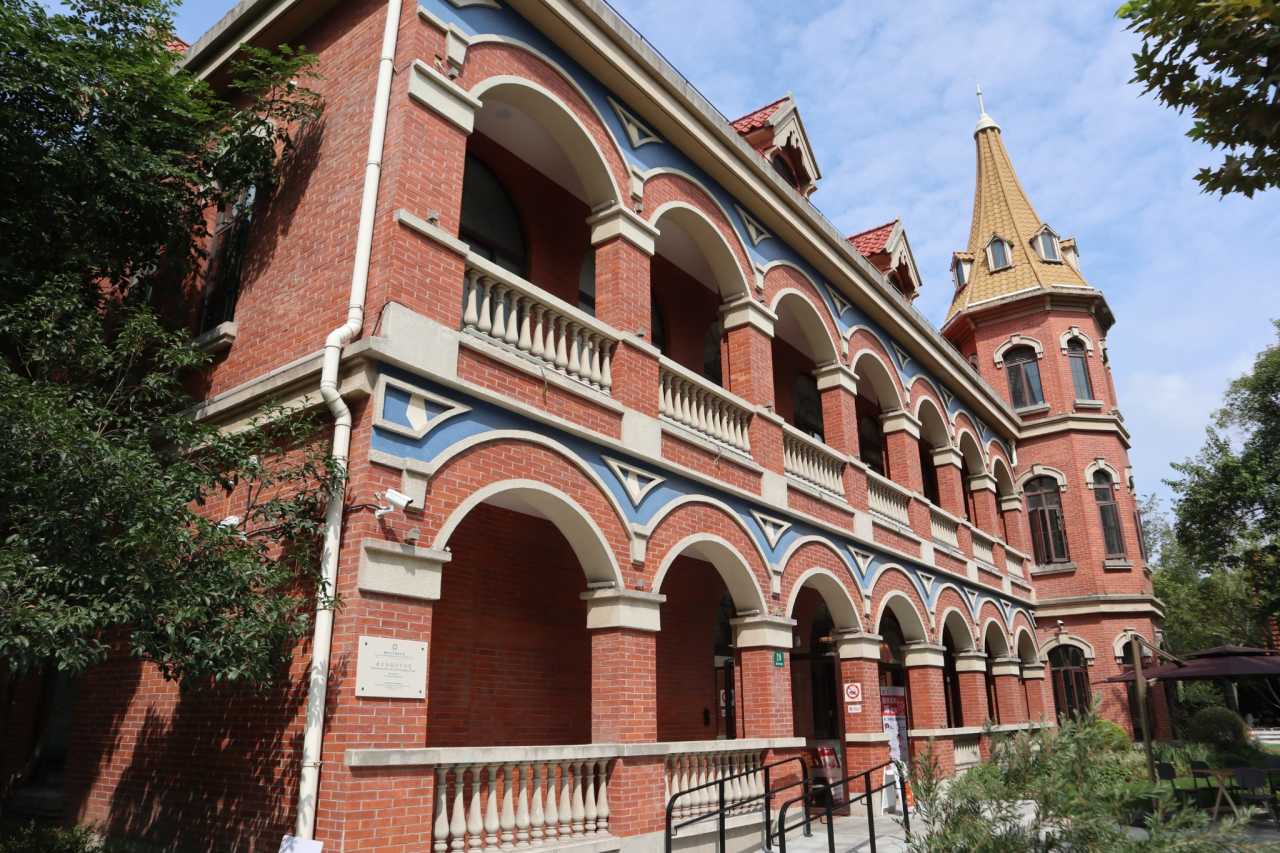
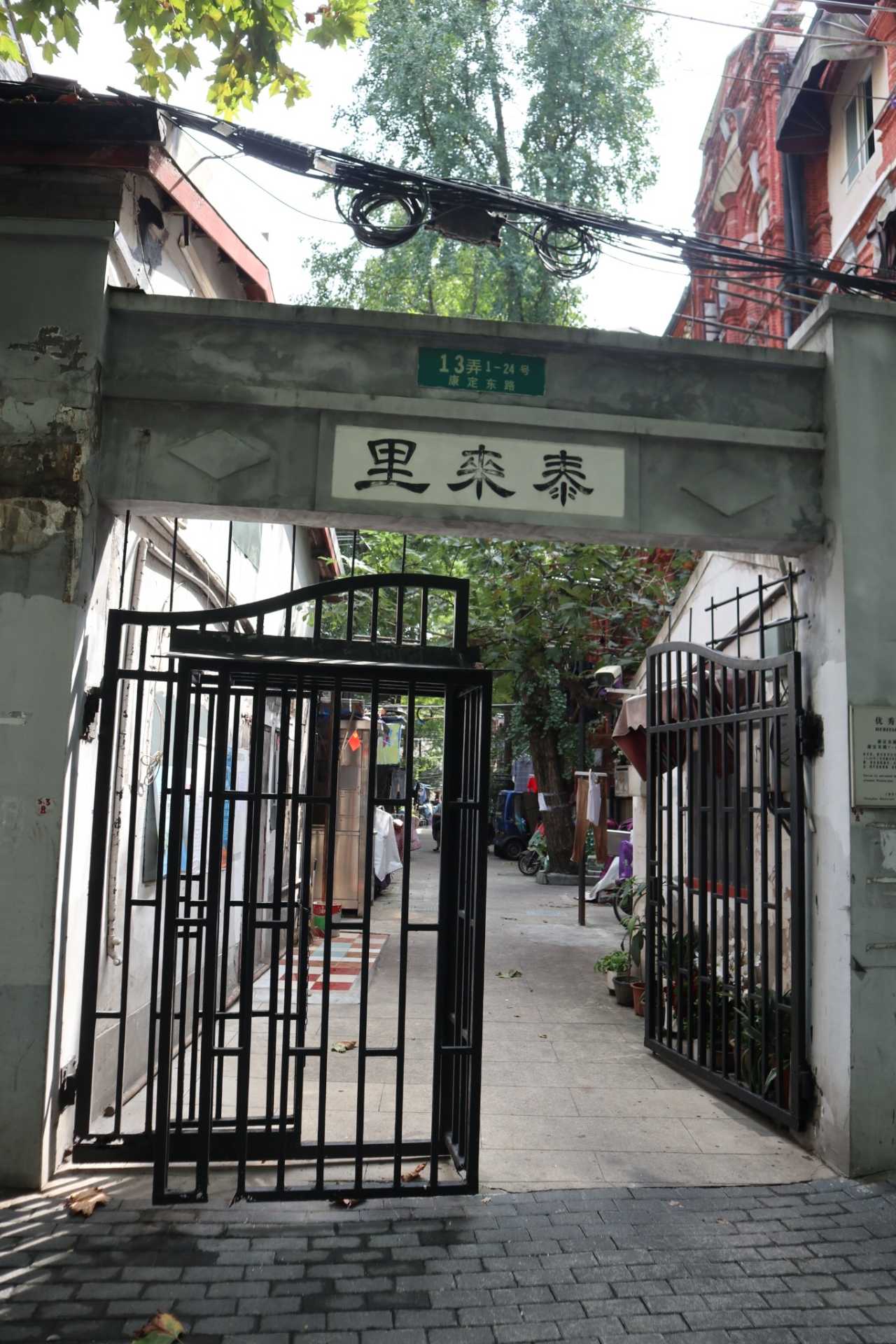
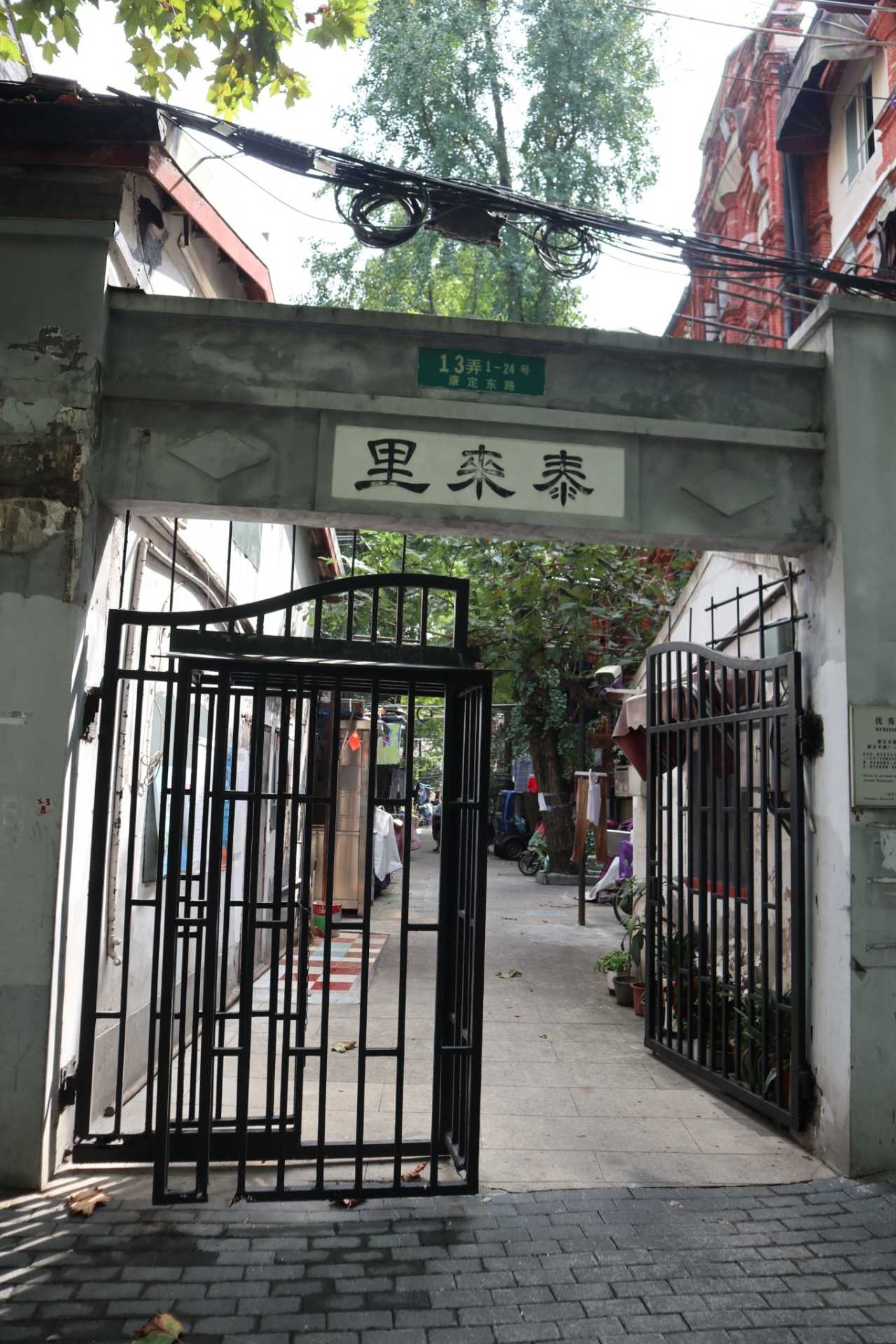
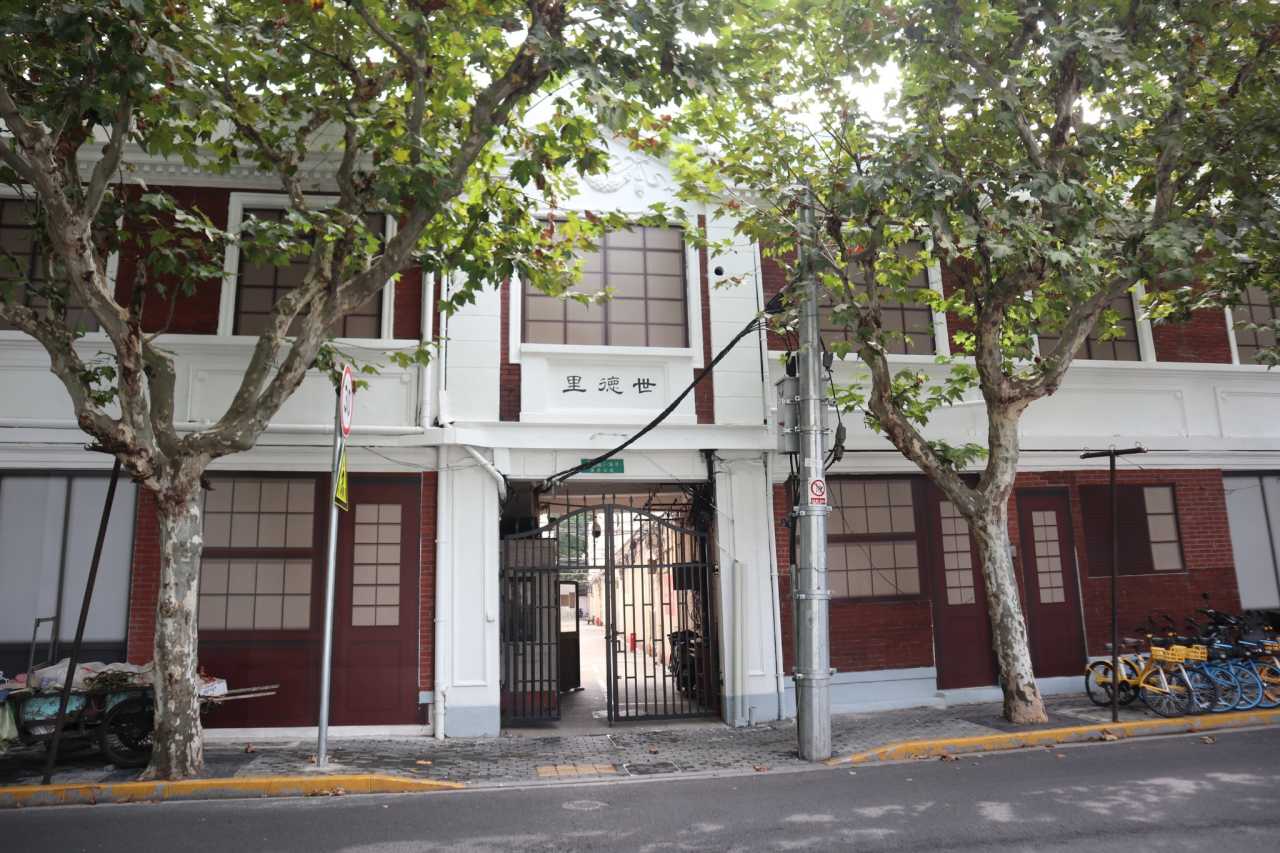
A few minutes' walk from Hanzhong Road Station brought me into the heart of Kangding East Road. The first sight was Guirenli, an alley built between 1928 and 1930 by salt merchant Huang Shoushan from Hangzhou. Fourteen two-story brick-and-wood houses stand in neat rows. On number 8, a faded plaque marks the former home of calligrapher, painter, and seal carver Lai Chusheng. Laundry hung out to dry, bicycles parked against the walls—the everyday life here feels unchanged from a century ago.
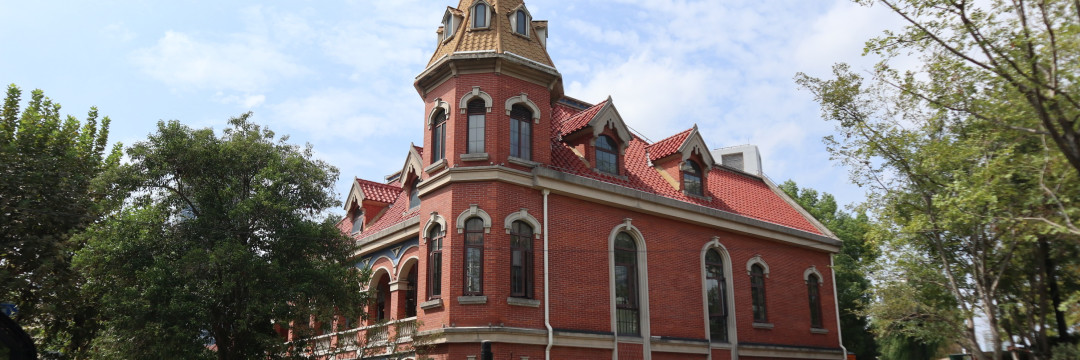
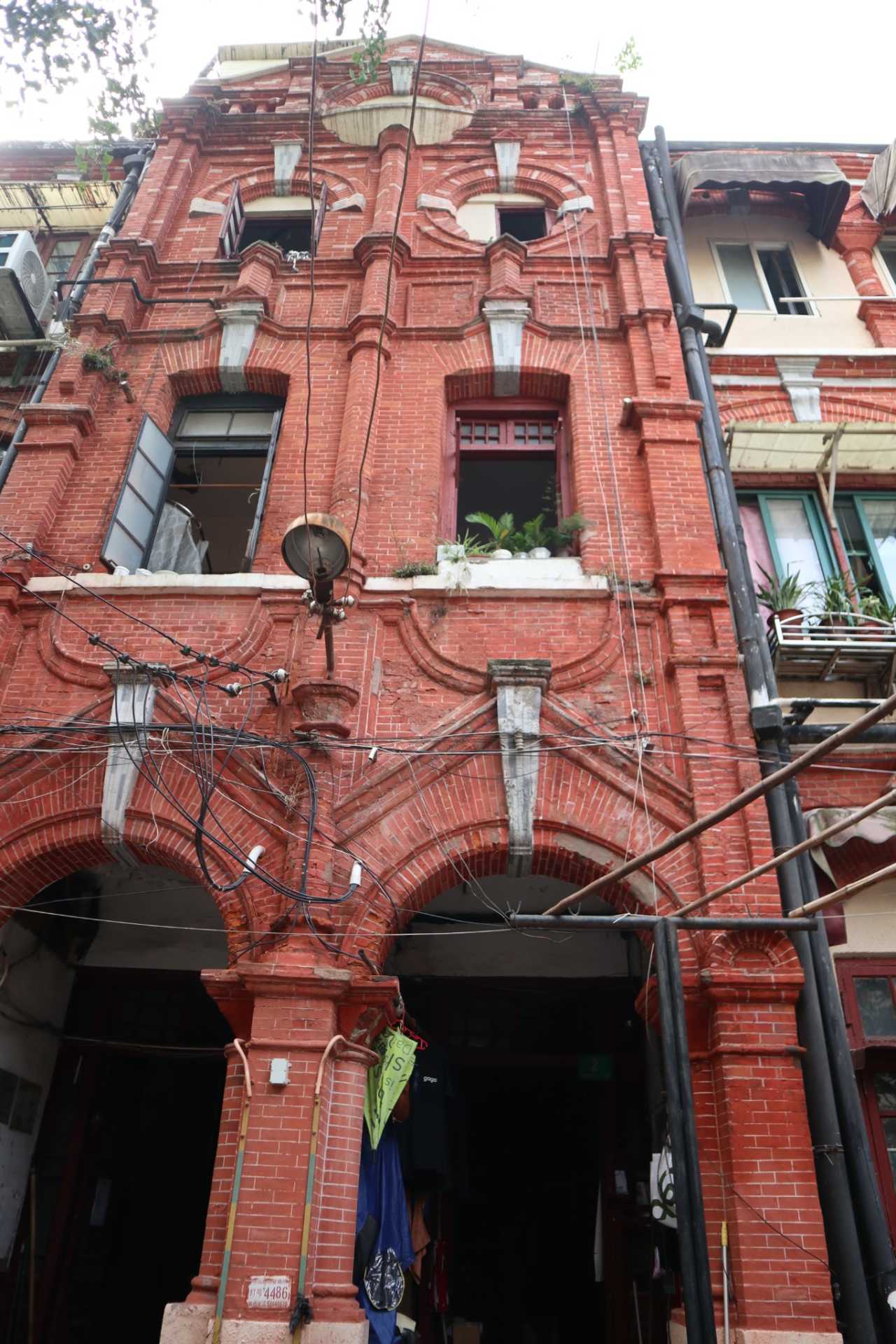
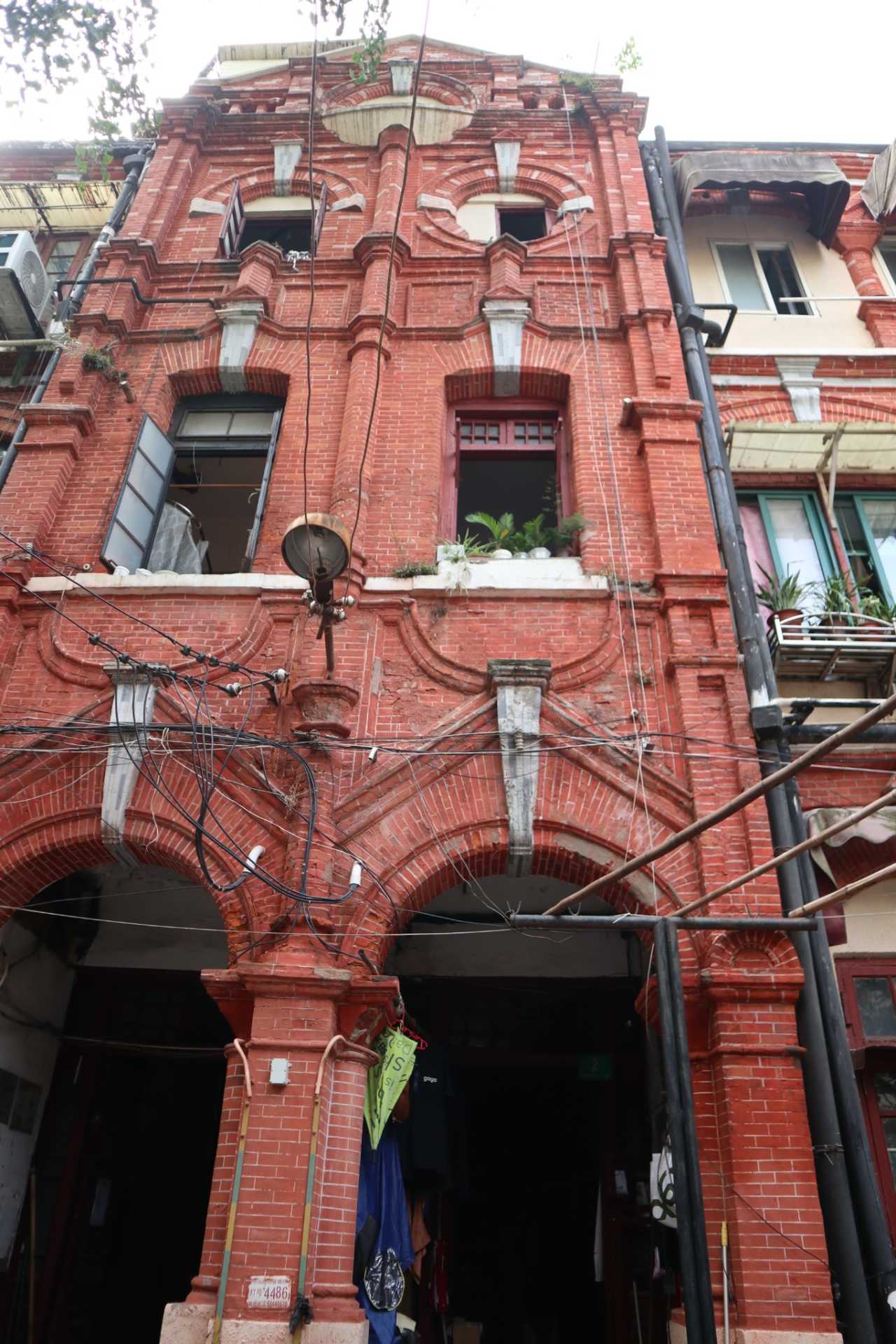
Right next door is Tailaili, built in 1933—one of the few surviving Queen Anne-style row houses in Shanghai. Red brick walls, gable decorations, arched window frames—every detail tells the story of an era when Chinese and Western architectural styles fused together.
Jing'an District Children's Library: From the Scent of Books to the Scent of Food
The most eye-catching building on Kangding East Road is the former Jing'an District Children's Library. This Queen Anne Revival-style villa has now been converted into a community canteen. Standing at the entrance, I felt a strange sense of dislocation—the windows where children once borrowed fairy tales now waft the aroma of home-cooked meals. This shift in function is, in its own way, a testament to the city's living, breathing vitality.
Butterfly Bay Park: An Unexpected Delight by Suzhou Creek
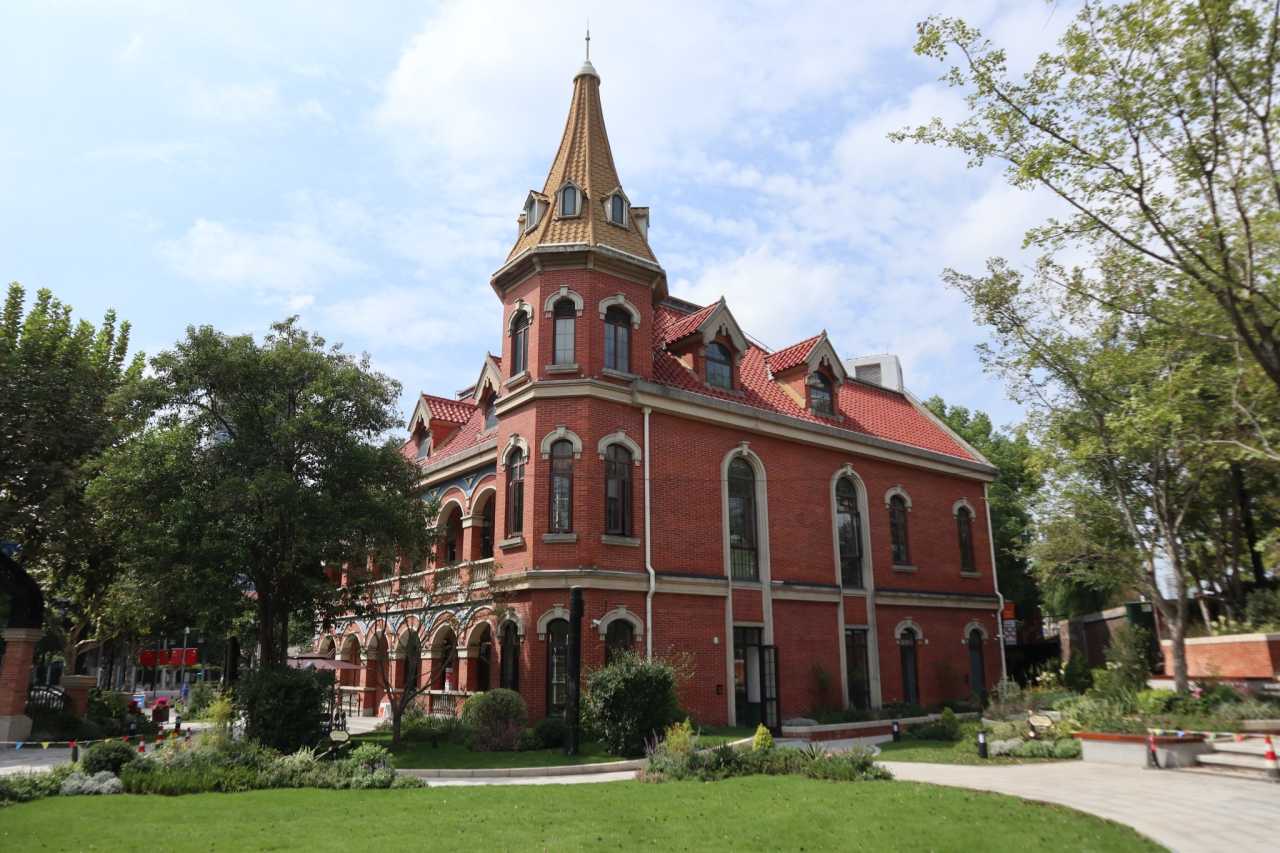
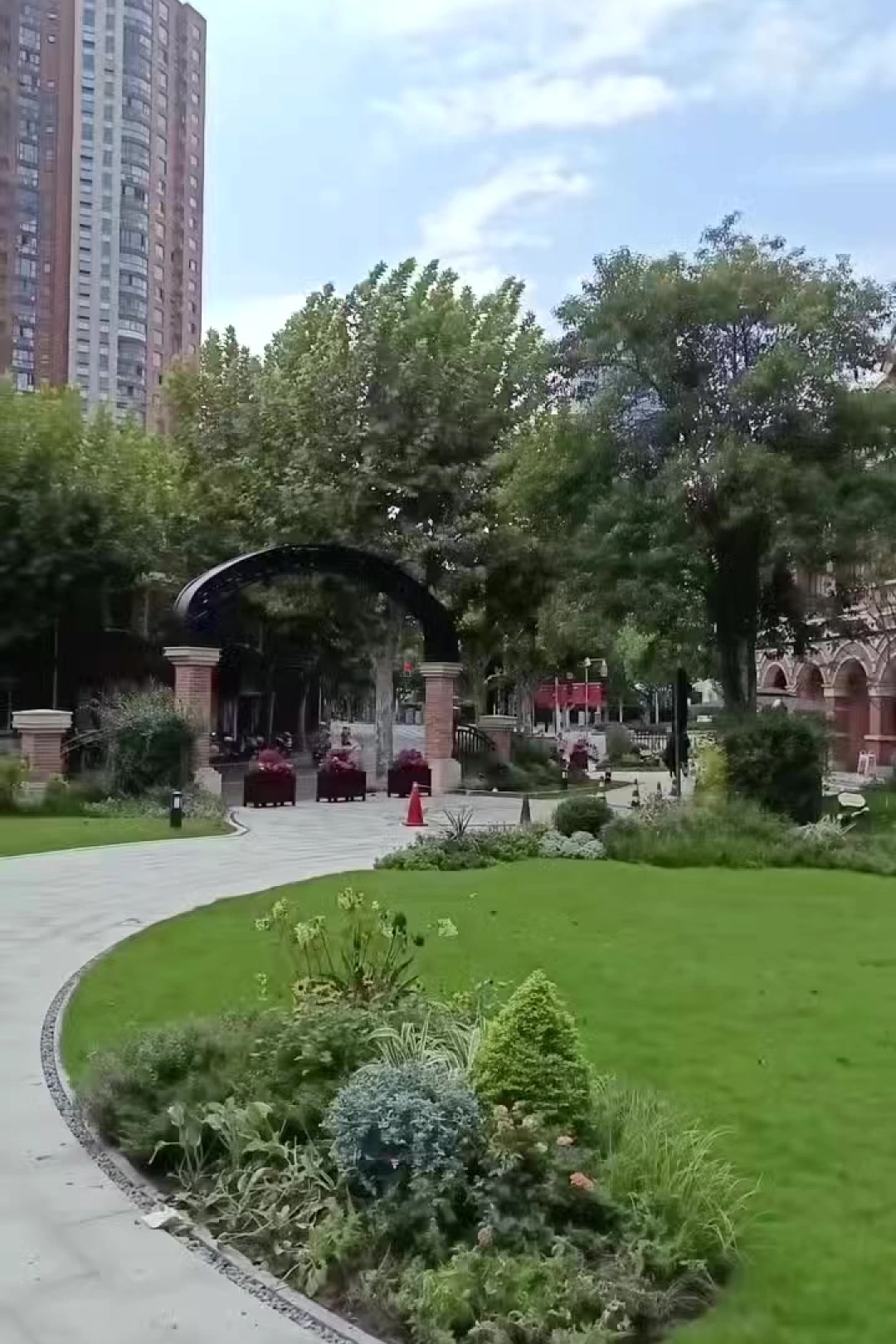
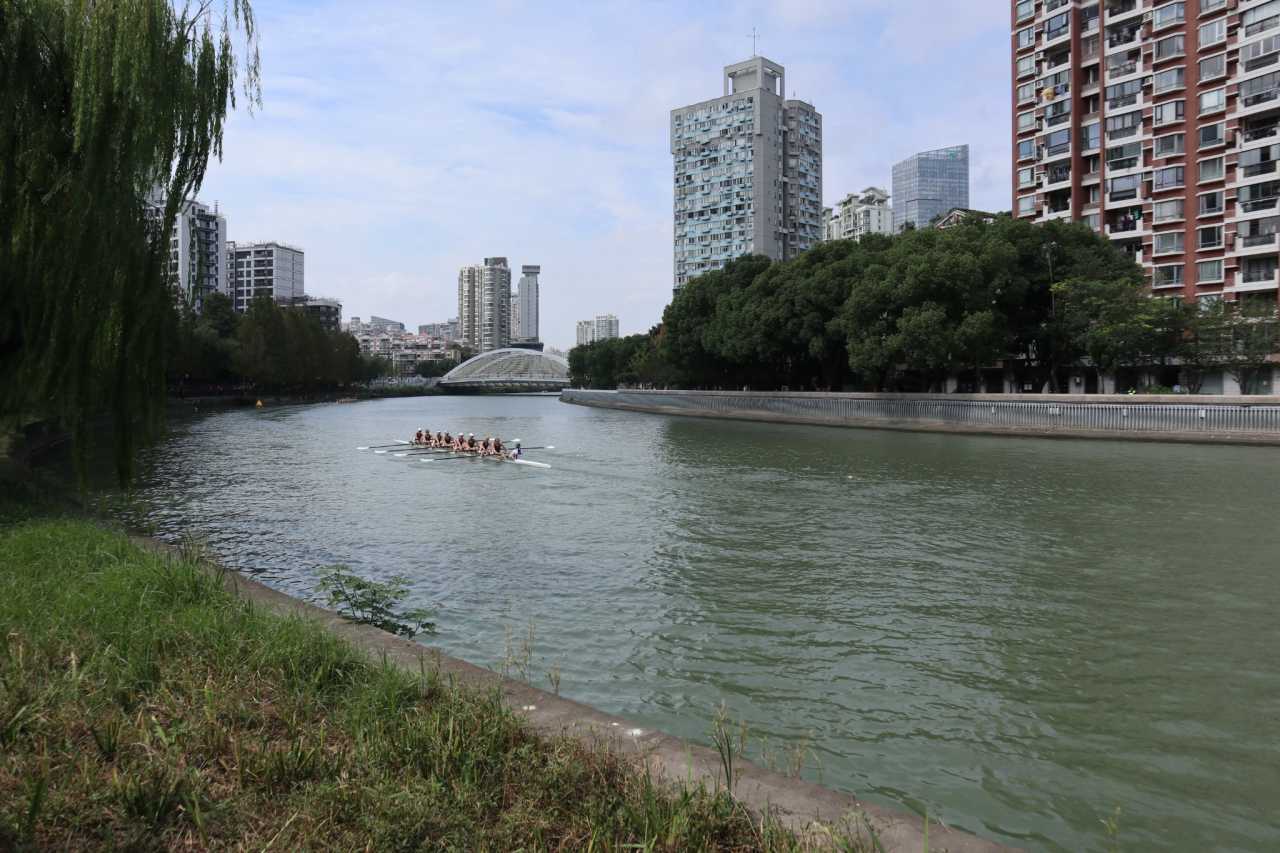
Crossing Taixing Road, I arrived at Butterfly Bay Park. This 15,000-square-meter ecological green space is a new urban waterfront along Suzhou Creek. It happened to be National Day, and a rowing race was underway on the river. Foreign athletes pulled hard at their oars, creating a striking contrast with the locals strolling leisurely along the banks. Suzhou Creek bends here in an elegant curve, like a butterfly's wings—and like the city's own history, winding yet always moving forward.
Zhang Ailing's Former Residence: Where a Legend Began
The Birthplace of Shanghai's Original "It Girl"
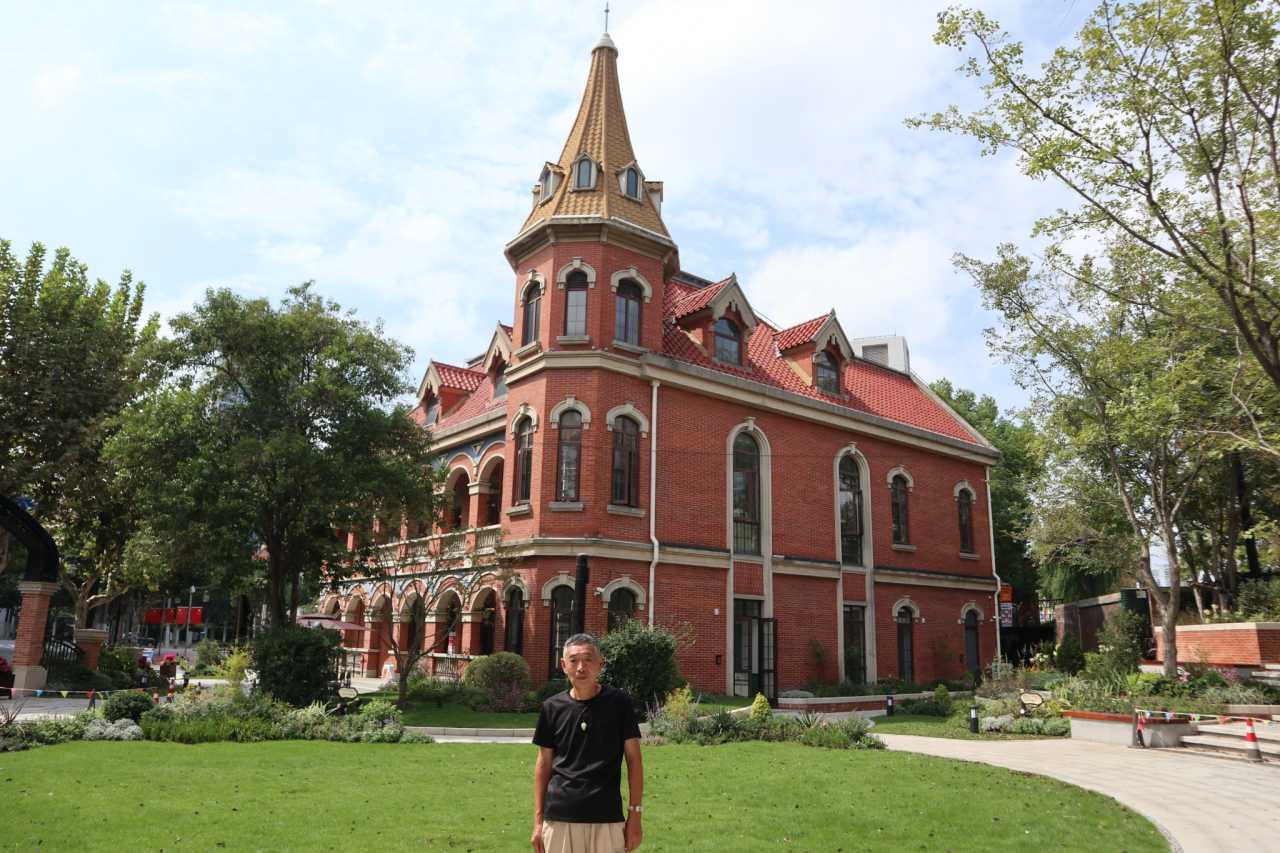
At 85 Kangding East Road, a Western-style building from the late Qing dynasty stands quietly under the plane trees. This is where Zhang Ailing was born—her great-grandfather Li Hongzhang gave the house as a dowry to his daughter Li Jujian (Zhang's grandmother). On September 30, 1920, Zhang Ailing came into the world here, beginning a life both legendary and tragic.
On the second floor, there's a small balcony. I imagined a young Zhang Ailing gazing out at the street, already plotting the stories that would later stun the literary world—from Love in a Fallen City to Red Rose, White Rose, from The Golden Cangue to Aloeswood Incense: The First Brazier. When she moved back here in 1934, she wrote My Ideal Country Village, Modern Dream of the Red Chamber, A Stepmother's Heart, The Ox, and Farewell My Concubine. Later, she left this house to reunite with her mother—and never returned.
Love and Loneliness: Zhang Ailing's Two Marriages
Standing before her former home, I couldn't help thinking about Zhang Ailing's complicated emotional life. In 1944, at 24, she married Hu Lancheng, who was 38. Their marriage certificate read: "May the years be peaceful, and the present world be stable." But times changed abruptly. Hu Lancheng took up with other women during his flight from the war, and in 1947, after one final meeting in Shanghai, Zhang ended the marriage with a farewell letter.
In 1956, now living in the United States, Zhang met Ferdinand Reyher, 65, at the MacDowell Colony for the arts. After two months together, she—then 36—fell in love with the American writer, 29 years her senior. Shortly after their marriage, Reyher suffered a stroke. Zhang cared for him devotedly until his death in 1967. She then lived in solitude for nearly three decades, until she passed away in her Los Angeles apartment on September 8, 1995, at the age of 74.
Yuanli Pawnshop: A Century of Ups and Downs for Shanghai's Premier Pawnbroker
A ten-minute walk from Zhang Ailing's residence brought me to the Yuanli Pawnshop Museum at 203 Wuding Road. Built in 1932, this is the largest and best-preserved pawnshop in Shanghai, known as "Shanghai's Number One Pawnshop."

Entering the museum, I was first struck by the architecture itself—the gray bricks and black tiles of traditional Huizhou design, seamlessly blended with Baroque reliefs and Roman columns. The founder, Lu Tuanxiao, opened the shop in 1932, and at its peak, its monthly turnover reached 200,000 to 300,000 yuan—a financial legend. It closed in 1946 when the civil war caused economic collapse, and in 1956, the Lu family donated it to the state. After renovations in 2019, it opened to the public as a museum.
The most unforgettable feature is the underground vault—heavy iron doors, complex locks, and the faint lingering scent of gold and silver. Standing before it, I suddenly understood why locals say, "A pawnshop is the city's memory safe."
[Link: Top Shanghai museums for history buffs]
Nanchang Road: One Street, Half a Modern History
Ruan Lingyu's Former Residence: A Tragedy at 25
Taking bus 36 to the Chongqing South Road-Huaihai Middle Road stop, I entered the territory of Nanchang Road. My first stop was Ruan Lingyu's former residence. Born in Shanghai in 1910, this legendary film star was gone at 25. Her home is on Xinzha Road in Qinyuan Village, a three-story villa.
Ruan Lingyu's life was a microcosm of a Republican-era woman's fate—from her entanglement with Zhang Damin, to her cohabitation with wealthy merchant Tang Jishan, to her ambiguous affair with director Cai Chusheng. All three relationships ended in tragedy. On March 8, 1935, she wrote two suicide notes and took an overdose of sleeping pills, leaving behind the famous last words: "Gossip is a fearsome thing." Standing before her house, I could almost hear the injustice and prejudice that women of that era endured.
The New Youth Editorial Office: Where the Spark Was Lit
At 2, Lane 100, Nanchang Road, an unremarkable old building marks the birthplace of the Communist Party of China's founding group—the former editorial office of New Youth. In 2021, it was listed among Shanghai's first batch of revolutionary cultural relics.
Standing before the model of the editorial office, I could almost see Chen Duxiu, Li Dazhao, and Lu Xun passionately writing and debating here. Founded in 1915, New Youth was like a thunderclap that awakened a generation. The magazine championed vernacular Chinese, promoted science and democracy, and laid the ideological groundwork for the May Fourth Movement. This tiny room on Nanchang Road became the epicenter of China's intellectual revolution.
Xu Zhimo's Former Residence: A Poet's Romantic Legacy
Further down Nanchang Road, at number 340, stands the former home of Xu Zhimo—one of China's most beloved romantic poets. The three-story garden house, built in the 1920s, still retains its original wooden staircase and stained-glass windows. Xu Zhimo lived here with his second wife, Lu Xiaoman, during the most productive period of his life.
It was here that he wrote some of his most famous poems, including Farewell to Cambridge and Accidental. The house witnessed the passionate love affair between the poet and the socialite—a relationship that scandalized conservative society but produced some of China's most enduring verse. Xu Zhimo died in a plane crash in 1931 at the age of 34, leaving behind a legacy of romanticism that still resonates today.
[Link: Best literary walking tours in Shanghai]
Practical Tips for Your Half-Day Cultural Walk
Route Planning
Start at Hanzhong Road Station (Line 12) around 9 AM. Spend about 2 hours exploring Kangding East Road, including Zhang Ailing's residence and the Yuanli Pawnshop. Take a break at Butterfly Bay Park, then head to Nanchang Road for the afternoon. The entire route covers about 3 kilometers and takes 4-5 hours at a leisurely pace.
Best Time to Visit
October and November are ideal—the plane trees are turning gold, and the weather is cool and pleasant. Weekdays are quieter, but weekends offer a more vibrant street life. Avoid Chinese public holidays if possible, as the parks and museums can get crowded.
What to Bring
- Comfortable walking shoes (you'll be on your feet for hours)
- A camera (every corner is photogenic)
- Cash (some smaller shops and food stalls don't accept cards)
- A notebook (you'll want to jot down stories and addresses)
Nearby Dining Options
- Lao Shanghai Restaurant on Wuding Road for authentic Shanghainese cuisine
- Community canteen at the former Children's Library (budget-friendly and authentic)
- Street food stalls along Nanchang Road for quick bites
[Link: Essential Shanghai travel guide for first-timers]
FAQ: Shanghai's Cultural Walking Tours
1. Is Kangding East Road safe for solo travelers?
Yes, Kangding East Road is very safe for solo travelers, including women traveling alone. The area is well-lit, has regular police patrols, and is popular with both locals and tourists. Just practice standard urban safety precautions.
2. How long does it take to walk from Kangding East Road to Nanchang Road?
 The walking distance between the two streets is about 20-30 minutes, but you'll want to allocate at least 3-4 hours to explore both thoroughly. Public buses (like route 36) and taxis are also available.
3. Are the historical sites on Kangding East Road free to visit?
Most of the street-side architecture and former residences are free to view from the outside. The Yuanli Pawnshop Museum charges a small entrance fee (around 20 RMB). Some buildings may be private residences, so please respect residents' privacy.
4. What's the best way to combine this route with other Shanghai attractions?
 This half-day walk pairs perfectly with a visit to Jing'an Temple (20 minutes away) or the Shanghai Jewish Refugees Museum (30 minutes by taxi). You can also extend your walk to include the French Concession area.
5. Is English signage available at these historical sites?
Major sites like the Yuanli Pawnshop Museum have English descriptions, but smaller alleys and former residences may only have Chinese signs. Download a translation app or carry a phrasebook for the best experience.
Conclusion: Why This Walk Matters
Standing at the end of Nanchang Road, watching the sunset filter through the plane trees, I realized this half-day walk had done something remarkable—it had condensed a century of Chinese history into a few hours of footsteps. From the British-built military road to the birthplace of modern Chinese literature, from a film star's tragedy to a poet's romance, every corner of Kangding East Road and Nanchang Road tells a story.
This is not the Shanghai of skyscrapers and shopping malls. This is the Shanghai of Zhang Ailing's melancholy, of Ruan Lingyu's despair, of Xu Zhimo's passion, of the New Youth editors' revolutionary fervor. This is the Shanghai that shaped modern China.
So next time you're in Shanghai, skip the Bund crowds and the Disney queues. Put on your walking shoes, start at Hanzhong Road Station, and let these two streets take you on a journey through time. You'll never see Shanghai the same way again.
Ready to explore Shanghai's hidden history? Book a guided walking tour or download our [Link: Shanghai cultural walking map PDF] to start your adventure today. Share your experience with us using #ShanghaiCenturyWalk—we'd love to see your photos and hear your stories!