A Stroll Around the City: The 2025 "Cape of Good Hope" Imprint on Shanghai (Season 2) – An SEO-Optimized Guide
Meta Description: Discover Shanghai's hidden gems in 2025 with our guide to the "Cape of Good Hope" imprint. From industrial heritage parks to architectural wonders, explore the city's transformation. Perfect for urban explorers and culture enthusiasts.
Introduction: A Journey of Resilience and Discovery
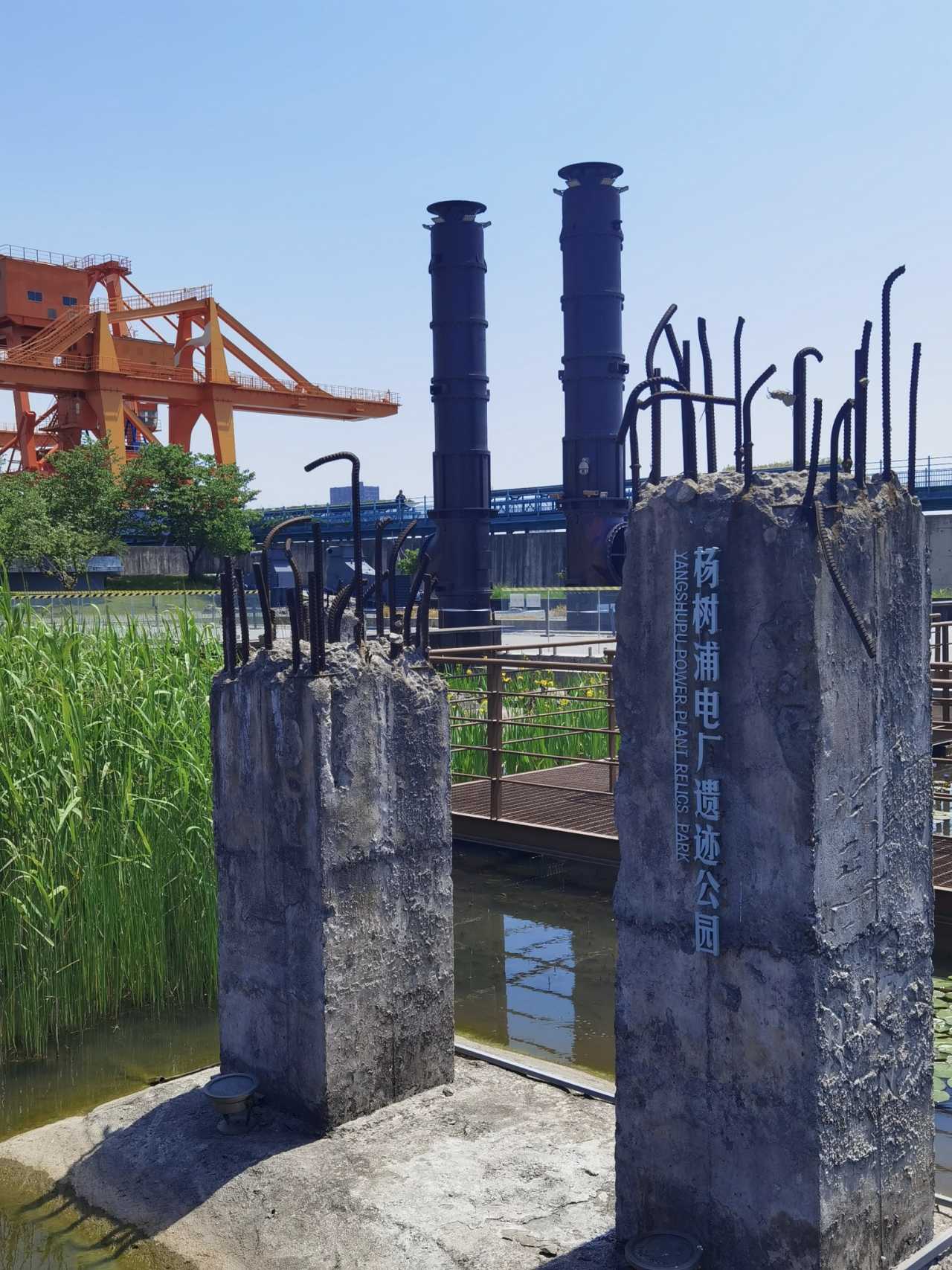
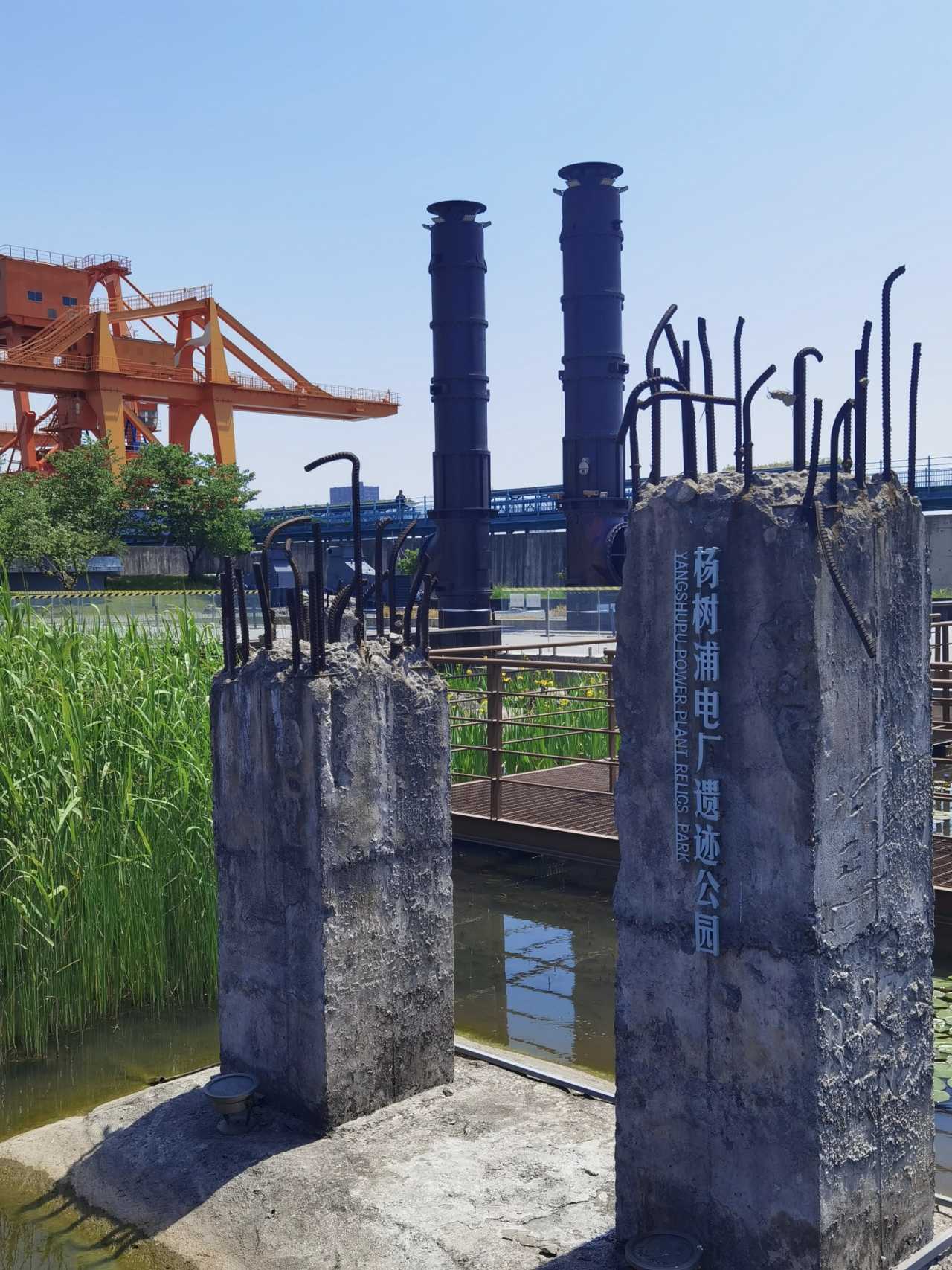
Spring 2025 was supposed to be a grand adventure—a journey to Tibet, then onward to Nepal. But fate, as it often does, scribbled unexpected doodles across my carefully laid-out itinerary. A cervical spine surgery in March derailed my travel plans, but it also sparked an unexpected journey of discovery right here in Shanghai. Sixteen days after being discharged from the hospital, I found myself exploring the Yangshupu Power Plant Heritage Park, and from there, a new season of urban exploration began.
This article chronicles my "Cape of Good Hope" journey—a testament to resilience, curiosity, and the beauty of Shanghai's industrial heritage. Whether you're a local looking for weekend adventures or a traveler seeking off-the-beaten-path attractions, this guide will help you uncover the city's hidden gems.
Why Industrial Heritage Tourism is Booming in Shanghai
The Rise of Adaptive Reuse in Urban Spaces
Shanghai's industrial past is being reborn as cultural and creative spaces. From power plants to oil tanks, the city is transforming its industrial relics into vibrant public parks, museums, and art spaces. This trend, known as adaptive reuse, not only preserves history but also creates unique destinations for visitors.
What Makes Shanghai's Industrial Parks Special?

Unlike traditional museums, these spaces offer an immersive experience. You can walk through former factories, touch rusted machinery, and imagine the roar of engines that once powered the city. It's a living history lesson that appeals to photographers, history buffs, and families alike.
Yangshupu Power Plant Heritage Park: A Glorious Transformation
From Thermal Power Plant to Public Park
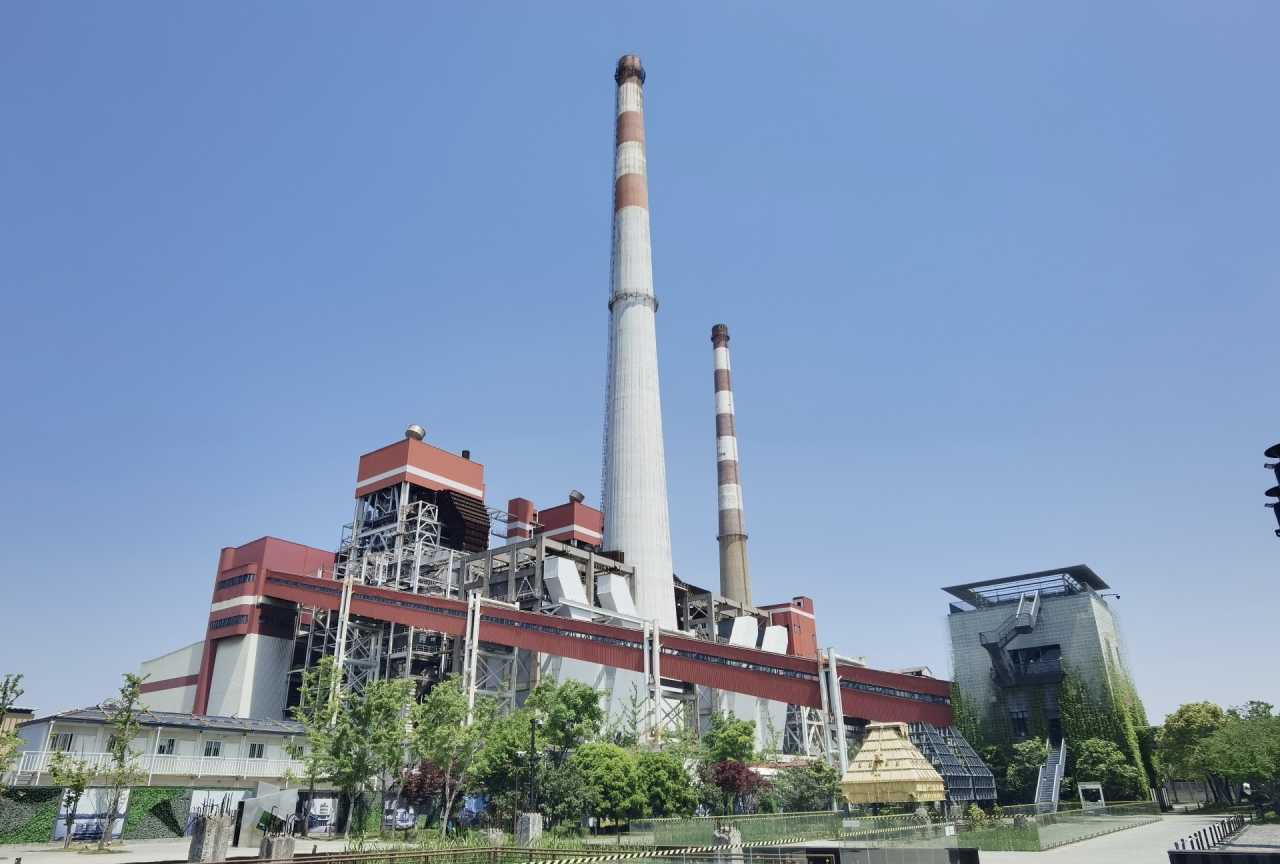
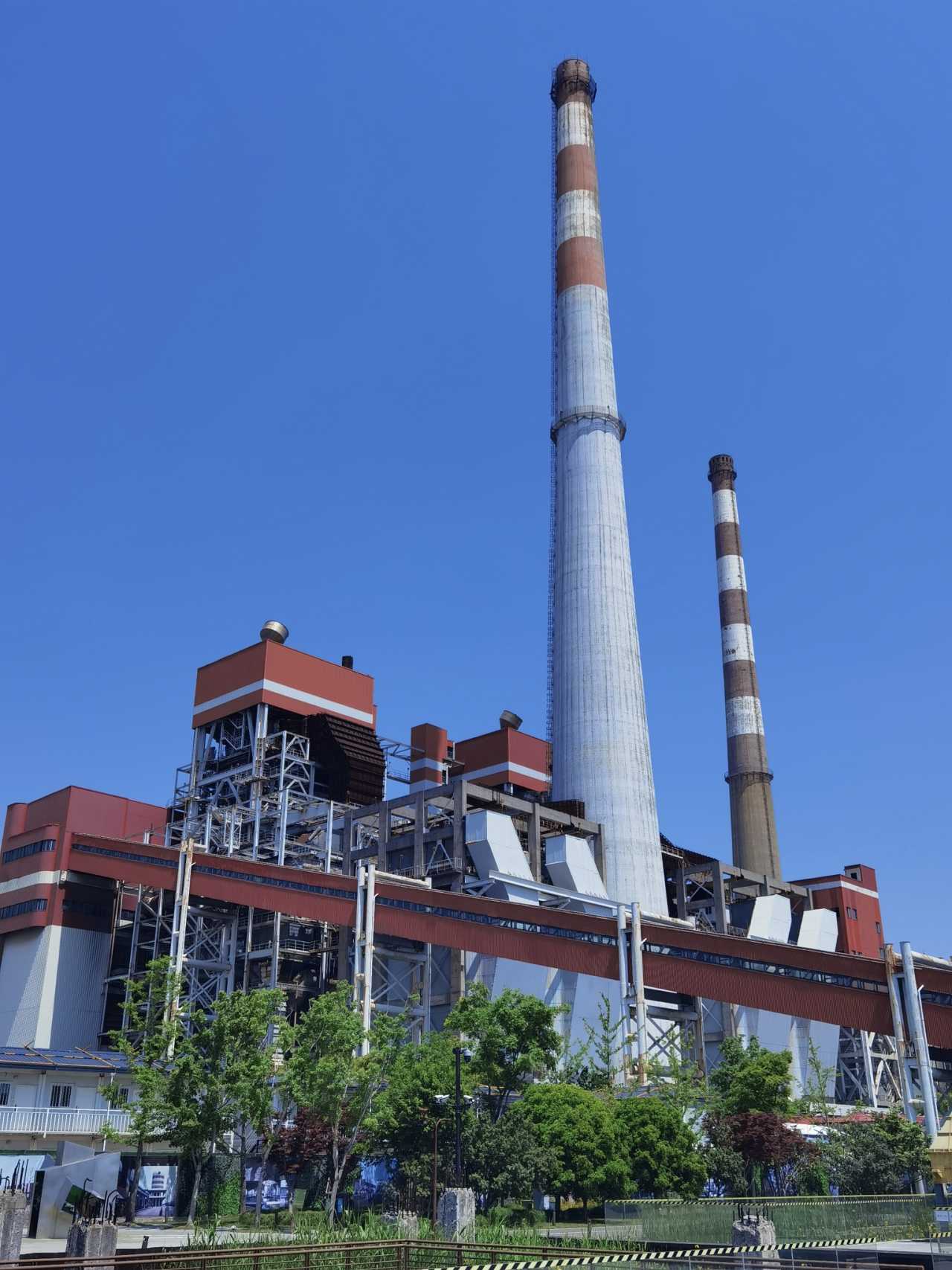
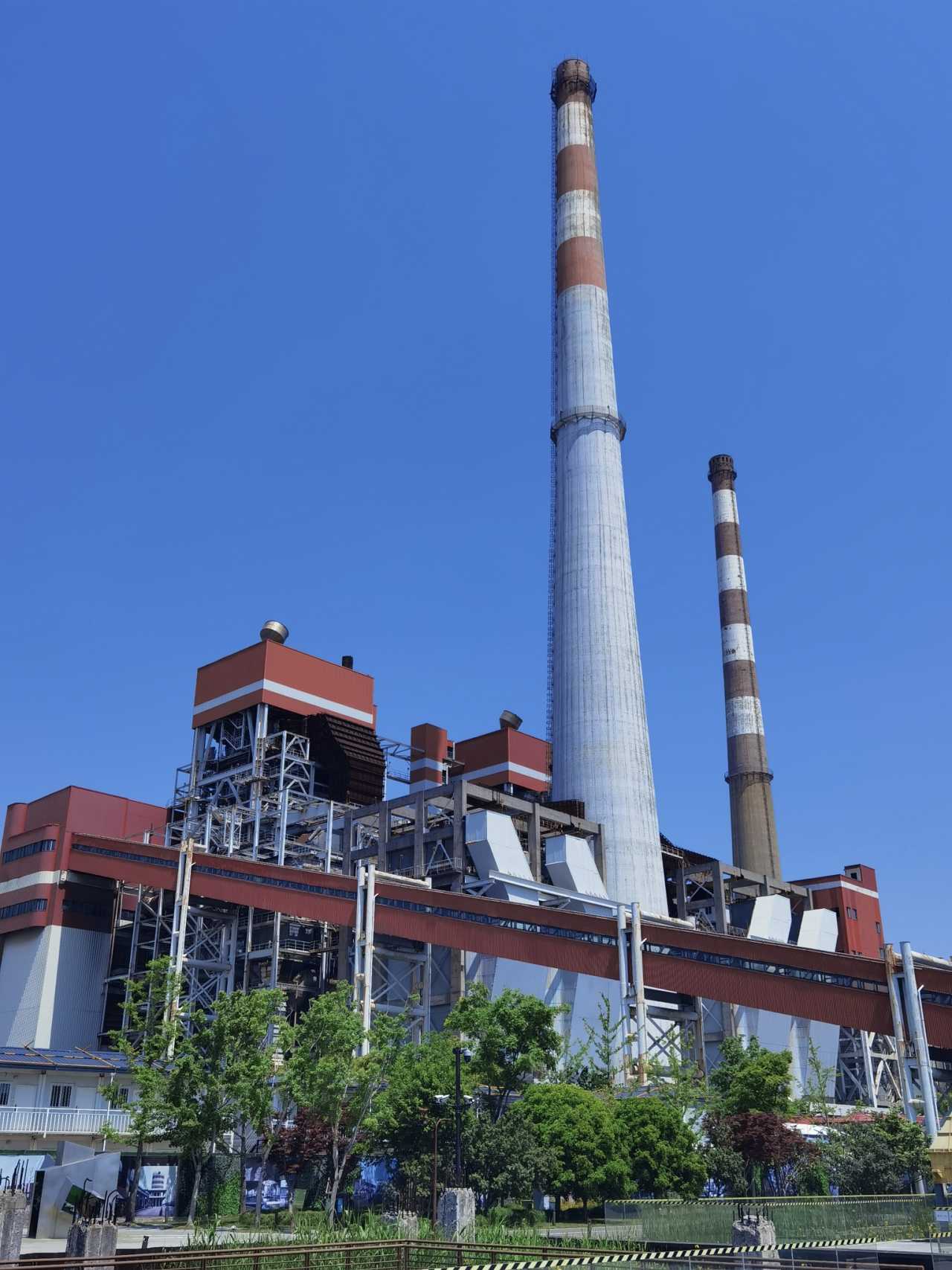
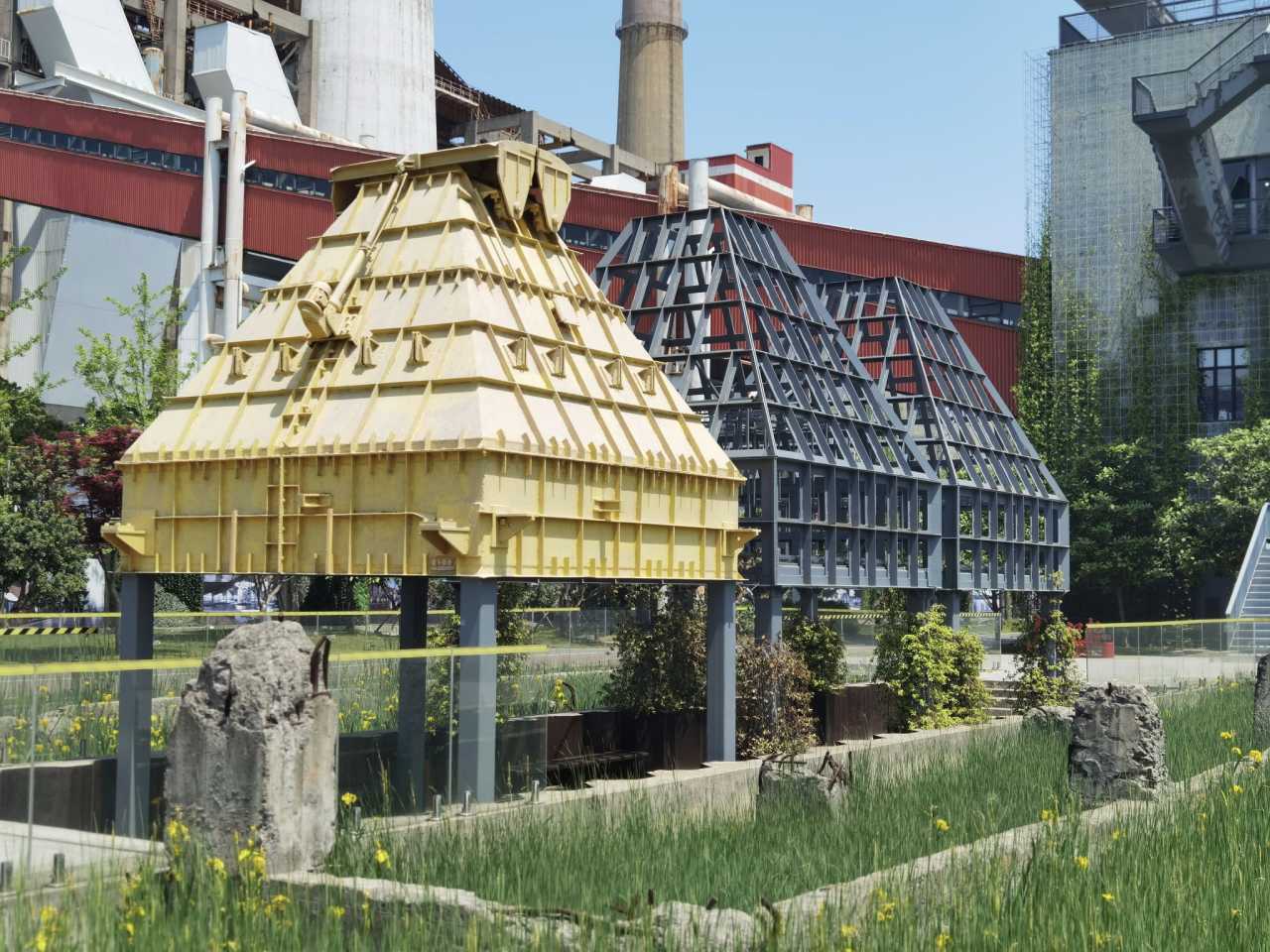
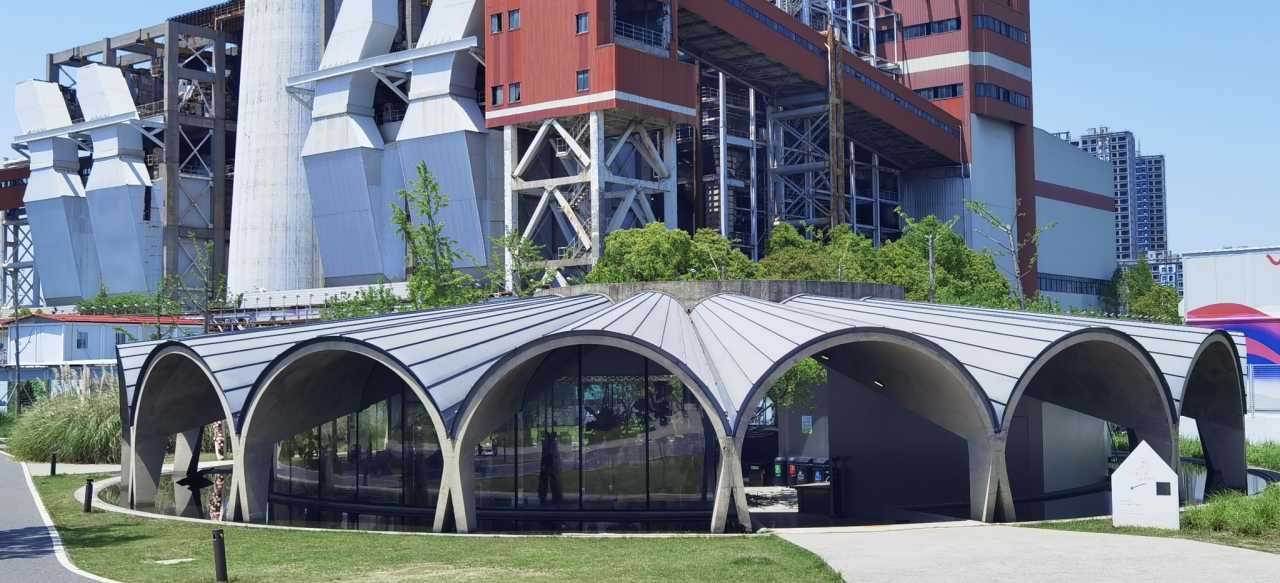
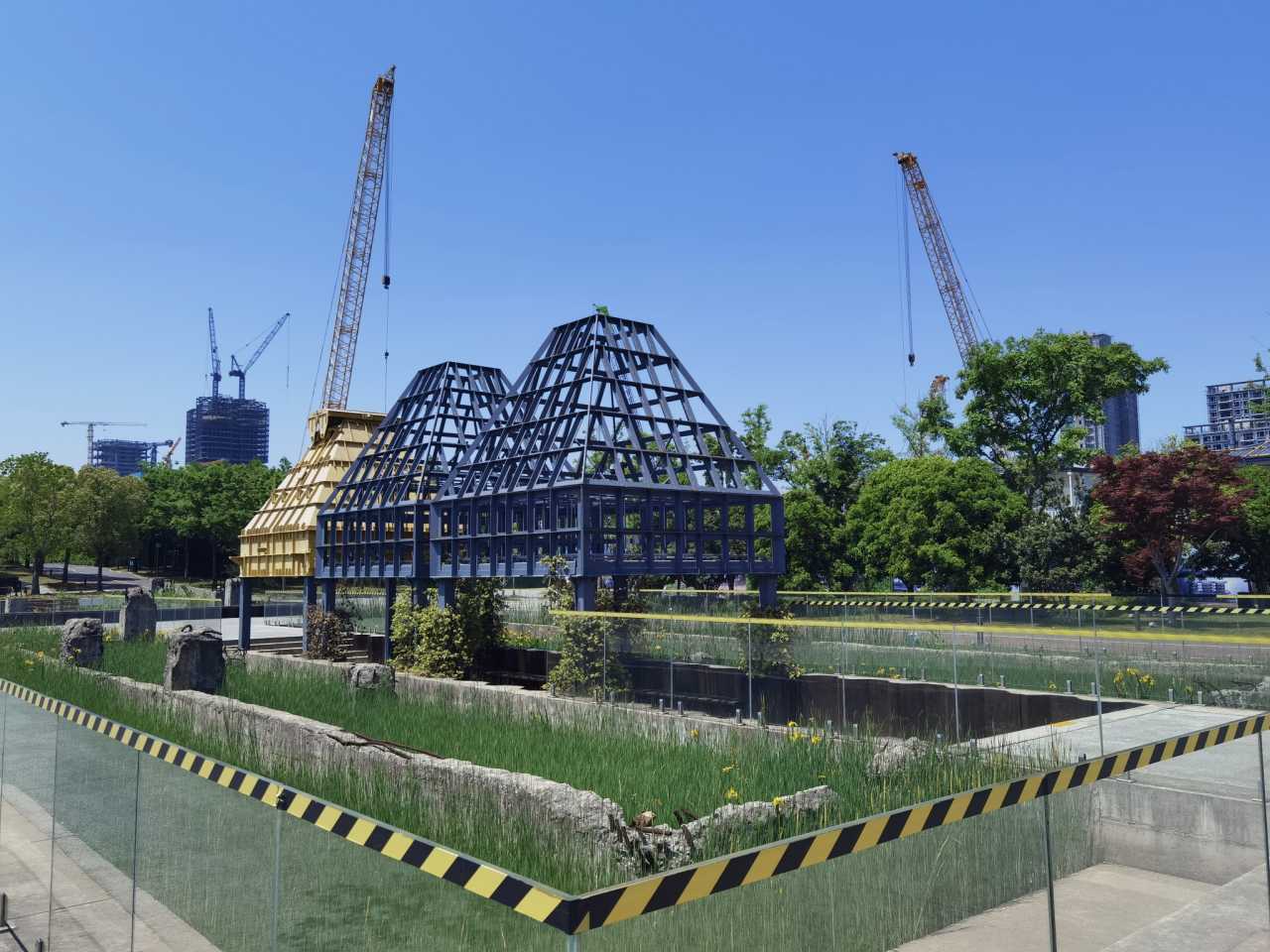
Yangshupu Power Plant Heritage Park is a shining example of Shanghai's industrial heritage revival. Once the largest thermal power plant in the Far East, it now stands as a public park with two iconic 105-meter chimneys—once the tallest structures in China. The park's centerpiece is the enormous coal conveyor bridge, which looks like a giant slide from a distance. While climbing it is not allowed (as confirmed by park staff), it remains a stunning photo opportunity.
Ash Silo Art Space: Where Industry Meets Art
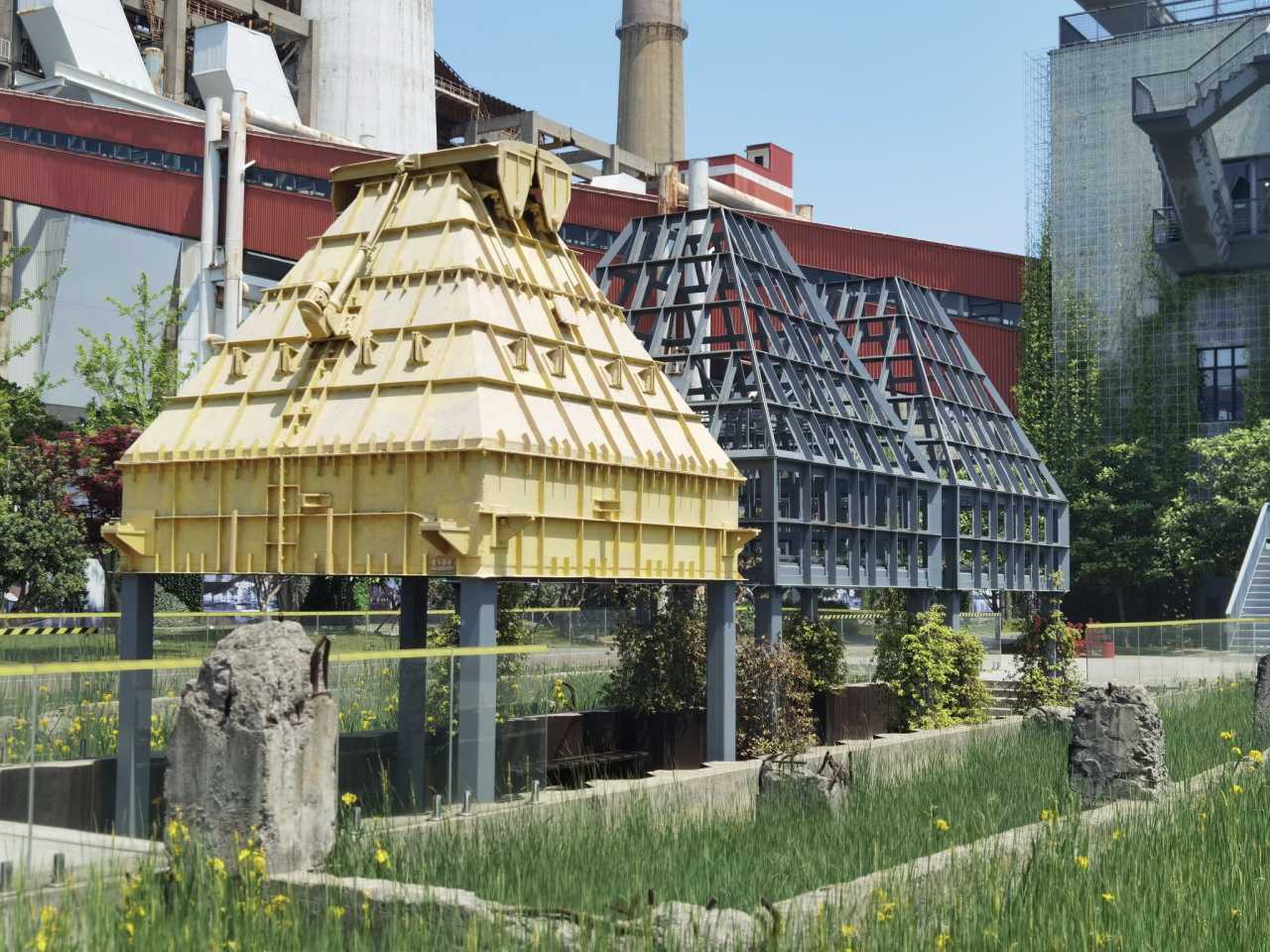
The former ash silos have been transformed into the Ash Silo Art Space. From the outside, the three cylinders appear simple, but inside, they hide spiral staircases and circular openings. Unfortunately, no exhibition was on display during my visit, but the space itself is worth exploring. Standing there, watching the rusted industrial relics shimmer against the waves of the Huangpu River, you can almost hear the echoes of machinery roaring a century ago.
Key Features: - Free admission - Perfect for photography enthusiasts - Located near the Huangpu River for a scenic stroll
Changyang Valley: A Creative Park with Historical Roots
The History of Donghua Cotton Mill
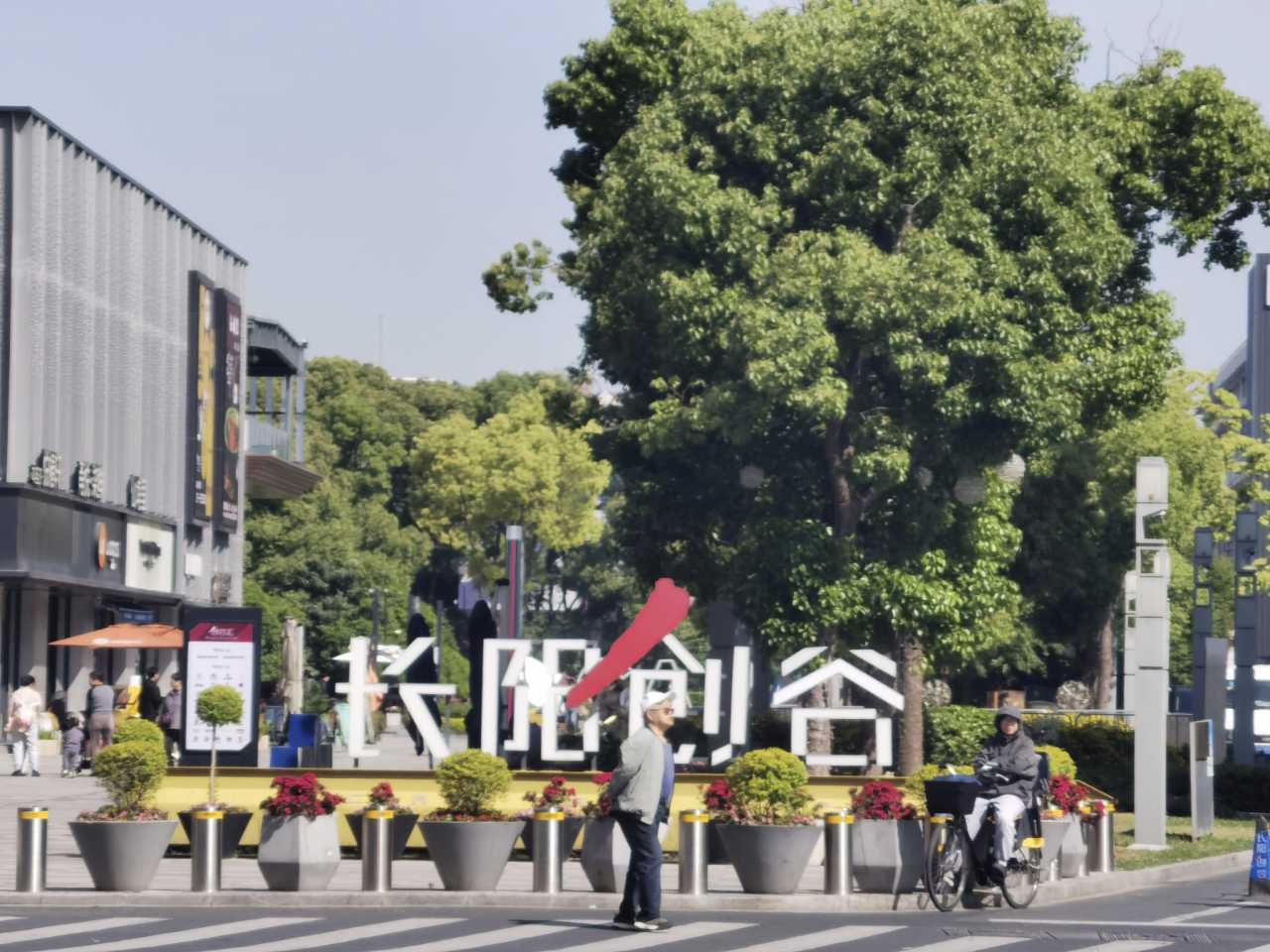
Changyang Valley was originally the Donghua Cotton Mill, established by Japanese merchants in 1920. After the founding of the People's Republic of China, it became the China Textile Machinery Factory. In 2020, this important machinery factory closed and was transformed into a creative park. Today, it's no longer a cold, lifeless factory but an excellent place for locals to study, relax, and exercise.
What to See and Do at Changyang Valley
- Art Galleries and Libraries: The park houses several art galleries and a library, perfect for a quiet afternoon.
- Munger Academy: Founded in 2019 by publishing veteran Shi Hongjun, this non-profit educational institution is centered on Charlie Munger's philosophy, promoting value investing and interdisciplinary thinking.
- Food Shops: The west side of Changyang Road is lined with snack eateries, offering a taste of local life.
- "20,000 Household" Residences: A display of housing from Shanghai's Yangpu District, symbols of advanced workers during the Great Leap Forward era.
Pro Tip: Visit on weekdays to avoid crowds and enjoy the park's serene atmosphere.
Tongji University Museum: A Masterpiece of Architectural Preservation
A Hidden Gem for Architecture Enthusiasts
If you're fascinated by Chinese architecture, the Tongji University Museum is a must-visit. My child's recent interest in ancient Shanxi architecture led me back to this museum, where I had previously seen stunning Shanxi architectural models. Note: The museum is open on Mondays but closed on Sundays—a schedule that differs from most museums.
The Chinese Architecture Exhibition Hall
The third floor houses the "Chinese Architecture and Chinese Architectural Culture Exhibition Hall," spanning 700 square meters. It displays 15 models of iconic Chinese buildings and 2 models of classical bridges. These models were meticulously crafted by Shanxi artisans at specific scales, telling the story of Chinese architecture chronologically from the Han Dynasty to modern times.
Notable Exhibits Include: - East Main Hall of Foguang Temple (Shanxi) - Guanyin Pavilion of Dule Temple (Tianjin) - Yingxian Wooden Pagoda (Shanxi) - Forbidden City (Beijing) - Fujian Tulou (Chengqi Lou) - Yueyang Tower (Hunan)
Each piece embodies the painstaking effort of its craftsman. Every step was a journey of discovery, every glance a feast for the eyes.
Admission: Free on International Museum Day (May 18)
Oil Cool Art Park: From Industrial Warehouses to Cultural Landmarks
The History of the Asiatic Petroleum Company
The Oil Cool Art Park on the Yangpu Bund is the northeast counterpart to the West Bund Oil Tank Art Center. It was formerly a warehouse of the Asiatic Petroleum Company, with the earliest tanks built in 1907 and the latest constructed in 1937. These nearly 90-year-old tanks bear witness to the rise and fall of the city's industrial development.
Exploring the Oil Tank Park
Entering the park, you're greeted by massive, towering oil tanks—I counted 28 of them. The park is filled with pipes, pipelines, steel frames, and steel staircases. Near the Fuxing Island canal stands the "Canal Light Lighthouse," once a tool for loading workers, now one of the park's landmarks. The rust-streaked tanks stand in neat rows, while the pipelines left from the past have been painted anew.
Highlights: - 28 oil tanks to explore - Industrial photography opportunities - Quiet dock area for relaxation
Yicang Art Museum: Contemporary Art on the Pudong Bund
A Warehouse Turned Art Museum
On International Museum Day (May 18), I visited the Yicang Art Museum on the Pudong Bund. Originally a warehouse for a coal shipping terminal, it was converted into an art museum in 2019. The ground floor is a café and event space, while the second and third floors house exhibitions.
"Francesco Vezzoli: Divas" Exhibition
The second floor featured "Francesco Vezzoli: Divas," an exhibition inspired by famous actresses in 20th-century film history. Through embroidery, collage, and other artistic forms, Vezzoli reimagined the "diva" image, blending cinematic styles like Italian neorealism and the French New Wave. The exhibition focused on the theme of "tears," offering a unique perspective on celebrity culture.
Admission: Free on International Museum Day; regular ticket prices apply otherwise.
FAQ: Your Questions About Shanghai's Industrial Heritage Parks
1. Are these parks free to enter?
Most parks, including Yangshupu Power Plant Heritage Park and Changyang Valley, offer free admission. Special exhibitions at art spaces like the Ash Silo Art Space or Yicang Art Museum may have ticket fees.
2. What is the best time to visit?
 Weekdays are ideal for avoiding crowds. Spring and autumn offer the most pleasant weather for outdoor exploration. Check individual venues for opening hours, as some (like Tongji University Museum) have unique schedules.
3. Can I take photographs?
Yes, photography is generally allowed. However, some indoor exhibitions may restrict flash photography. Always check signage or ask staff.
4. Are these parks suitable for families with children?
 Absolutely! Changyang Valley and Yangshupu Power Plant Heritage Park offer open spaces for children to run and play. The Tongji University Museum's architectural models are also fascinating for older kids interested in history.
5. How do I get to these locations?
All parks are accessible via Shanghai's metro system. Yangshupu Power Plant Heritage Park is near Yangshupu Road Station, while Changyang Valley is close to Changyang Road Station. Use ride-hailing apps or taxis for convenience.
Internal Linking Suggestions
To enhance your Shanghai exploration, consider these related topics: - [Link: Shanghai's Best Industrial Heritage Parks] - [Link: A Guide to the West Bund Art District] - [Link: Top Museums in Shanghai for Architecture Lovers] - [Link: Weekend Getaways from Shanghai for History Buffs] - [Link: The Ultimate Shanghai Photography Spots Guide]
Conclusion: Your Next Adventure Awaits
My 2025 "Cape of Good Hope" journey taught me that sometimes the best adventures are the ones we never planned. From the rusted chimneys of Yangshupu to the intricate models at Tongji University, Shanghai's industrial heritage parks offer a unique blend of history, art, and resilience.
Ready to explore? Pack your camera, put on comfortable shoes, and start your own journey of discovery. Whether you're a local or a traveler, these hidden gems are waiting to be uncovered. Share your experiences in the comments below—I'd love to hear about your favorite spots!
Call to Action: Subscribe to our newsletter for more urban exploration guides, and don't forget to follow us on social media for daily inspiration. Your next adventure is just a stroll away.
You may also like