A Slow Day in Shanghai: Measuring the Magic City’s Art and Everyday Life on Foot
Meta Description: Discover Shanghai on foot with this curated art walk from Nanjing Road to Suzhou Creek. Explore the Rockbund Art Museum, Shanghai Postal Museum, and hidden gems in a single day.
Have you ever dreamed of spending a leisurely weekend—skipping the tourist traps, avoiding the crowded subway, and simply using your feet to feel the pulse of a city? If Shanghai is on your mind, this “slow art walk” is your perfect itinerary. It starts on bustling Nanjing Road, winds through corridors of art and history, and ends with an evening breeze along Suzhou Creek. The entire journey is on foot, with a gentle pace that lets you soak in exhibitions, food, and street scenes. This isn’t just a day trip—it’s a tender conversation with the soul of the Magic City.
Whether you’re a first-time visitor or a long-time resident, this Shanghai walking itinerary offers a fresh perspective on the city’s blend of contemporary art, historic architecture, and everyday life. Let’s lace up our shoes and begin.
Starting Point: Nanjing Road Pedestrian Street – Soaking in the Lively Everyday Buzz
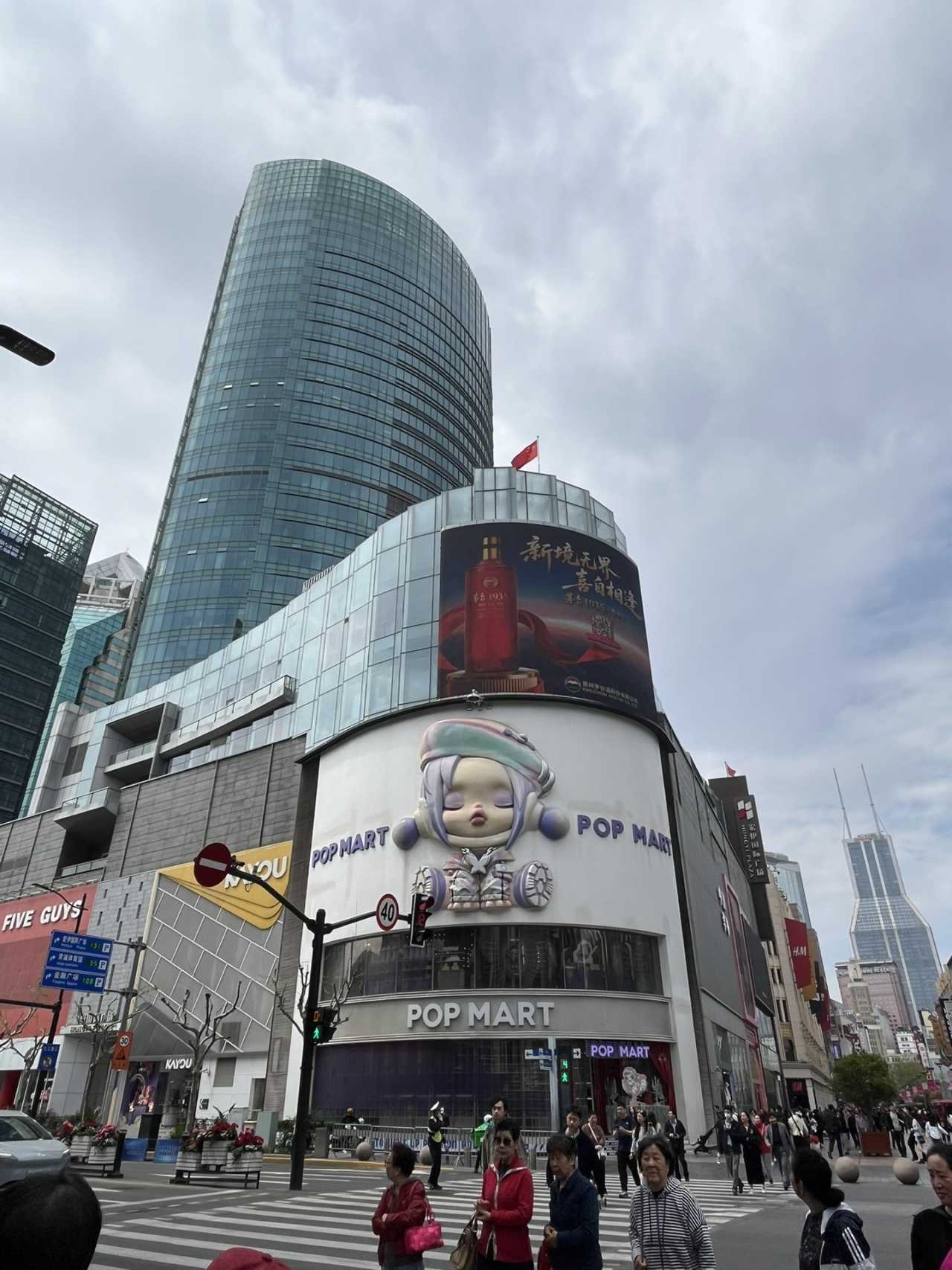
Step out of East Nanjing Road Metro Station, and you’re standing at one of Shanghai’s busiest intersections. But don’t rush into the shops. The real charm of this street lies in those unplanned moments.
Find a bench on the sidewalk, sit down, and suddenly you become an observer of the city. Before you flows a river of people: tourists dragging suitcases, couples arm in arm, delivery riders on shared bikes, stylish Shanghai aunties... Everyone has their own story, and for now, you just need to be a quiet spectator. The buildings themselves are a sight—old department stores, neon signs, European-style arcades—all silently telling the story of Shanghai’s century-long commercial legend.
If you like, you can spend 15 minutes taking a “standard tourist photo” at the intersection. But I’d recommend slowing down and enjoying that feeling: “Their hustle is theirs; I have my own rhythm.” This stretch is just a warm-up for the artistic journey ahead. [Link: Best time to visit Nanjing Road]
First Stop: Rockbund Art Museum – Meeting Contemporary Art in a Historic Building
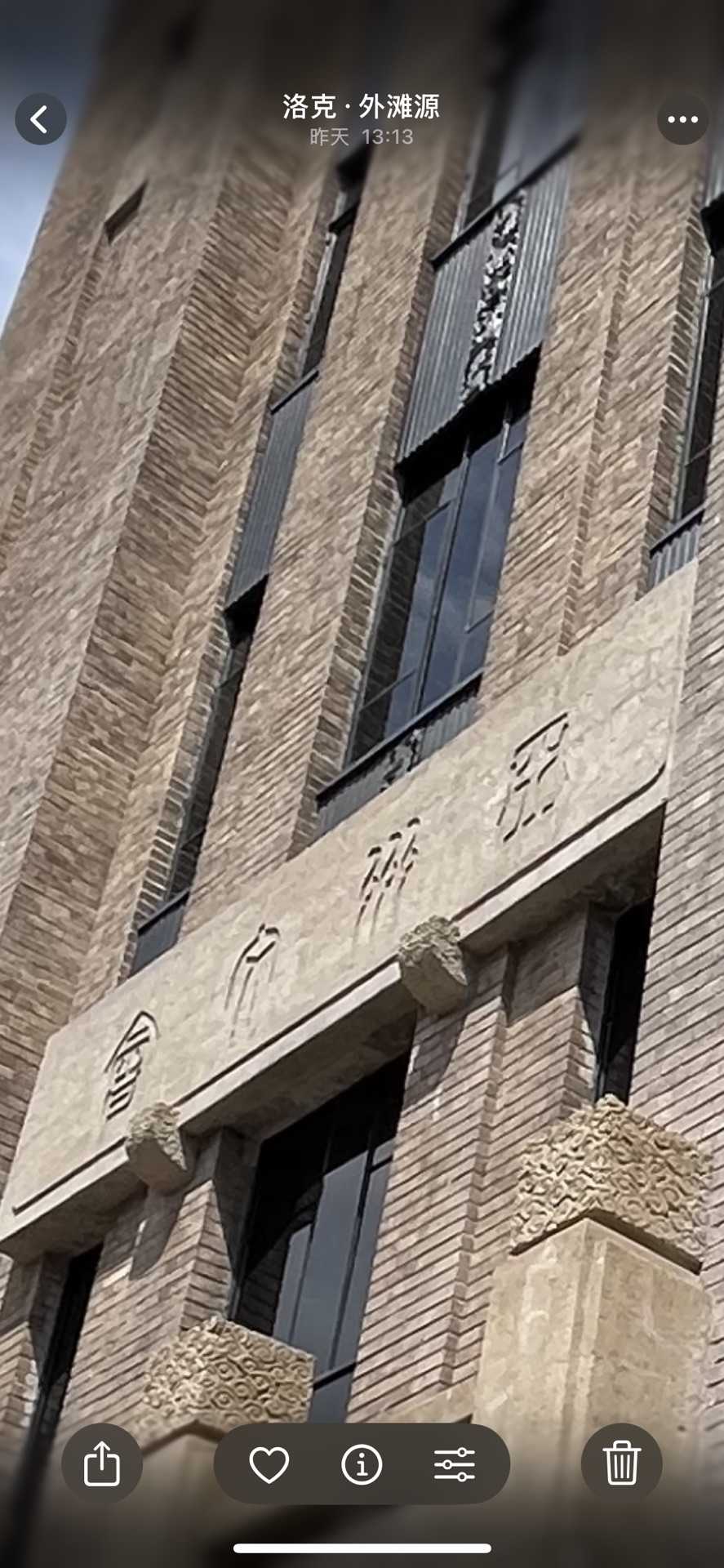
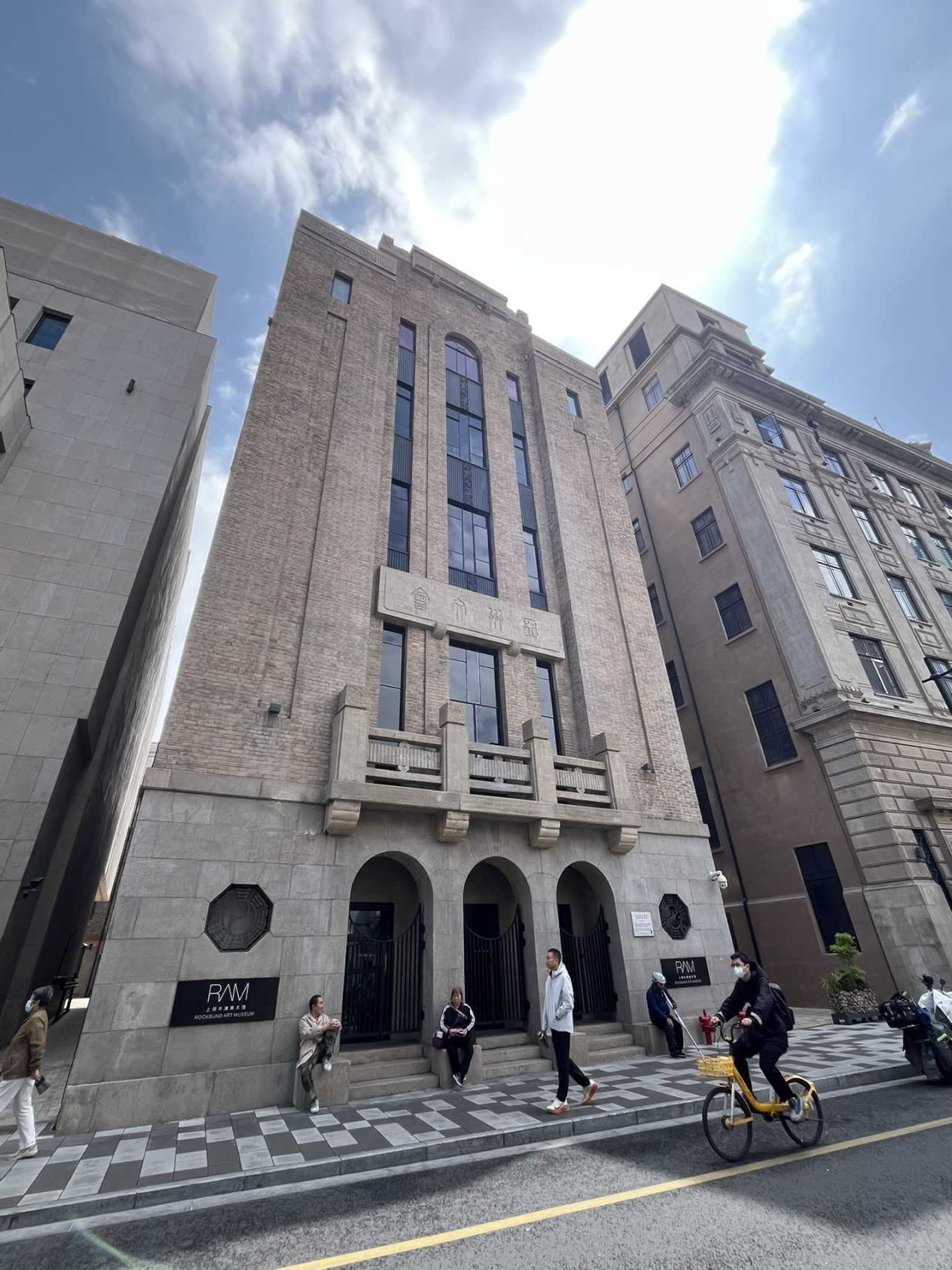
Walk east along Nanjing Road, turn left onto Sichuan Road, and the moment you enter Huqiu Road, the scene changes completely. Narrow streets, dappled shadows of plane trees, and old-fashioned villas make you feel like you’ve traveled back to 1930s Shanghai. About five minutes on foot, a six-story Art Deco building appears—the Rockbund Art Museum.
The Building Itself Is a Work of Art
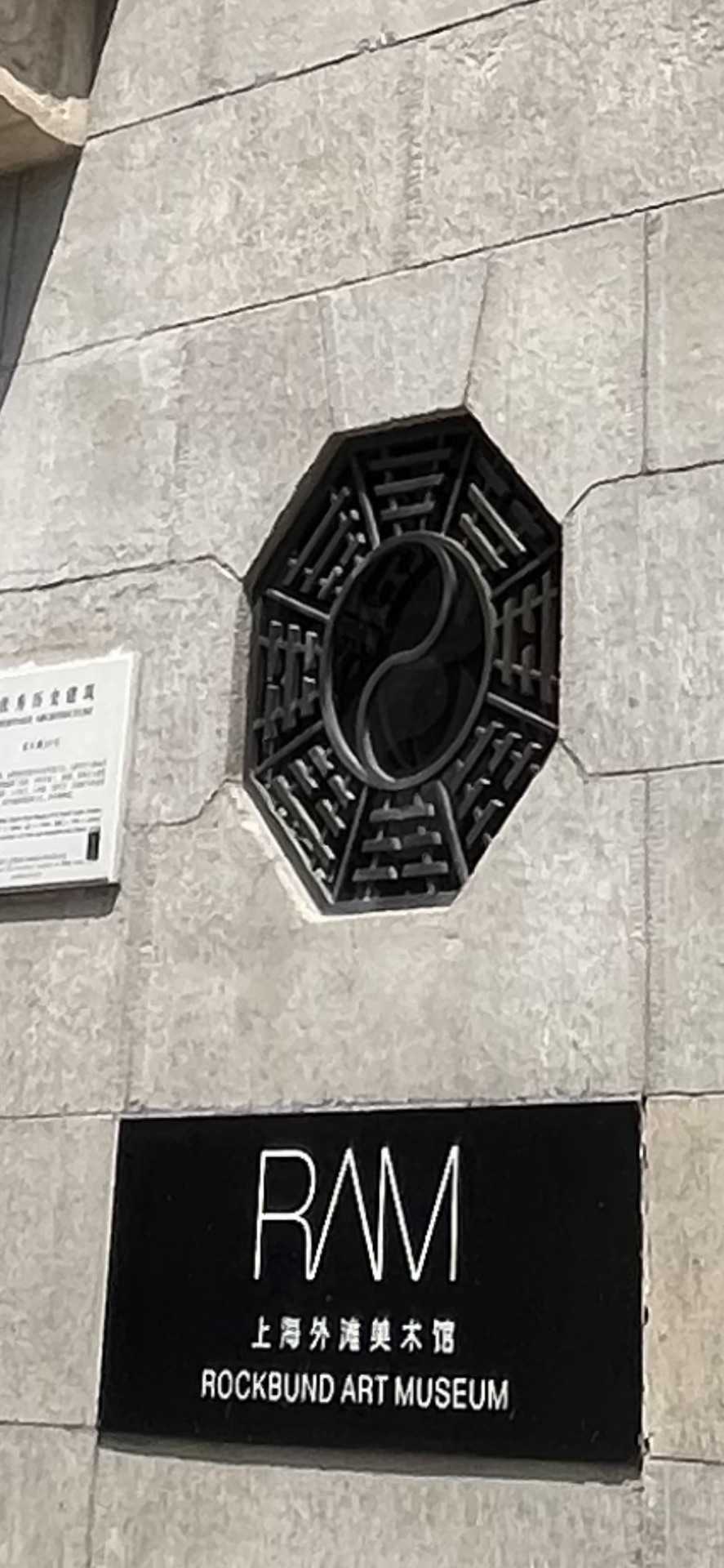
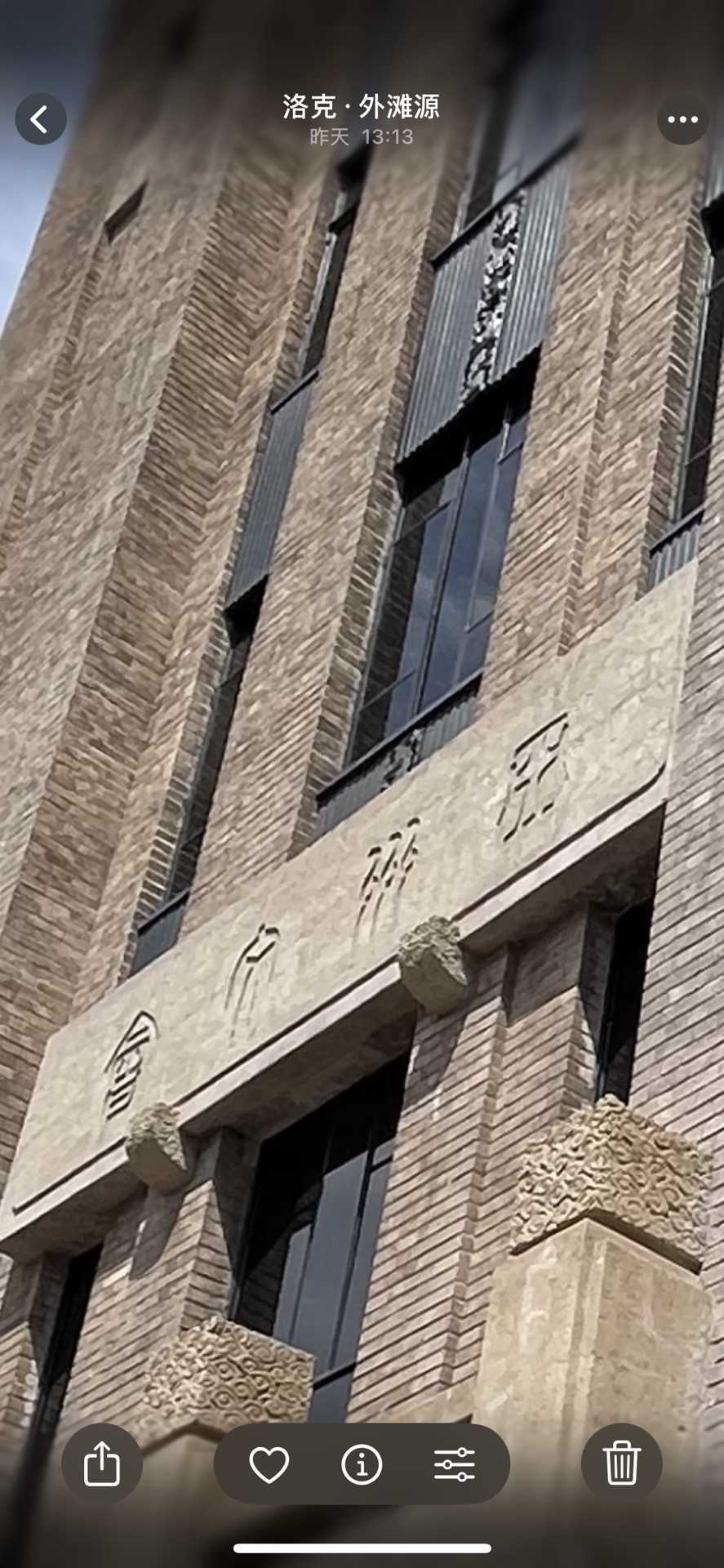
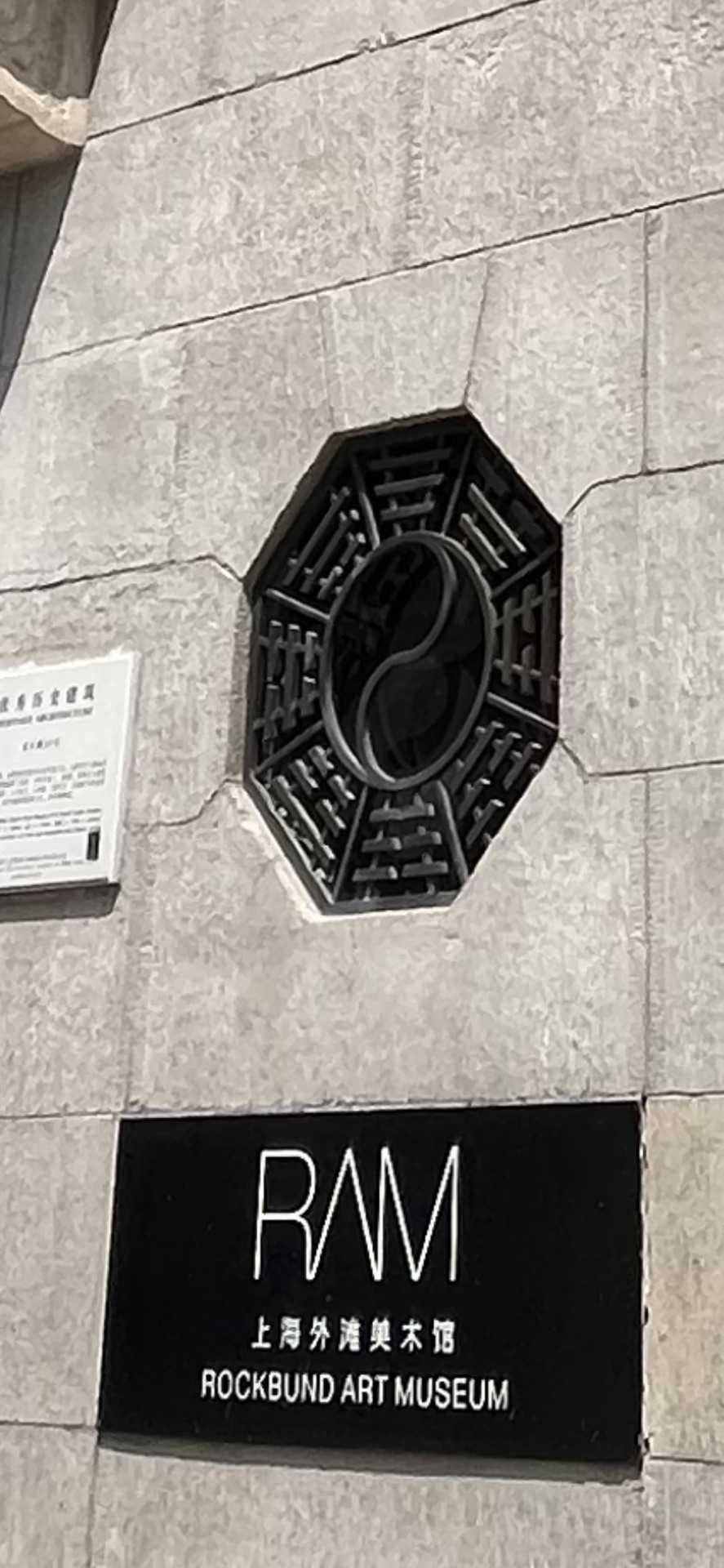
Originally built in 1933 as the China Baptist Publication Building, it’s now a protected historic structure. Its facade is textbook Art Deco: vertical windows, rhythmic grooves, and clean lines that make the building look tall and modern. The arched entrance, rectangular window frames, and rounded stone panels all showcase simple geometric beauty. What’s even more clever is the blend of Chinese elements—bagua stone windows, cloud-pattern railings, seal-script plaques, and Chinese-style ironwork. This “East-meets-West” style is the soul of Shanghai’s Art Deco.
The museum opens at 11 a.m. I suggest arriving just as it opens to avoid the crowds. The entrance is on the east side, so remember to go in from there.
Two Exhibitions Worth Seeing
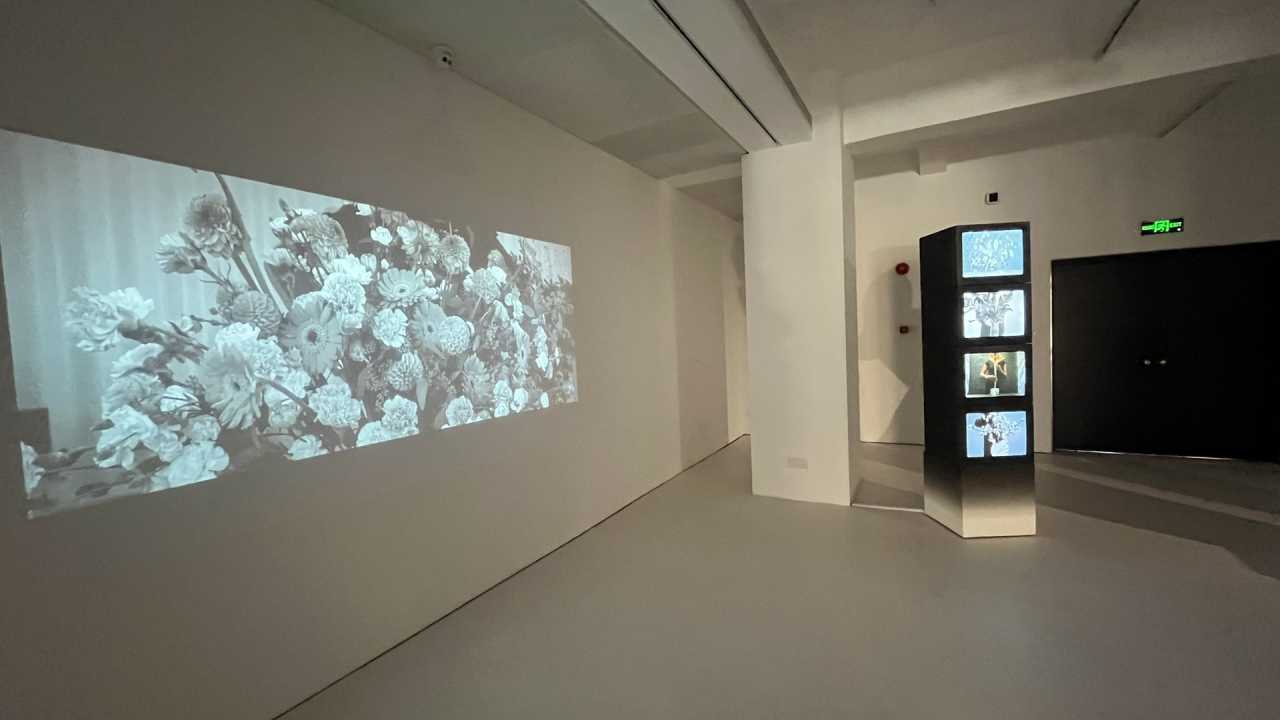
When I visited, there were two exhibitions. The first was “The Great Concealment,” featuring works by 16 contemporary artists across film, video, painting, theater, and fabric. The exhibition explores the material and aesthetic circulation of transnational Black radical thought and the boundaries of revolutionary politics—sounds academic, but the works are powerful, especially the striking videos and fabric collages.
The second was a solo show by Peng Zuqiang, titled “Some Omissions, Silences, and Opaque Sounds,” with three video pieces and one chromogenic print. The artist’s approach is unique—using “omission” and “silence” to convey sound. It’s a fascinating reversal of thinking.
The Staircase: The Most Photogenic “Art Corridor”
If you only have 15 minutes, head straight to the staircase. At the entrance are Zhang Zhuojia’s “Special Price Seats” series—two theater curtains that stitch together historical images of female stars and singers. They make a great backdrop for photos, full of atmosphere.
But the real showstopper is “No Up, No Down, No Left, No Right” by Swiss artist Claudia Comte. This piece covers the entire stair wall, inspired by jellyfish. From the first to the fourth floor, it uses gradients of purple, pink, green, and blue with fluid curves, paired with black metal handrails and the clean lines of the vintage staircase. The whole space feels like an “art corridor.” Every shot looks like a masterpiece—I highly recommend lingering here.
The “Upside-Down Station” on the Fourth Floor

The fourth to sixth floors are opened up, with Eric Mack’s site-specific textile hanging in the atrium. The fourth-floor “Upside-Down Station” exhibition flips convention—industrial architecture, clean geometric lines, and avant-garde art create a striking contrast. The best part? The mirrored boxes reflect the entire space upside down, including the hanging textile. Standing there, you’ll wonder: Which world is real? [Link: Top contemporary art museums in Shanghai]
Second Stop: The Bund Original Food Festival – A Mediterranean Lunch in Spring
Leaving the museum, follow the lively music. In less than three minutes, you’ll reach the Bund Original Cultural Plaza. A spring Mediterranean food festival is underway. The entire stone path is decorated with flowers and lemons, and the air smells of grilled meat and spices—instantly, your artistic mood meets the warmth of everyday life.
Have lunch here! Many of the stall owners and chefs are foreigners. That’s one of Shanghai’s most charming traits: you can eat authentic international food surrounded by historic buildings. The festival runs Wednesday through Sunday, so plan accordingly.
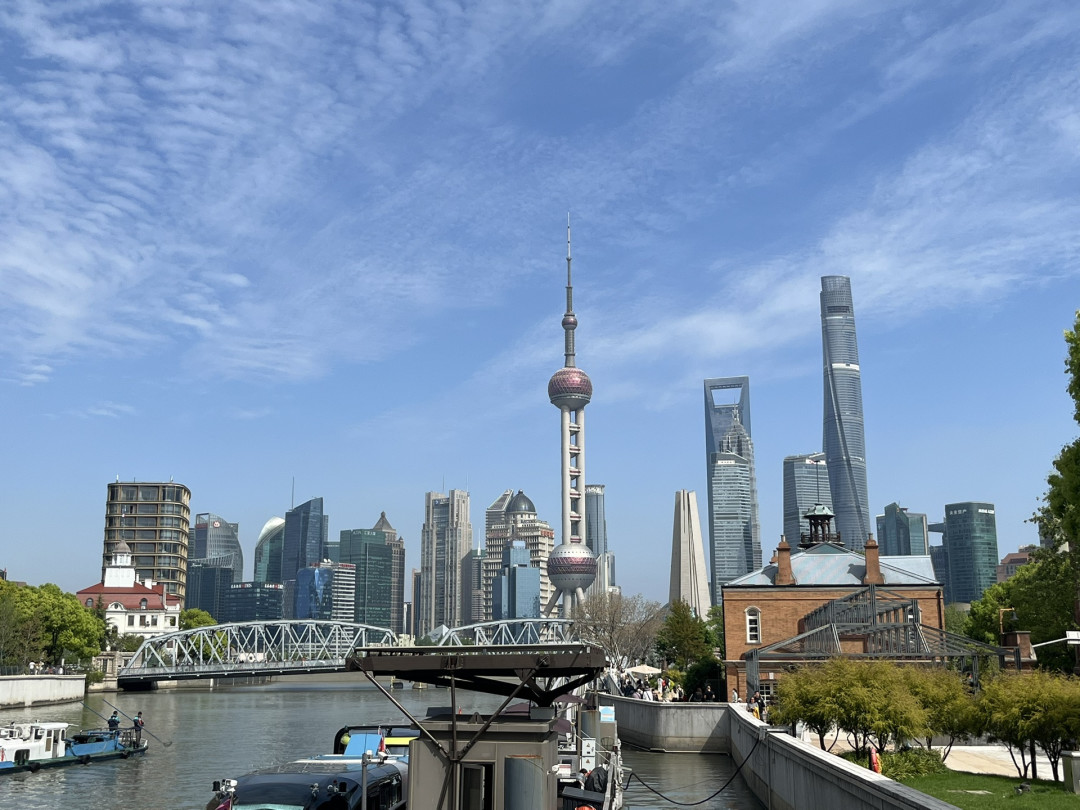
After eating, step out to Zhapu Road Bridge. Look back at the Bund Original—the European buildings glow in the sunlight, almost unreal. The bridge is quiet, with a perfect angle to see both the river view and the “Pudong Three” (Shanghai Tower, Shanghai World Financial Center, and Jin Mao Tower). Take a photo here—your social media feed will explode with likes. [Link: Best food festivals in Shanghai]
Third Stop: Shanghai Postal Museum – Crossing a Century of the “Nation’s Lifeblood”
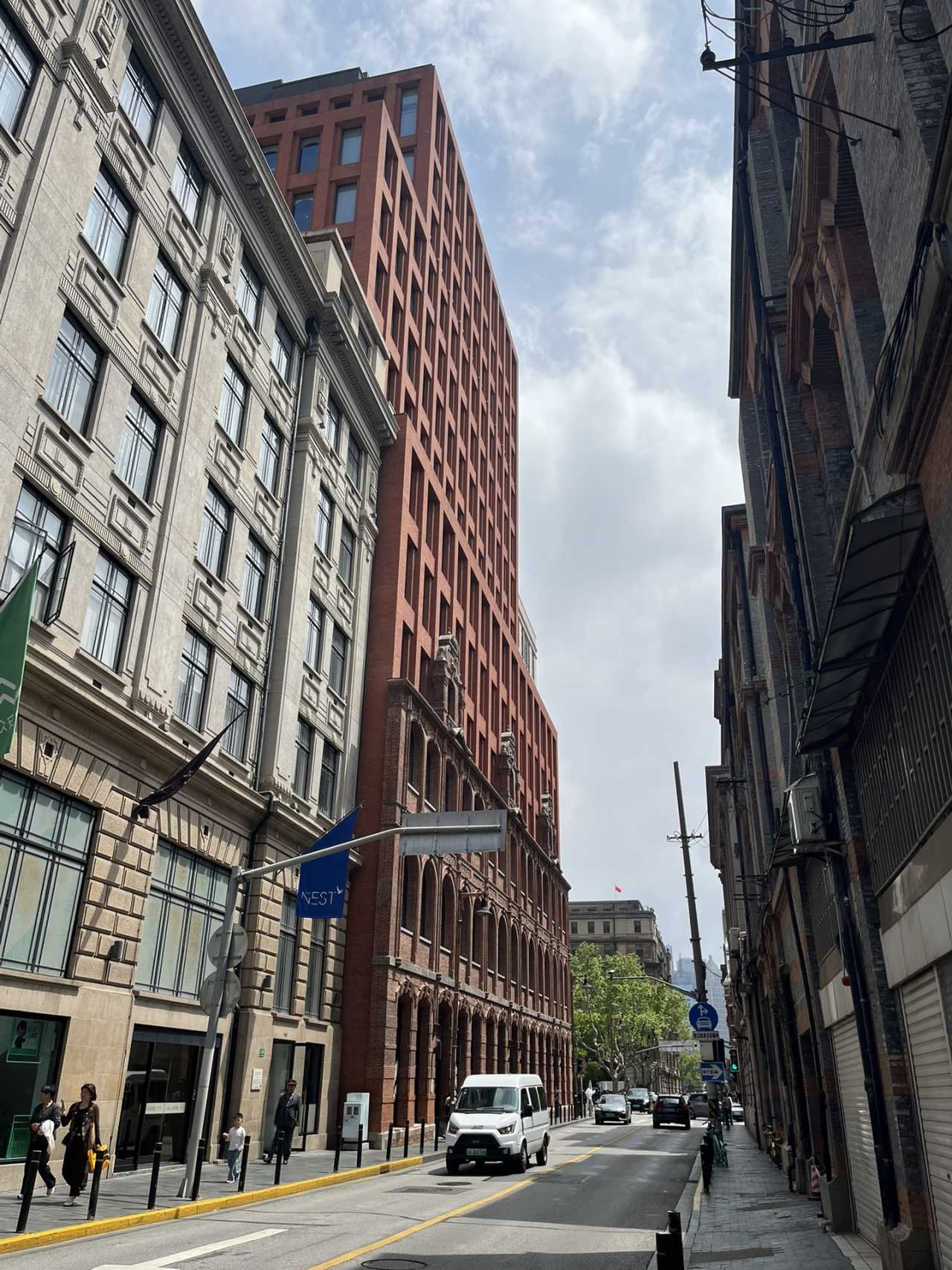
Continue along South Suzhou Road. The scenery is refreshing. Turn right onto Sichuan Road Bridge, and a majestic European building appears—the Shanghai Postal Museum. Completed in November 1924, it’s a masterpiece of Shanghai’s eclectic architecture.
Architectural Beauty: Granite Meets Corinthian Columns
The facade features a granite base with three-story Corinthian columns, symmetrical lines, and intricate stone carvings. At the corner stands a towering Baroque clock tower with a green dome that shines against the blue sky. Step inside, and the pink-and-blue Rococo-style ceiling chandelier and the golden decorations on the stair railings take your breath away.
The second floor houses the “Far East’s First Hall” —a grand lobby with long marble postal counters, gray-white veined stone, and thick surfaces. It’s impressively grand. There’s even a postal café here, where a postal American coffee costs just 15 yuan—a steal in this area.
The Museum’s Chinese Postal History
The museum entrance is through a small door on the second floor. Shanghai, as one of the birthplaces of modern Chinese postal service, is home to this museum that condenses over 3,000 years of postal history. From oracle bones of the Shang Dynasty—recording drum signals for border military alerts—to bamboo slips of the Qin Dynasty’s “Travel Regulations” (China’s earliest “postal law”), to Han and Tang sealing clay, Wei and Jin dynasty courier bricks, Yuan dynasty “Haiqing” passes, and Qing dynasty military dispatch slips... Each artifact tells the story of the “nation’s lifeblood.”
A special highlight: In 1840, Britain issued the world’s first stamp—the Penny Black. The museum displays stamps of various shapes, materials, and techniques, along with precious Chinese zodiac stamps. Stamp collectors will be in heaven.
The Atrium: A Postal Hub Frozen in Time
After the exhibition, take the elevator down to the atrium. Above is a huge golden grid-shaped arched glass skylight, with natural light pouring in. The space feels like a grand railway station from a bygone era. It’s the perfect spot to pause, reflect, and appreciate how a simple letter once connected the world. [Link: Free museums in Shanghai]
Evening Stroll: Suzhou Creek – The City’s Quiet Pulse
As the sun begins to set, walk along Suzhou Creek toward the Bund. This is the most peaceful part of the day. The water reflects the golden light, and the old industrial buildings along the banks have been transformed into galleries, cafes, and creative spaces. The contrast between the historic warehouses and the modern skyscrapers of Pudong is a visual poem.
Find a bench near Waibaidu Bridge. Watch the boats glide by, the city lights flicker on, and the day’s energy slowly settle into a gentle hum. This is the Magic City at its most intimate.
Frequently Asked Questions
1. How long does this Shanghai art walk take?
 The entire walk, including museum visits and lunch, takes about 5–6 hours at a leisurely pace. You can shorten it by skipping exhibitions or extending it with additional stops.
2. Is the Rockbund Art Museum free?
General admission is 50 RMB for adults. Some exhibitions may have separate pricing. Check the official website for current exhibitions and ticket info.
3. What’s the best day to visit the Shanghai Postal Museum?
 The museum is open Wednesday to Sunday, 9:00 AM to 4:30 PM. Avoid Mondays and Tuesdays.
4. Can I do this walk with children?
Yes, but the Rockbund Art Museum’s contemporary art may not appeal to young children. The Postal Museum and the food festival are more family-friendly.
5. What should I wear?
Comfortable walking shoes are essential. Dress in layers—Shanghai’s weather can change quickly. A light jacket is recommended for the evening breeze along Suzhou Creek.
Ready to Walk the Magic City?
This Shanghai slow travel guide is your invitation to experience the city not as a checklist, but as a living, breathing artwork. From the neon buzz of Nanjing Road to the quiet reflections on Suzhou Creek, every step reveals a new layer of Shanghai’s soul.
Plan your visit today. Pack your curiosity, leave the subway map behind, and let your feet lead you through the Magic City’s art, history, and everyday beauty. Share your journey with #SlowShanghaiWalk—we’d love to see your photos.
Have questions about this itinerary? Drop them in the comments below, or contact us for personalized recommendations.
You may also like