A Shanghai Native's Secret Map: An Alternative Guide for Travelers Who've "Been Here Before"
Meta Description: Discover Shanghai's hidden gems beyond the Bund and Oriental Pearl Tower. A local's guide to secret art galleries, nostalgic old streets, and off-the-beaten-path attractions in Shanghai.
Introduction: Beyond the Tourist Traps
"So you're from Shanghai? You must be sick of the Bund, the Oriental Pearl Tower, and City God Temple, right?"
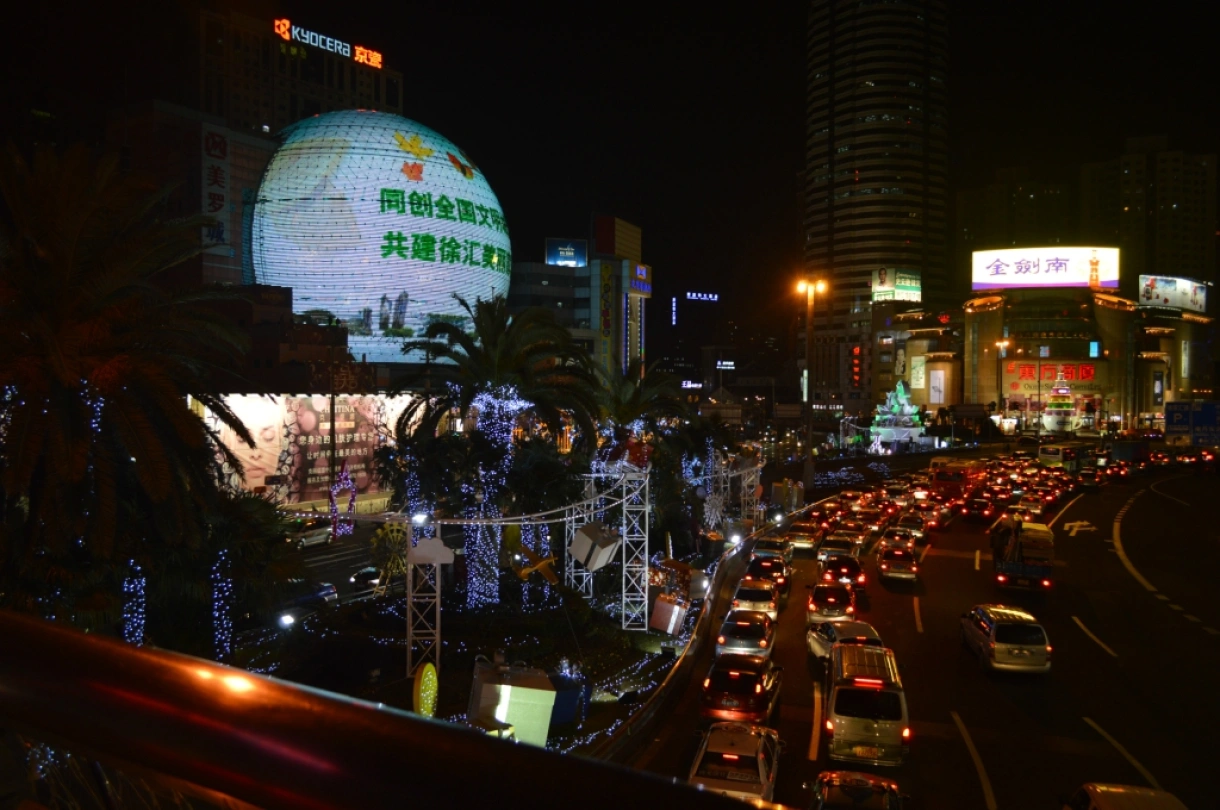
Every time a friend from another city asks me that—a native Shanghainese girl who grew up in Putuo District—I find myself in a brief moment of awkwardness. To be honest, after living here for over thirty years, I've never even been up to the revolving restaurant in the Oriental Pearl Tower. The last time I walked down Nanjing Road was when I was a kid, perched on my dad's shoulders to see the holiday lights. And as for the soup dumplings at Yu Garden? Let's just say they don't hold a candle to the old shop downstairs from my apartment.
But when friends come to visit, you can't exactly take them to all those "tourist-only" photo-op spots, can you? So when my best friend from Chengdu had a layover in Shanghai, I decided to dig deep and uncover the city's real hidden gems. I spent eight full days exploring every nook and cranny—even places most locals don't know about—and finally put together this alternative Shanghai travel guide. If you're tired of the crowded classic routes, follow me and see a different side of Shanghai.
Part One: Minimalist Art Galleries in Shanghai – Where Industrial Heritage Meets Contemporary Art

If you think Shanghai's art scene is just the China Art Museum and the Power Station of Art, you're missing out big time. The city is quietly transforming abandoned factories, grain silos, and coal wharves into stunningly designed galleries. Not only are the exhibitions impressive, but the buildings themselves are Instagram gold. These off-the-beaten-path Shanghai attractions offer a fresh perspective on the city's creative pulse.
The Minsheng Wharf Silos: An Industrial Beast Gets a Cultural Makeover
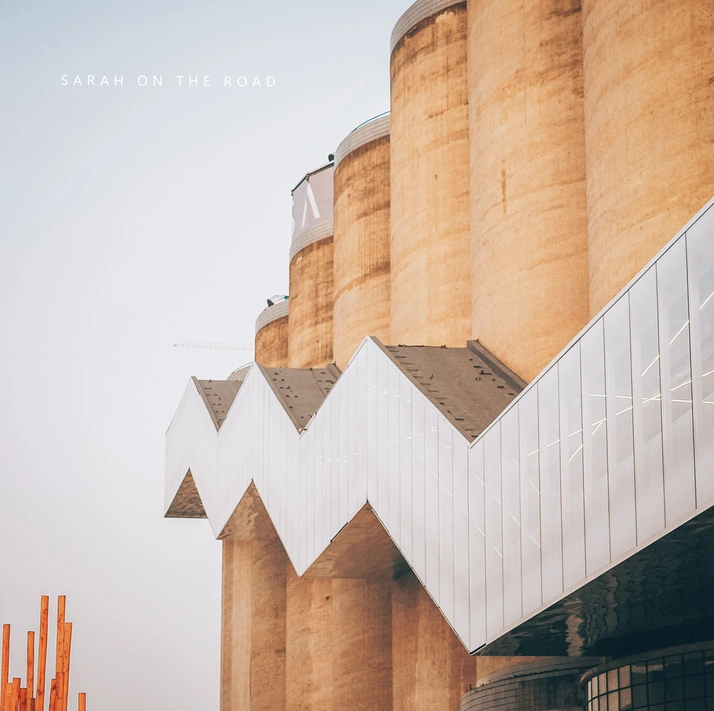
I studied on Minsheng Road for four years and had no idea this massive structure even existed. It wasn't until last year that this former grain silo—once the largest in Asia by capacity—opened to the public as an art center.
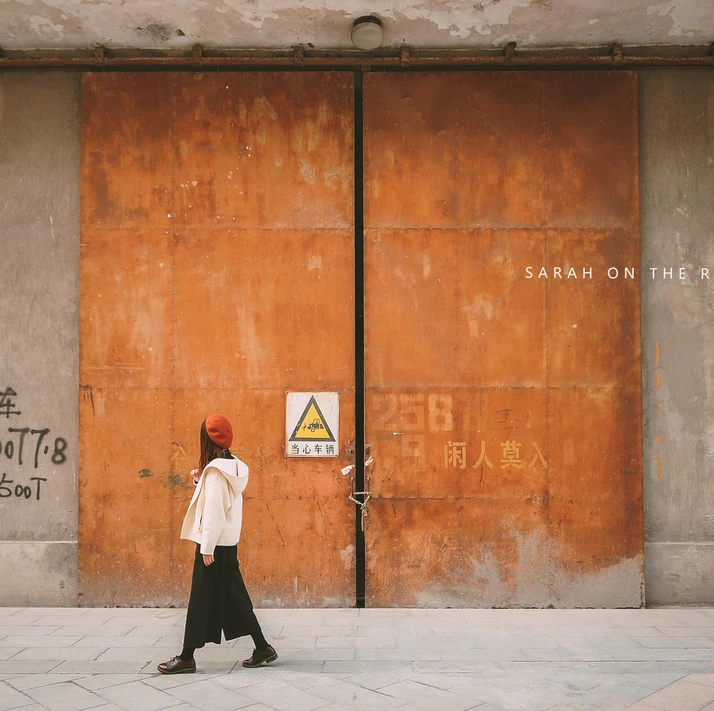
From a distance, thirty giant concrete cylinders stand shoulder to shoulder. Rusty iron doors, weathered walls—you can almost smell the industrial era. It reminds me of visiting the auto factory where my mom worked when I was little: the same gray walls, the same iron gates, but now given new life.
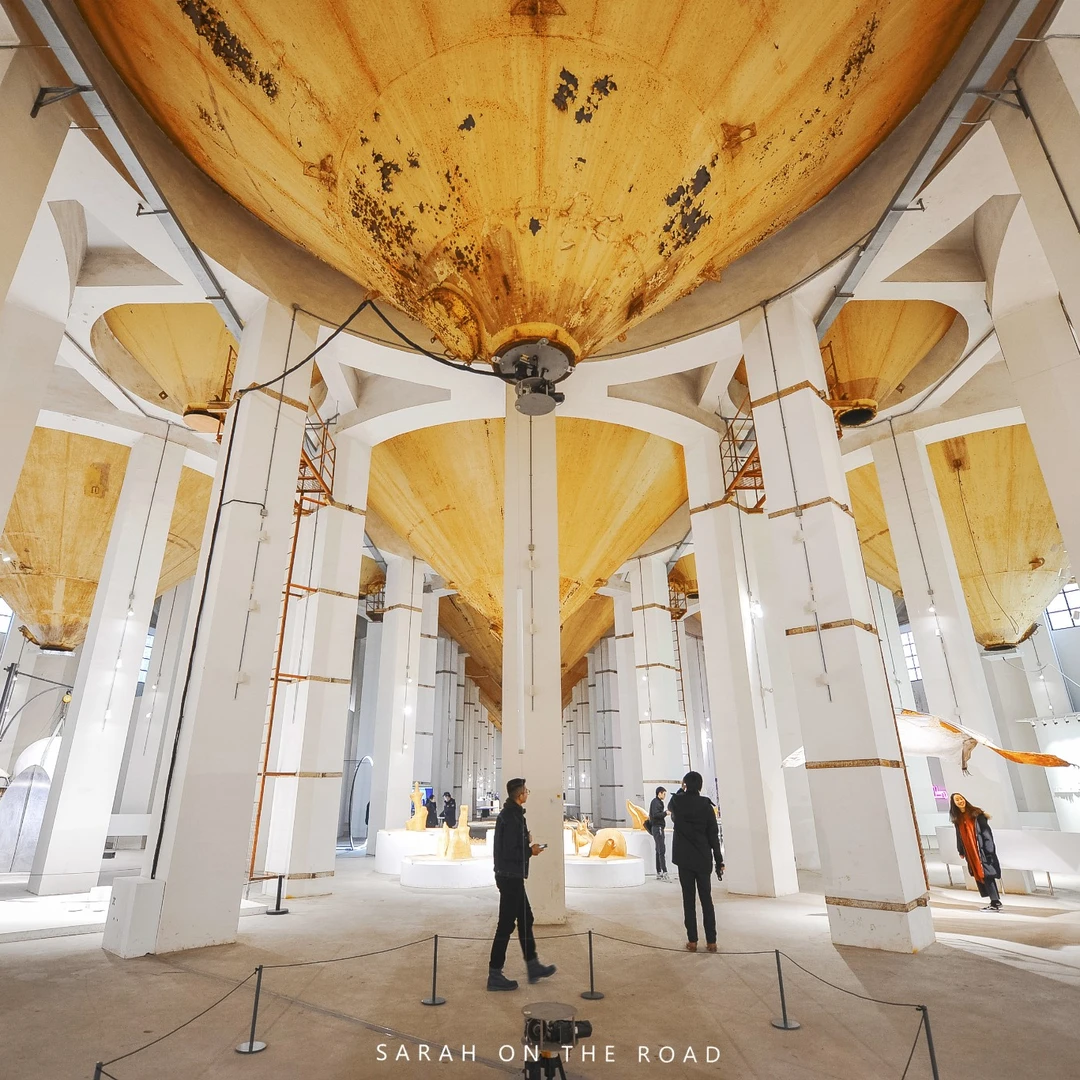
Inside, you'll find spaces shaped like giant funnels, making it impossible not to imagine grain pouring down from above. The best part? The designers added a sleek, modern elevator to the concrete exterior, creating a striking contrast between old and new. Riding it, you can also catch views of the Huangpu River.
Practical Info: - Address: No. 3 Minsheng Road, Pudong New Area - Transport: Metro Line 4, Pudong Avenue Station, or Line 6, Minsheng Road Station - Free Shuttle: Daily 10:30 AM–5:00 PM, running between Century Avenue Station, Pudong Avenue Station, and Minsheng Wharf every 30 minutes - Hours: Tuesday–Sunday, 10:30 AM–5:00 PM (last entry at 4:30 PM); closed Mondays - Free Guided Tours: Daily at 11:00 AM, 12:00 PM, 2:00 PM, and 3:00 PM - Tip: Currently free during the trial period (three months). Allow at least 2 hours.
[Link: Best free things to do in Shanghai]
Yicang Art Museum: From Coal Bunker to Pink-Hued Dreamscape
Opened in late 2016, Yicang Art Museum shot to fame overnight thanks to an exhibition by British design genius Paul Smith. It used to be a coal bunker; now it's a perfect fusion of minimalist cool and girly charm. This Shanghai art gallery is a must-visit for design lovers.
Inside, exposed concrete walls and an industrial spiral staircase make for instant Instagram gold. Speaking of staircases, Shanghai has quite a few quirky spiral ones—like the one at Mixpace, which I'll get to later.
The Paul Smith exhibition featured a pink wall, a button wall, giant desk lamps... every corner radiated the designer's unique sense of humor. That wall made of over 70,000 colorful buttons? It absolutely dominated my social media feed.
Practical Info: - Address: No. 4777 Binjiang Avenue, Pudong New Area - Transport: Metro Line 4, Tangqiao Station, then about a 1.4 km walk (I recommend a shared bike) - Hours: Usually 10:00 AM–6:00 PM; check specific exhibition times
[Link: Instagrammable spots in Shanghai]
Long Museum (West Bund): Concrete Meets the Dutch Golden Age
This used to be a coal unloading dock, now transformed by the renowned Chinese architecture firm Deshaus. The designers preserved the coal hopper bridge built in the 1950s and used an independent "umbrella-arch" cantilever structure. The exterior keeps that minimalist concrete vibe.
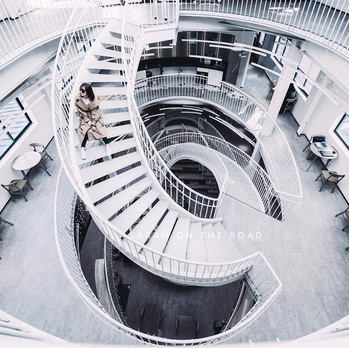
I went specifically for the "Dutch Golden Age Masterpieces" exhibition featuring Rembrandt, Vermeer, and Hals. The ticket was 200 RMB, but totally worth it. The lighting and color palette rivaled top European museums. Next to each painting, there was a QR code—scan it for a bilingual audio guide in Chinese and English. No photos allowed inside, but just seeing it with your own eyes is a feast for the senses.
Practical Info: - Address: No. 3398 Longteng Avenue, Xuhui District - Transport: Metro Line 7 or 12, Longhua Middle Road Station, Exit 5 - Hours: Tuesday–Sunday, 10:00 AM–5:30 PM (last entry at 5:00 PM); Friday–Saturday extended to 6:00 PM; closed Mondays
[Link: West Bund art district guide]
Himalayas Art Museum: A Building Without Straight Lines
Designed by Japanese architecture master Arata Isozaki, the Himalayas Art Museum looks like something straight out of Gaudí—not a single straight line in sight. It regularly hosts international art exchange exhibitions. Last time I saw the "Bellini Family and Renaissance Special Exhibition" for 50 RMB.
The coolest part? You can now use AR technology while viewing exhibits. Download the app, point your phone at the screen, and animated explanations pop up. Super high-tech. This Pudong art museum is perfect for tech-savvy travelers.
Practical Info: - Address: 3rd Floor, Zone A, Himalayas Center, No. 869 Yinghua Road, Pudong New Area - Transport: Metro Line 7, Huamu Road Station, Exit 3 - Hours: Monday–Sunday, 10:00 AM–6:00 PM (last entry at 5:00 PM)
Mixpace: Someone Else's Amazing Office
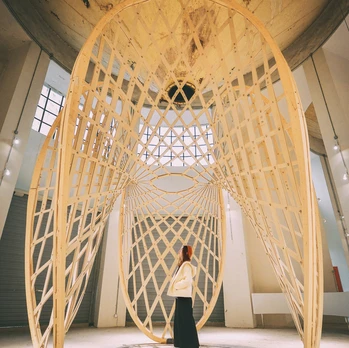
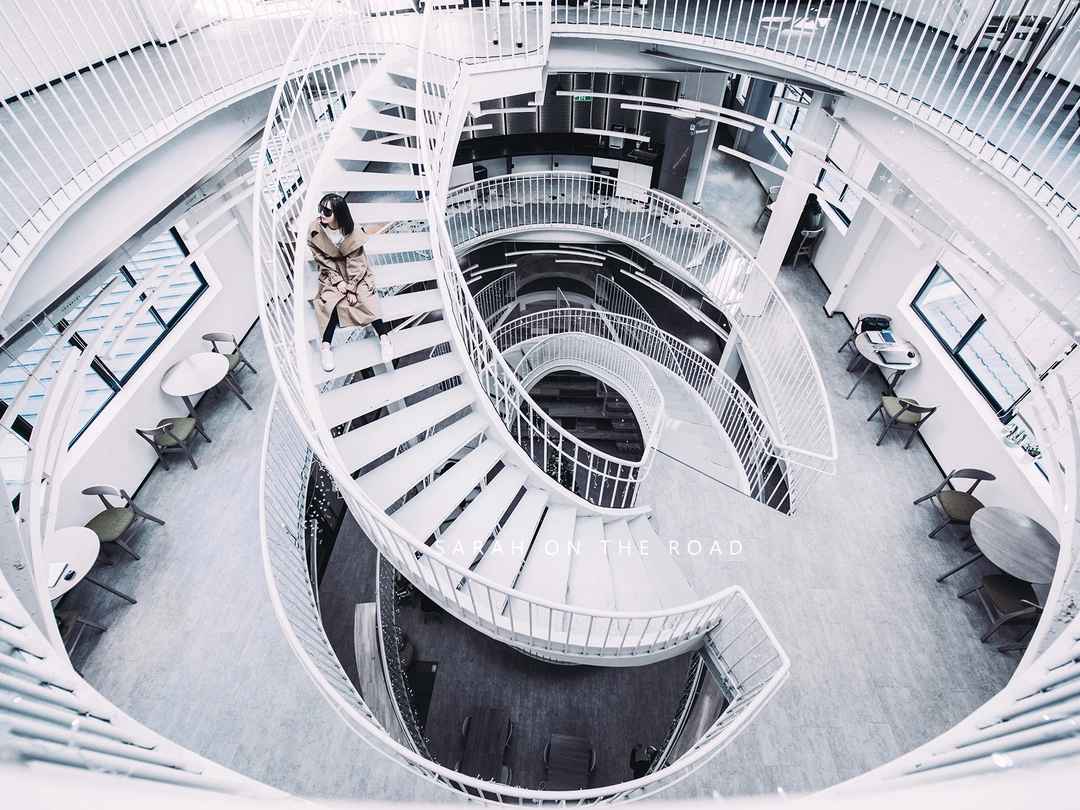
Strictly speaking, Mixpace isn't a gallery—it's an office building converted from an abandoned rivet factory. But that four-story, white spiral staircase, nicknamed "Jacob's Ladder," is a stunning collision of light and shadow, black and white, old and new. I wish I could tag my boss and say, "Look at someone else's office!"
Keep quiet when you visit—people are actually working here.
Practical Info: - Address: No. 23, Lane 833, Zhizaoju Road, Huangpu District - Transport: Metro Line 4 or 8, South Xizang Road Station, or Line 13, World Expo Museum Station
Shanghai Natural History Museum: A Bargain at 30 RMB
Don't let the name fool you—this isn't just dinosaur skeletons. For 30 RMB, you get a complete evolutionary journey from ancient creatures to modern ecosystems. And those animal hats? So cute you'll want to buy them all. This budget-friendly Shanghai attraction is perfect for families and solo travelers alike.
Practical Info: - Address: No. 510 West Beijing Road, Jing'an District - Transport: Metro Line 1, Xinzha Road Station; Line 2, West Nanjing Road Station; Line 13, Natural History Museum Station - Tickets: Adults 30 RMB, Children 12 RMB
Part Two: Nostalgic Old Shanghai – Under the Plane Trees, Half a Century of Republican History
Shanghai's prosperity spans barely a hundred years, but what a turbulent era it witnessed. Every old street and building carries the weight of history. Instead of the tourist-packed Wukang Road or Huaihai Road, I recommend these quieter lanes. These historic Shanghai streets offer a more authentic glimpse into the city's past.
Yuyuan Road: A 2.78-Kilometer Time Tunnel
Stretching from Jing'an Temple to Zhongshan Park, Yuyuan Road runs 2.78 kilometers and takes its name from a garden called "Yuyuan" (Fool's Garden). The best section is between Jiangsu Road and Dingxi Road.
When my Chengdu friend Ermo and I visited, it was late autumn. The golden plane tree leaves carpeted the pavement. She was obsessed—picking up leaves, taking photos. I'd never really noticed the beauty of those trees before, but her enthusiasm was contagious.
Yuyuan Road is steeped in stories: Li Hongzhang and Kang Youwei once walked here; Chen Duxiu and Qu Qiubai spent time in these lanes. Walking down this road feels like stepping back in time. It's one of the best off-the-beaten-path walking routes in Shanghai.
Practical Info: - Location: Between Jing'an Temple and Zhongshan Park - Best Section: Jiangsu Road to Dingxi Road - Best Time to Visit: Late autumn for golden plane tree leaves
[Link: Self-guided walking tours in Shanghai]
Frequently Asked Questions About Off-the-Beaten-Path Shanghai
Q1: What are the best hidden gems in Shanghai for first-time visitors?
While first-timers often head to the Bund and Oriental Pearl Tower, our local guide recommends starting with Yuyuan Road for its historic charm, then exploring the Minsheng Wharf Silos for industrial art. The Shanghai Natural History Museum is also a fantastic budget-friendly option that many tourists overlook.
Q2: How can I explore Shanghai like a local?
To explore Shanghai like a local, skip the crowded tourist spots and focus on quieter neighborhoods like the West Bund art district, Yuyuan Road, and the converted industrial spaces in Pudong. Use shared bikes for short distances, and always check opening hours for galleries—many are closed on Mondays.
Q3: Are these alternative Shanghai attractions free?
Yes! Many of the spots in this guide are either free or very affordable. The Minsheng Wharf Silos is currently free during its trial period, and the Shanghai Natural History Museum costs only 30 RMB. The Yicang Art Museum and Long Museum have paid exhibitions, but the buildings themselves are free to explore.
Q4: What's the best time of year to visit Shanghai's hidden spots?
Autumn (October to November) is ideal for walking tours like Yuyuan Road, when the plane trees turn golden. Spring (March to May) is also pleasant for outdoor exploration. Avoid summer if possible, as Shanghai can be extremely humid.
Q5: How do I get to these off-the-beaten-path locations using public transport?
Shanghai's metro system is excellent. For Minsheng Wharf, take Line 4 or 6. For Yicang Art Museum, take Line 4 to Tangqiao Station. The Long Museum is accessible via Line 7 or 12. Always check the latest metro maps and consider using shared bikes for the last mile.
Conclusion: Your Secret Shanghai Awaits
Shanghai is a city of layers—beneath the glittering skyscrapers and bustling tourist spots lies a world of hidden art, quiet history, and authentic local life. Whether you're exploring the industrial-chic galleries of Pudong or strolling the leaf-strewn lanes of Yuyuan Road, these alternative Shanghai travel tips will help you experience the city like a true insider.
So next time someone asks you if Shanghai is just the Bund and the Pearl Tower, you can smile and say, "You have no idea what you're missing."
Ready to explore Shanghai like a local? Bookmark this guide, pack your walking shoes, and get ready to discover the city's best-kept secrets. Share your own hidden gems in the comments below—we'd love to hear about your off-the-beaten-path adventures in Shanghai!
[Link: Shanghai travel planning guide] [Link: Best time to visit Shanghai] [Link: Shanghai metro tips for tourists]
You may also like