A Hurried Tour of Shanghai: A Local's Journey Through Sixteen Districts – An SEO-Optimized Guide
Meta Description: Discover Shanghai's 16 districts through a local's eyes. From Jiading's fields to Xuhui's West Bund, this SEO-friendly guide covers hidden gems, cultural landmarks, and practical tips for your Shanghai travel itinerary.
Introduction: Why This Shanghai Travel Guide Stands Out
Shanghai is my home. Strangely enough, the more time I spend here day in and day out, the less I stop to truly take in her features. Shuttling between familiar subway lines, corner shops, and the dappled shadows of plane trees, this city exists as naturally as the air I breathe—until one day it hits me: maybe someday I'll leave. That's when I realize I ought to gather up the scattered memories and present landscapes, and tuck them all safely into my heart.
Shanghai is known by two abbreviations: "Hu" (沪) and "Shen" (申), each with its own story. "Hu" originally referred to a bamboo fishing trap, revealing the daily struggles of early settlers who went down to the sea to make a living. "Shen" is more intriguing—spread out a map of Shanghai, and the Huangpu River (also called the Chunshen River) forms the vertical stroke in the character, while the "曰" (said) enclosure frames the outline of the main urban area. Enough with the history lesson—let's step into Shanghai's sixteen districts and see the places worth lingering in.
Jiading District: Where Childhood Memories Meet Modern Marvels
Keywords: Jiading attractions, Shanghai suburbs travel, Jiading Old Street, Fahua Pagoda
When I was young, we all called Jiading "Liucheng" (疁城), and only referred to the city center as "Shanghai." I was born and raised here—I planted rice, stole grapes, went fishing, and somehow still got good grades. In my memory, Jiading is the season when stinging caterpillars ran rampant in summer, the night skies filled with stars you could see with the naked eye, and the faint glimmer of the Oriental Pearl Tower fifty kilometers away to the southeast.
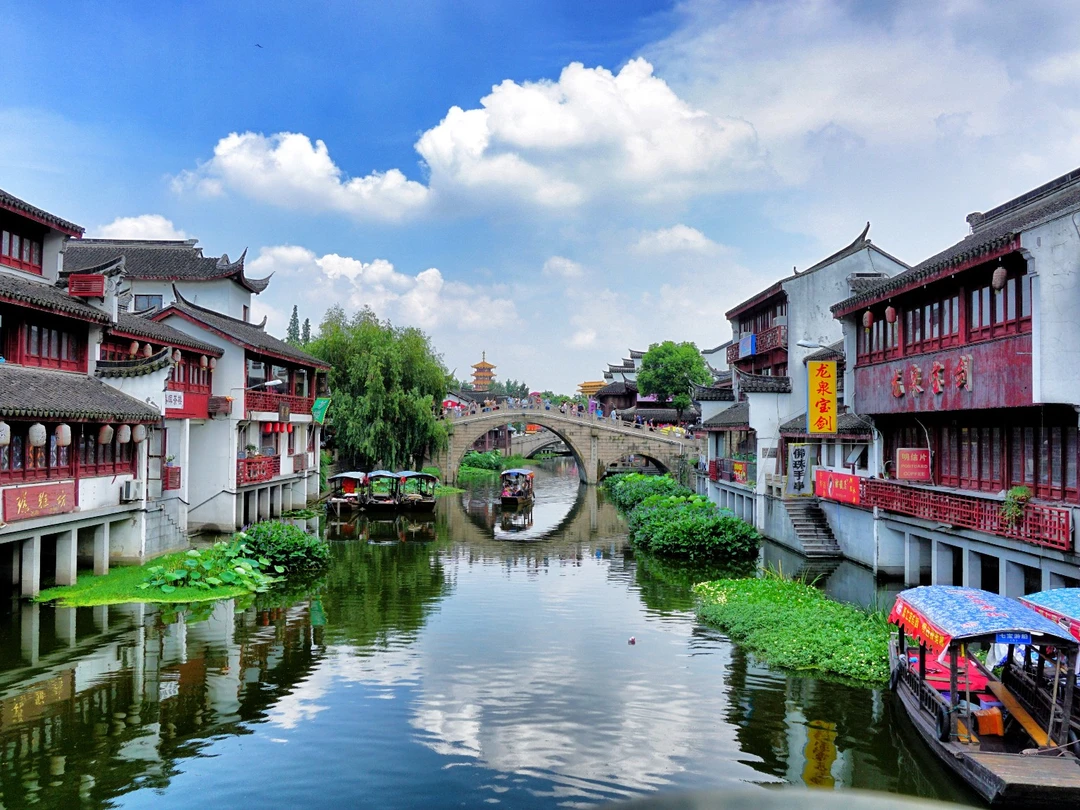
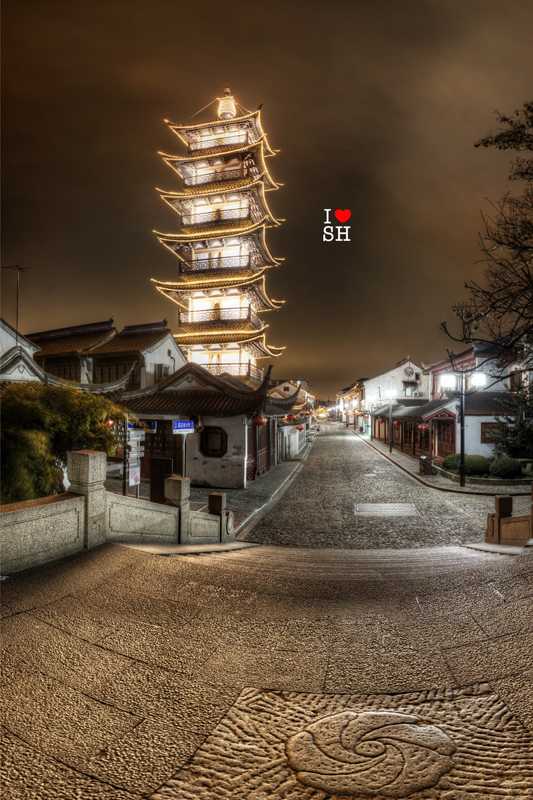
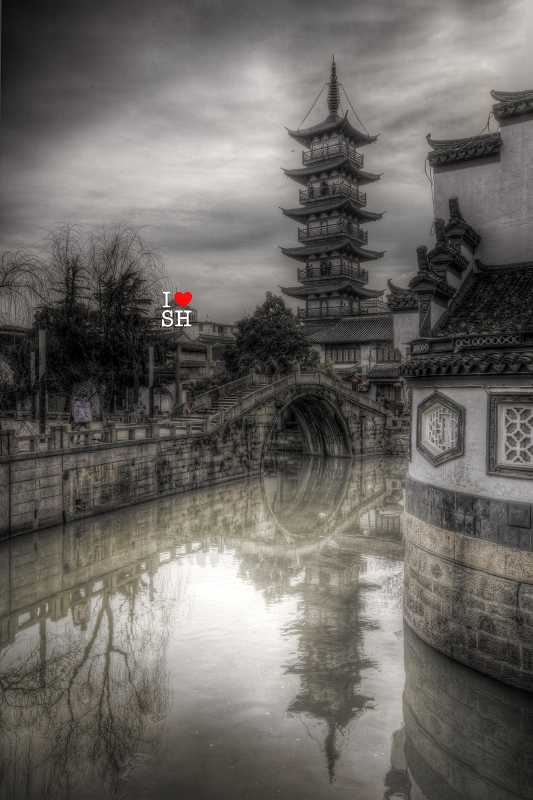
Zhouqiao Old Street: A Walk Through Time Under the Fahua Pagoda
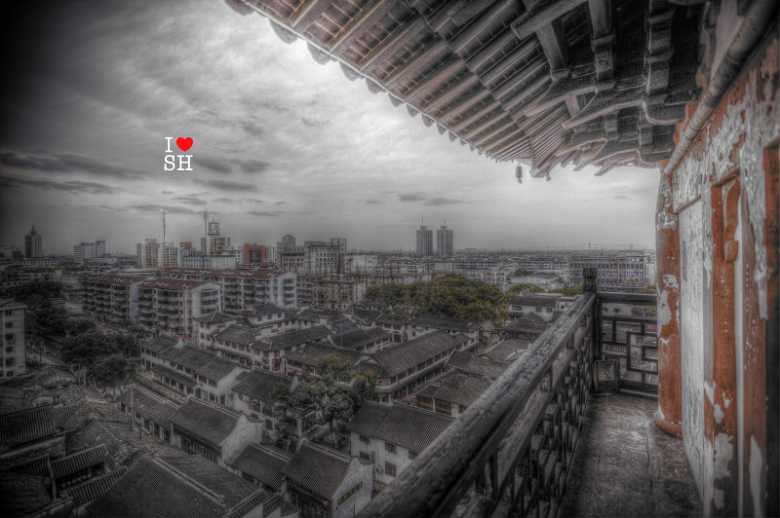
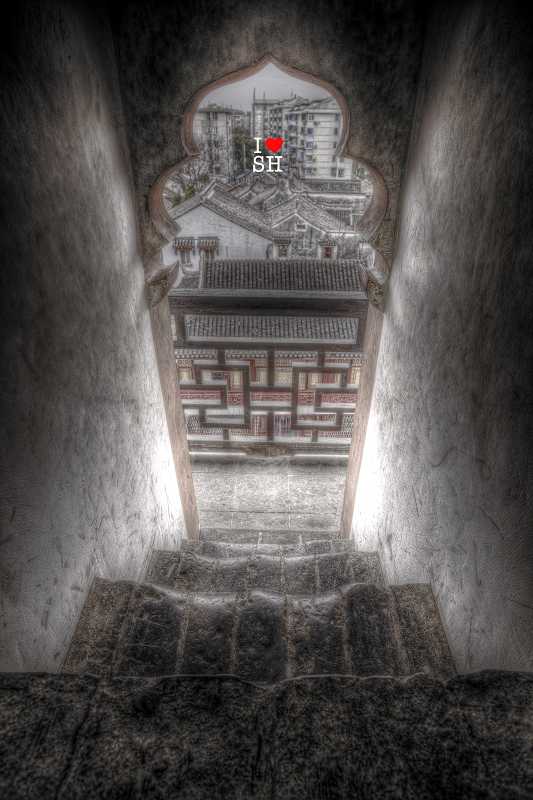
The Fahua Pagoda (also known as the Jinsha Pagoda) was once the highest point in Jiading. As a child, I climbed it every year. During its restoration in 1994, over ten thousand treasures were unearthed from its foundation—Song and Yuan dynasty coins, jade figurines, stone statues, bronze vessels... Sadly, after 2015, climbing was no longer allowed. Looking back, that feeling of squeezing sideways into the top floor, gasping for breath while overlooking the entire Jiading—it's gone forever.
Travel Tip: Visit Zhouqiao Old Street early in the morning to avoid crowds. The nearby Confucian Temple is also worth exploring.
Jiading New Town: Architectural Harmony with Nature
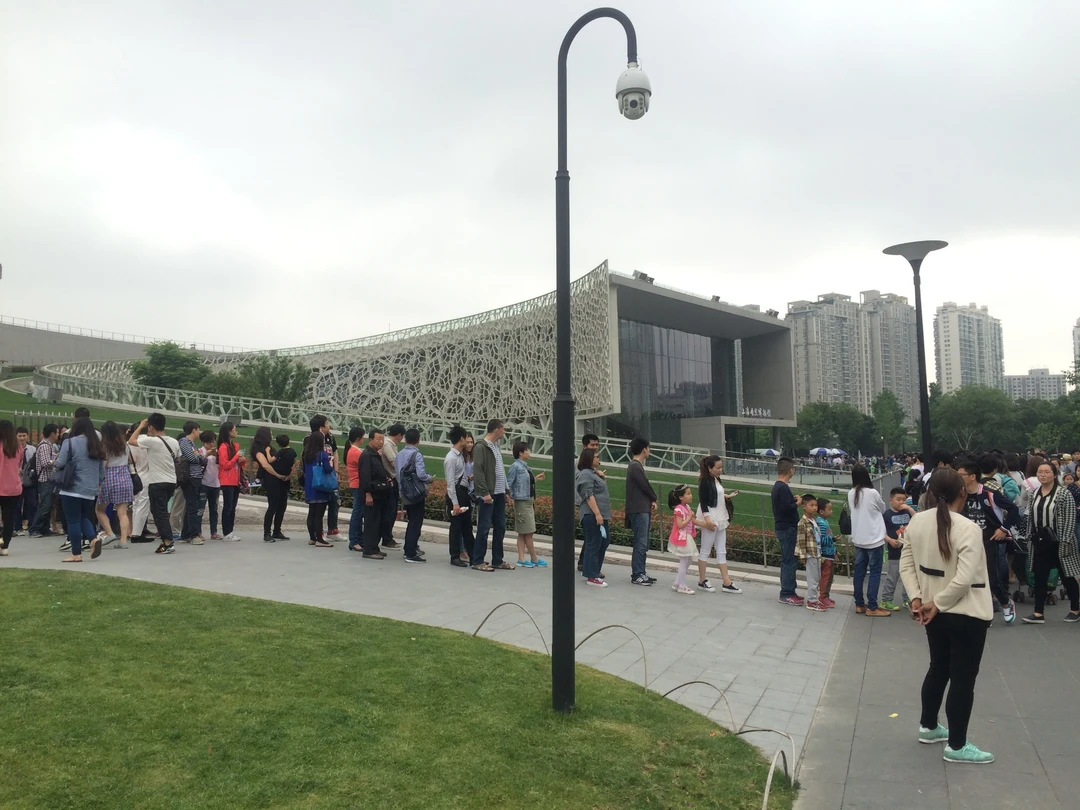
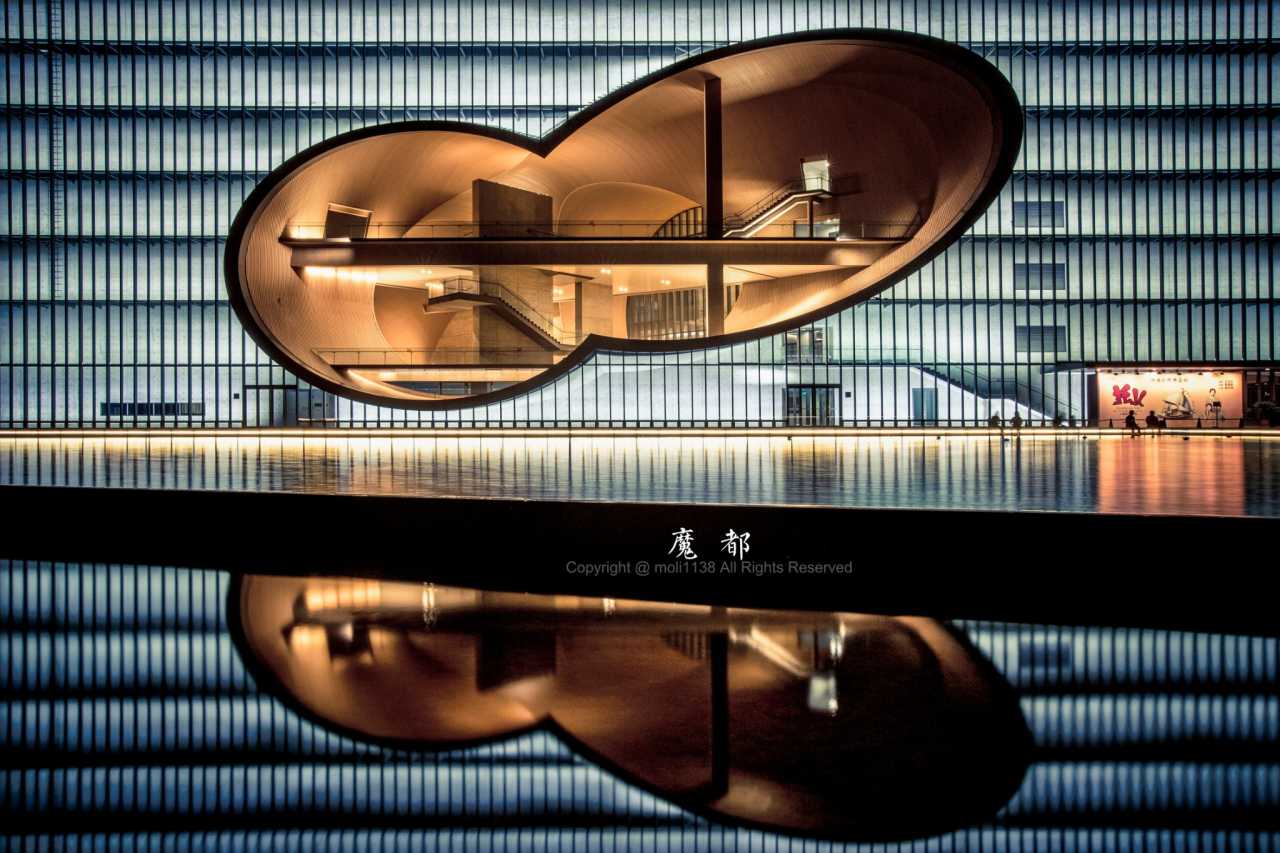
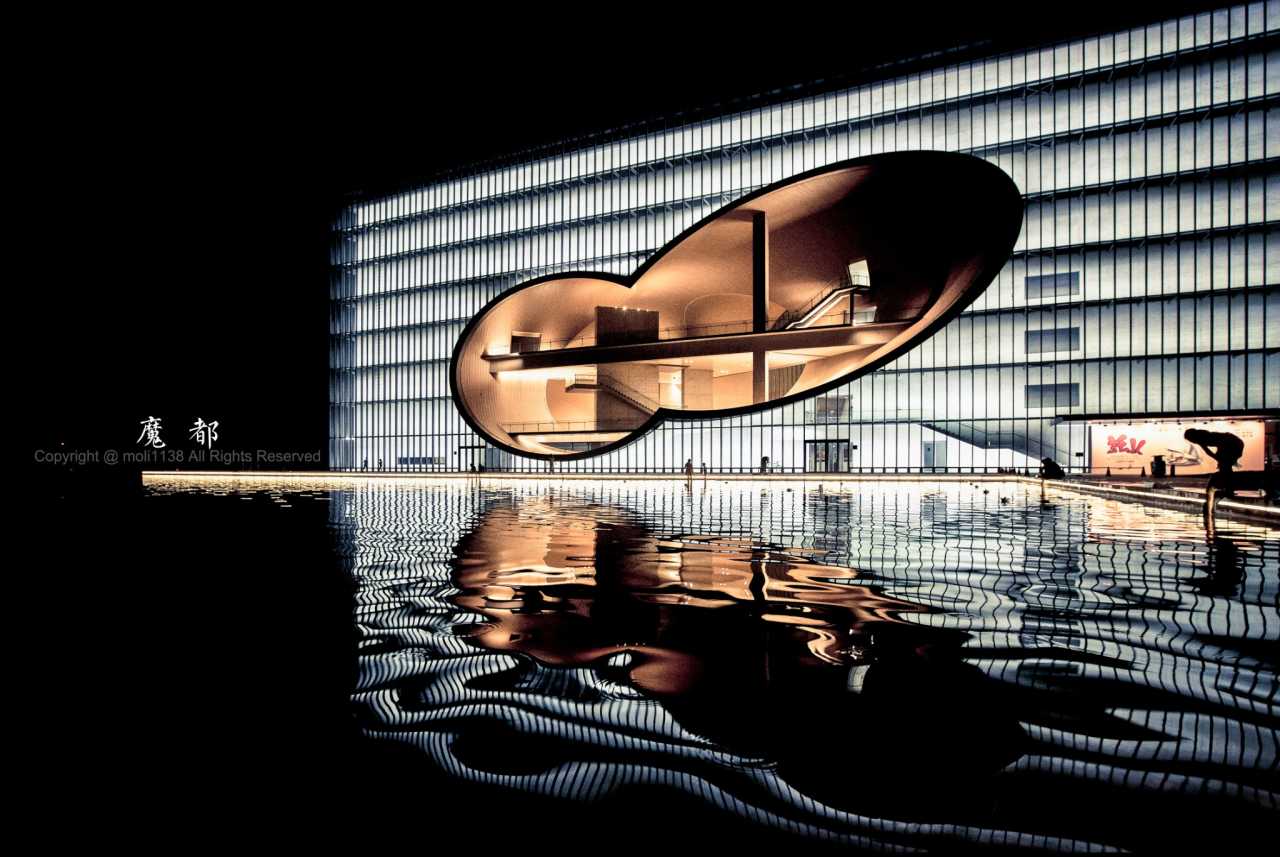
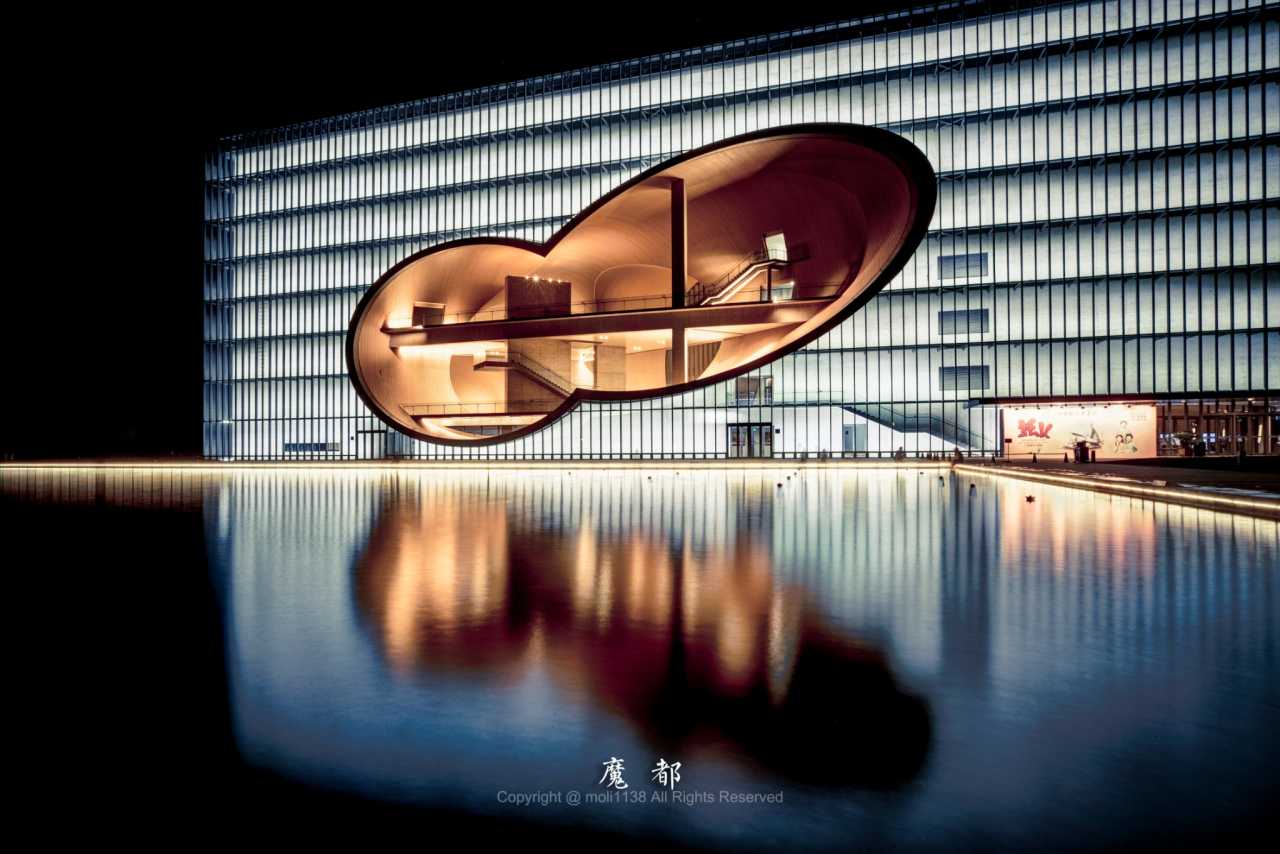
The past is beautiful, but Jiading is growing too. While the Jiading Library has become an Instagram hotspot, I prefer the Poly Grand Theatre—the fluidity of water and the rigidity of architecture complement each other perfectly, making the beauty of Yuanxiang Lake seem almost secondary.
Photo Opportunity: The library's curved glass facade reflects the sky beautifully at golden hour.
Xiaozhao Village: China's Hobbiton
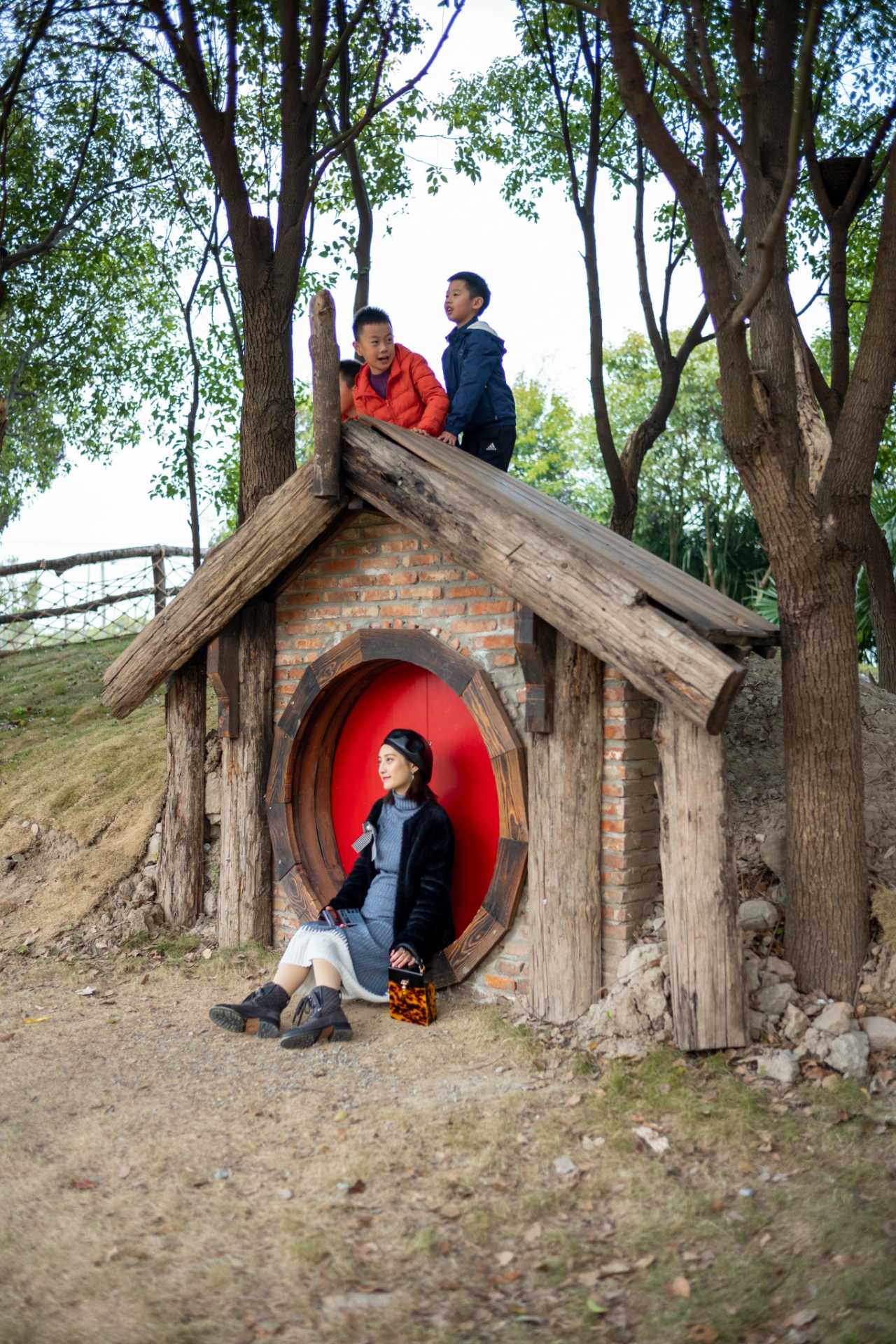
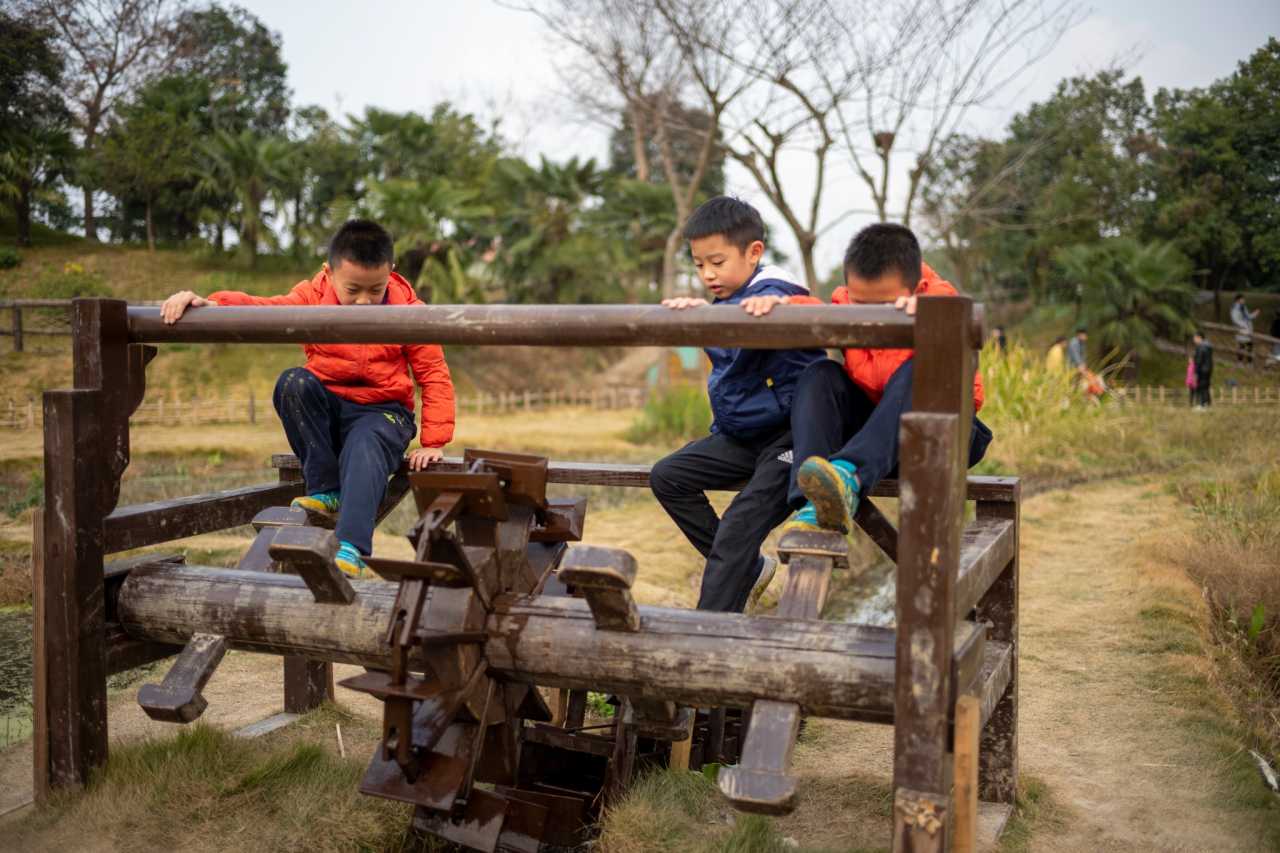
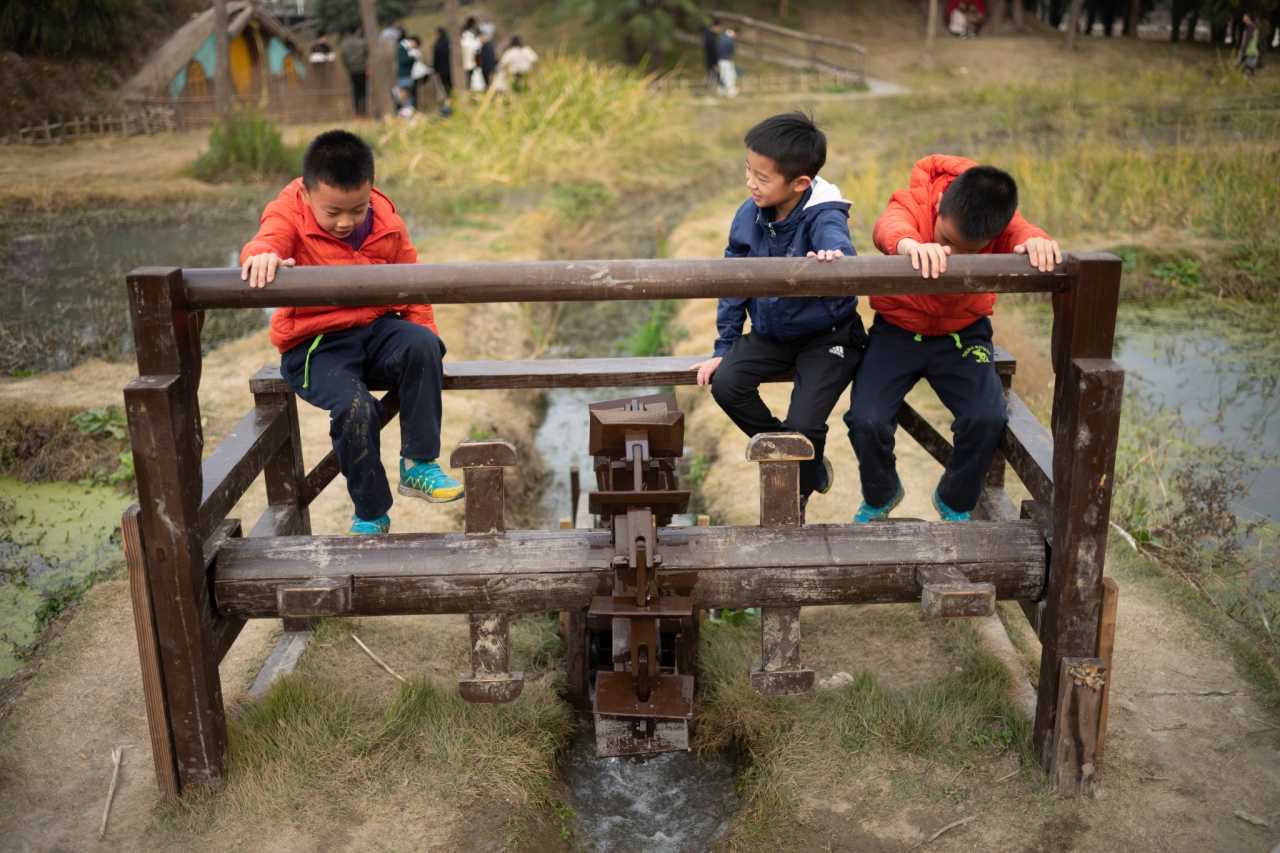
I went shortly after it opened—right on my doorstep, yet I had no idea it existed. A perfect weekend outing with a few friends and kids in tow.
What to Expect: Quaint cottages, flower-lined paths, and a peaceful rural atmosphere. Ideal for family photography.
Seasonal Delights: Strawberry and Grape Picking
Strawberry Season (November–April): Gufeng Strawberry Farm offers pick-your-own experiences. It's pricier than the market, but the joy of picking your own is irreplaceable.
Malu Vineyard: After school as a kid, I'd sneak into the vineyards and eat until my belly was round, chased out by the owner wielding a broom. That was the unspoken understanding between neighbors. Nowadays, younger farmers run the vineyards, offering cream grapes, hurricane grapes, rose grapes—you name it. They'll set you back thirty to fifty yuan per jin (half a kilo). But between you and me, the roadside ones at three-fifty a jin, with their red-and-green mix, are the best.
Shanghai International Circuit: Speed and Passion
The "Shang" (上)-shaped track was designed by Hermann Tilke. Since 2004, China has hosted Formula 1. I'm not a racing fan, but I love photography—the roar of engines and the click of my telephoto lens go hand in hand. The go-kart track here is built to international A-class standards. It's not too crowded on regular days, but you might catch professional drivers training.
Nearby Attraction: The Auto Museum is a dreamland for any car enthusiast.
[Link: Shanghai International Circuit tickets and events]
Xuhui District: Two Decades of Rooted Living
Keywords: Xuhui travel guide, West Bund Shanghai, Hengfu Historical District, Xujiahui shopping
In 2004, I moved from Fudan University's Handan campus to its Fenglin campus. Since then—study, work, life—I've never left Xuhui.
Xujiahui: A Century-Old Commercial Hub in Transition

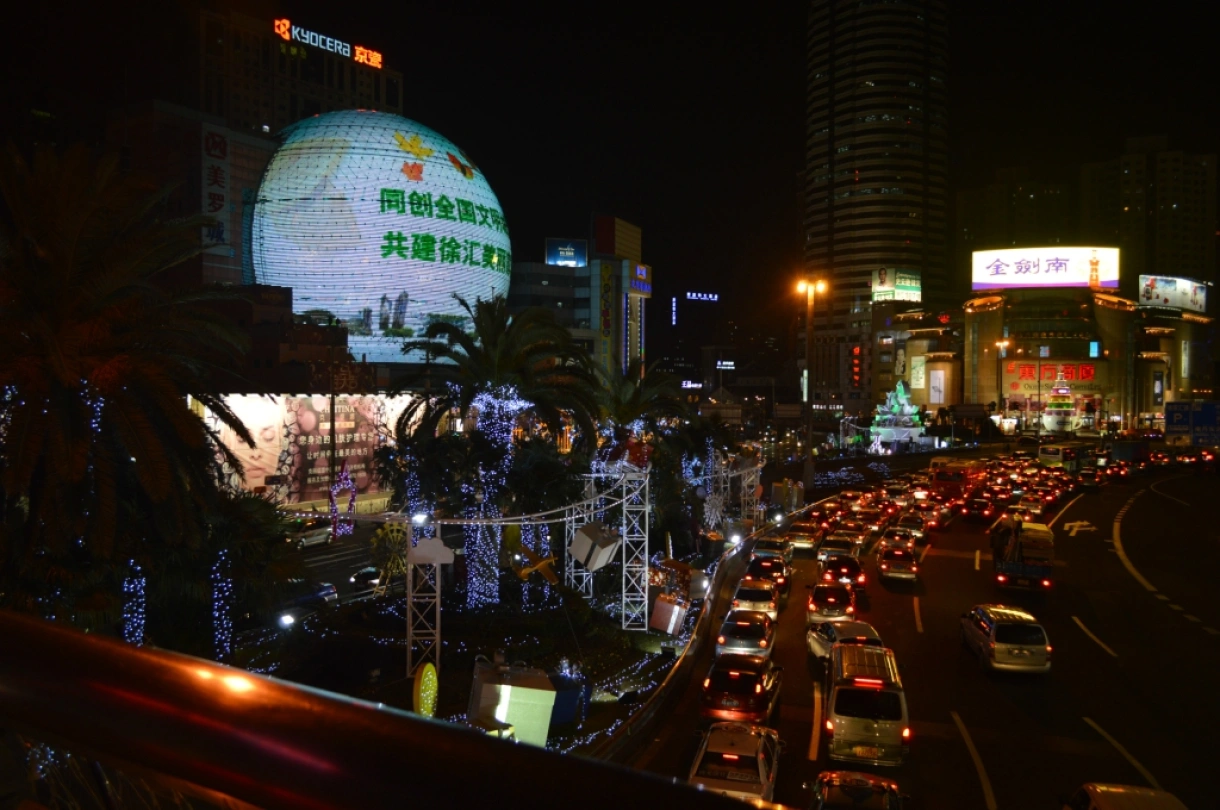
The twin towers of Grand Gateway are landmarks, but the older aunties still insist on calling it "Hang Lung"—though the real Hang Lung is in Jing'an. Grand Gateway underwent a 1.1 billion yuan renovation. That building jokingly called a "grave mound" is said to be the work of a Hong Kong feng shui master.
Best Photo Spots: - Stairwell window of Huijia Building - Entrance of Nitori at Feidiao International - The rooftop
Xujiahui Park: A miracle of urban planning. After the demolition of the Great China Rubber Factory, this prime piece of land was destined for commercial development—until a stubborn district official insisted on preserving it as green space. Like New York's Central Park or Tokyo's Imperial Palace grounds, it's not quite on that level, but this patch of green is priceless.
Shanghai Jiao Tong University & Fudan University
I'm not from Jiao Tong—I'm a Fudan alum. But Jiao Tong is right next to my home. After the pandemic, its iron gates stayed shut. The only way I got in was through my son's classmate's father, a Jiao Tong professor, who helped me take my son's "graduation photo."
Visitor Note: Both campuses now require advance booking for entry. Check their official websites for updates.
West Bund: The Transformation of Expo Legacy
In 2010, the Shanghai World Expo did something remarkable: it demolished all the shantytowns along the Huangpu River. Xuhui gave the area a chic new name—West Bund.
AI Tower (Twin Towers): The best view of the West Bund. I climbed it five or six years ago, before it was even topped out. The most breathtaking sight is a sunset during typhoon season—billowing clouds paired with brilliant twilight hues. It's the ultimate reward for rooftop climbing.
Maritime Tower: Looks like a candle. You can take an elevator up and watch ships come and go along the river.
Art Museums on the West Bund: - Long Museum: The first art museum on the Bund. During cherry blossom season, it's packed with people of every skin color and nationality—rollerblading, rock climbing, camping. - Yuz Museum: A private collection, so quiet it almost hurts to see—such a money pit. - West Bund Art Center: Converted from the assembly plant of the former Shanghai Aircraft Manufacturing Factory, preserving the raw power of industrial heritage. During the Chanel exhibition, it was wall-to-wall with gorgeous people.
Hengfu Historical District: Elegance Under the Plane Trees
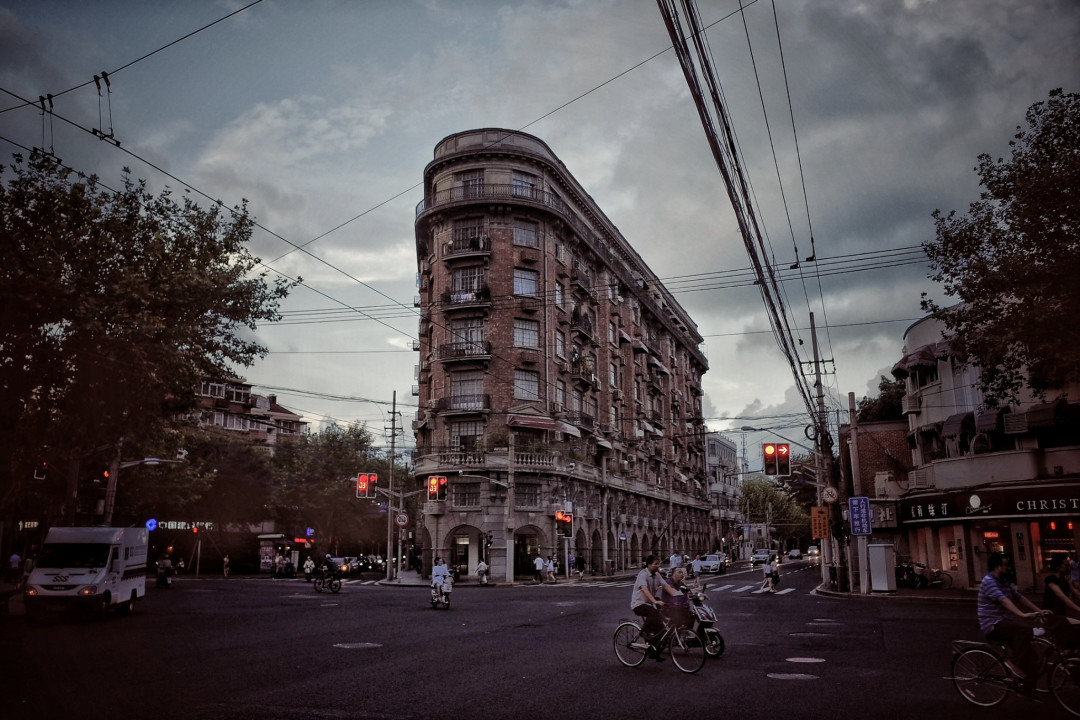
Wukang Mansion: Shanghai's first apartment building with a colonnaded exterior, designed by László Hudec in 1924. It stands like a giant ship at the intersection of five streets. After its 2019 renovation, with overhead wires buried underground, it's become a sea of Instagrammers. Across the street is the former residence of Soong Ching-ling (Madame Sun Yat-sen)—she lived here the longest and welcomed Shanghai's liberation from this very spot.
Blackstone Apartment (Fuxing Apartment): Gets its name from the black stone used in its infill walls. The ground floor has been converted into a café and hotel, while the upstairs residents never moved out—it's a living, breathing building.
Wutong 66 (Wulumuqi South Road): Used to be the sports bureau's office; now it's a public cultural facility. The library is perfect for an afternoon, and behind it, there's a 25-yuan barbershop and a community canteen serving meals for 20-30 yuan.
Shanghai South Railway Station & Botanical Garden
The flying-saucer shape of the South Station is clever, but I was too late to capture it against the sunset. I haven't been to the Botanical Garden in years. My favorite memories are the butterflies and pitcher plants in the greenhouse—my photos are still from the Expo year.
[Link: Xuhui walking tour itinerary]
Changning District: Japanese Food, Korean BBQ, and Hongqiao Hub
Keywords: Changning district Shanghai, Hongqiao transport hub, Japanese restaurants Shanghai
Changning's vibe is defined by streets full of Japanese and Korean expats, with Japanese restaurants and Korean BBQ joints on every corner. The Hongqiao transport hub (train station + airport) makes it a convenient base for travelers.
Must-Try Foods: - Ramen shops near Gubei area - Korean BBQ on Hongmei Road - Japanese izakayas on Yan'an West Road
Hongqiao Hub: Connects to Shanghai Hongqiao Railway Station and Airport. Perfect for day trips to nearby cities like Suzhou or Hangzhou.
FAQ: Your Shanghai Travel Questions Answered
1. What is the best time to visit Shanghai?
Spring (March–May) and autumn (September–November) offer pleasant weather. Avoid summer for its humidity and typhoon season.
2. How many districts does Shanghai have?
Shanghai has 16 districts. This guide covers Jiading, Xuhui, and Changning in detail, with more to come.
3. Is Shanghai expensive for tourists?
Mid-range. Budget travelers can eat well for 30-50 yuan per meal. Luxury options are abundant. Accommodation ranges from 200 yuan hostels to 2,000+ yuan hotels.
4. What are the must-see attractions in Shanghai?
- The Bund (Waitan)
- Yu Garden
- Shanghai Tower
- West Bund museums
- Jiading's Zhouqiao Old Street
5. How do I get around Shanghai?
The Shanghai Metro is efficient and affordable. Taxis and ride-hailing apps (Didi) are widely available. Biking is popular in central areas.
[Link: Shanghai metro map and travel tips]
Conclusion: Your Shanghai Adventure Awaits
Shanghai is a city of contrasts—old and new, fast and slow, local and global. Whether you're exploring Jiading's rural charm, Xuhui's cultural sophistication, or Changning's international flavors, each district tells a story. This guide is just the beginning. The real magic lies in wandering without a map, getting lost, and finding yourself in unexpected corners.
Your Next Step: Ready to explore Shanghai like a local? Start with Jiading's Zhouqiao Old Street, then head to Xuhui's West Bund for sunset. Book your trip today and create memories that will last a lifetime.
[Link: Book Shanghai hotels and tours]
This article is based on personal experience and local knowledge. Prices and availability may change. Always check official websites for the latest information.
You may also like