A Four-Day Shanghai Journey: Strolling Streets, Wandering Museums – Your Ultimate Slow Travel Guide
Meta Description: Discover Shanghai your way with this 4-day slow travel itinerary. From Shikumen history to the Aurora Museum's treasures, experience authentic Shanghai without the rush. Perfect for museum lovers and street wanderers.
Introduction: Why Slow Travel in Shanghai?
"I came here simply because it felt right." — This line of poetry captures the essence of travel: not for checking off spots, not for showing off, but for your own comfort and ease. In July 2023, I embarked on a solo Shanghai trip that defied the typical tourist rush. Four days, no frantic attraction-hopping, no chasing trendy cafés — just wandering the streets at my own pace and quietly exploring museums.
If you're tired of "commando-style" travel, this slow-paced Shanghai itinerary offers a refreshing alternative. Let me show you how to experience Shanghai's soul without the crowds.
Before You Go: Essential Shanghai Travel Tips
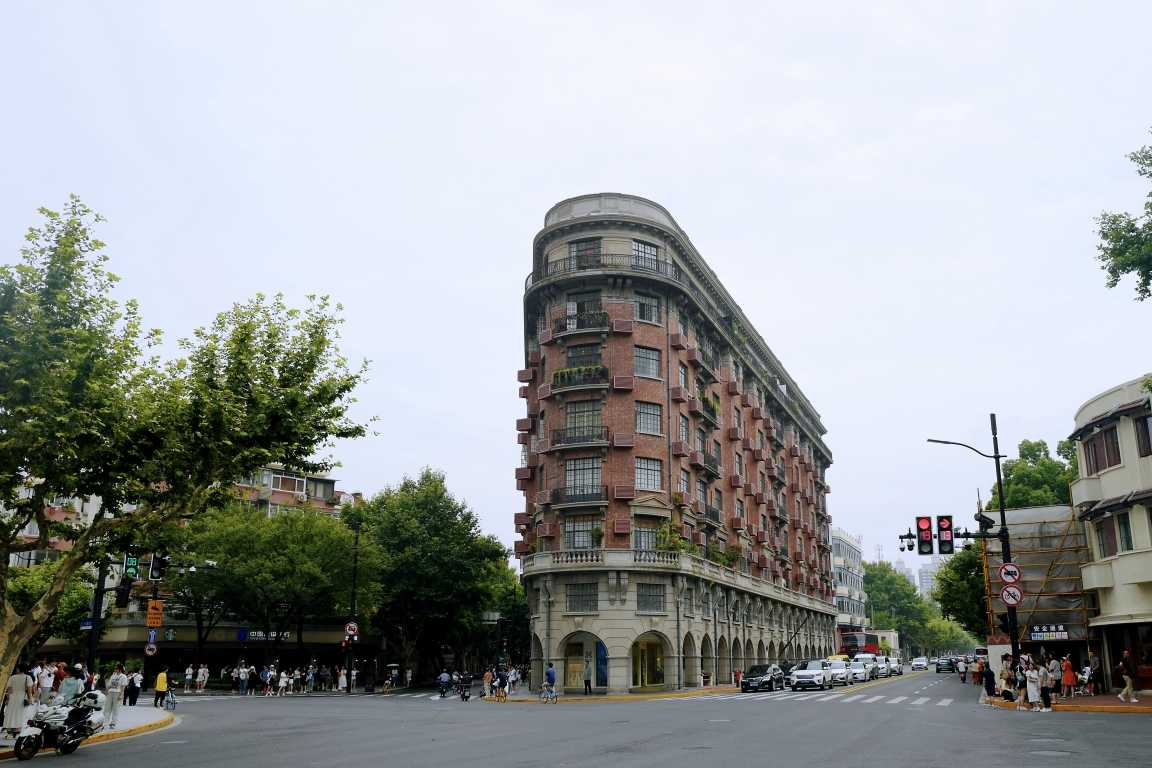
Getting There: Beijing to Shanghai by High-Speed Rail
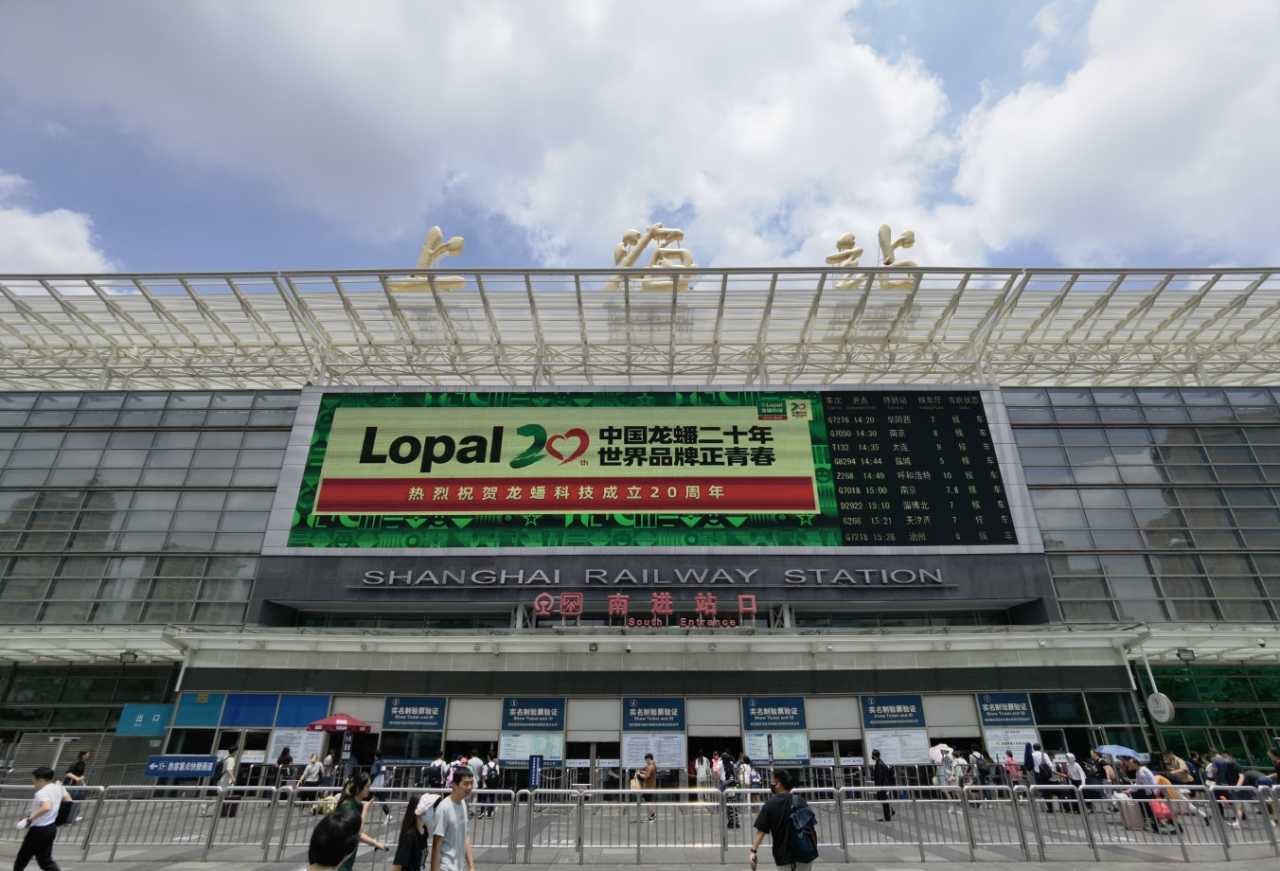
The high-speed train is the most convenient option from Beijing to Shanghai. Most trains arrive at Shanghai Hongqiao Station, but savvy travelers choose trains terminating at Shanghai Station — it's closer to the city center and immerses you in authentic old Shanghai atmosphere immediately.
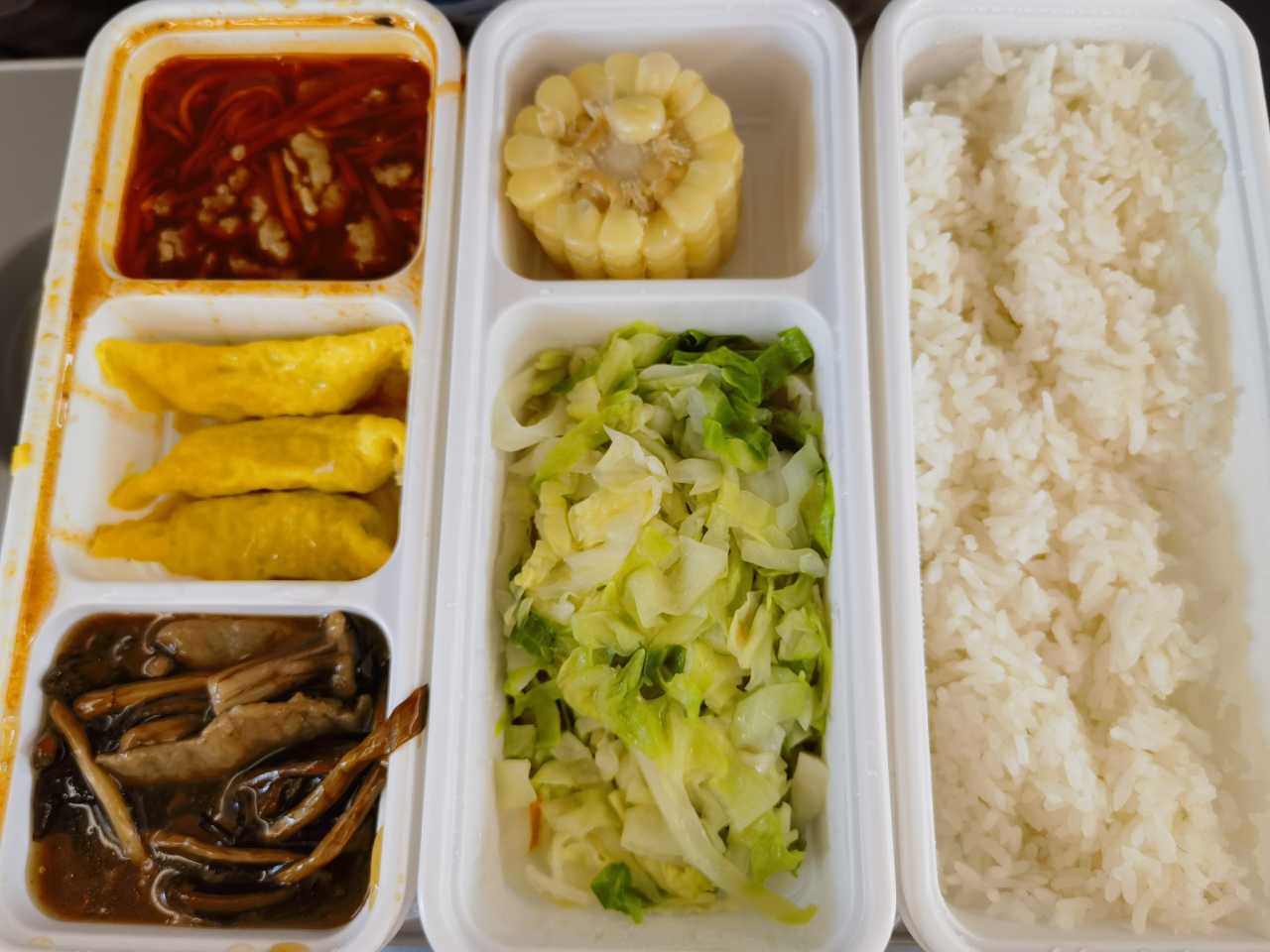
Pro tip: Book the 7 a.m. departure arriving at 11:29 a.m. — a four-and-a-half-hour ride perfect for catching up on sleep. The onboard boxed meals, supplied from Nanjing South Station, are surprisingly delicious with a good mix of meat and vegetables.
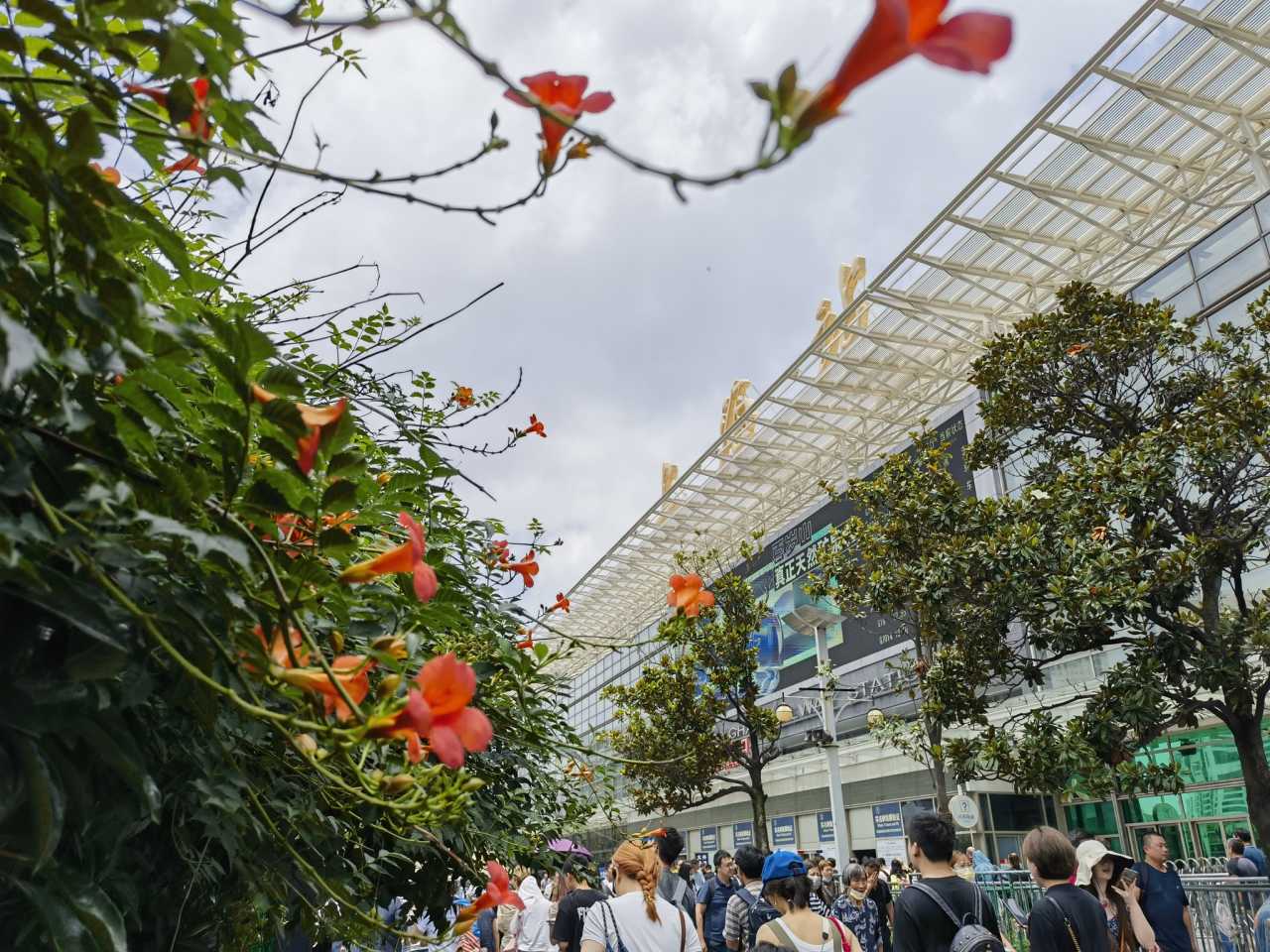
Upon arrival, you'll spot trumpet creeper flowers climbing over trellises in the square — their orange-red blossoms welcoming you: "Welcome to Shanghai."
Best Time to Visit Shanghai

Shanghai's summer (June-August) offers long daylight hours but humid conditions. For optimal nightscape viewing, plan your visit for half an hour after sunset when the sky retains its blue hue and city lights begin to glow. Winter sunsets arrive earlier, so adjust your schedule accordingly.
Day One: Red History Meets Artistic Discovery
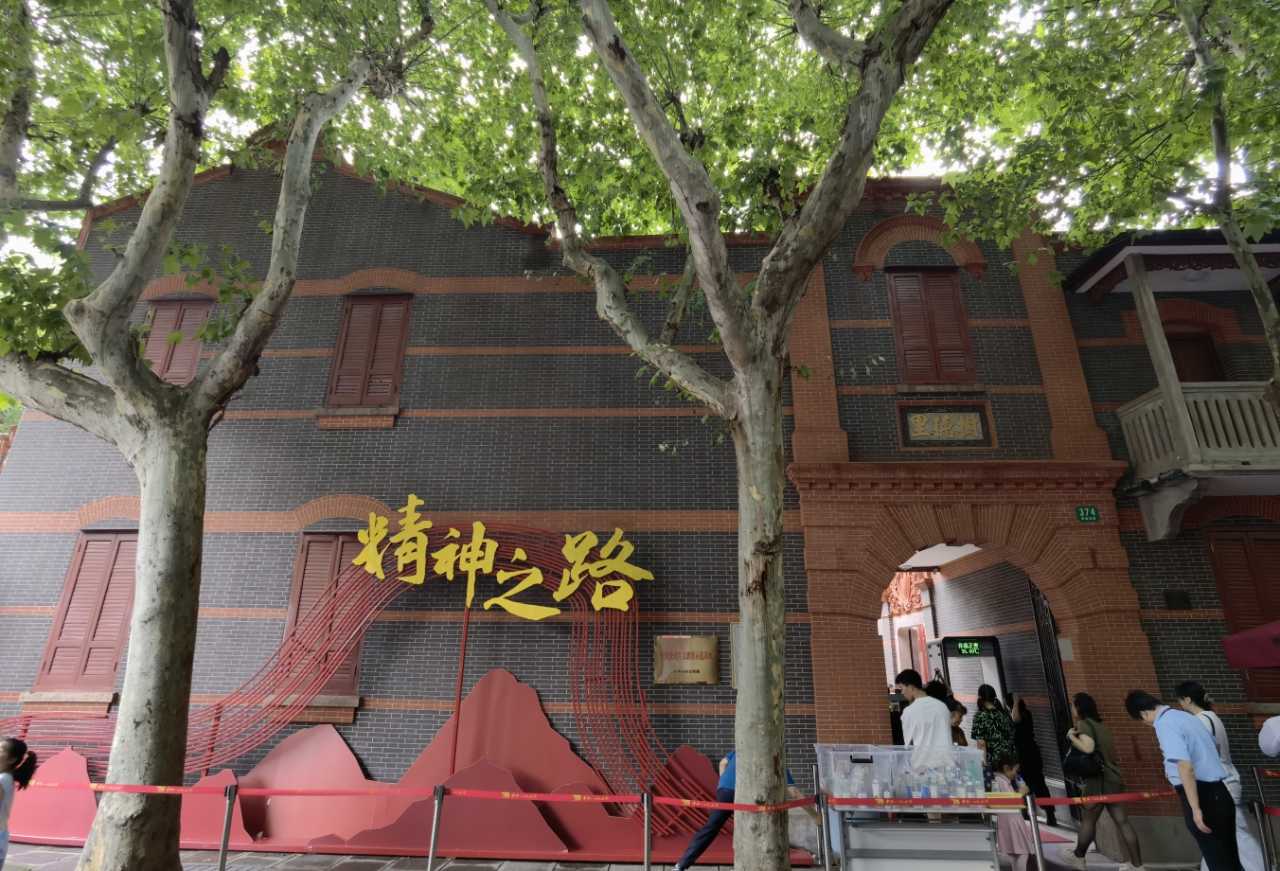
The Memorial Hall of the First National Congress of the CPC: Where Shanghai's Revolutionary Story Began
Address: No. 374 Huangpi South Road, Huangpu District, Shanghai
Meeting Site: No. 76 Xingye Road, Huangpu District, Shanghai
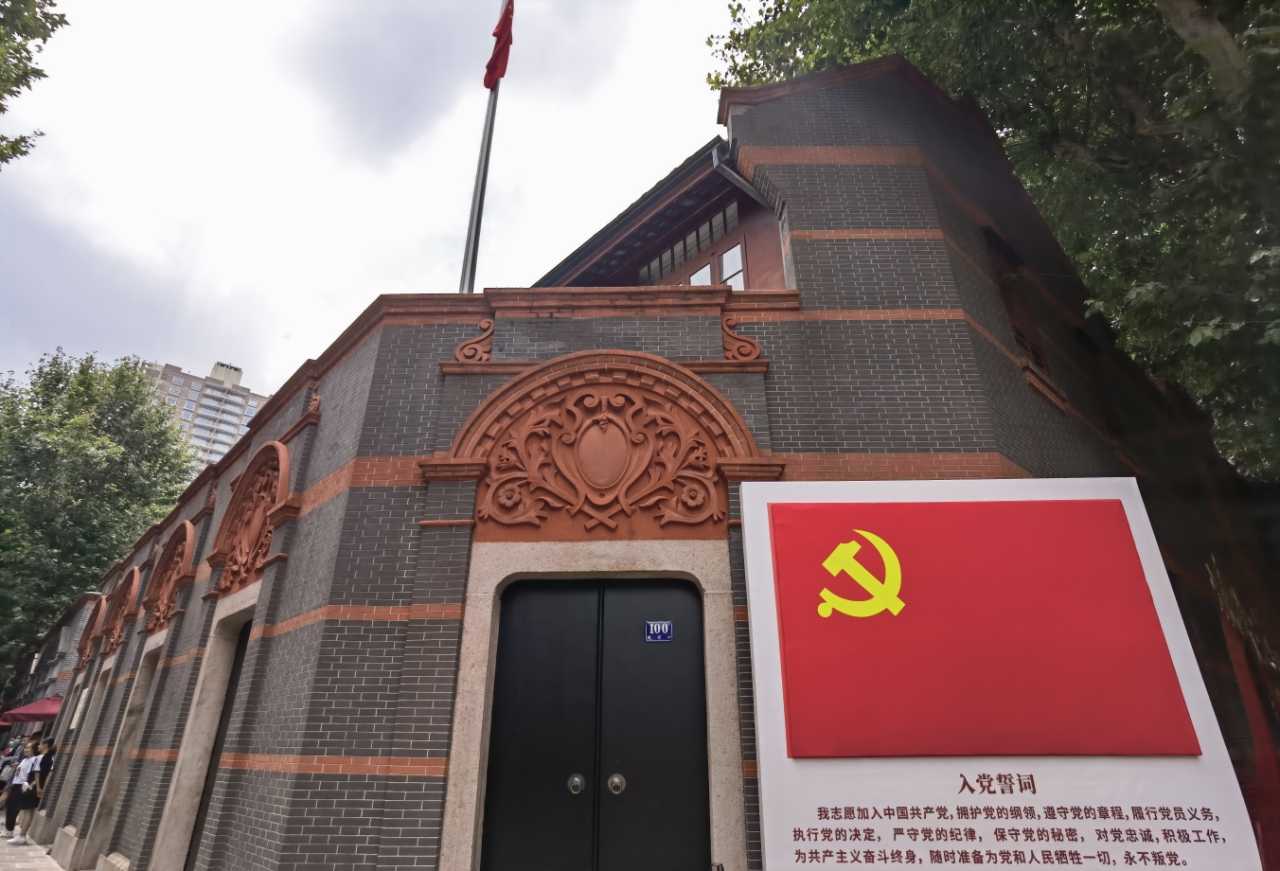
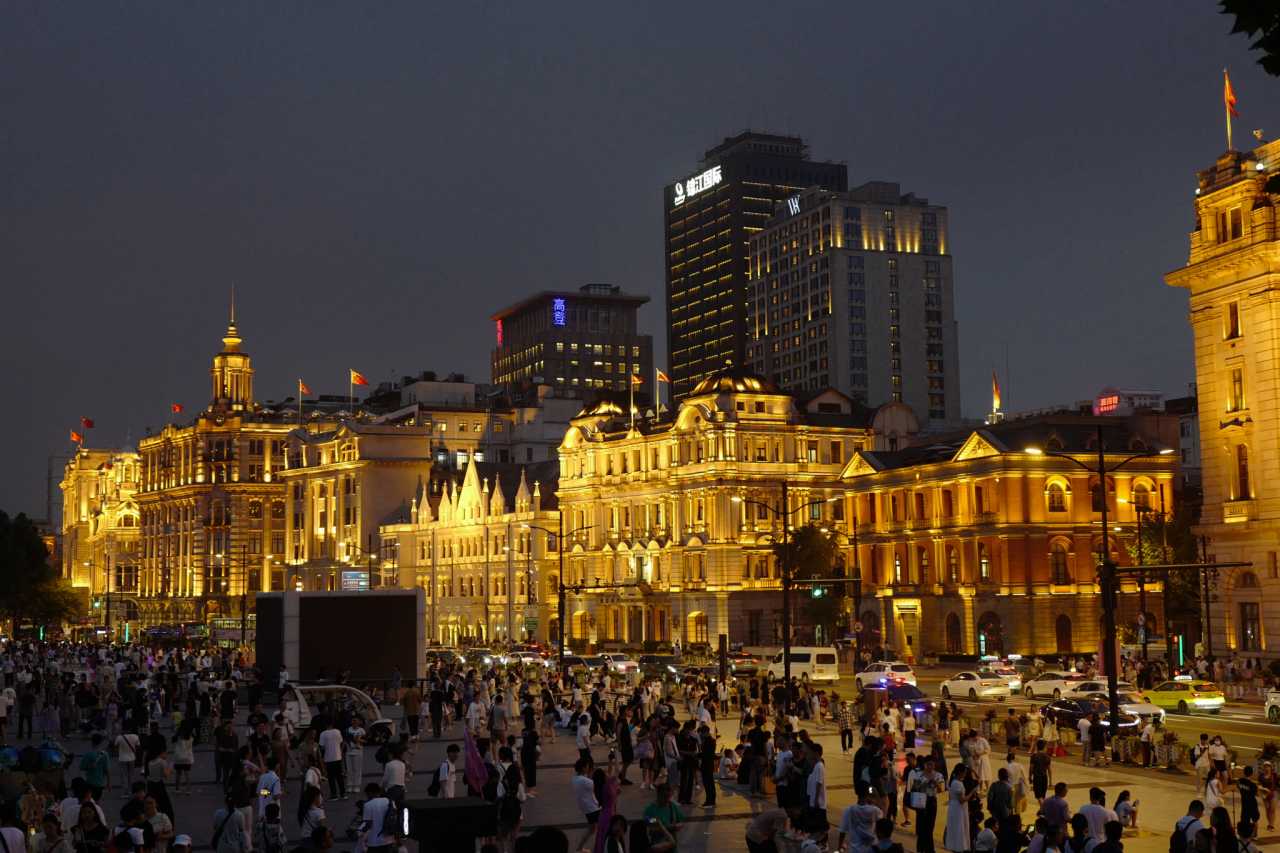
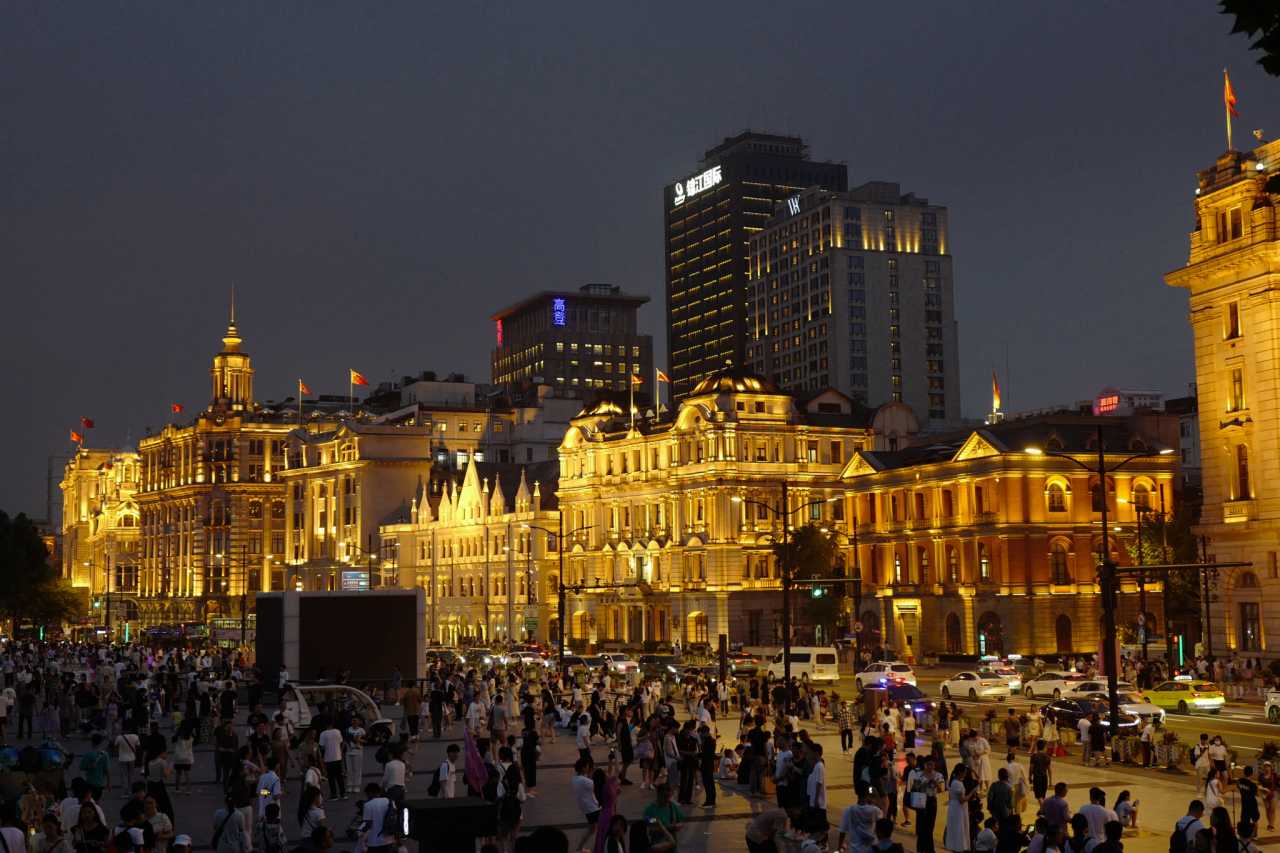
Arriving on July 1, I coincidentally visited during the Party's founding anniversary. After dropping luggage at my hotel, I headed straight for the Memorial Hall and meeting site of the First National Congress. These two locations sit just around the corner from each other — classic Shanghai Shikumen (stone-gate) townhouses quietly standing on the edge of the former French Concession.
The historical context is striking: in 1921, while the Bund boasted high-rises like the HSBC Building (breaking ground that same year), impoverished locals struggled to feed themselves. This stark contrast explains why Shanghai hosted the First Congress — it was both the financial hub of the East and a focal point of social contradictions.
[Link: Shanghai History Museums Guide]
Aurora Museum: A Small but Exquisite Treasure in Pudong
Address: 1st Floor, Aurora International Building, No. 99 Fucheng Road, Pudong New Area
Admission: 60 RMB
Opening Hours: Tuesday to Sunday, 10:00–17:00 (extended to 21:00 on Fridays, closed Mondays)
Located in Lujiazui, the Aurora Museum is a hidden gem that even locals overlook. A friend working nearby admitted she'd never visited — I strongly recommended she change that. The ticket price feels steep, but the exhibits are few yet refined, and the environment remains quiet and comfortable.
Permanent Exhibition Highlights: - Ancient pottery figurines - Jade artifacts from various dynasties - Blue-and-white porcelain - Buddhist statues
Pro tip: Prioritize sections that interest you most — don't force yourself to see everything. The museum offers a paid audio guide app with limited validity (24 or 48 hours), so plan accordingly.
Notable Artifacts:
- Yuan Dynasty Blue-and-White Plum Vase with "Xiao He Chases Han Xin Under the Moon": One of the Nanjing Museum's crown jewels, a restricted cultural relic for export, unearthed from the tomb of Mu Ying. A similar piece fetched over 800 million Hong Kong dollars at auction in 2011.
- Yuan Dynasty Blue-and-White Large Jar with "Wang Zhaojun's Departure from the Frontier": The flourishing of narrative blue-and-white porcelain connects directly to Yuan opera and zaju (variety plays) development.
Afternoon Tea at the Museum: "Getting Rich" Dessert
Midway through my visit, hunger struck. The museum café offered a dessert shaped like a mahjong tile reading "Fa Cai" (Get Rich) — appropriately named at 52 RMB. Surprisingly delicious, it blends orange, tangerine, lemon, and citrus flavors into a light milk mousse. The window overlooks the Huangpu River, directly facing the Bund — though morning light works better than afternoon glare.
The Bund at Night: Pudong Views Puxi
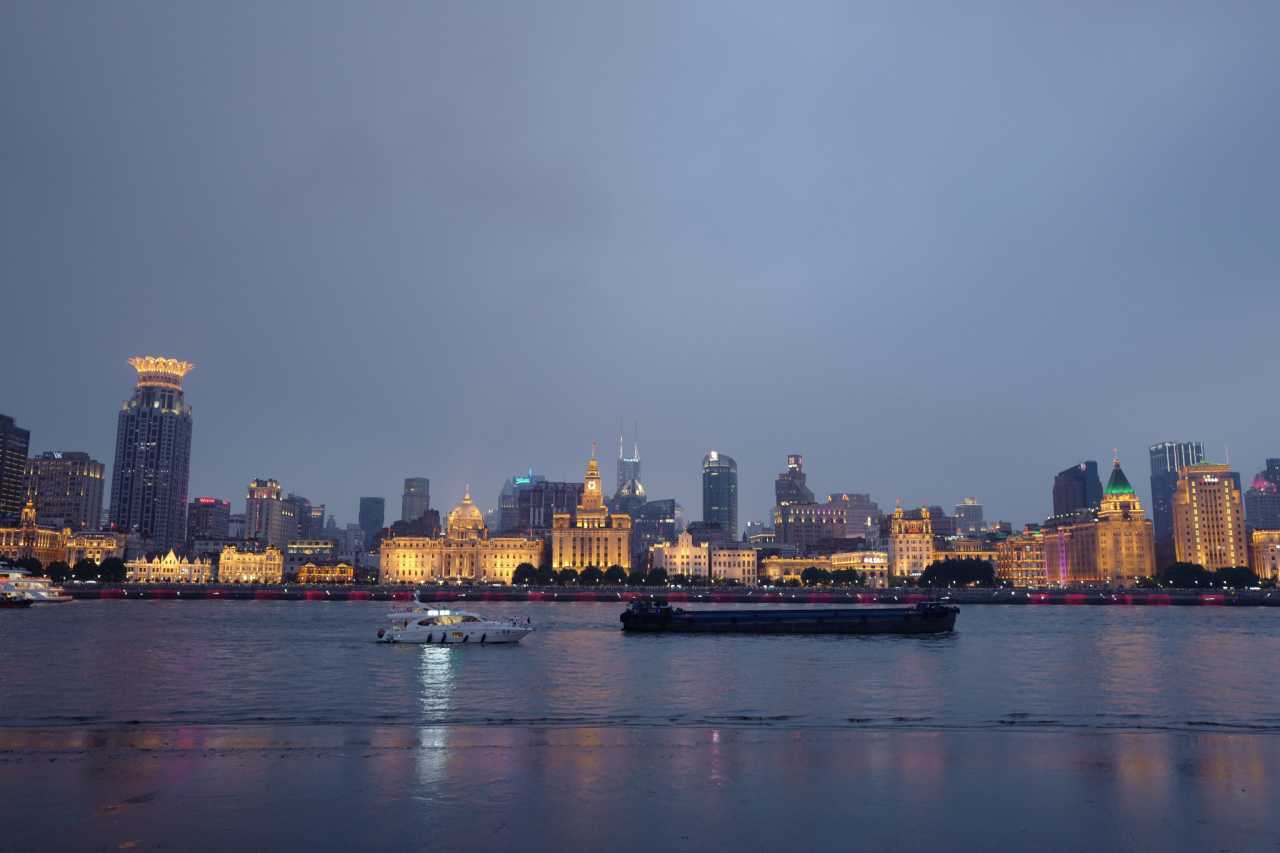
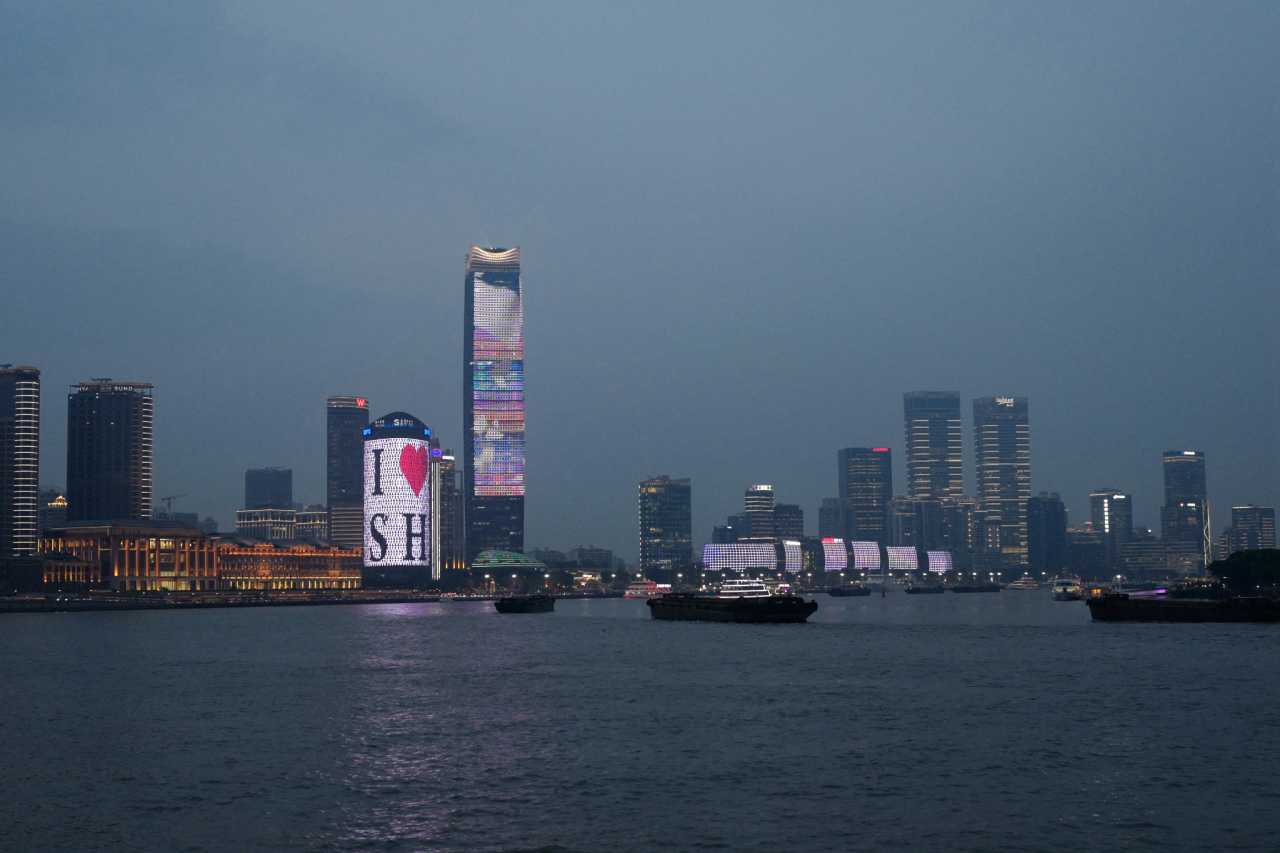
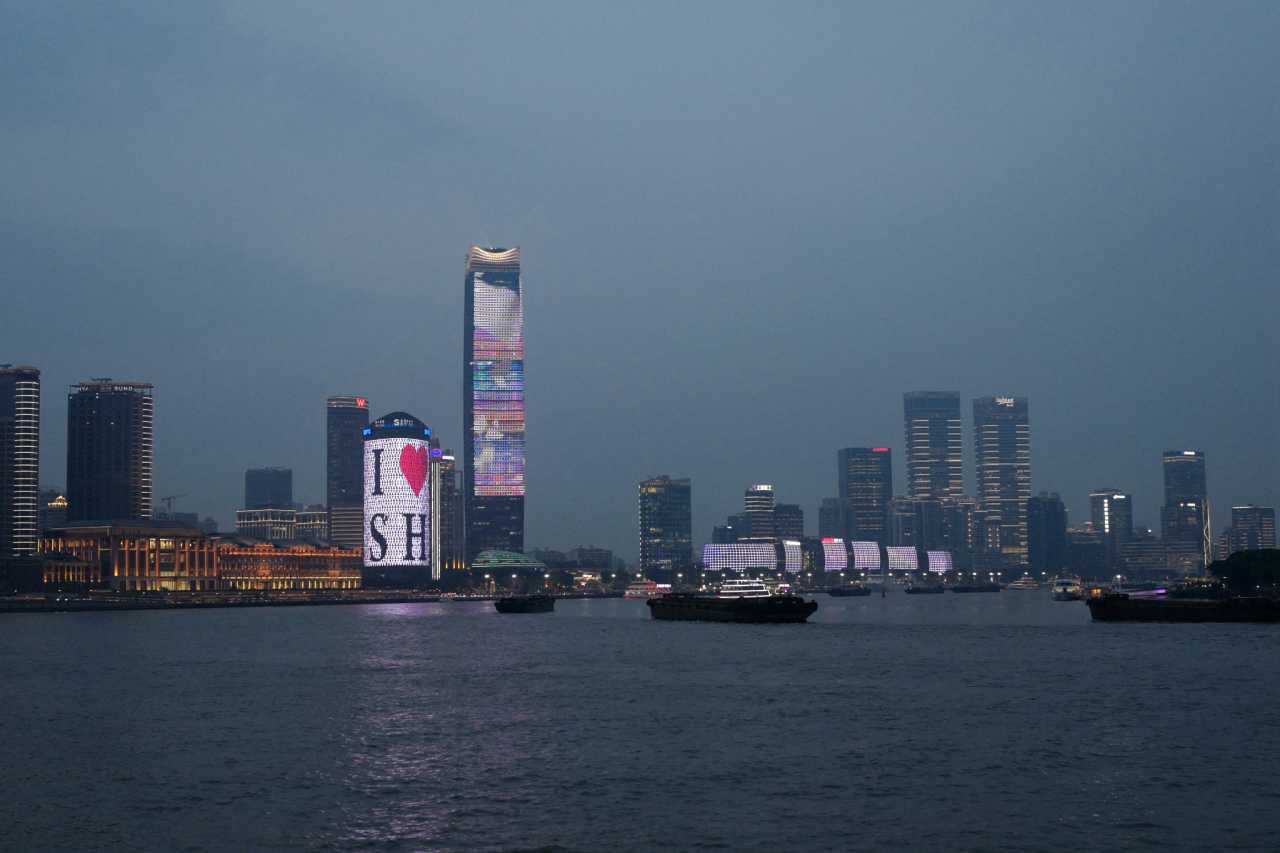
To experience the Bund nightscape, you have two options: view Pudong from Puxi, or view Puxi from Pudong. Modern skyscrapers and the Oriental Pearl Tower dominate Pudong, while historic Bund buildings grace Puxi. I split this over two days, starting with viewing Puxi from Pudong.
Best Viewing Spots
Walk from the Aurora Museum to the riverside, searching for a restaurant with a view to wait for the lights. Along the way, trumpet creeper flowers bloom — beautiful but aggressive growers once planted.
Tyndall Effect Magic: As dusk fell, clouds blocked sunlight, creating "Jesus light" — mist hanging halfway up skyscrapers, their tops appearing and disappearing.
Where to Watch: The best spot is in front of the Pudong Museum of Art, where platforms accommodate cameras or phone tripods for time-lapse photography. The museum's architecture reminded me of Wall-E from Toy Story.
When Lights Come On
At 7 p.m. precisely, lights switch on in sequence. The waiting crowd gasps in amazement. Even overcast weather maintains "that vibe." The constant flow of boats on the Huangpu River reminds you that shipping remains its primary business.
Optimal Viewing Time: Half an hour after sunset, when the sky retains blue tones and lights are already illuminated. In winter, early sunsets mean lights might not activate until fully dark — choose your travel season wisely.
[Link: Shanghai Nightlife Photography Tips]
Day Two: Exploring Shanghai's Cultural Heart
The Oriental Pearl Tower: Up Close and Personal
Address: No. 1 Century Avenue, Pudong New Area, Shanghai
Since I was already nearby, I approached the Oriental Pearl Tower for a closer look. While I didn't ascend, the tower's distinctive spheres against the Shanghai skyline create an iconic photo opportunity. For first-time visitors, the observation decks offer panoramic views spanning both Pudong and Puxi.
Frequently Asked Questions About Slow Travel in Shanghai
1. Is Shanghai safe for solo female travelers?
Absolutely. Shanghai ranks among China's safest cities for solo travelers, including women. Standard precautions apply — keep valuables secure, avoid poorly lit alleys late at night, and trust your instincts. The metro system runs until approximately 10:30 p.m., and taxis remain readily available.
2. What's the best way to get around Shanghai without rushing?
Combine walking with the Shanghai Metro. Purchase a Shanghai Public Transportation Card or use Alipay's transport feature for seamless transfers. Walking through former French Concession streets or along the Bund provides the authentic slow travel experience.
3. How much should I budget for a 4-day Shanghai trip?
Expect to spend approximately 2,000-3,500 RMB ($275-$480 USD) excluding accommodation, depending on dining choices and museum admissions. High-speed rail from Beijing costs around 550 RMB ($75 USD) one way. Museum entrance fees range from free to 60 RMB.
4. What should I pack for a summer Shanghai trip?
Lightweight, breathable clothing, comfortable walking shoes, sunscreen, a hat, and an umbrella (for both sun and sudden rain showers). Evenings remain warm but humid — pack a light jacket for air-conditioned museums and restaurants.
5. Can I visit Shanghai without speaking Chinese?
Yes, though learning basic phrases helps. Major attractions, hotels, and restaurants in tourist areas have English signage and staff. Download translation apps like Google Translate or Pleco for menus and directions.
Shanghai Travel Tips for Slow Travelers
Transportation Options
- Metro: Most efficient for covering distances quickly
- Walking: Best for exploring neighborhoods like the French Concession, Xintiandi, and Tianzifang
- Taxi/Ride-hailing: Use Didi app for convenient, affordable rides
- Shared bikes: Perfect for short distances between attractions
Money-Saving Museum Strategies
Many Shanghai museums offer free admission on specific days or during certain hours. Check official websites before visiting. The Shanghai Museum (People's Square) remains free year-round, while smaller museums like the Aurora Museum charge reasonable entrance fees.
When to Visit Popular Attractions
Avoid weekends and Chinese public holidays if possible. Weekday mornings (right at opening time) offer the quietest experiences. For the Bund, visit just before sunset to catch the transition from day to night.
Conclusion: Travel Your Own Way in Shanghai
This four-day Shanghai journey proves that slow travel isn't about missing attractions — it's about experiencing them deeply. From the historical significance of the First National Congress Memorial Hall to the artistic treasures of the Aurora Museum, from the magic of Bund nightscapes to the simple pleasure of watching trumpet creeper flowers bloom, Shanghai rewards those who wander without rigid schedules.
Ready to plan your own Shanghai adventure? Start by booking your high-speed rail ticket to Shanghai Station, pack comfortable walking shoes, and leave your itinerary open to spontaneous discoveries. Remember: the best travel experiences often happen when you're not looking for them.
Share your Shanghai slow travel story: Tag us with #SlowTravelShanghai and inspire others to explore at their own pace. Your journey awaits — go find it.
[Link: More China Slow Travel Guides] [Link: Shanghai Hidden Gems Beyond the Tourist Trail] [Link: Solo Travel in China: Complete Guide]
Your Turn: What's your favorite slow travel experience in Shanghai? Drop a comment below or join our community of mindful travelers. Happy wandering!