A Forest Island, Two or Three Days: An Ordinary Person's Self-Driving Guide to Chongming Island

Meta Description: Escape Shanghai for 2-3 days on Chongming Island. Discover self-driving routes, farm stays, Dongping Forest Park, and Dongtan Wetland. Your complete guide to China's third-largest island.
Why Chongming Island Should Be Your Next Weekend Getaway
During the Wude era of the Tang Dynasty (618-626 AD), two sandbars quietly emerged at the mouth of the Yangtze River. In the first year of the Shenlong era (705 AD), the imperial court established a town on the western sandbar, naming it "Chongming" — "Chong" meaning lofty, "Ming" meaning vast and bright, together signifying "a flat, clear plain rising above the water." More than 1,300 years later, this pristine sandbar has grown into China's third-largest island.
In my tenth year living in Shanghai, I finally set foot on this place I'd been talking about visiting every year. It's only about 100 kilometers by car from downtown Shanghai, yet stepping onto the island feels like crossing into an entirely different dimension — the clocks tick a little slower here, the vegetation is lusher, and the air carries the scent of soil and greenery.
This isn't a dry, bullet-point itinerary. It's the real account of an ordinary person slowly wandering this forest island over two or three days. If you've ever dreamed of escaping the city without going too far, then come along with me.
First Impressions of Chongming: Reading the Map of This Long, Narrow Island

Chongming Island has an unusual shape. Most islands are irregular polygons or ovals, but Chongming — shaped by sediment deposits and tidal shifts at the Yangtze's mouth — has become elongated and is still slowly changing. If you search for "Chongming Island" on a map, you might find its shape a little... indescribable. But that's nature's handiwork.
Understanding Chongming Island's Layout

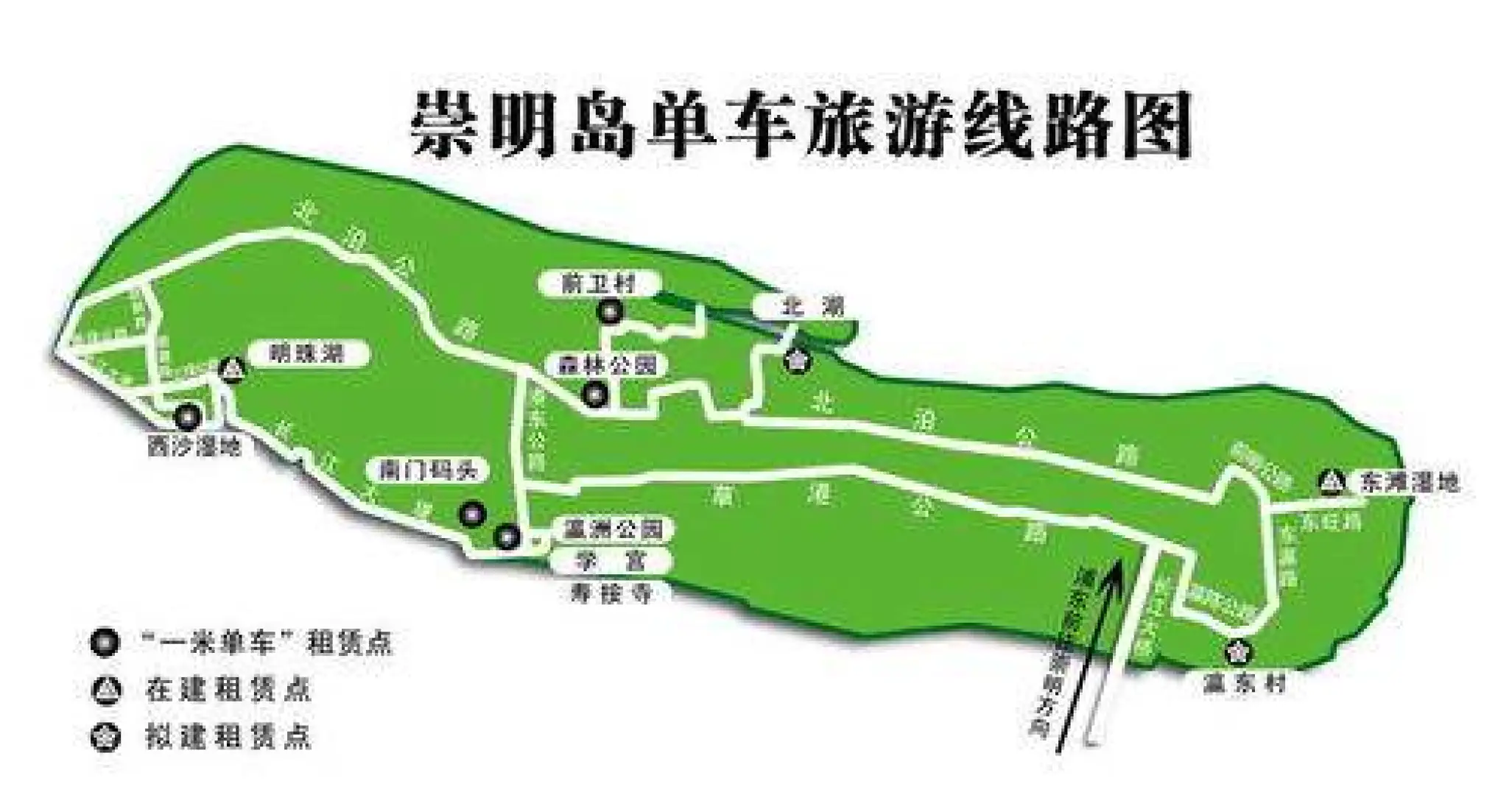
Simply put, Chongming Island can be divided like this:
- West: Xisha National Wetland Park, plus a few scattered minor attractions
- Central: Dongping National Forest Park, along with the main towns and villages, where most farm-stay accommodations are clustered
- South: Nanmen Port Terminal (the main ferry point to and from Shanghai) and the district center
- East: Dongtan Wetland Park
From Dongtan to Xisha, it's about 80 kilometers across — about an hour and a half by car. Hotels and guesthouses are concentrated in the east and center, while dining options are mainly in the center and south. Once you understand this layout, planning your trip becomes much easier.
Time Recommendations for Your Chongming Self-Driving Trip
- 2 days, pure relaxation: Stay in the east at the Hyatt Regency or Sheraton, watch the sunrise at Dongtan, and just lounge at the hotel
- 2-3 days, family trip or first visit: Stay in the center — you can explore the west, center, and south (this was our approach)
- 3 days, full experience: Spend one night in the center and one in the east to cover all the classic areas

I wouldn't recommend more than 3 days, for a very practical reason — by the third evening, you'll likely be tired of farmhouse food, with few other appealing options.
[Link: Best farm-stay accommodations on Chongming Island]
Everyday Life in the Fields: Staying at Yeshan Garden
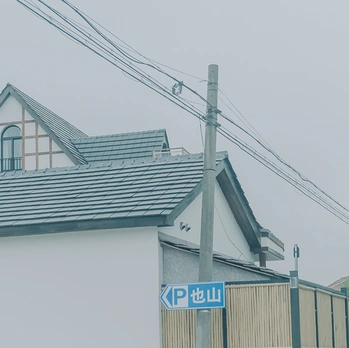
Most people choose the Hyatt Regency or Sheraton when visiting Chongming. But this time, we wanted a more "islander" experience, so we booked a Japanese-style boutique guesthouse called Yeshan Garden in Hongqiao Village, central Chongming.

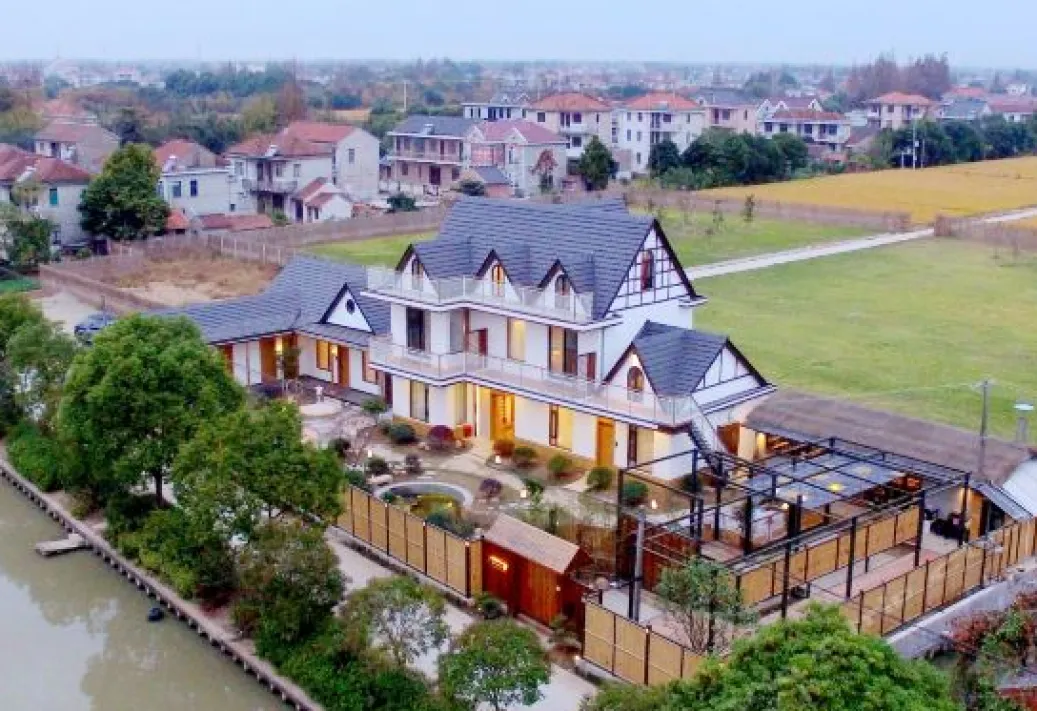
Before leaving, I saw an aerial photo online: a small river in the foreground, village houses and rice paddies in the distance, with a white three-story building standing in between, looking wonderfully isolated. That single photo was enough to make me book without hesitation.
Driving into Yunlianghe Road — a narrow village lane — I spotted an old man fishing in the creek beside it. Within 500 meters, I looked up and saw that distinctive white-walled, peaked-roof building.
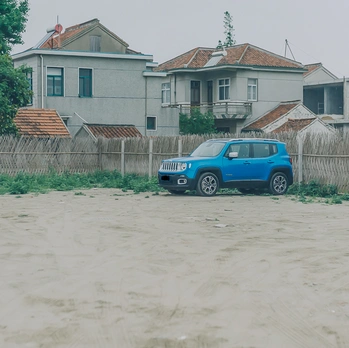
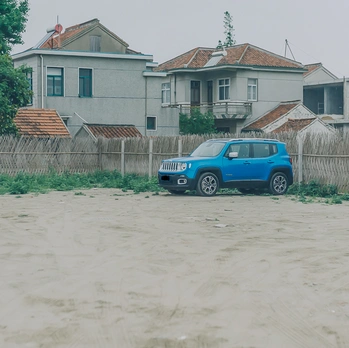
Yeshan has a spacious sand parking lot, big enough to roll around in. Past a row of bamboo fences is the main entrance. Across the road, many loquat trees were growing. It was early summer, peak season for loquats — the trees were heavy with pale yellow fruit, glistening in the sunlight.
The Charm of Yeshan Garden's Design
The doorplate was understated. A gentle ring of the bell, and the gate silently swung open, giving the illusion of entering an ancient temple. Through a corridor lined with bamboo fences, a charming Japanese garden appeared — the building and courtyard were arranged with a pleasing rhythm, and within the limited space, you could feel the owner's intention and care.
Our room was called "Pine Residence" (Song Ju), with a Japanese aesthetic. It wasn't large, but it was fresh and elegant. Yeshan has only 10 rooms, spread across the first and second floors, each with its own name and character.
The details were full of pleasant surprises: the small courtyard had its own slippers, color-coordinated with the room; the tea set, incense tools, and ornaments were perfectly placed; the bathroom was Japanese-style with a comfortable feel; all toiletries were from Muji or Japanese drugstore brands. Soft to look at, practical to use — the owner seemed to have created a "home" that returns you to pastoral life.
Beyond the floor-to-ceiling glass door was a small courtyard enclosed by bamboo fencing, with pebbles and simple landscaping. To be honest, the courtyard wasn't particularly functional, but looking out from the room, it was genuinely pleasing to the eye.
The Heart of Yeshan Garden: The Reception Room
My favorite spot was Yeshan's reception room, which doubled as a front desk, dining room, café, and tea lounge. Though small, it had a long counter with an open view. Sitting there in the early morning, gazing at the ten acres of lush green lawn while enjoying the owner's prepared breakfast — that's how a good day begins.
At night, it became our "living room." We brought back a fresh watermelon from the village market, asked the host to slice it, and sat there munching while watching a movie, reading, or writing. Like the crisp, sweet local watermelons, our hearts felt at ease.
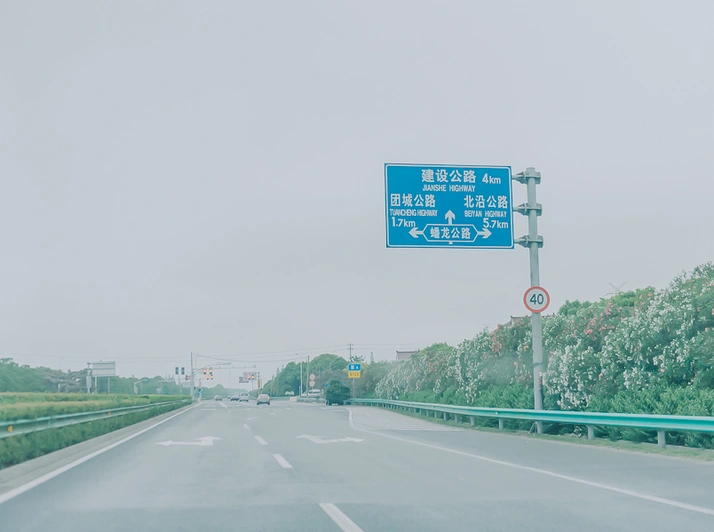
It's said that the name "Yeshan Garden" is inspired by Tao Yuanming's poem "Returning to Live in the Countryside": "From youth, I had no taste for worldly affairs; by nature, I love hills and mountains." That love for pastoral life is evident in every corner of this garden. For those used to city living, the peace and comfort here are deeply enjoyable — not to mention the well-equipped modern facilities and the warm hospitality of the hosts.
As we left, two things stayed on my mind: first, the reception room's "receptionist" — a soft, chubby cat named "Brother Fa" (Fa Ge), whom we unfortunately missed; second, the ten acres of lawn behind Yeshan — what would it become? I'll leave that to the imagination.
[Link: Top 10 boutique guesthouses on Chongming Island]
Central Forest and Western Wetlands: From Wood to Water in One Day
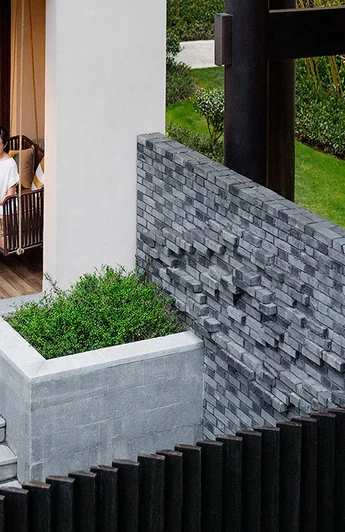
In Shanghai's cramped city center, it's rare to have the luxury of strolling into a forest park or wetland park. But on Chongming Island, this is practically an everyday affair.
Dongping National Forest Park: Cycling into a Sea of Green
Dongping Forest Park was originally a tree farm, with a forest coverage rate of 90%. Cedar and camphor forests stretch everywhere, providing excellent shade and coolness. Admission is 70 RMB per person, with discounts available if you buy tickets online a day in advance.
I highly recommend renting a bicycle and riding wherever your heart takes you. The park is vast, but most intersections have signposts, so you won't get lost — and if you do, Baidu Maps can even show the park's trails.
With luck, you might encounter a forest tabby cat. It's clingy, eats snails, rolls around in the grass, and lives bravely in the woods. With even more luck, you might spot two white goats, bleating loudly for food. We fed them so much grass and leaves, but they were never satisfied — true bottomless pits of the goat world.
Next to the goats is the park's RV camping area, where each RV comes with a small yard for barbecuing, screened by greenery. The RVs are Relache brand, simply furnished, costing about 1,000 RMB per night. But the whole area is cramped, and besides barbecuing, dining options are limited.
Xisha National Wetland Park: A Watery Paradise
About 40 minutes west of Dongping lies Xisha National Wetland Park. This is where the Yangtze River meets the sea, creating a unique ecosystem of mudflats, reeds, and bird habitats. The boardwalk trails let you walk out into the wetlands, where you can spot egrets, herons, and if you're lucky, migratory birds.
The best time to visit is late afternoon, when the golden light makes the reeds glow and the water sparkle. Admission is 50 RMB per person, and the park is open from 8:30 AM to 4:30 PM.
[Link: Best time to visit Chongming Island wetlands]
FAQ: Your Chongming Island Questions Answered
1. Is Chongming Island worth visiting for a weekend trip from Shanghai?
Absolutely. It's only about 100 kilometers by car from downtown Shanghai — roughly 1.5 to 2 hours depending on traffic. The island offers a complete escape from city life, with forest parks, wetlands, farm stays, and fresh local food. It's perfect for a 2-3 day self-driving trip.
2. What's the best time of year to visit Chongming Island?

Spring (March-May) and autumn (September-November) are ideal. The weather is mild, the vegetation is lush, and migratory birds pass through. Summer can be hot and humid, but the forest parks offer good shade. Winter is cold but less crowded.
3. Do I need a car to explore Chongming Island?
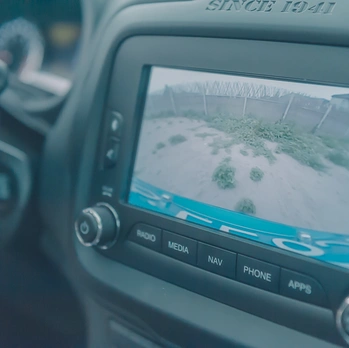
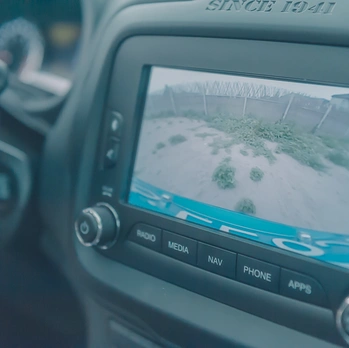
Yes, a car is highly recommended. Public transport is limited, and the island is long and narrow — about 80 kilometers from east to west. A self-driving trip gives you the freedom to explore at your own pace and reach remote farm stays and attractions.
4. What local food should I try on Chongming Island?
Don't miss the farmhouse cuisine: fresh river fish, organic vegetables, free-range chicken, and local specialties like Chongming hairy crabs (in season) and Chongming cake (a sweet rice cake). Most farm stays offer home-cooked meals using ingredients from their own gardens.
5. How many days should I spend on Chongming Island?
Two to three days is ideal. Two days works for a relaxed weekend getaway, while three days lets you explore the west, center, and east without rushing. More than three days, and you might find farmhouse food repetitive.
[Link: Chongming Island food guide: What to eat]
Your Chongming Island Adventure Awaits
Chongming Island is more than just a weekend escape — it's a chance to slow down, breathe deeply, and reconnect with nature. Whether you're cycling through Dongping Forest Park, watching the sunset at Xisha Wetland, or relaxing in a Japanese-style garden guesthouse, this forest island offers a peaceful retreat just a short drive from Shanghai.
Ready to plan your trip? Start by booking your accommodation — Yeshan Garden or a similar farm stay in central Chongming — and map out your route from Dongtan to Xisha. Pack comfortable shoes, a camera, and an appetite for fresh, simple food. Your two or three days on Chongming Island will leave you refreshed, recharged, and already planning your next visit.
Book your Chongming Island self-driving trip today and discover why this forest island is Shanghai's best-kept secret.
[Link: Chongming Island self-driving route planner]
You may also like