A Decade in Shanghai: One City, One Grand Farewell to Youth – An SEO-Optimized Guide to Living, Leaving, and Loving the Magic City

Meta Description:
From a shy 18-year-old in shower slippers to a decade-long Shanghai resident. Discover the emotional journey of leaving the Magic City, plus insider insights on Pudong, Lujiazui, and Shanghai’s manufacturing backbone. Your farewell to youth starts here.
Introduction: The Decade That Defined a Life
On September 11, 2010, a girl wearing shower slippers, brimming with excitement and anxiety about the unknown, boarded a train bound for Shanghai. She had no idea that this journey would stretch on for an entire decade.
Ten years later, as she decided to leave this city—her "second hometown"—for a farther shore, the fragments of memory scattered across alleyways, subway lines, cafés, and skyscrapers suddenly became crystal clear. This is not a simple travelogue, but a decade-long, heartfelt dialogue between a person and a city.
If you’ve ever lived in Shanghai, or if you're planning to move here, this story will resonate deeply. It’s about the bittersweet process of growing up, the city’s unique character, and the hardest goodbye of all: leaving the place that shaped you.
Youth's Foolish Bliss: From Outsider to "Shanghaiese"

The Move That Changed Everything
"Moving is such a hassle. I should have just bought fewer, more expensive things!"
"How was I supposed to know I'd end up staying here for ten years?"
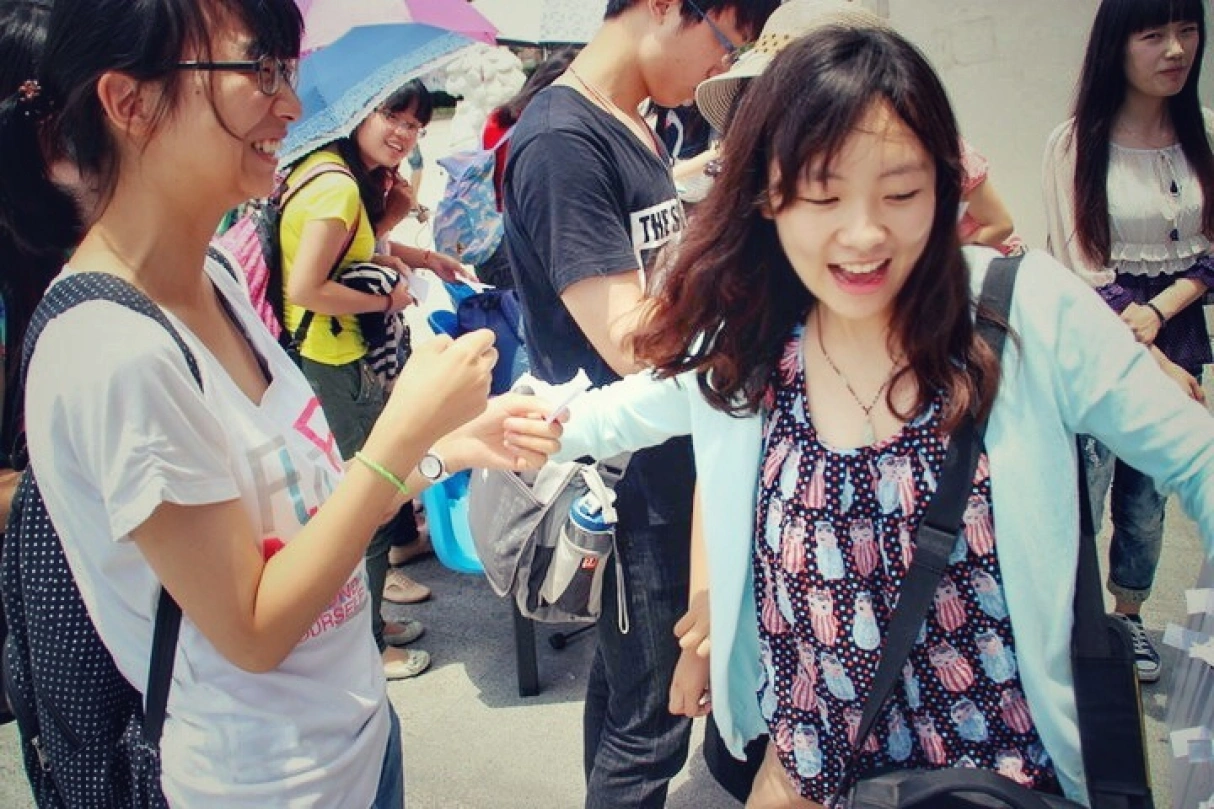
This exchange probably captures the sentiment of every wanderer. In 2010, I left my hometown to attend university in Shanghai. I was so excited the night before that I couldn't sleep—only to realize halfway through the train ride that I was still wearing my shower slippers. That awkward detail still makes me laugh to this day.
Yet the moment my parents turned and left the dormitory, loneliness crashed over me like a tidal wave. I hid on the balcony and cried quietly, the strangeness of everything swallowing up this freshly minted 18-year-old.
The writer Ji Xiao once described this feeling perfectly: "You live well in a pond. The loach is ugly but tells cheerful jokes; the toad is sloppy but amusing. One day you hear that rivers, lakes, and seas are bigger and better, so you leap out. You meet beautiful dolphins and majestic white whales—they are indeed wonderful. But sometimes you feel the world is empty, and life is salty."
The Gradual Melting Into a New Identity
Over these ten years, my trips back home became fewer and fewer. Gradually, I melted into this, China's most dazzling city. People came and went around me, wave after wave. Sometimes I wonder: as fate rises and falls, where is the final destination?
As the writer Li Ba Shen put it: "I miss home. But when I actually go back, I can't get used to it anymore. Everything in my room feels lifeless, like I'm on vacation in a museum of my own past. The bed hasn't changed, but my back has."

What I really miss isn't a geographical location or a few signature dishes. It's a state of being, a rhythm of life. I miss the version of myself walking in the same wind, carrying the same worries.
And now, ten years later, I'm about to experience that feeling of "the world being empty and life being salty" all over again. I'm leaving this city I call my second home for an entirely unfamiliar country. What adventures await someone so small in that brand-new world?
[Link: How to cope with leaving a city you love – tips for expats and long-term residents]
Impressions of Shanghai: The Bones and Soul of a City
Why Shanghai Stands Apart
I wholeheartedly agree with what the writer Fan Tong Dai Laobang said about Shanghai. He called it the best place in China—not only for its romantic French Concession and bustling Lujiazui, but because it has always grounded itself in manufacturing. This positioning has persisted for a century, since the Republic of China era.
In the age of the internet, Shanghai seems to lack a strong presence—lots of small fish but no dragon head. Yet its manufacturing sector has never stopped moving:
- To the north: Changxing Island hosts the world's largest shipbuilding base, where 10,000-ton destroyers and domestically built aircraft carriers are constructed. The land reclamation project on Hengsha Island has reached its eighth phase, creating over 100 square kilometers of new land.
- To the south: The fourth phase of Yangshan Port is the world's largest fully automated container terminal. Together with Waigaoqiao to the north, it solidifies Shanghai's status as the world's biggest port. Lingang's high-end manufacturing base is taking shape.
- To the east: Pudong Airport will eventually add a seventh runway. The Zhuqiao aviation base is responsible for developing and manufacturing China's domestically produced large passenger aircraft. New factories for SMIC and Huali are under construction, while R&D centers for the world's top pharmaceutical companies are rising one after another.
- To the west: Jiading Anting is home to China's largest automobile manufacturing base. The Hongqiao transportation hub combines air and rail with an efficiency and speed that other cities can only envy.
The Urban Blueprint That Works
Shanghai's structure is this: the central activity zone develops finance and services, while manufacturing spreads outward in multiple nodes. In an era of skyrocketing costs, I wonder whether these tactics to "retain people and businesses" will work. But I hope they do—if Shanghai were turned into a supersized Hong Kong by high housing prices, how dull and boring that would be. A Shanghai with manufacturing and young people is a vibrant Shanghai.

For me personally, Shanghai is more than a blurry or clear flat image in photographs. Because I've unknowingly built a connection with this city. In this chaotic, crowded, expanding, and noisy world, the fragmentary nature of daily life has eventually become coherent, no longer drifting away in time and space.
Its inclusiveness and openness are unmatched by any other city. You can live freely, in whatever way makes you comfortable.
[Link: Best neighborhoods in Shanghai for young professionals – from French Concession to Pudong]
Pudong New Area: The Tide Rises, Time to Set Sail
"Life isn't like the movies. Life is much harder. If you don't step out, you'll think this is the whole world." — Cinema Paradiso
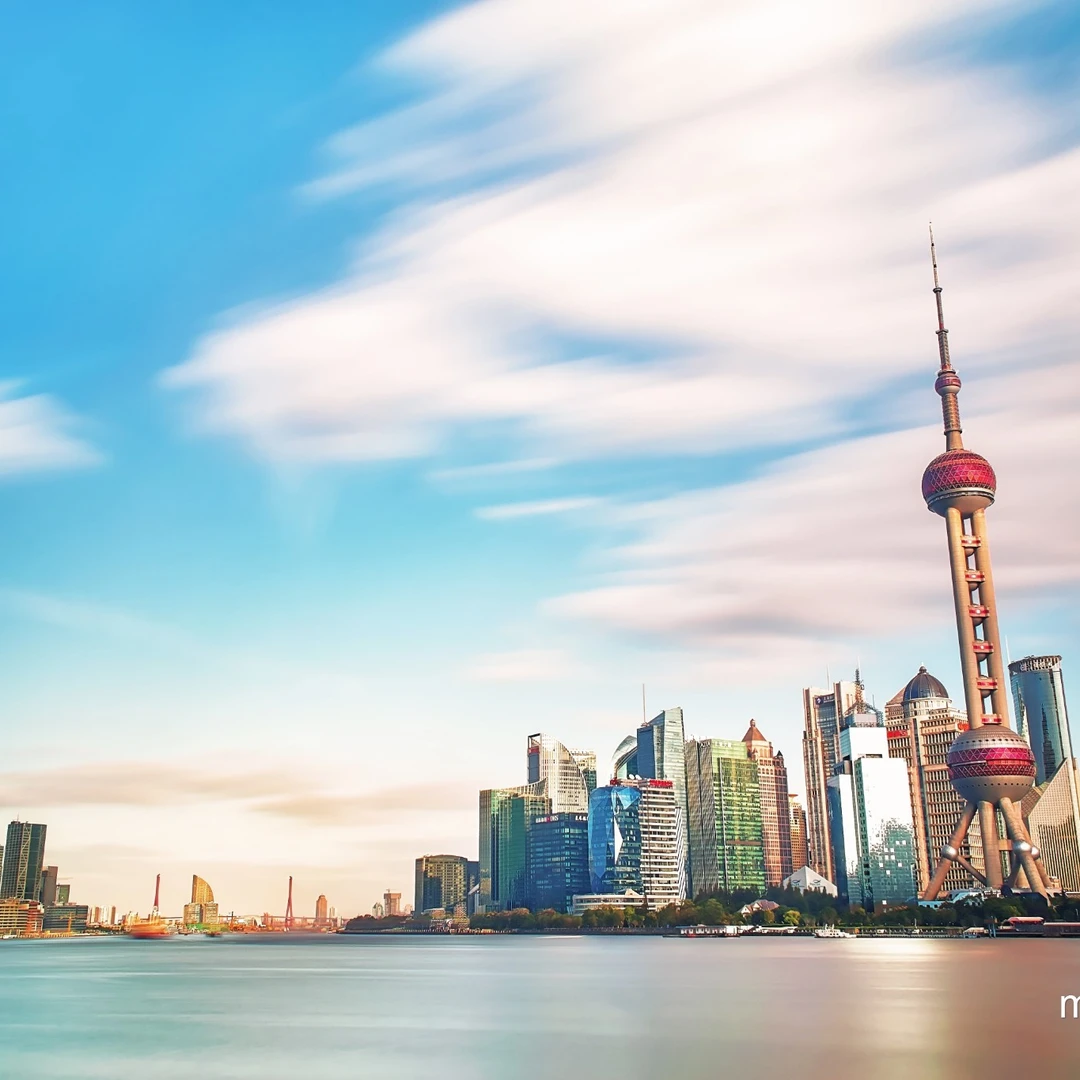
If Shanghai is a centenarian weathered by time and storms, then Pudong New Area is like a growing engineering-minded boy, meticulously planning his future direction. It doesn't have Puxi's bustling yet congested streets. Instead, it boasts row upon row of modern skyscrapers.
Lujiazui: The Faces Beneath the Financial Skyline
A line from Tokyo Girl goes: "Women who can have children are a dime a dozen. But women who can work at a top company and drive projects forward with their own judgment are rare. That's enough, isn't it?" Every morning during rush hour, from 8 to 9 a.m., Lujiazui station disgorges a wave of impeccably dressed white-collar workers, many of them women with flawless makeup.
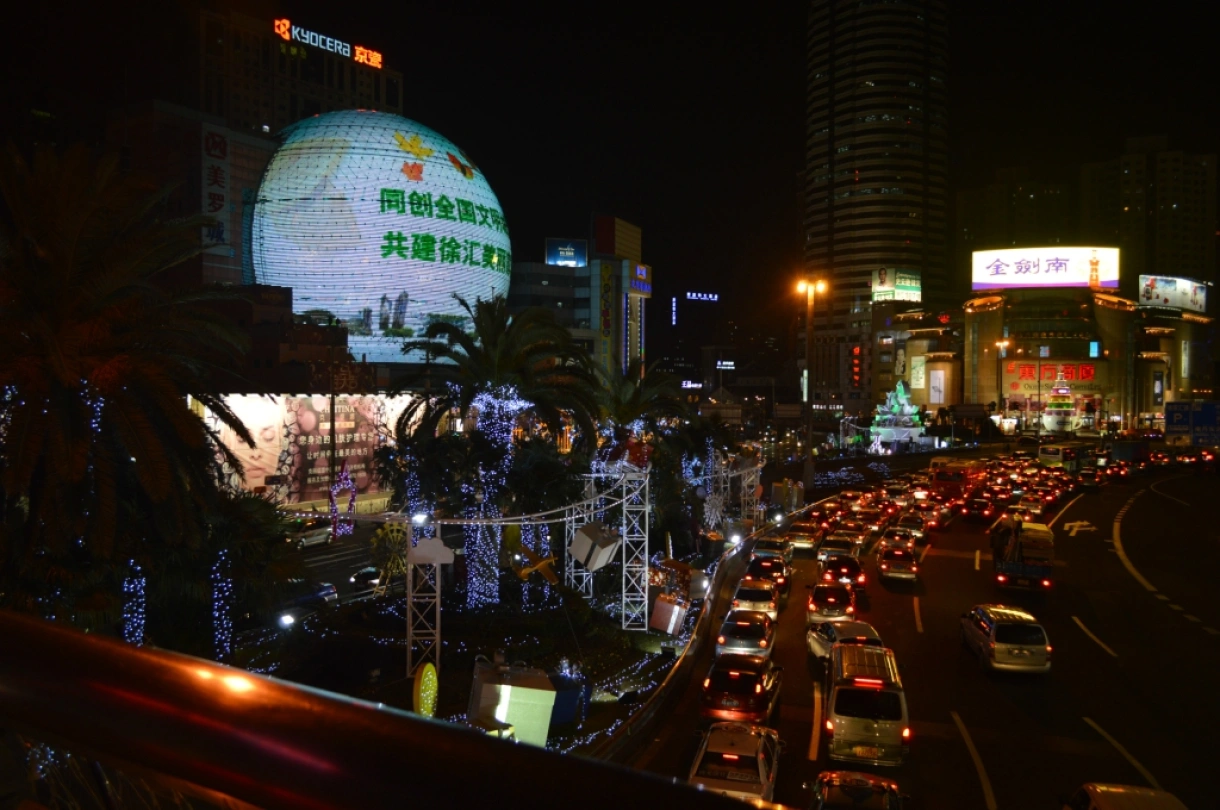
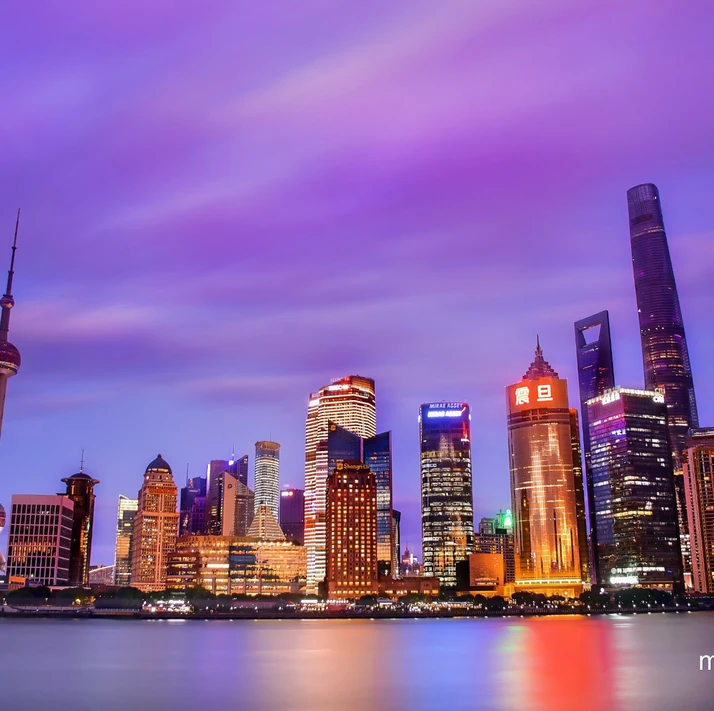
Lujiazui is the heart of China's financial world. Banks, funds, securities firms, insurance companies, and peer-to-peer lenders stand shoulder to shoulder, forming a financial skyline. After the "kitchen trio" skyscrapers were completed, the Oriental Pearl Tower became a forgotten old lady. But no one can deny the elegance of her former silhouette.
Yet these towering buildings and modern facilities aren't the most important thing. Look across China, and every provincial capital's city center is built from the same steel and concrete—uniform and repetitive. What truly matters are the people. It's the endless flow of talent that forms the core engine of Lujiazui.
Most of us are still just small boats on the vast ocean of society. We push forward, rowing against the current, trying to master our lives but constantly being pushed back into the past. We've seen too many movie scenes where the protagonist turns things around and triumphs. Every time, our hearts surge with passion, as if we've achieved our dreams too. But we forget: life is far more complex and difficult than the movies.
How many people refuse to compromise, thinking too highly of themselves? How many eventually give up and submit to fate? In the changing tides of the era, those riding the crest are always the minority. The ones beneath the surface are the foundation that supports the entire age. Their lives may be ordinary, tedious, full of helplessness, and a constant struggle.
But what is "happiness"? Is it the truest feeling in your heart? Is it the hope carried by material things? Or is it a concept defined by society? And what is "desire"? Is it an unstoppable driving force? Is it a poison that consumes the soul? Or is it a shackle from which you cannot escape?
Living in this city, you have relative freedom—but also relative loneliness. And that’s exactly what makes Shanghai so unforgettable.
[Link: Day trips from Shanghai – explore the manufacturing and tech hubs beyond the city center]
FAQ: Leaving Shanghai – Your Questions Answered
1. Why do so many people leave Shanghai after a decade?
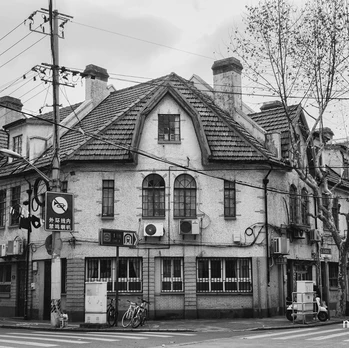
Many long-term residents leave due to rising costs of living, career opportunities abroad, or a desire for a slower pace of life. The emotional pull of "home" often becomes stronger as you age, even as Shanghai remains a beloved second hometown.
2. Is Shanghai really the best city in China for young professionals?
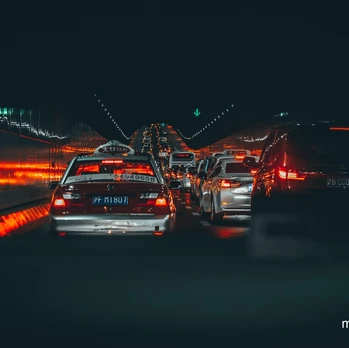
Yes, for many. Shanghai offers unmatched career opportunities in finance, tech, manufacturing, and creative industries. Its international vibe, excellent public transport, and diverse food scene make it a top choice. However, cities like Beijing, Shenzhen, and Hangzhou are strong competitors depending on your industry.
3. What is the best neighborhood for expats in Shanghai?
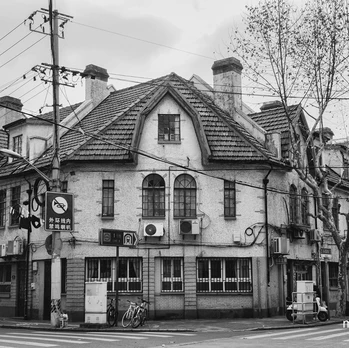
It depends on your lifestyle. French Concession offers charm and nightlife. Pudong (Lujiazui area) is ideal for finance professionals. Jing'an is central and trendy. Hongqiao is family-friendly with international schools. For manufacturing workers, Jiading and Lingang are emerging hubs.
4. How do I cope with the loneliness of living in a big city like Shanghai?
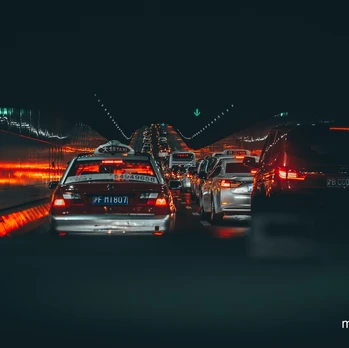
Join hobby groups, attend language exchanges, or use apps like Meetup and BonApp. Many expats find community through sports clubs, book clubs, or volunteering. Shanghai’s inclusiveness means you can always find your tribe—it just takes effort.
5. What should I know before moving to Shanghai for work?
Secure your visa in advance, research housing costs (especially in Pudong vs. Puxi), and learn basic Mandarin phrases. Shanghai has a high cost of living, but salaries for skilled professionals are competitive. Also, be prepared for the city’s fast pace and occasional bureaucracy.
Conclusion: Your Farewell to Youth – and Your Next Chapter
Ten years in Shanghai. One city. One grand farewell to youth.
This city taught me what it means to grow up, to struggle, to belong, and to let go. It gave me the confidence to step into the unknown—and the bittersweet wisdom to know that leaving doesn't mean losing.
Whether you're planning your move to Shanghai, already living here, or preparing to say goodbye, remember this: the Magic City will always hold a piece of your story. And your next chapter—wherever it takes you—will be shaped by the decade you spent here.
Are you ready to write your own Shanghai story? Start planning your move, your farewell, or your next adventure today. The tide is rising—and it's time to set sail.
Did this article resonate with you? Share your own Shanghai story in the comments below, or read more about [how to make the most of your final months in a city you love].
You may also like