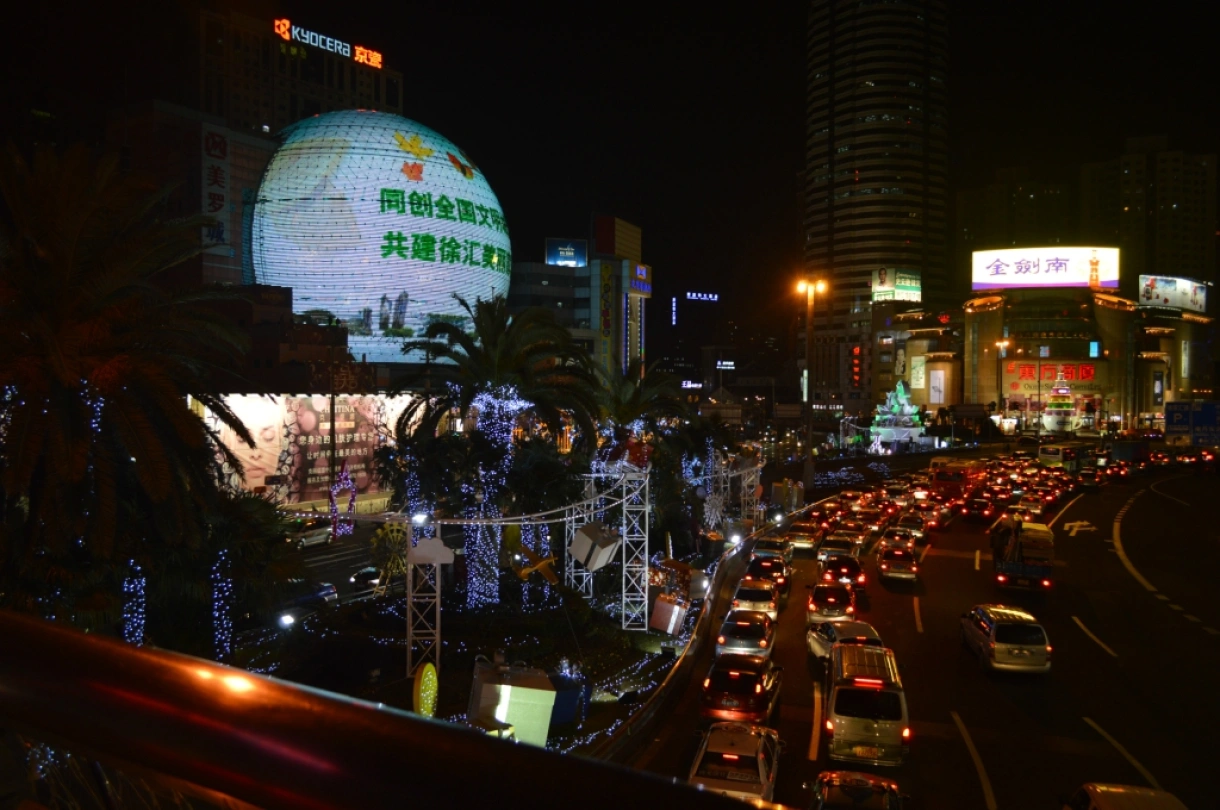
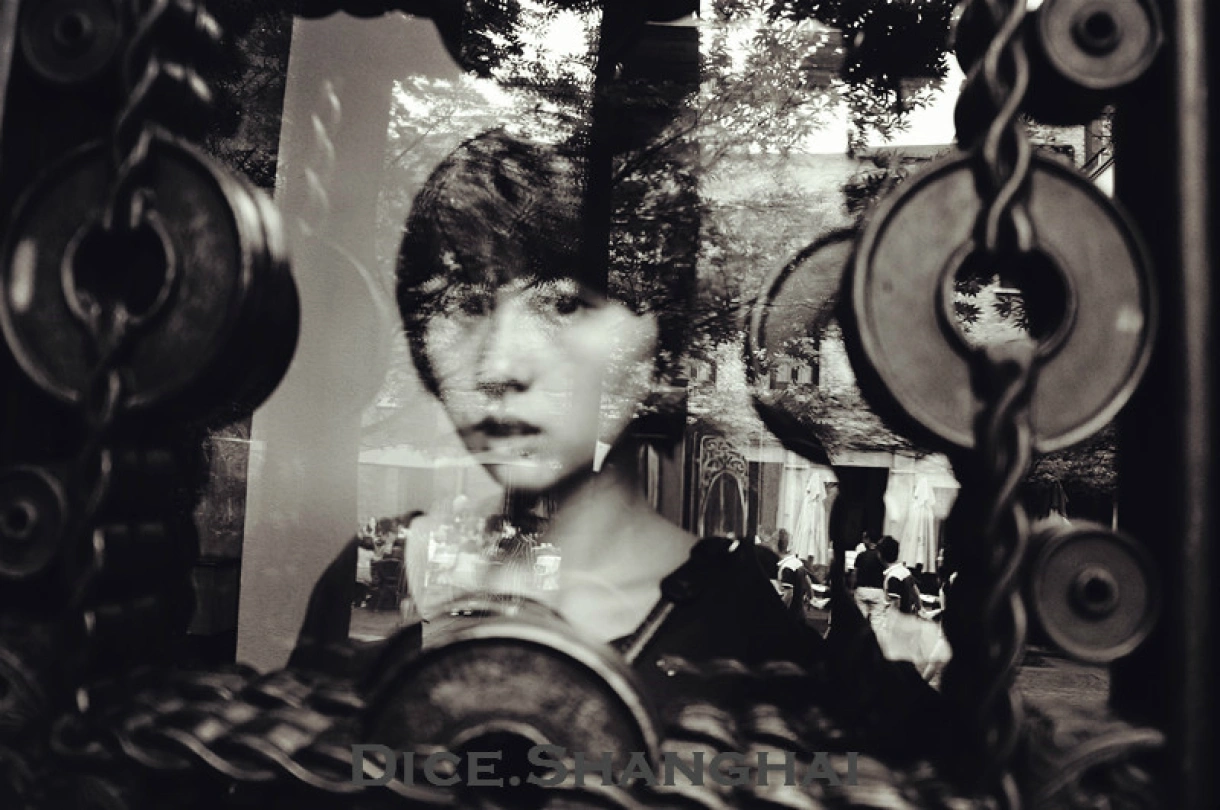
A Date with Spring | Three Days in Shanghai: The Ultimate 72-Hour Itinerary (With Photo Guide)
Meta Description: Planning a 3-day Shanghai trip? This complete guide covers hidden photo spots, budget homestays, must-try street food, and insider tips for spring in Shanghai. Includes a full photo guide.
April in Shanghai—a drizzle lingers, and the air is thick with damp spring. Just after the Qingming holiday, life felt like a glass of lukewarm water, so plain it made me want to escape. So I booked a sleeper train ticket that departed at dusk and arrived at dawn. After work on Friday, I headed straight to Shenzhen North Station, setting off on a private rendezvous with spring.
Among the four major Chinese cities—Beijing, Shanghai, Guangzhou, and Shenzhen—Shanghai was the only one I hadn't visited. Three days obviously weren't enough to take in all the glamour and history of this city. But that's fine—I'll come back anyway. Some sights don't need to be seen all at once. Leaving a little longing behind only makes them more beautiful.
Pre-Trip Prep: Where to Stay in Shanghai for Spring
Best Homestay Near Laoximen Metro Station
I chose to stay in a homestay this time, mainly because hotel prices in Shanghai are on the higher side. Plus, I had an Airbnb coupon, so I locked in a place near Laoximen Metro Station. As it turned out, this was an absolutely right decision.
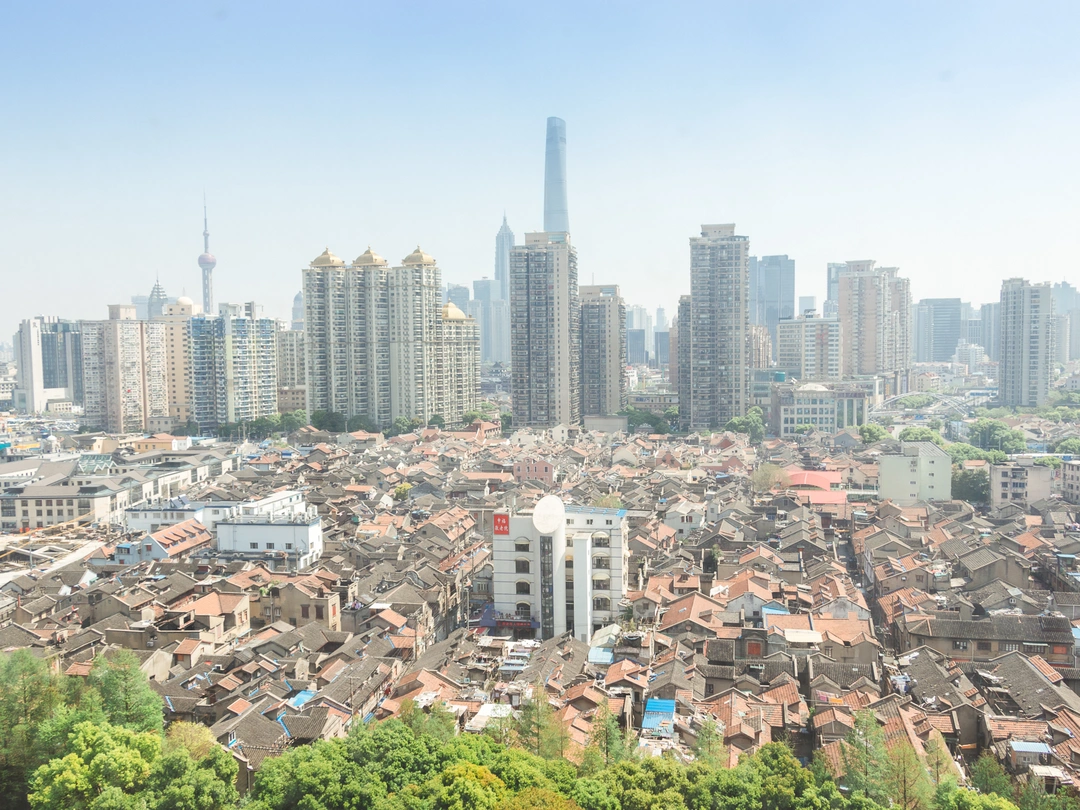
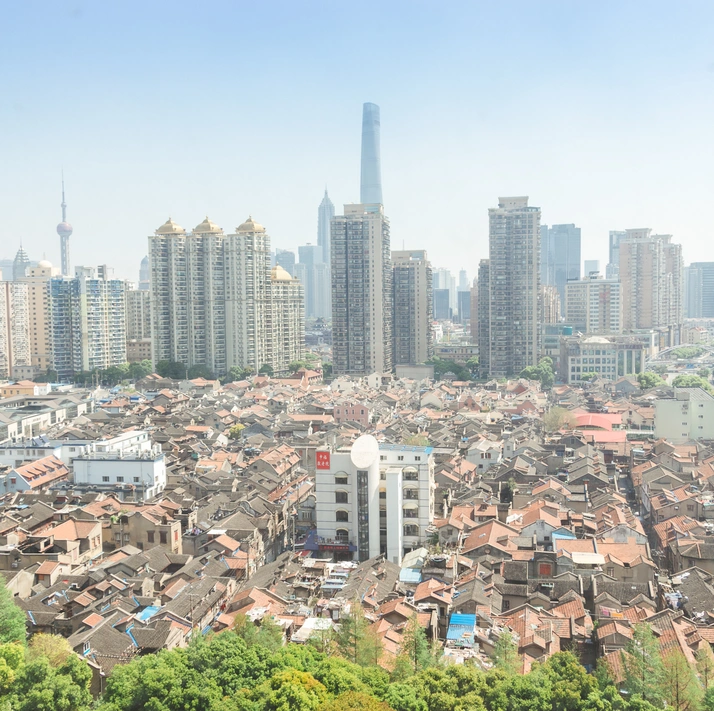
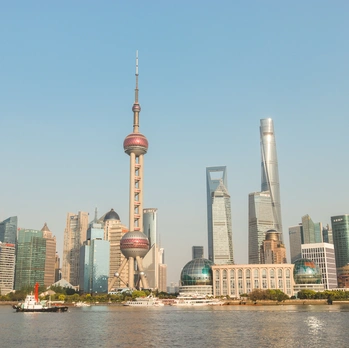
The homestay was in a residential compound near Laoximen, just a few minutes' walk from the metro station. The most delightful surprise was the bay window in the room—the view was stunning, with the Lujiazui skyline right outside. Waking up in the morning, sunlight poured in, and the Shanghai Tower, China's tallest building, stood firmly at center stage. At night, I set up my tripod, and the cityscape was so beautiful I couldn't bear to draw the curtains.

The host also lived in the same apartment, but we didn't disturb each other. The room came with towels and toiletries, and the mattress was just the right firmness. When I napped in the afternoon, sunlight filtered through the curtain gaps onto the blanket—so cozy I didn't want to get up.
Practical Tip: The host later switched listings, but there's still a similar apartment in another building within the same compound. The location and view are almost identical, and it offers great value for money. If you're interested, you can search for the host's profile picture on the booking platform and check out their other rooms.
[Link: Best budget homestays in Shanghai near metro stations]
Day One: Shanghai Museum, Pan-Fried Buns, and Xintiandi Nightlife
Shanghai Museum: A Dialogue Across a Thousand Years
When I arrived at Shanghai Hongqiao Station in the morning, a fine rain was falling, and the air was cold enough to make me pull my jacket tighter. I bought a public transport card—in every city I visit, I make it a habit to collect a local transit card. It's a small ritual that gives me a sense of belonging.
Since the homestay wouldn't be ready for check-in until noon, I decided to visit the Shanghai Museum first. I took the metro to People's Square, exited from Gate 1, and walked a few minutes to the museum. Admission was free, and they even offered luggage storage. The staff member at the counter was so warm and welcoming that it warmed my heart.
The Shanghai Museum is one of China's four great museums, with a collection so vast it's almost overwhelming. I focused on the Bronze Gallery and the Ceramics Gallery. Even though my visit was just a quick glance, those artifacts that had traveled through millennia were still awe-inspiring.
Three exhibits that left a lasting impression:
- Openwork Coiled Dragon Drum Stand (Late Spring and Autumn Period): Dragon patterns intertwined with fluid lines, as if ready to soar into the sky at any moment.
- Eight-Oxen Cowrie Shell Container (Western Han Dynasty): When excavated, it still contained cowrie shells. The eight oxen on the lid were so lifelike that you couldn't help but marvel at ancient craftsmanship.
- Wooden Head of Kasyapa (Tang Dynasty): A thousand years of wear had left cracks in the wood grain, but the gentle smile at the corners of Kasyapa's mouth remained serene and compassionate.
The museum's official website has detailed information about the exhibits. If you're interested, you can do some homework beforehand. A whole morning was only enough for a cursory look, but it was more than enough to fill me with reverence.
[Link: Shanghai Museum exhibits you can't miss]
Yang's Pan-Fried Buns: Shanghai's Must-Try Street Food
When I came out of the museum, my stomach started protesting. I chose the Yang's Pan-Fried Buns (小杨生煎) on Wujiang Road and ordered a combo of the classic pan-fried buns and the shrimp ones. The crust was crispy, and when I bit into one, the broth exploded in my mouth—so savory it made me squint with pleasure. After four buns, I was already pretty full. I paired them with a bowl of beef soup, which was the real highlight. Unfortunately, my stomach capacity was limited, and I only managed half a bowl before throwing in the towel.
Pro tip: Yang's Pan-Fried Buns has multiple locations across Shanghai. The Wujiang Road branch is closest to People's Square and perfect for a quick lunch between museum visits.
Xintiandi: A Gloomy Evening and a Sunny Morning
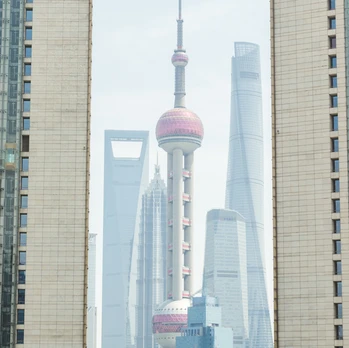
After a nap at the homestay, I didn't head out until 5 PM. Xintiandi was very close to where I was staying—just a ten-minute walk. On a gloomy evening, the traditional Shikumen (stone-gate) buildings looked particularly serene against the gray sky. The Site of the First National Congress of the Communist Party of China was already closed, so I could only take a photo from outside. Seeing in person what I had only encountered in textbooks stirred a strange, wonderful feeling in my heart.
I went back to Xintiandi the next morning. The sun was shining, the temperature had risen, and the trees lining the streets were a brilliant green. The Shikumen architecture looked especially beautiful in the sunlight—red brick walls, black lacquered doors, carved windows—every detail exuded the charm of old Shanghai.
At a bakery, the bread on the shelves was bathed in golden sunlight, making my mouth water. A long line had formed at the entrance to the CPC First Congress site. Watching wave after wave of tour groups, I decided to come back another time.
Vue Bar: Stunning Night Views for 110 Yuan
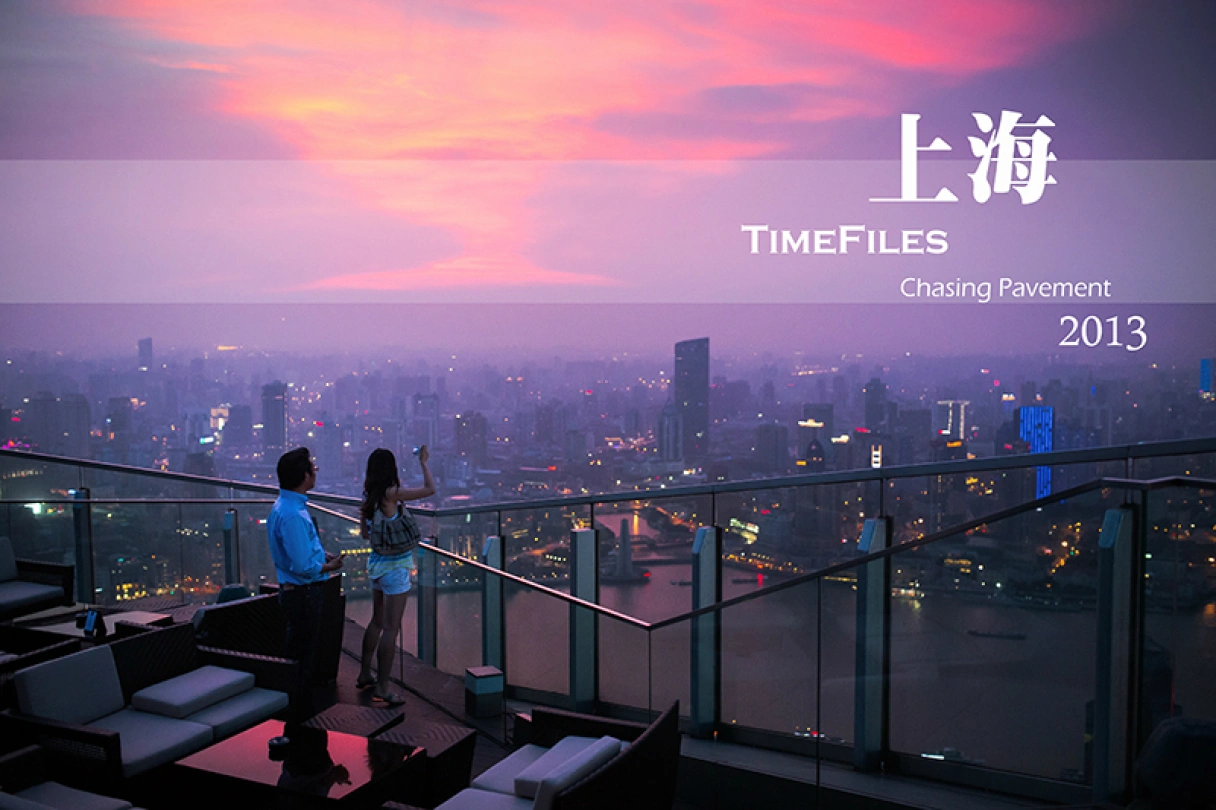
Around 9 PM, I went to Vue Bar on the 32nd floor of the Hyatt on the Bund. Non-guests had to pay a 110 yuan cover charge, which included one drink. For that price, I got an unbeatable night view of both sides of the Huangpu River—totally worth it.
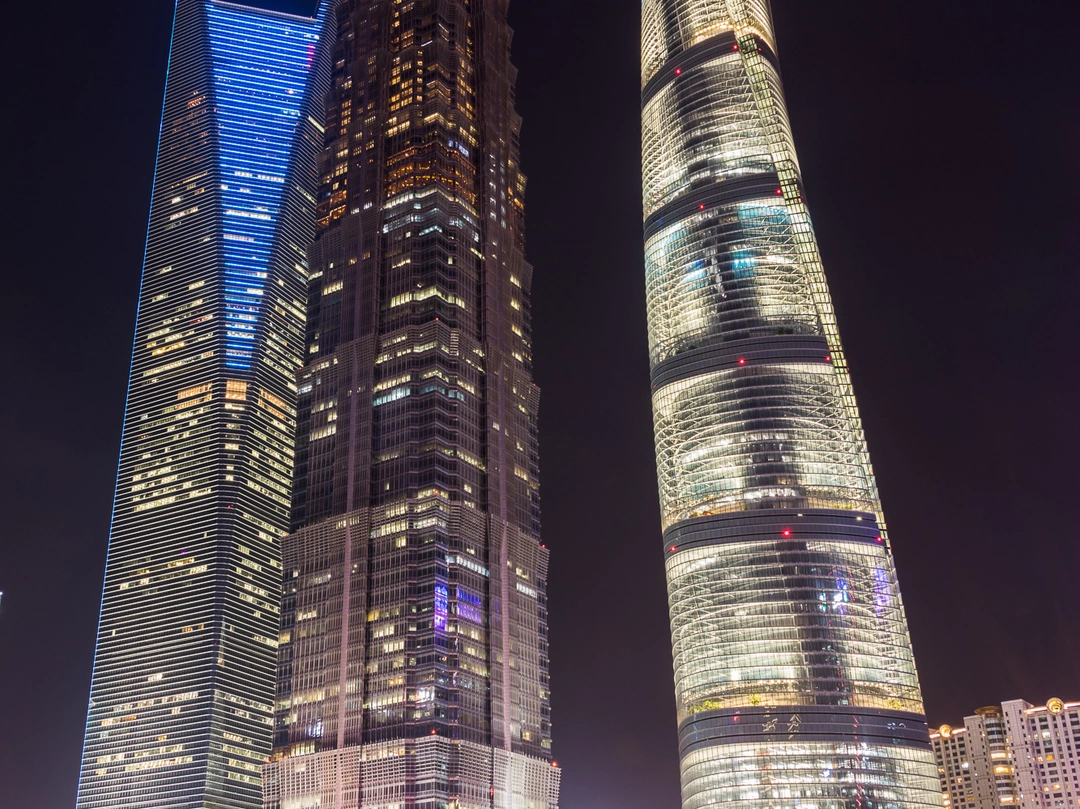
The 32nd floor was an indoor area with already impressive views. The 33rd floor was an open-air terrace with a heated whirlpool in the center. That night, a light rain was falling, and mist hung over the city, but nobody seemed to mind. The "Three Great Artifacts" of Lujiazui—the Shanghai Tower (the "egg beater"), the Shanghai World Financial Center (the "bottle opener"), and the Jin Mao Tower (the "syringe")—appeared and disappeared in the mist, like a scene from a sci-fi movie.
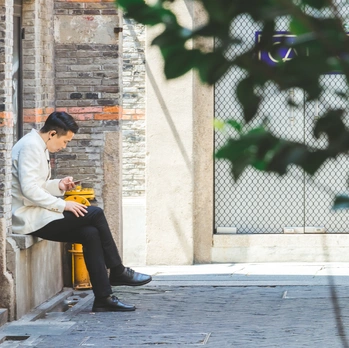
Unfortunately, I didn't have a wide-angle lens, so I couldn't capture both the Bund and Lujiazui in one shot. Later, at Mydream+ Space, I felt that regret all over again. But by resting my camera on the railing, I still managed to get a few satisfying photos.
It was nearly 11 PM when I left the bar. I had dinner at a Cantonese restaurant and then went back to the homestay to rest.
[Link: Best rooftop bars in Shanghai with Bund views]
Day Two: 181 Minhang Road, Waibaidu Bridge, and Tianzifang
181 Minhang Road: Shanghai's Most Jaw-Dropping Photo Spot
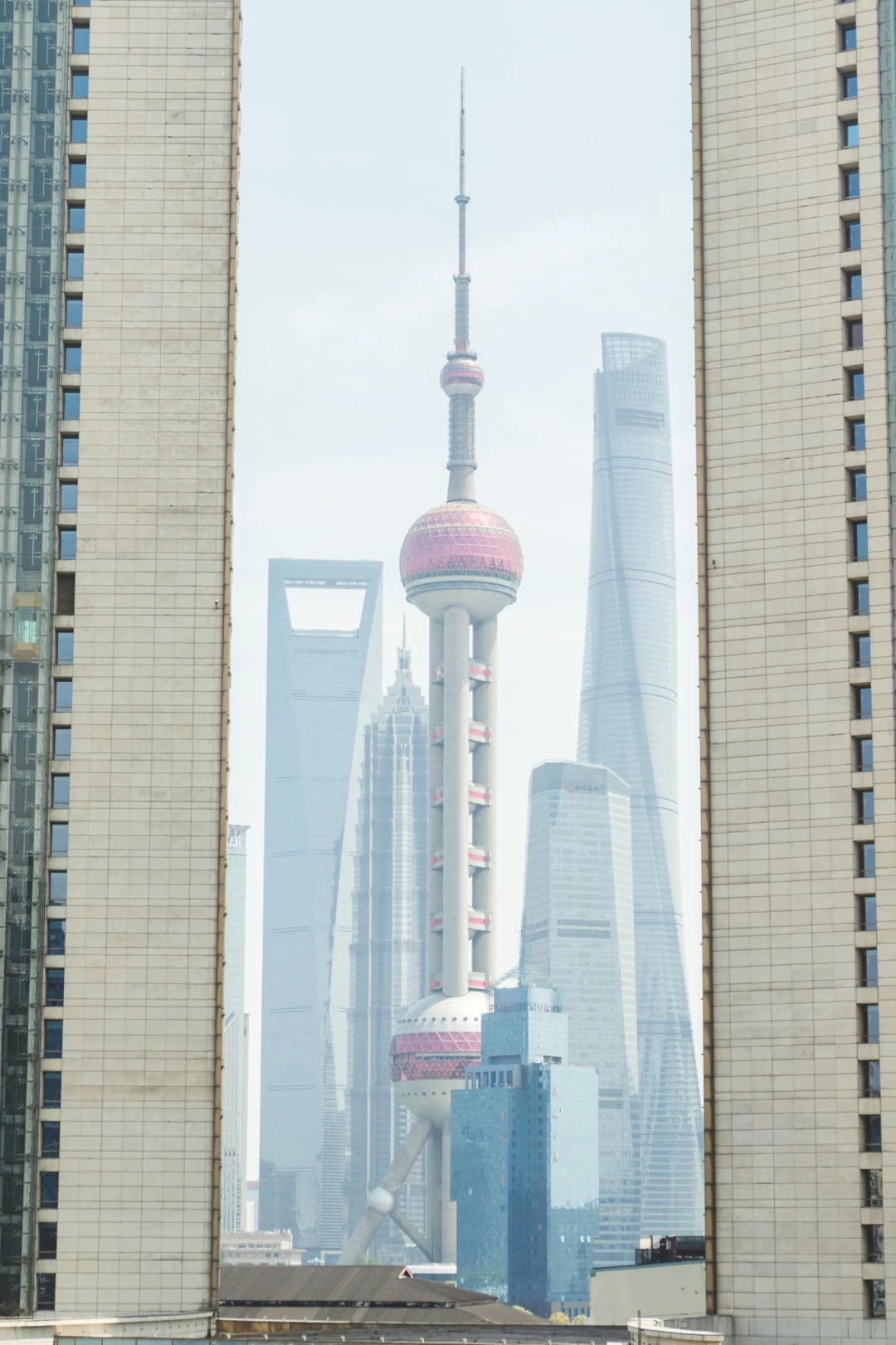
I first saw this spot in a post by @Yang on Mafengwo, and I was blown away by the angle—the "Three Great Artifacts" appeared perfectly framed between two buildings, as if custom-made. After asking for the exact address, I ended up going there three times in one day: noon, dusk, and night.
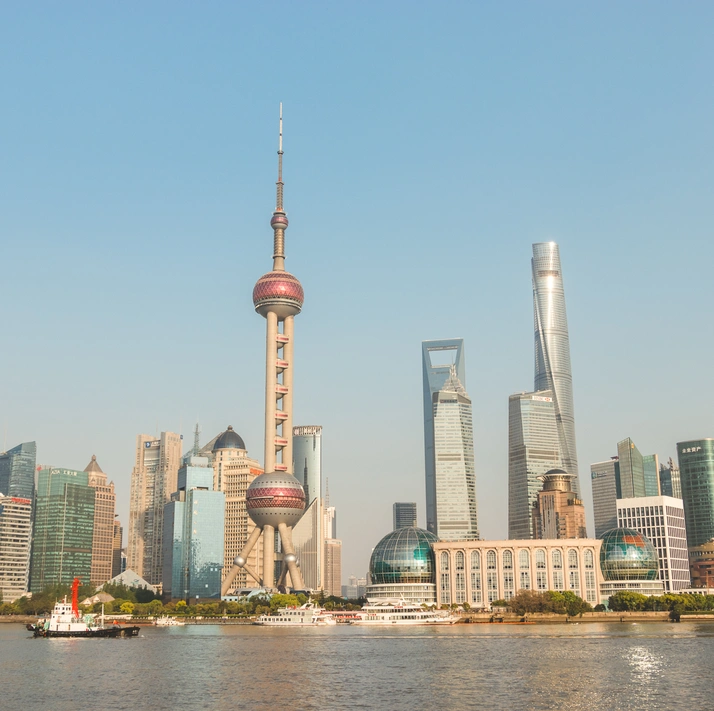
How to find it: Walk to 181 Minhang Road, and you'll see the three skyscrapers between two buildings. Turn around, and the photo spot is on the rooftop of a residential building. No elevator—you have to climb the stairs. Once on the rooftop, the scene before you is breathtaking. This residential building is much older than the "Three Great Artifacts," yet the skyscrapers align perfectly between the two buildings, and the rooftop has just the right spot to capture this angle. It felt like fate.
When I went at noon, the sunlight was too harsh for portraits. But at dusk, the golden hour light painted the buildings in warm tones, and at night, the neon glow of Lujiazui created a completely different atmosphere.
Photography tip: Bring a tripod for night shots. A wide-angle lens (16-24mm) is ideal, but even a smartphone with a wide-angle mode can capture this stunning perspective.
[Link: Hidden photo spots in Shanghai for Instagram]
Waibaidu Bridge: A Walk Through History
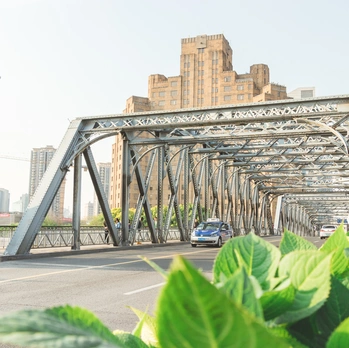
After the photo session, I walked to Waibaidu Bridge, one of Shanghai's most iconic landmarks. This steel truss bridge, built in 1907, connects the Bund with the Hongkou District. Walking across it, you can see the contrast between the colonial-era buildings on the Bund and the futuristic skyline of Lujiazui.
The bridge is particularly beautiful at sunset, when the golden light reflects off the Suzhou Creek. I spent about 30 minutes here, taking photos and watching the boats pass underneath.
Tianzifang: Shanghai's Artistic Alley
In the evening, I visited Tianzifang, a labyrinth of narrow alleys filled with art studios, boutique shops, and cafes. Located in the French Concession area, this former residential neighborhood has been transformed into a bohemian enclave.
Unlike the polished Xintiandi, Tianzifang feels more authentic and lived-in. I wandered through the alleys, stopping at a small art gallery and a tea shop. The crowds can be overwhelming on weekends, but the atmosphere is electric.
Insider tip: Visit Tianzifang early in the morning (before 10 AM) to avoid the crowds. Many shops don't open until 10:30, but you'll have the alleys to yourself for quiet exploration.
Day Three: The Bund, French Concession, and Departure
Morning Walk Along the Bund
On my final morning, I woke up early and walked along the Bund before the crowds arrived. The 1.5-kilometer stretch along the Huangpu River offers the best views of Lujiazui across the water. I watched the sunrise paint the sky in shades of pink and orange, with the iconic skyline silhouetted against the light.
Best photo spots on the Bund: - The Meteorological Signal Tower (near the intersection of Zhongshan East 1st Road and Yan'an East Road) - The Peace Hotel (the green pyramid roof is a classic Shanghai icon) - The Bund Observation Deck (near the intersection of Nanjing East Road)
French Concession: A Leisurely Stroll
After the Bund, I took the metro to the French Concession area. This neighborhood is famous for its tree-lined streets, historic villas, and chic cafes. I walked along Wukang Road and Fuxing Road, stopping for coffee at a sidewalk cafe.
The French Concession is the perfect place for a relaxed morning—no rush, no agenda. I spent two hours just wandering, taking photos of the architecture, and enjoying the spring weather.
Departure from Shanghai Hongqiao
By noon, it was time to head back to Shanghai Hongqiao Station for my return train. I took the metro from the French Concession (Line 10 to Line 2), which took about 40 minutes. The station is massive, so allow at least 20 minutes to find your platform.
Departure tip: Hongqiao Station has plenty of food options, including a food court on the B1 level. Grab a quick meal before boarding.
FAQ: Planning Your Three Days in Shanghai
Q1: Is three days enough to see Shanghai?
 A: Three days is enough for a highlights tour of Shanghai. You can cover major attractions like the Bund, Shanghai Museum, Xintiandi, and the French Concession. However, you'll need more time for in-depth exploration of museums, theme parks (like Disneyland), or day trips to nearby water towns like Zhujiajiao.
Q2: What is the best time to visit Shanghai?
A: Spring (March to May) and autumn (September to November) are the best seasons. Spring offers mild temperatures and blooming flowers, while autumn has clear skies and comfortable weather. Summer can be hot and humid, and winter is cold but less crowded.
Q3: How do I get from Shanghai Hongqiao Station to the city center?
 A: Take Metro Line 10 from Hongqiao Railway Station to People's Square (about 30 minutes). Alternatively, taxis are available but can be expensive during peak hours. The metro is efficient and connects to all major attractions.
Q4: What is the budget for a three-day trip to Shanghai?
A: A mid-range budget for three days in Shanghai (excluding flights) is approximately 2,500-3,500 RMB ($350-500 USD). This includes: - Homestay: 800-1,200 RMB for three nights - Food: 400-600 RMB - Transportation: 100-200 RMB - Attractions and activities: 500-800 RMB - Miscellaneous: 200-300 RMB
Q5: Is Shanghai safe for solo travelers?
A: Yes, Shanghai is very safe for solo travelers, including women. The city has excellent public transportation, well-lit streets, and a low crime rate. Exercise normal precautions (keep valuables secure, avoid poorly lit areas at night), but overall, Shanghai is one of the safest major cities in the world.

Final Thoughts: Why Shanghai in Spring is Unforgettable
Three days in Shanghai felt like three lifetimes. I saw ancient artifacts that survived millennia, ate pan-fried buns that made me forget all my troubles, and watched the city's skyline transform from misty mystery to neon brilliance. I climbed a residential rooftop to capture the perfect photo, walked across a century-old bridge, and wandered through artistic alleys that felt like a different world.
But more than the sights, what I'll remember is the feeling of spring in Shanghai—the damp air on my skin, the sunlight filtering through the bay window, the warmth of the museum staff's welcome, and the quiet satisfaction of discovering a city on my own terms.
Shanghai, I'll be back. There's still so much to see—the Yu Garden, the French Concession's hidden cafes, the art galleries of M50, and the endless food stalls of Yunnan Road. But for now, I'm content with the memories I've made.
Your turn: Have you visited Shanghai in spring? What was your favorite spot? Share your experience in the comments below, or tag me in your Shanghai photos on social media—I'd love to see your perspective on this incredible city.
Ready to plan your Shanghai adventure? Bookmark this guide, pack your camera, and don't forget to try Yang's Pan-Fried Buns. Your three-day spring date with Shanghai awaits.
[Link: Complete Shanghai travel guide for first-time visitors] [Link: Best spring destinations in China for photography] [Link: How to plan a budget trip to Shanghai]
You may also like