90,000 Steps in 10 Days: A Century-Spanning Dream in Old Beijing's Winter – The Ultimate Winter Travel Guide
Meta Description: Walk 90,000 steps through Old Beijing's winter wonderland. From Forbidden City dawns to hutong stews, experience a century-spanning dream. Your complete 10-day Beijing itinerary awaits.
Introduction: When a Childhood Dream Became a Winter Journey
I grew up reading Lao She's Beijing—the aroma of douzhi (fermented soybean drink) drifting through narrow hutongs, winter sunlight pooling on gray roof tiles, the haunting call of pigeon whistles overhead. It felt like a distant, almost mythical place. But on January 30, 2019, that seed finally bloomed.
My husband and I boarded a high-speed train from a coastal southern city, watching the landscape shift from lush green hills to the vast, windswept plains of northern China. By the time we stepped onto Beijing's streets, I realized how wrong my stereotypes had been. This isn't just a city of history—it's a living, breathing tapestry of everyday warmth (yanhuoqi), where centuries of glory and hardship have been kneaded into the rhythm of rice, oil, salt, and firewood.
Over ten days, we walked over 90,000 steps. This is our story—and your guide to experiencing Old Beijing's winter magic.
Day 1: From South to North – First Taste of Beijing's Soul

H2: Checking into Wangfujing – The Heart of Modern Beijing
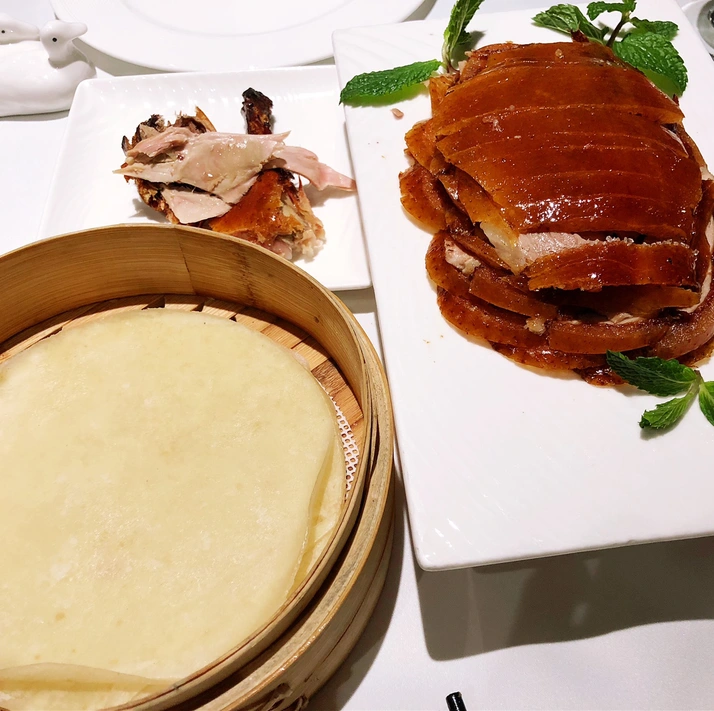
We arrived around 5 PM at our hotel near Wangfujing, Beijing's premier shopping district. After dropping our luggage, we headed straight for Sijiminfu Roast Duck Restaurant—a local institution.
The wait? Over an hour. Was it worth it? Absolutely.
That first bite of crispy duck skin dipped in sugar was transcendent—brittle as candy, melting on the tongue, sweet without being cloying. The meat was so tender it practically released juices. Wrapped in cucumber strips, scallion slivers, and sweet bean sauce, each mouthful was pure happiness. We ordered half a duck—just right—and finished wanting more.
H3: Winter Nights on Wangfujing Street
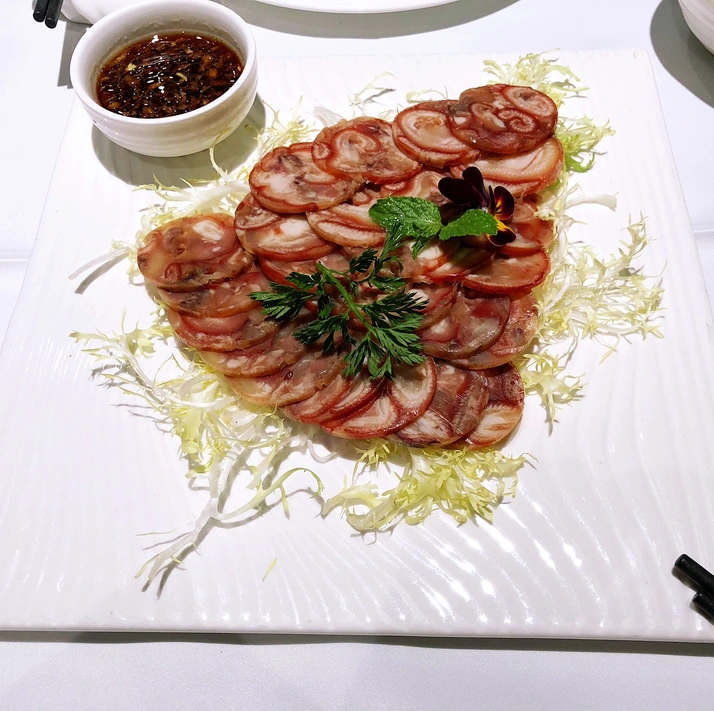
Beijing's winter nights are bitingly cold, but walking along Wangfujing holding a portion of kao lengmian (grilled cold noodles) from a roadside stall felt grounding. I realized then that the best travel isn't about checking off attractions—it's about enjoying a steaming street snack on a freezing night, just like a local.
[Link: Best street food in Beijing winter]
Day 2: From Peking University to the Old Summer Palace – Splendor and Desolation
H2: Weiming Lake – Brushing Shoulders with History at Peking University
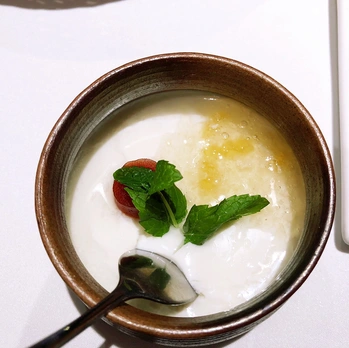
As a liberal arts student, Peking University has always been my "moonlight"—an unattainable ideal. Stepping onto campus felt like traveling back a hundred years. Ancient trees towered overhead, their bare branches filtering winter sunlight into dappled shadows.
By Weiming Lake (Unnamed Lake), I walked especially slowly. With each step, I thought: Hu Shi walked here. Lu Xun walked there. It was as if I could converse with them across time. Peking University in winter is quiet, but weighty—holding too many stories for attentive hearts to hear.
H2: The Old Summer Palace (Yuanmingyuan) – A Heartbreaking History Lesson
From Peking University, we walked to the Old Summer Palace. After wandering through most of the garden, my brow was almost permanently furrowed.
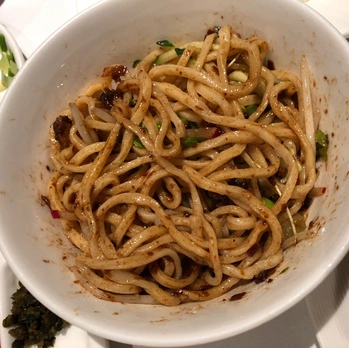
Those broken walls and crumbling pillars stood starkly in the cold wind—like shocking, painful scars. Standing before the ruins of the Western mansions, looking at stone columns blackened by fire, my chest felt tight. This was Emperor Yongzheng's most beloved garden, where he poured his heart and soul. Now, only remnants remain, telling tales of former glory and humiliation.
Coming here isn't about nurturing hatred—it's about remembering. Remembering history, remembering lessons, remembering why a nation must be strong.
[Link: Yuanmingyuan history and visiting tips]
H3: The Summer Palace (Yiheyuan) – Luxury and Pathos of an Imperial Garden
The Summer Palace is just a short walk from the Old Summer Palace. We hired a guide and learned so much.
This "Imperial Garden Museum" has stories everywhere. The Long Corridor features over 8,000 painted panels—none repeated—from landscapes and flowers to scenes from the Four Great Classical Novels. The Seventeen-Arch Bridge stretches across Kunming Lake, offering scenery reminiscent of West Lake in Hangzhou.
But what moved me most was the place where Emperor Guangxu was imprisoned. The side door was bricked up; even the door for consorts to attend to him was blocked. An emperor confined to death by his own aunt. Standing before that sealed door, I could almost hear Guangxu's silent sigh.
We left around 4 PM, stomachs growling. Near Xinjiekou subway station, we stumbled upon "Century-Old Menkuang Hutong Luzhu" (stewed offal specialty). The pork lungs were impeccably clean—no off-flavor. Eating it warmed me to the core. Later, I discovered it's a hidden gem among food bloggers.
[Link: Best hutong food in Beijing]
Day 3: Tiananmen, Forbidden City, Drum Tower, Temple of Heaven – A Thousand Years in a Single Day
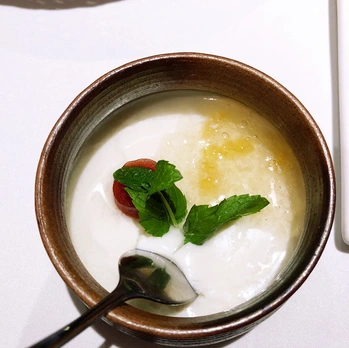
H2: Tiananmen at 5 AM – The Flag-Raising Ceremony
On the first of each month, the flag-raising ceremony is especially grand—36 guards from the National Flag Guard Company, 63 military band members playing the national anthem live. To see this, we dragged ourselves out of bed at 5 AM.
By the time we passed security, the first row was full. We stood in the second row at 6 AM. The flag-raising was scheduled for 7:24 AM. We stood in sub-zero temperatures for over an hour.
The wait was long, but the moment the flag was raised, everything was worth it. As the national flag rose to the sound of the anthem, as the crowd sang in unison, my eyes welled up. An elderly gentleman beside me said he had watched countless times—but it still moved him every time. That is the patriotic sentiment of the Chinese people—etched in our bones, unchanging.
[Link: Tiananmen flag-raising tips]
H2: The Forbidden City – 600 Years in Half a Day
After the flag-raising, we went straight to the Forbidden City without breakfast. Security took only five minutes.
We rented an automatic audio guide—it plays explanations based on your location, very practical. The Forbidden City is enormous. Walking the main route takes half a day. If you have plenty of time, you could easily spend an entire day here.
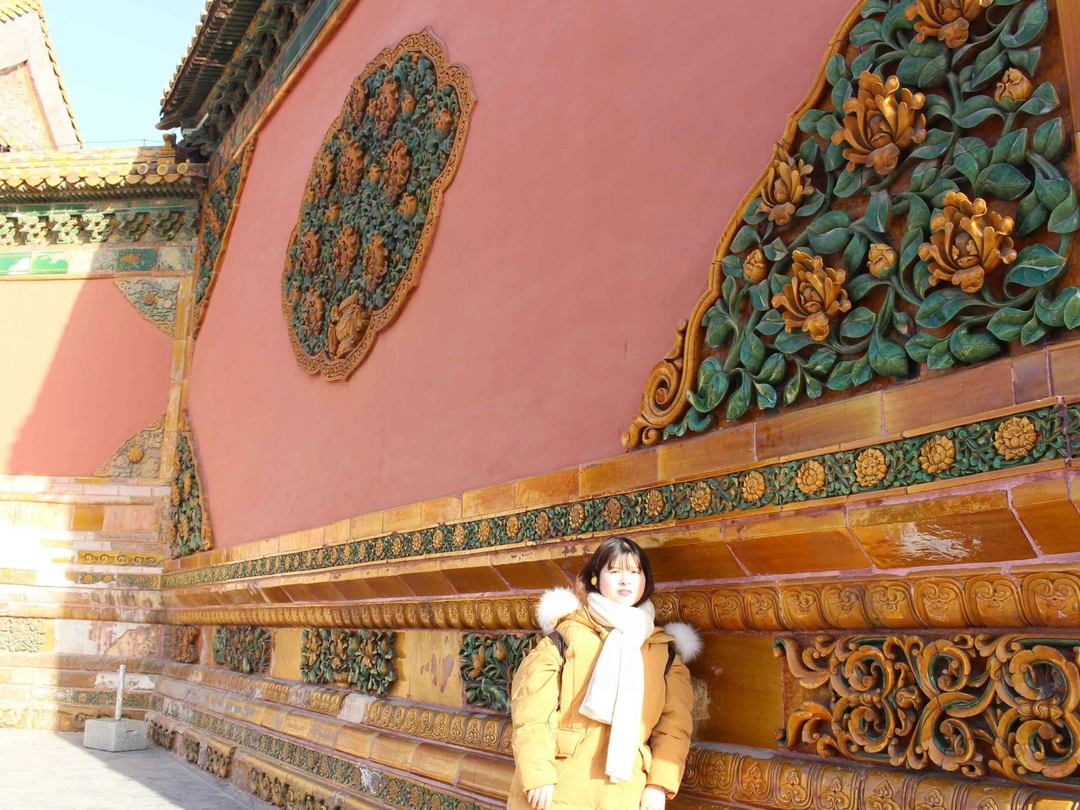
As a history enthusiast, I'm particularly fascinated by the Kangxi-Qianlong Golden Age. Walking through the palaces where those emperors once lived, I felt I could almost touch their joys and sorrows. I recommend watching Masters in the Forbidden City and The Forbidden City documentaries, or reading The Mysteries of the Forbidden City before your visit.
[Link: Forbidden City must-see spots]
H3: The Drum Tower and Temple of Heaven – Beijing's Rhythms
From the Forbidden City, we walked to the Drum Tower, where time was once marked for the entire city. Then to the Temple of Heaven, where emperors prayed for good harvests. The circular Hall of Prayer for Good Harvests is an architectural marvel—built entirely without nails.
By evening, we had walked over 15,000 steps. But every step felt like walking through a living museum.
FAQ: Your Questions About Winter Travel in Old Beijing
Q: Is winter a good time to visit Beijing?
A: Absolutely. Winter offers fewer crowds, lower prices, and a unique atmosphere—especially if you want to experience the city's yanhuoqi (warmth of everyday life). Just pack warm layers, thermal underwear, and a good coat.
Q: How many days do I need to see Old Beijing properly?
A: At least 7–10 days. Our 10-day itinerary allowed us to explore the Forbidden City, Summer Palace, Temple of Heaven, hutongs, and more without rushing. You can cover the main sites in 5 days, but 10 days lets you truly immerse yourself.
Q: What should I eat in Beijing during winter?
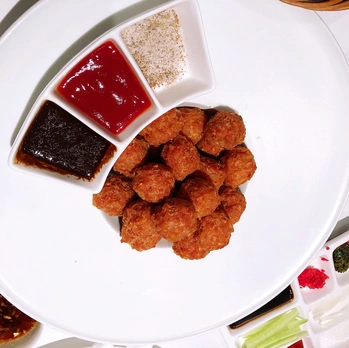
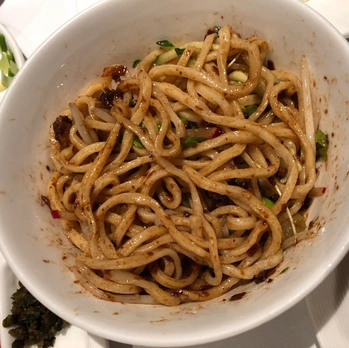
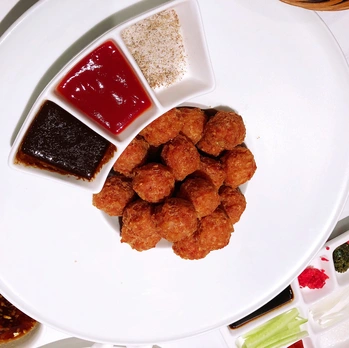
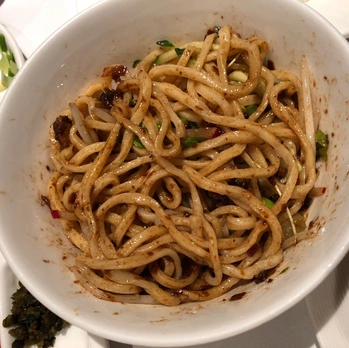
A: Must-tries include Peking duck (Sijiminfu is excellent), luzhu (stewed offal), kao lengmian (grilled cold noodles), and douzhi (fermented soybean drink). For warming winter meals, try hotpot or zhajiangmian (noodles with fried sauce).
Q: Is the Forbidden City worth visiting in winter?
A: Yes. Winter means fewer crowds, shorter lines, and a more intimate experience. The bare trees and gray skies create a hauntingly beautiful atmosphere that matches the palace's history.
Q: How do I get around Old Beijing efficiently?
A: The subway is excellent—cheap, fast, and covers all major sites. We also walked a lot (90,000 steps in 10 days). For longer distances, use Didi (China's Uber) or taxis.
Your Turn: Plan Your Century-Spanning Dream
Beijing isn't just a city—it's a living history book, a sensory experience, a journey through centuries of dreams and realities. Whether you're walking the Forbidden City at dawn, eating luzhu in a hidden hutong, or watching the flag rise at Tiananmen, every moment is a story waiting to be written.
Ready to walk your own 90,000 steps? Start planning your winter Beijing trip today. Book your high-speed train, pack your warmest coat, and prepare to fall in love with a city that has been dreaming for a thousand years.
[Link: Beijing winter travel checklist] [Link: Best time to visit Beijing]
Have you visited Old Beijing in winter? Share your favorite memory in the comments below—or ask us anything about planning your trip!
You may also like